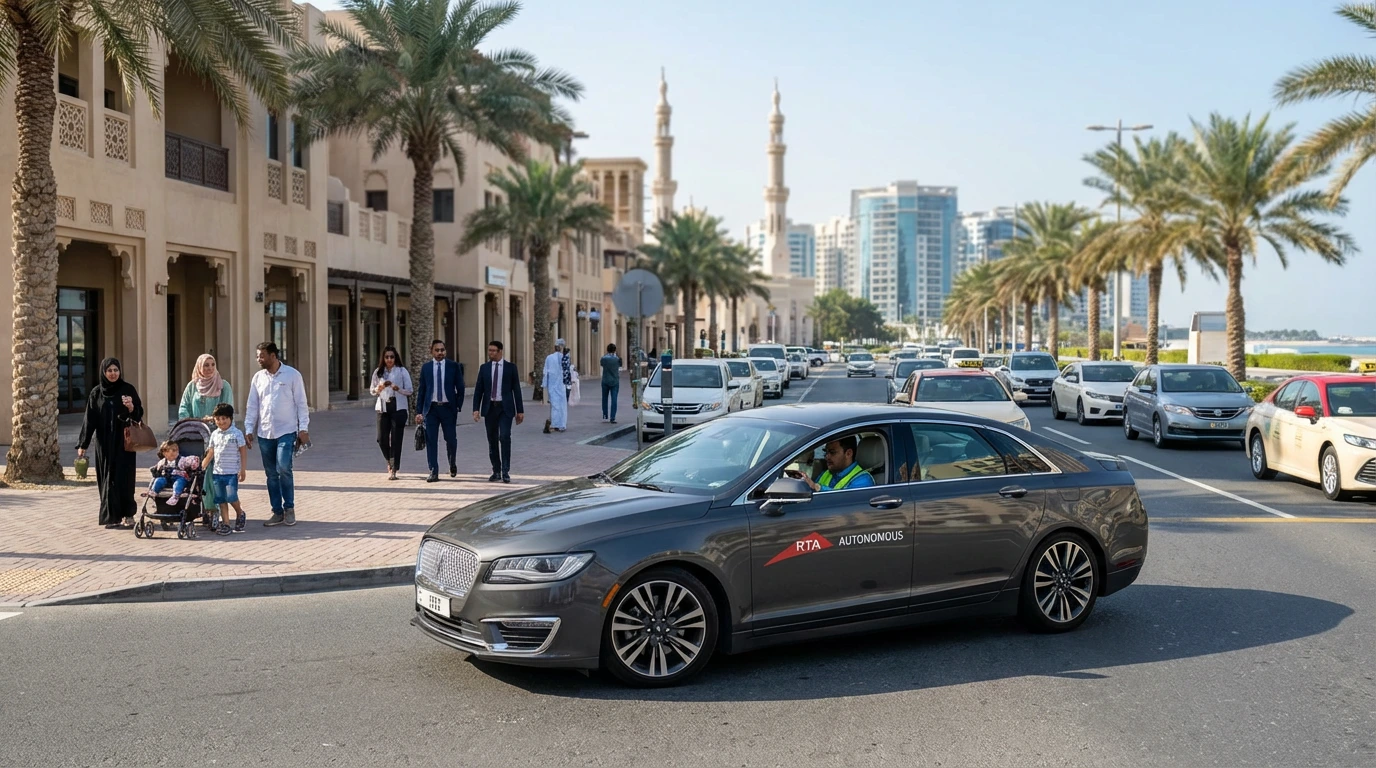
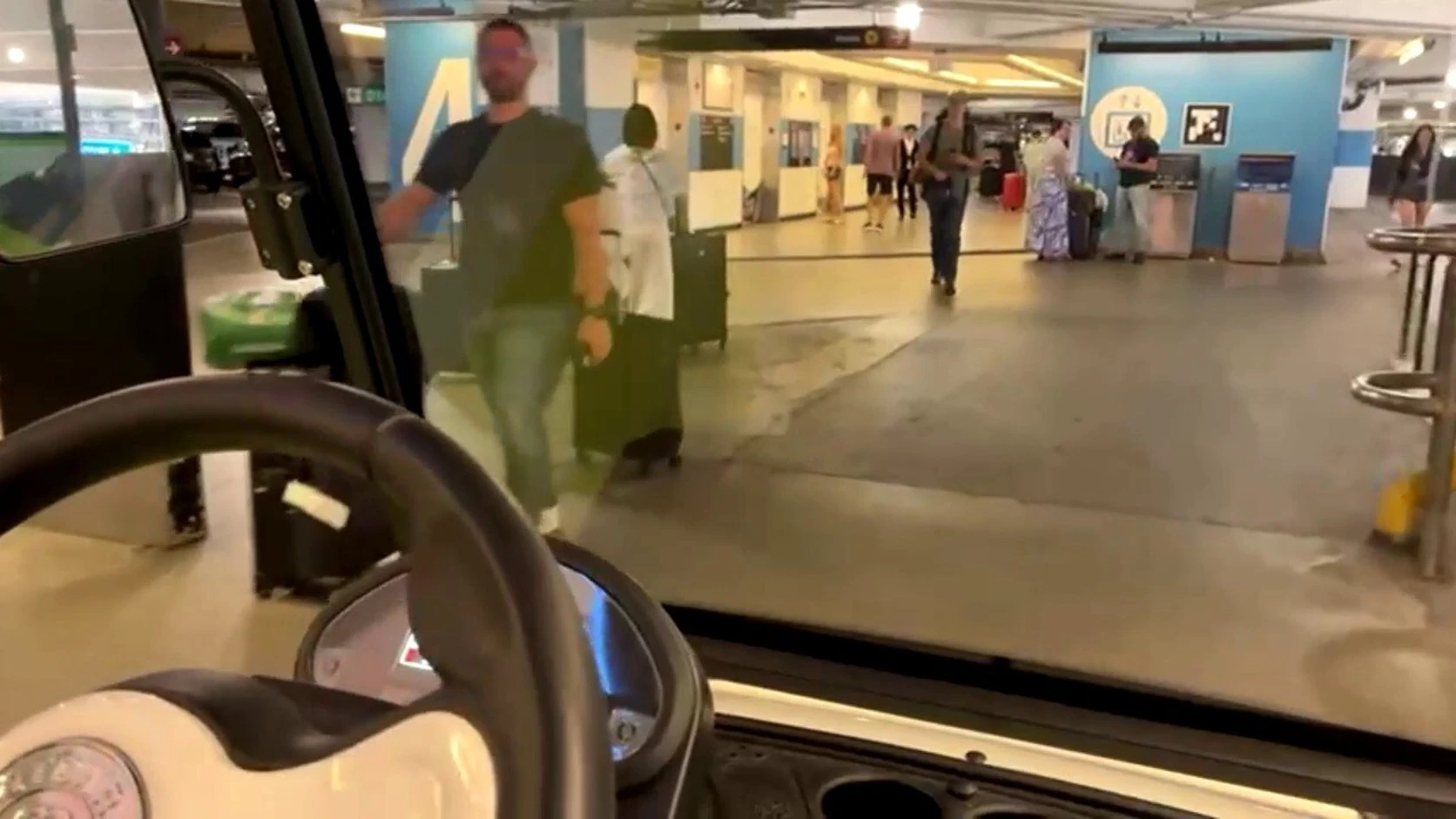
The company’s autonomous electric vehicles are carrying passengers at Seattle–Tacoma International Airport, showing how driverless mobility can fit complex indoor environments.
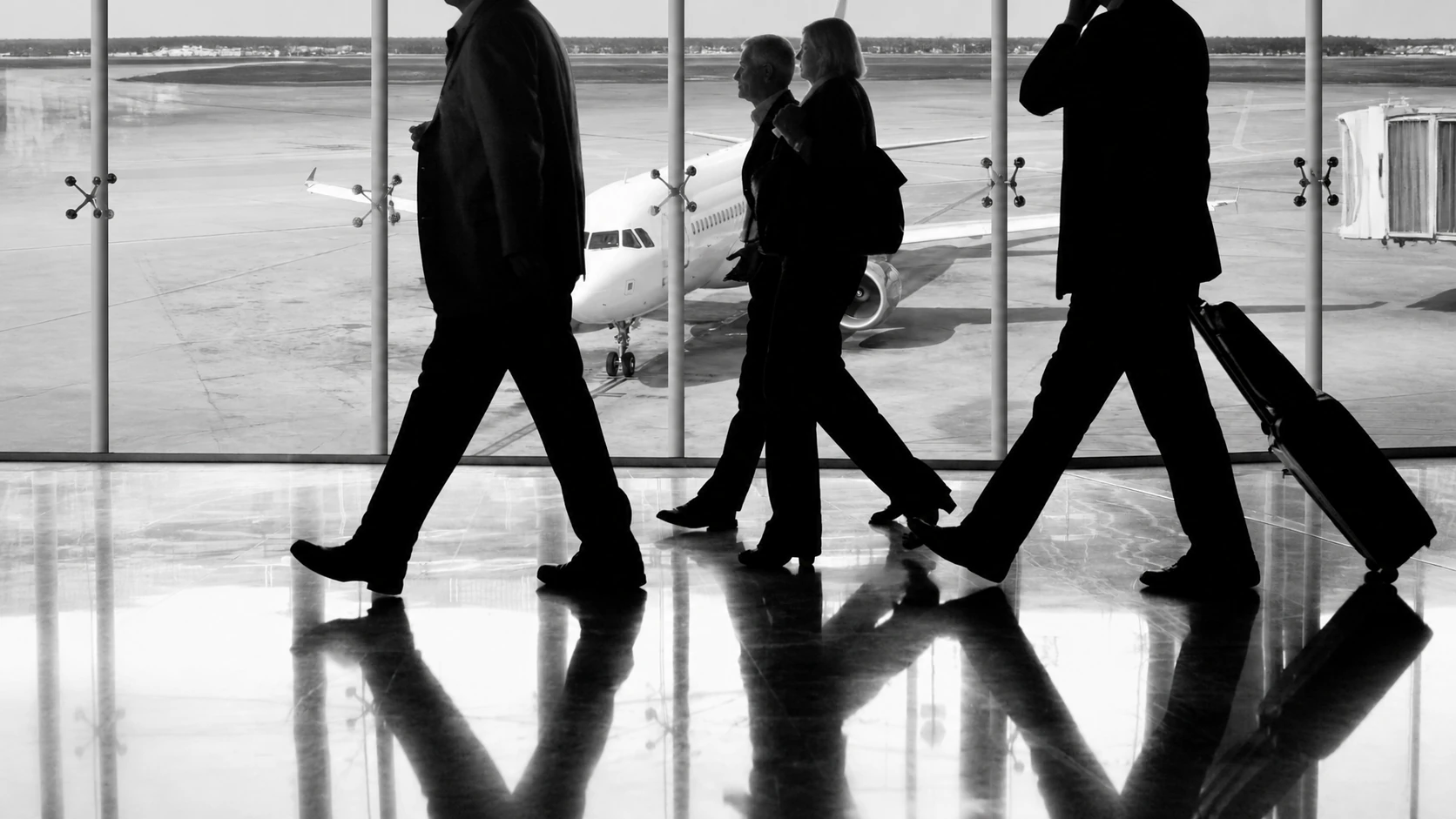
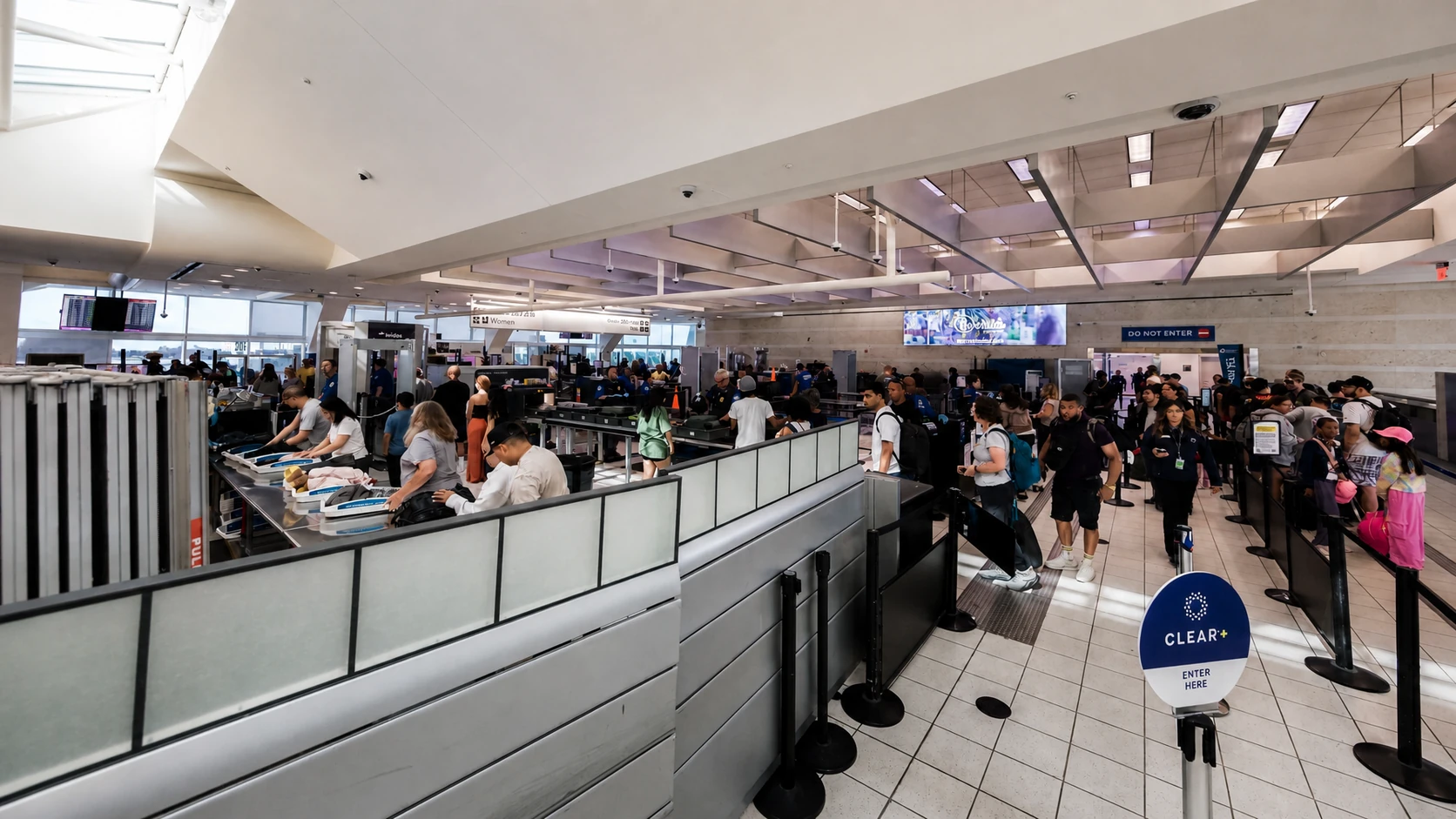
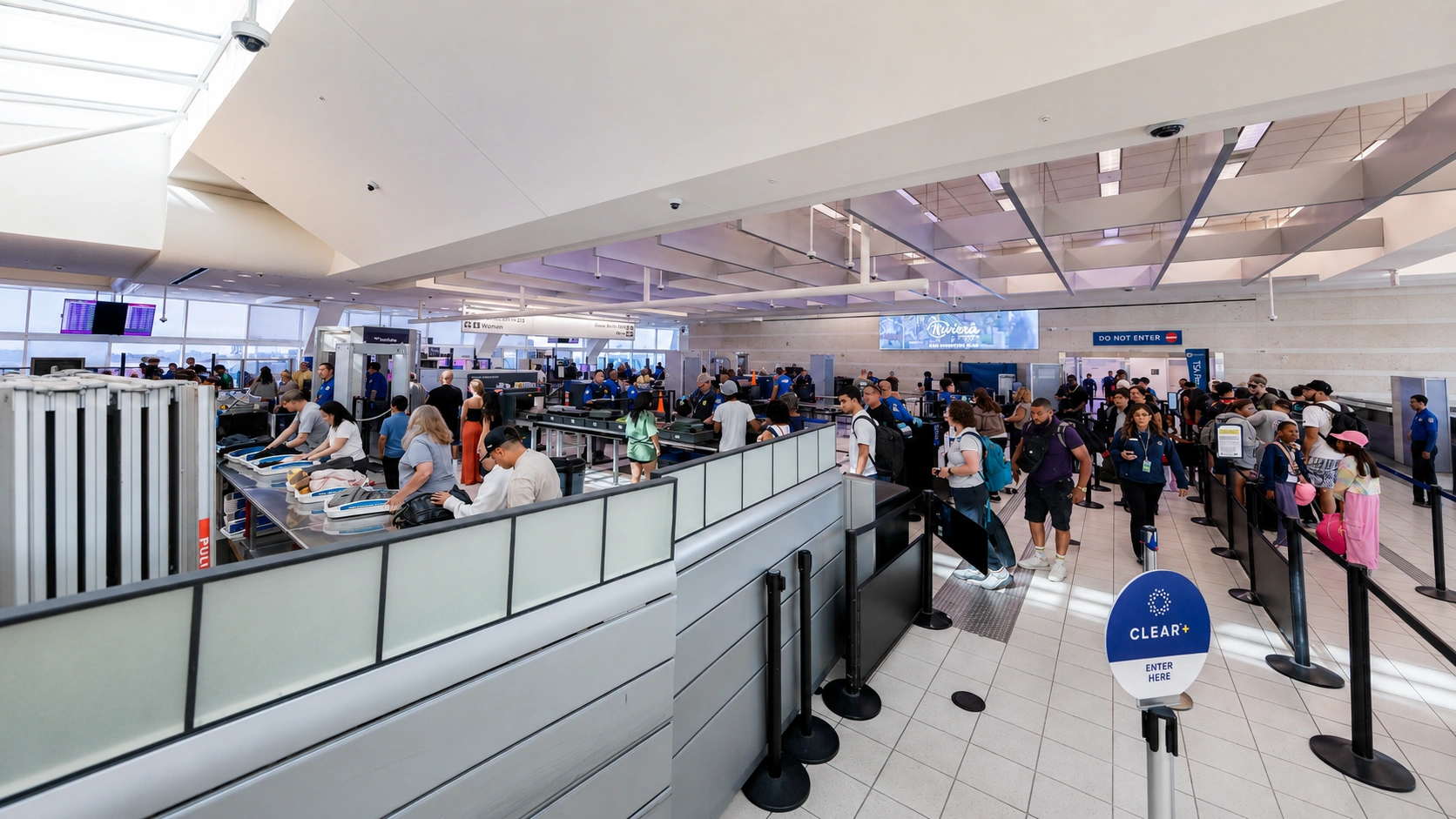
Carteav is operating autonomous electric shuttles at Seattle–Tacoma International Airport, where the vehicles have completed thousands of passenger trips without a reported safety incident. The service is designed for controlled, low-speed environments rather than public roads, placing driverless transport directly inside a busy passenger terminal. Its progress at SEA illustrates how autonomous mobility is moving into practical, highly managed spaces where accessibility, navigation and dependable short-distance transfers matter.
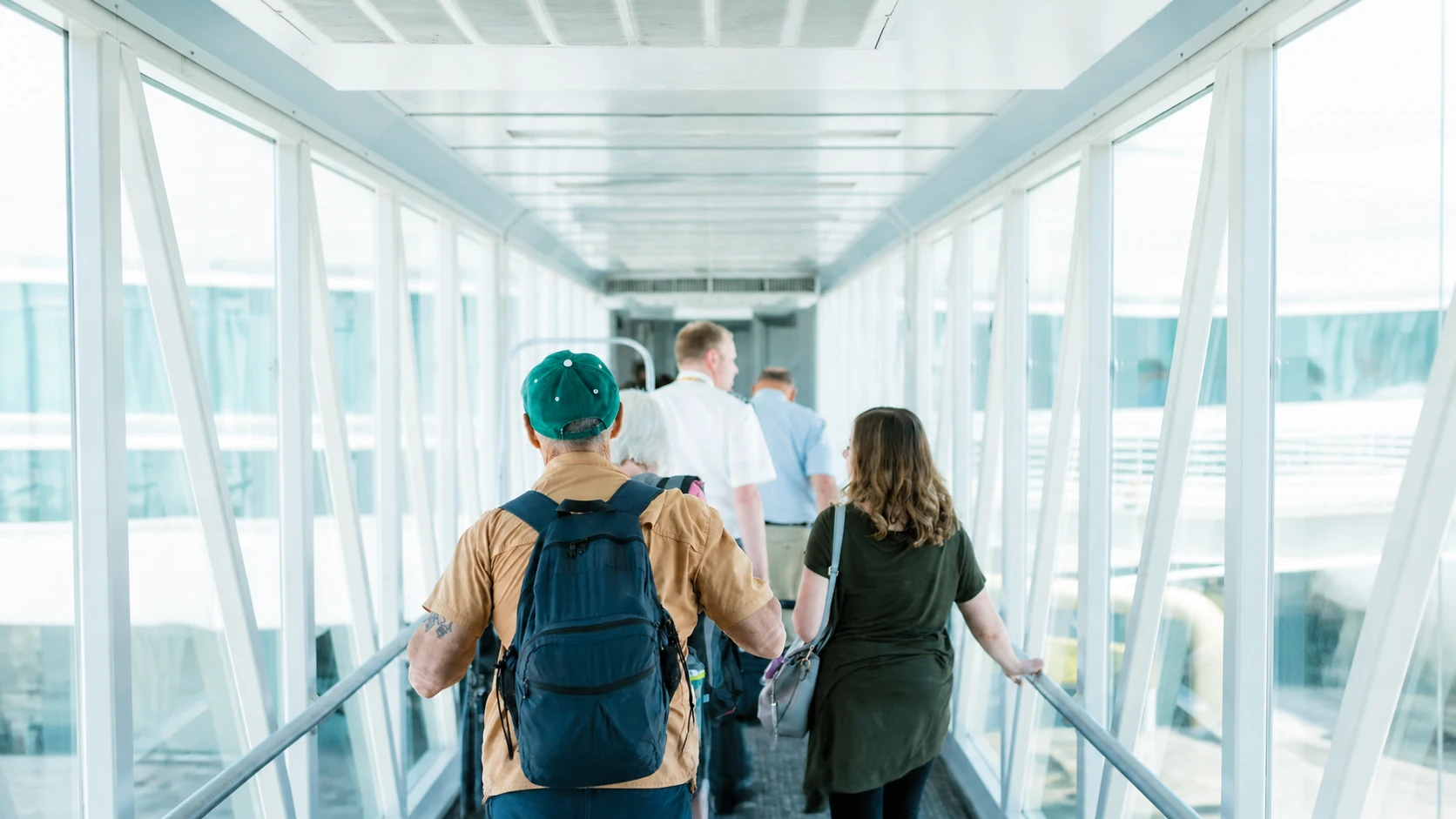
The airport deployment is aimed at passengers who may find long terminal journeys difficult, including older people, individuals with disabilities and families travelling with children. Carteav says the shuttles have transported thousands of people while offering a more independent way to move through the facility. Hundreds of passengers have also volunteered video testimonials describing the service as friendly and reliable, according to the company.
The vehicles are built to operate across indoor hallways and outdoor areas without requiring infrastructure upgrades, Carteav says. That allows them to work within existing spaces instead of depending on fixed guideways or moving walkways. The company positions the same operating model for airports, seaports, educational campuses, retirement communities and other semi-closed environments where low-speed passenger or goods movement can be separated from conventional road traffic.
Carteav’s focus distinguishes its approach from much of the public discussion around autonomous vehicles, which tends to centre on high-speed road transport. Here, the operational challenge is navigating crowded terminals and indoor corridors while maintaining a comfortable passenger experience. The company says its system can support smooth rides, short waits, accessibility and automated transfers, although those benefits remain claims made by Carteav rather than independently measured results in the supplied materials.
The SEA operation therefore serves as a visible test of where autonomous mobility may gain acceptance first: environments with defined boundaries, repeatable routes and complex but manageable pedestrian flows. Carteav says its deployments are already live across multiple settings, suggesting a business model built around adapting the technology to institutional sites rather than selling a general-purpose consumer vehicle. For airports and other large facilities, the significance lies less in spectacle than in whether driverless shuttles can become a dependable layer of everyday access.