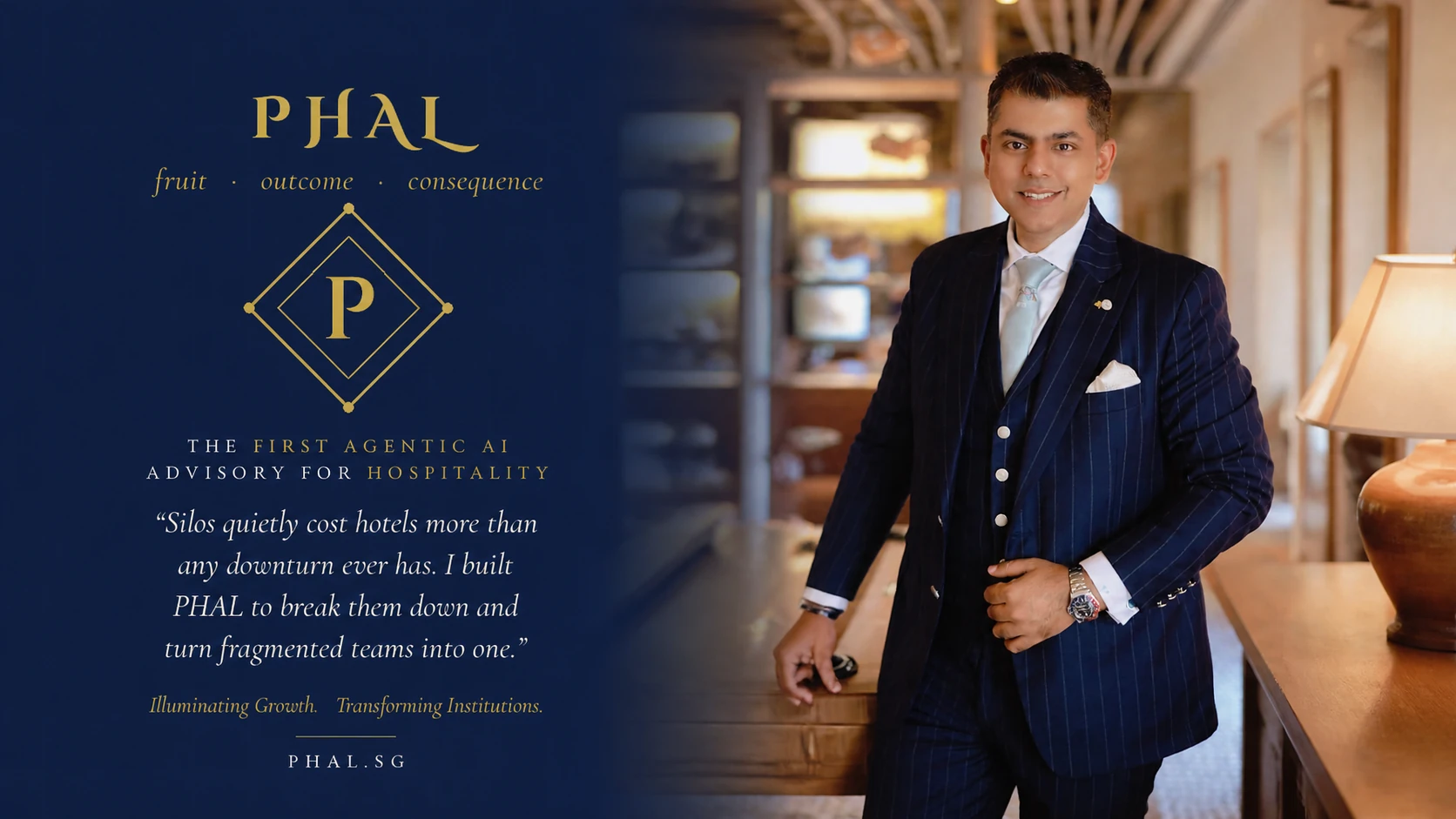
The Singapore hospitality advisory has secured a luxury-brand letter of intent while a Top 10 hotel group moves its PHAL OS engagement into proof of concept.
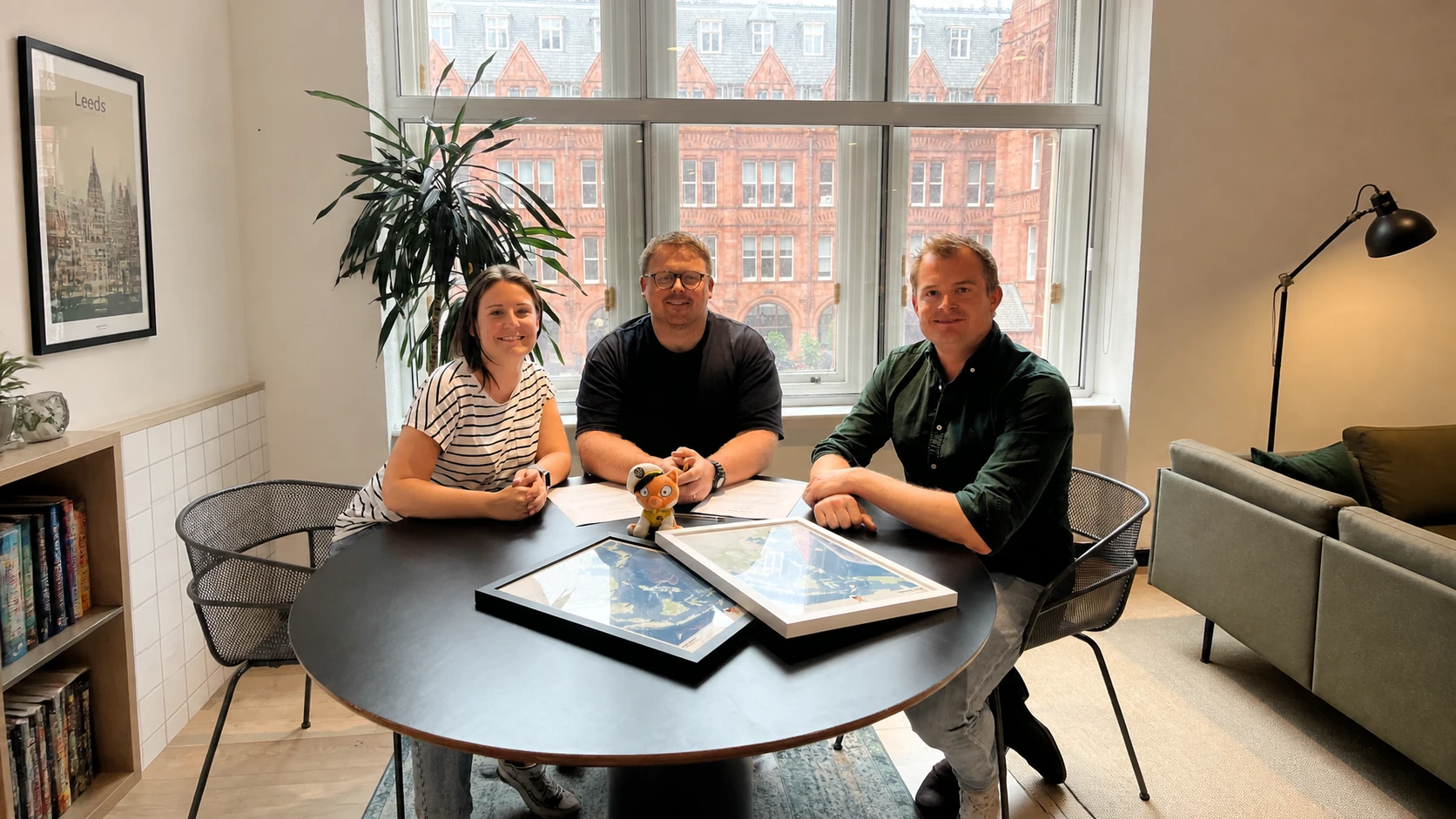
PHAL has signed a letter of intent with one of the world’s recognised luxury hotel brands while an existing engagement with a Top 10 global hotel group advances into proof of concept. The Singapore-based company said on June 26, 2026 that both clients remain confidential under their agreements. The paired developments give the advisory a more defined position in hospitality’s current AI debate: its model is built around embedding an operator inside a hotel organisation rather than supplying a conventional consulting recommendation or standalone software licence.
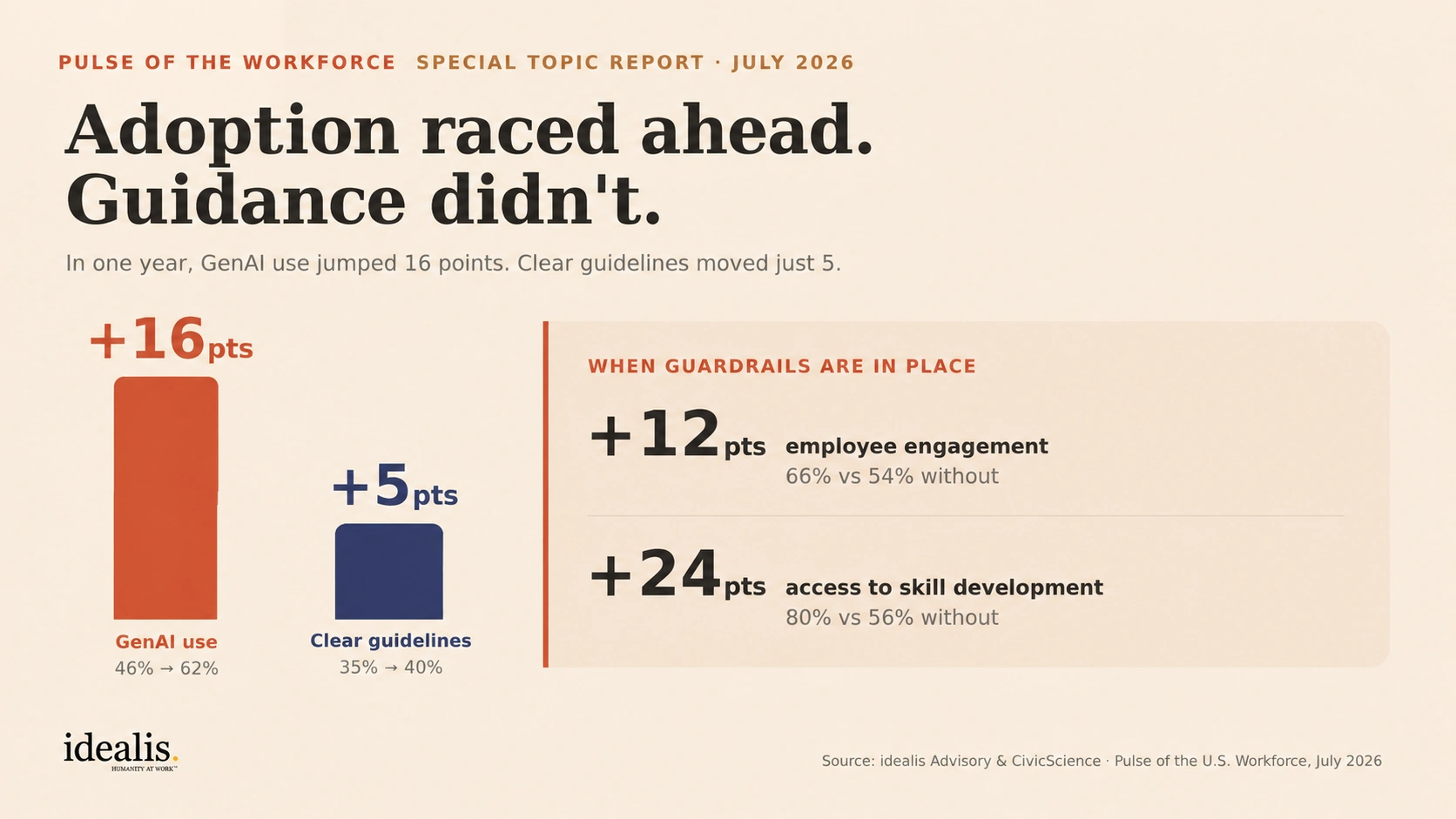
The announcement comes as hotel groups assess how artificial intelligence can be applied across businesses that rely on multiple operational and commercial functions. PHAL cited the 2026 AI-First Hotels report from New York University’s Tisch Center of Hospitality and Boston Consulting Group, which found that nearly half of hoteliers struggle to access critical business information across fragmented systems. The same report found that 2.9% of travel and tourism employees hold AI skills, compared with 21% in technology and media, according to the release.
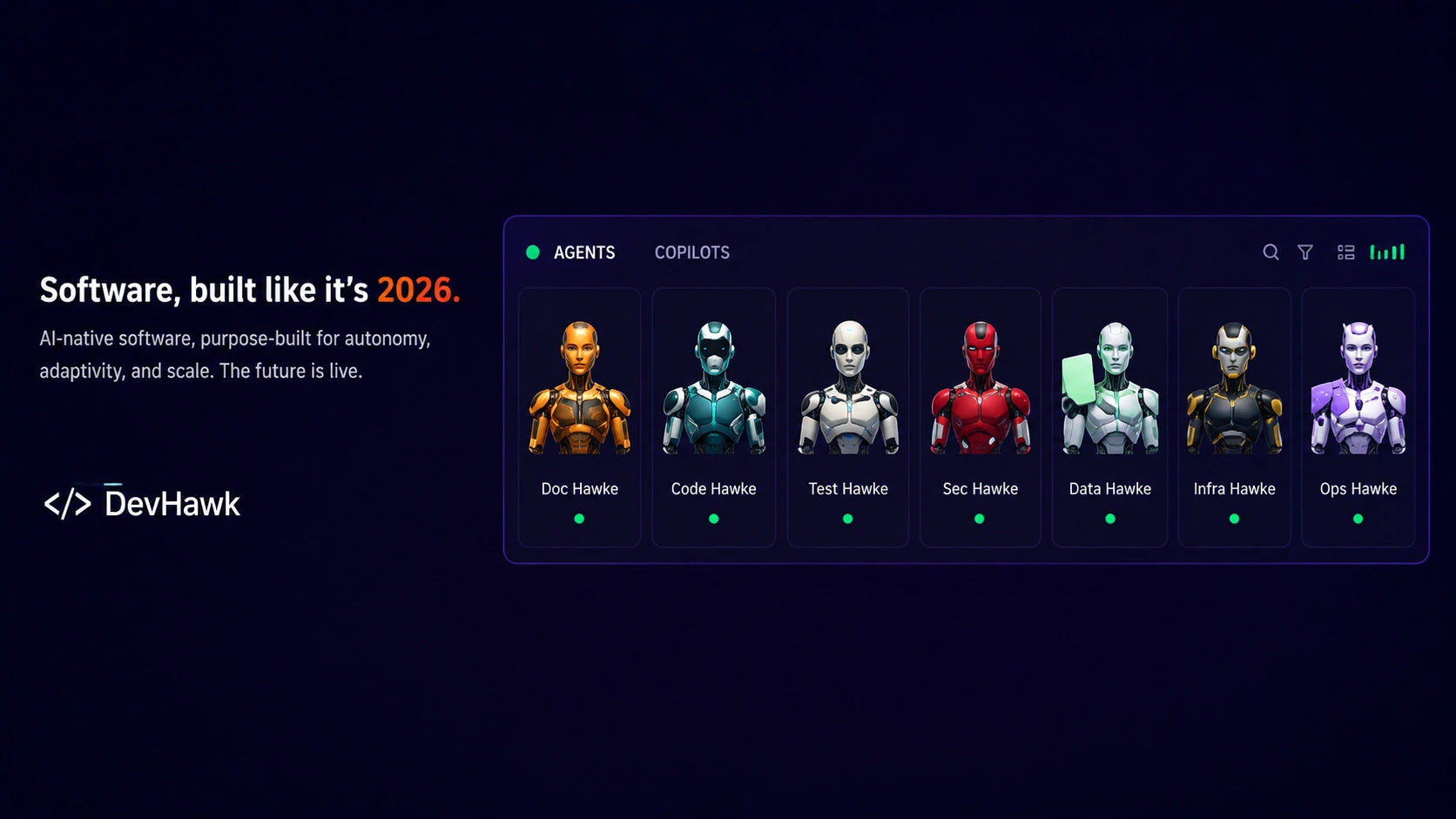
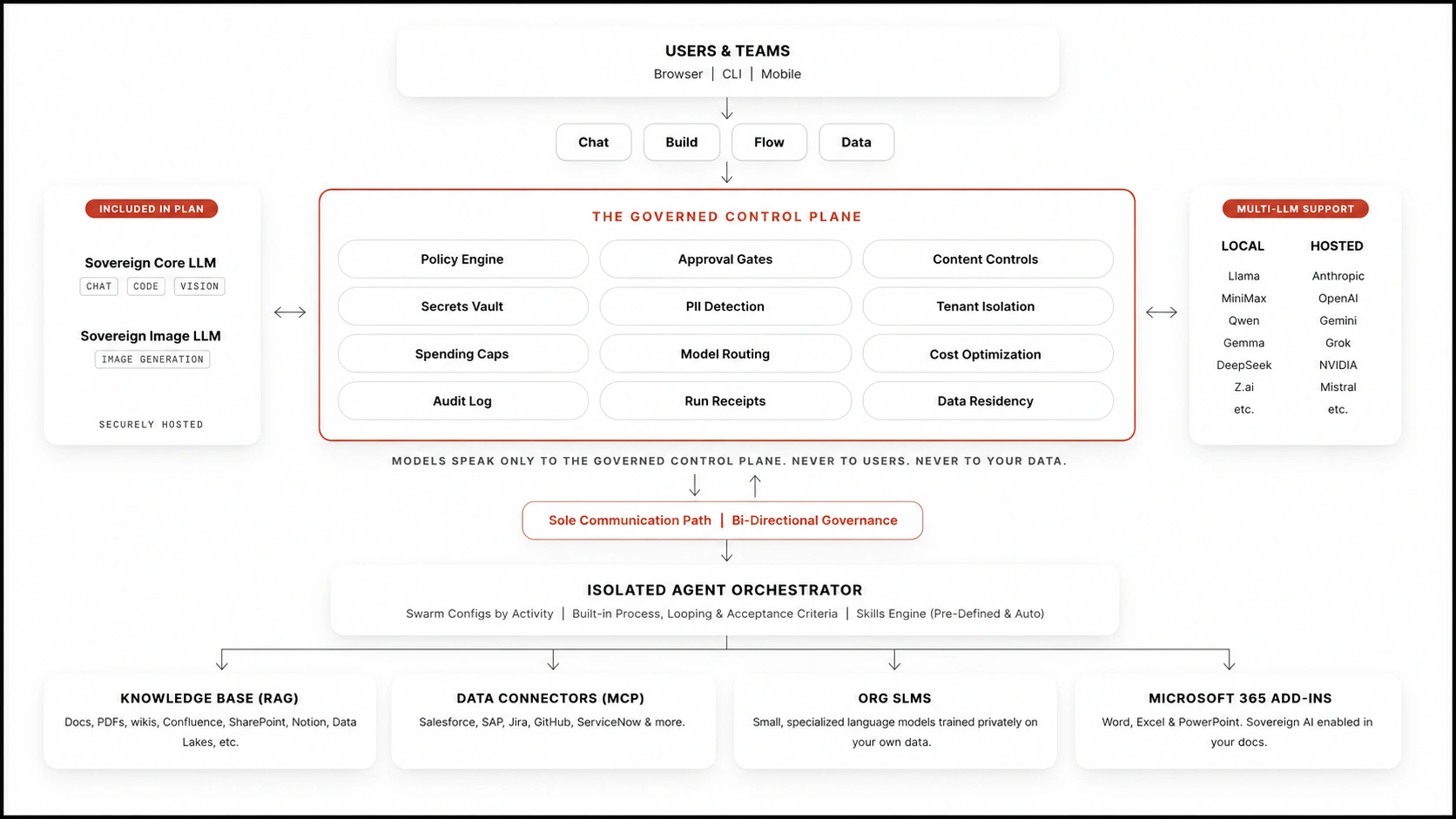
PHAL’s approach centres on PHAL OS, which the company describes as an agentic-AI operating system positioned above the technology stack a hotel group already owns. Four agents are aligned with a Balanced Scorecard covering Performance, Profit, Preference and People, and are designed to route cross-silo decisions into a daily briefing for corporate and hotel leadership. The company said each engagement is a 12-month embedded retainer, with the solution built alongside the client’s leadership and tailored to the institution rather than offered as a standard deployment.
That structure places the announcement closer to an operating partnership than a conventional technology sale. PHAL Chief Executive and Founder Saurabh Prakash said the engagement provides a seat at the table for twelve months, with an operator accountable for the outcome. The company’s language remains centred on measurable returns and early movement, while the confidential status of both clients means the release does not disclose the hotel brands, commercial terms, implementation timetable or proof-of-concept results.
For PHAL, the two engagements establish a progression from mandate to testing while extending the advisory’s presence across two distinct hospitality settings: a luxury flagship and a large global hotel group. The company says those institutions require different solutions, even when the underlying challenge involves information and decision-making across organisational silos. With the work still described in terms of a signed letter of intent and an advancing proof of concept, the announcement points to an operating model whose significance will depend on how these bespoke deployments perform in practice.