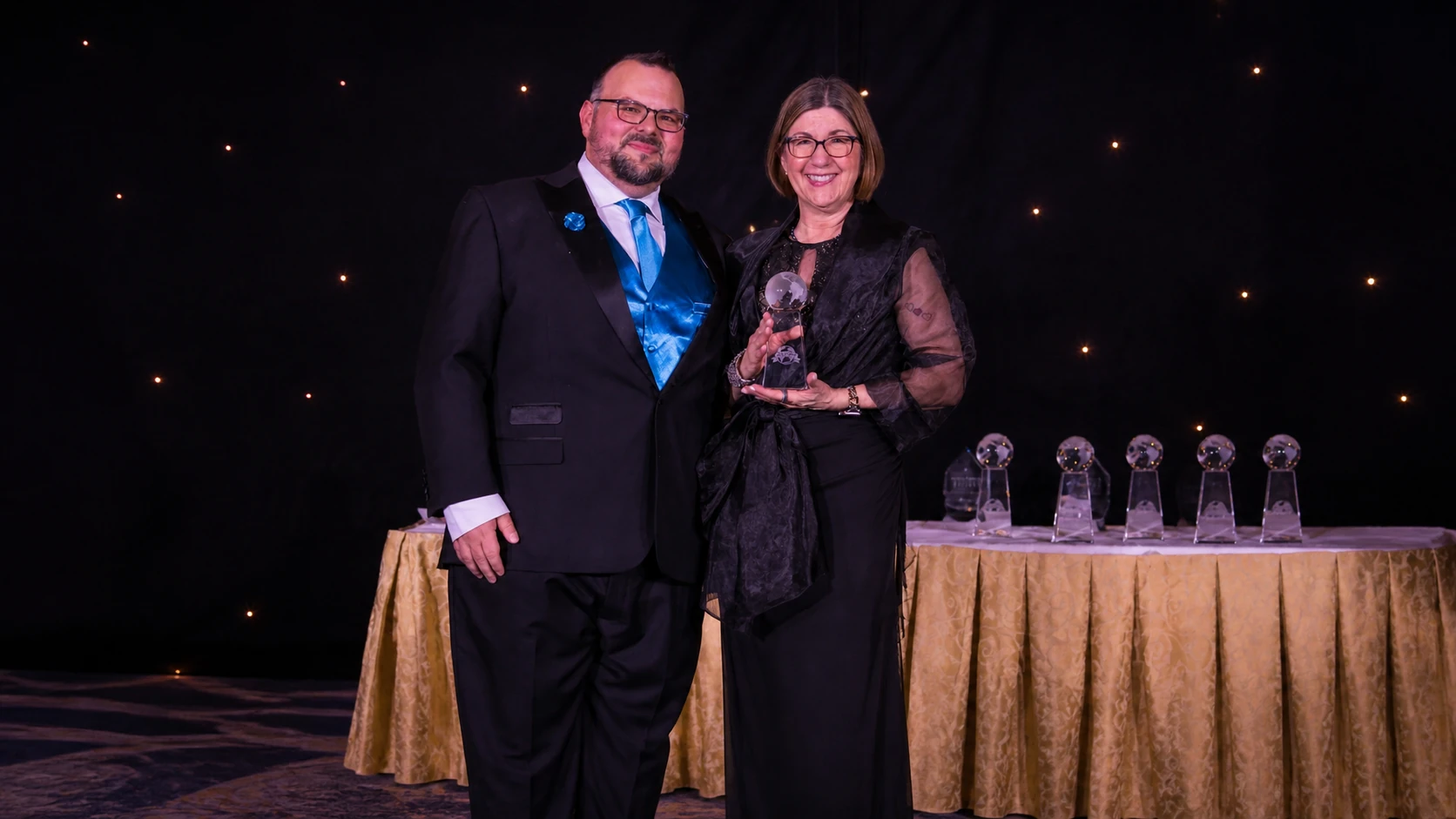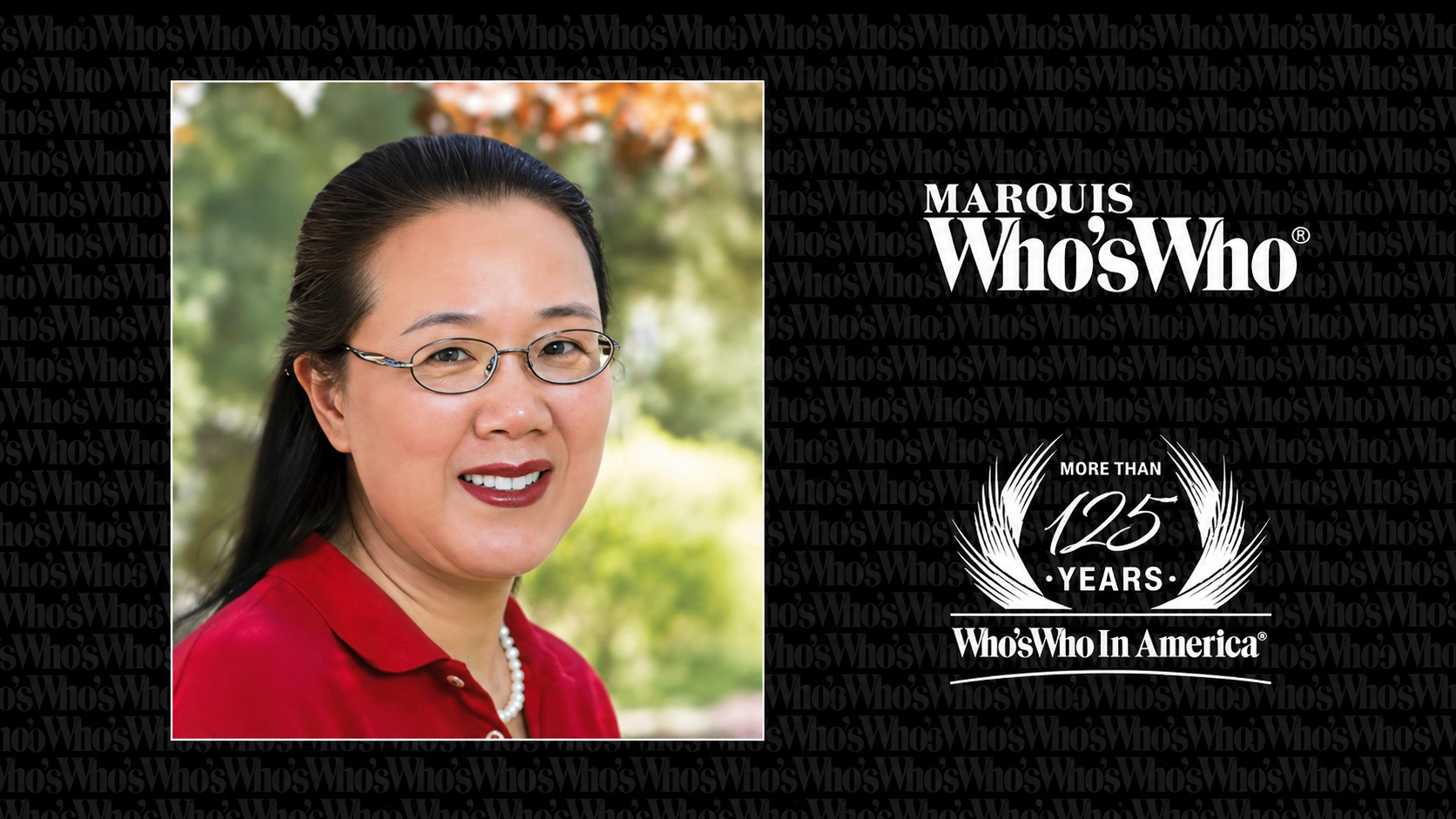
Marquis Who’s Who has recognized Weiqing Gu as her company, DASION, moves an NSF-supported voice monitoring platform toward wider use across home and institutional care settings.
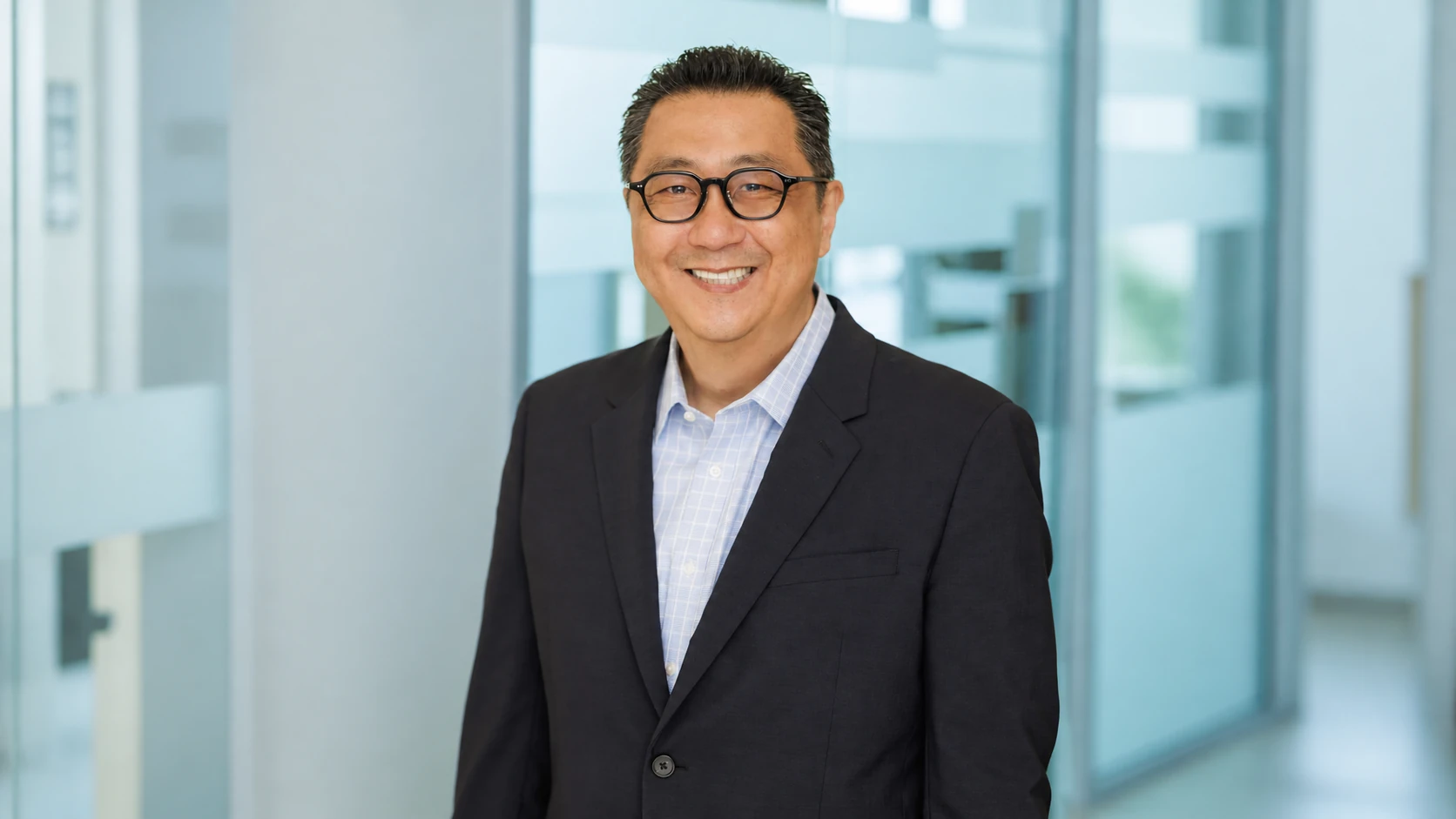
Marquis Who’s Who has recognized Weiqing Gu, PhD, for her work at the intersection of artificial intelligence and healthcare, highlighting a career that has moved from academic mathematics into applied health technology. Gu is founder and chief executive of DASION Corporation, a Virginia-based company developing voice-driven tools intended to support patient monitoring and reduce some of the demands placed on caregivers.
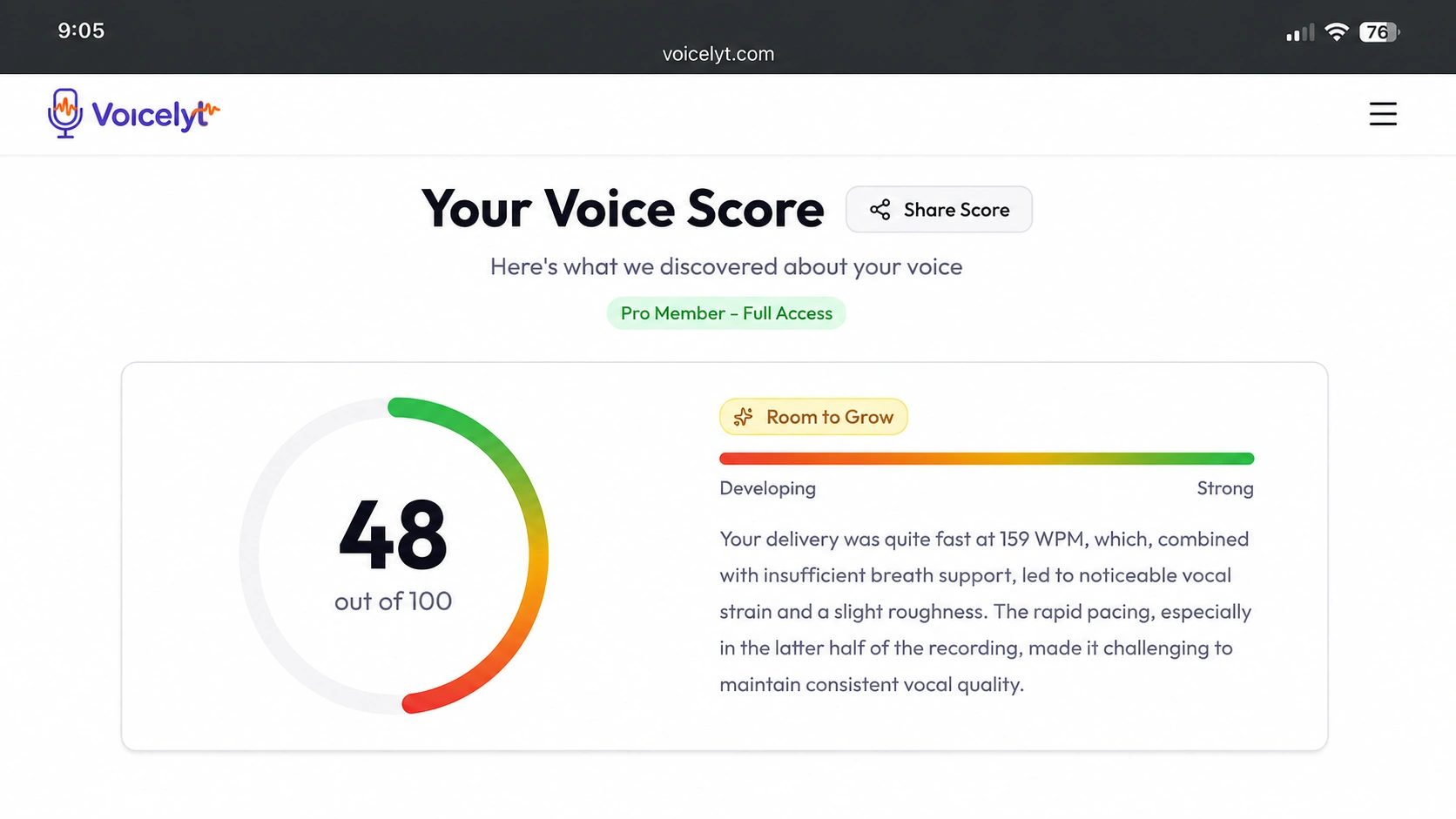
At the center of that work is VoiceSense, an AI platform designed to analyze voice interactions and behavioral patterns over time. DASION says the technology can provide information about patient well-being to caregivers, healthcare providers and families, with potential applications spanning home care, assisted living, skilled nursing facilities, PACE programs and other elder-care environments. The platform is also designed to integrate with workflows used by teams overseeing patients across multiple settings.
The company’s development has received support through the National Science Foundation’s Small Business Innovation Research program. DASION recently completed its NSF SBIR Phase II project and is preparing to pursue the Phase IIB pathway, which would shift greater attention toward customer validation, partnerships and commercialization. That progression reflects a familiar challenge for healthcare AI companies: moving from technically promising research into systems that can operate reliably within real care environments.
DASION says organizations representing approximately 75,000 patients have expressed interest in VoiceSense for uses including monitoring, caregiver support, family engagement and workflow integration. Interest, however, remains distinct from deployment at scale, and the company is still pursuing partnerships and investment as it works toward broader commercial adoption. How voice-based monitoring fits into existing care practices will therefore depend not only on the underlying technology but also on collaboration with healthcare operators and caregivers.
Gu’s recognition arrives as elder care faces pressures ranging from caregiver burden to demand for more continuous monitoring. Her trajectory from quantitative research to healthcare entrepreneurship illustrates one route through which AI research is being translated into practical tools, while DASION’s next phase will test how effectively that science can move from funded development into everyday care.