
The association’s new framework gives retreat operators and travellers a common reference point for safety, transparency, inclusion and participant wellbeing worldwide.
The Wellness Tourism Association (WTA) introduced its Six Principles for Responsible Retreats on June 30, 2026, describing them as a global, non-regulatory framework for the expanding retreat sector. The initiative is intended to provide shared guidance for retreat leaders, venues, travel advisers, destinations and booking platforms. Its significance lies in addressing a stated lack of widely adopted benchmarks for credibility, participant care and consistent expectations across the industry.
The framework arrives as retreat travel develops within wellness tourism, attracting people seeking personal growth, restoration, connection, learning and transformation. The association’s release cited an Allied Market Research projection that the global wellness retreat market could nearly double to $363.9 billion by 2032, at a compound annual growth rate of 7.4%; the supporting market report could not be independently opened. The association linked that expansion with a need for clearer information about responsible practices, credentials and integrity.
The six principles cover qualified leadership and facilitation; safety and risk management; transparency and integrity; thoughtful design and inclusion; respect and care; and community, culture and environment. The accompanying framework expands those areas into practical considerations, including relevant qualifications, emergency procedures, itemised pricing, cancellation policies, accessibility, informed consent, professional boundaries, local partnerships and reduced ecological impact. It is designed to help stakeholders evaluate, design, deliver, host and promote retreat experiences.
The framework also makes clear what it does not do. The association says the Principles do not replace legal, regulatory, licensing, insurance or professional requirements, and are not a certification programme. Instead, they are presented as a shared reference point and best-practice guide that can support more informed decisions by travellers and more deliberate approaches to retreat design and delivery. The framework is intended for a broad range of retreats, including wellness, yoga, mindfulness, personal development, leadership and educational experiences.
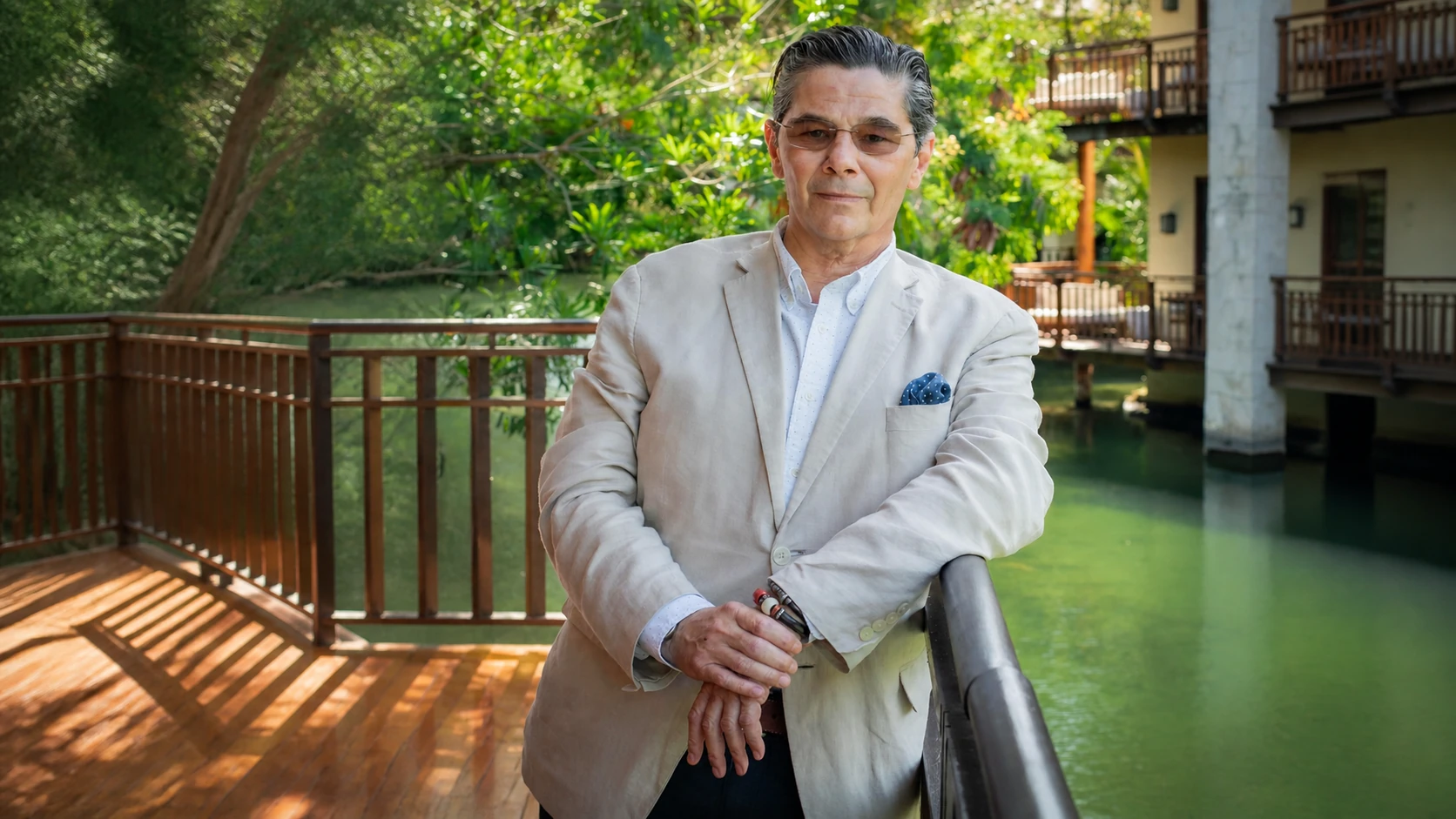
The Wellness Tourism Association reported that its Retreat Committee, chaired by Dr Sheri Rosenthal, informed the initiative, and said it encouraged the industry to adopt and align with the Principles. The association scheduled a complimentary Wellness Travel Talks conversation and live Q&A for July 29, 2026, at 11:00 a.m. ET, to explore the framework further. With the sector’s growth creating pressure for clearer standards, the initiative positions shared language and voluntary guidance as tools for building trust without presenting the framework as a substitute for formal oversight.