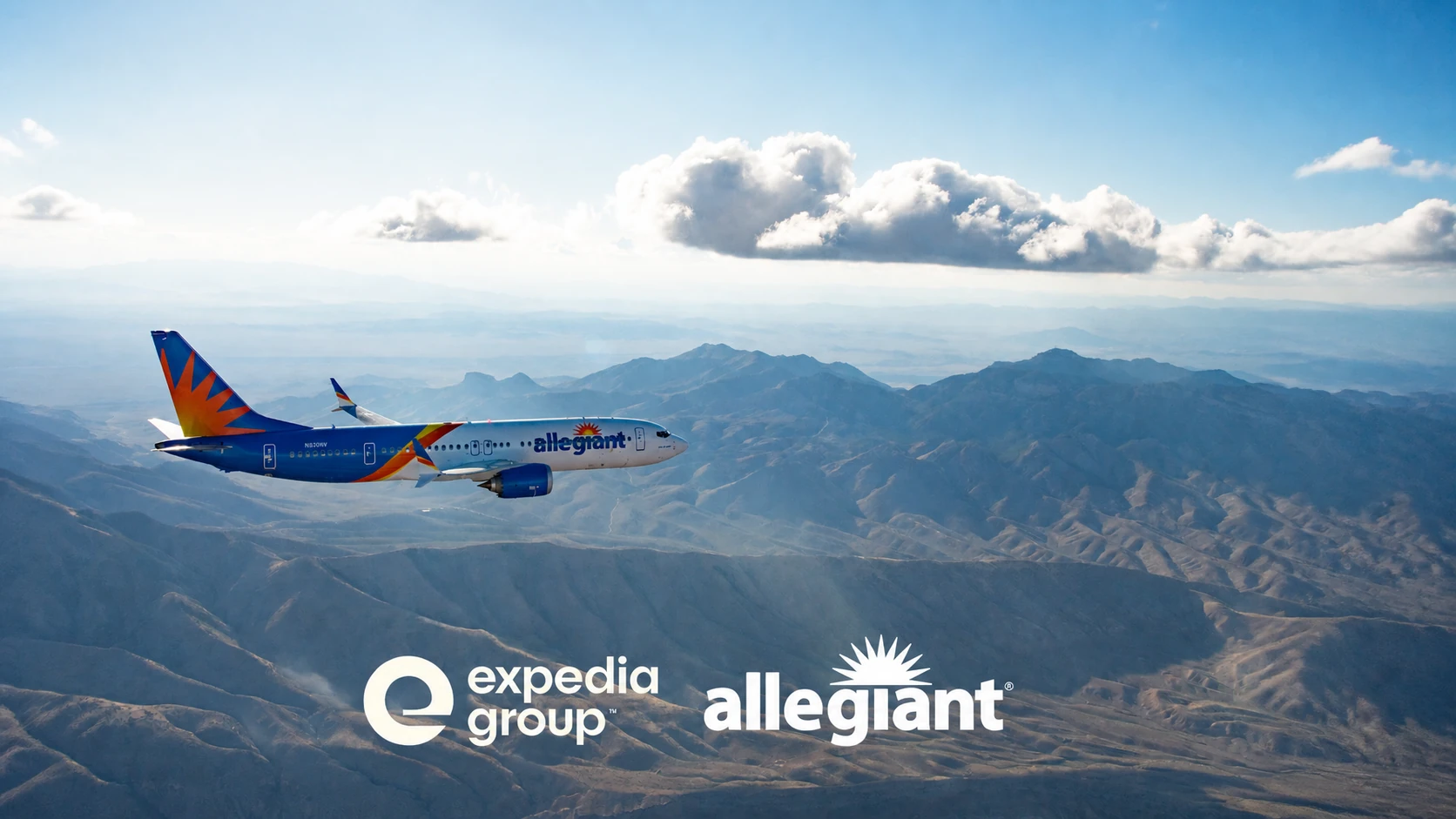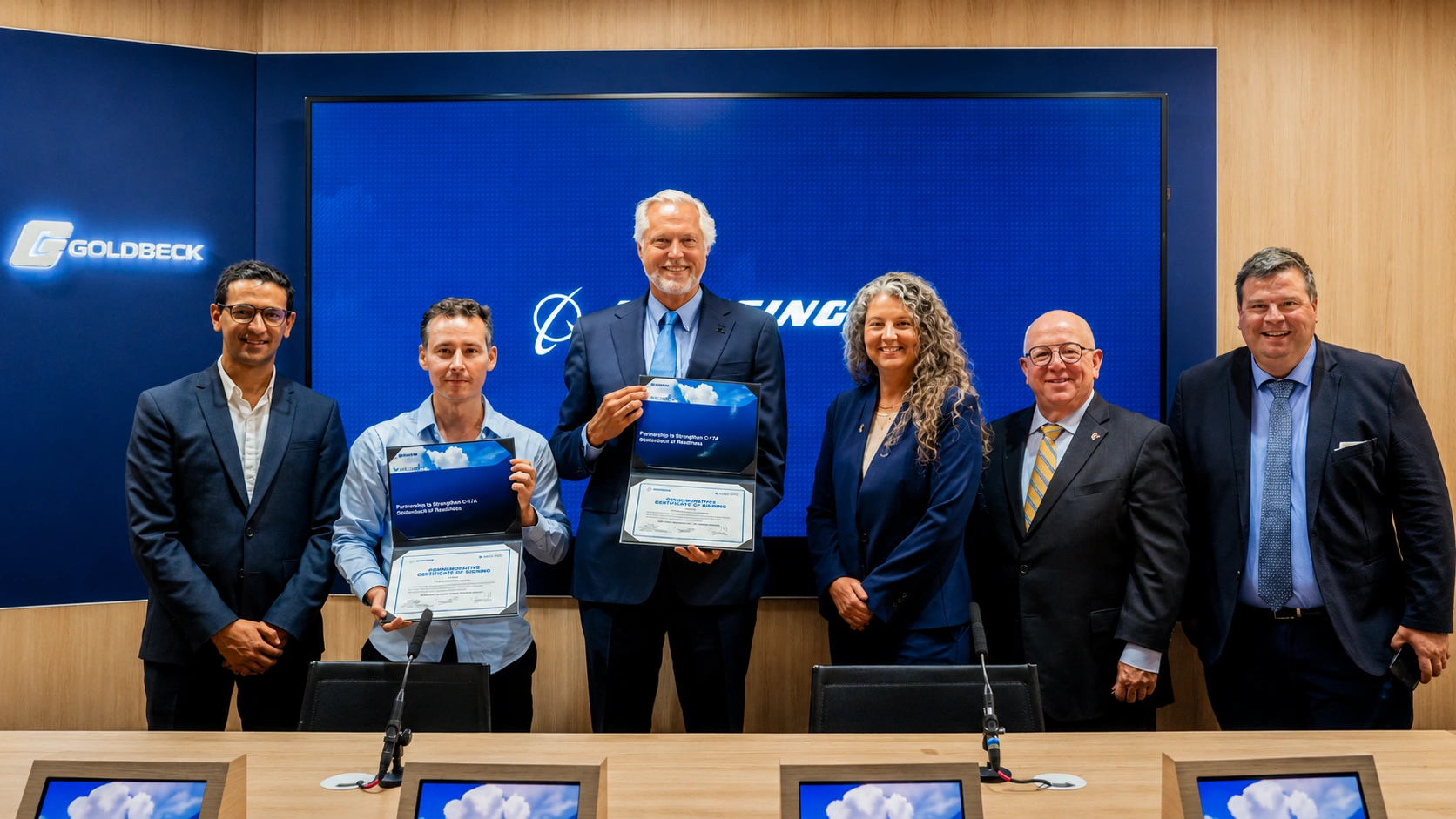
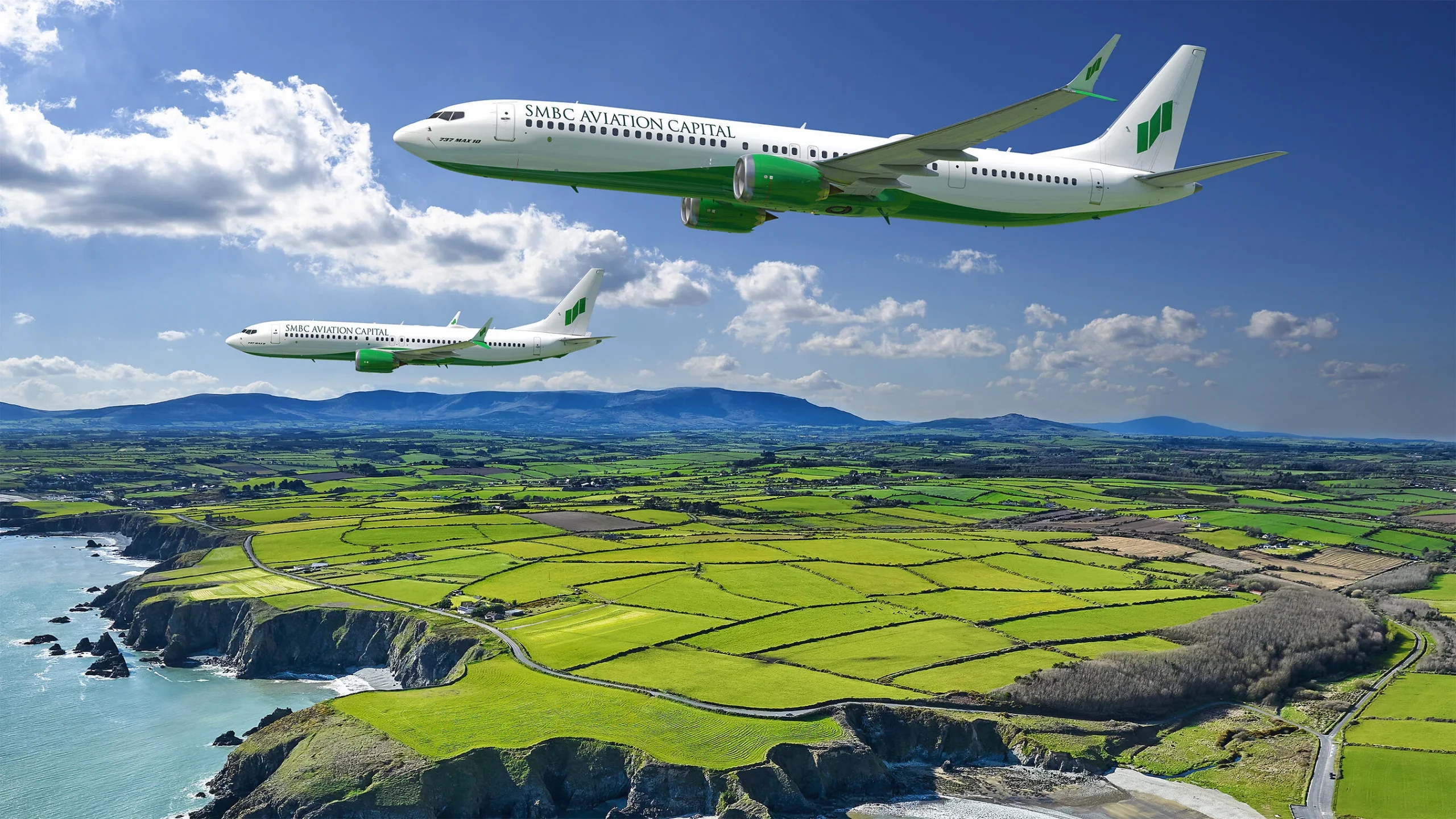
The lessor has ordered 100 Boeing 737 MAX aircraft, expanding its portfolio while responding to airline demand for larger single-aisle capacity.
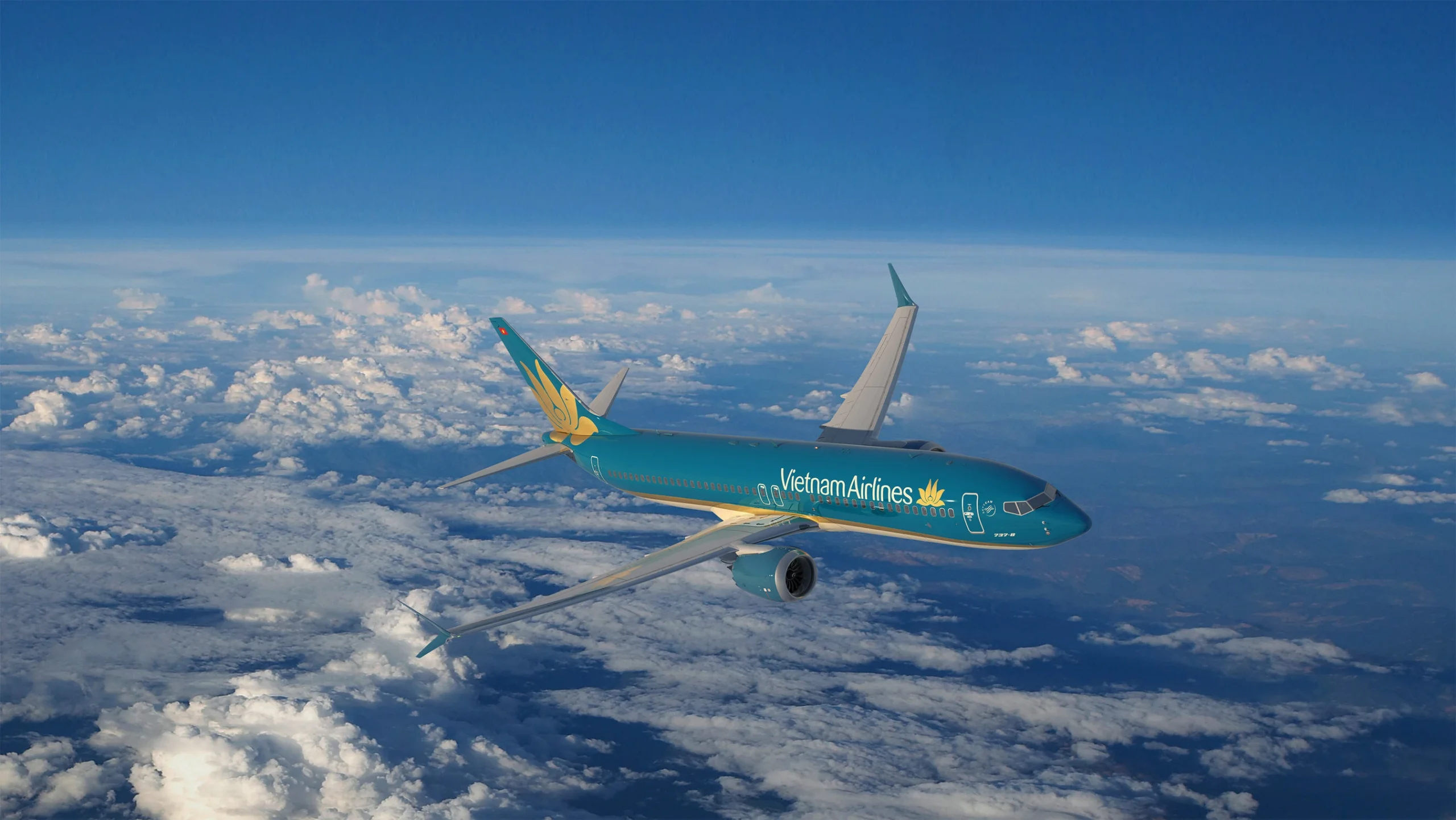
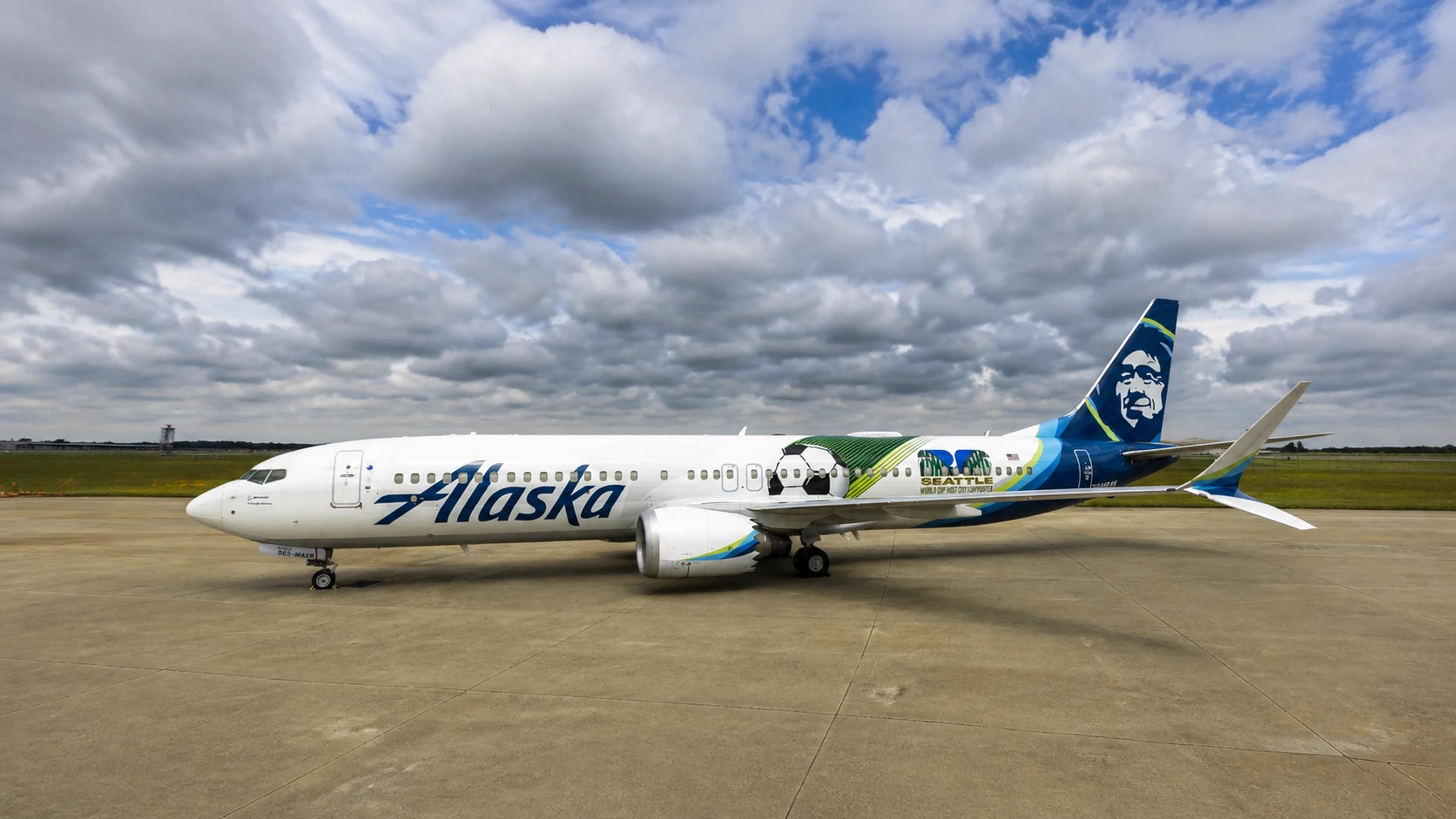
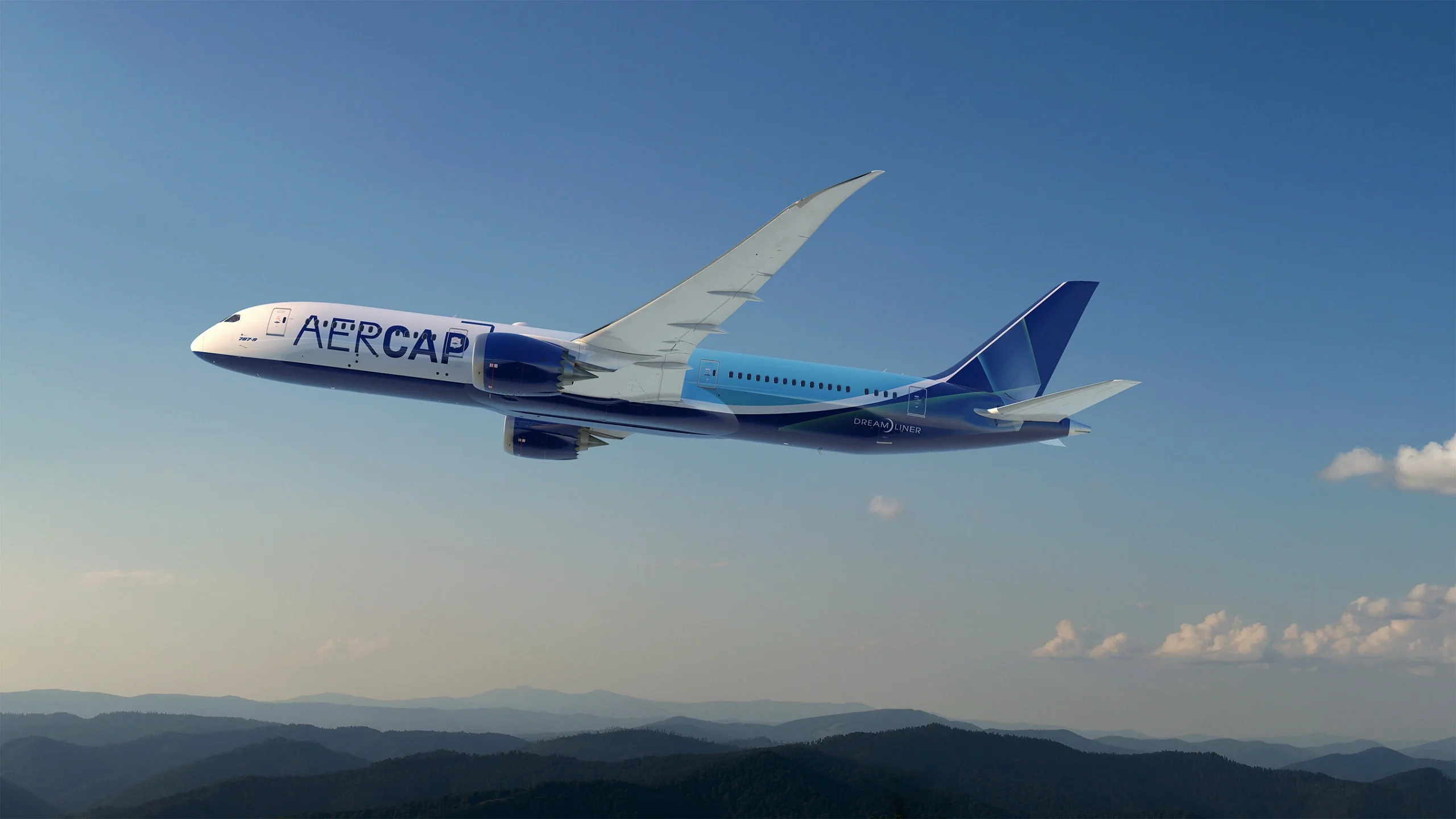
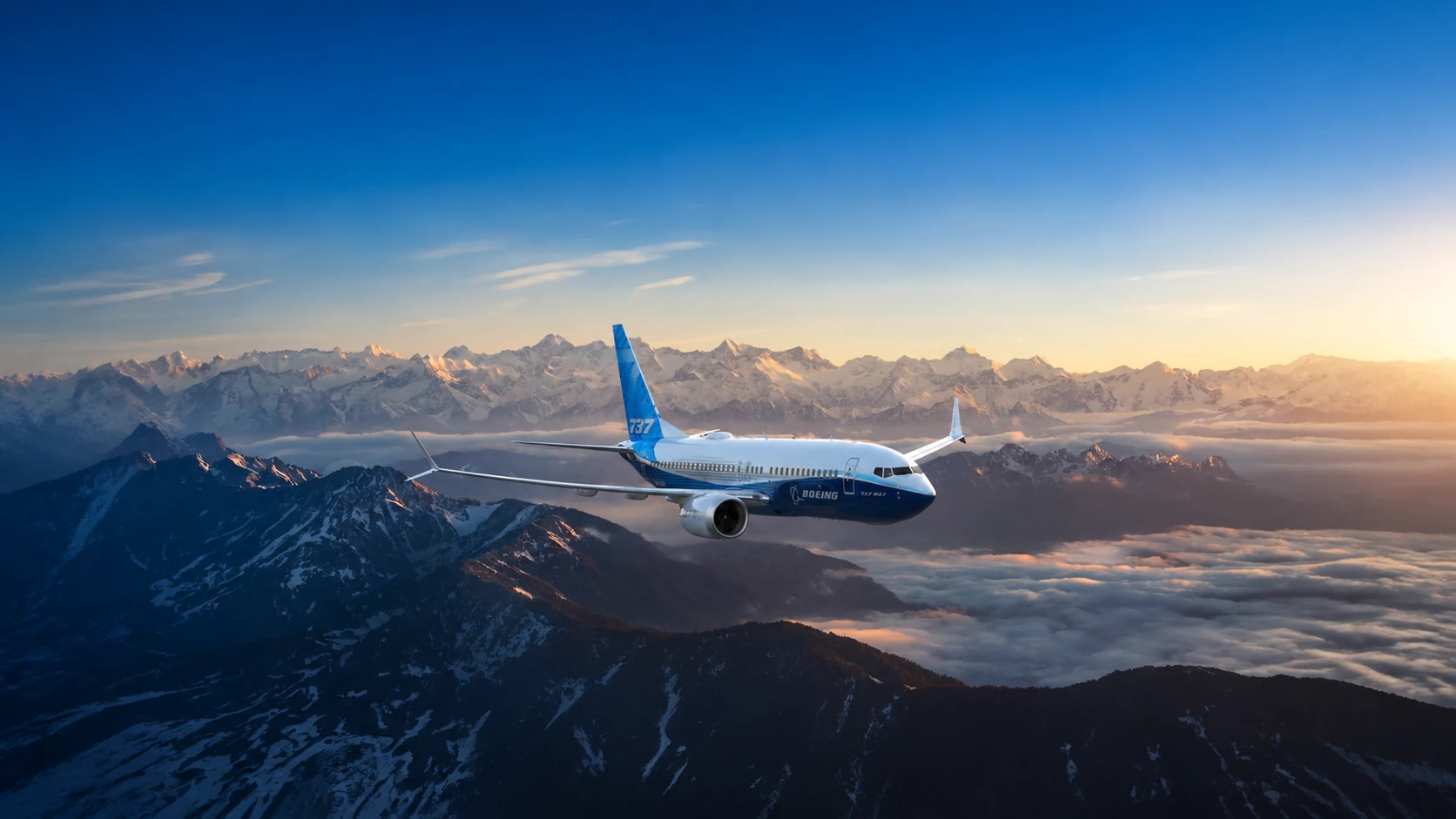
SMBC Aviation Capital has ordered 100 Boeing 737 MAX aircraft, including 60 737-10 and 40 737-8 jets, in an agreement announced by Boeing on July 20, 2026. The transaction includes the lessor’s first purchase of the 737-10, the highest-capacity variant in the 737 MAX family. It also raises SMBC Aviation Capital’s owned, managed and committed 737 MAX portfolio to 450 aircraft, underlining the role of leasing companies in shaping future airline fleets.
The order comes as aircraft lessors seek to expand and diversify single-aisle portfolios, according to Boeing’s release. Boeing said global passenger traffic is forecast to grow by 4% annually over the next two decades, while lessors have ordered more than 1,450 737 MAX jets, representing 20% of the aircraft family’s backlog. Those figures place the agreement within a broader commercial-aircraft market focused on future fleet capacity and operating efficiency.
Boeing said the 737-10 can seat up to 230 passengers and has a range of 3,100 nautical miles, or 5,740 kilometres. SMBC Aviation Capital said selecting the variant would allow it to address demand for larger single-aisle aircraft, diversify its asset mix and reach a new customer base. The company’s chief executive, Peter Barrett, described the order as a milestone intended to provide airline customers with a long-term pipeline of new-technology aircraft.
The mix of 737-10 and 737-8 aircraft gives the lessor access to two capacity points within Boeing’s narrowbody range, although the release does not provide delivery dates, pricing or specific airline placements. Boeing described the 737-10 commitment as the largest single order for the variant by a lessor. For SMBC Aviation Capital, the announcement therefore combines fleet growth with a more explicit position in the larger end of the single-aisle market.
SMBC Aviation Capital describes itself as a global aircraft leasing company whose principal activities include leasing and trading aircraft, with a focus on young commercial jets popular with its customers. Boeing’s release said the lessor services a fleet of 1,700 aircraft for more than 170 airlines globally and that 80% of its owned portfolio, measured by net book value, comprises new-technology aircraft. The 737 MAX order extends that stated portfolio strategy while leaving its eventual operational impact dependent on future deliveries and placements.