
The China National Tourist Office is pairing expanded visa-free transit access with seasonal and immersive itineraries aimed at encouraging longer, more varied visits.
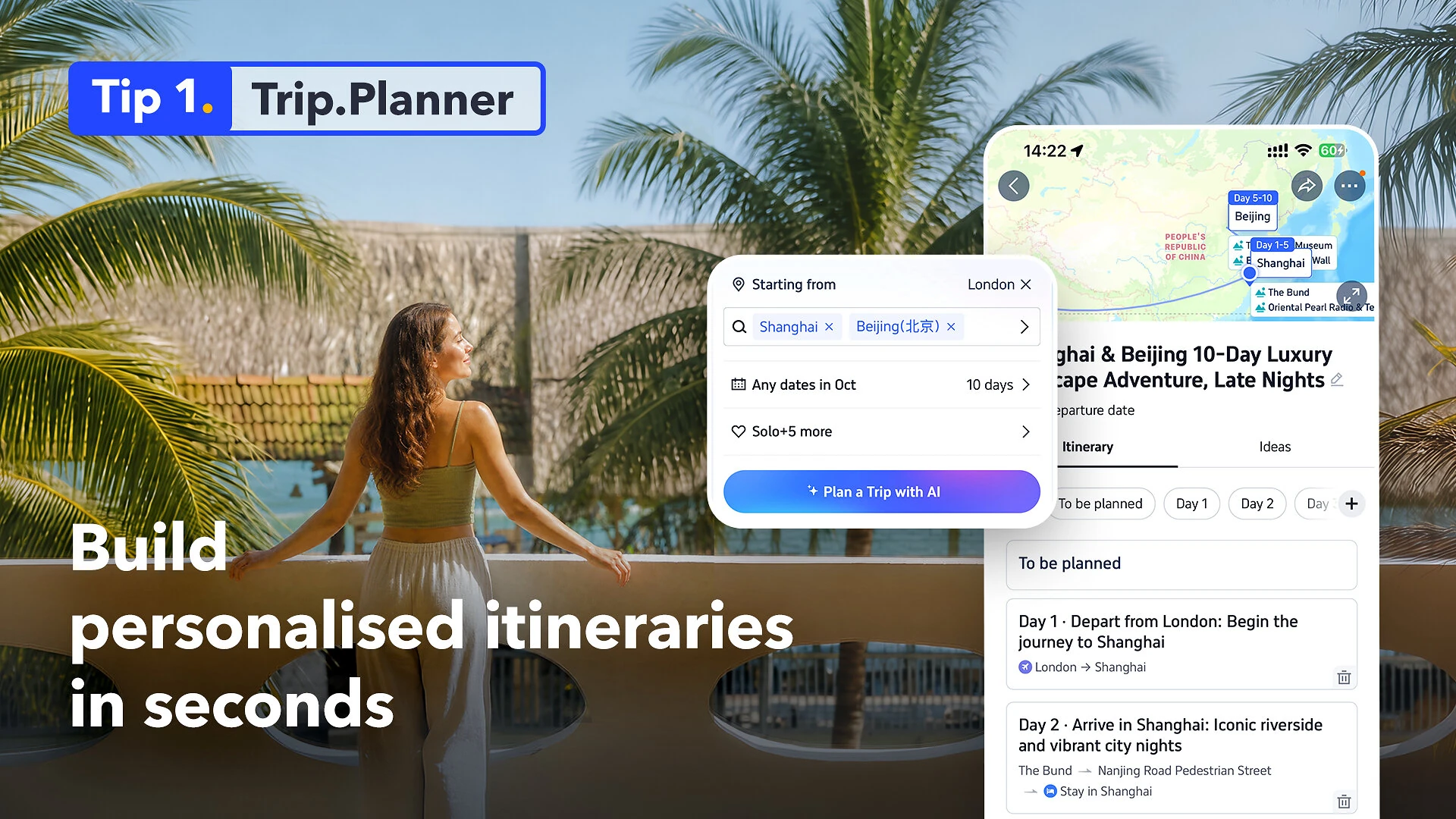
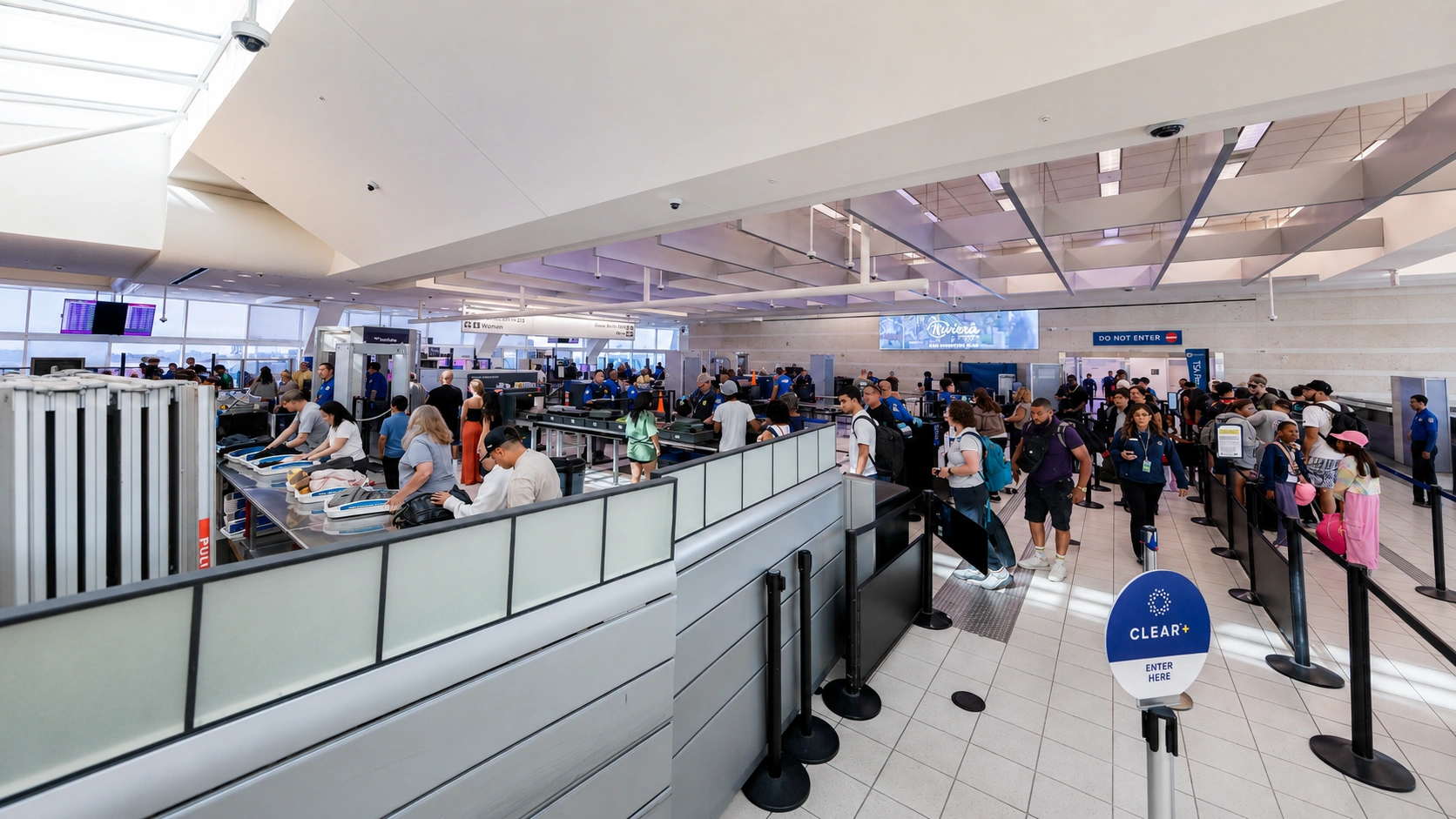
The China National Tourist Office in Los Angeles is promoting China as a year-round destination built around immersive cultural journeys, seasonal travel and deeper regional exploration. The office, also known as CNTO Los Angeles, is highlighting a 240-hour visa-free transit policy that allows eligible international travellers transiting to a third destination to stay in designated regions for up to 10 days. The approach places access and experience at the centre of China’s tourism proposition.
The policy is being presented alongside a broader shift away from itineraries focused solely on landmark sightseeing. China National Tourist Office says travellers are exploring multi-city journeys that combine historic sites with regional cuisine, village life, cultural encounters and contemporary urban experiences. The Great Wall, Forbidden City and Terracotta Warriors remain important entry points, while tourism development is increasingly oriented towards deeper exploration and longer stays.
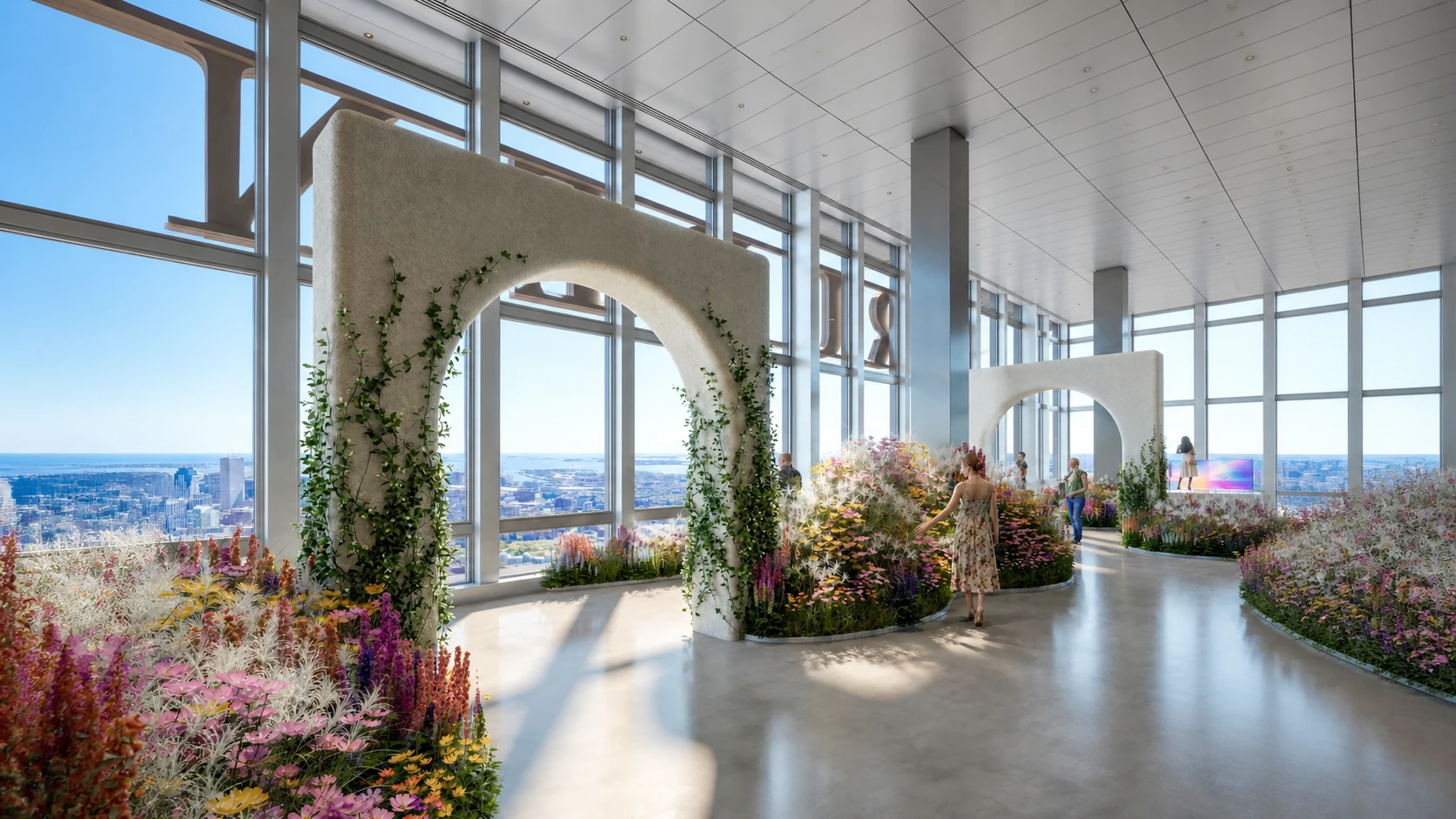
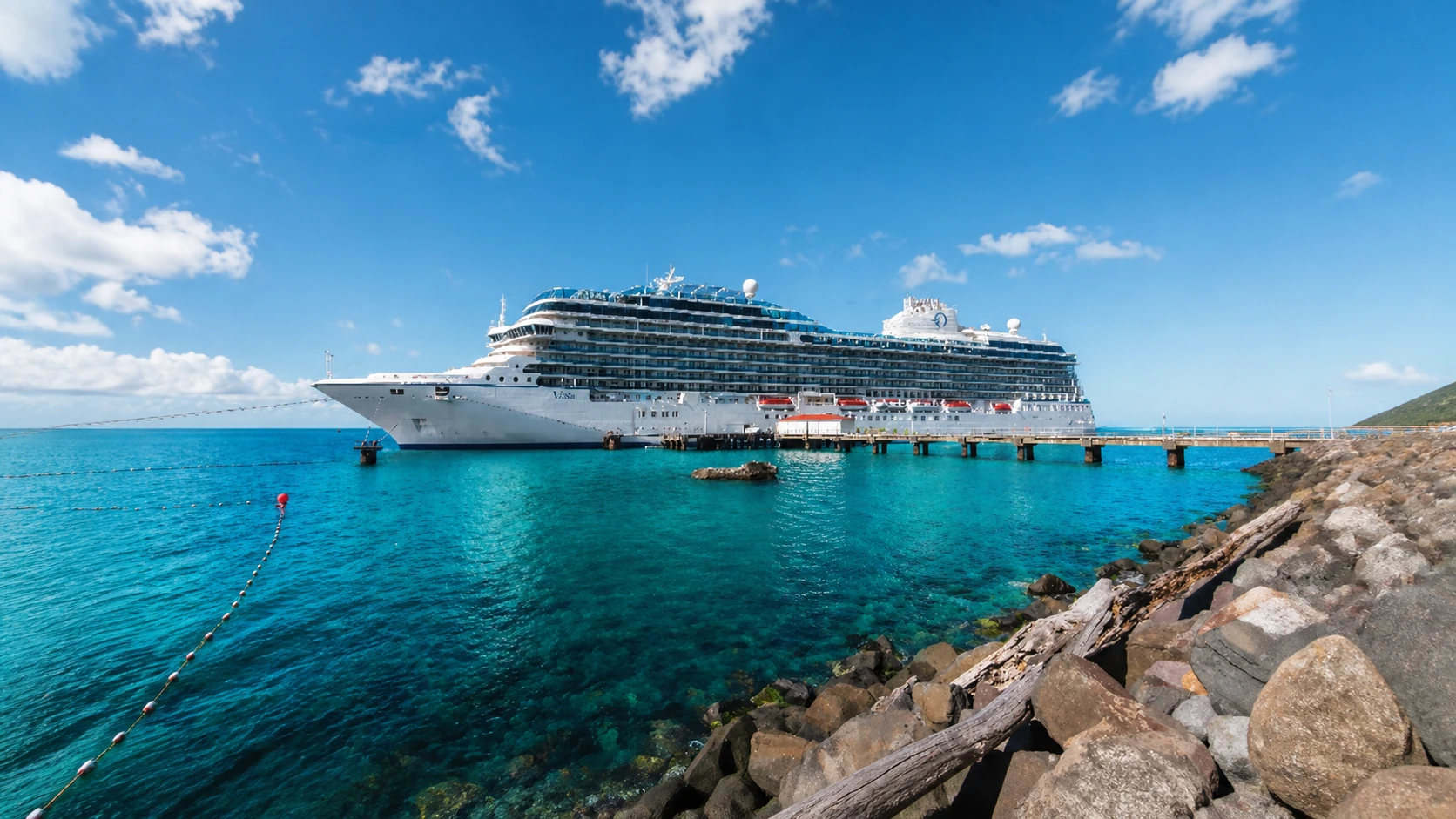
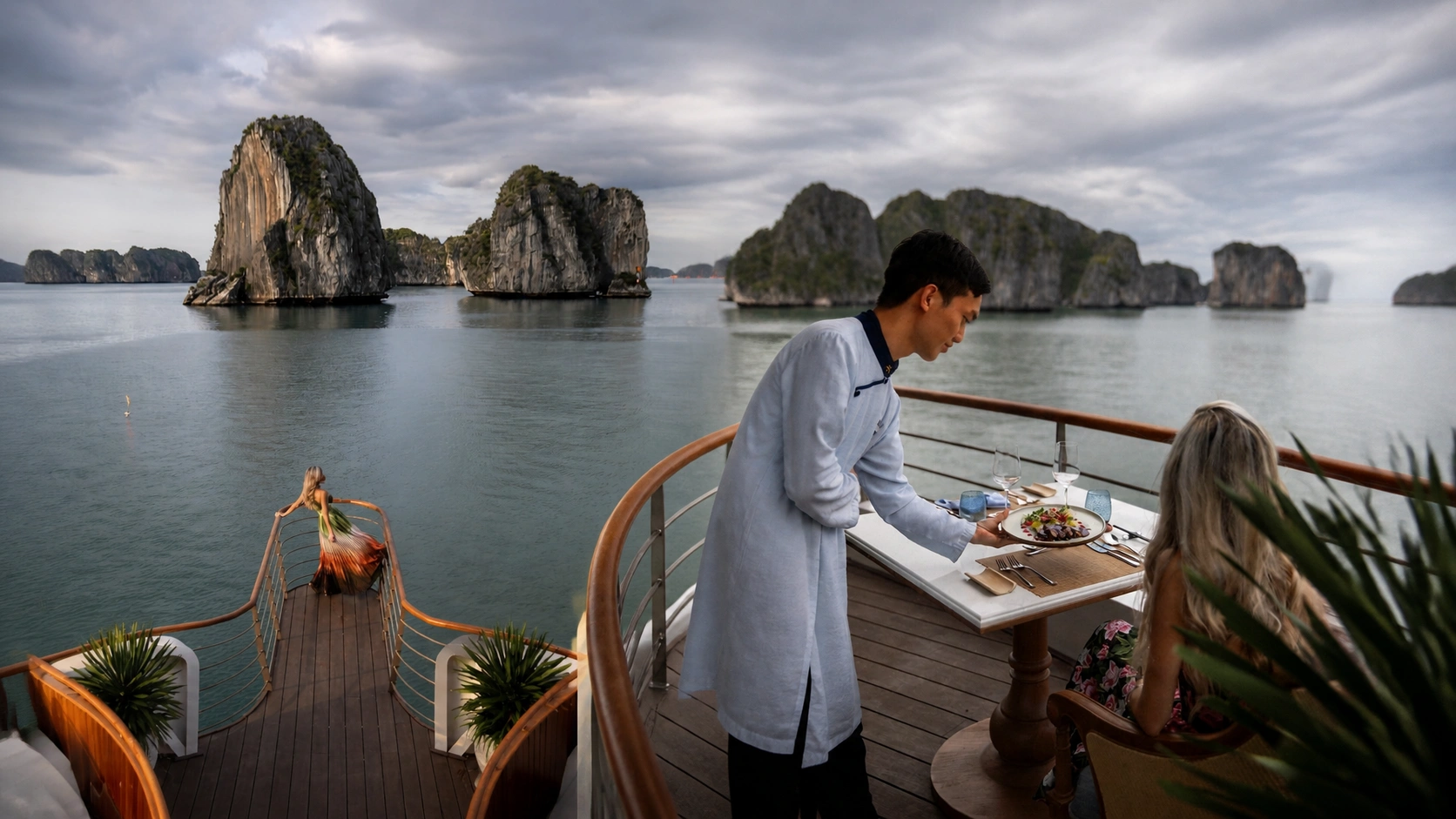
The office’s seasonal framework spans flower festivals, tea harvests and countryside escapes in spring; mountain retreats, river cruises and highland destinations in summer; harvest traditions and autumn landscapes; and ice festivals, ski resorts, winter sports and wellness retreats in winter. Other highlighted experiences include cruises through the Yangtze River’s Three Gorges, rural tourism centred on tea and traditional crafts, and thermal springs and spa resorts inspired by Traditional Chinese Medicine.
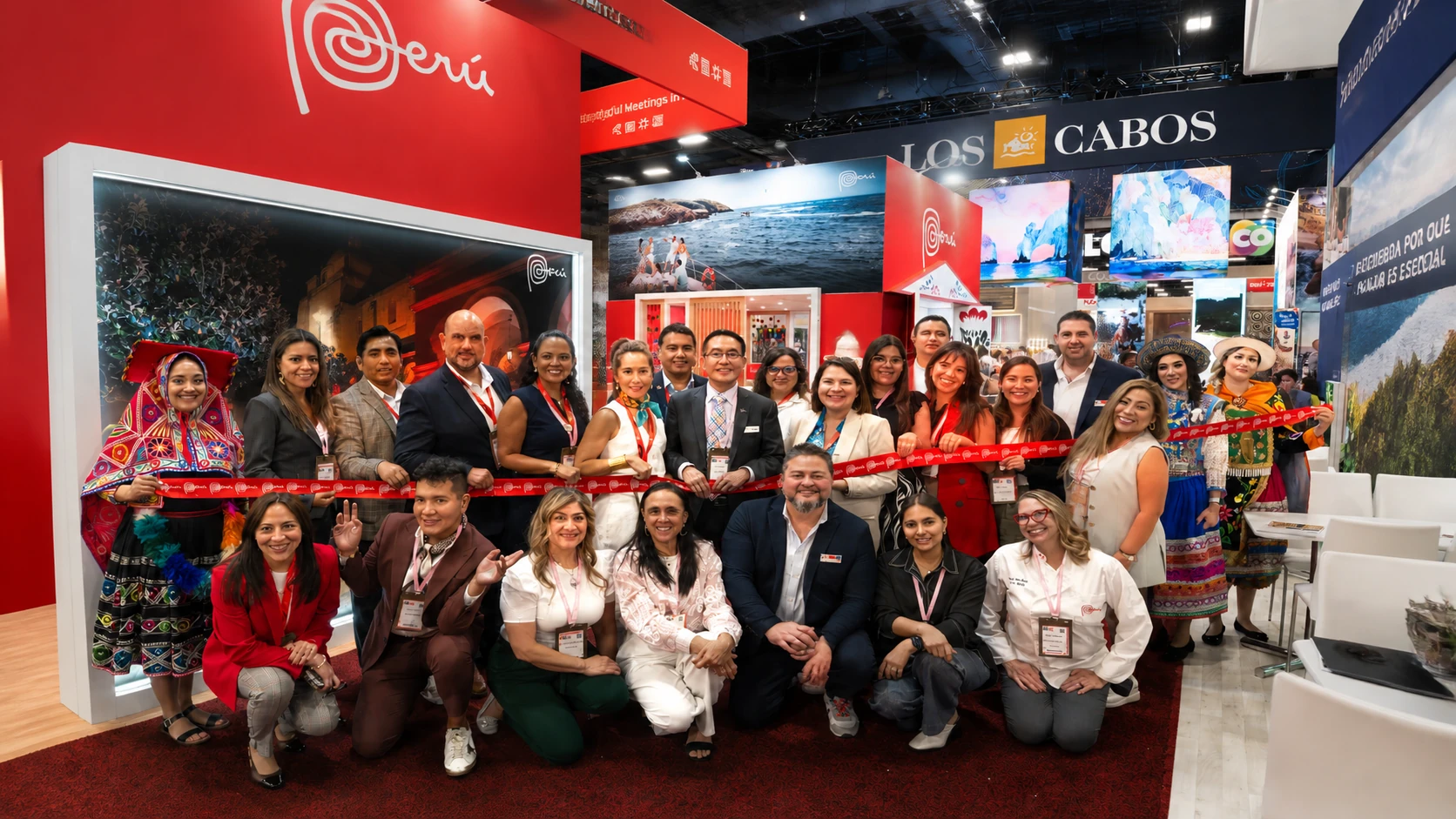
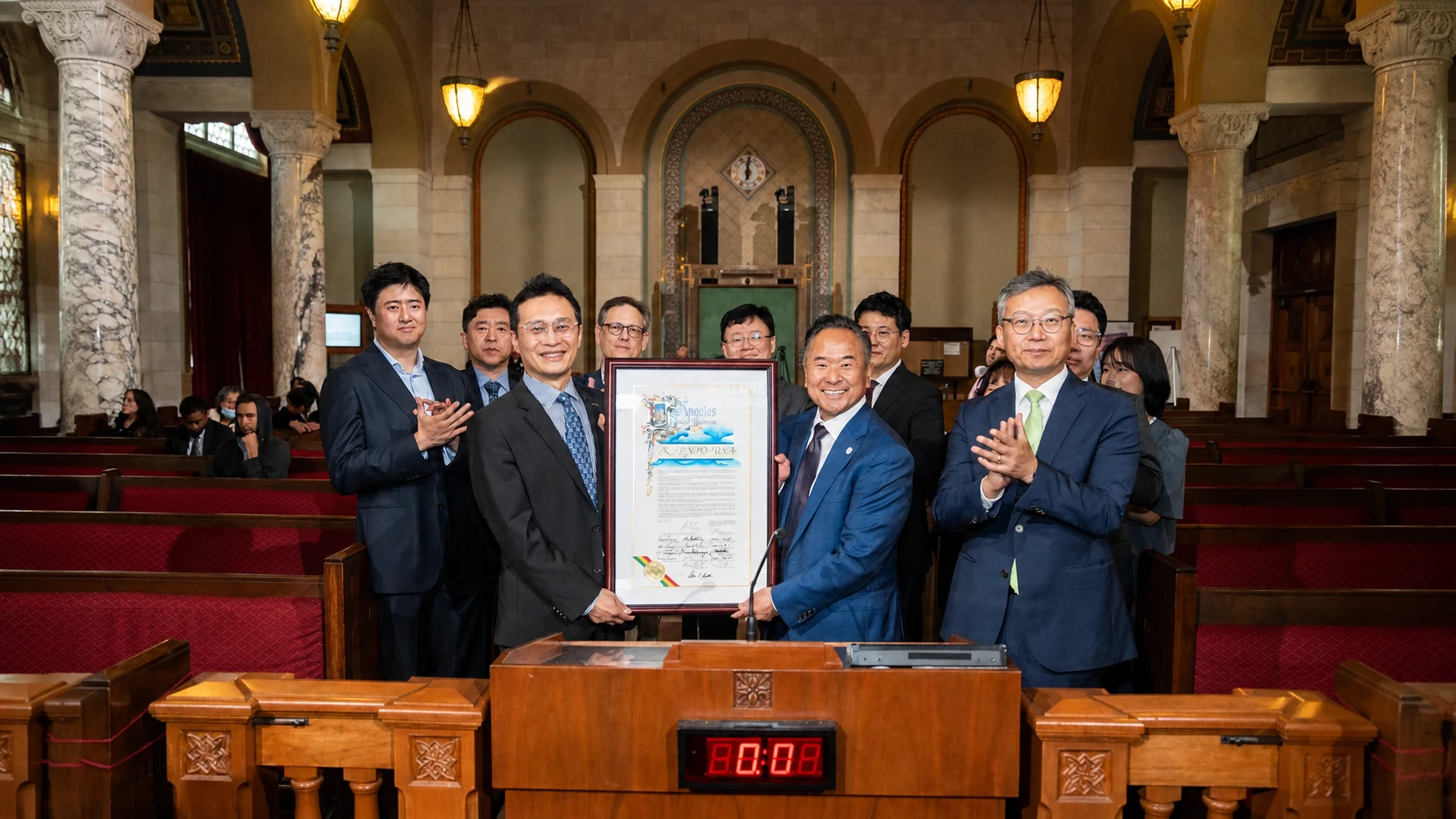
Dawei Wu, director of CNTO in Los Angeles, said the combination of visa-free transit and seasonal, experience-based products gives international travellers greater flexibility and opportunities for engagement across diverse regions. The office is responsible for promoting travel to China across the western United States through destination marketing, trade engagement, media outreach and partnerships. Its positioning reflects an effort to connect practical travel access with a wider cultural proposition.
For the travel sector, the emphasis is less on adding another list of attractions than on broadening how a China visit can be structured. Transit access can support shorter stays, while the range of seasonal and regional activities offers a framework for extending or diversifying an itinerary. China National Tourist Office’s campaign therefore links policy, destination marketing and experiential travel without reducing the country to a single season or signature landmark.