
Brevel’s collaboration with Coffeesai explores whether illuminated fermentation can make plant cell cultivation more efficient, offering a potential path toward resilient production of crops affected by climate change.
Brevel is expanding the application of its illuminated fermentation technology through a new partnership with Coffeesai, a company developing coffee from plant cell cultures. The collaboration focuses on evaluating whether controlled light exposure during fermentation can improve the growth and production efficiency of coffee cells as they move from laboratory research toward commercial-scale manufacturing. The initiative reflects growing interest in alternative agricultural production methods that are less dependent on climate, land, and seasonal growing conditions.
Plant cell culture offers a different approach to producing agricultural ingredients by growing individual plant cells in controlled environments rather than cultivating crops in fields. Supporters of the technology argue that it could reduce reliance on weather, water availability, and arable land while enabling year-round production. Coffee has become an important area of research because climate change is expected to place increasing pressure on traditional coffee-growing regions, particularly those suited to Arabica varieties.
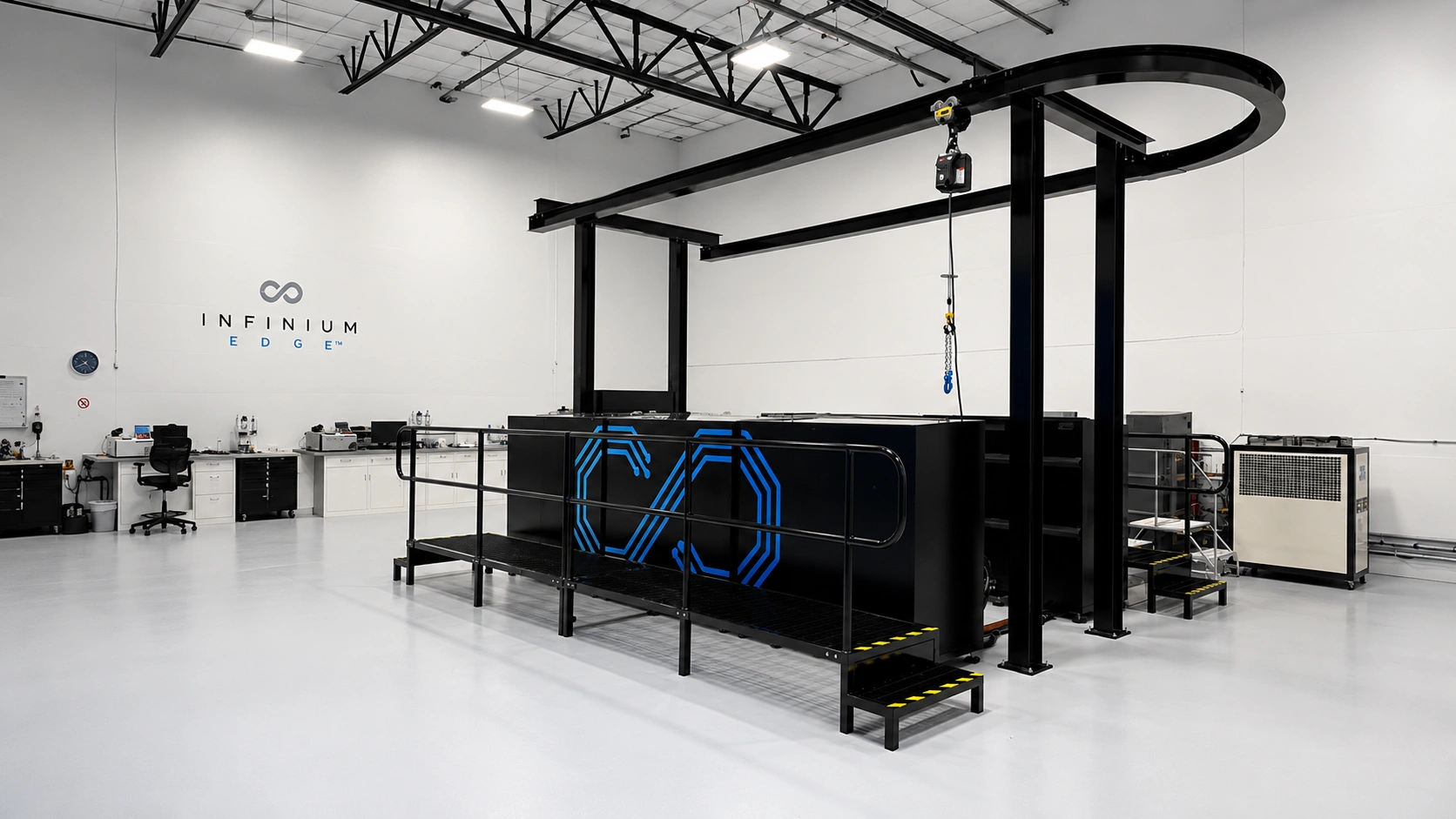
Brevel’s contribution centers on its proprietary illuminated fermentation platform, which combines fermentation with carefully controlled light inside a closed production system. According to the company, exposing plant cells to specific light profiles can influence how they grow and stimulate the production of naturally occurring compounds that contribute to flavor, aroma, and other desirable characteristics. Initial trials with Coffeesai reportedly achieved stable, high-density cultivation while also demonstrating measurable changes in the composition of the resulting biomass under different lighting conditions.
The partnership also represents a broader effort by Brevel to extend technology it previously developed for microalgae into plant cell culture. The company says it has received funding from the Israel Innovation Authority to explore applications across several plant-based industries and has begun collaborating with additional businesses working on cultivated cocoa and other plant-derived ingredients. Its commercial strategy includes proof-of-concept research, pilot-scale manufacturing, and eventually larger production partnerships.
While plant cell culture remains an emerging field, collaborations like this illustrate how biotechnology companies are attempting to address long-term challenges facing global agriculture. Whether producing coffee or other crops, improving production efficiency and consistency will likely be essential if these systems are to become commercially viable. Brevel and Coffeesai’s work reflects a wider effort to develop food production technologies that can complement conventional farming in an era of increasing environmental uncertainty.