
The new analytics platform uses AI to examine player attention, behavior and sentiment, reflecting a broader effort to measure what branded Roblox experiences actually accomplish.
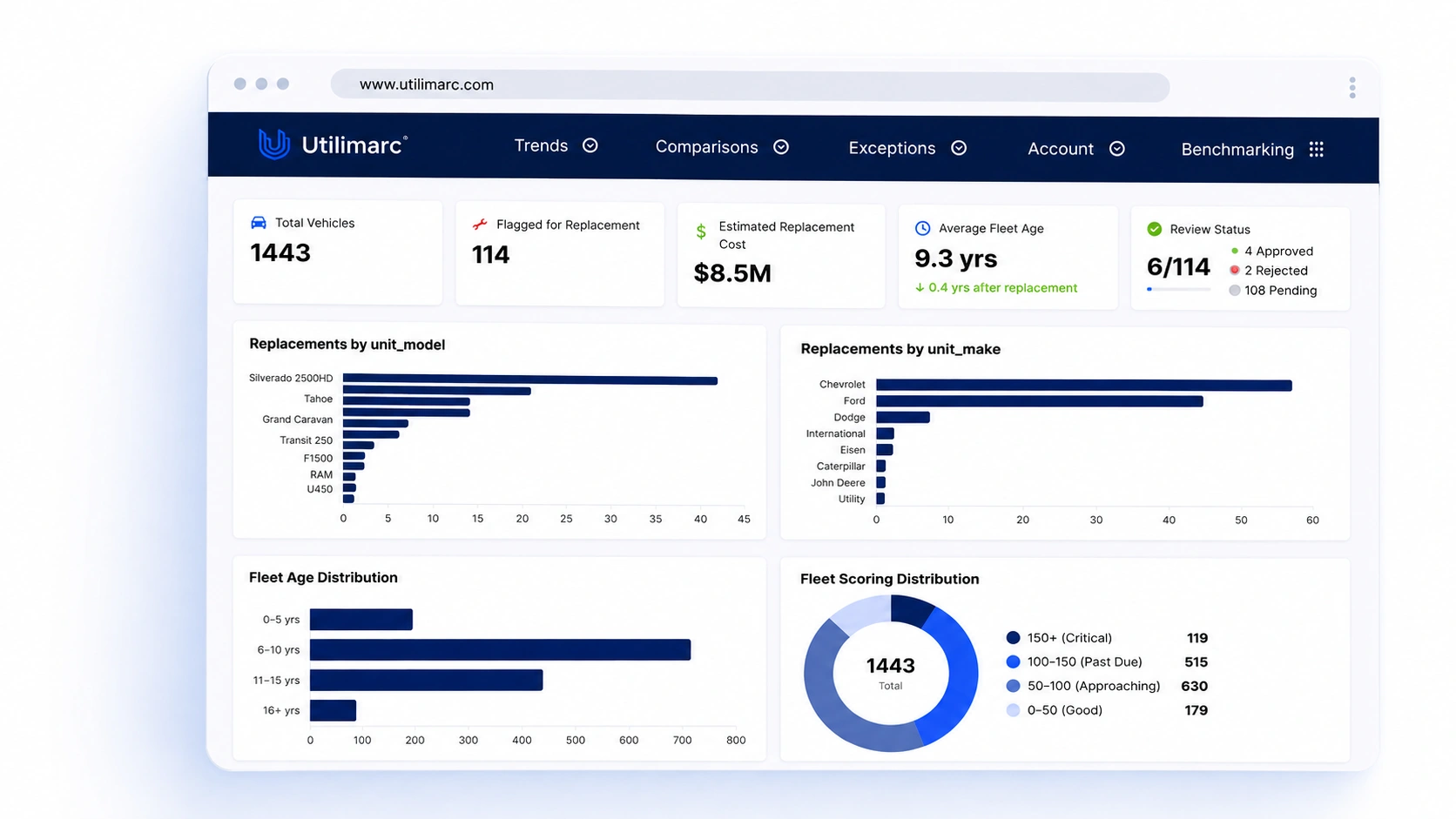
Toya is introducing PlayTiger, a measurement and attribution platform designed to give brands and creators a more detailed view of what happens inside their Roblox experiences. Launching in beta with select partners, the platform moves beyond familiar measures such as visits and playtime to examine how players respond to specific content, including what attracts attention, generates conversation or causes confusion.
That distinction matters as Roblox becomes a larger venue for brands seeking to reach younger audiences through virtual products, events and interactive experiences. High visitor numbers can demonstrate reach, but they reveal relatively little about whether players noticed a branded element, understood it or formed any meaningful response to it. PlayTiger is intended to address that gap by using AI to analyze player behavior and community sentiment within individual experiences.
The platform’s first design partners include Miraculous Corp, with PlayTiger being used across Miraculous RP: Quests of Ladybug and Cat Noir and Miraculous Tower Defense. During a crossover between Miraculous and Ubisoft’s Rabbids, the system analyzed conversations from millions of players to assess overall community sentiment and identify how the audience interacted with the collaboration. Toya says the analysis found players adopting elements of the Rabbids’ playful persona through conversation, roleplay and gameplay.
For creators, this type of analysis could also provide a feedback mechanism for decisions about future updates. PlayTiger includes a chat interface intended to surface opportunities for changes and provide explanations of player behavior, potentially turning large volumes of activity into more usable information. For brands, meanwhile, the value proposition centers on determining whether an activation produced engagement that went beyond simply attracting traffic.
The larger question will be how reliably such qualitative signals can be interpreted at scale, particularly when AI is being used to characterize player attention and sentiment. Toya has not yet provided details in the announcement about PlayTiger’s underlying methodology or benchmarks for validating its conclusions. With broader availability planned after the beta, those questions may become increasingly relevant as brands look for stronger evidence that their investments in virtual worlds are creating more than impressions.