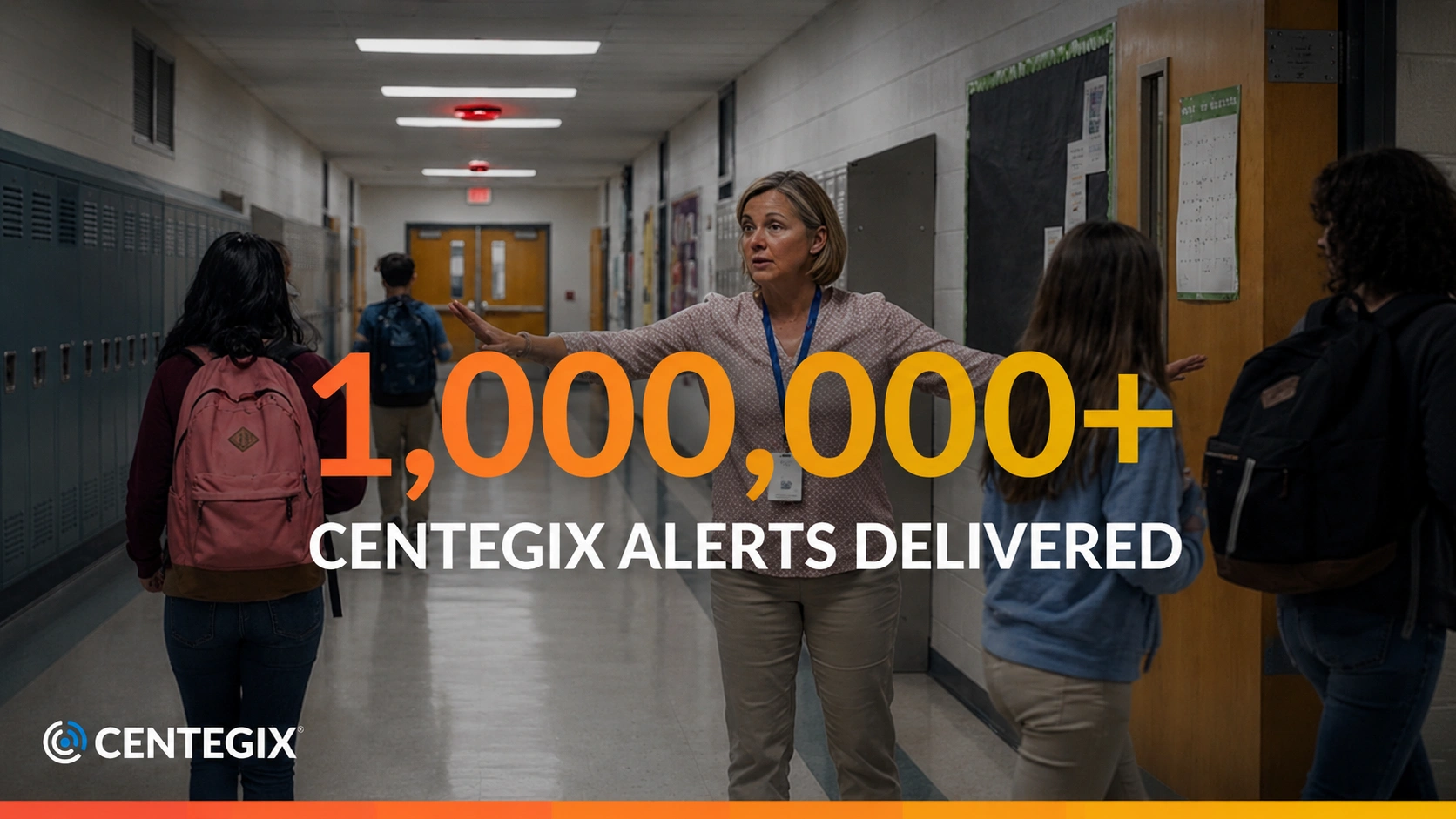
CENTEGIX has surpassed one million CrisisAlert activations, highlighting how connected safety platforms are becoming an increasingly important part of schools, healthcare facilities, and public institutions.
CENTEGIX has announced that its CrisisAlert wearable panic button platform has surpassed one million activations across education, healthcare, and government organizations. The milestone reflects the expanding role of connected emergency response systems in environments where rapid communication can be critical during unexpected incidents. As concerns around workplace and campus safety continue to shape investment decisions, organizations are increasingly adopting technologies designed to reduce response times while improving coordination among staff and first responders.
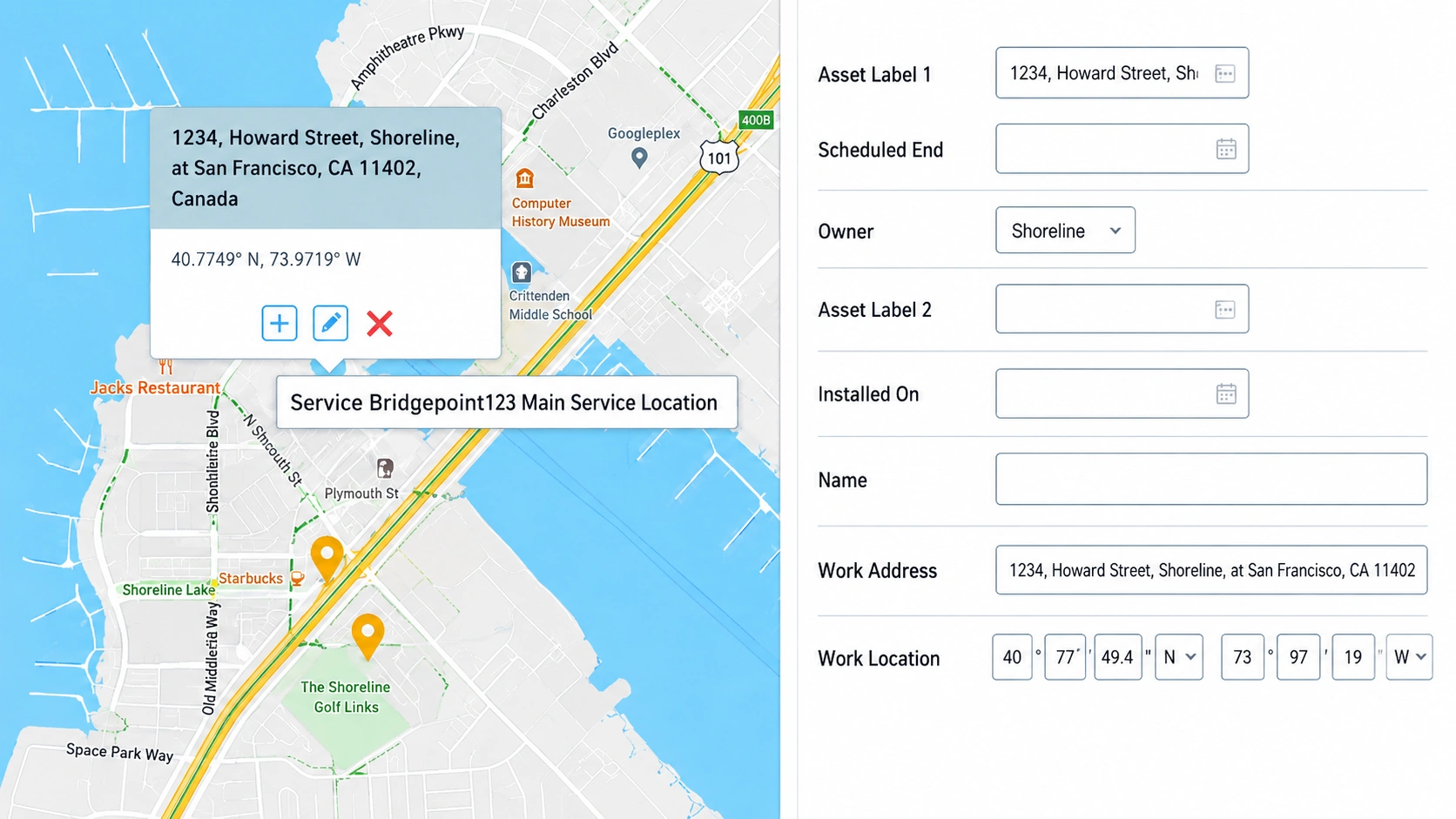
The evolution of emergency management has shifted beyond traditional alarms and communication systems toward integrated digital platforms. Modern safety technologies increasingly combine wearable devices, mapping tools, video integration, and automated notifications to provide responders with more immediate information during emergencies. Rather than functioning as isolated products, these systems are becoming part of broader operational frameworks intended to support organizations throughout the day, from routine activities to high-risk situations.
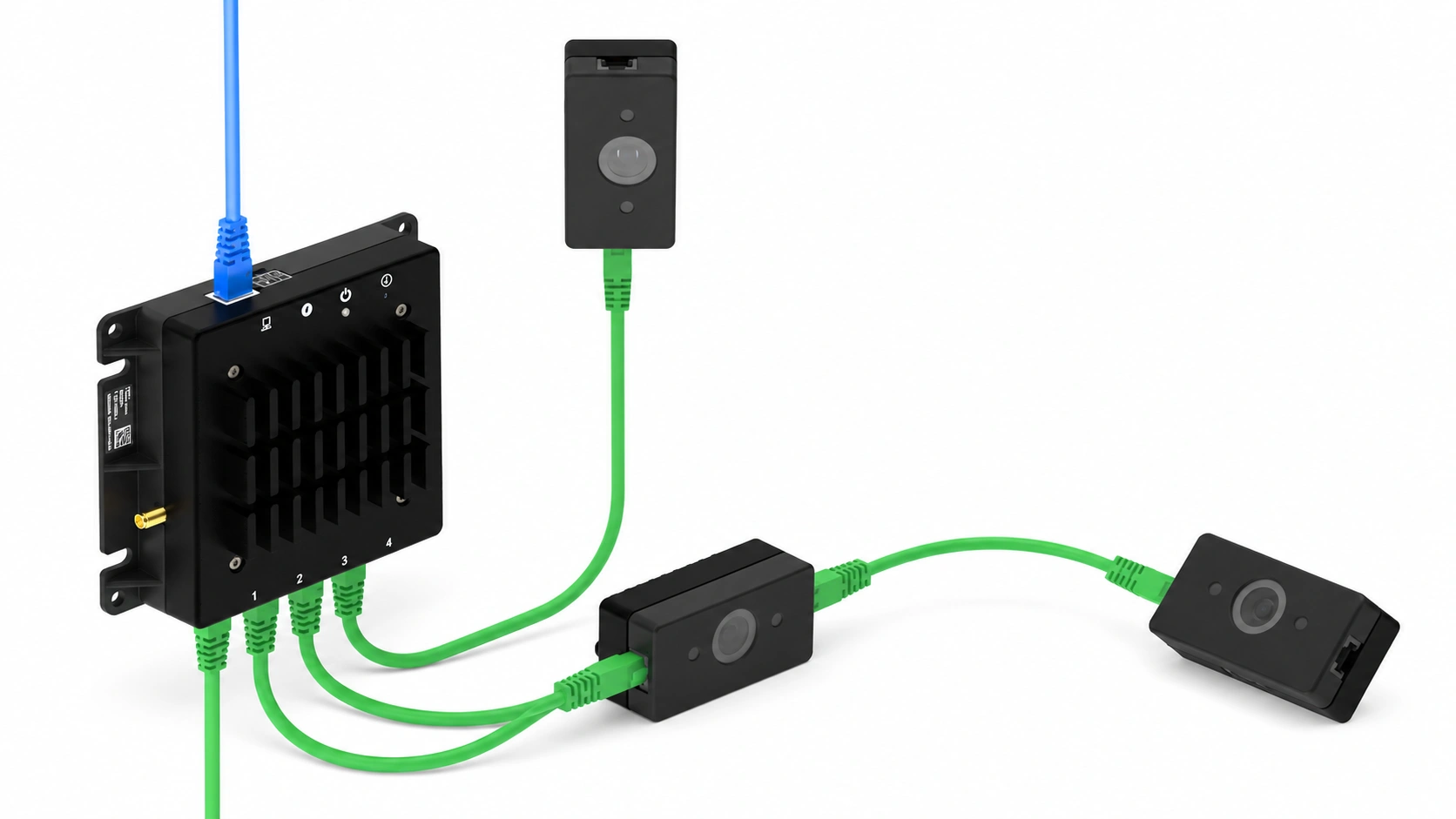
According to CENTEGIX, the company has recently expanded its platform with several new capabilities, including Alert Activated Video, which displays relevant camera views only after an alert has been triggered, and AI-assisted threat detection that requires human verification before information reaches users. The company also noted that its acquisition of Pikmykid broadens the platform’s role beyond emergency response into everyday operational functions such as student dismissal and campus management. CENTEGIX states that privacy remains a central element of the platform, emphasizing that video is activated only during alerts and that customers retain control over whether camera feeds are shared with law enforcement. These features illustrate the industry’s effort to balance faster emergency response with concerns surrounding surveillance and data privacy.
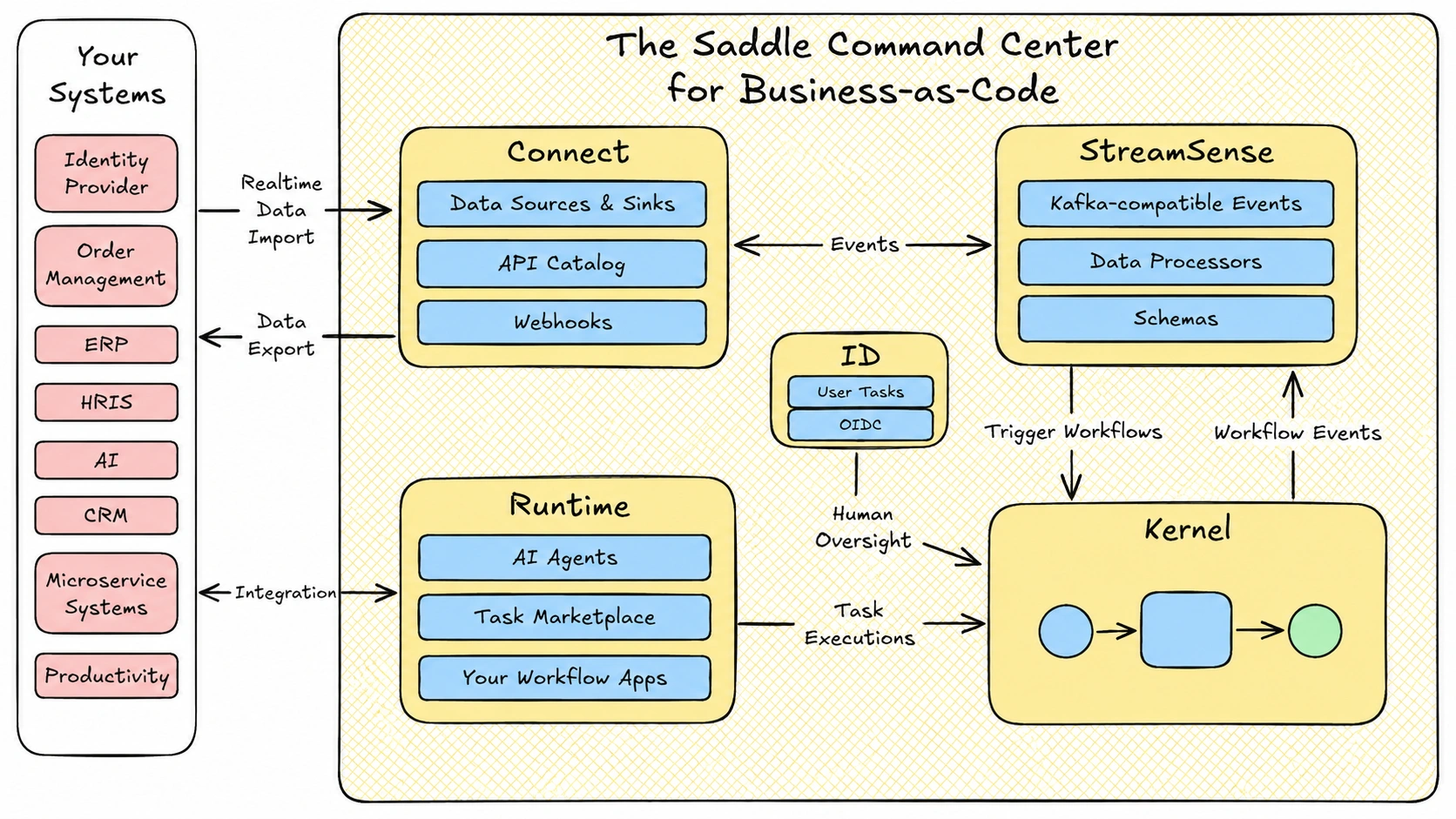
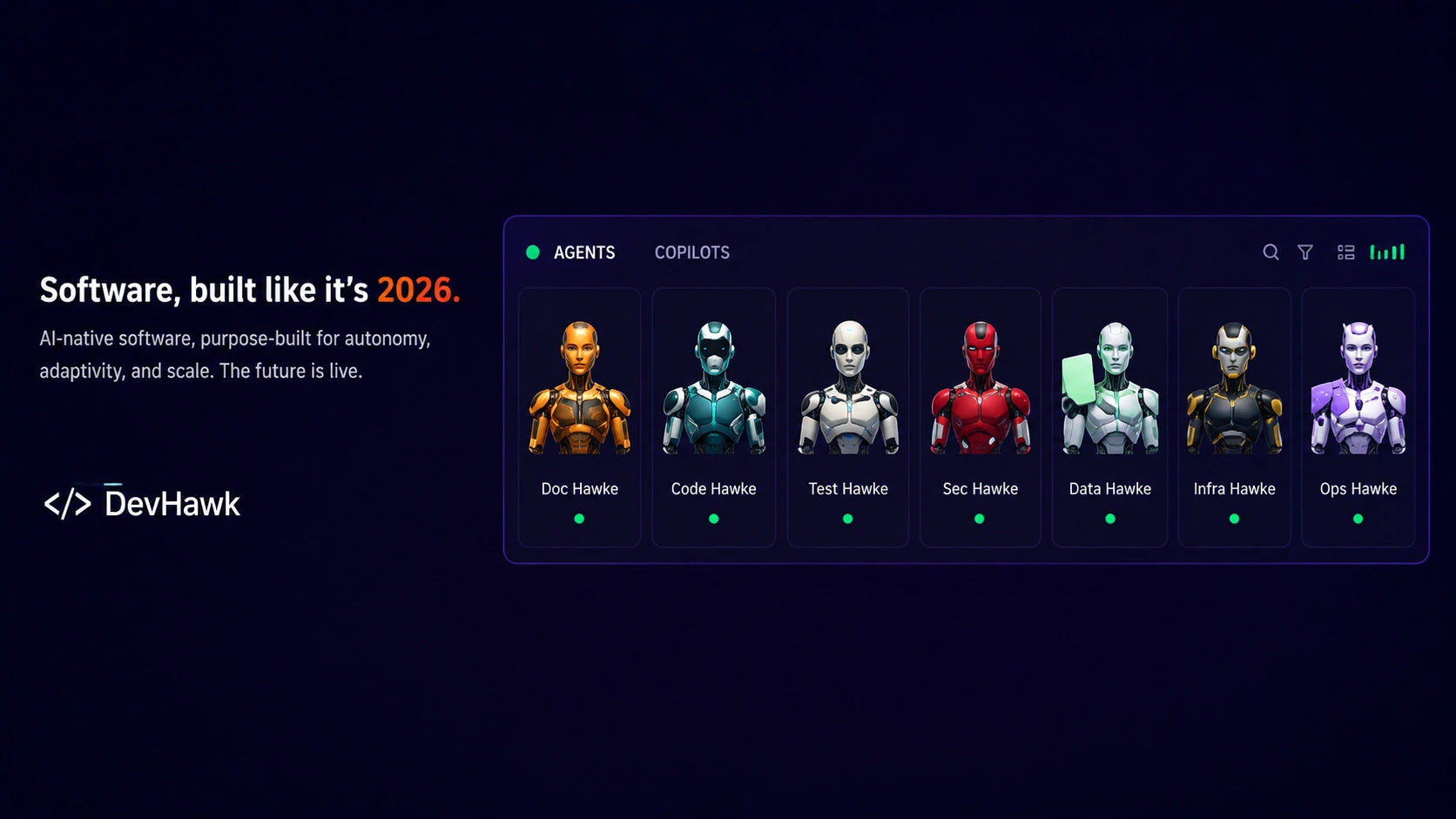
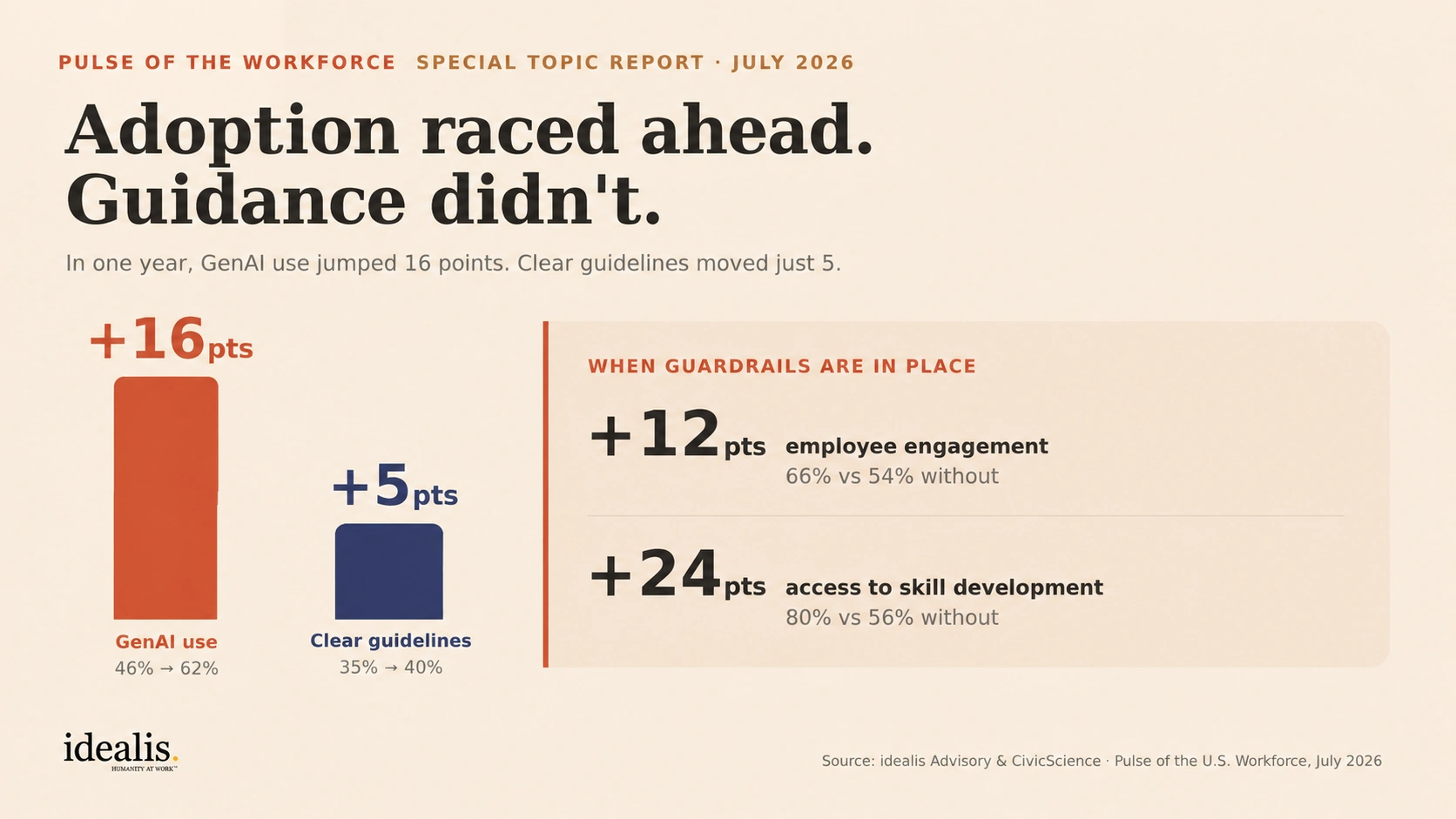
The announcement also reflects growing demand for technologies that can support a range of public institutions through a single connected platform. Schools, hospitals, and government agencies increasingly face similar challenges in coordinating responses across large facilities, making integrated communication systems more attractive than standalone safety tools. As artificial intelligence and real-time data become more common in emergency management, organizations are also placing greater emphasis on safeguards that ensure automated systems remain subject to human oversight.
CENTEGIX’s latest milestone highlights how emergency response technology is becoming more comprehensive and interconnected. As institutions continue investing in preparedness, the emphasis is shifting from isolated emergency devices toward platforms that combine speed, situational awareness, and operational coordination while addressing the privacy expectations that increasingly accompany modern safety technology.