A two-day interoperability event in Michigan brought government and industry systems together, testing whether open architecture can make defense integration faster and less costly.
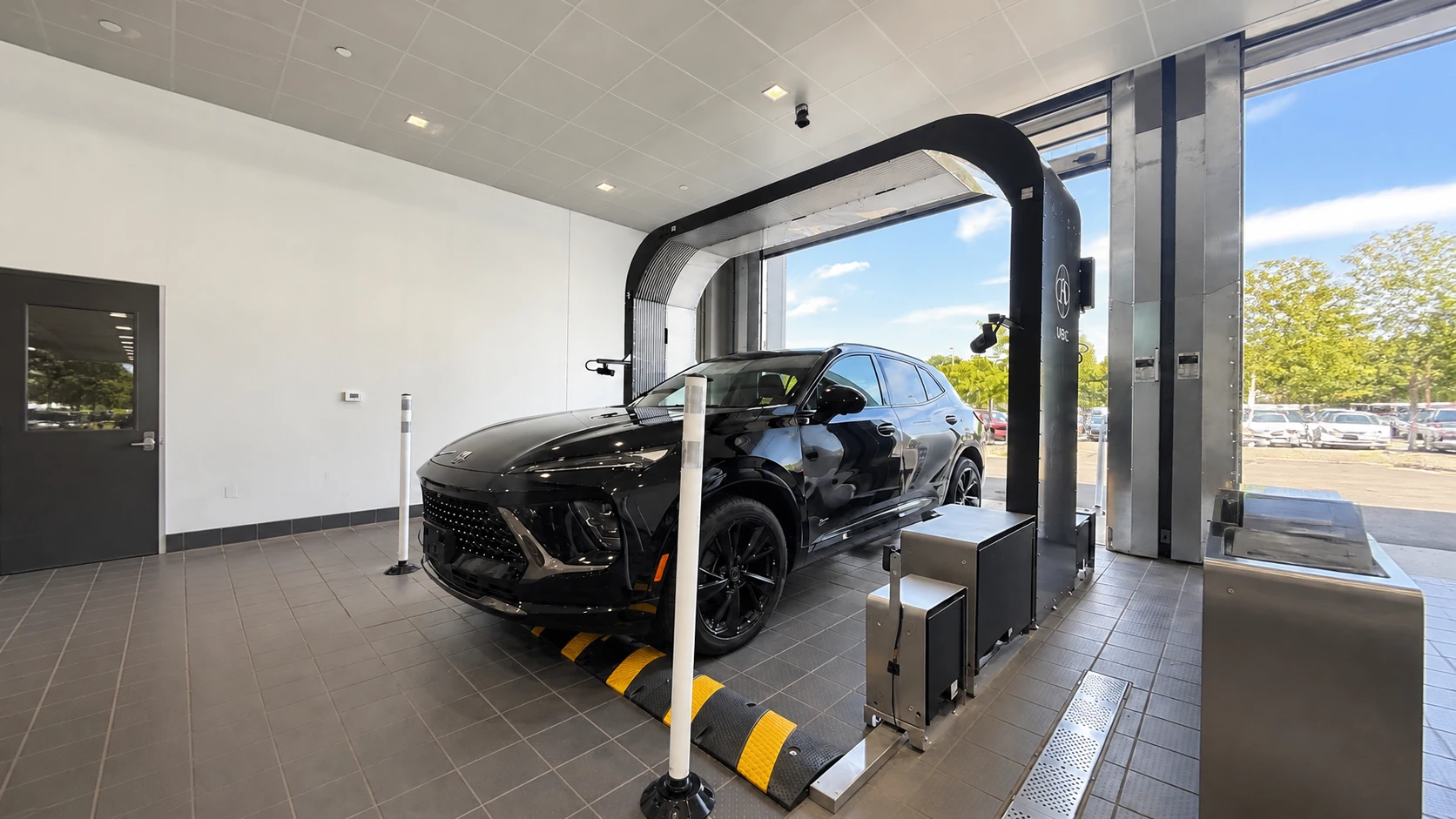
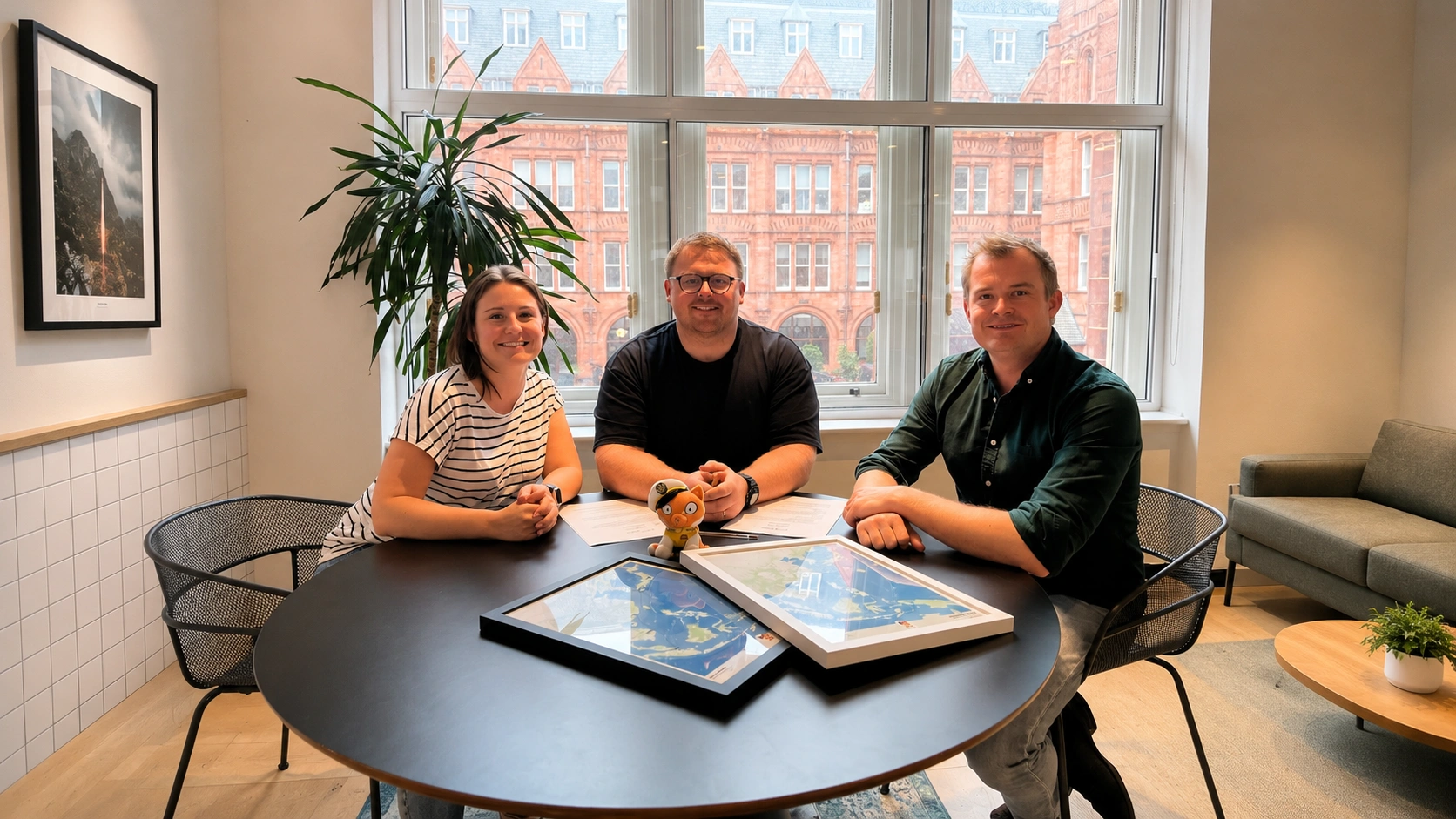
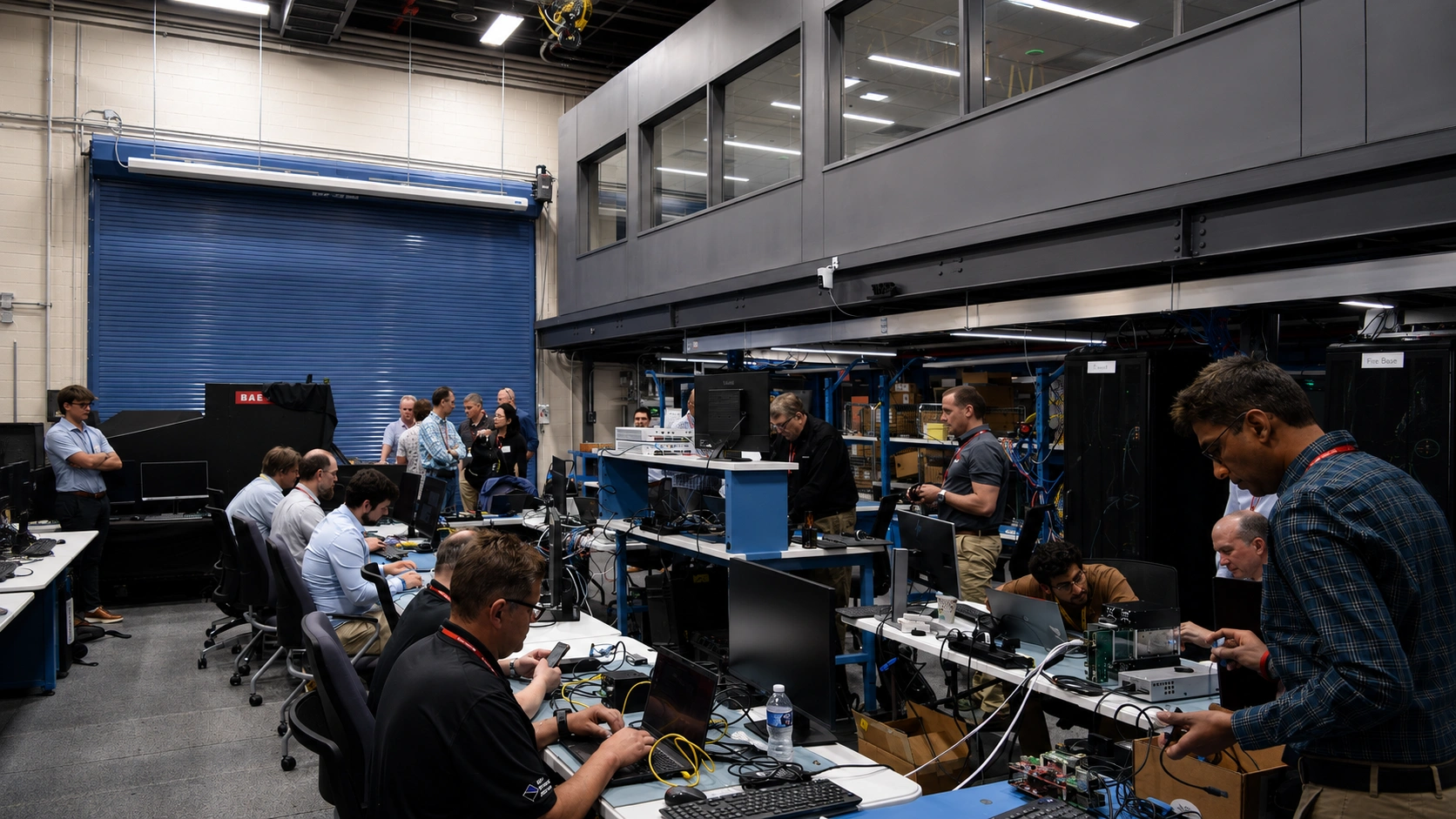
BAE Systems recently hosted the Metro Detroit region’s first defense industry plugfest, bringing government representatives and technology companies together to test how well different military hardware and software systems can operate with one another. Held over two days at the company’s Virtual Proving Ground in Sterling Heights, Michigan, the event focused on turning open architecture standards from technical specifications into working connections between systems.
Seven hardware and software companies participated alongside representatives of the U.S. government, using a live, synthetic environment to validate interoperability among both competing and complementary technologies. The format resembled a hackathon, but with an emphasis on testing hardware and software integration rather than rapidly developing new applications. For defense programs, that distinction matters because new capabilities frequently need to function within larger systems assembled from technologies developed by different suppliers.
Open systems architecture is intended to make those connections easier by establishing shared standards that allow components to interact without requiring every element to come from the same vendor or development program. Testing those standards collaboratively can expose compatibility problems earlier, before systems move further into deployment, when addressing integration failures can become more complicated and costly. It can also provide participants with evidence about whether a standard works under conditions designed to resemble actual operational environments.
The Sterling Heights event reflects a broader practical challenge in military modernization: introducing new technology without repeatedly rebuilding the systems around it. If hardware and software can be integrated through common interfaces, defense organizations may have greater flexibility to introduce new capabilities while reducing some of the technical risk and engineering effort associated with connecting separate platforms. The plugfest itself does not establish how those benefits will translate into deployed programs, but it provides a controlled setting in which those assumptions can be tested.
BAE Systems says the results could inform efforts by the U.S. military and allied forces to field capabilities more efficiently while controlling integration costs. More immediately, the event demonstrates how collaborative testing can complement traditional defense development by allowing government agencies and suppliers to identify weaknesses in shared standards before those weaknesses emerge later in the acquisition or deployment process.