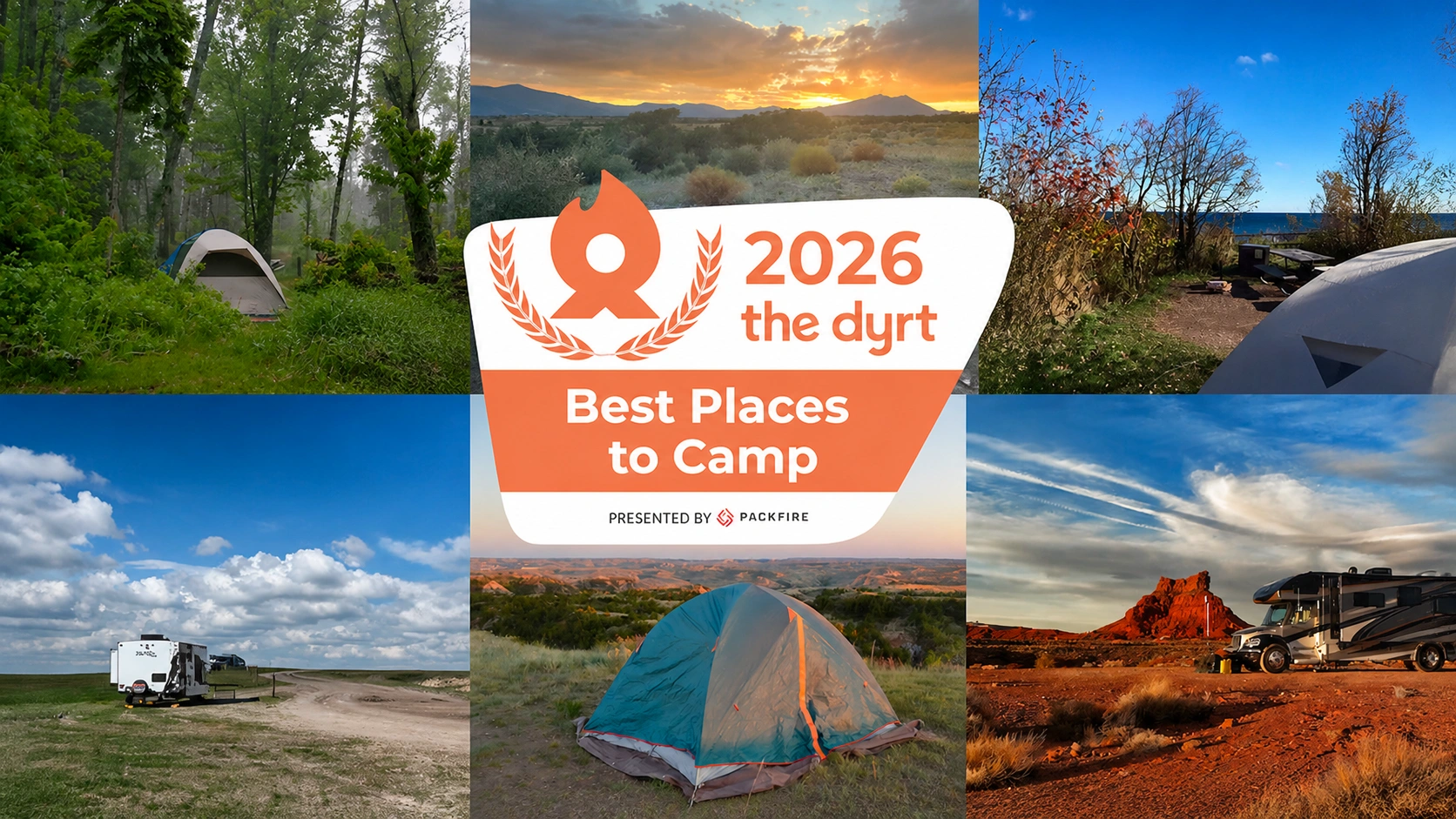
The Dyrt’s latest survey finds that most campers used free sites last year, highlighting the growing importance of public-land knowledge and trip-planning tools.
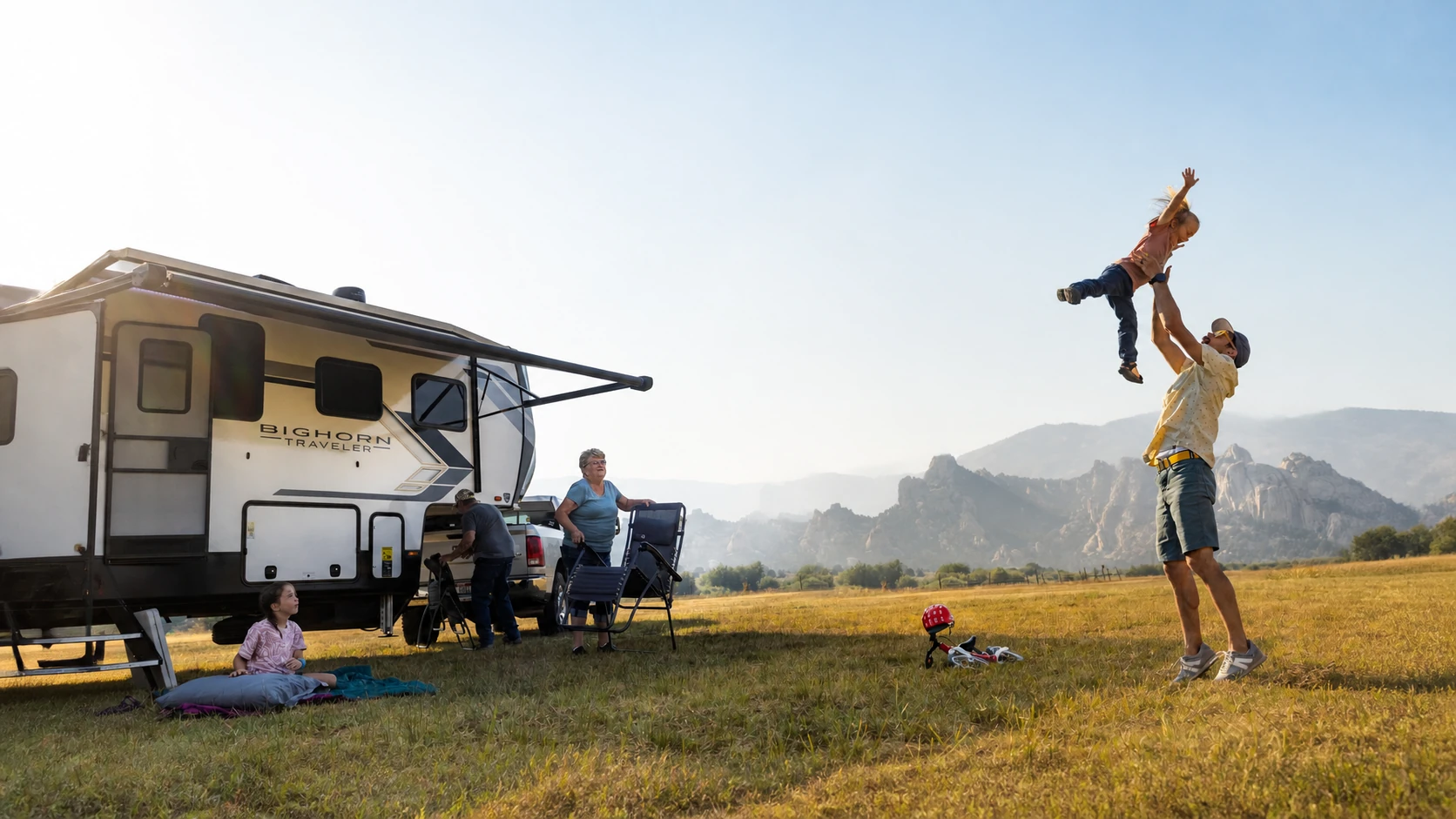
The Dyrt found that 59.8% of campers camped for free at least once in 2025, according to findings from its 2026 Camping Report Presented by Toyota Trucks. The report is based on surveys of thousands of members of The Dyrt Community, a representative sample of U.S. residents and camping property managers across all 50 states. The result places free camping firmly within the mainstream of the U.S. camping landscape, rather than treating it as a specialist activity.
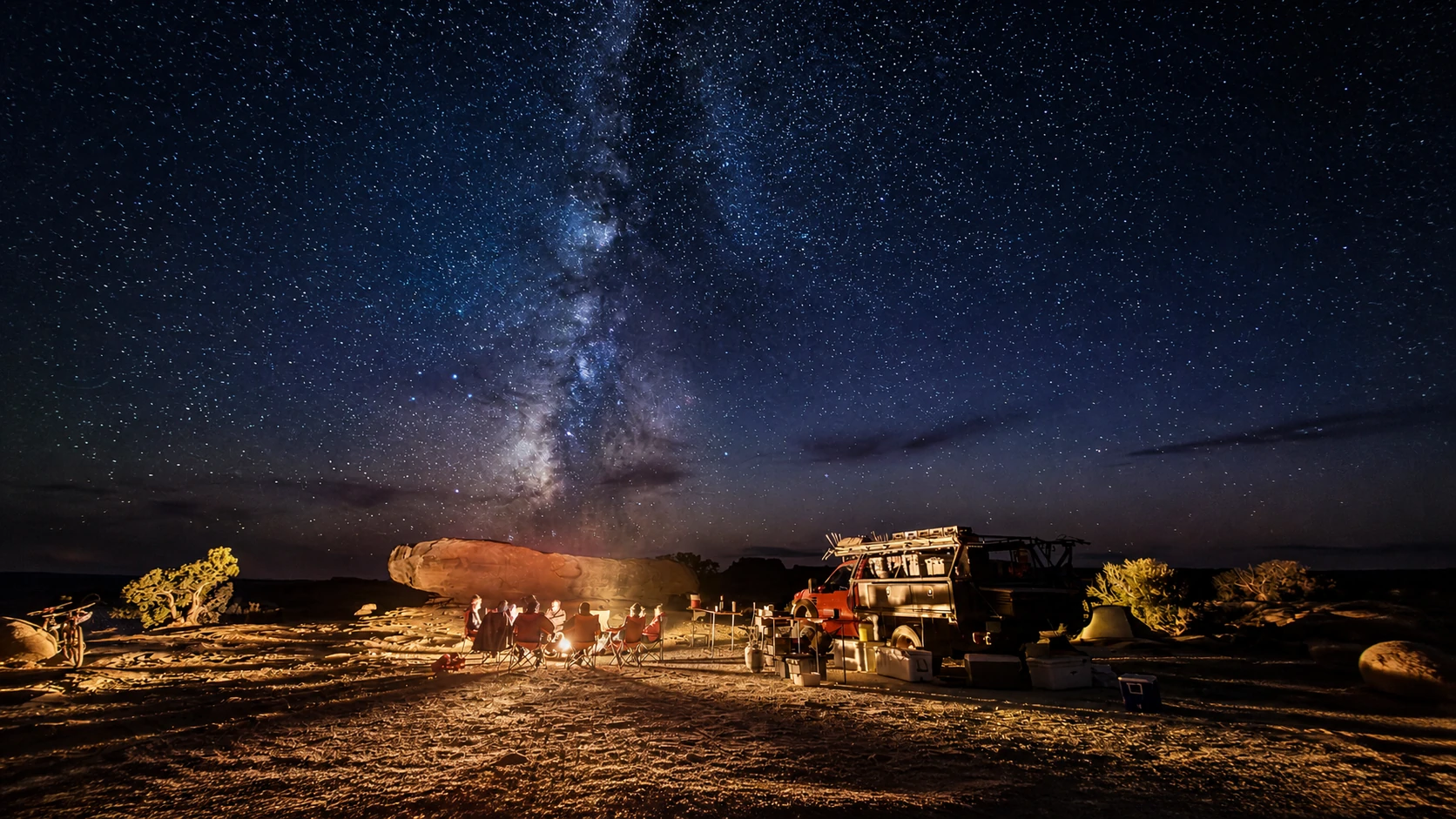
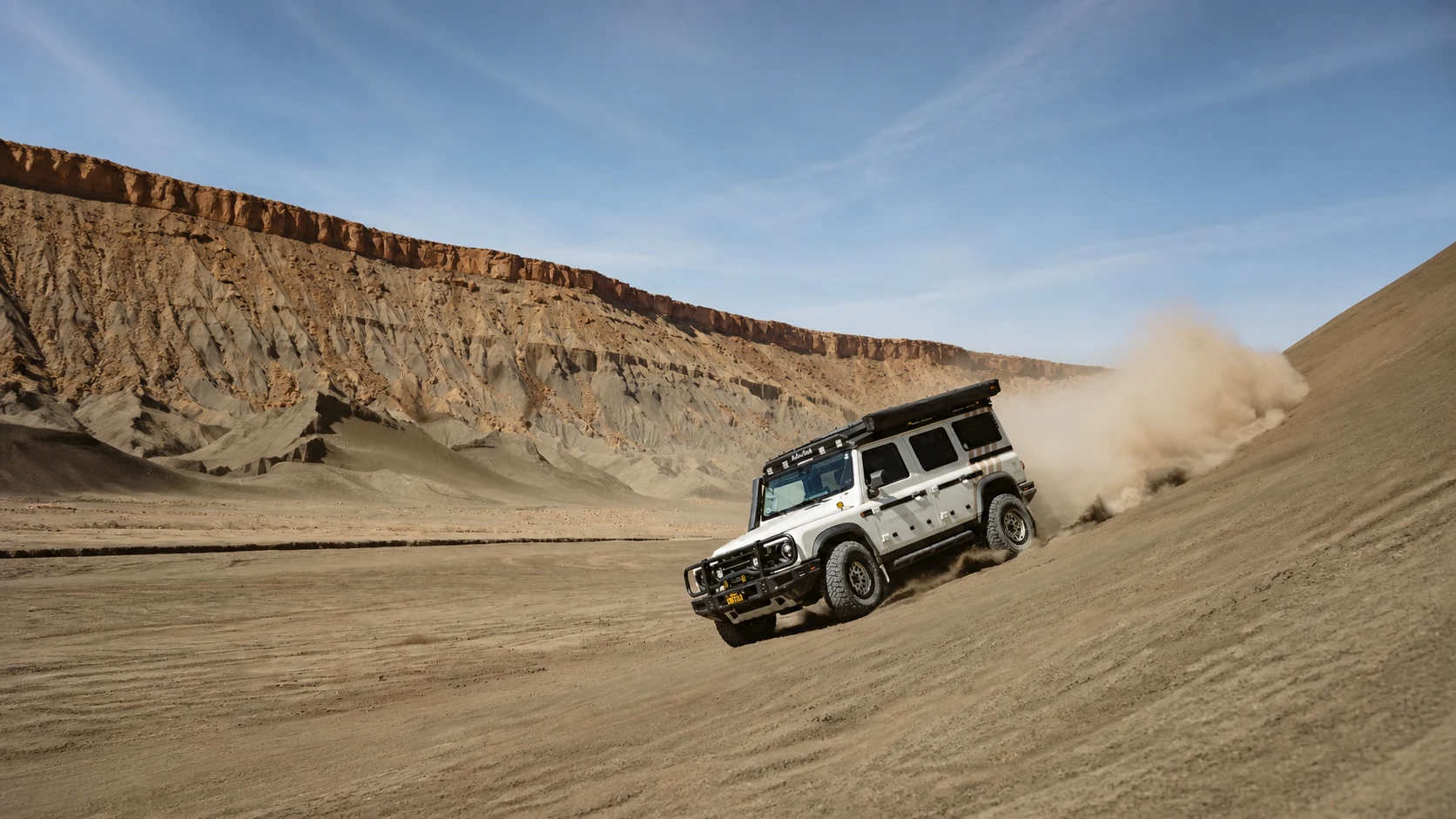
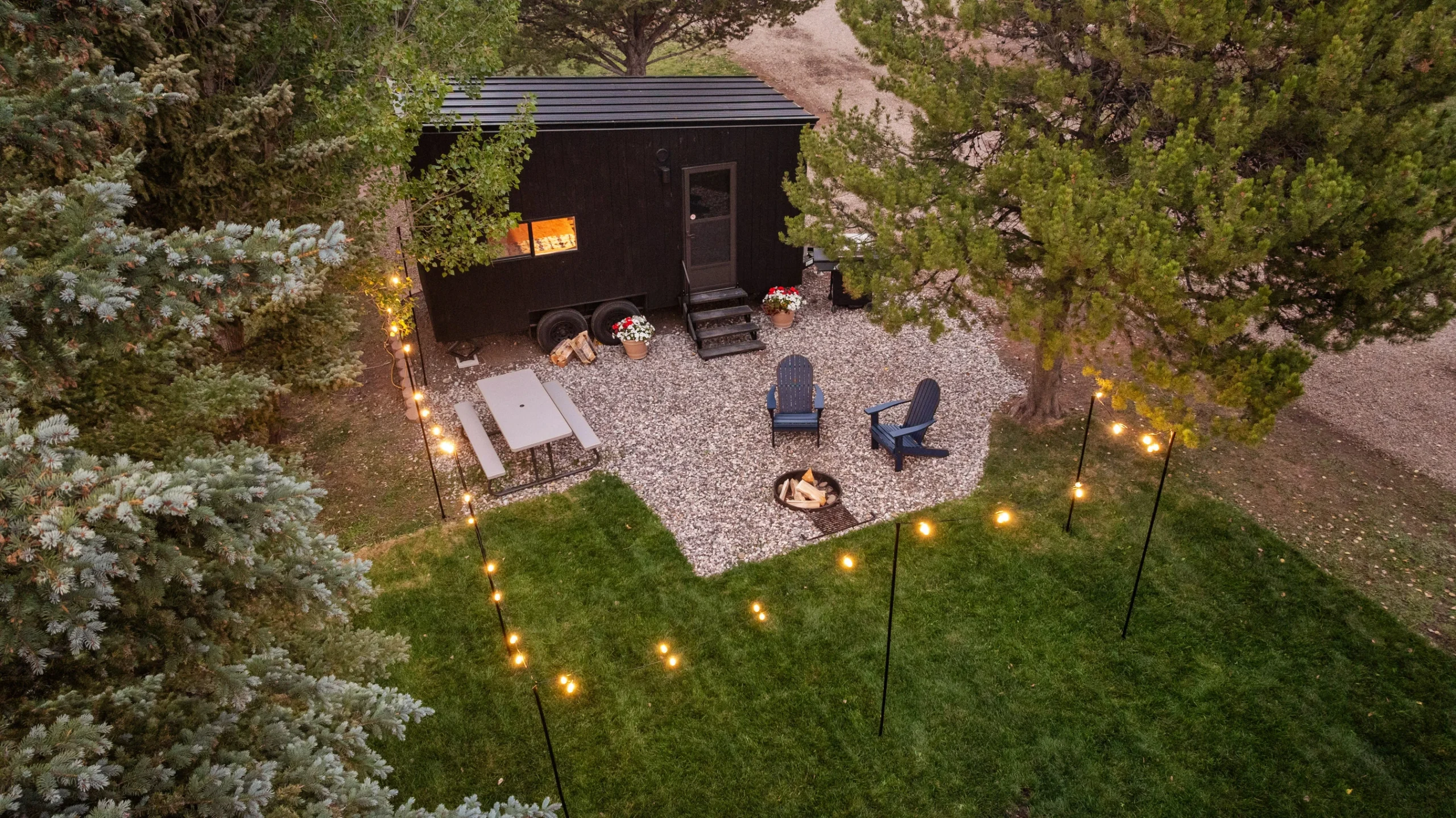
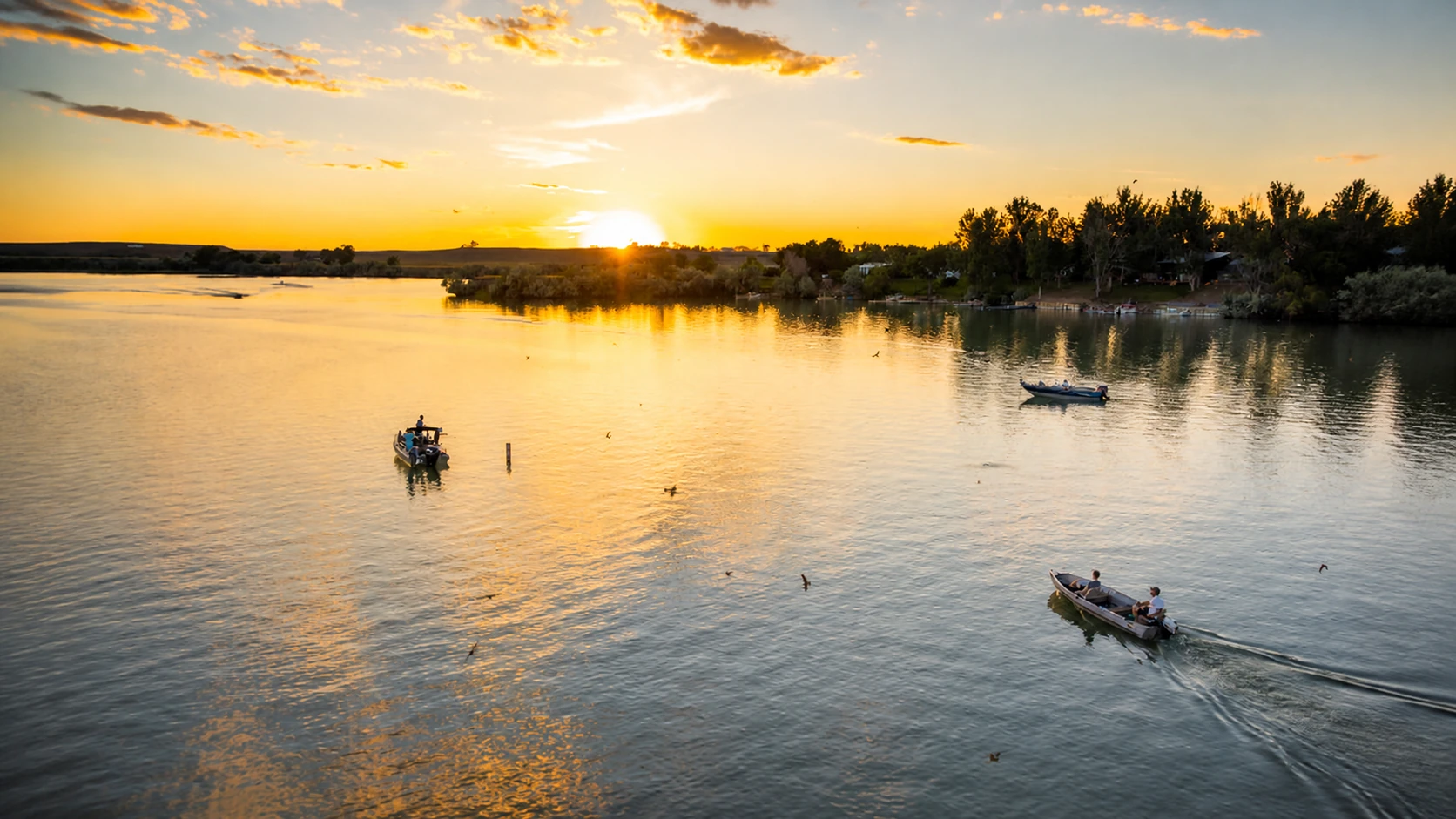
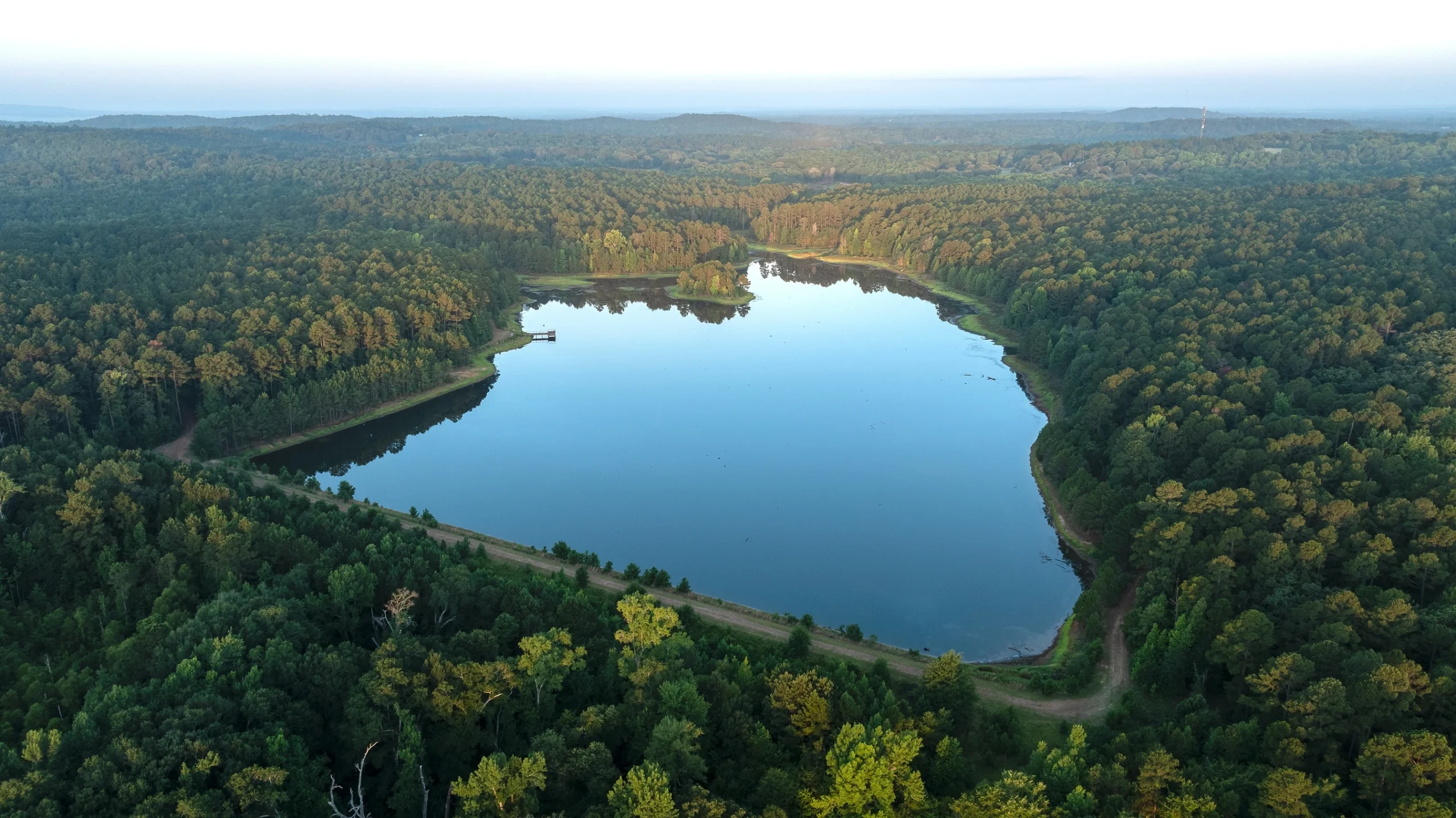
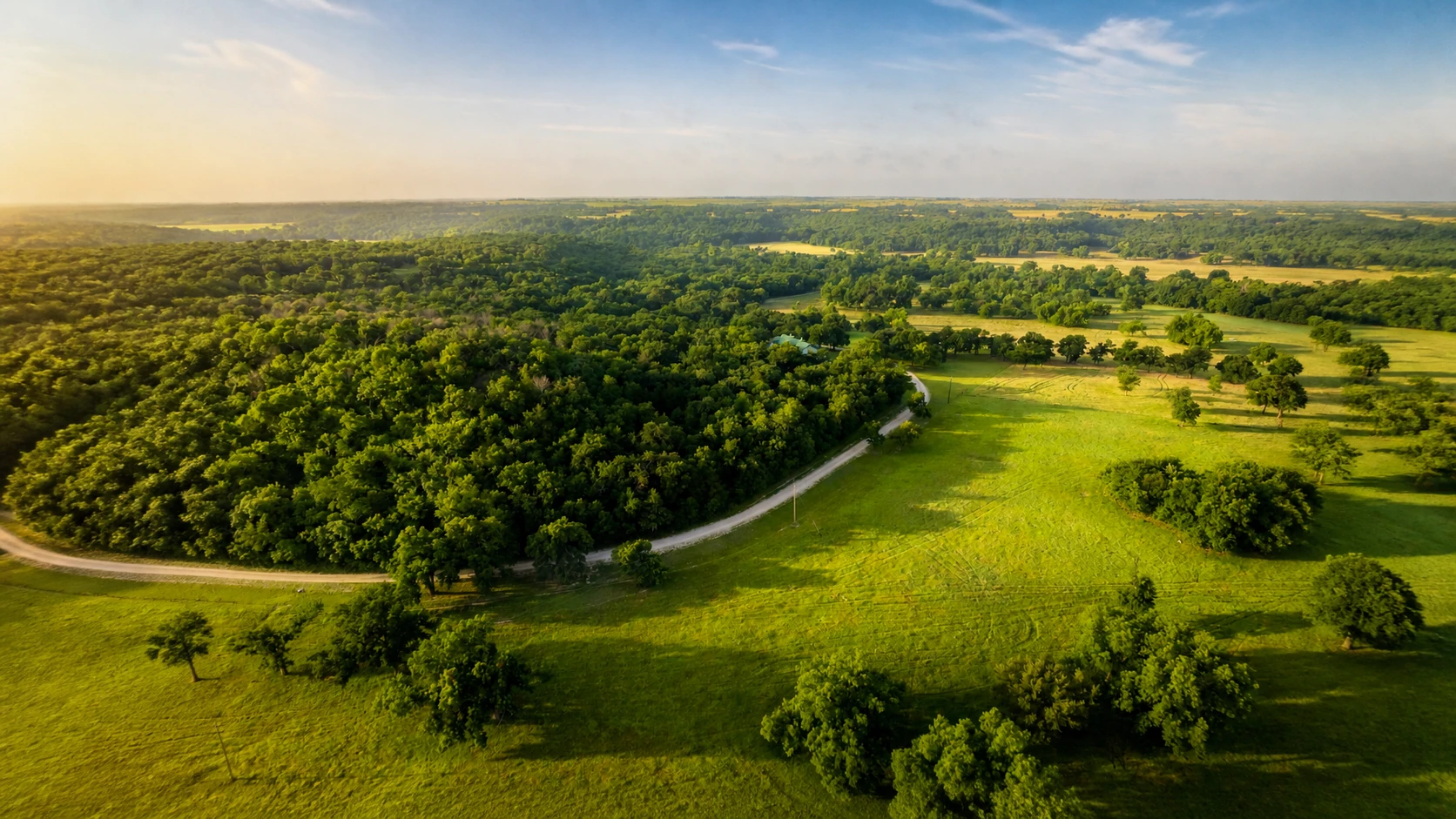
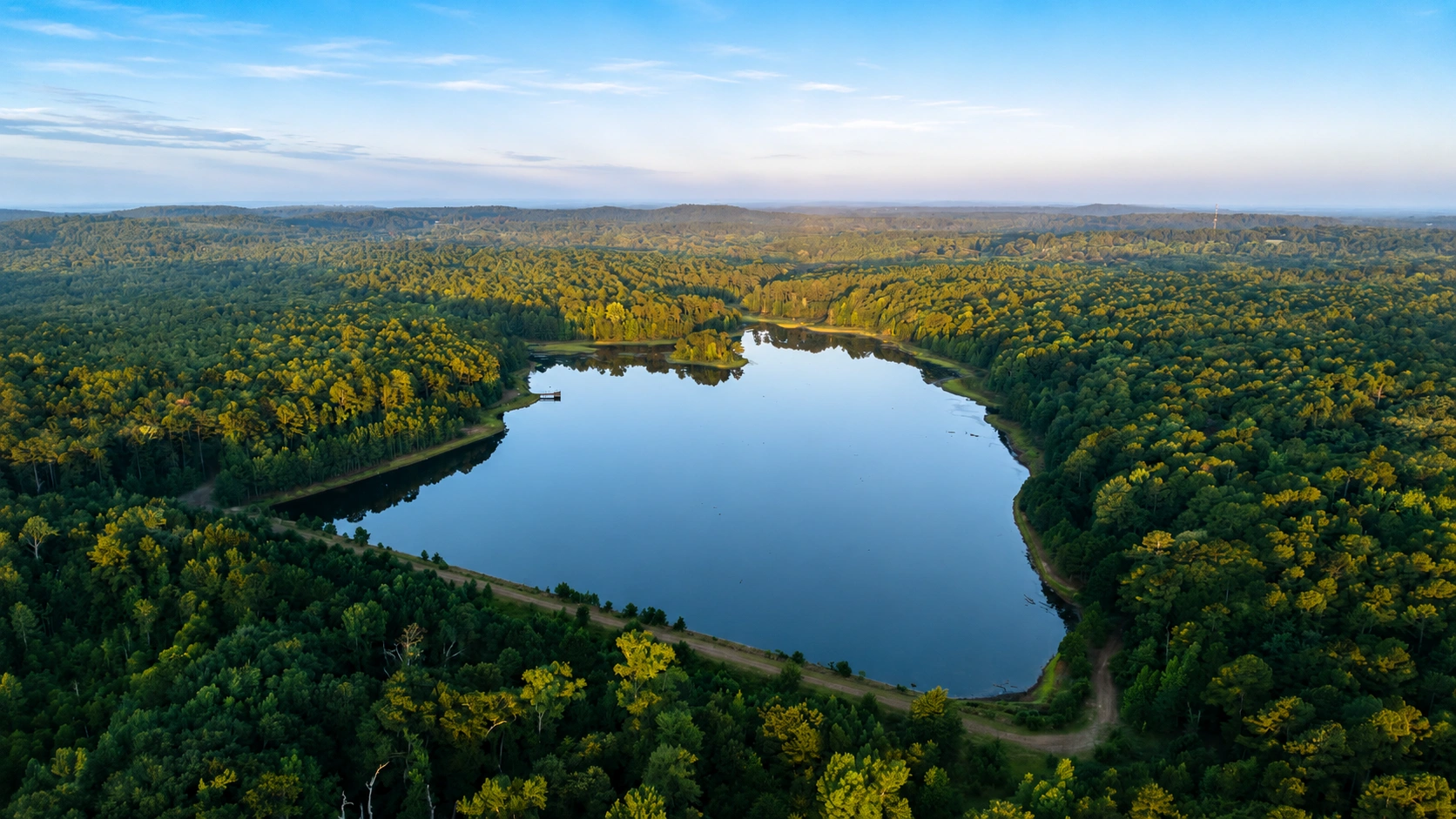
Among campers who stayed for free, dispersed camping was the most common option, used by 79.1% of respondents. The report also found that 73.6% spent a night at a rest stop or parking lot, while 63.7% stayed at a free established campground. Private land featured too, with 36.5% camping on property owned by friends or family and 28.9% using their own property.
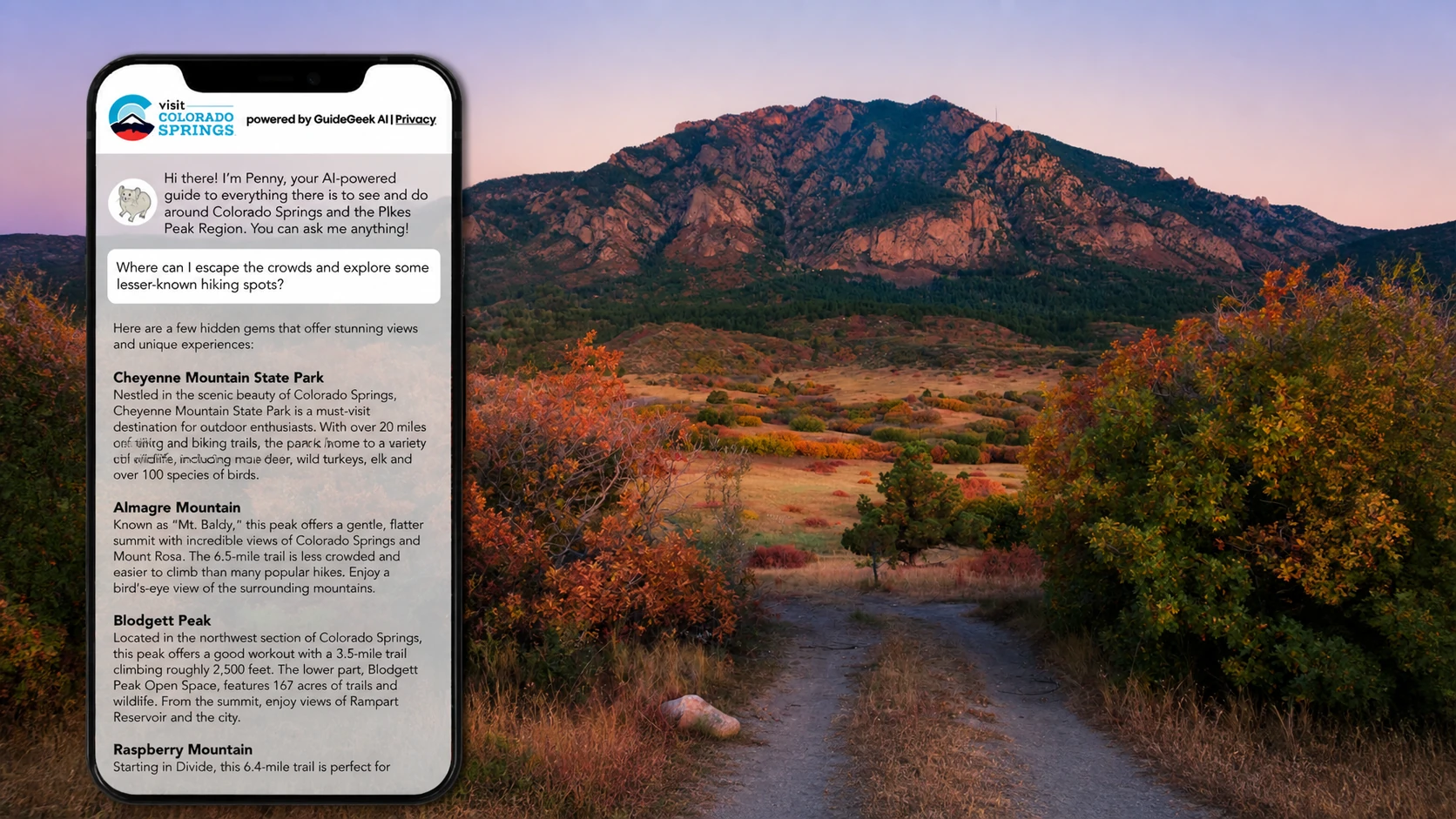
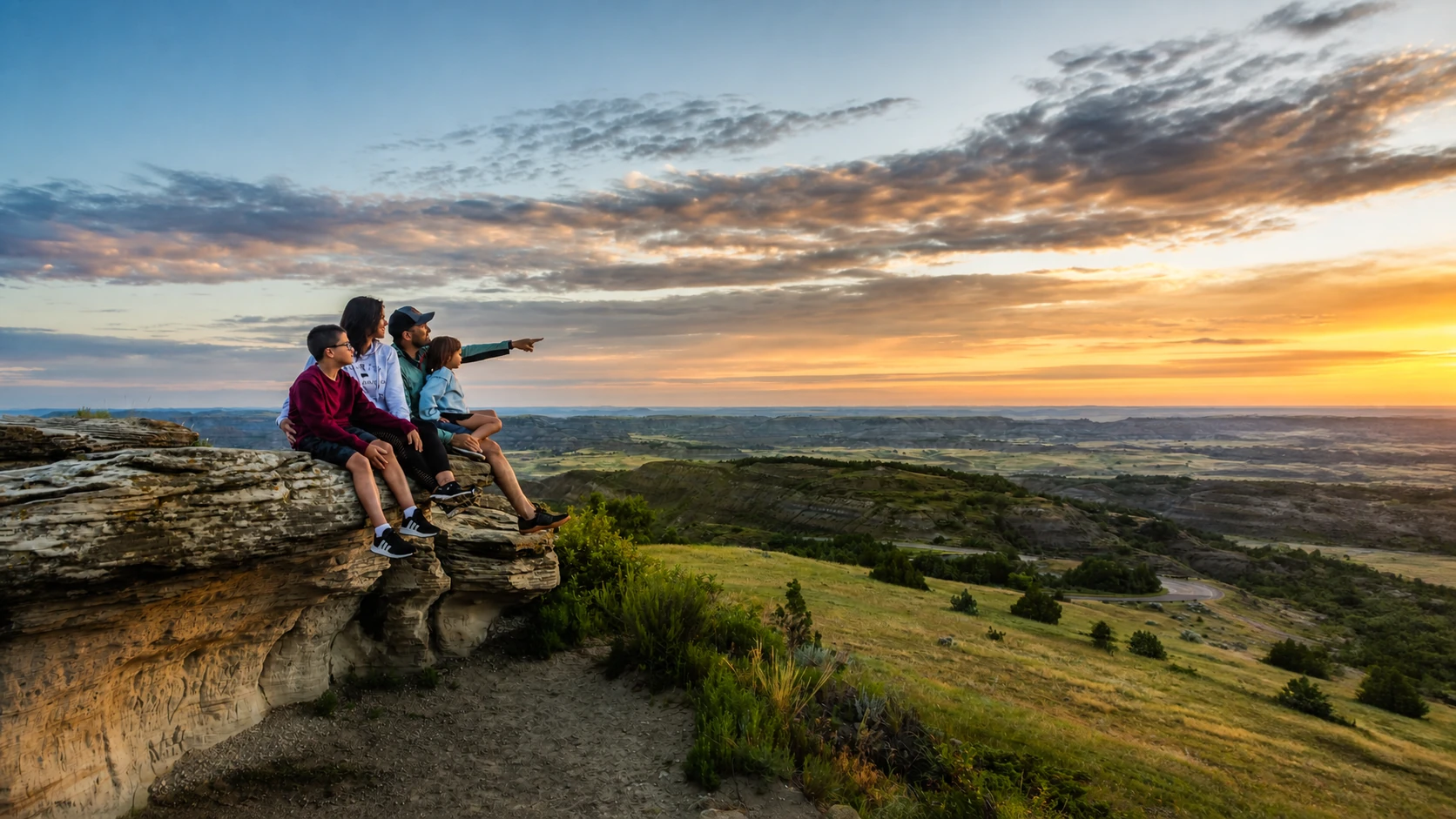
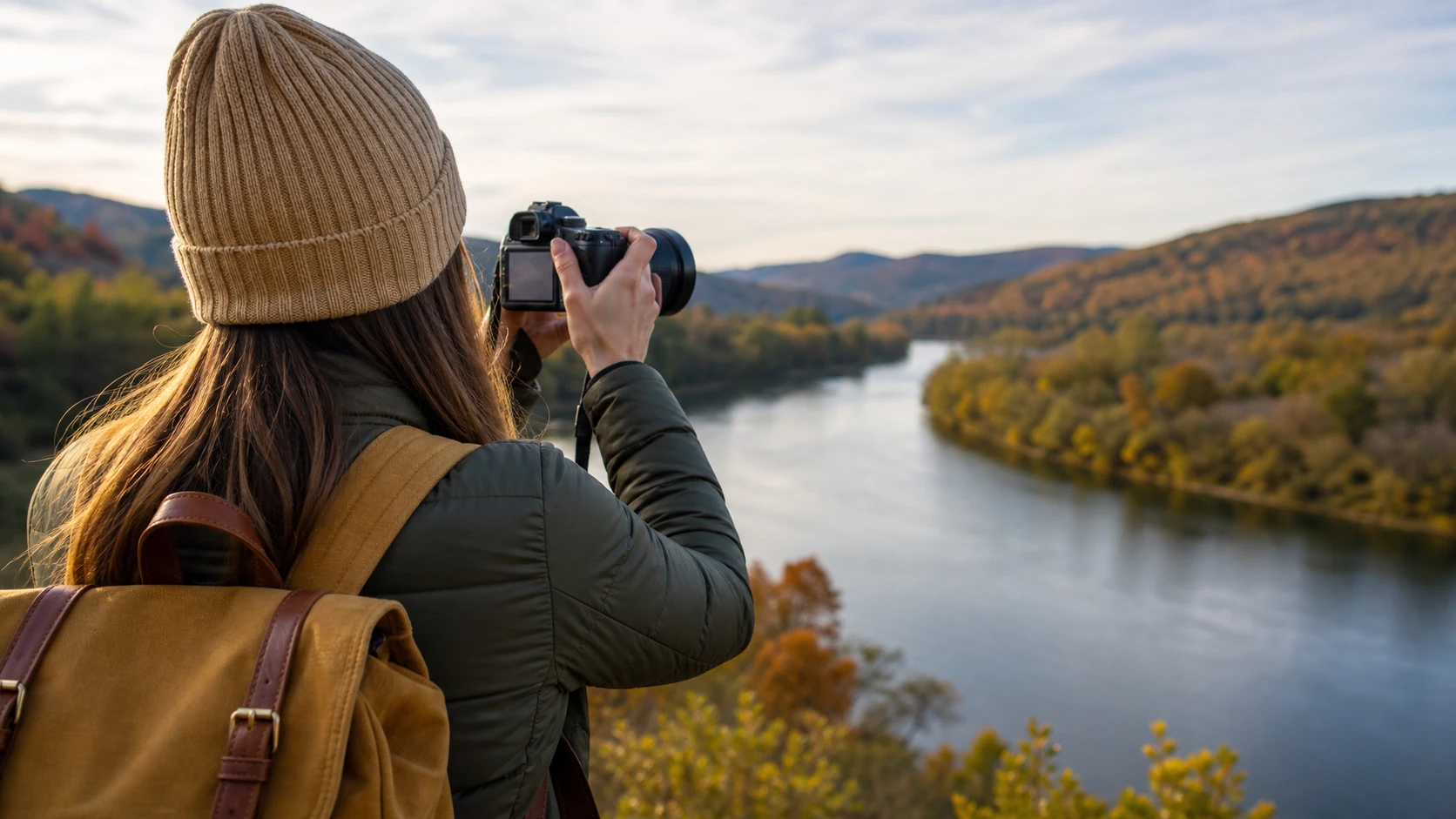
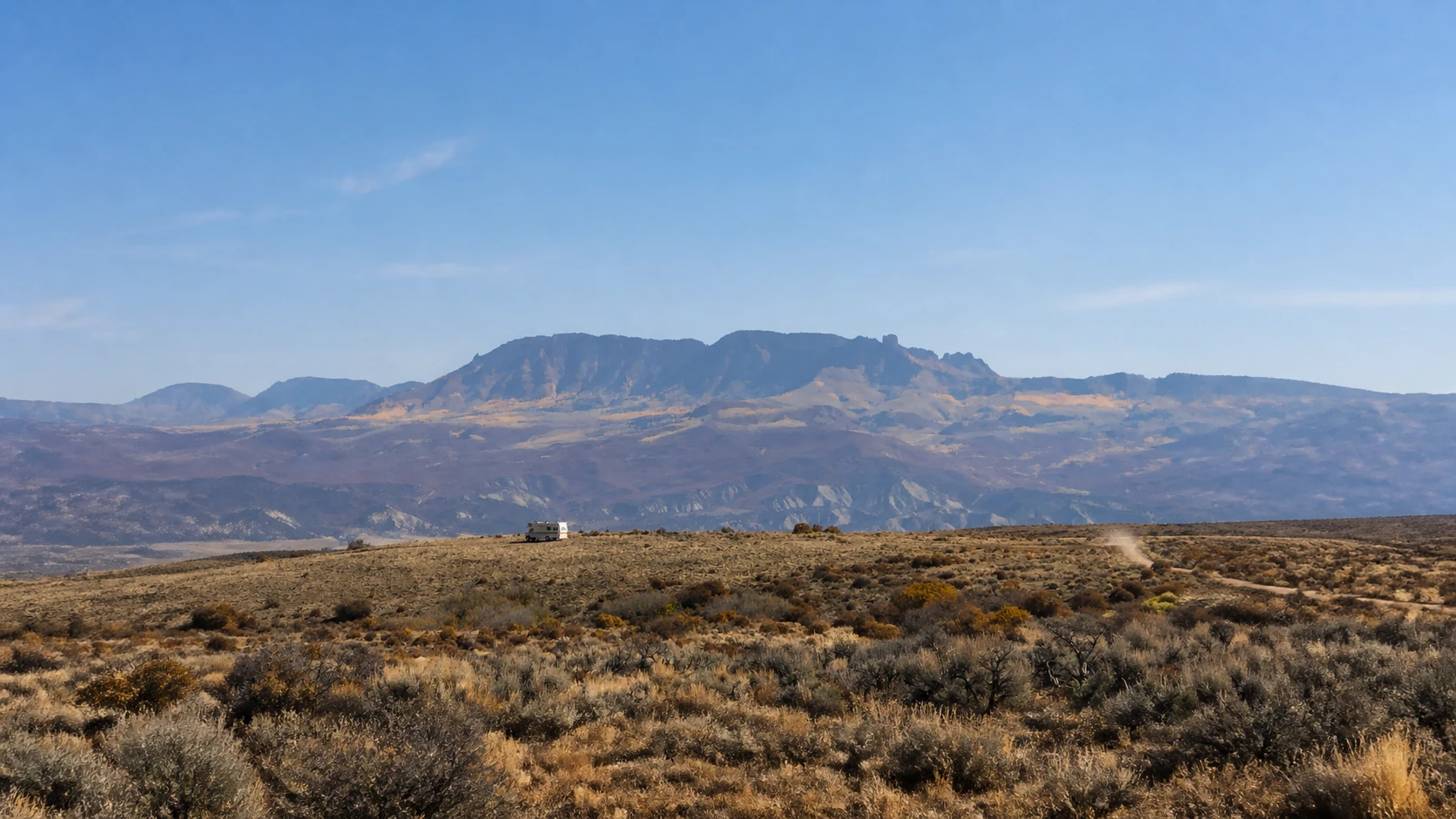
The findings reflect a broad definition of free camping, spanning public-land stays, informal overnight parking and established sites without a charge. The Dyrt said the U.S. has more than 600 million acres of public land where people can camp for free, but noted that these locations often lack campground websites and can therefore be difficult to research. Its app lists thousands of free camping locations, many with photographs and reviews from campers.
That information gap is also where the company’s paid service fits into the announcement. The Dyrt PRO includes the company’s Free Camping Collection and RV Trip Planner, while its site says the service provides access to more than 20,000 staff-verified free camping locations and state-specific permit information. The release advises campers to research stay limits, distance rules and permit requirements before dispersed camping, alongside following Leave No Trace principles.
The report gives The Dyrt a way to connect its community-generated information with a specific camping behaviour: finding places to stay without a nightly fee. It also shows that free camping is not one uniform experience, but a mix of backcountry, roadside, established and private-property options. For the company, the practical challenge is turning that variety into reliable, usable guidance as campers look beyond traditional paid campgrounds.