A referendum on the long-dormant stadium places preservation, public access and large-scale cultural programming at the centre of Miami’s waterfront debate.
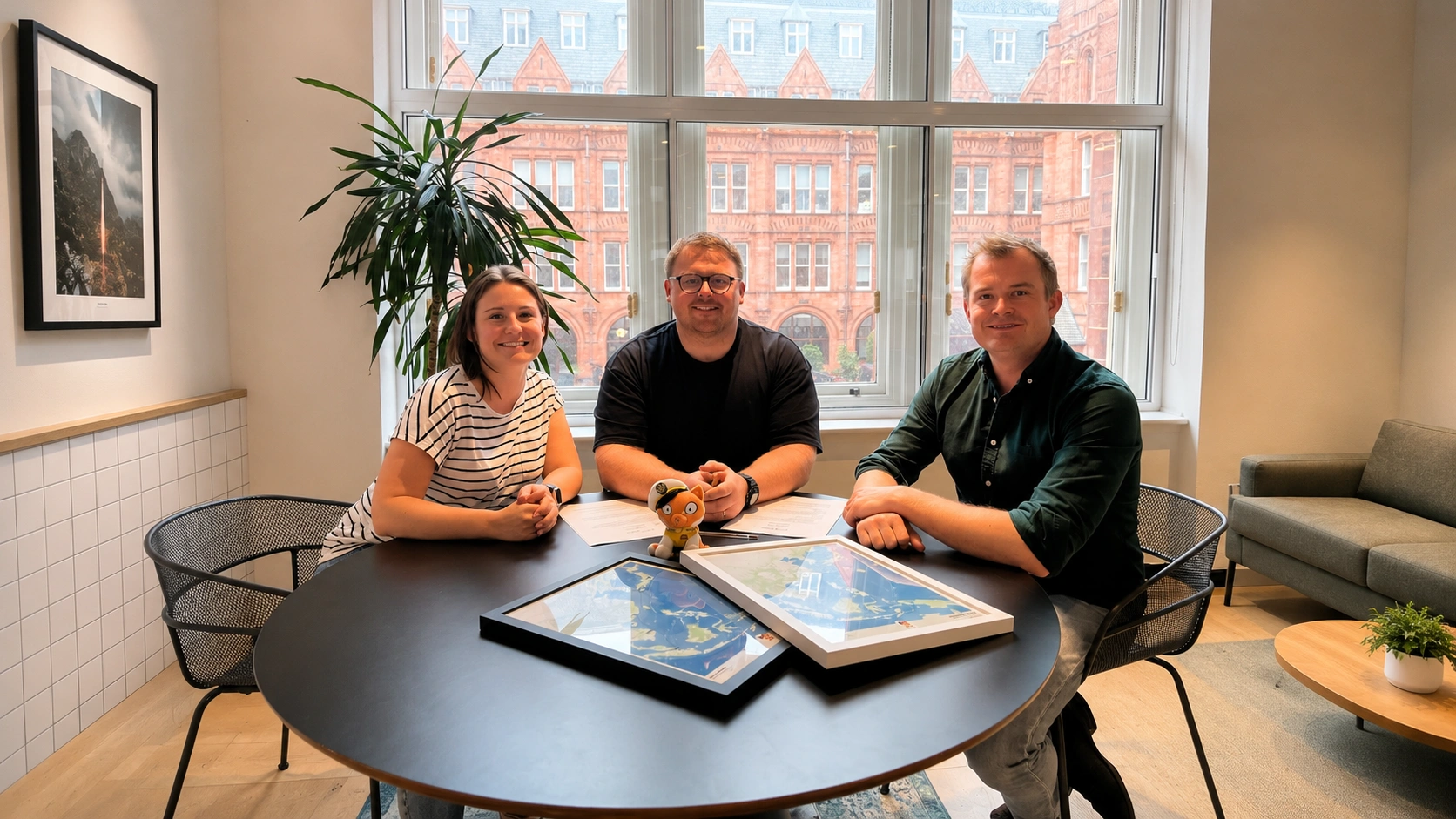
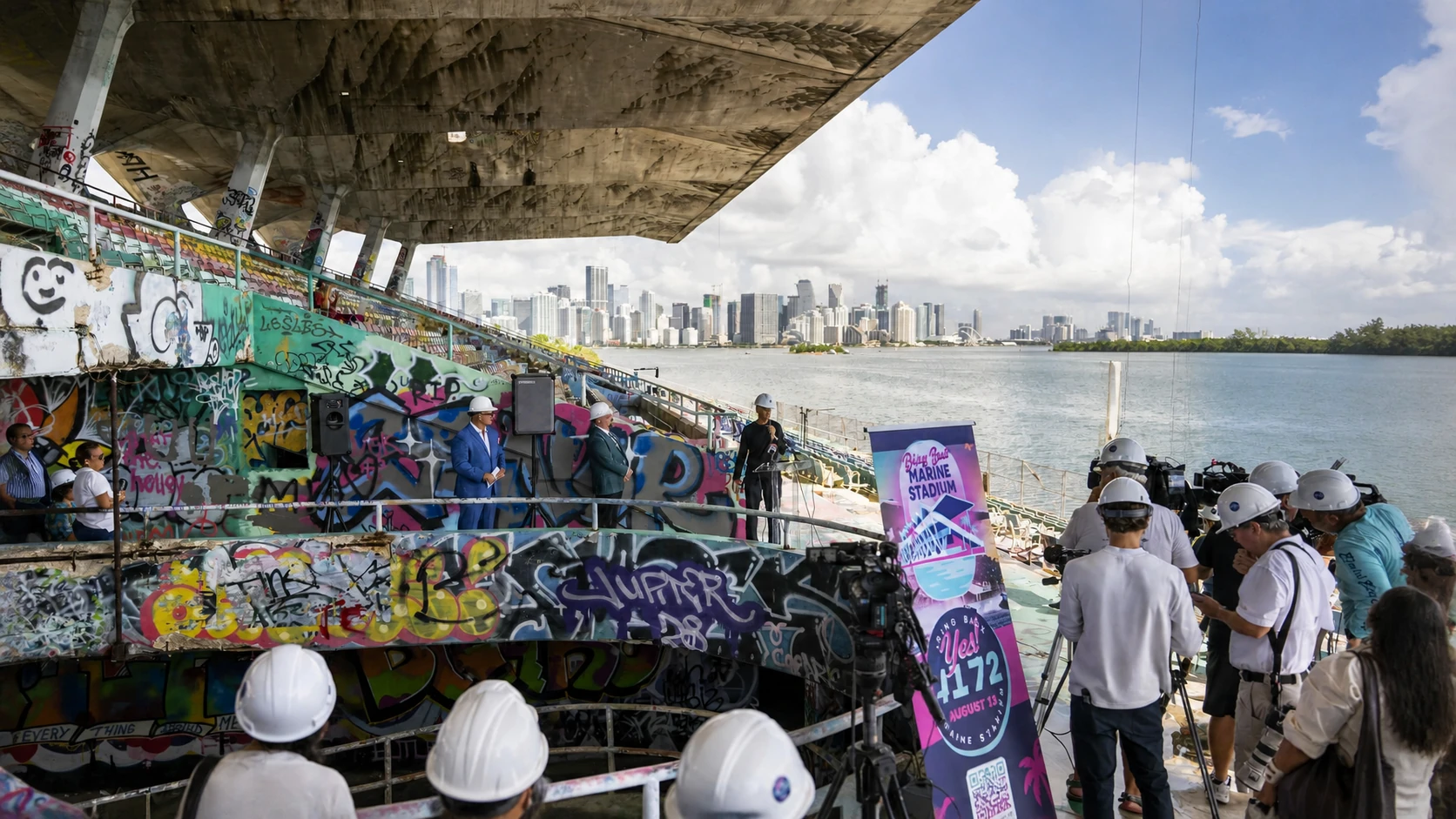
Breakwater Hospitality Group and Bring Back Marine Stadium are backing a Miami referendum on the future of the Miami Marine Stadium, with the release reporting that City of Miami voters were scheduled to consider the measure on August 18, 2026. The proposal focuses on a management agreement that would allow Global Spectrum, an Oak View Group company, to operate the Virginia Key venue on behalf of the city. The campaign frames the vote as a decision about how Miami uses one of its most recognisable waterfront landmarks.
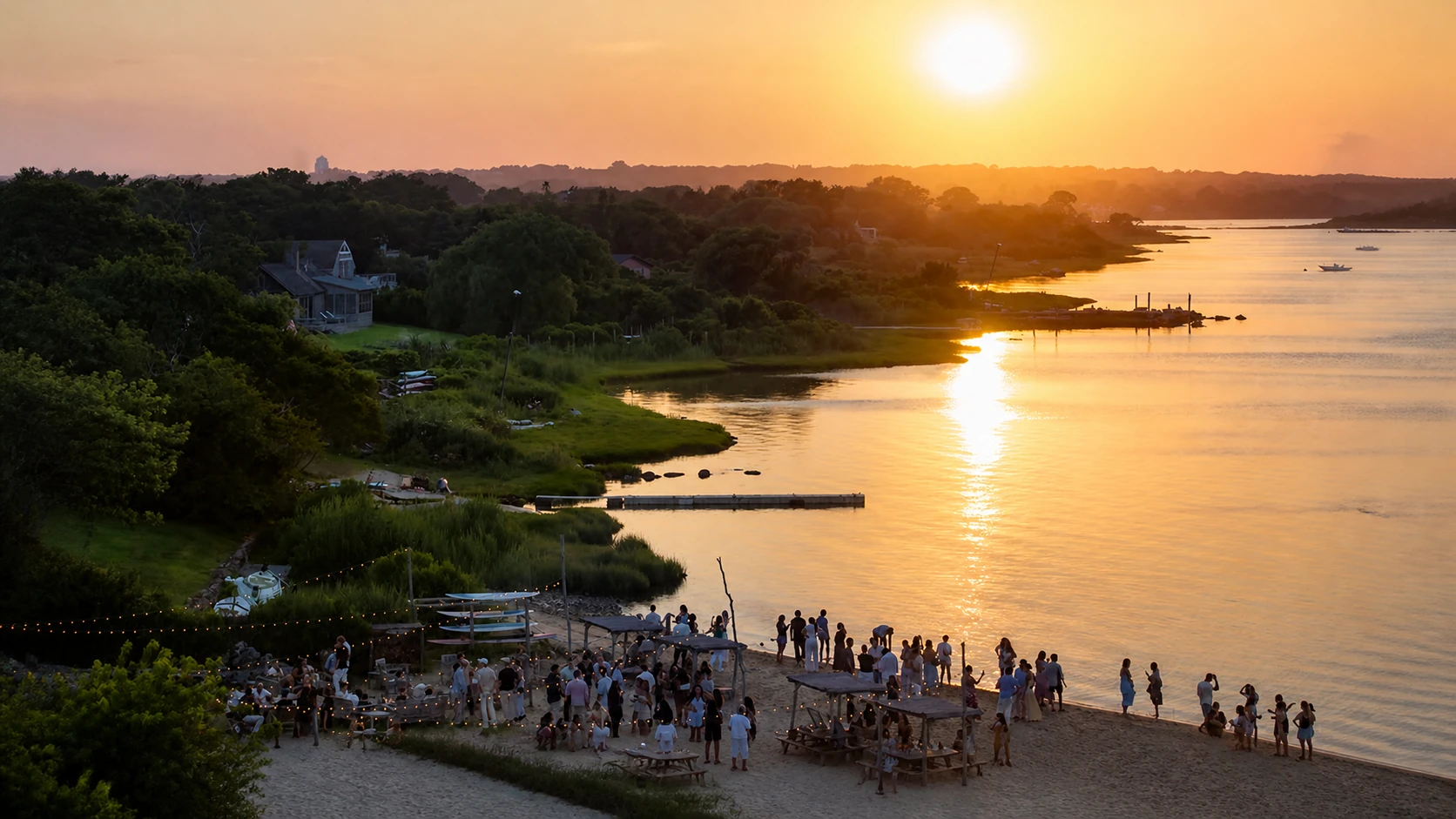
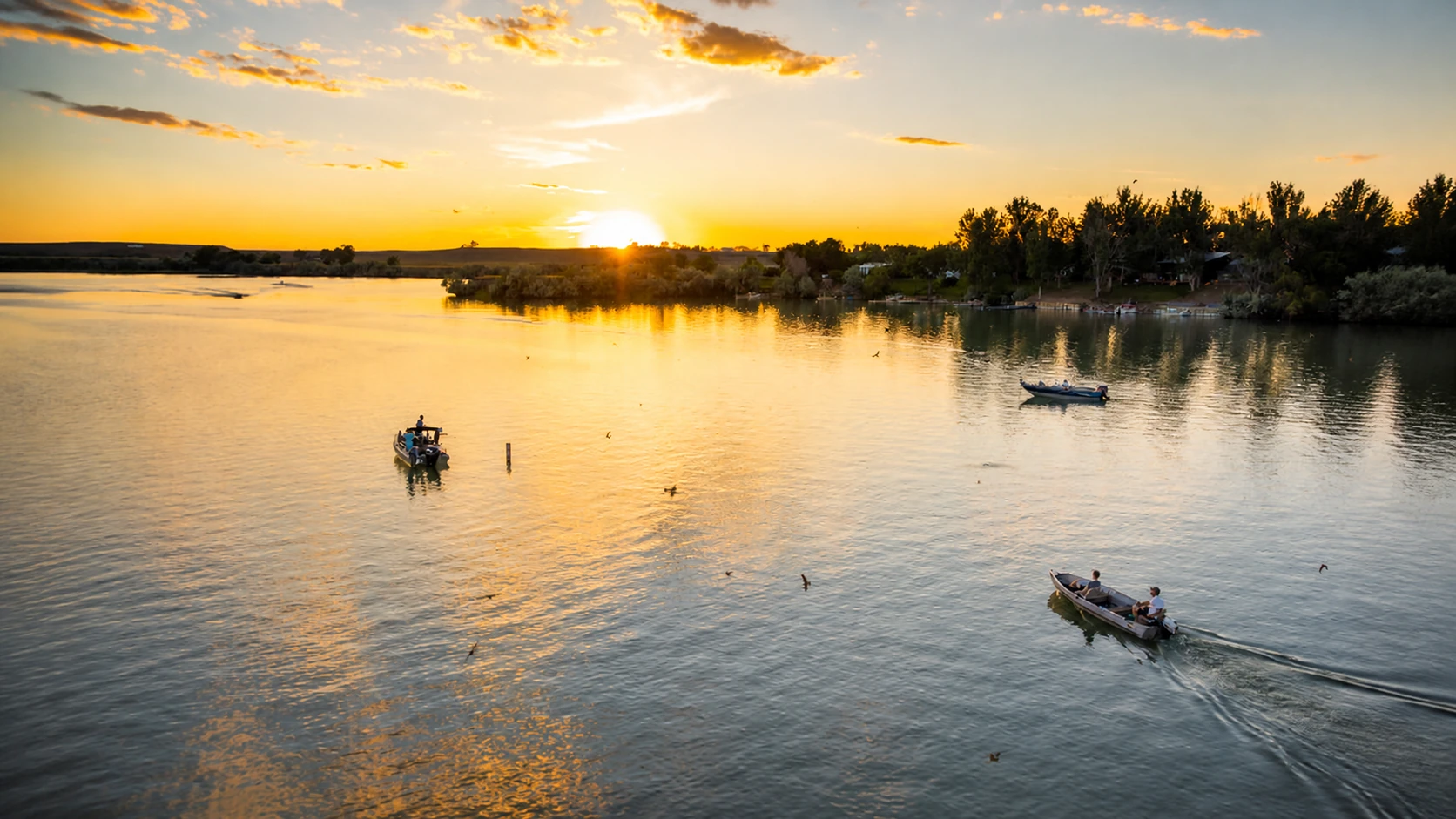
Built in 1963 and shuttered after Hurricane Andrew, the stadium has remained inactive for decades while continuing to attract interest from preservation advocates. The release presents its restoration as part of a wider discussion about the kinds of public spaces Miami should prioritise along Biscayne Bay. That discussion includes parks, walking paths, marinas and waterfront dining, but positions the stadium as a larger civic setting capable of hosting cultural events, gatherings and everyday public use.
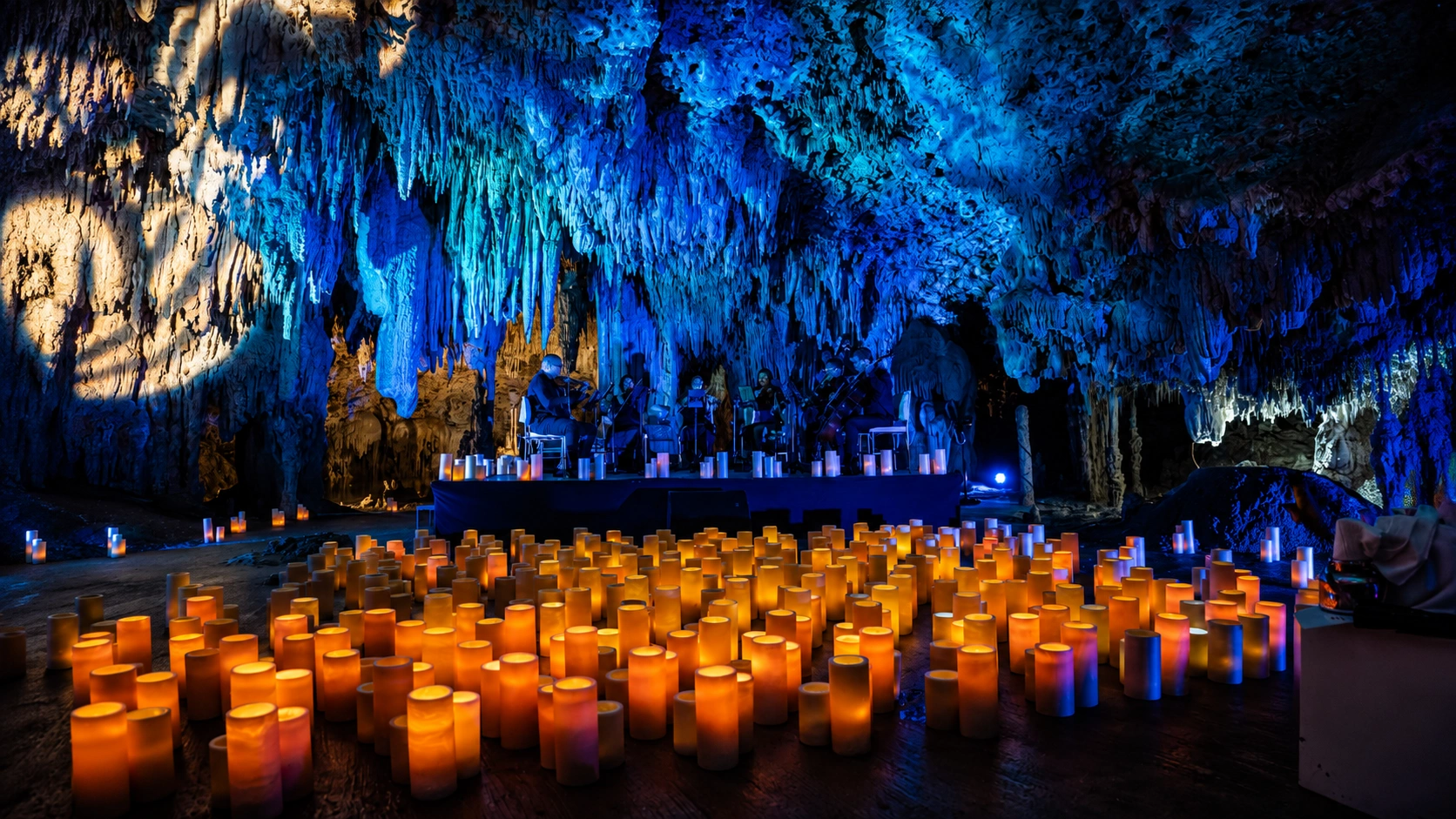
Under the proposed arrangement, Oak View Group and its local partner, Breakwater Hospitality Group, would oversee the restoration, activation and operation of the venue if the referendum were approved. The campaign describes a restored stadium less as a conventional event venue than as a public waterfront destination where festivals, cultural programming and informal outdoor activities could coexist. The release also links large-scale venues and recurring events to Miami-Dade County’s tourism economy, which it says supports roughly 200,000 jobs across hospitality, restaurants, transportation and related industries.
The announcement illustrates how the stadium’s future has become both a preservation question and a debate about access to Biscayne Bay. The campaign argues that restoration could return a landmark from Miami’s cultural memory to active civic use, while creating a place where residents encounter the waterfront through shared experiences rather than only through private or exclusive venues. Those are campaign positions, but they show how the proposal extends beyond repairing a structure to defining what a public waterfront destination should provide.
The release urged City of Miami voters to vote yes on referendum item 172 and directed residents to the campaign’s website for further information. It reported the August 18, 2026 election date and the proposed operating structure, but did not state an outcome. For Breakwater Hospitality Group and its partners, the stadium therefore remained a test of whether Miami’s waterfront identity would be expressed through preservation, public programming and a renewed civic role for the bayfront site.