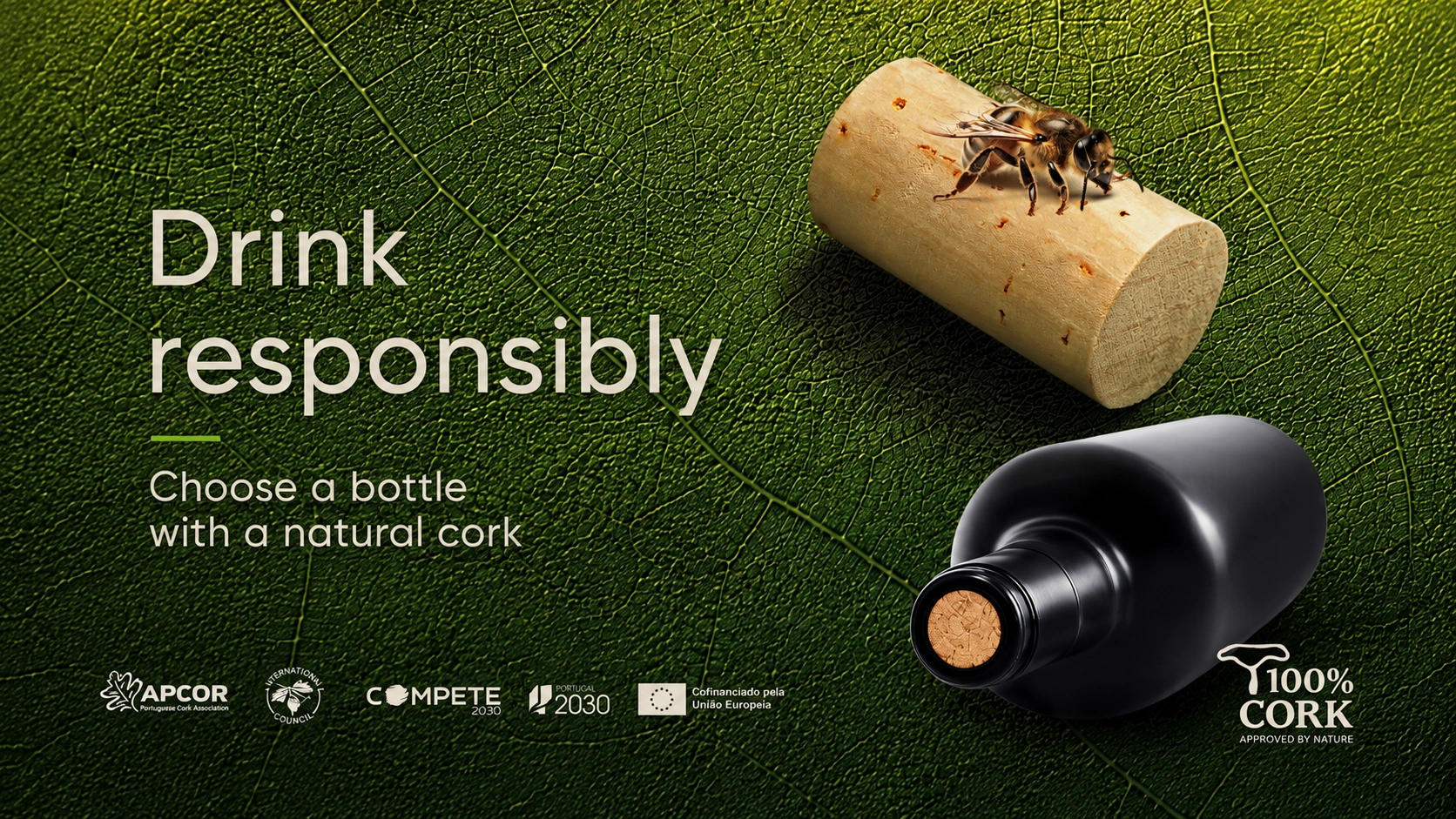
The Portuguese Cork Association has launched a U.S. campaign that links responsible drinking with sustainable packaging, highlighting how material choices can shape both environmental impact and consumer experience.
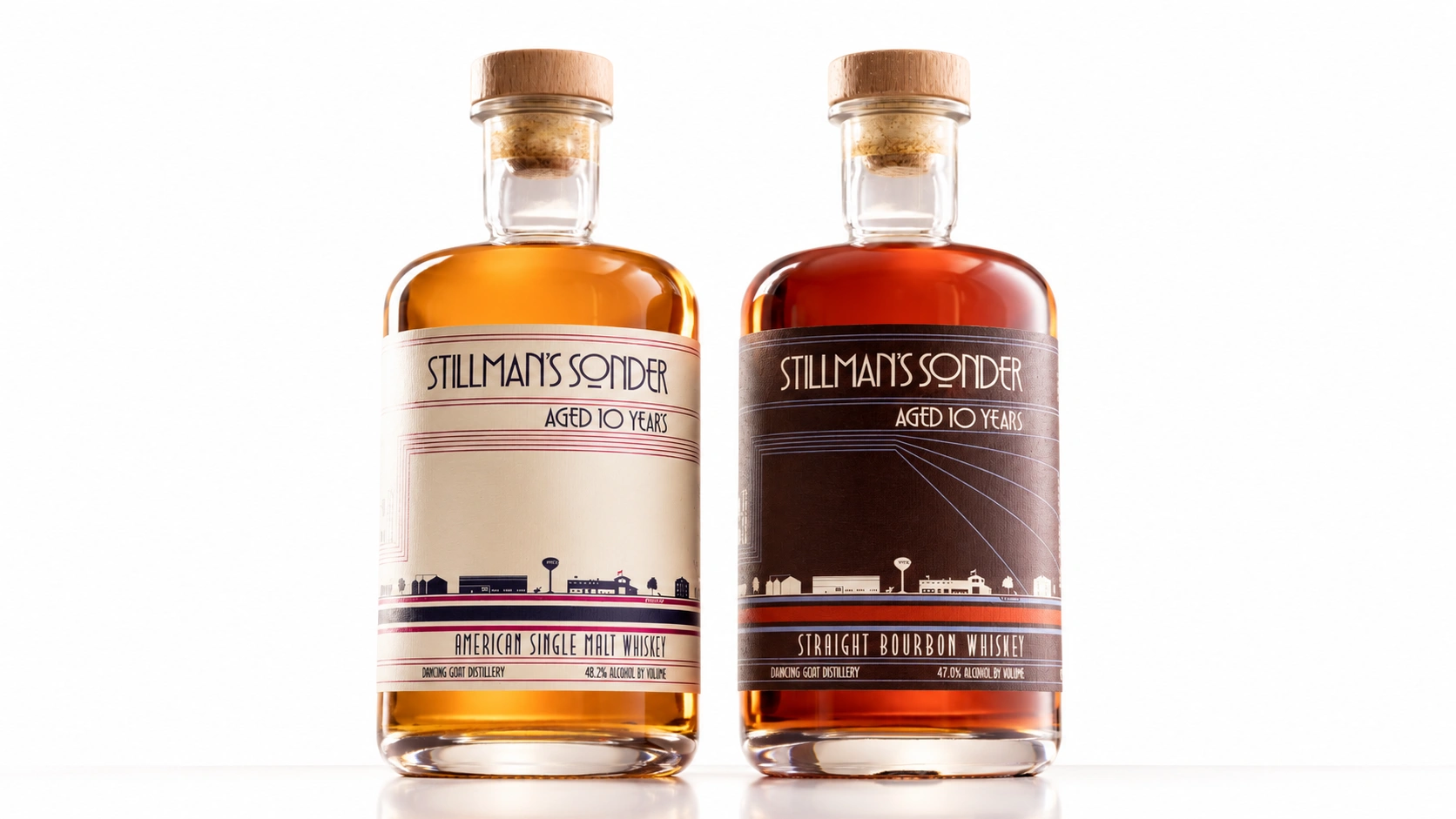
The Portuguese Cork Association (APCOR) has launched a new U.S. campaign that encourages consumers to consider packaging alongside moderation when making purchasing decisions. Titled “Drink Responsibly. Choose a Bottle with a Natural Cork,” the initiative broadens the familiar responsible drinking message by drawing attention to the environmental and cultural role of natural cork in wine and spirits. Rather than focusing solely on consumption habits, the campaign argues that responsibility can also include the materials used to package alcoholic beverages.
The initiative reflects a wider trend in consumer markets, where sustainability has become part of purchasing decisions beyond the product itself. Packaging is increasingly viewed as an extension of a brand’s environmental footprint, with consumers paying closer attention to whether materials can be renewed, recycled, or reused. In the wine and spirits industry, this has prompted renewed discussion about the role of traditional closures such as natural cork in comparison with alternative sealing methods.
According to APCOR, natural cork is renewable, recyclable, and harvested without cutting down cork oak trees, allowing forests to remain productive while supporting biodiversity. The association notes that these cork oak landscapes, known as Montado ecosystems, provide habitat for hundreds of plant and animal species while also contributing to carbon sequestration. The campaign also emphasizes cork’s longstanding association with premium wines and spirits, suggesting that the material contributes not only to environmental goals but also to the ritual and perception of opening a bottle.
The campaign illustrates how sustainability messaging is evolving within the beverage industry. Rather than presenting environmental responsibility as a separate consideration, organizations are increasingly integrating it into discussions about product quality, craftsmanship, and consumer experience. For producers and retailers, packaging has become another way to communicate broader values, particularly as buyers seek products that align with their environmental priorities without sacrificing tradition or performance.
APCOR’s campaign ultimately reflects the growing intersection of sustainability and consumer choice. As environmental considerations become a more routine part of purchasing decisions, attention is expanding beyond what people consume to include how products are packaged and the ecosystems that support those materials. In that context, the conversation around responsible drinking is broadening to encompass not only moderation but also the long-term impact of the products consumers choose to bring home.