Chicago Faucets has introduced a connected water management platform that reflects the growing role of automation, monitoring, and digital recordkeeping in helping healthcare facilities manage building water systems.
Chicago Faucets has introduced CF Connect PLUS, a connected water management platform designed to help healthcare facilities automate routine water system maintenance while improving monitoring and documentation. The system, which will be demonstrated at the 2026 Healthcare Facilities Innovation Conference, expands the company’s existing connected faucet technology into a facility-wide platform that supports water management programs through centralized oversight. The announcement comes as hospitals and other healthcare organizations face increasing expectations to document water safety activities while managing aging infrastructure and limited maintenance resources.
Water management has become a growing operational priority for healthcare providers because building plumbing systems can be vulnerable to stagnation, temperature fluctuations, and the growth of waterborne pathogens such as Legionella. Addressing these risks often requires regular flushing, continuous monitoring, and detailed documentation of maintenance activities. While many organizations already have established water management programs, carrying them out consistently across large facilities can be labor-intensive, making connected technologies an increasingly attractive option for improving efficiency.
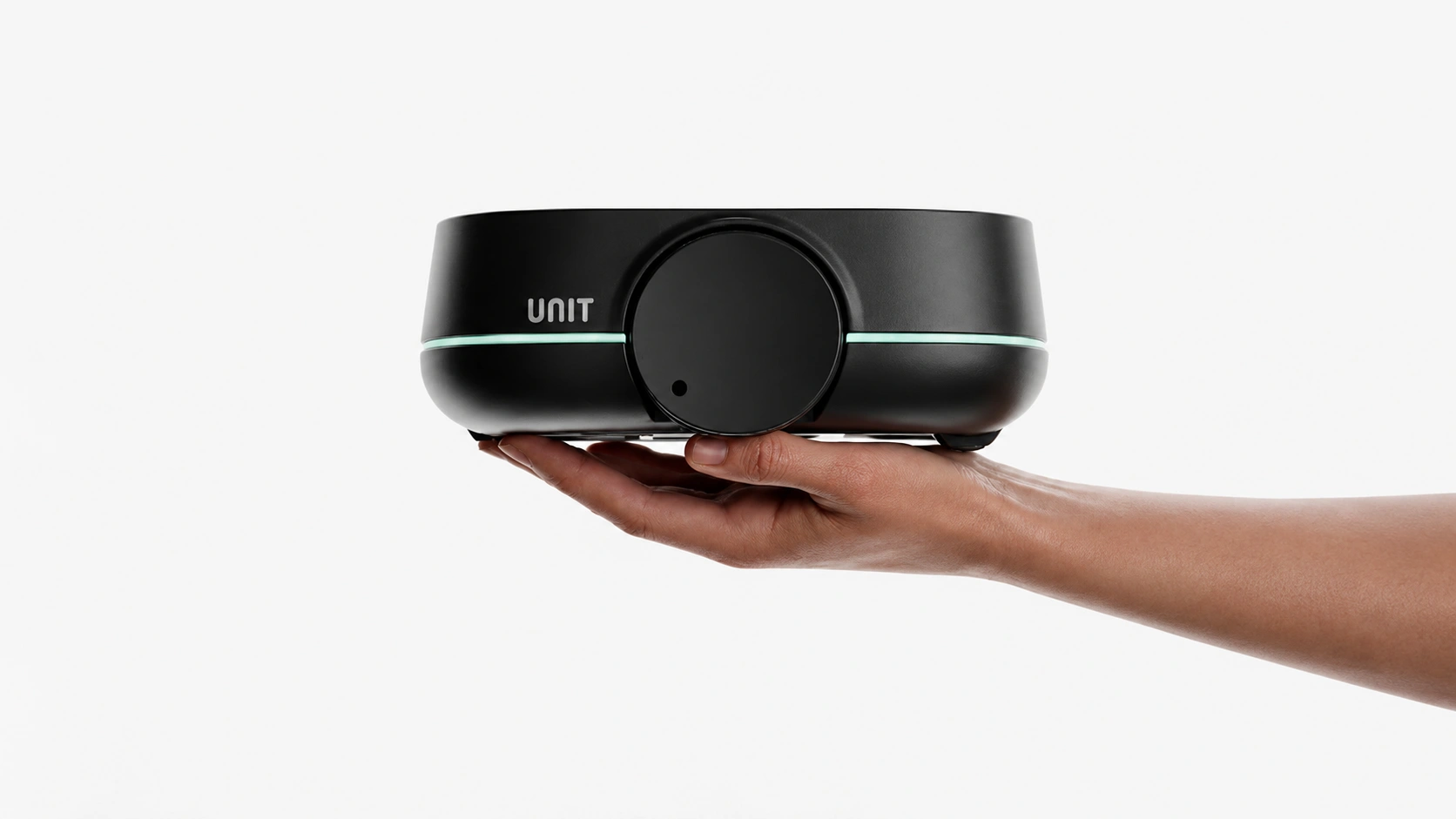
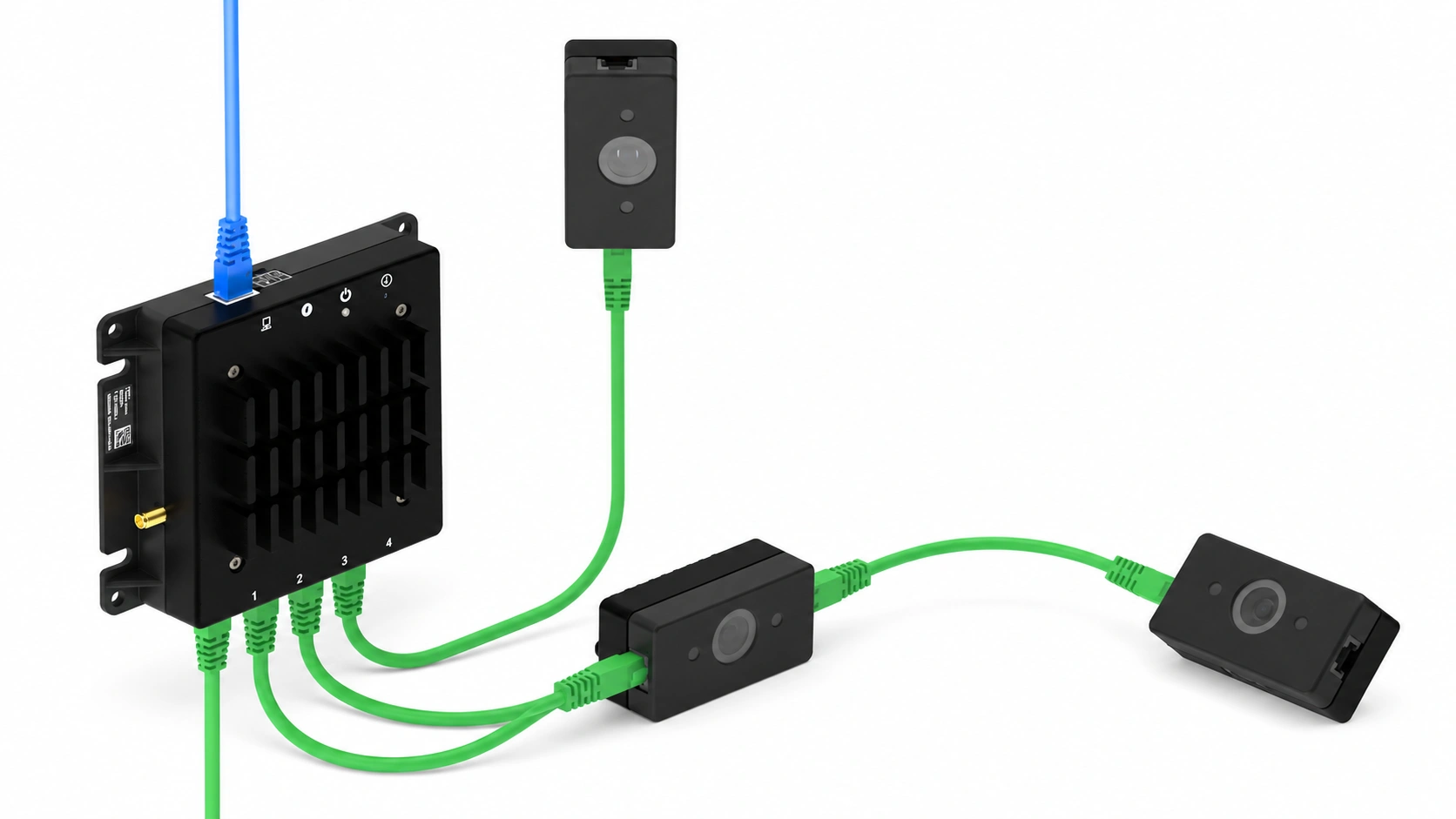
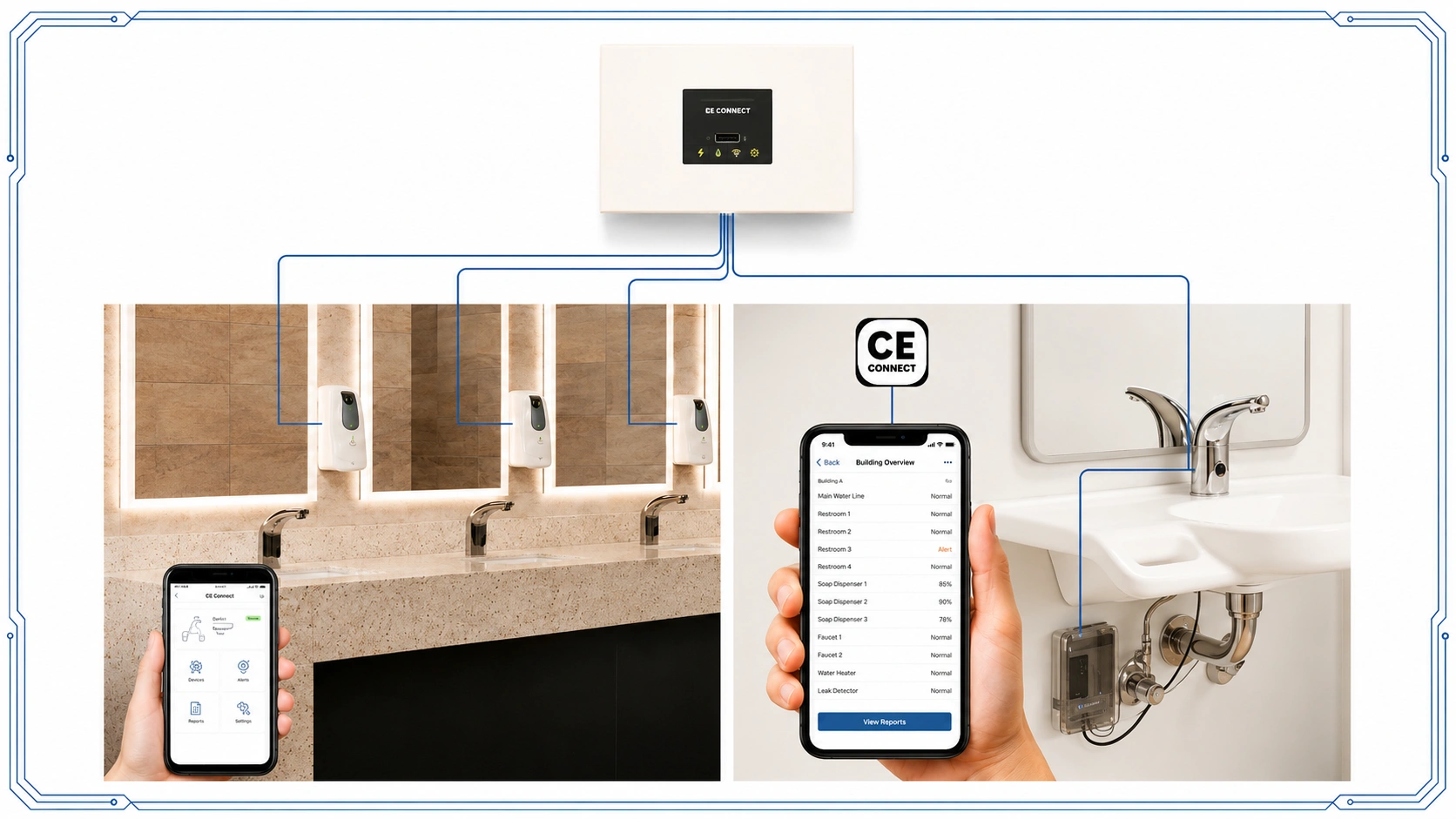
According to Chicago Faucets, CF Connect PLUS automates hygiene flushing, monitors water temperature at the point of use, and records maintenance activities through a centralized digital platform. The company says the system can connect multiple electronic faucet installations through dedicated gateways, allowing facility teams to oversee performance across buildings while integrating with existing building automation systems. It also generates digital records intended to support compliance efforts and simplify reporting for organizations operating under established water management policies and regulatory guidance.
The broader significance of the announcement lies in the continued expansion of intelligent building infrastructure beyond traditional energy and security systems. Plumbing networks, once managed largely through manual inspections and scheduled maintenance, are increasingly becoming connected sources of operational data. Real-time visibility into system performance may help facilities identify issues more quickly while reducing dependence on repetitive manual processes and paper-based documentation.
Chicago Faucets’ latest platform reflects a wider trend toward digitizing essential building operations in healthcare environments. As hospitals continue investing in technologies that support infection prevention, regulatory readiness, and operational resilience, connected water management systems are emerging as another component of modern facility management. Rather than replacing existing water safety programs, platforms like CF Connect PLUS aim to provide the automation and documentation needed to help organizations execute those programs more consistently and efficiently.