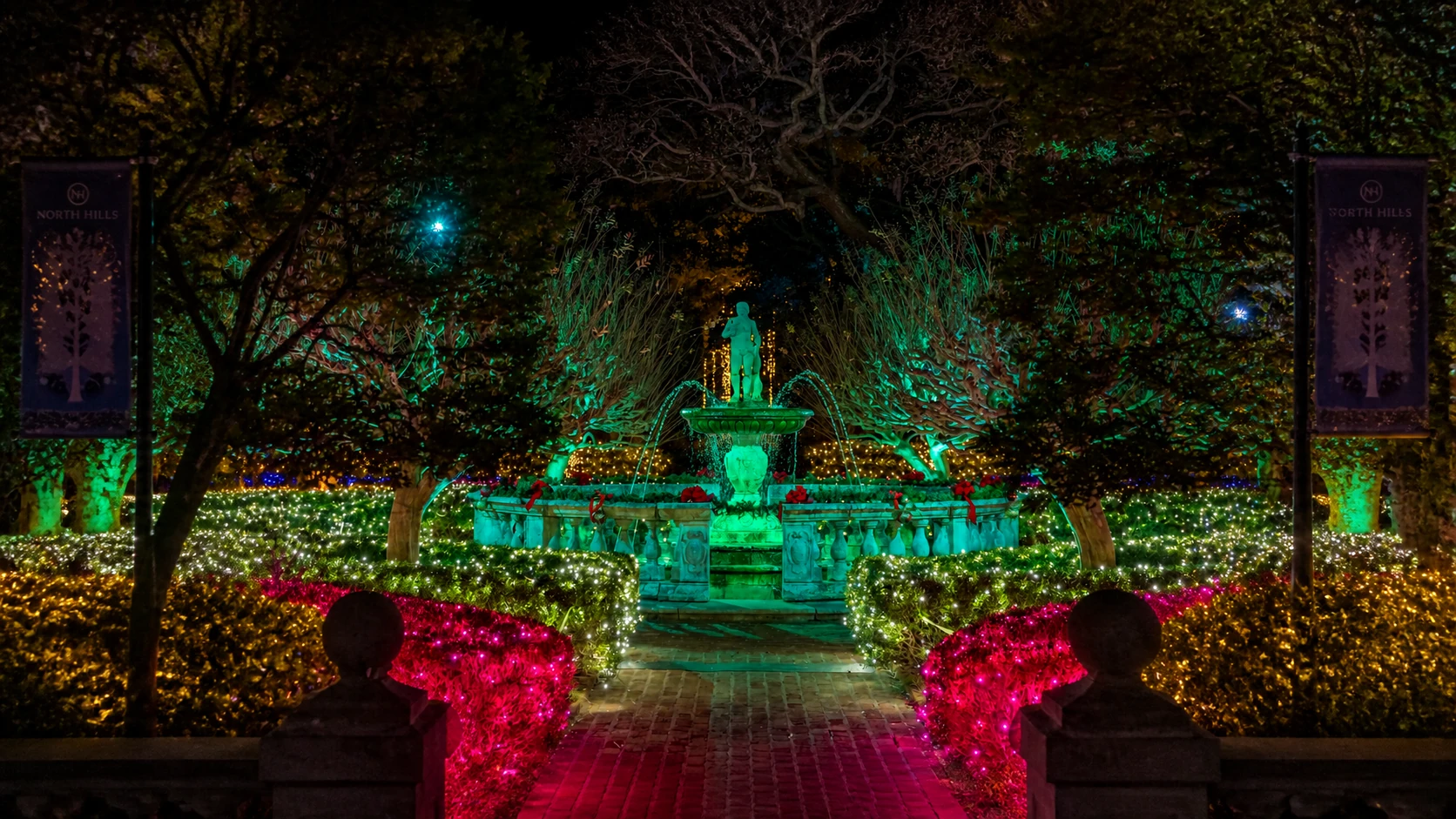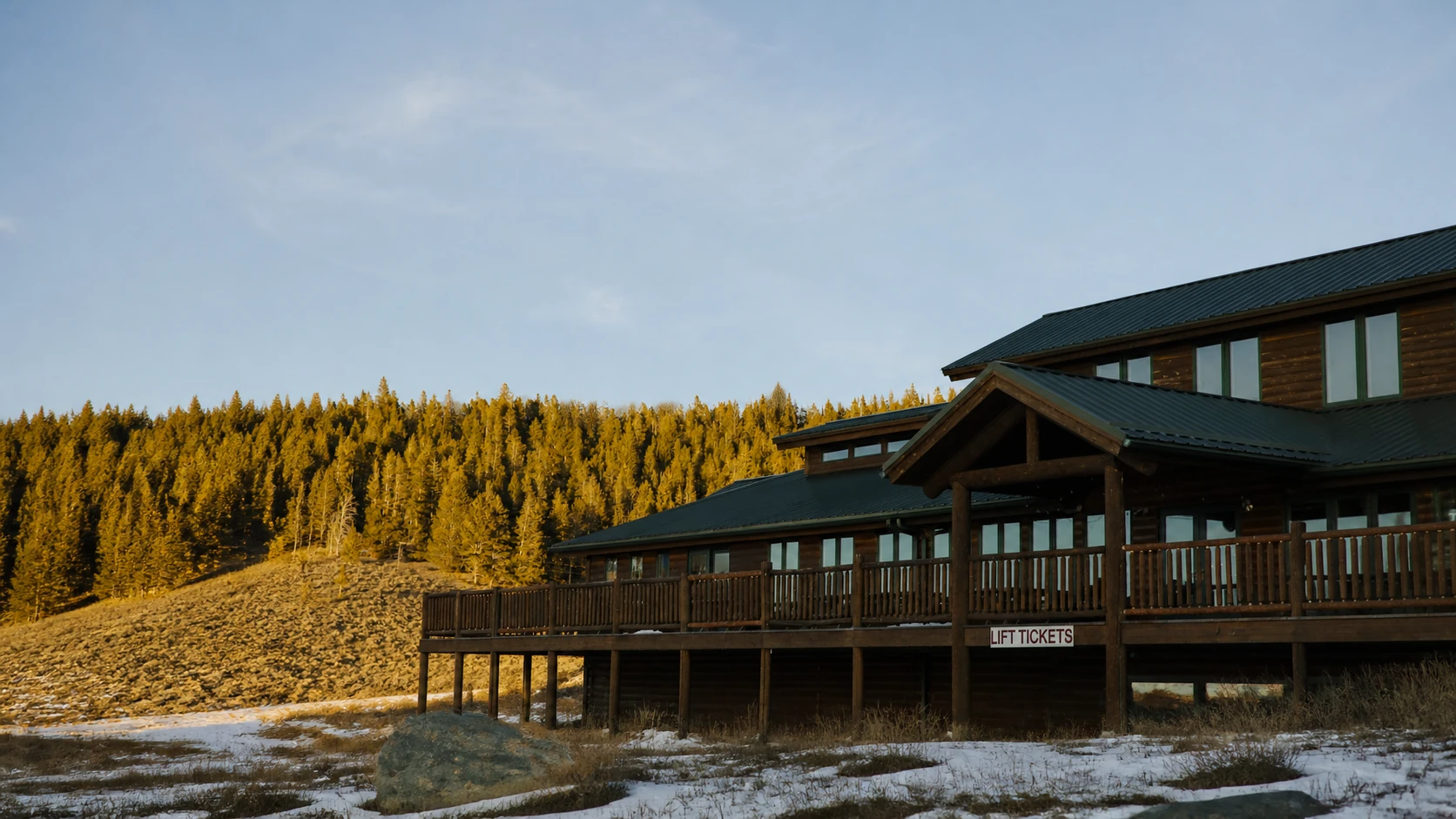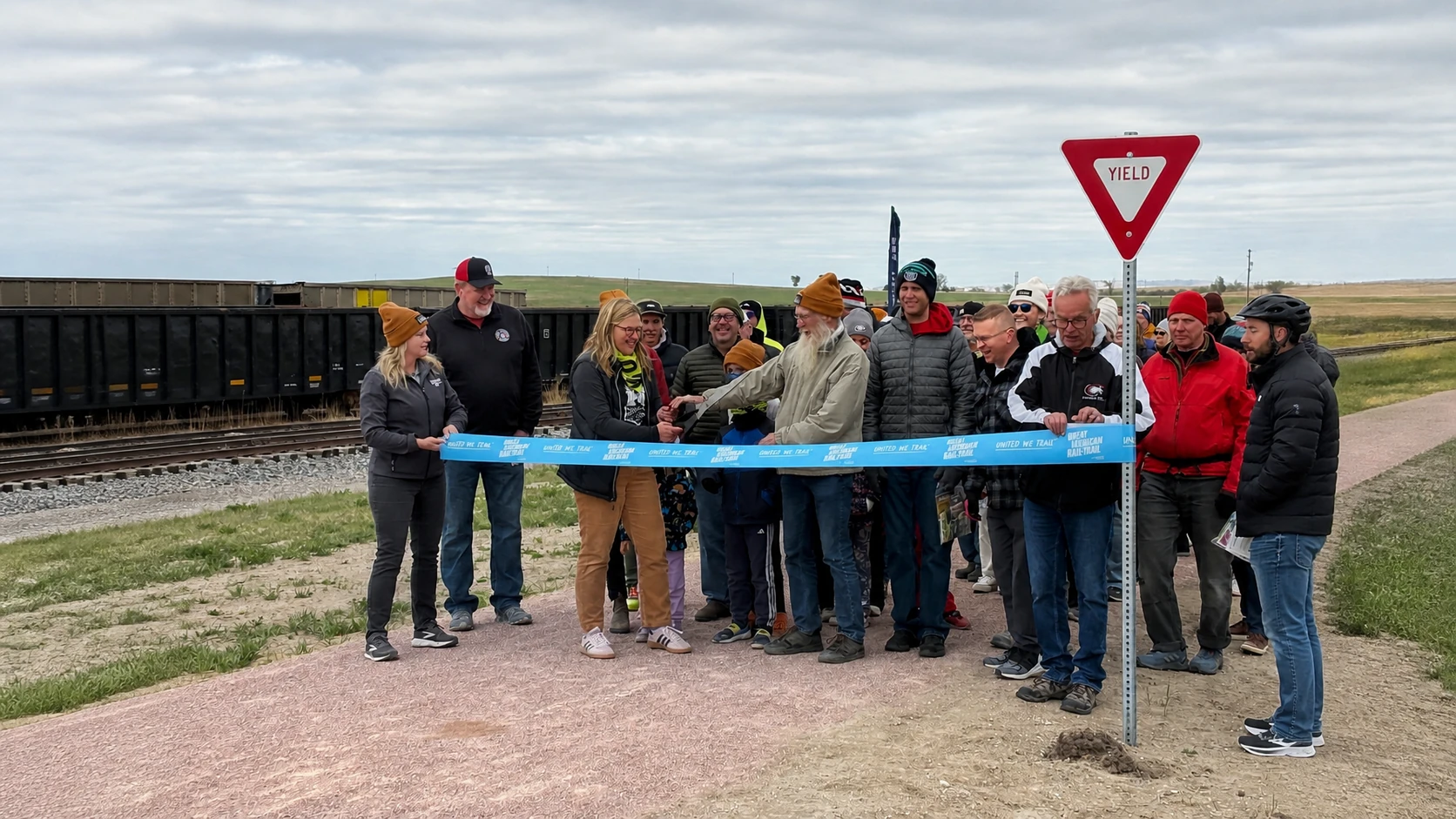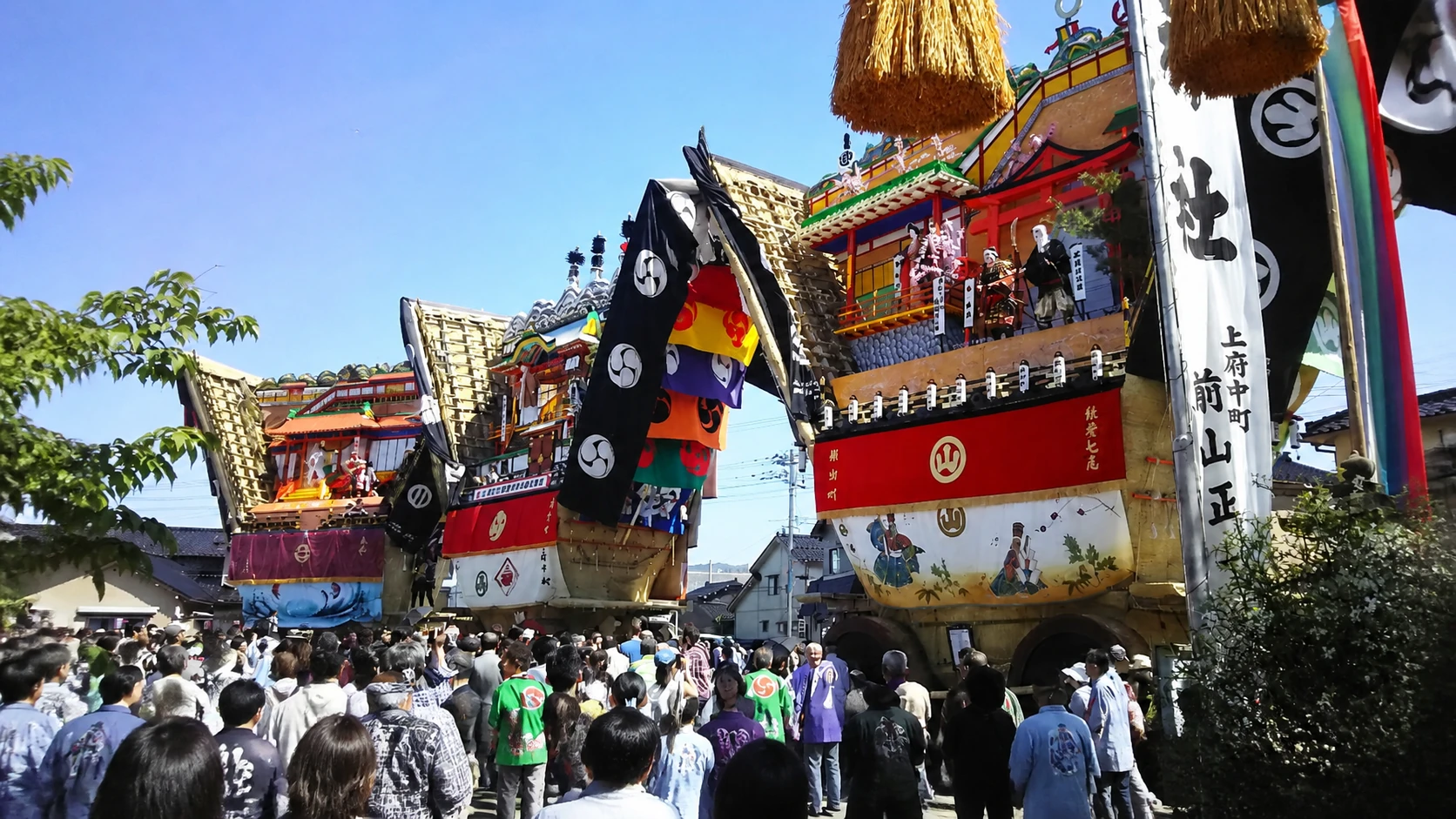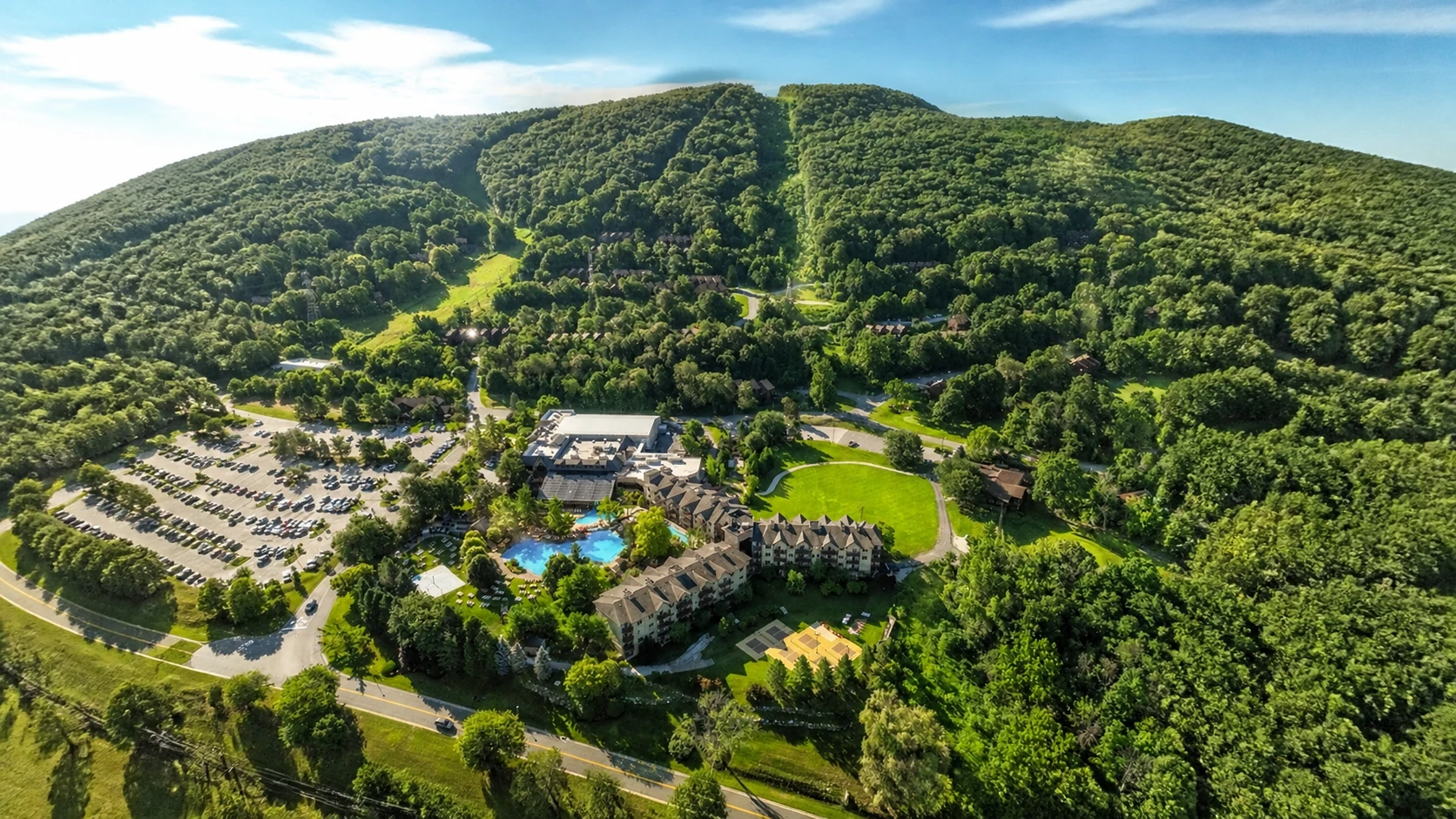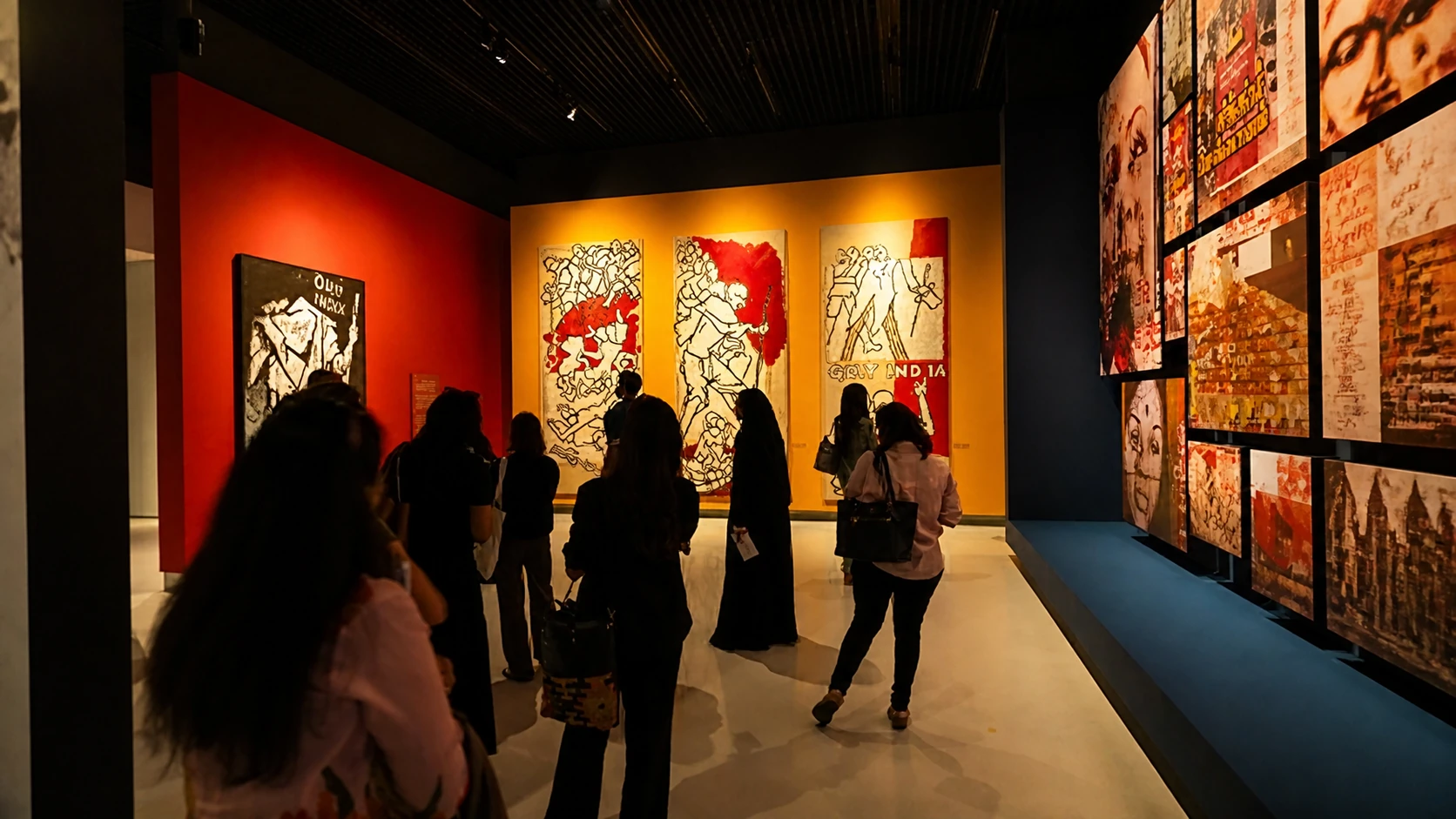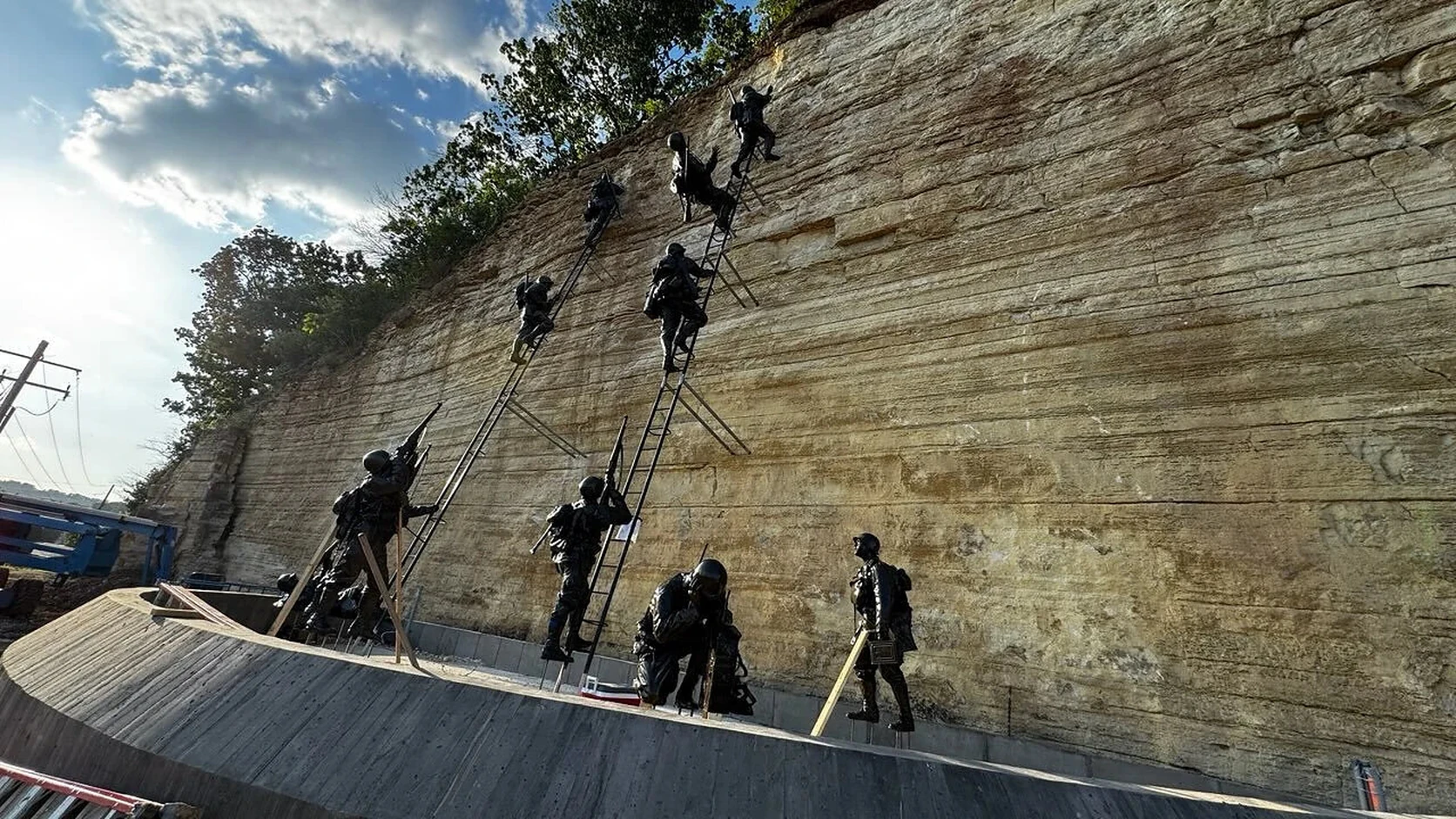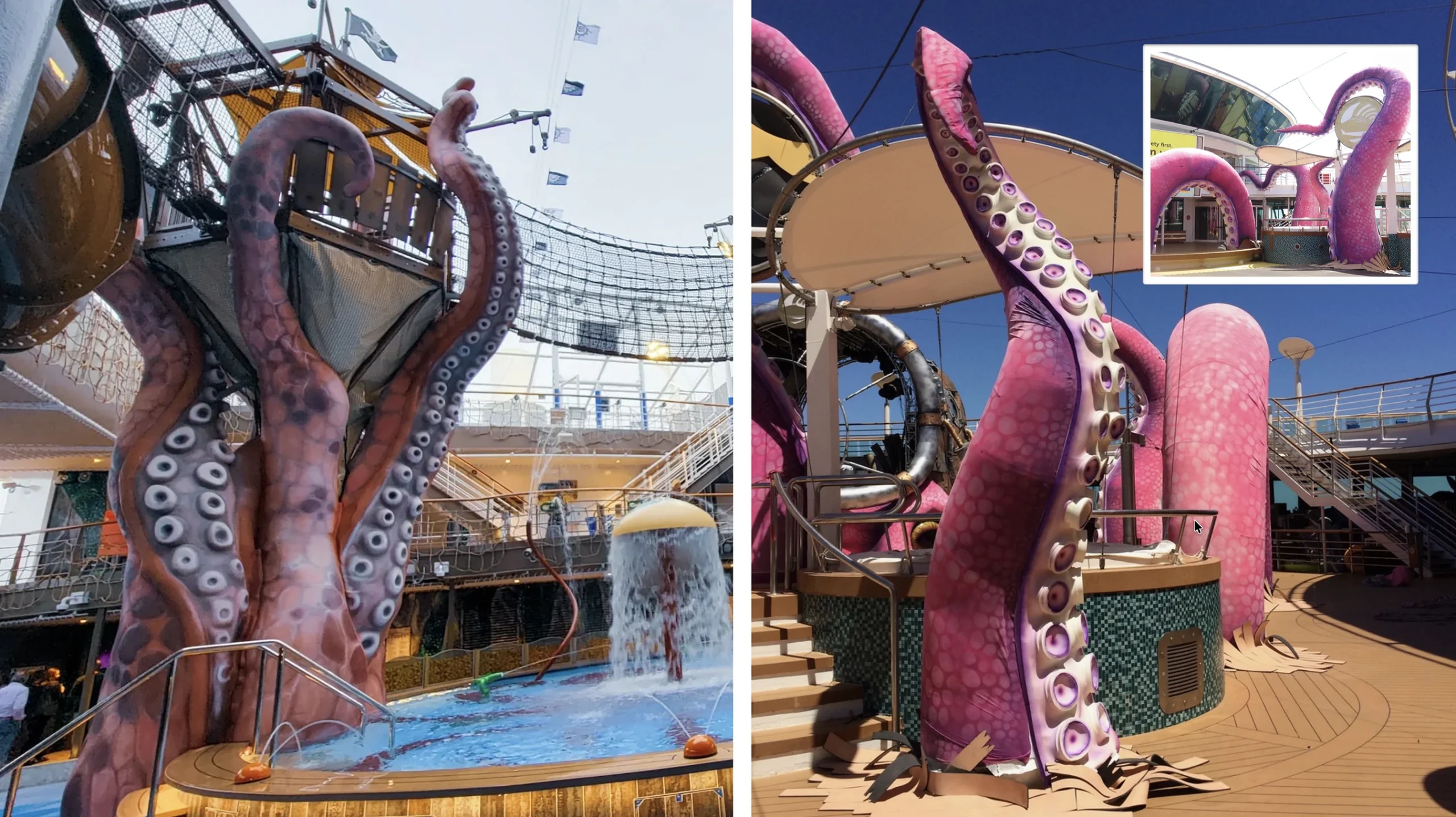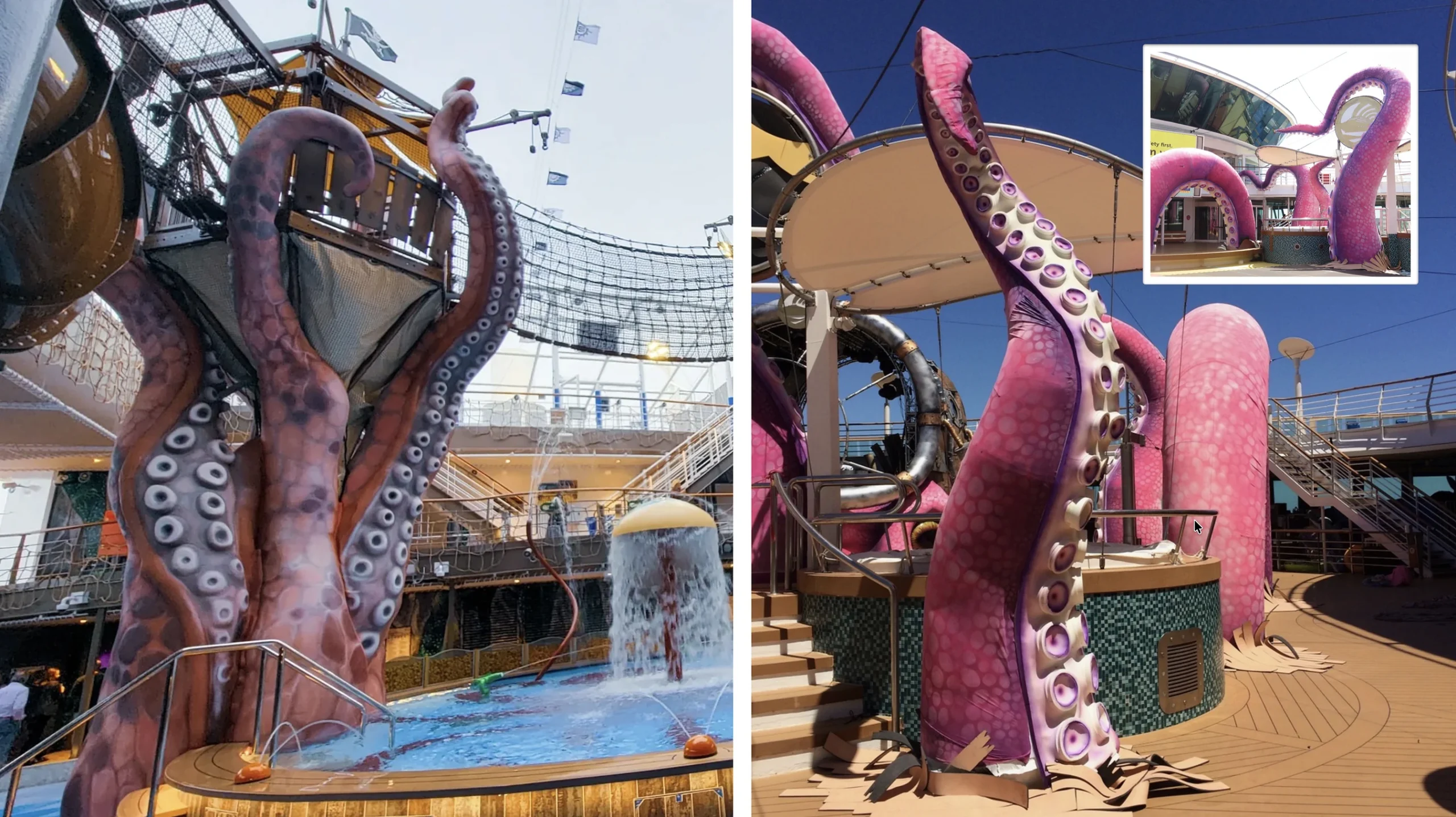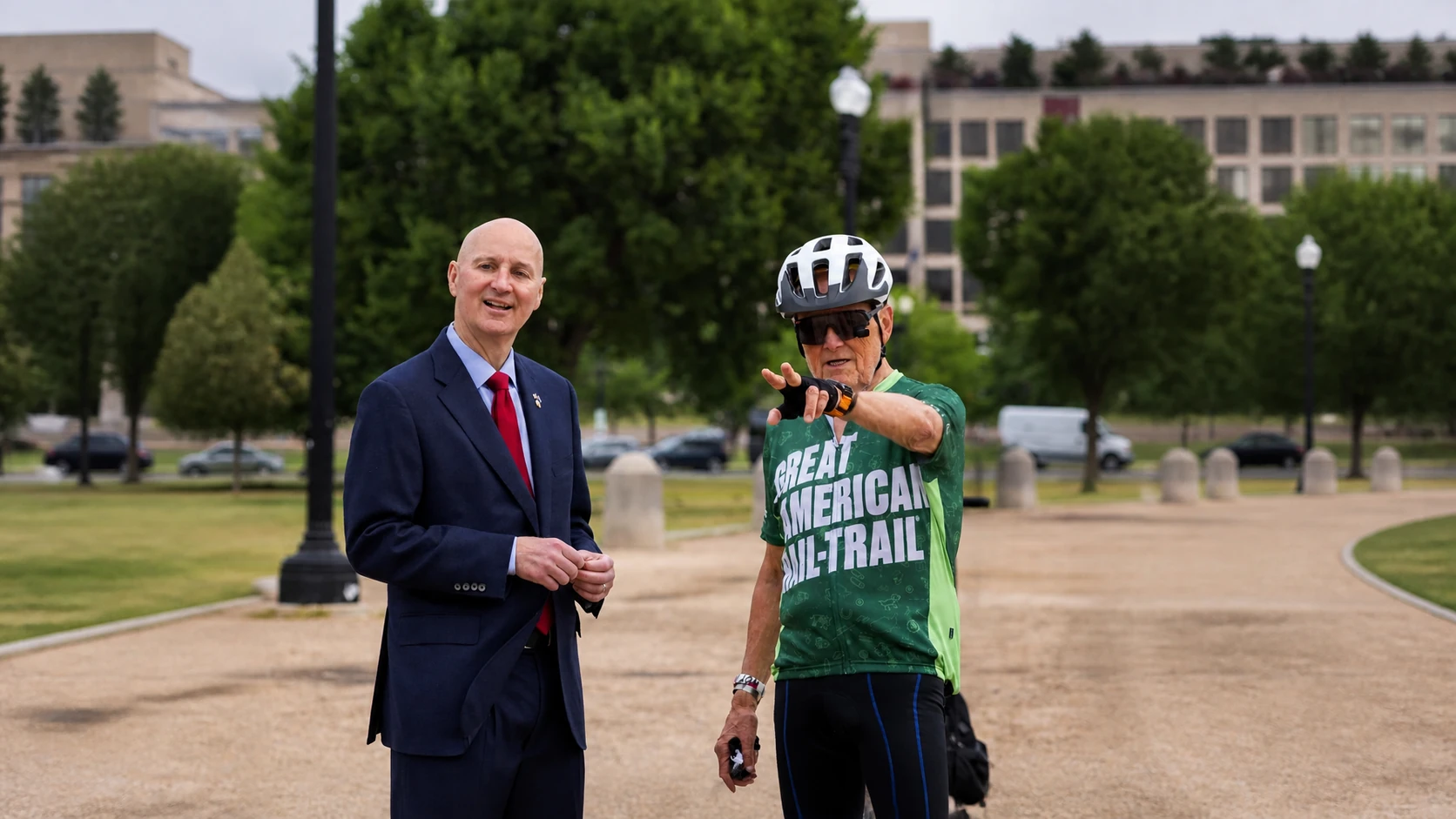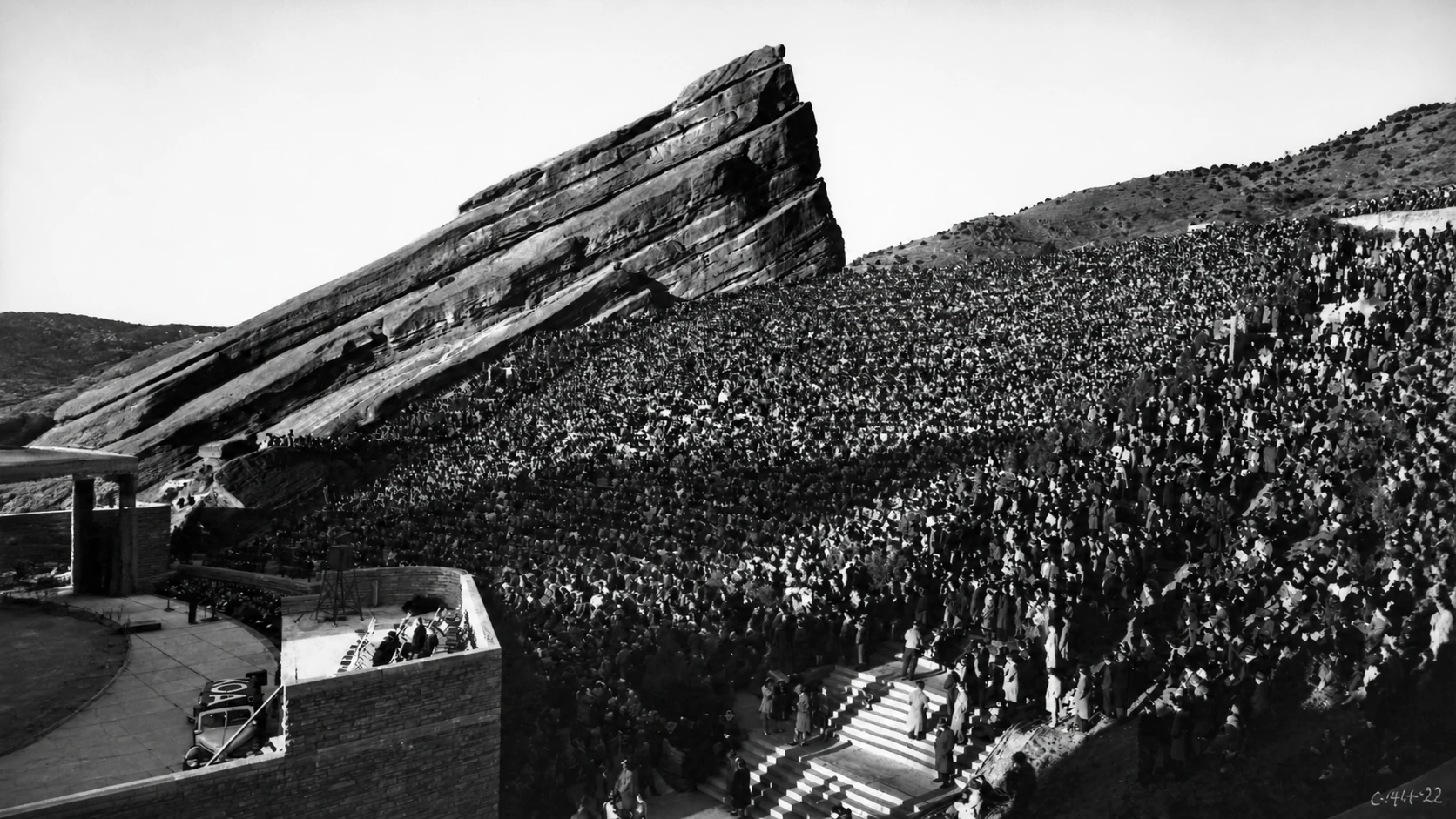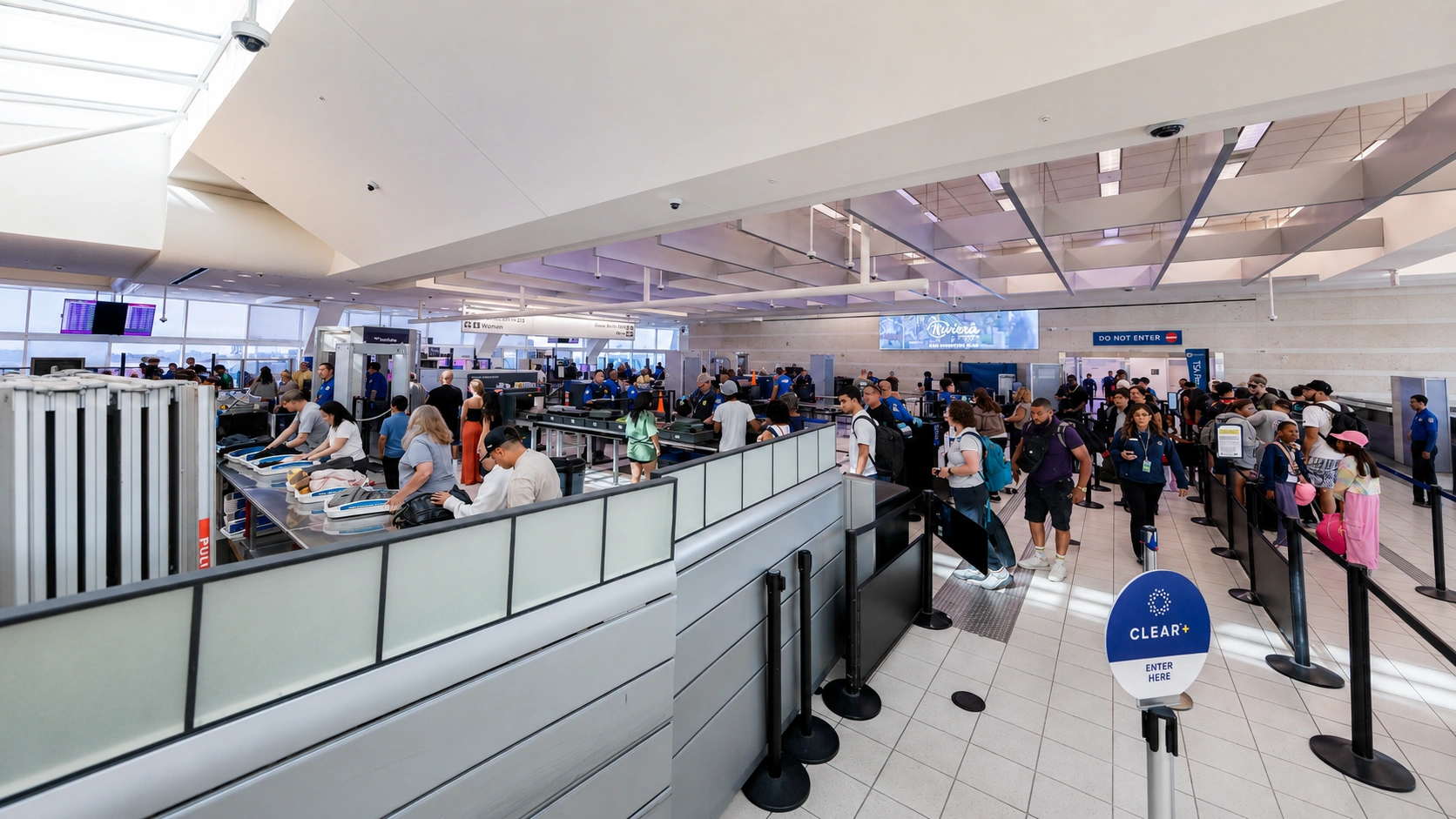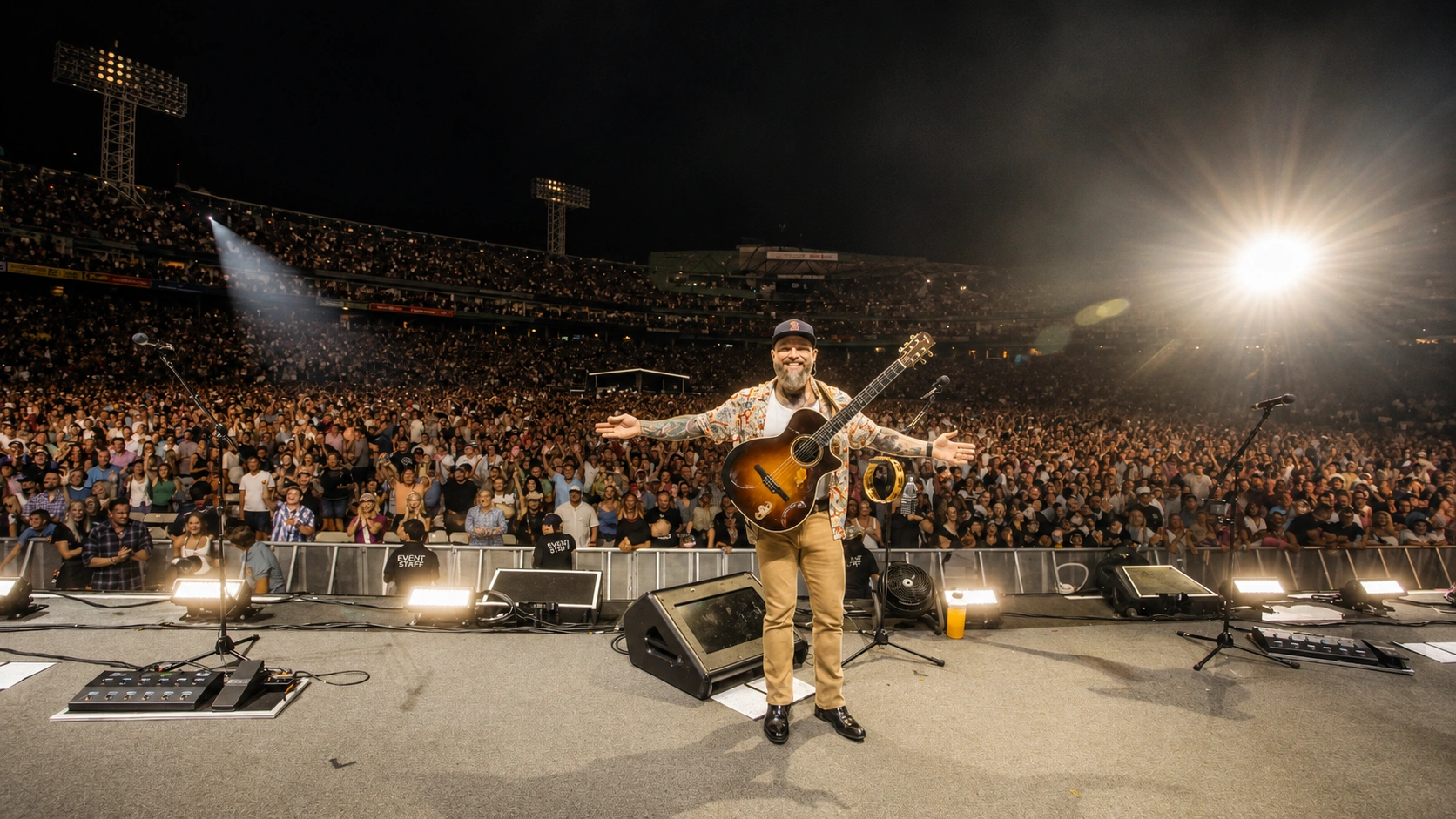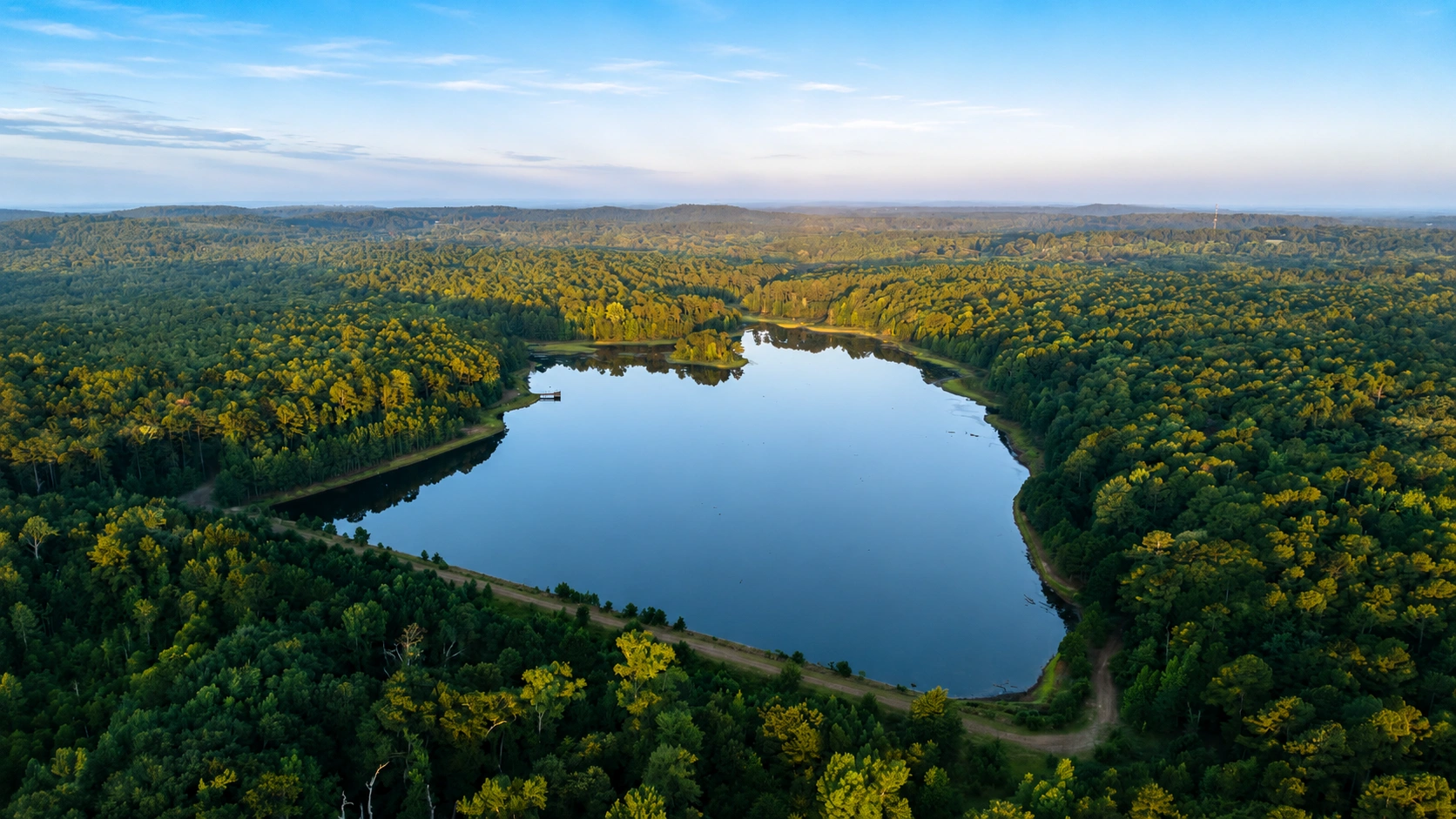

The Tennessee Department of Tourist Development is certifying destination photography as travellers become less certain that travel images accurately represent real places.
The Tennessee Department of Tourist Development, also known as TDTD, has launched a photo-certification programme designed to distinguish authentic Tennessee destination photography from AI-generated imagery. The initiative, announced on June 17, 2026, adds a “Yeah, It’s Real” mark to certified images and includes the department’s pledge not to use generative AI in place of its own marketing photography. The move addresses a practical problem for travel marketing: images remain central to destination choice, while their provenance is becoming harder for audiences to assess.
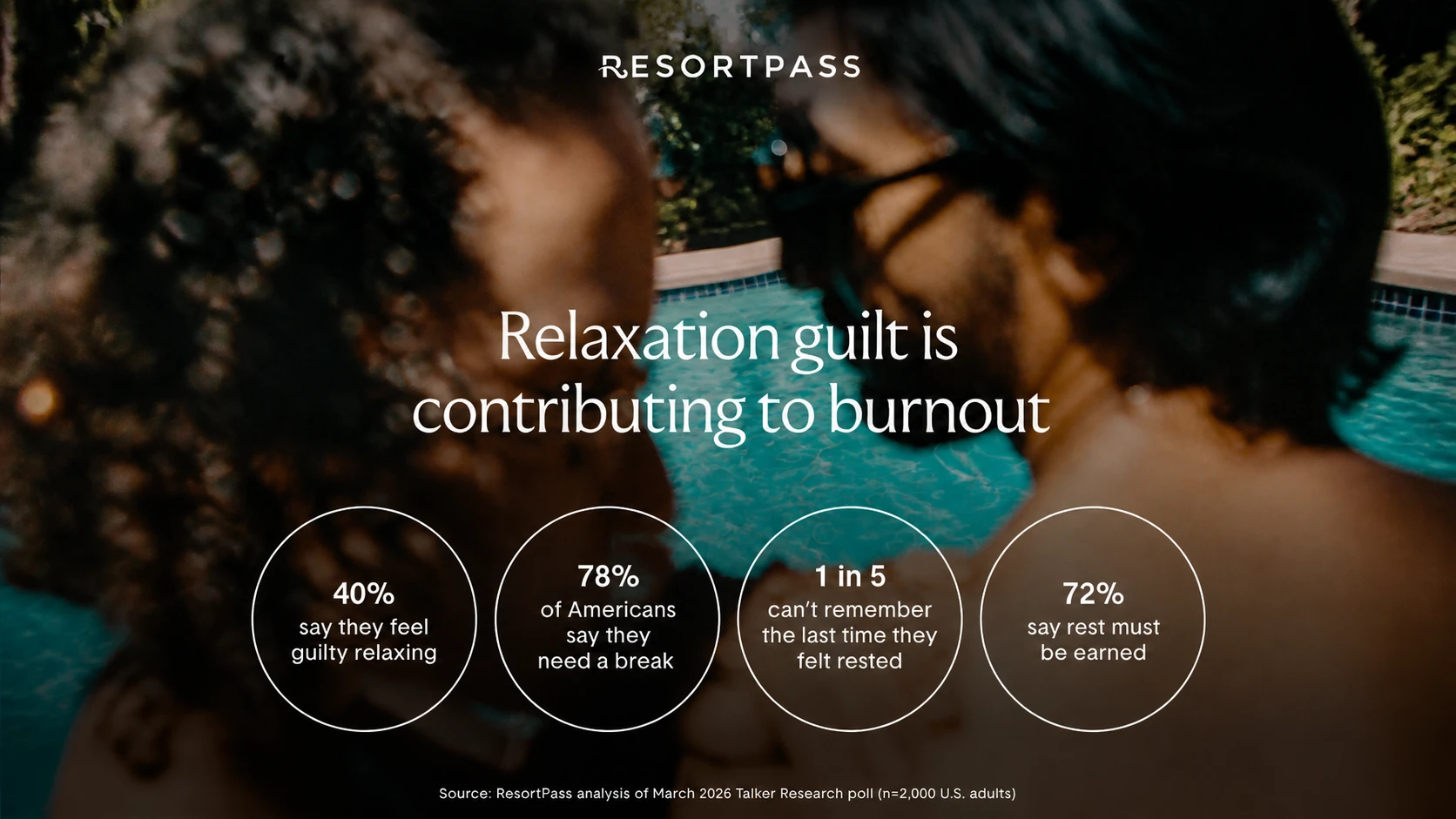
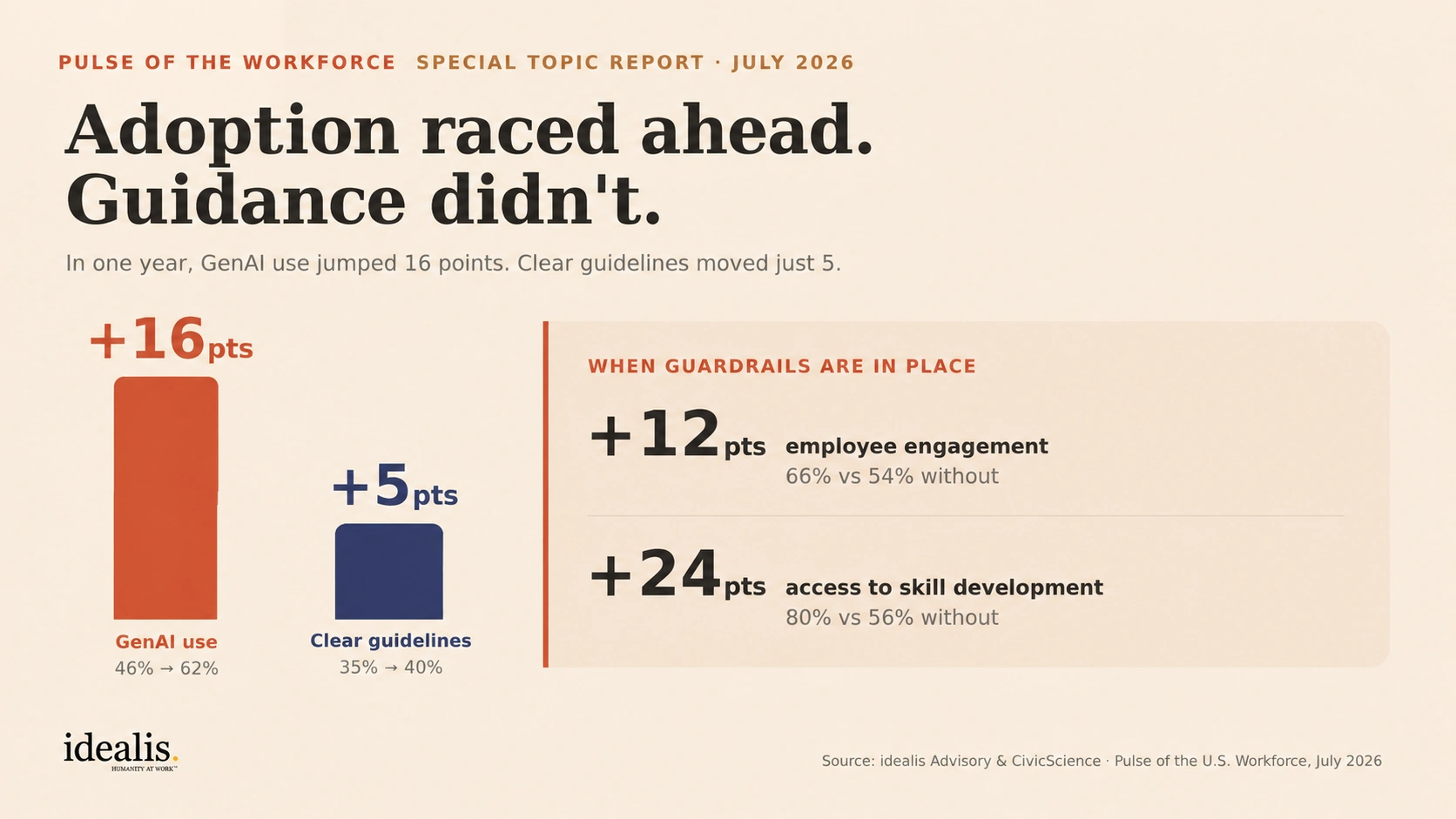
The programme follows a survey commissioned by TDTD and conducted by Talker Research among 2,000 American travellers. The survey found that only 5% of respondents could correctly identify real destination photographs in a side-by-side comparison with AI-generated images. It also reported that 70% rely on photos and videos when choosing a destination, 74% would not book a trip without seeing photos first, and 71% had arrived somewhere that looked different from the images used during planning.
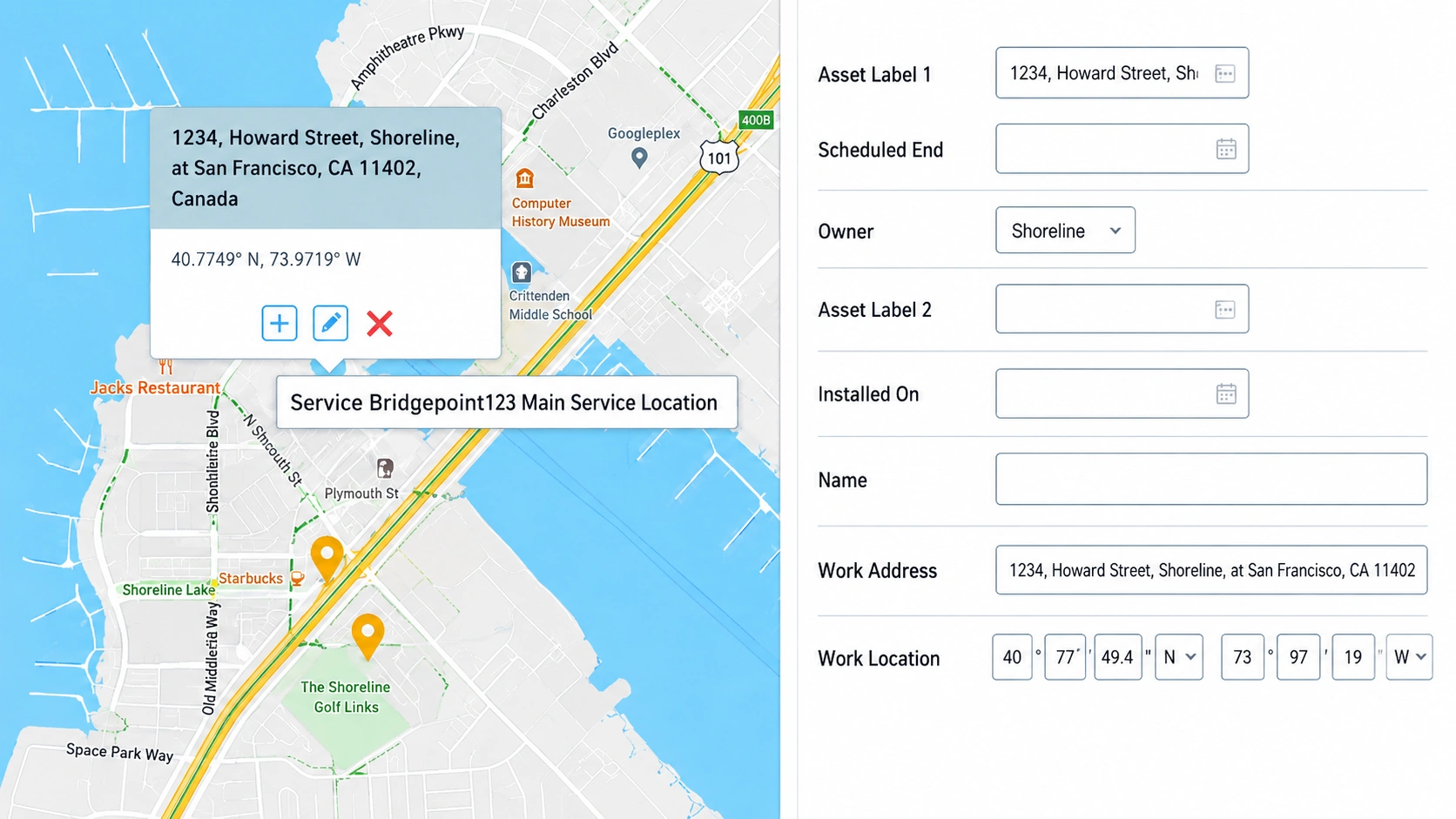
TDTD’s certification is intended to provide more information about the image itself rather than simply attach a visual badge. According to the release, certified photographs include content credentials and secure metadata showing who captured the image, when it was taken, where it was captured and what the camera recorded. The department is reviewing new and existing photography to confirm that each certified image was captured by a real person and depicts authentic Tennessee scenery, with location verification extending to latitude and longitude.
The rules also draw a distinction between retouching and alteration. TDTD says certified photography may receive basic adjustments, such as exposure, colour, contrast, sharpening, cropping or the removal of small temporary distractions, when those changes better reflect what was already present. AI-generated additions, removals or changes to reality are excluded, including structural alterations to landscapes, generative additions to scenes and style transfers that turn photographs into digital paintings or unrealistic renders.
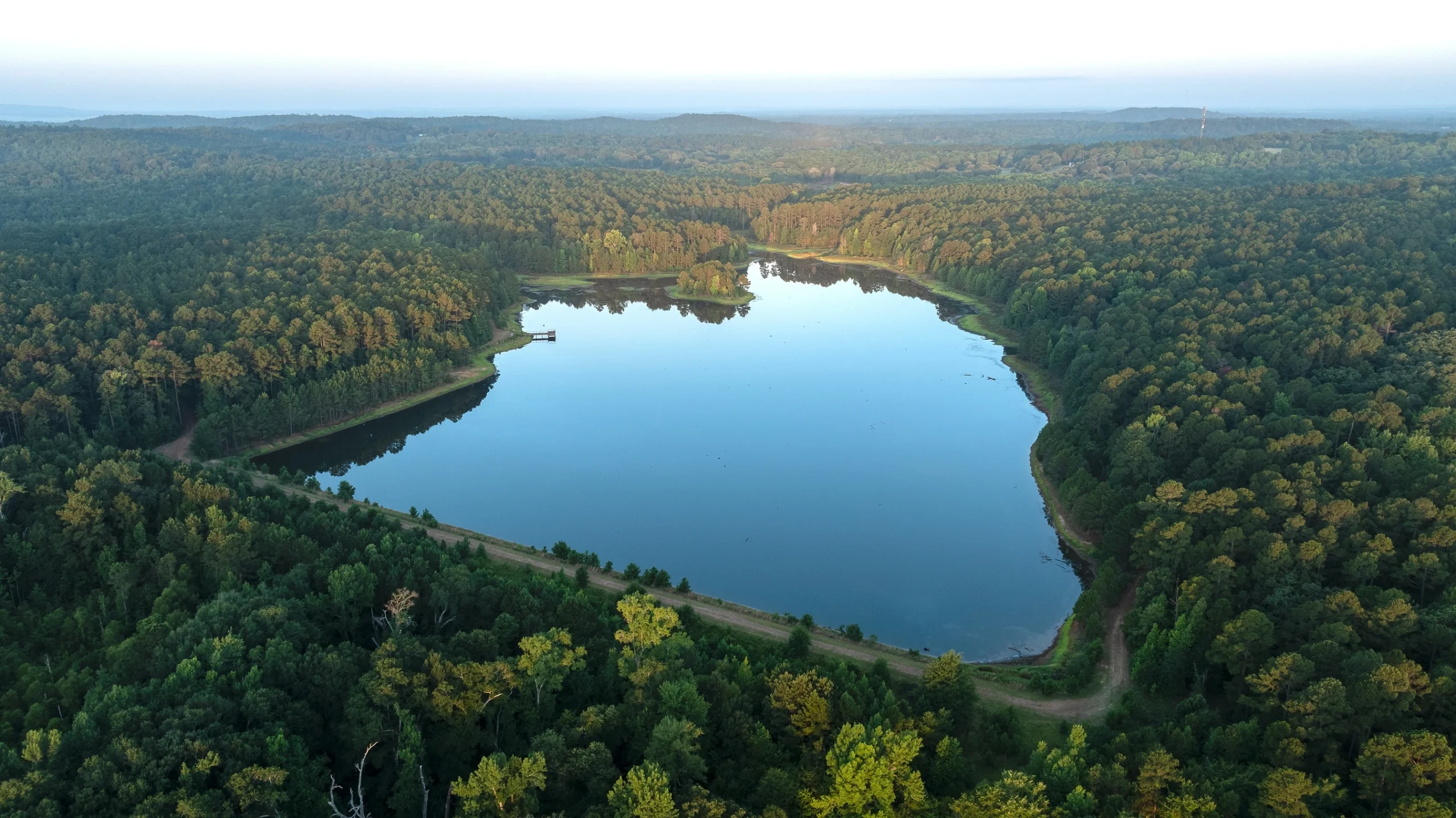
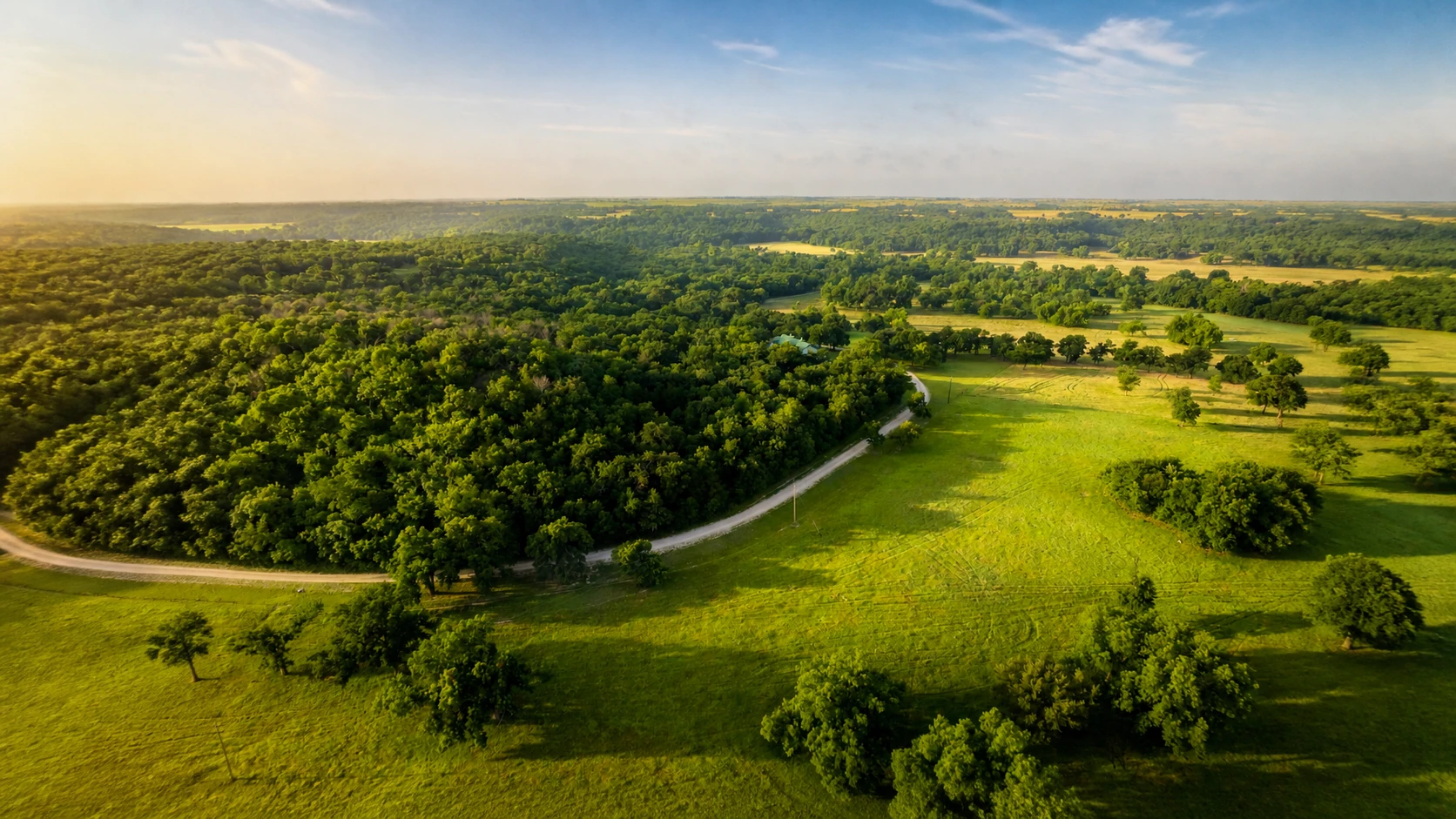
The announcement places authenticity alongside destination appeal as a formal part of Tennessee’s marketing approach. The survey found that seven in 10 respondents would be more likely to trust a destination if its photography carried certification confirming that the image was real and unaltered. TDTD’s “Yeah, It’s Real” mark now appears across the department’s digital and marketing channels, giving the agency a defined way to communicate how its visual material was produced. For Tennessee Tourism, the programme makes a restrained but clear proposition: the scenery promoted in its travel feeds is intended to remain connected to places visitors can actually experience.