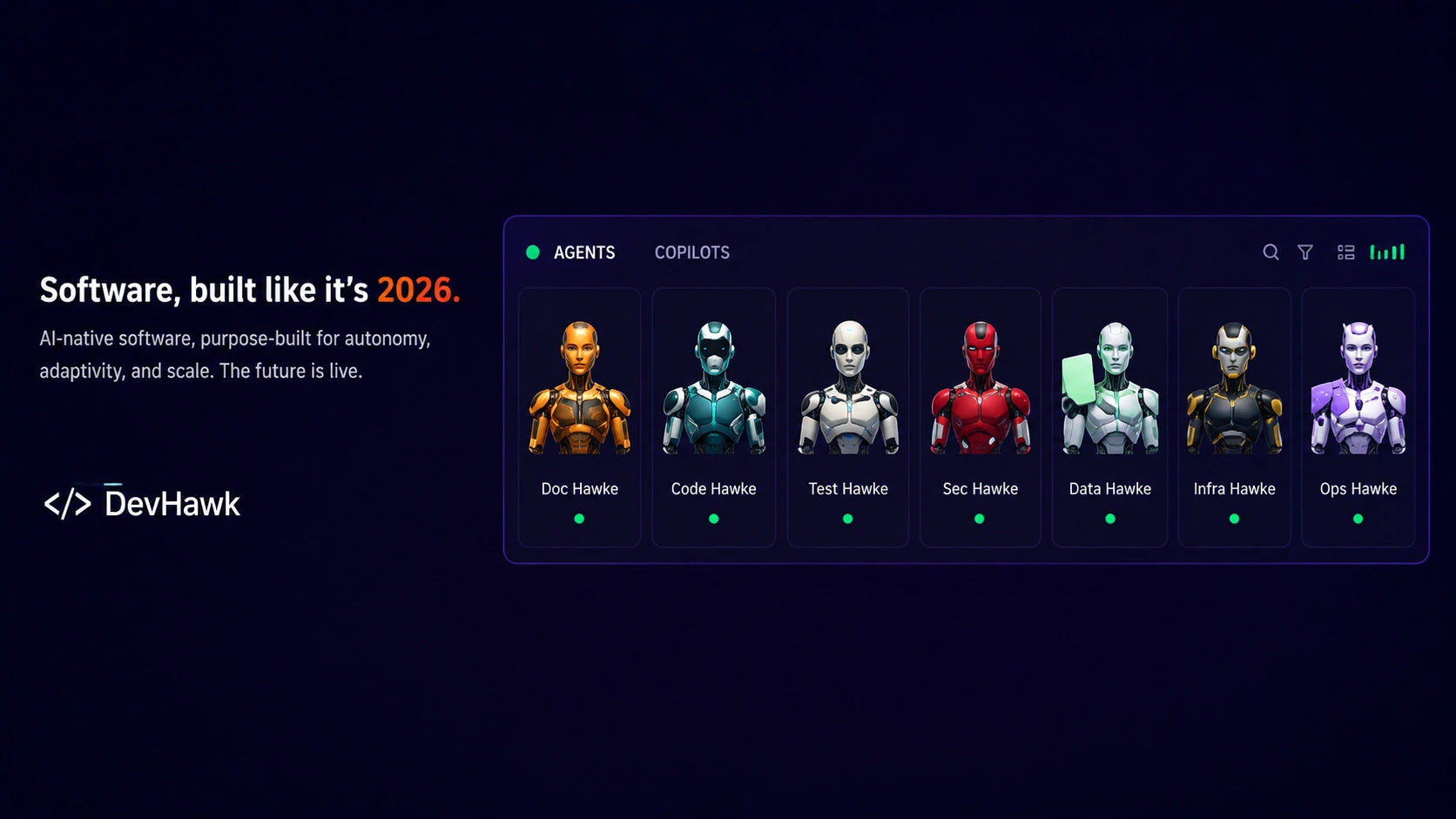
Formerly known as Fraction, DevHawk is shifting from fractional engineering to an AI software factory, reflecting a broader push to automate more of the development lifecycle.
Fraction is becoming DevHawk, but the change extends beyond a new company name. The Atlanta-based business is repositioning itself around what it calls an AI software factory, combining specialized AI agents with senior engineers to build, deploy and maintain software for companies that can either operate the system themselves or hand responsibility to DevHawk.
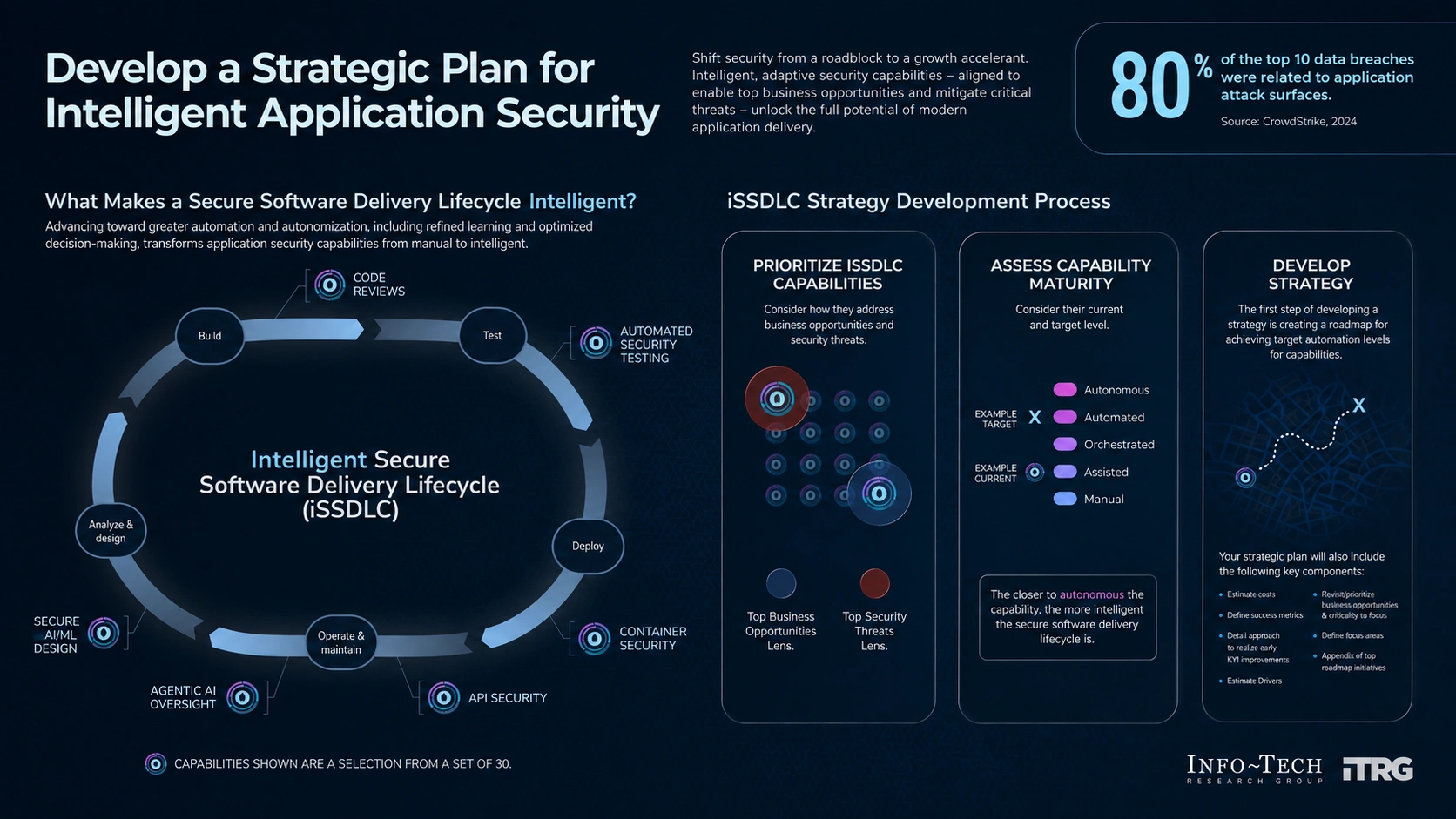
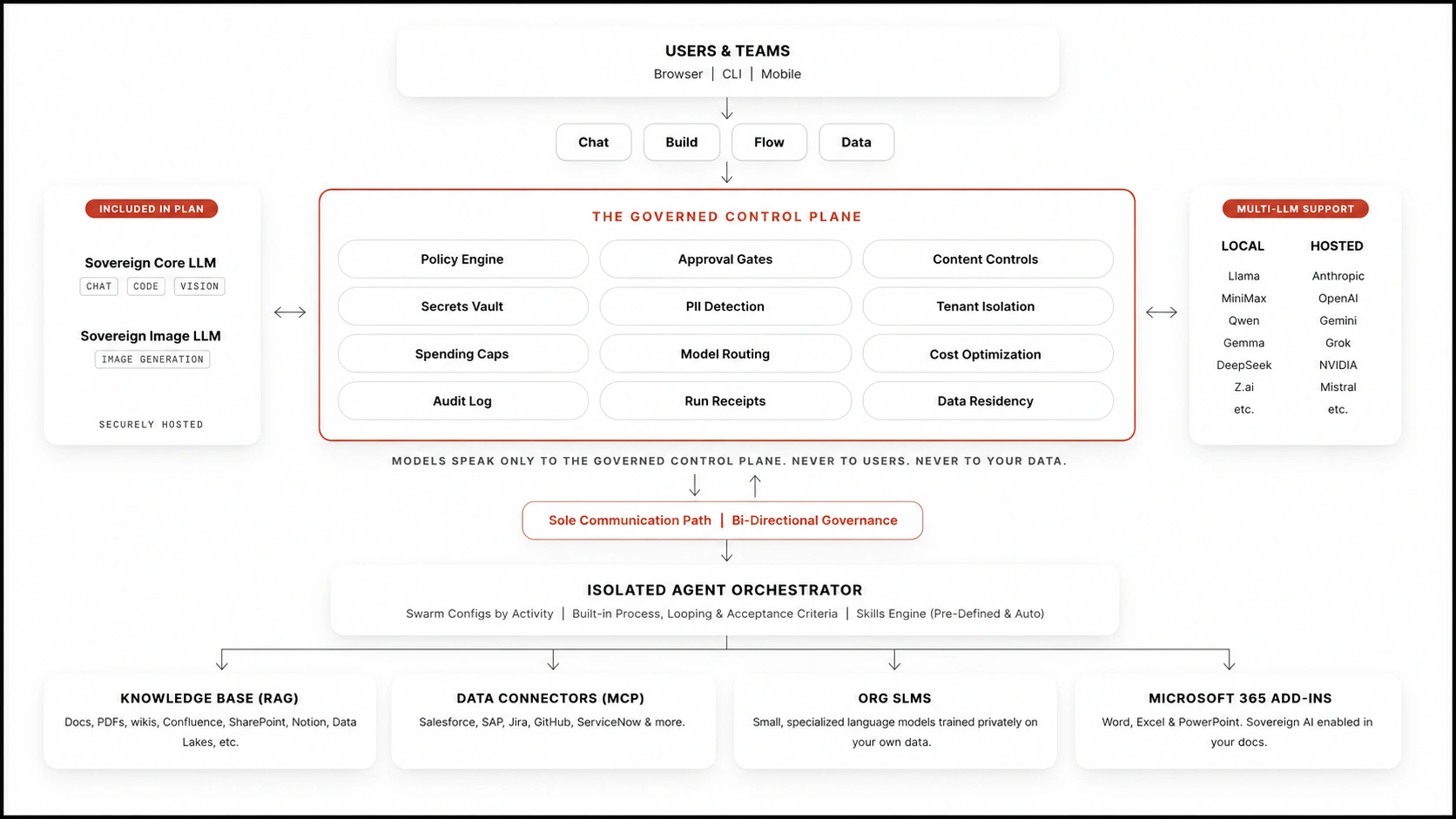
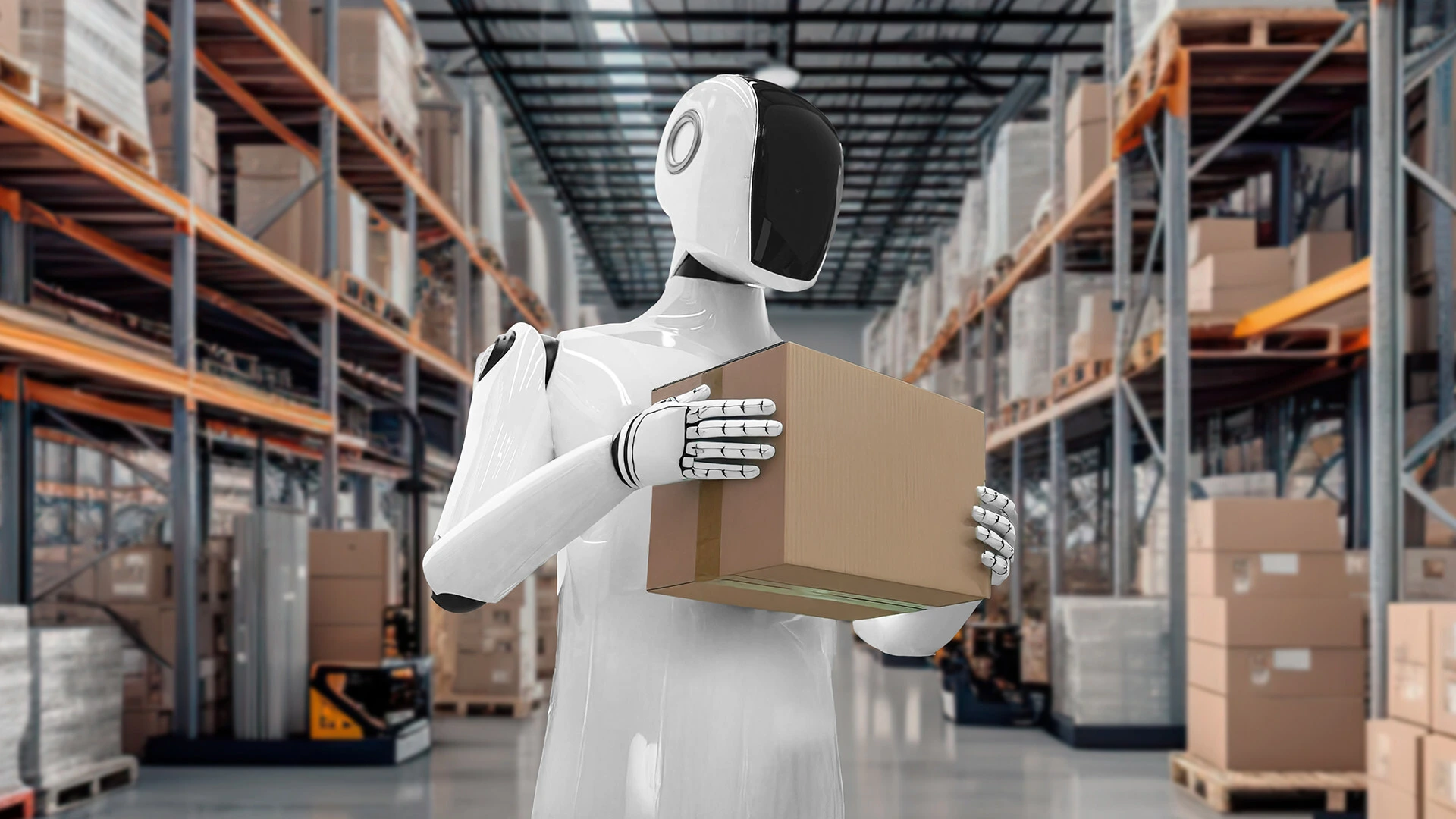
The model reflects a broader change in how AI is being applied to software engineering. Rather than limiting automation to code generation, DevHawk says its agents can work across as many as nine disciplines, including product development, architecture, quality assurance, DevOps and security. Human engineers remain involved as directors of the system, an arrangement that places AI within the engineering workflow rather than treating it as a standalone coding assistant.
DevHawk offers the system through two approaches. Under its managed model, the company’s senior engineers operate the software factory for clients, while the self-service option allows businesses to integrate selected agents into their existing teams, with DevHawk providing onboarding and ongoing support. The company claims that one senior engineer directing the agents can perform work previously requiring six to ten people, with projects moving as much as ten times faster and costing 80% to 90% less than a traditional team, although the release does not provide independent benchmarks supporting those figures.
The transition builds on Fraction’s experience since 2022, during which the company says it provided more than 175 businesses with access to senior U.S. engineers. DevHawk reports growing interest in the software factory from industries including construction, logistics and healthcare, alongside its established work in wealth management and financial technology.
The larger question is whether AI agents can make custom software economically practical for organizations that previously depended on standardized products or larger development teams. DevHawk’s repositioning illustrates how software firms are testing that possibility by extending AI across more stages of development while retaining experienced engineers for oversight. If such models prove reliable in production, the emerging competition in AI-assisted development may increasingly center not on who can generate code fastest, but on who can coordinate automated systems effectively enough to build and maintain useful software over time.