Arrivia research finds aspiring luxury travellers are upgrading selectively, giving loyalty programmes a clearer route into higher-value travel demand.
arrivia’s New Luxury Travel Playbook finds that luxury travel is extending beyond its traditional ultra-wealthy customer base, with households worth between $100,000 and $1 million actively considering higher-end experiences. Based on responses from 2,190 US leisure travellers, the research points to comfort, convenience and ease as central markers of luxury. The findings matter for travel brands and loyalty programmes seeking to engage customers who may trade up selectively rather than purchase premium experiences across an entire trip.
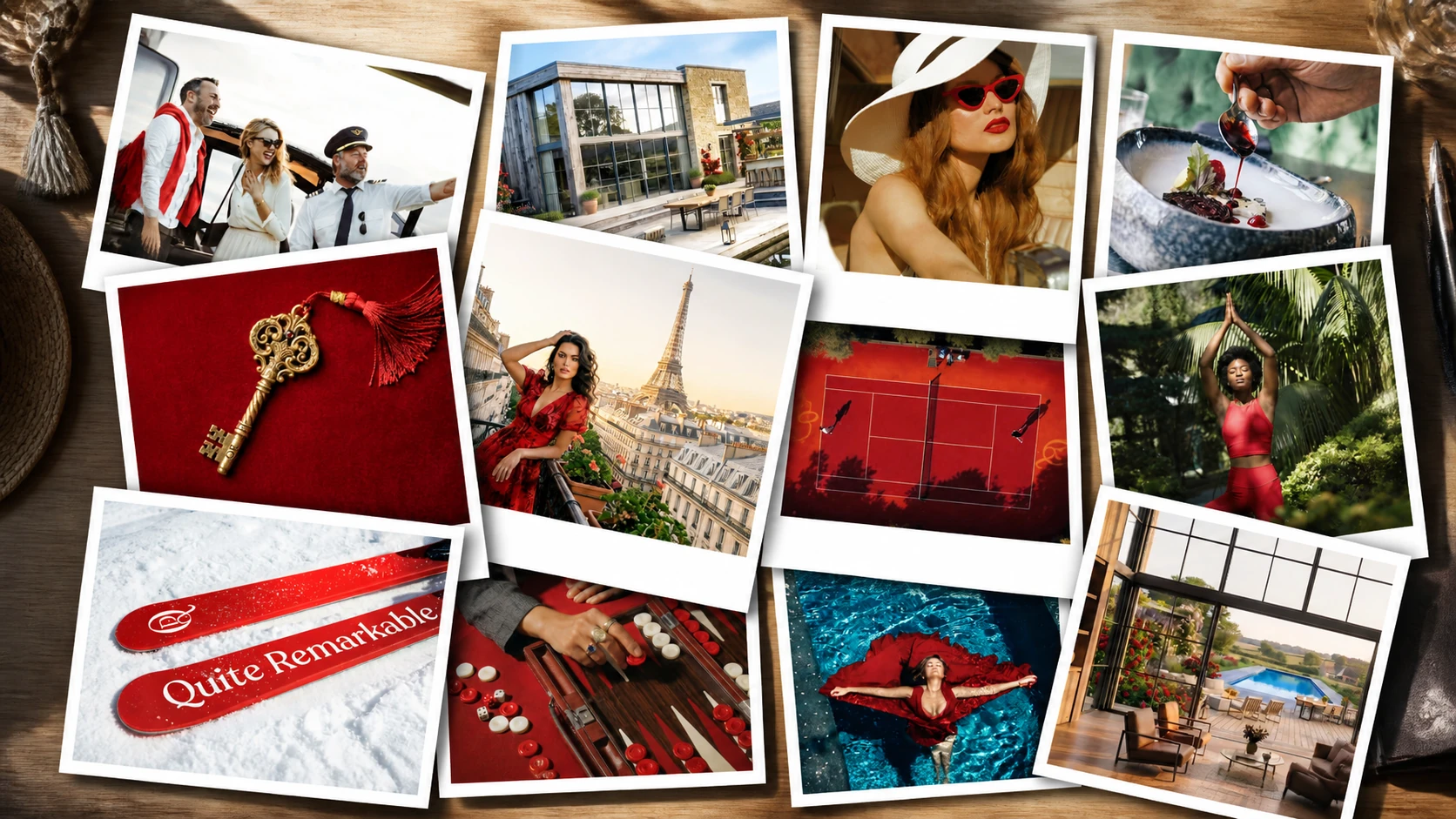
The research presents luxury as a broader set of priorities rather than a category defined solely by price or accumulated wealth. Comfort was the most selected priority when respondents were asked what mattered when booking a luxury trip or experience, cited by 34% of participants. Convenience, privacy and attentive service also featured prominently, while the report says aspiring luxury travellers place particular importance on reducing the complexity involved in planning and taking a trip.
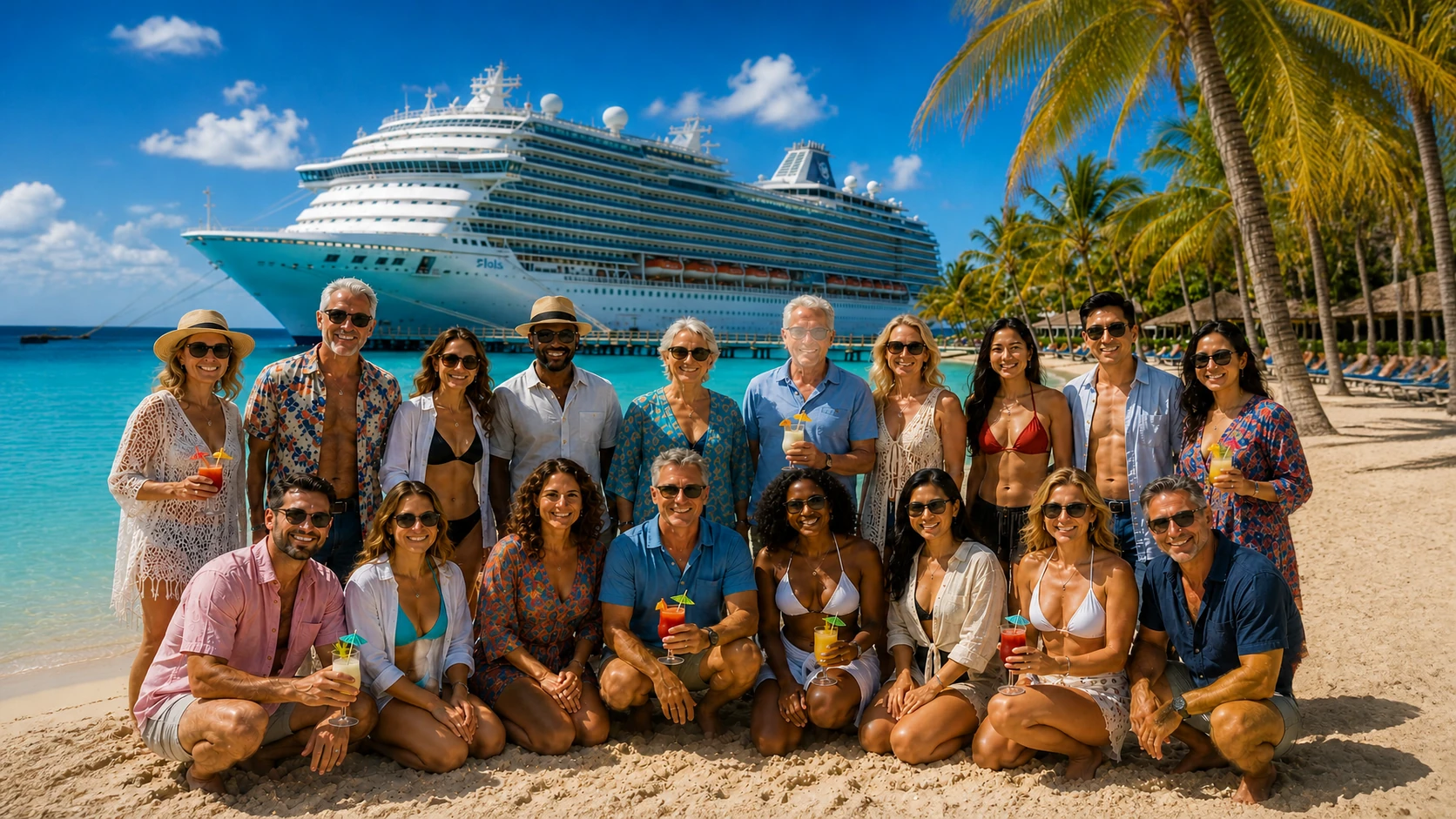
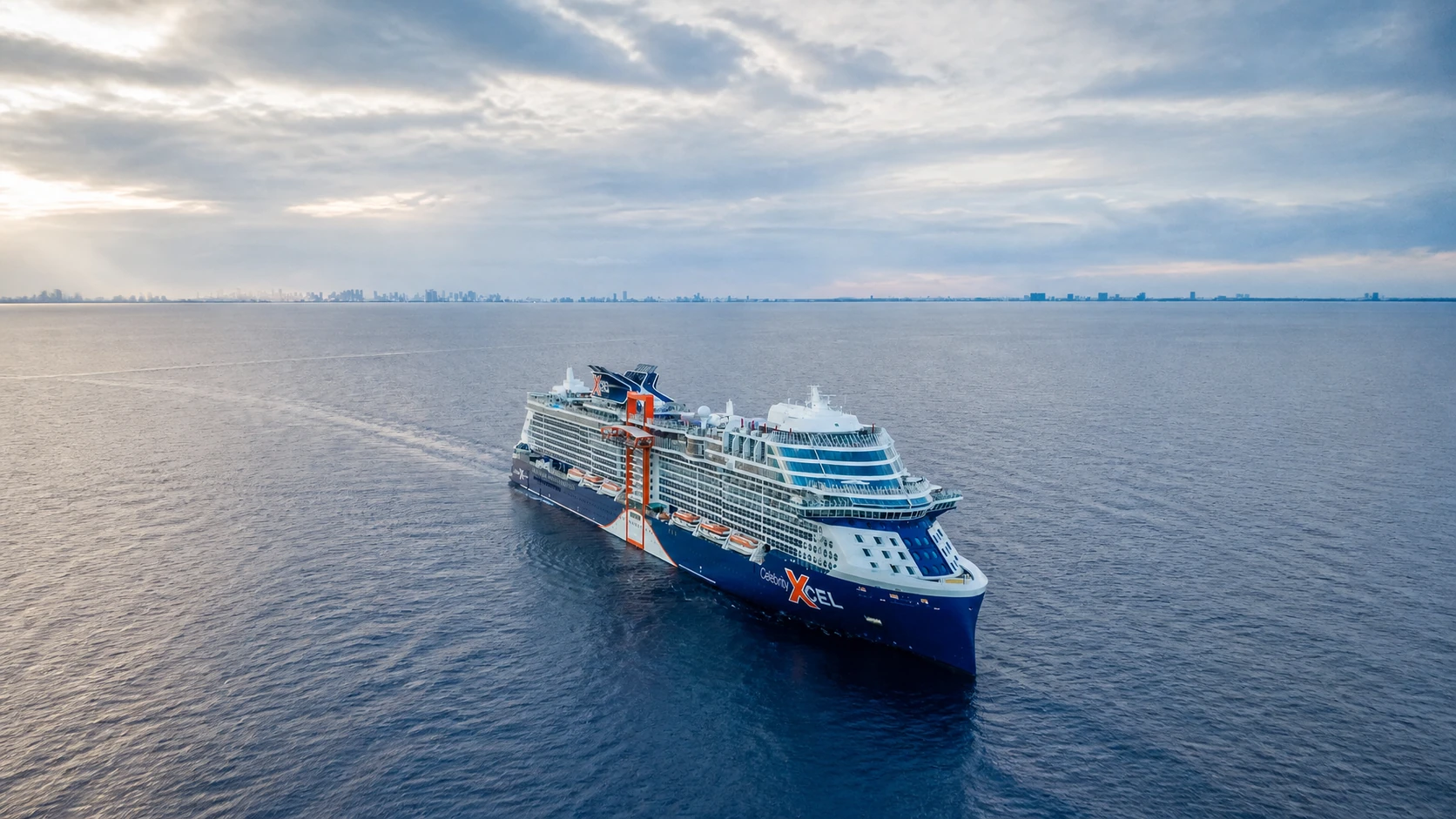
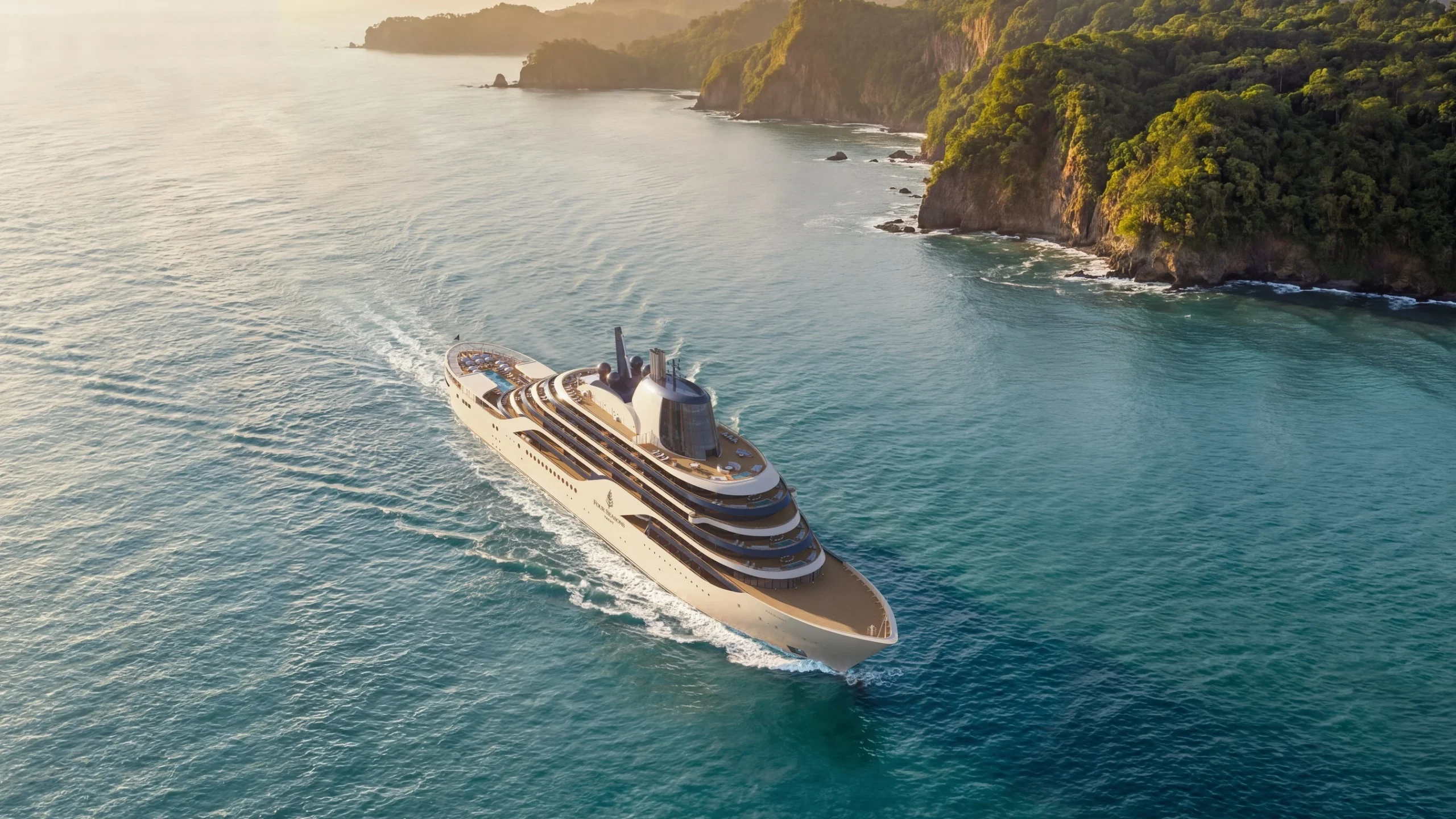
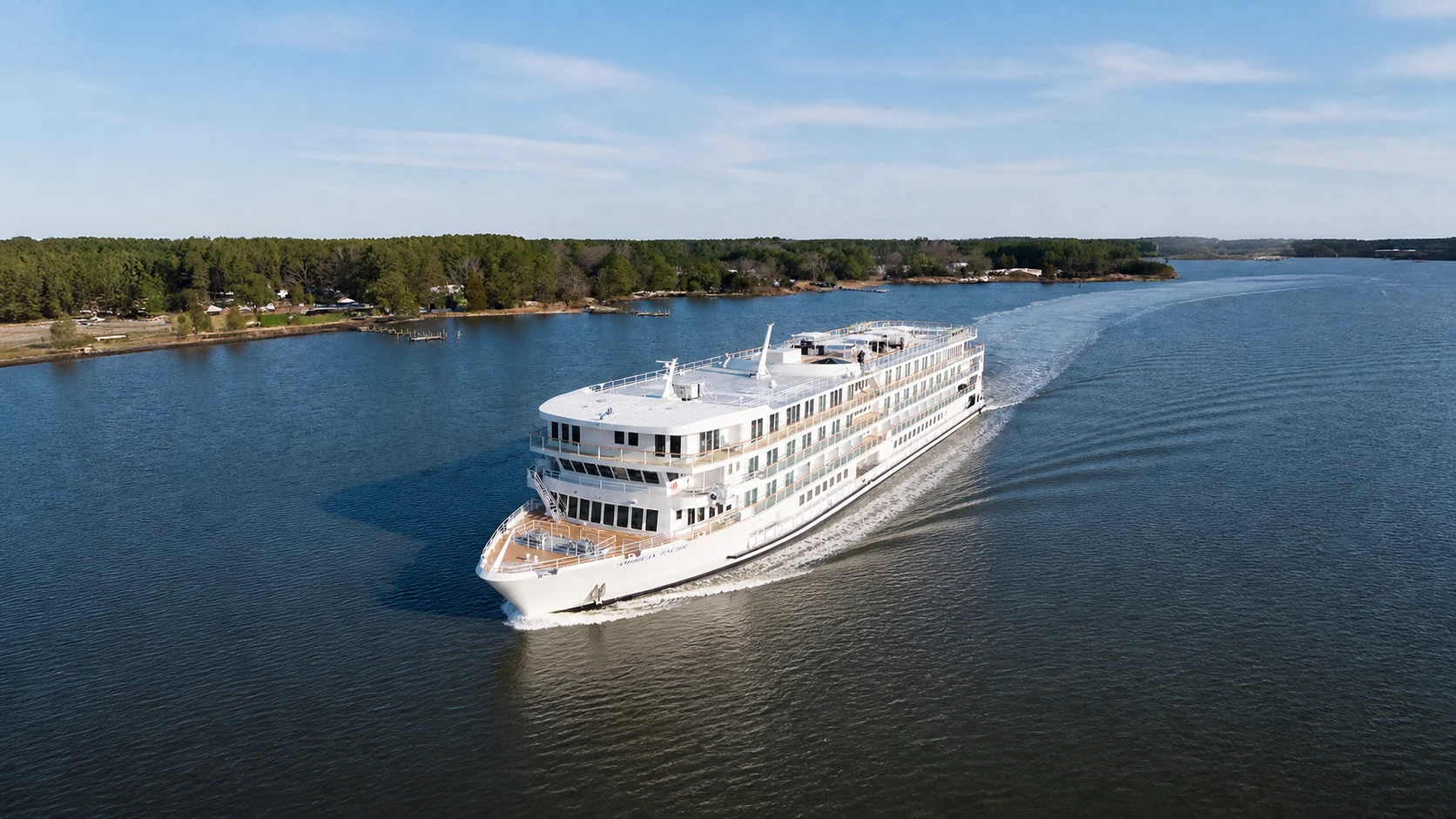
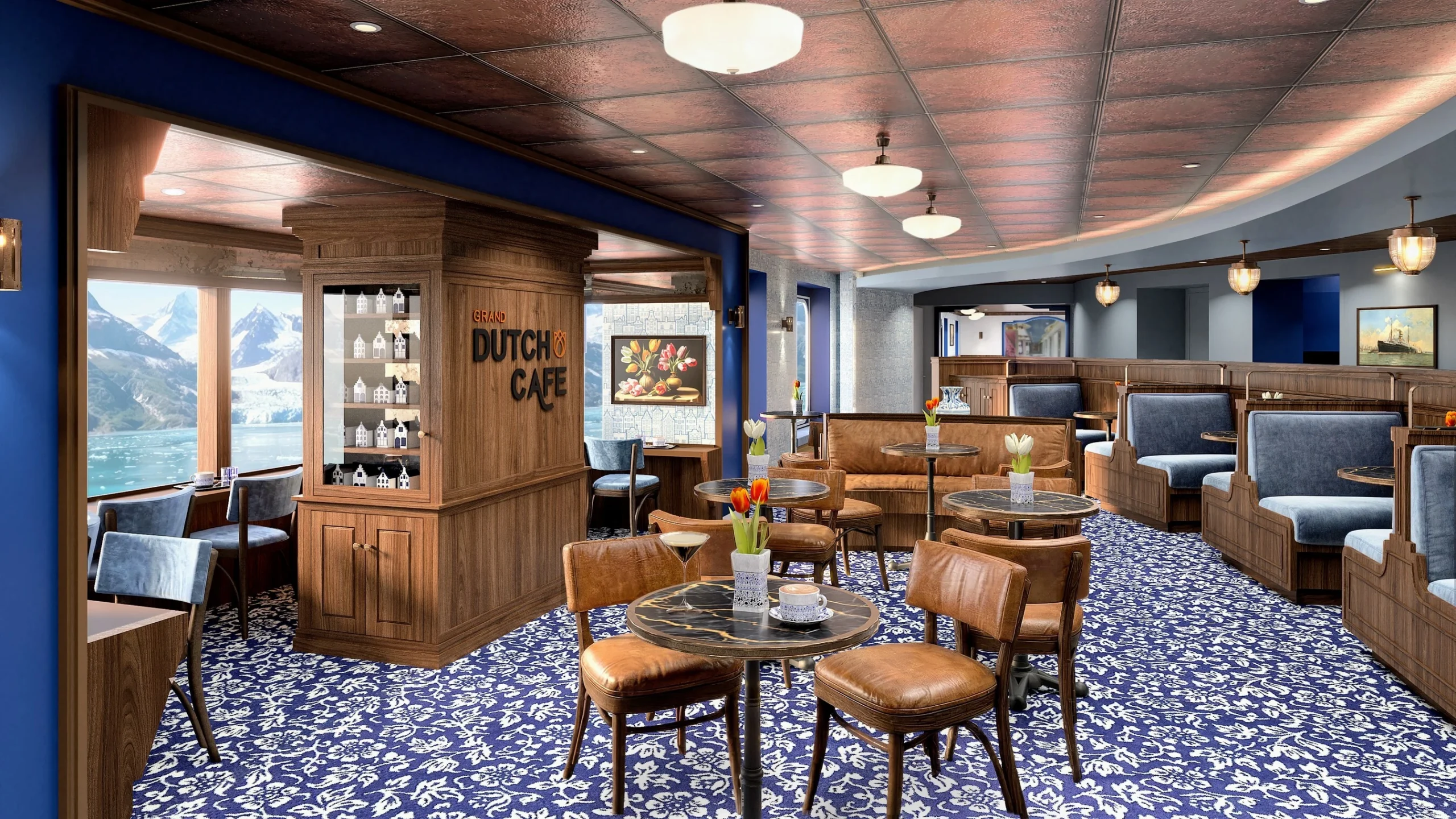
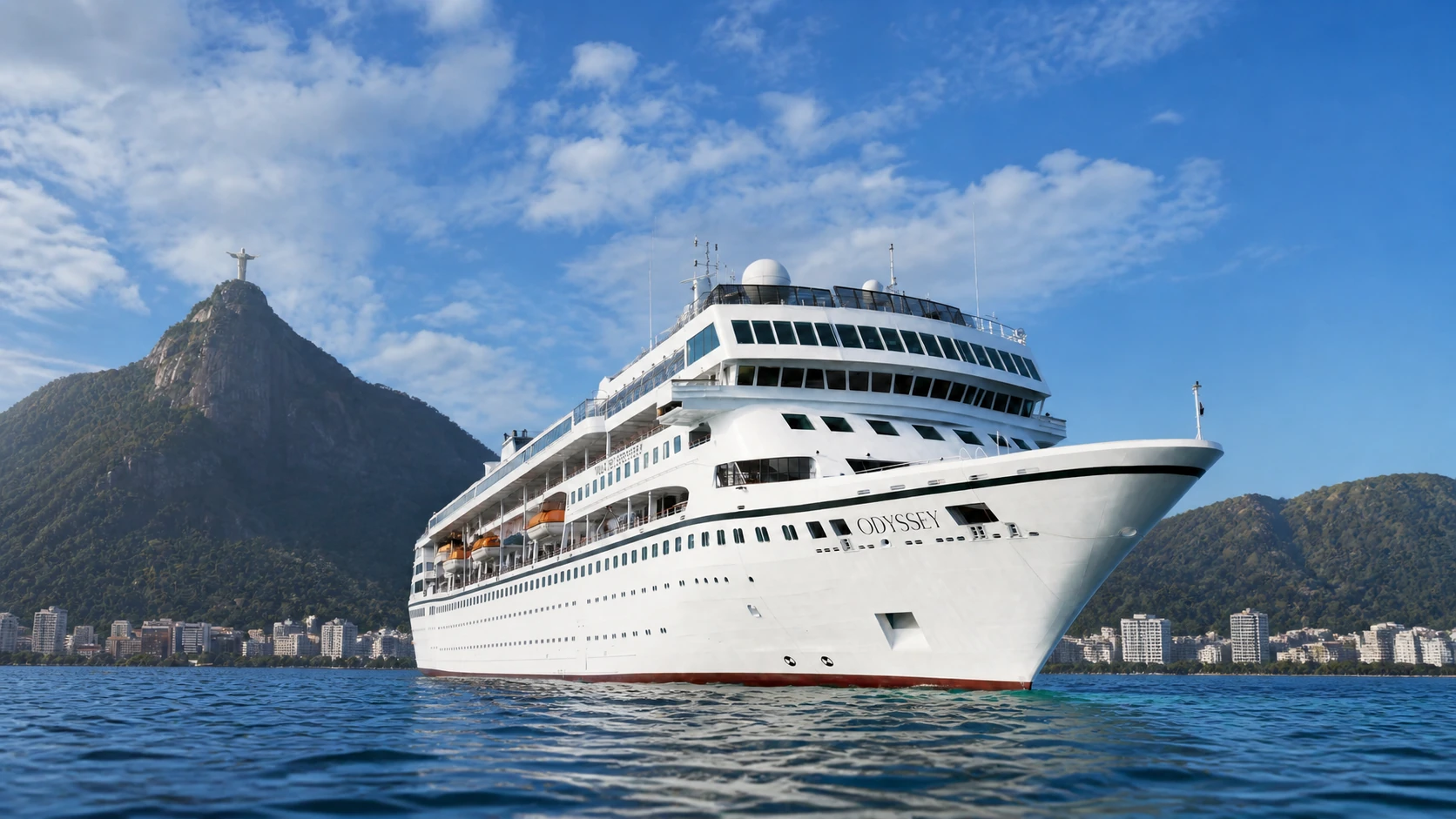
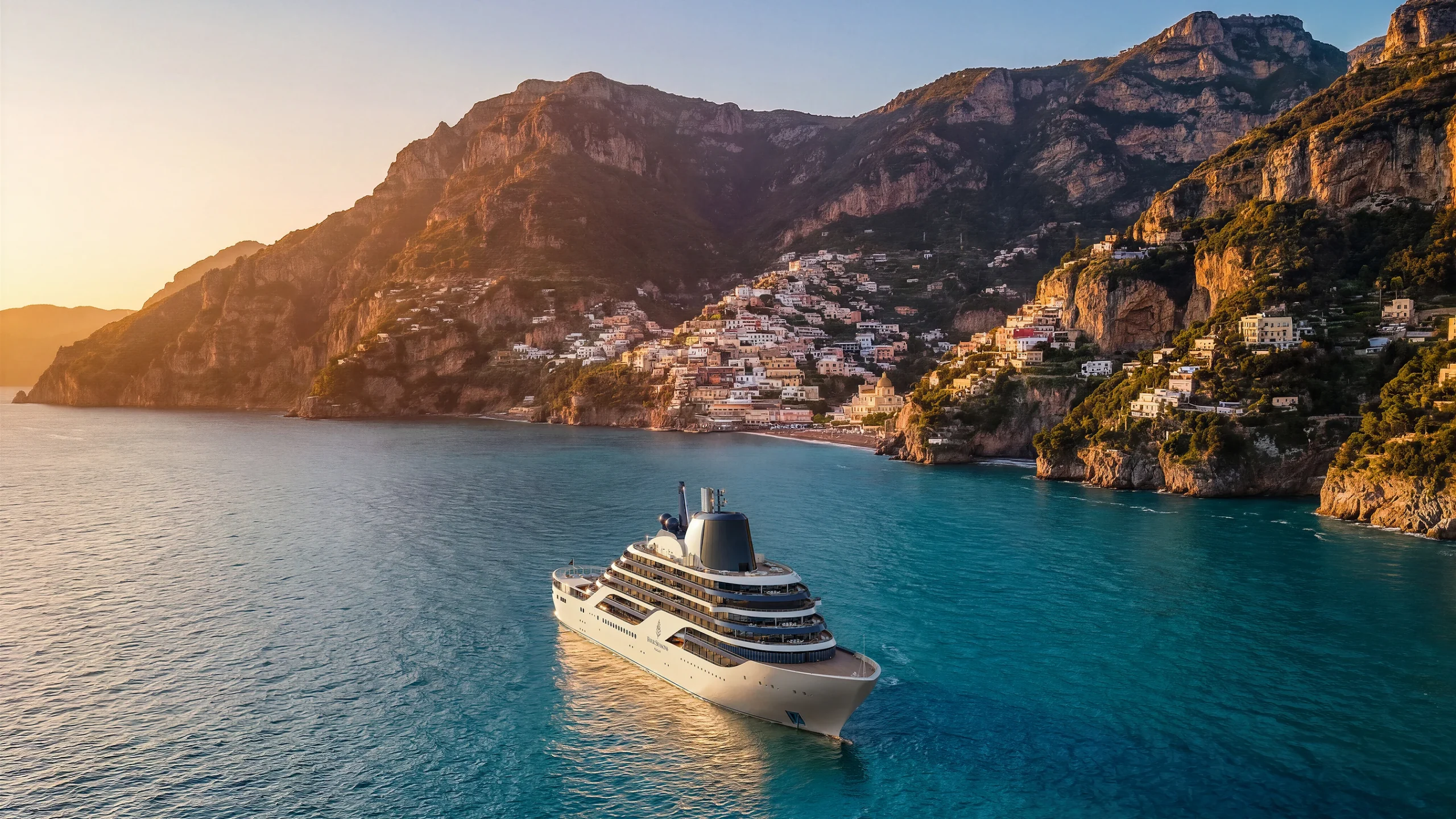
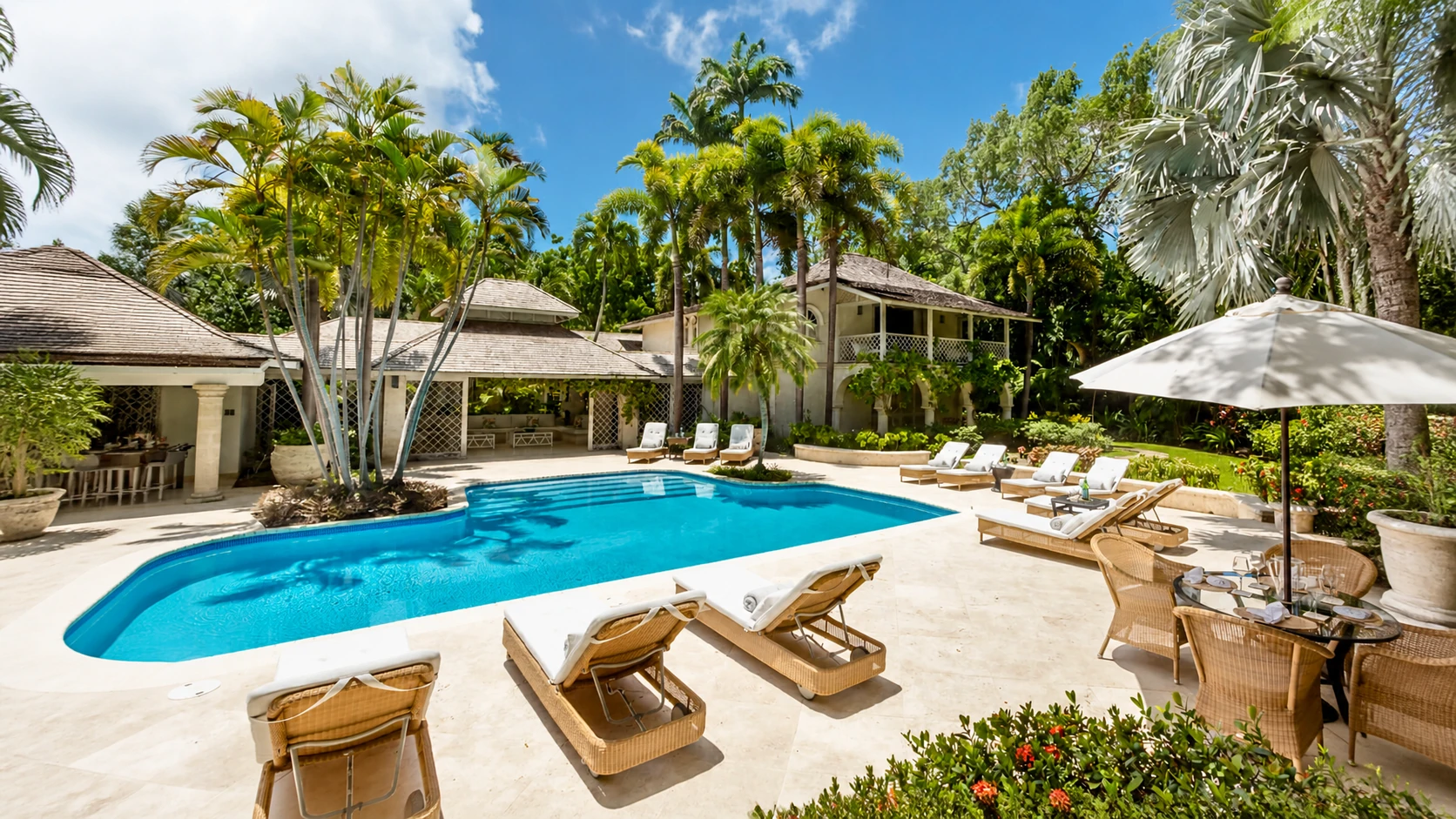
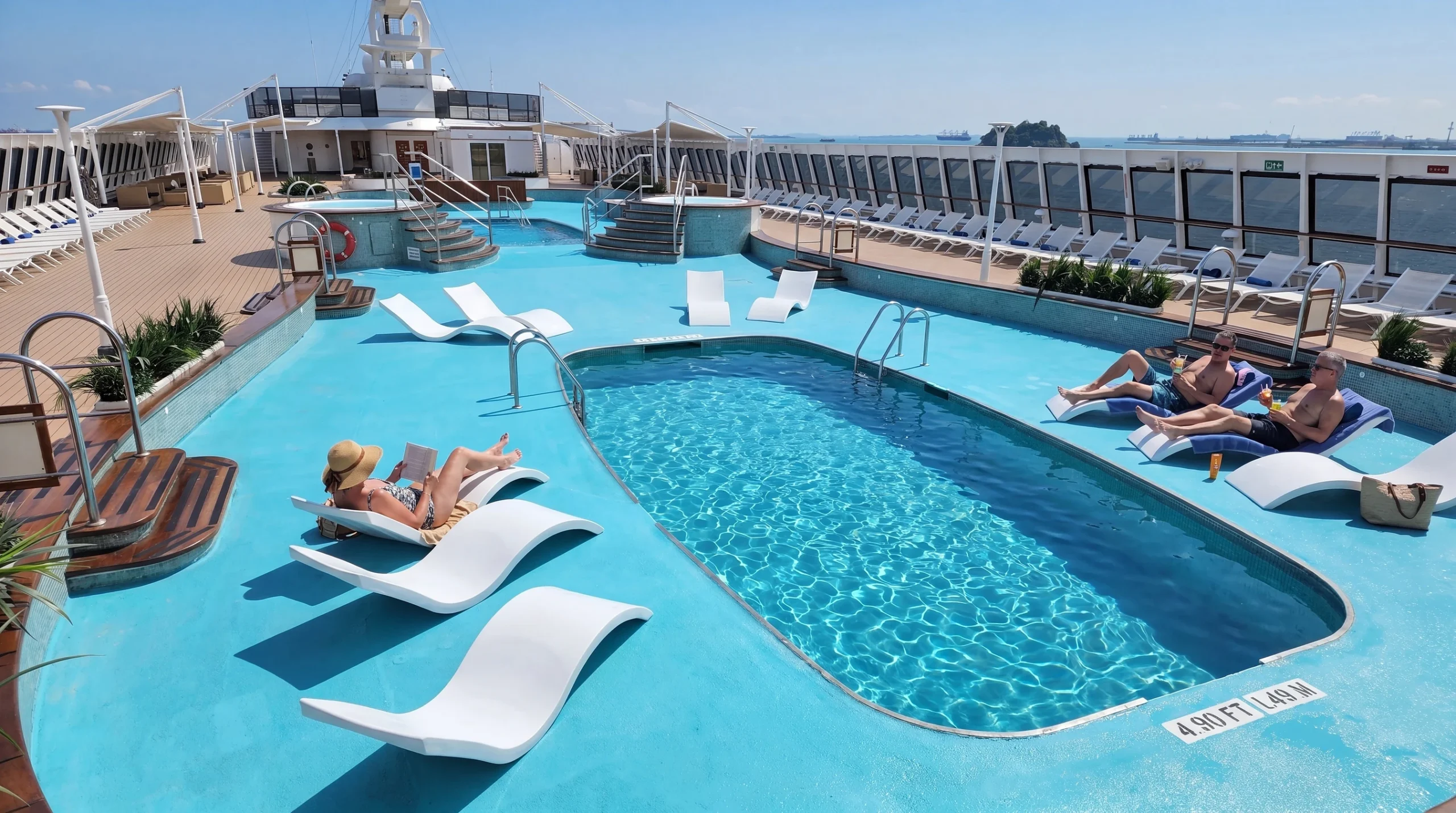
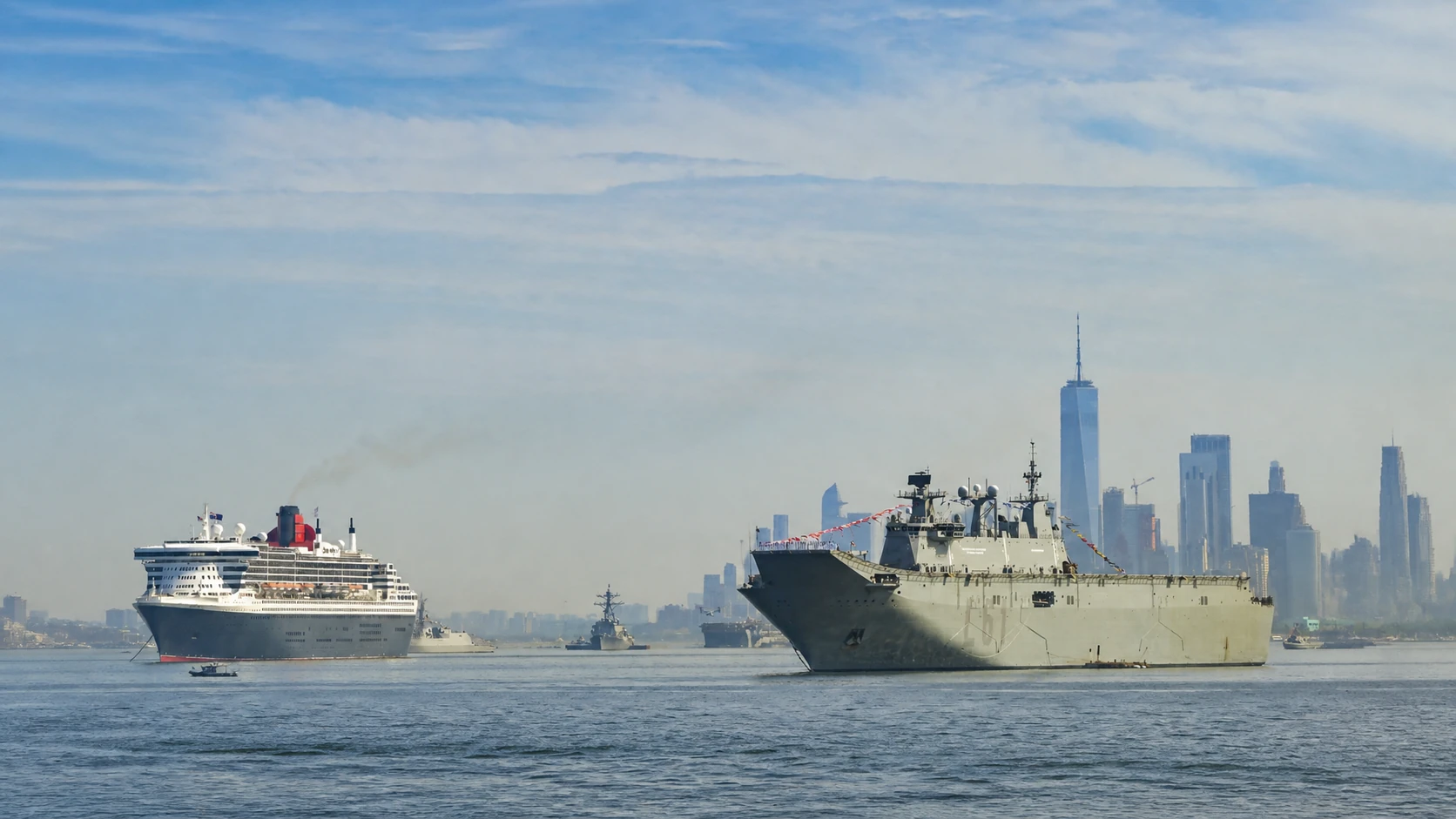
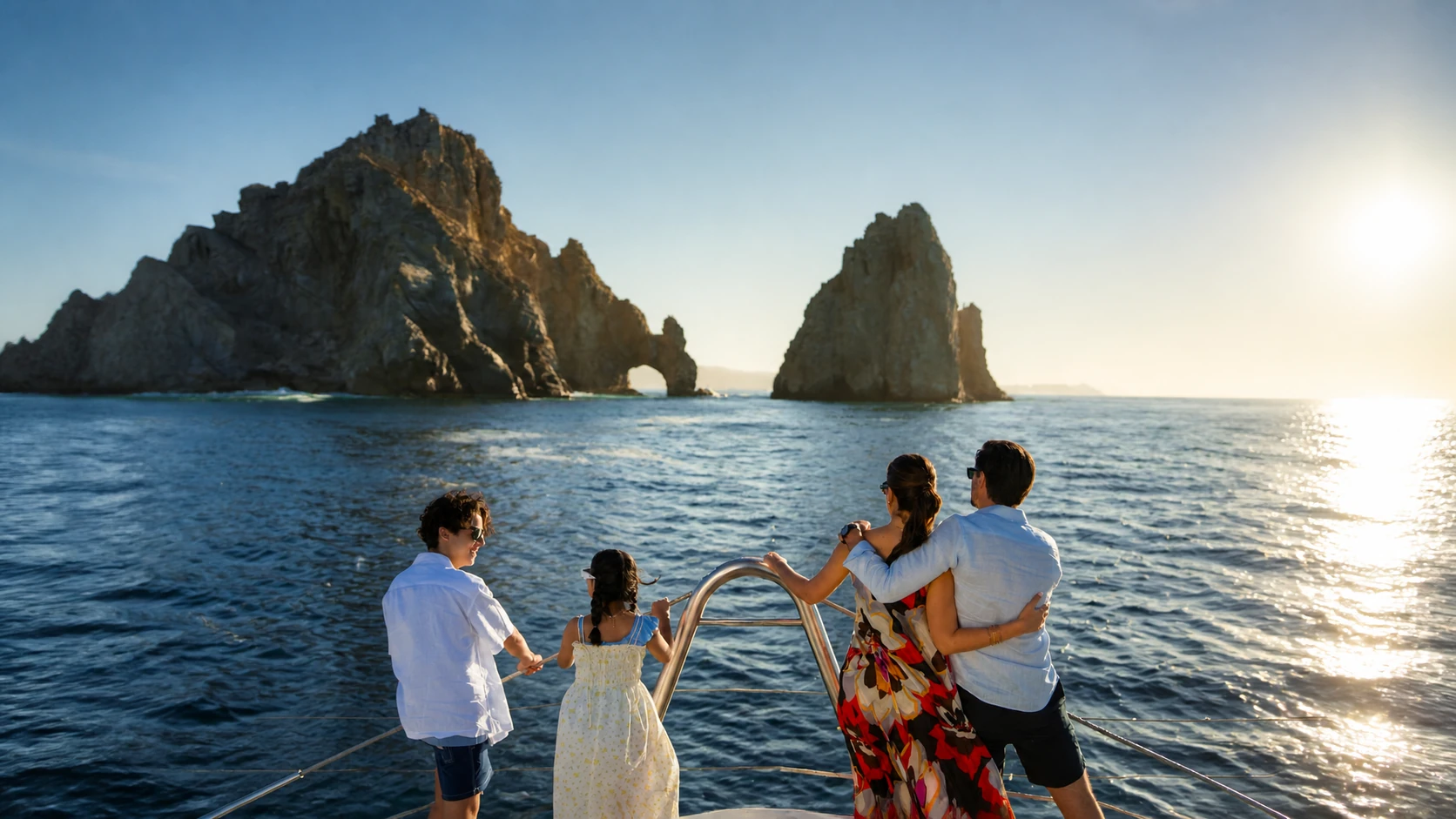
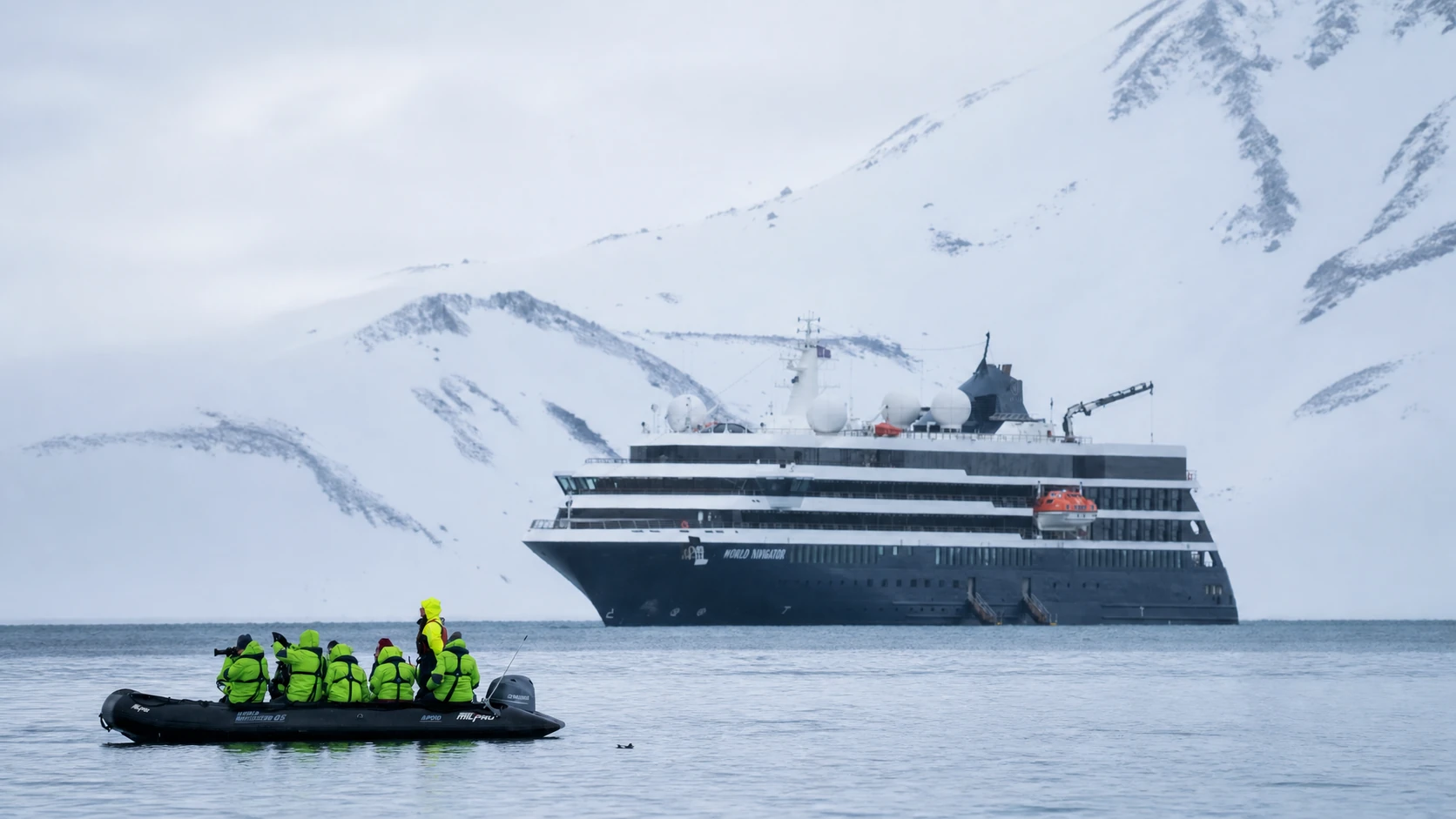
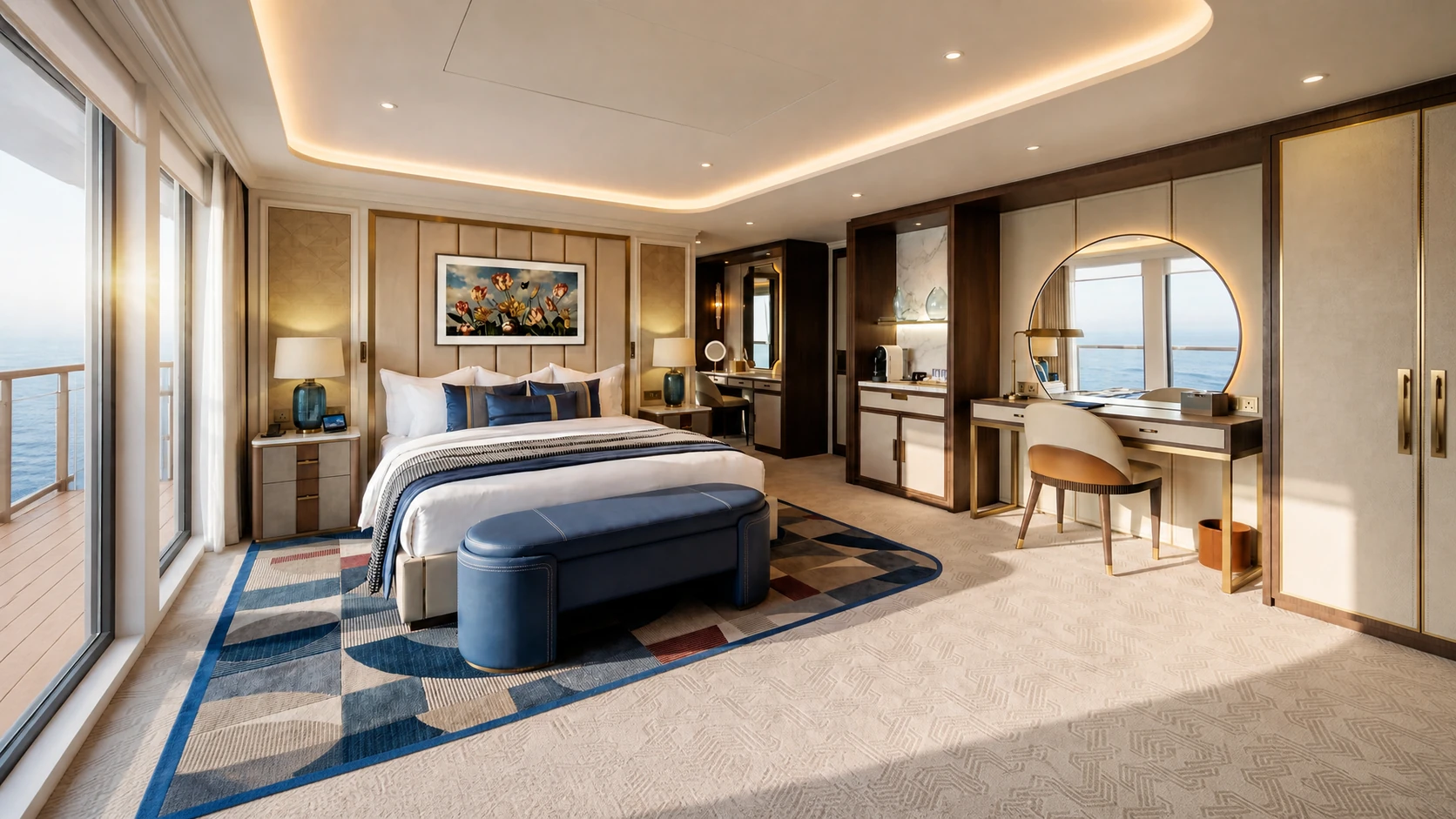
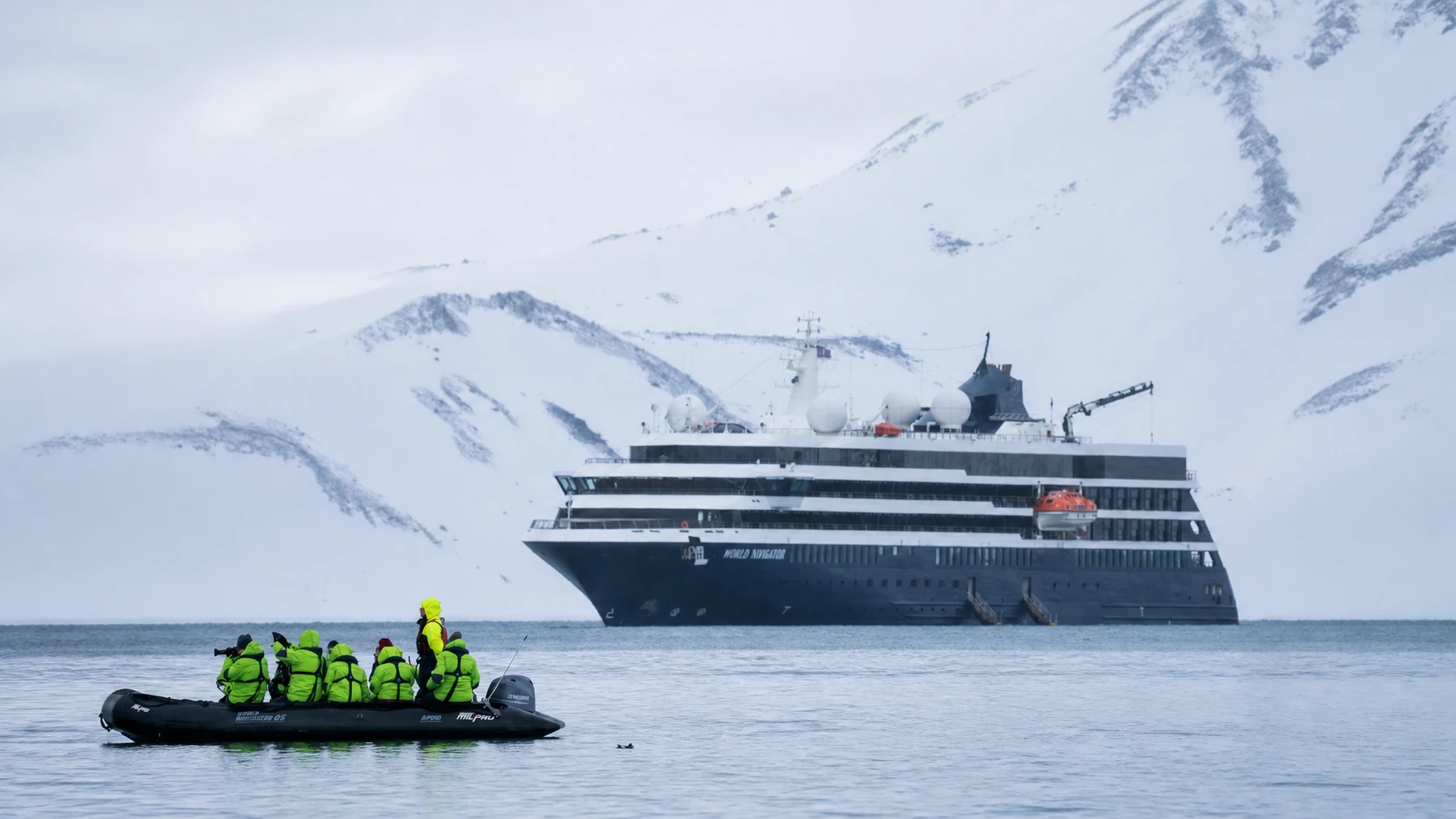
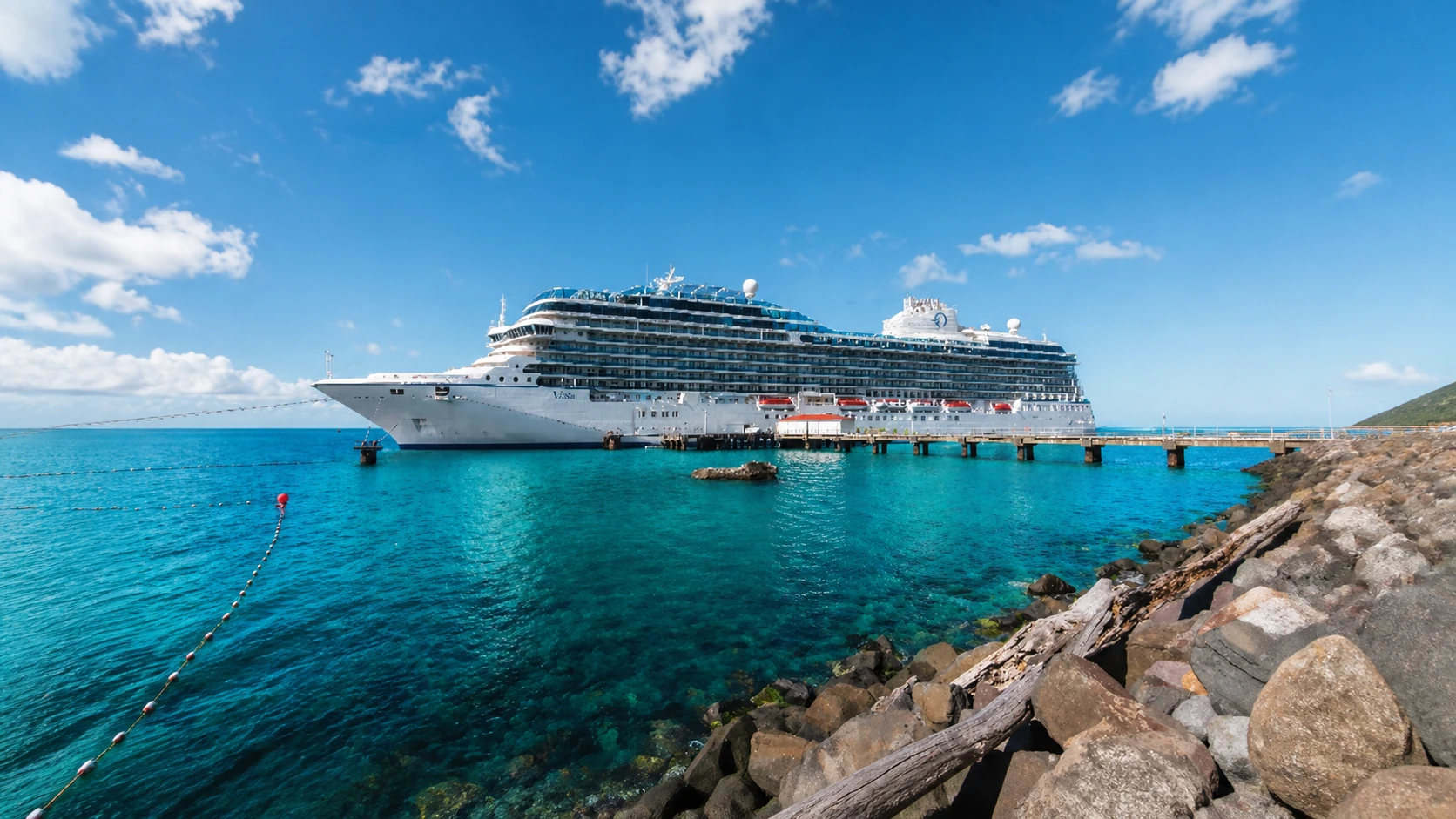
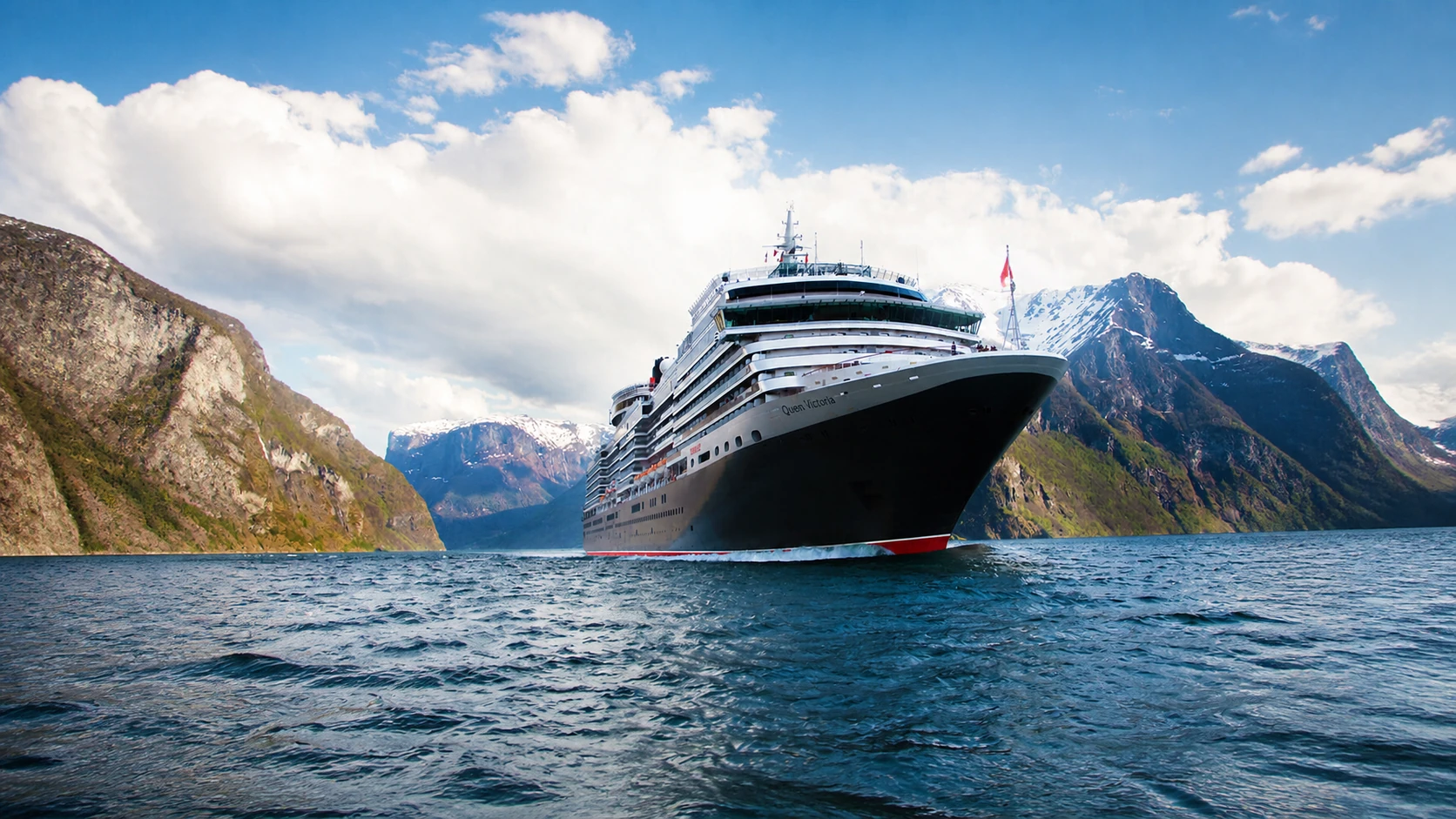
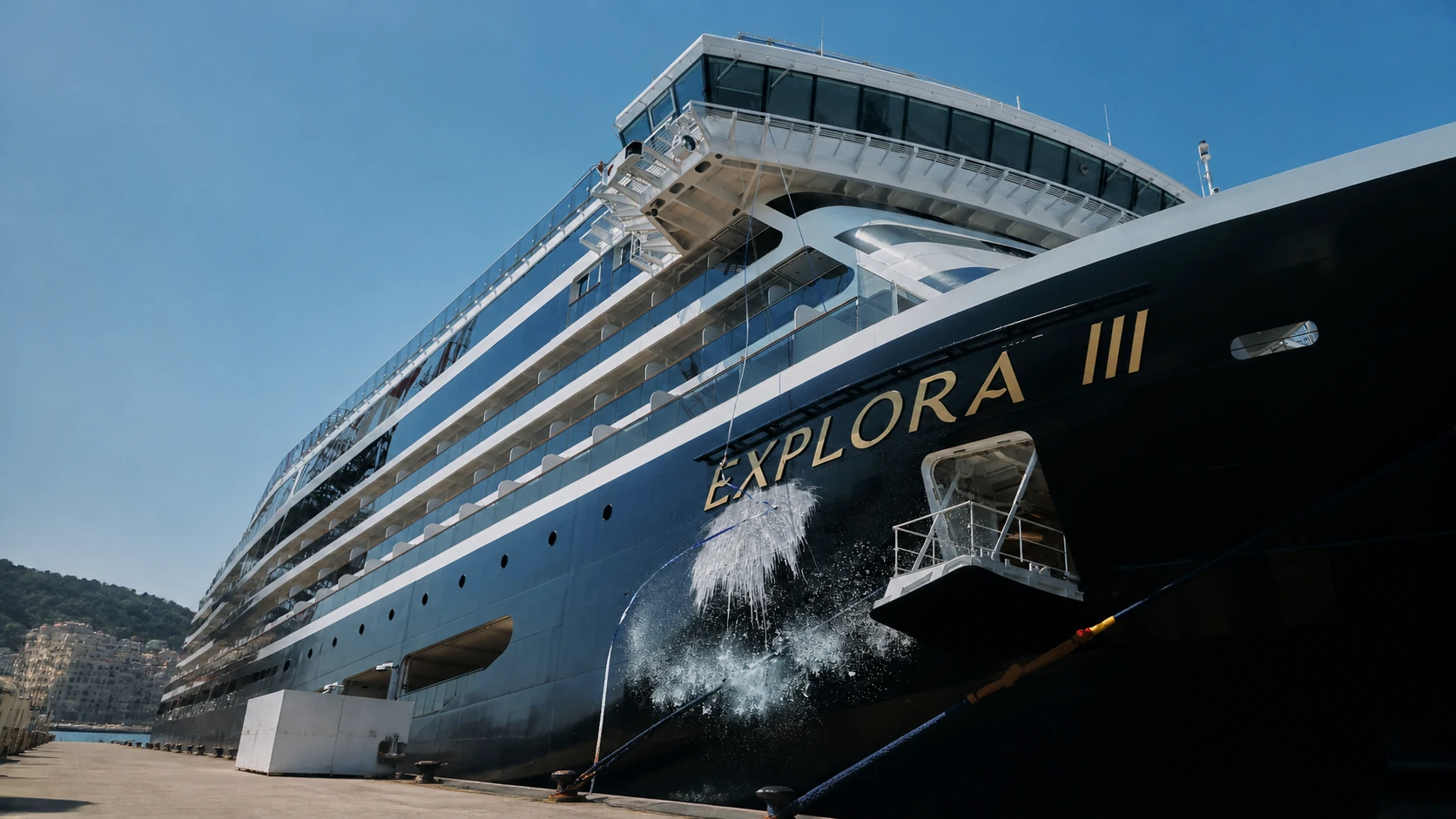
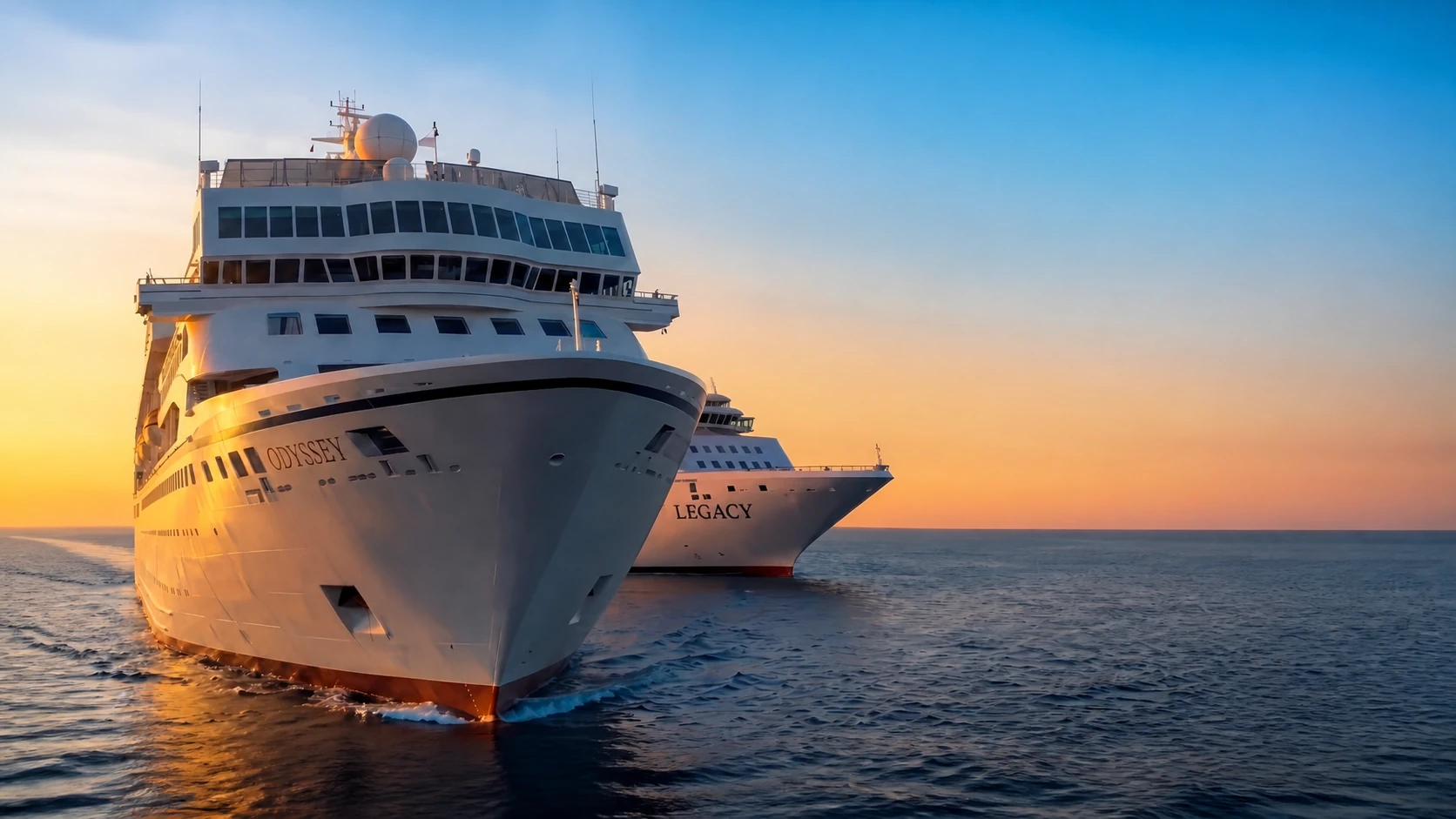
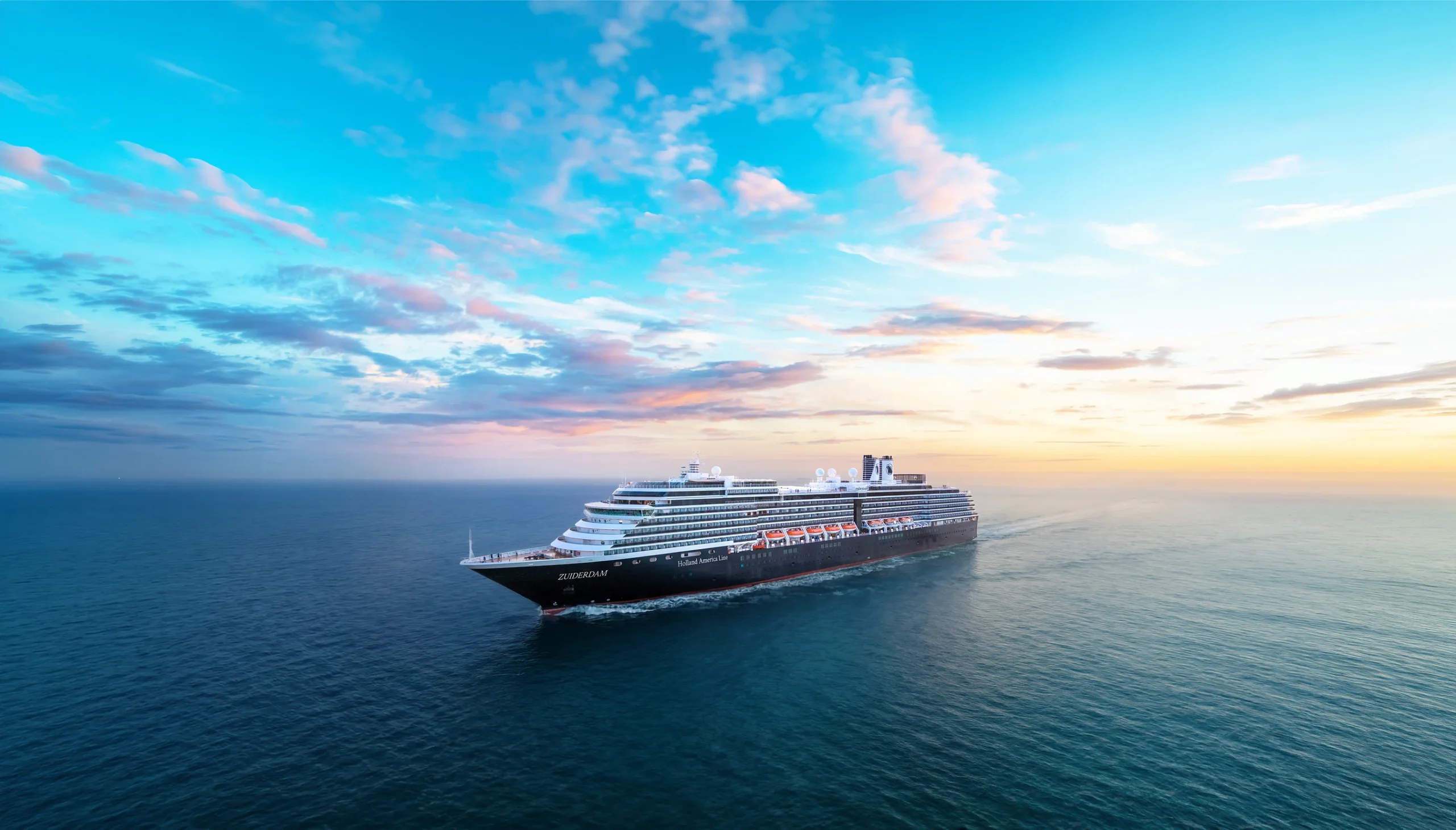
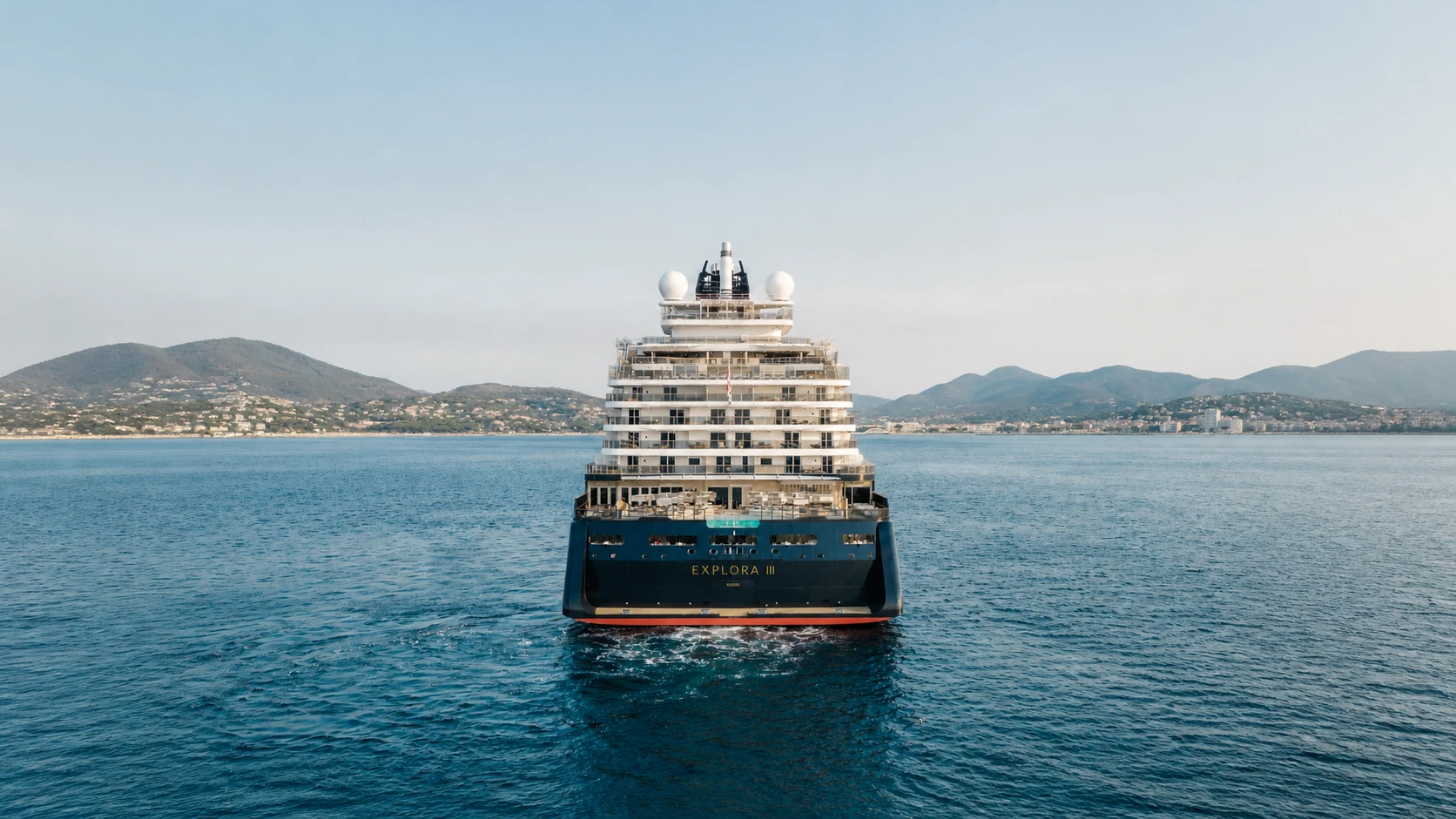
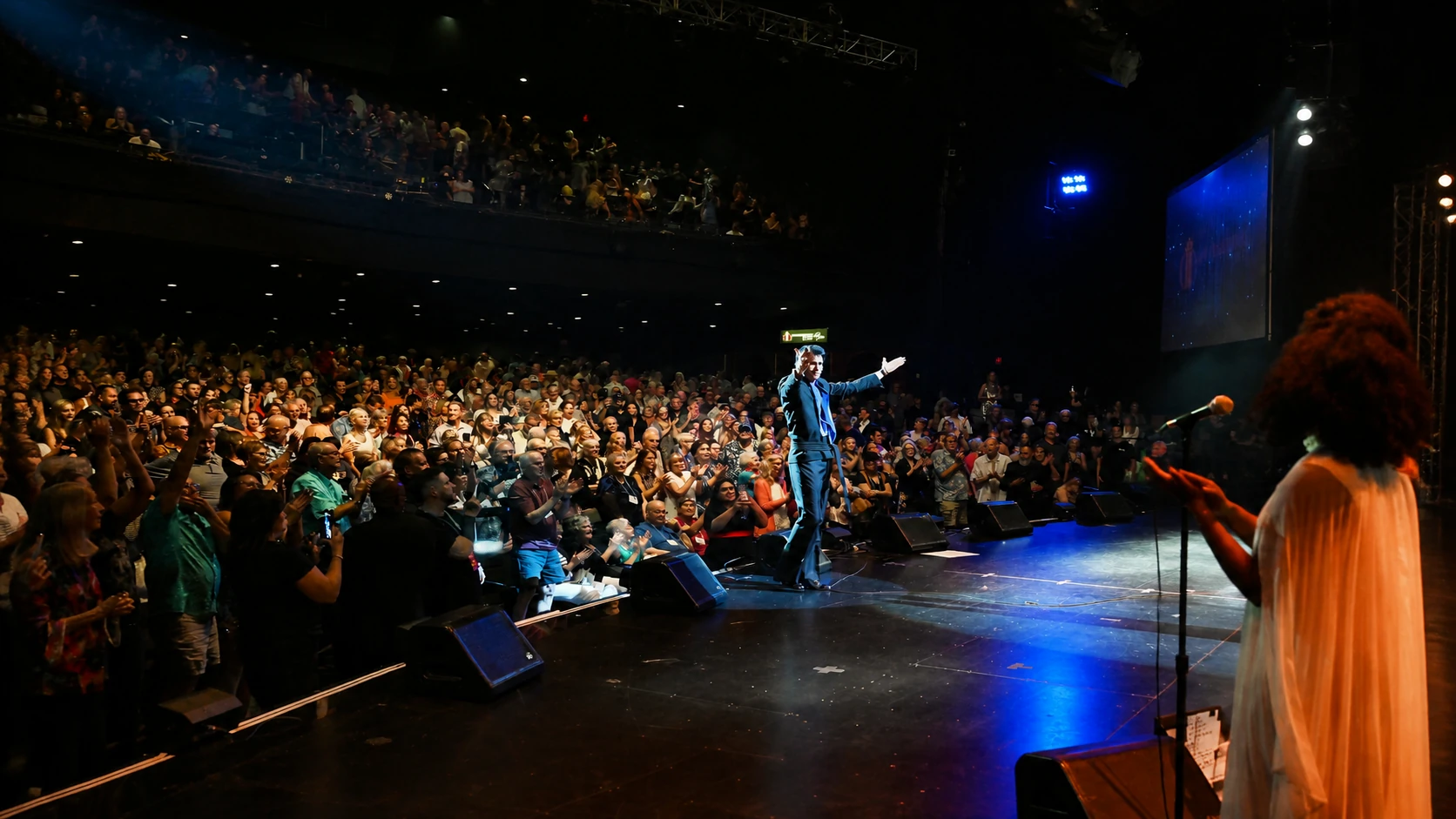
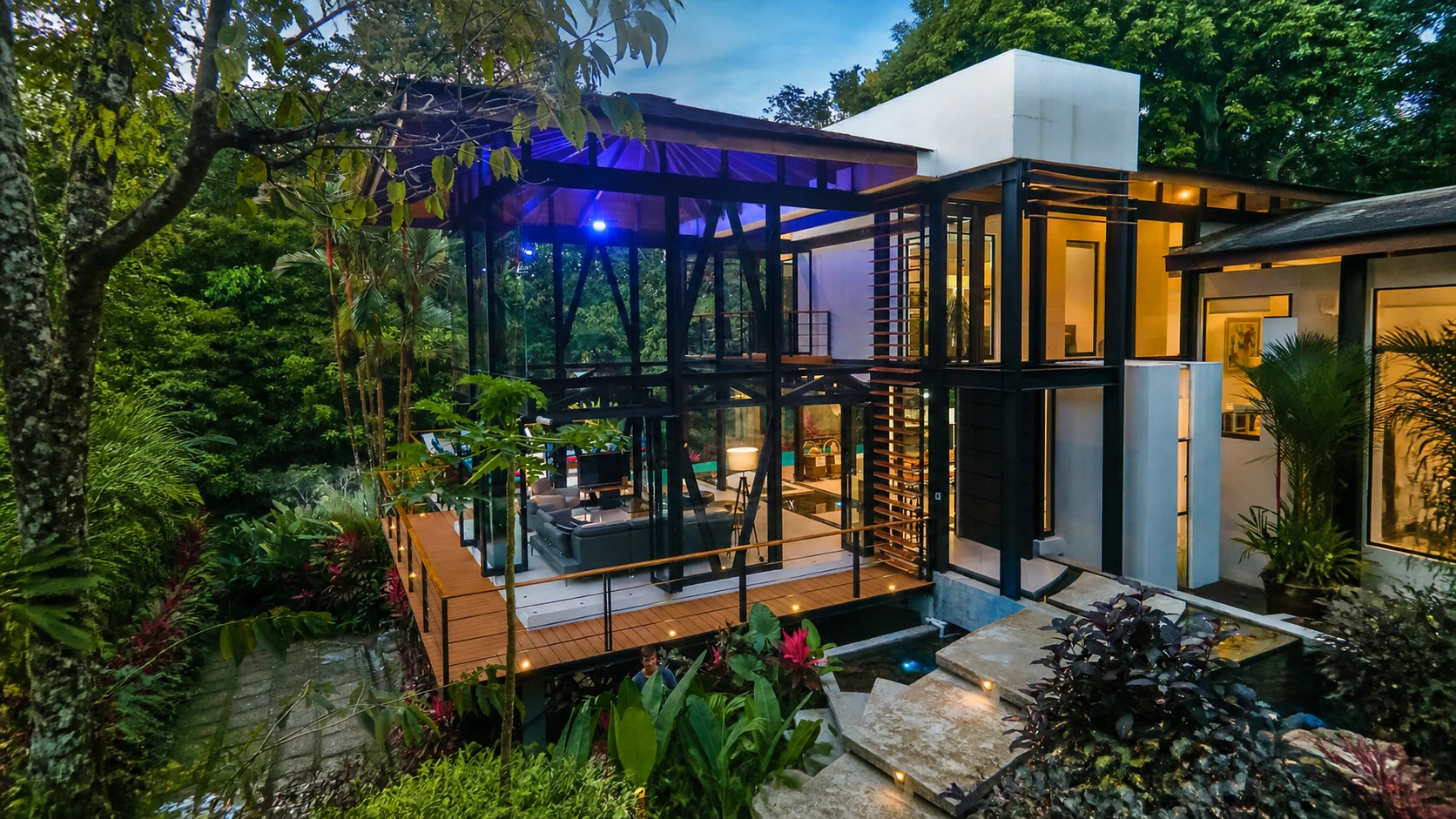
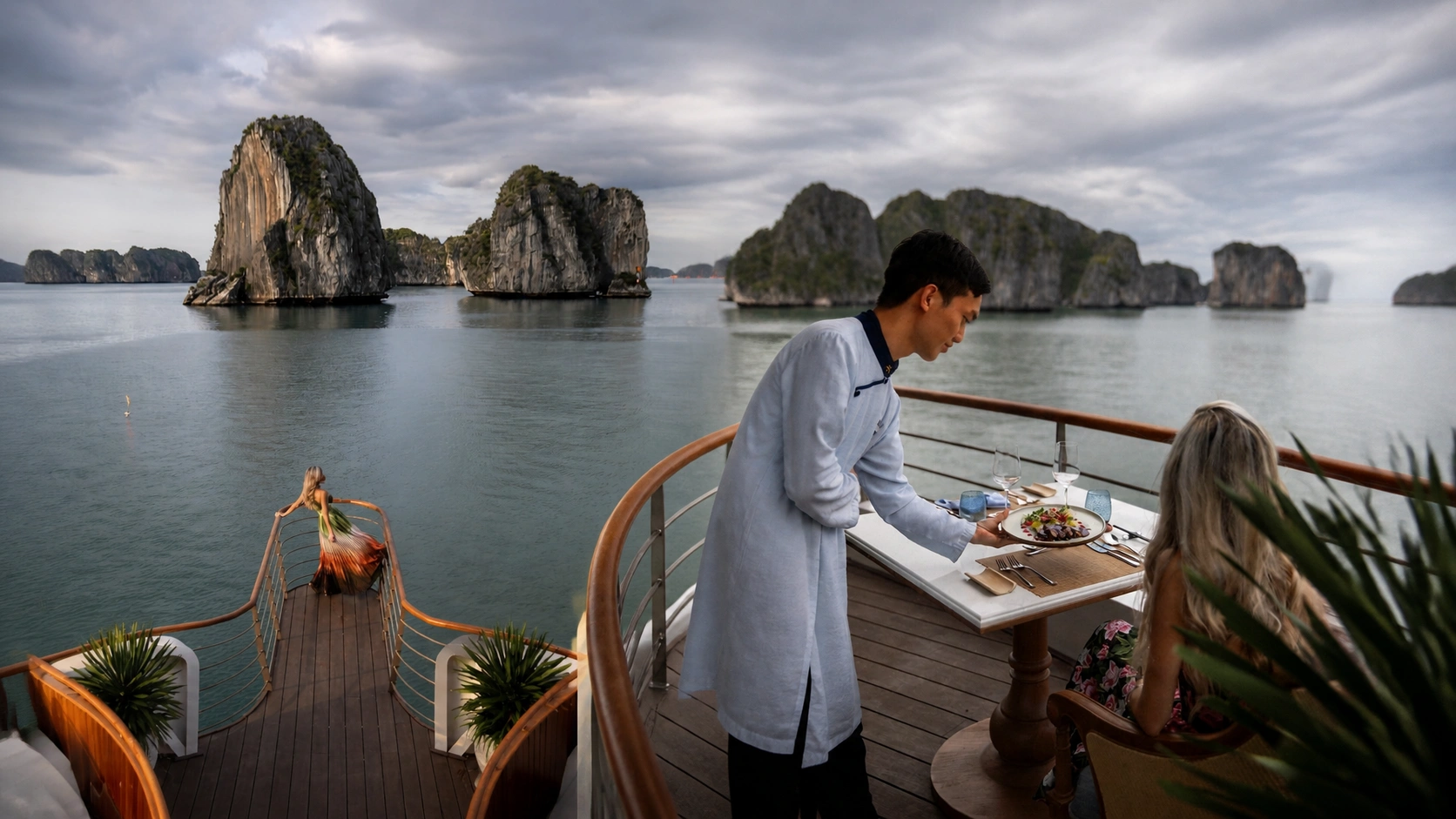
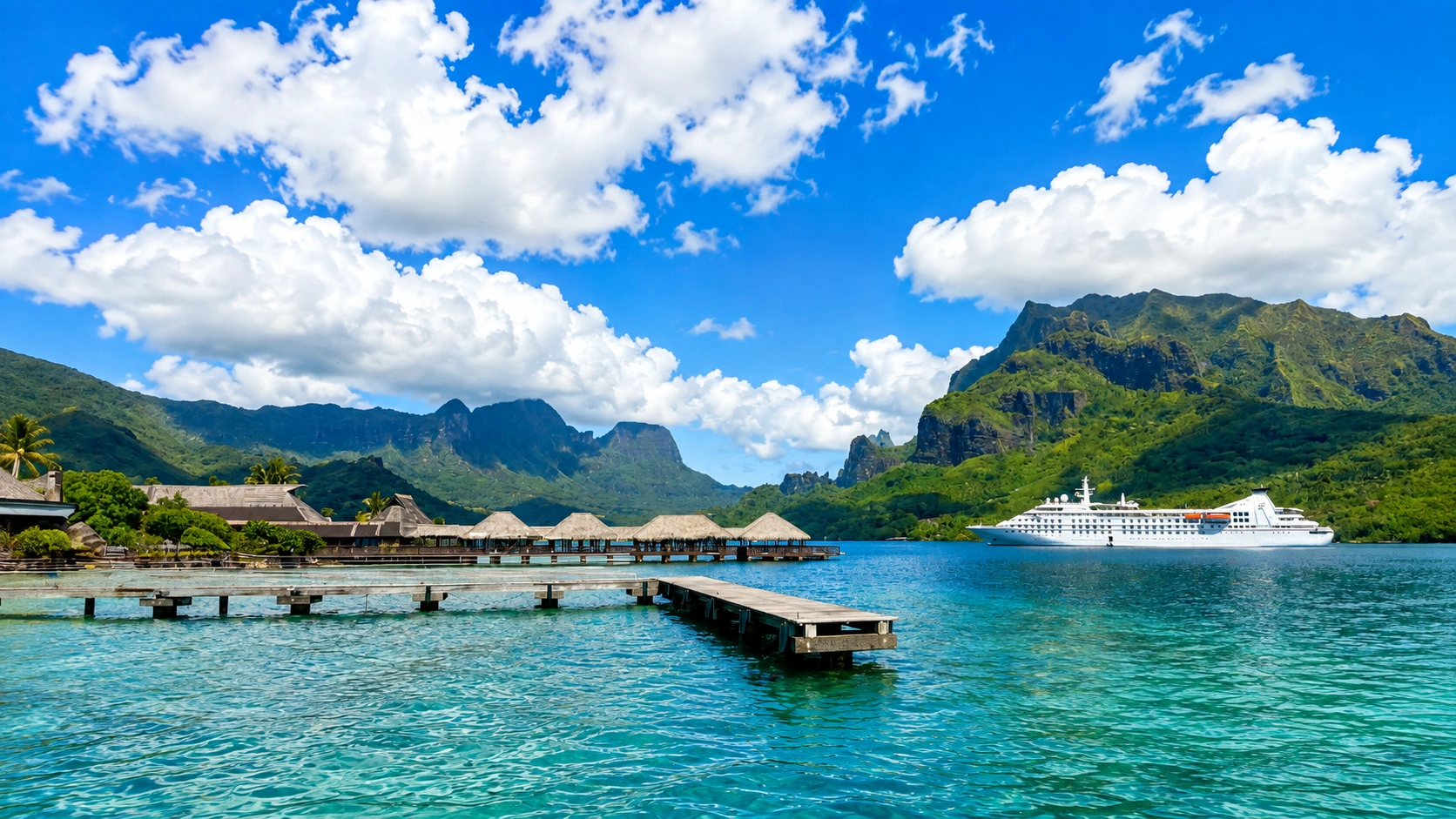
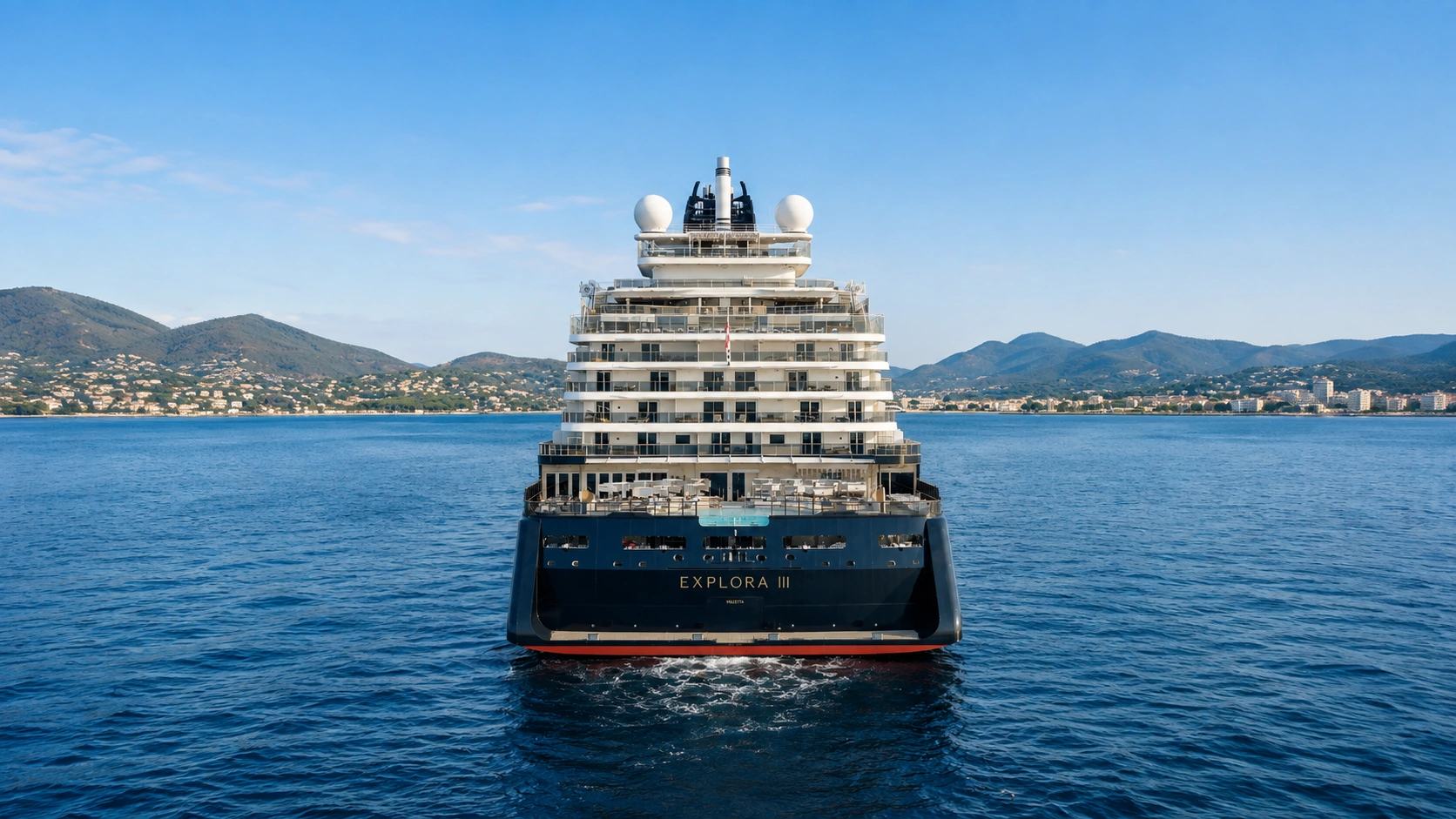
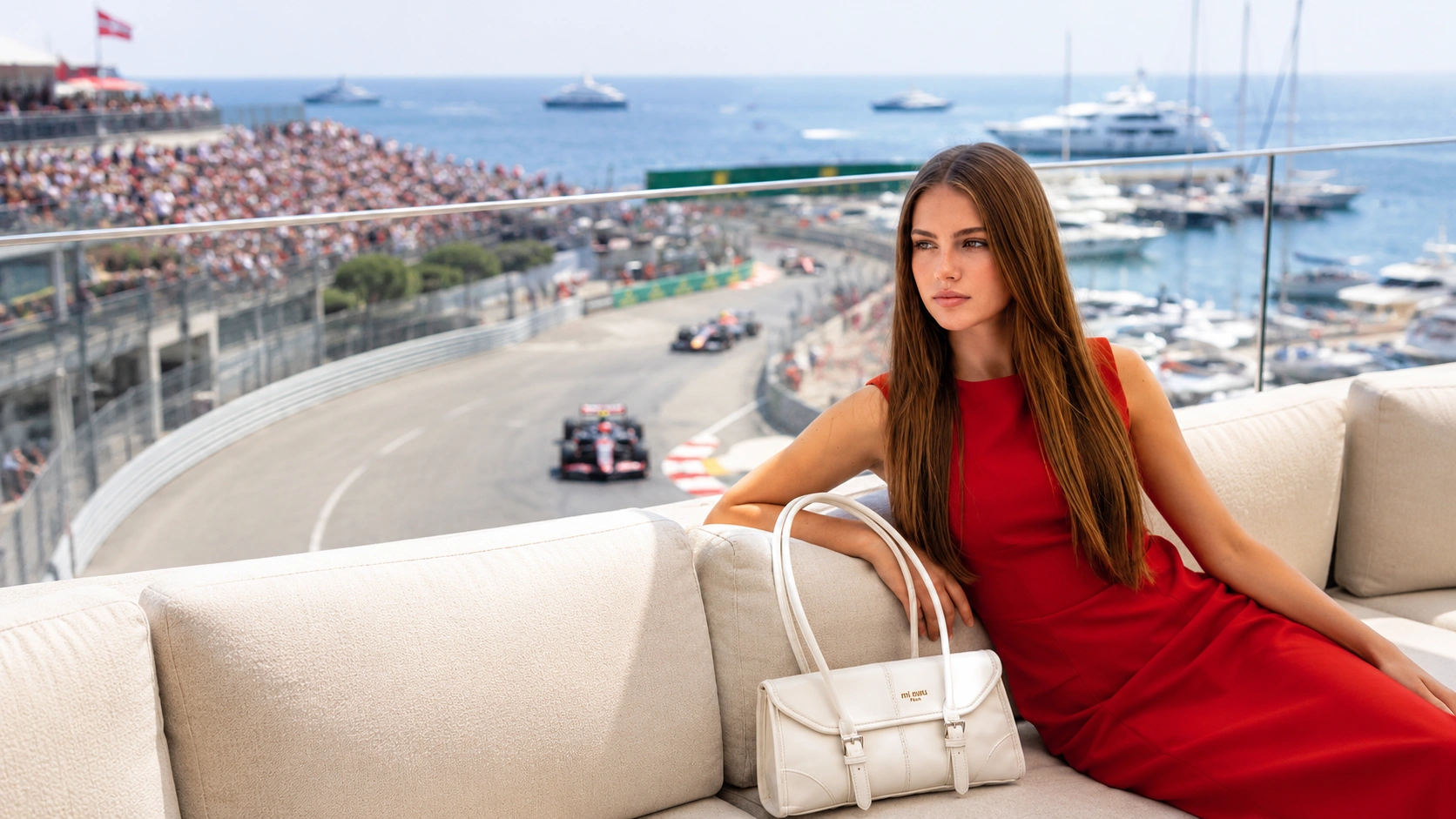
Participation also varies by generation and experience type. Millennials make up the largest share of respondents in the aspiring luxury segment, while Gen Z respondents reported strong participation in luxury sporting events, safari and wilderness excursions, and private villa stays. Nearly half of all respondents had taken a luxury cruise, with a less crowded atmosphere, refined dining, personalised attention and all-inclusive arrangements identified as features that distinguish the experience from a standard cruise.
Milestone occasions provide another entry point. Twenty-eight per cent of respondents identified special occasions as the primary reason for booking a luxury destination activity, including anniversaries, celebrations and family trips. Arrivia’s research also found that 43% of consumers belong to at least one loyalty programme offered by a luxury travel brand, while room or suite upgrades ranked as the most preferred use of points or perks.
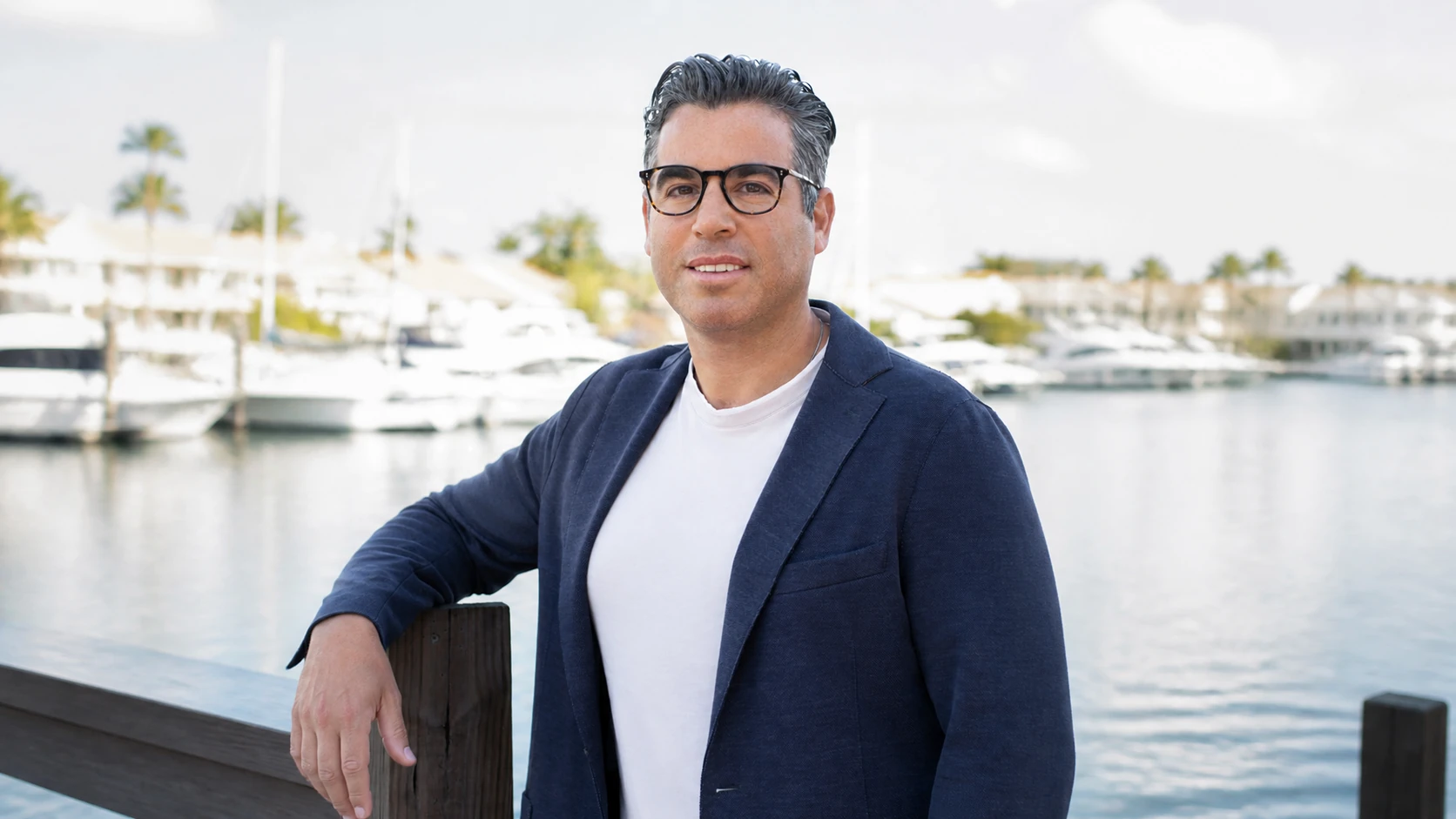
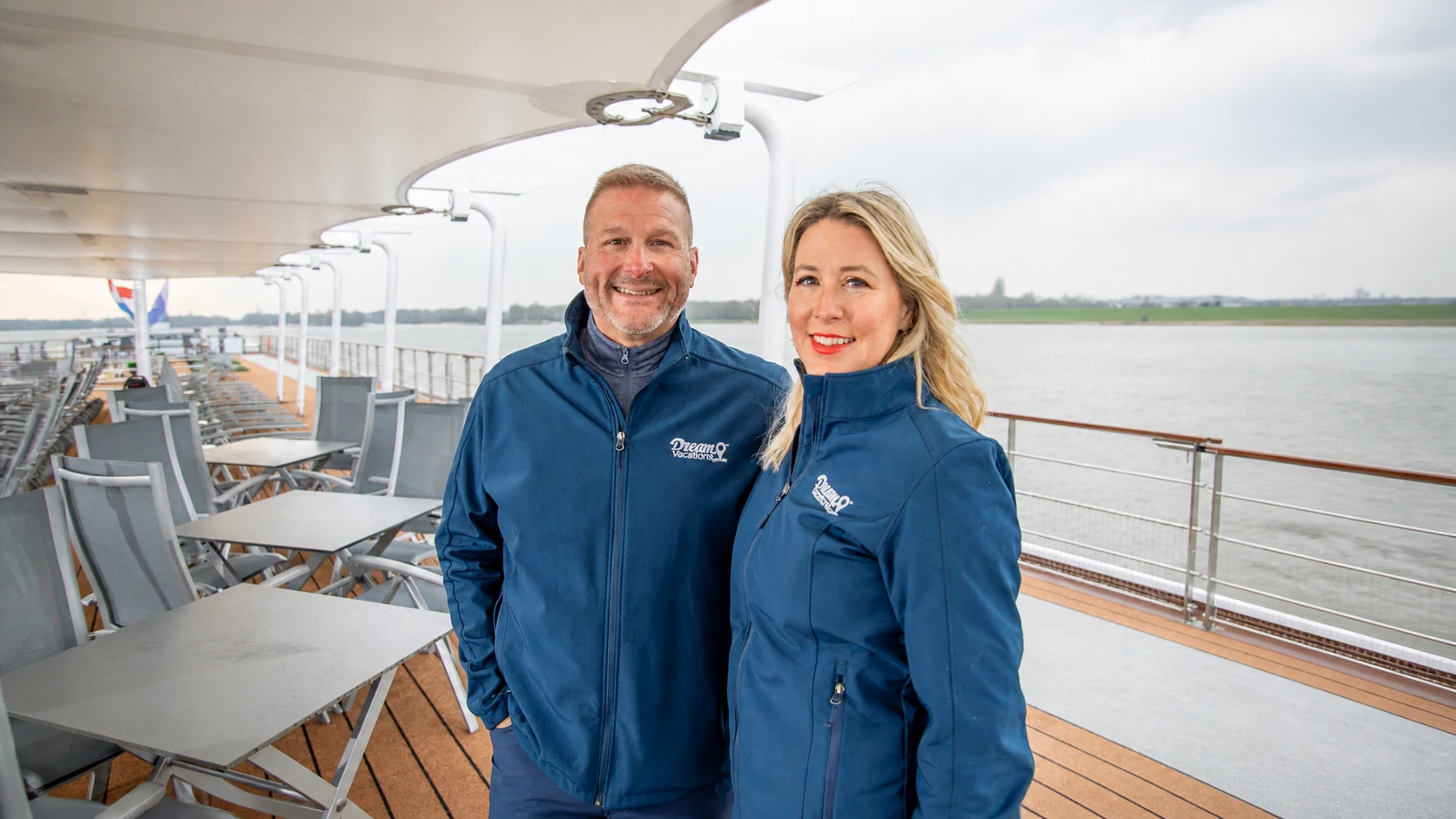
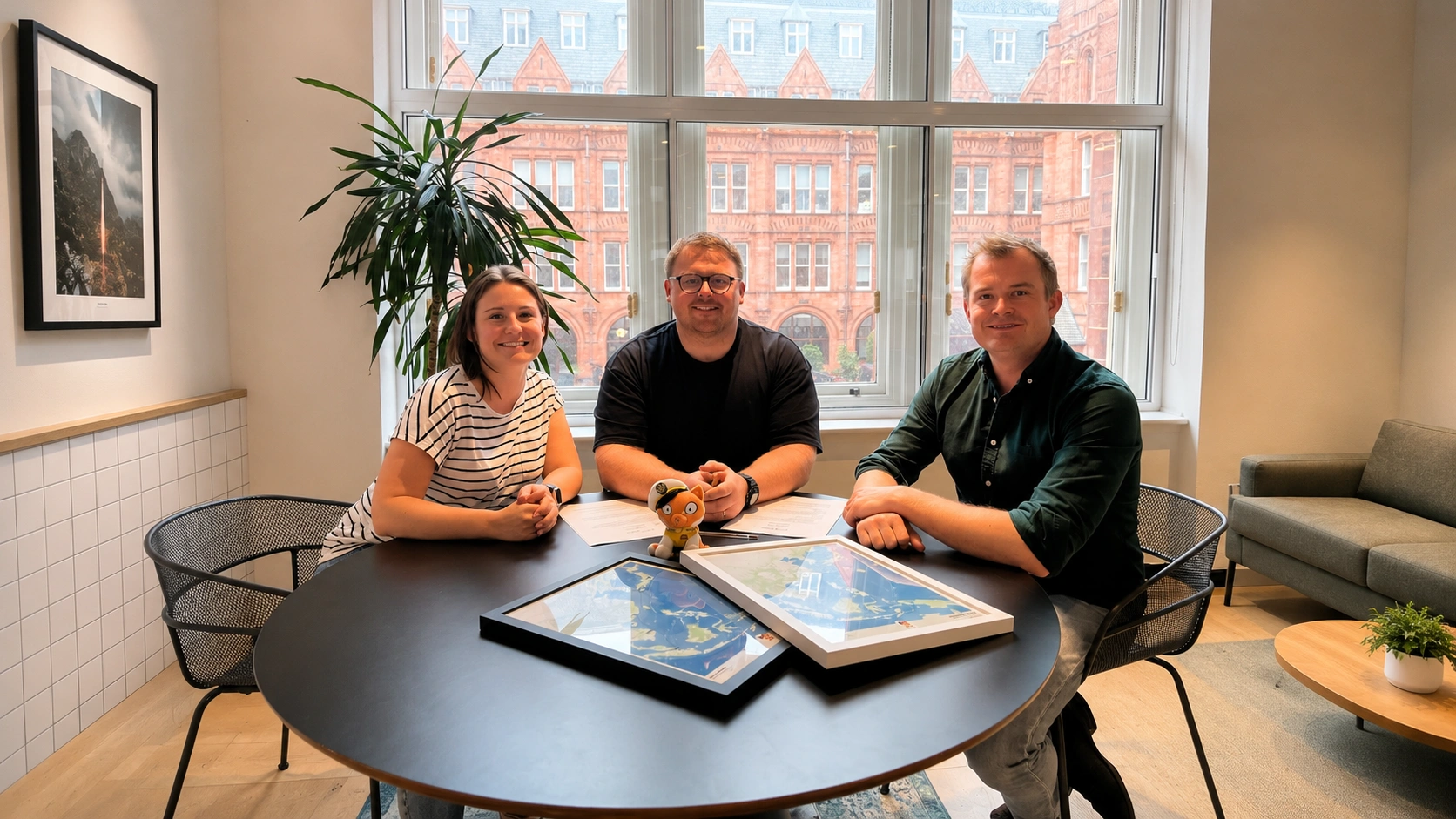
For travel companies, the findings suggest that luxury engagement can be built around targeted moments and practical benefits rather than a uniform premium proposition. Mark Wilson, arrivia’s senior vice-president of product strategy and operations for cruise and tour, said loyalty programmes that recognise customers’ willingness to trade up can support stronger engagement as those habits develop. The company’s position as a travel technology provider gives the report a direct relevance to brands using rewards, booking and marketing tools to shape how customers access higher-end travel.