Kampgrounds of America’s 2026 report links camping’s sustained growth to economic impact, unstructured wellness, community and more ambitious road travel.
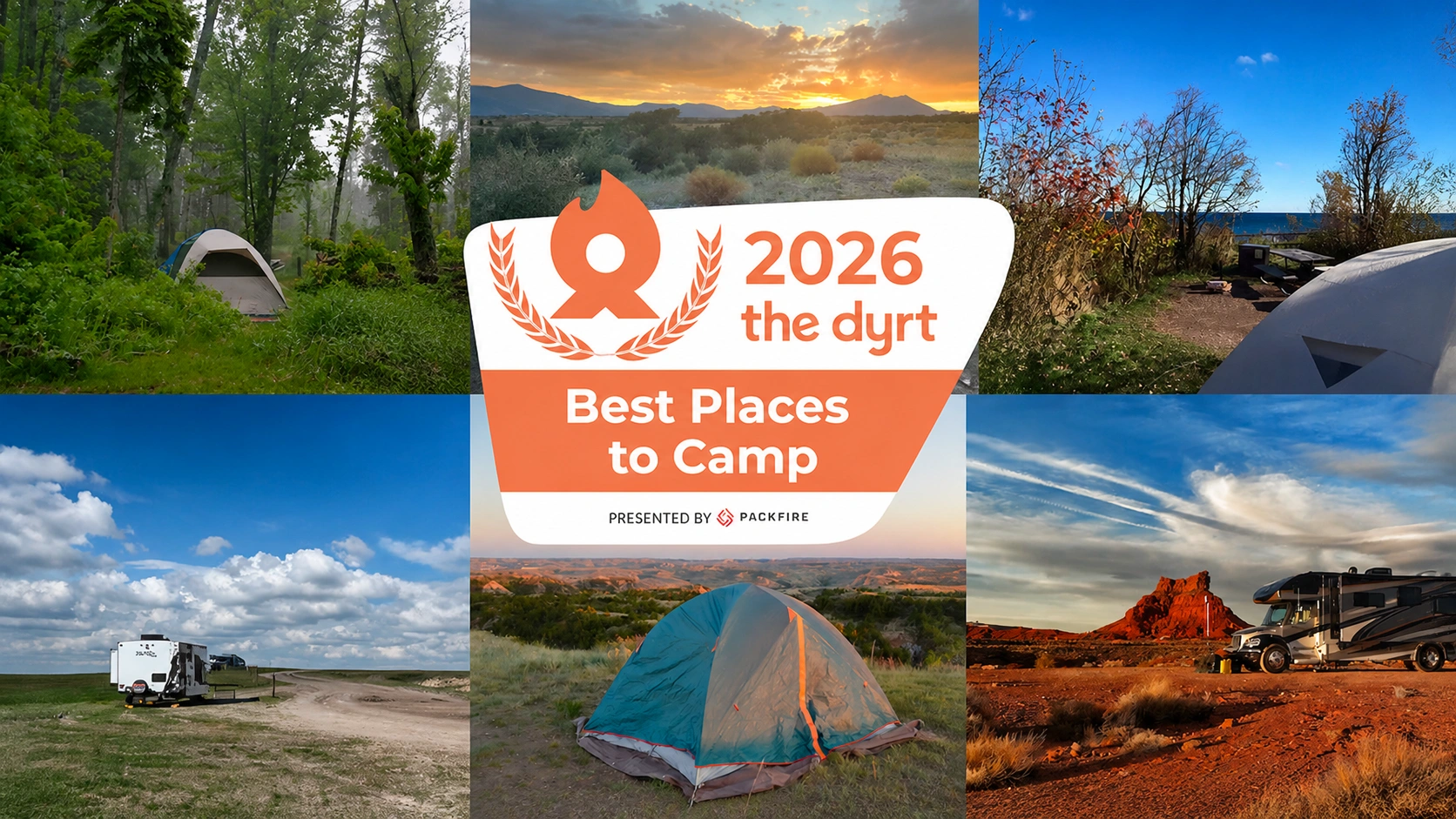
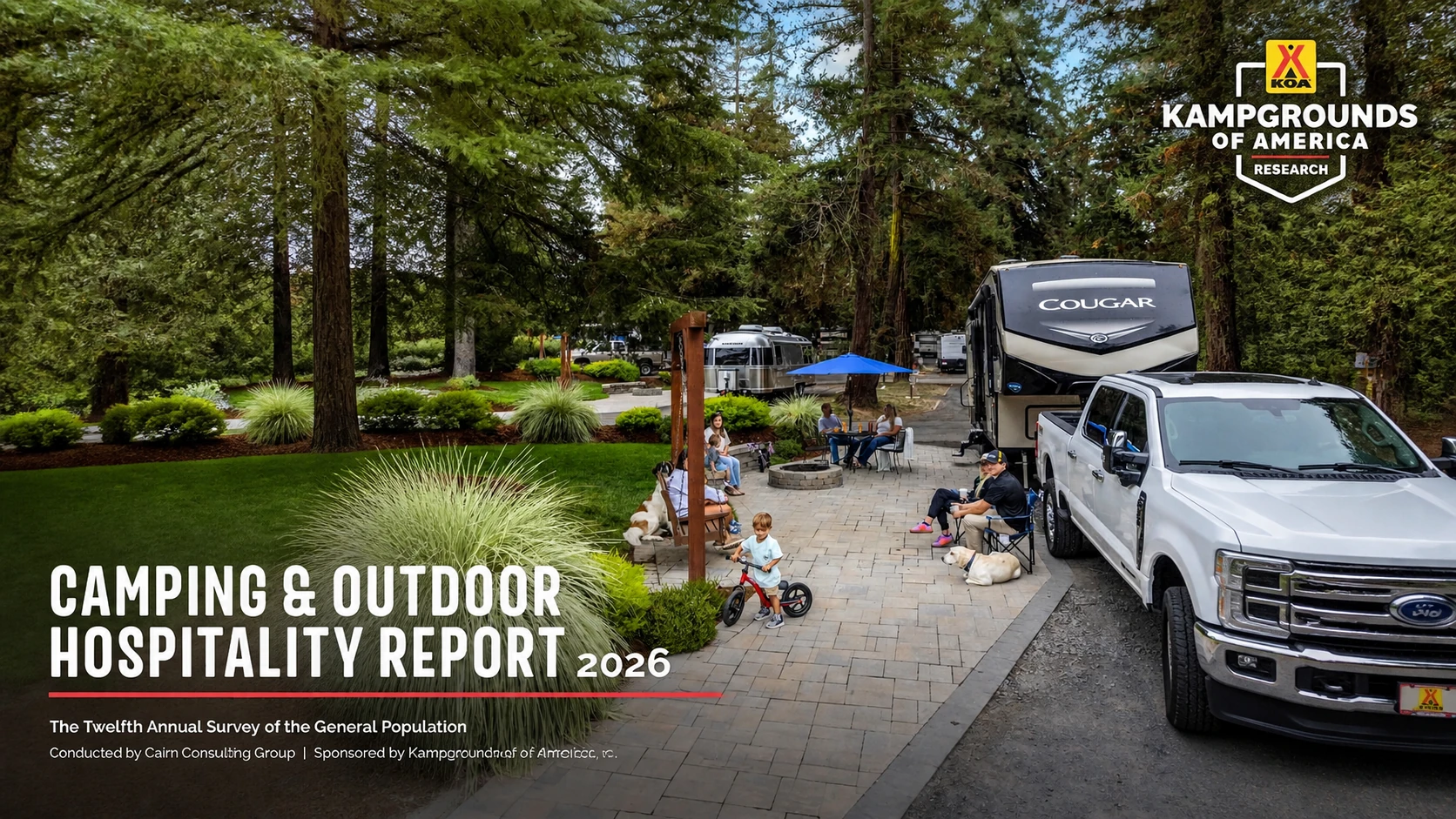
Kampgrounds of America, Inc. (KOA) has released its 12th Annual Camping & Outdoor Hospitality Report, presenting camping as an established part of North American travel rather than a niche leisure activity. The report says more than 52 million North American households camped in 2025, above pre-pandemic levels, while the outdoor hospitality sector generated $66 billion in local community spending. Its central finding is that the category is increasingly connected to wellness, social connection and intentional travel.
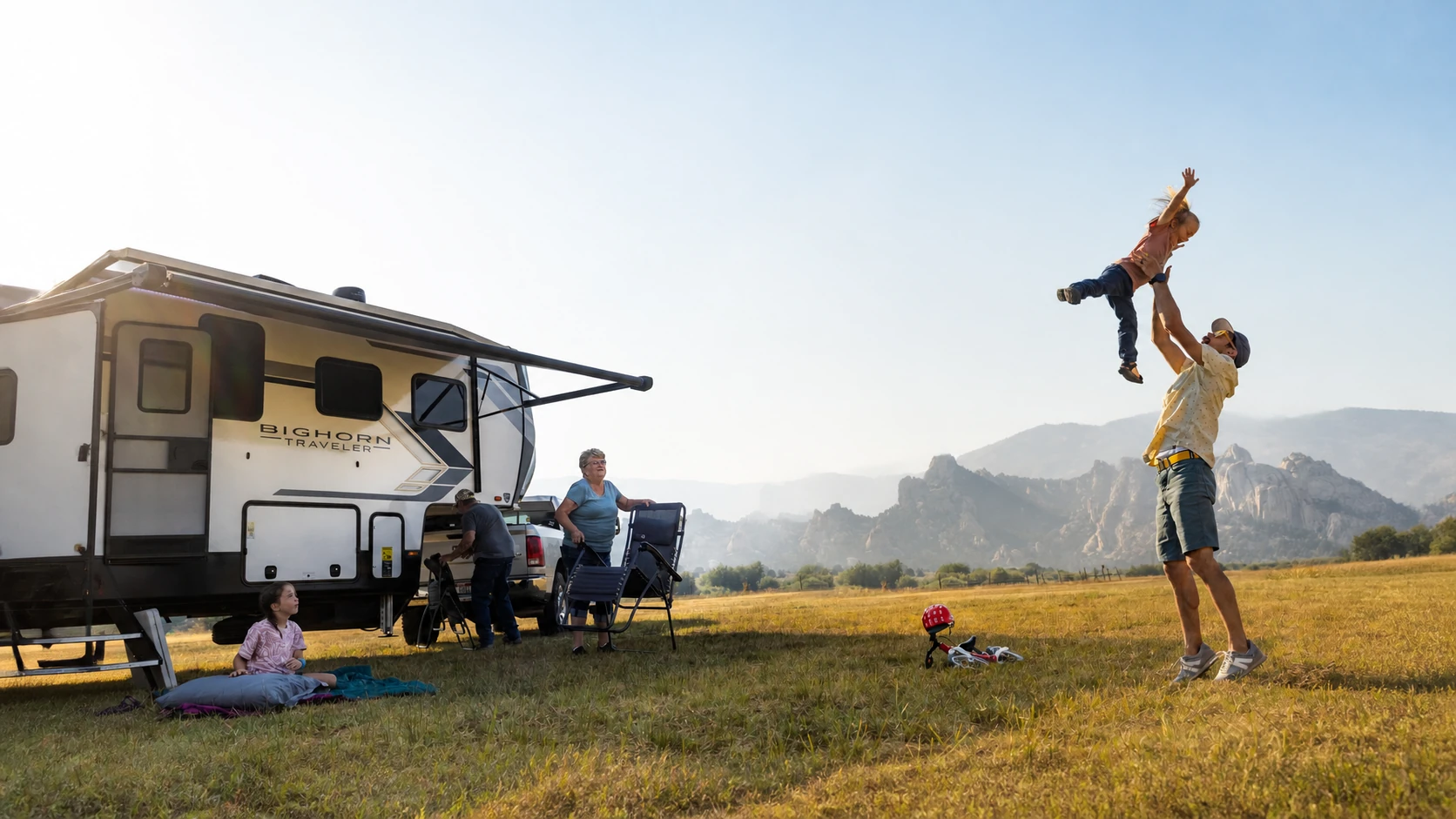
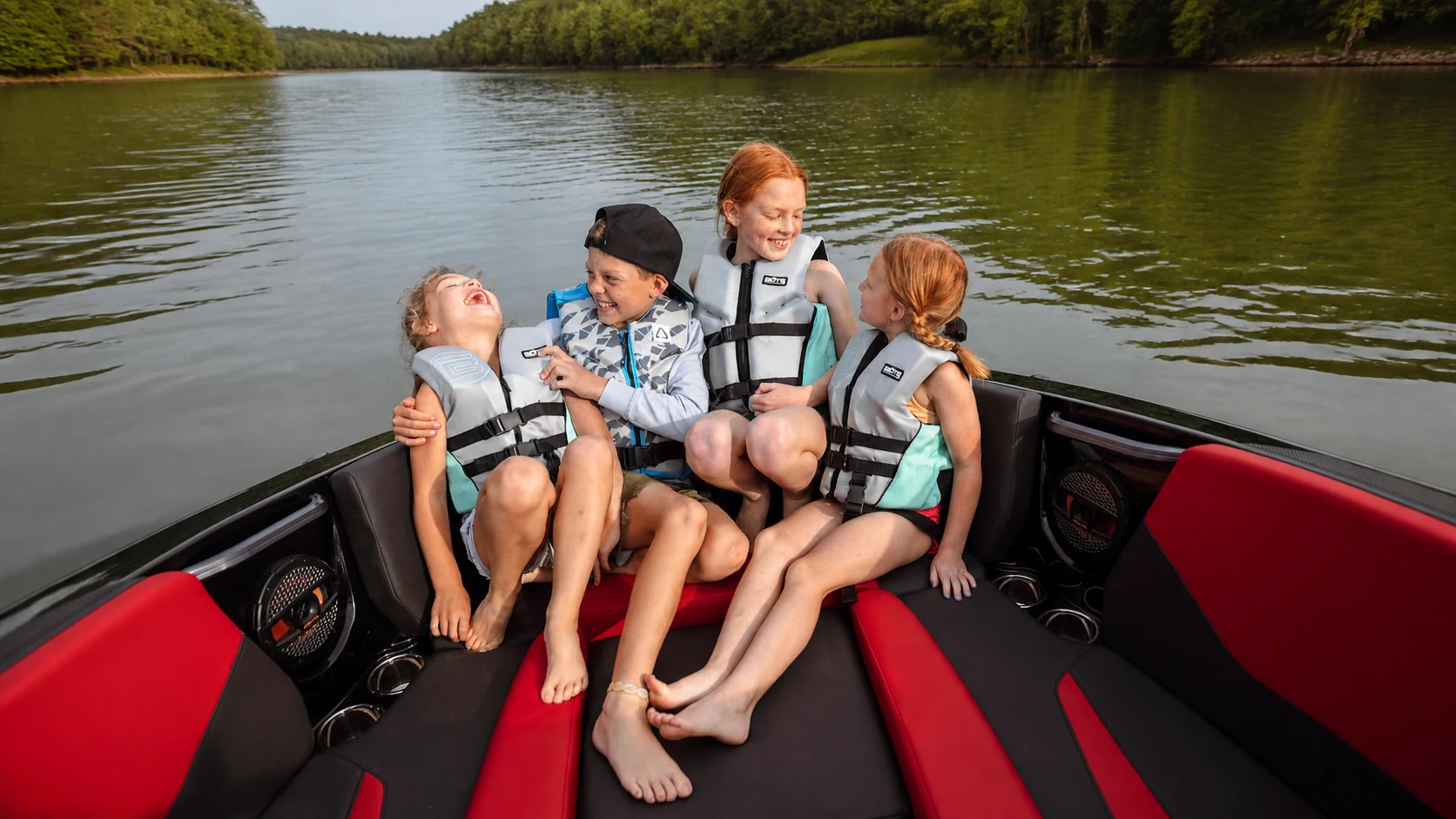
The report attributes camping’s continued scale partly to the millions of households introduced to the outdoors between 2020 and 2022, many of which remain active. Average daily spending per person, excluding accommodation, exceeded $200 in 2025, according to the release, while 35% of adults identified camping as the easiest form of travel with children and another 35% called it the most affordable option. KOA’s findings position accessibility and household participation alongside spending as important features of the category.
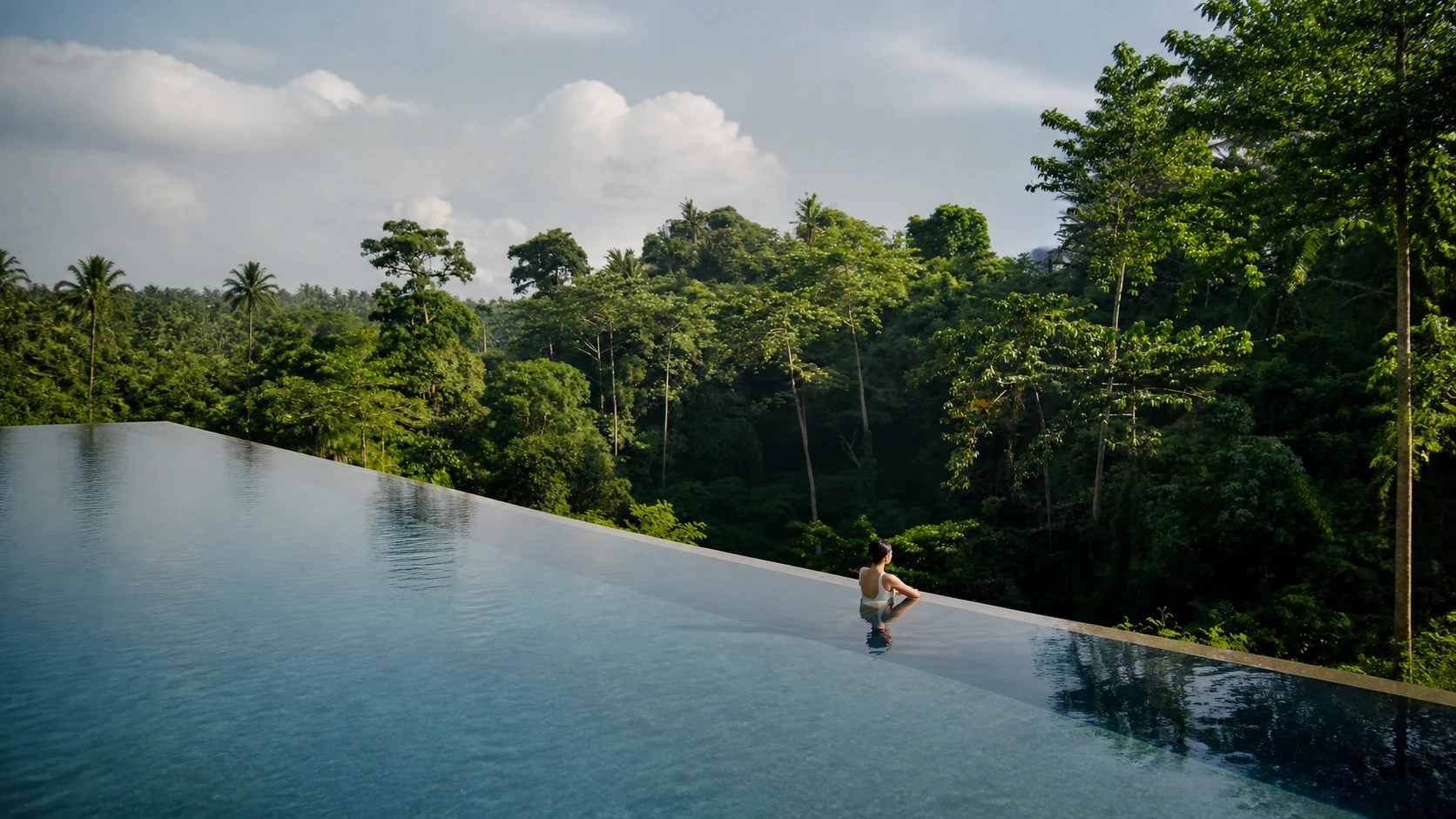
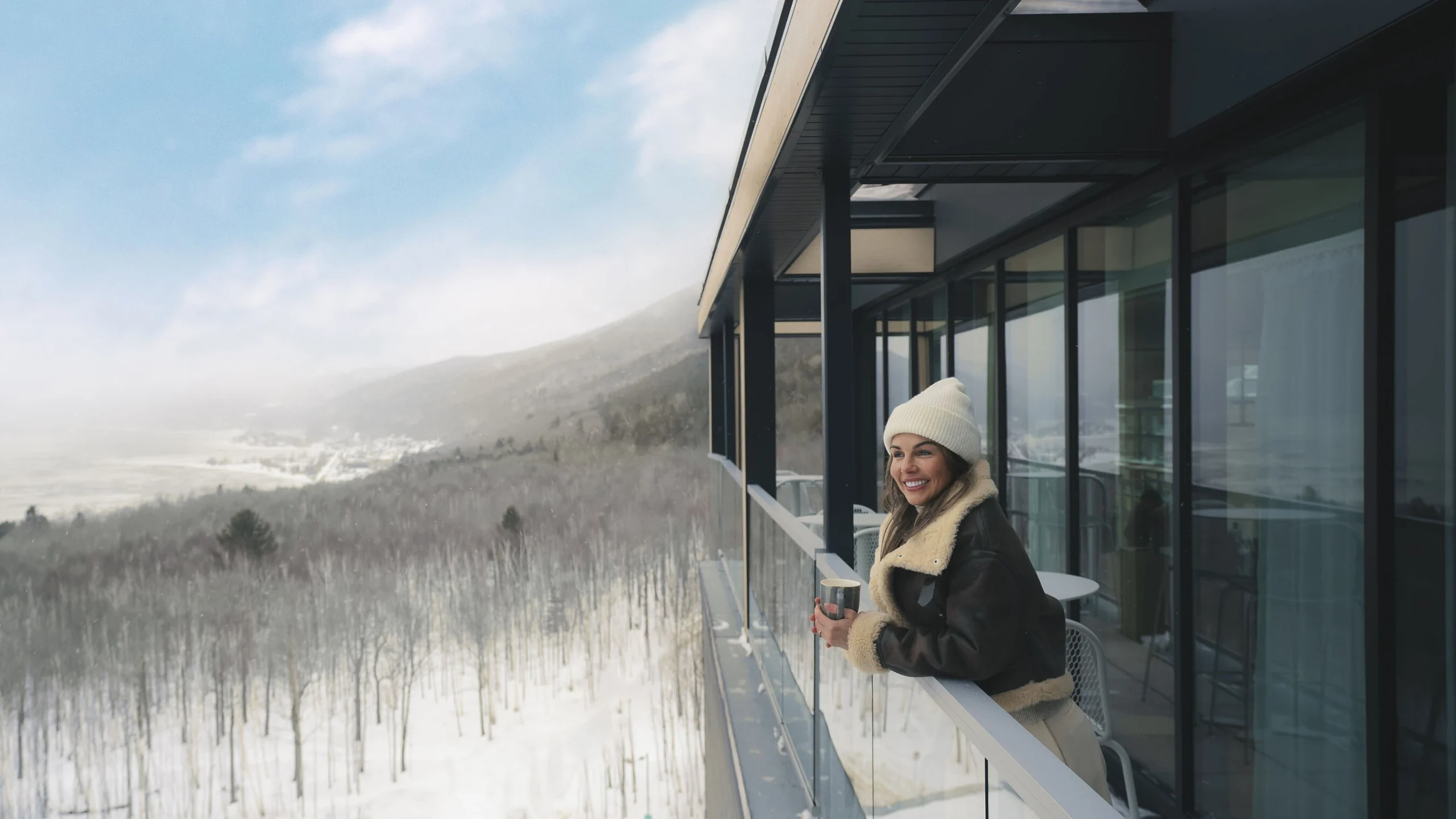
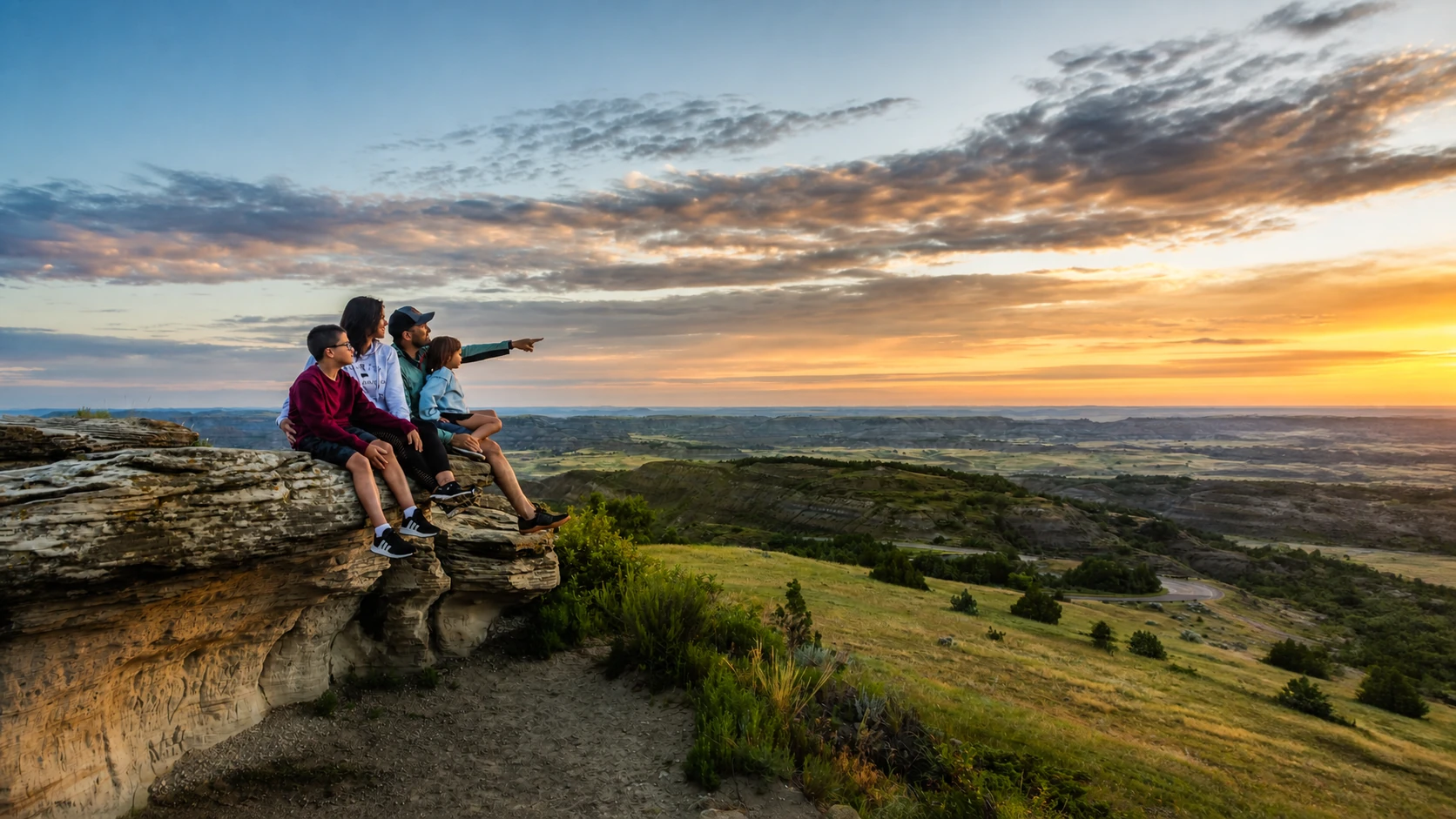
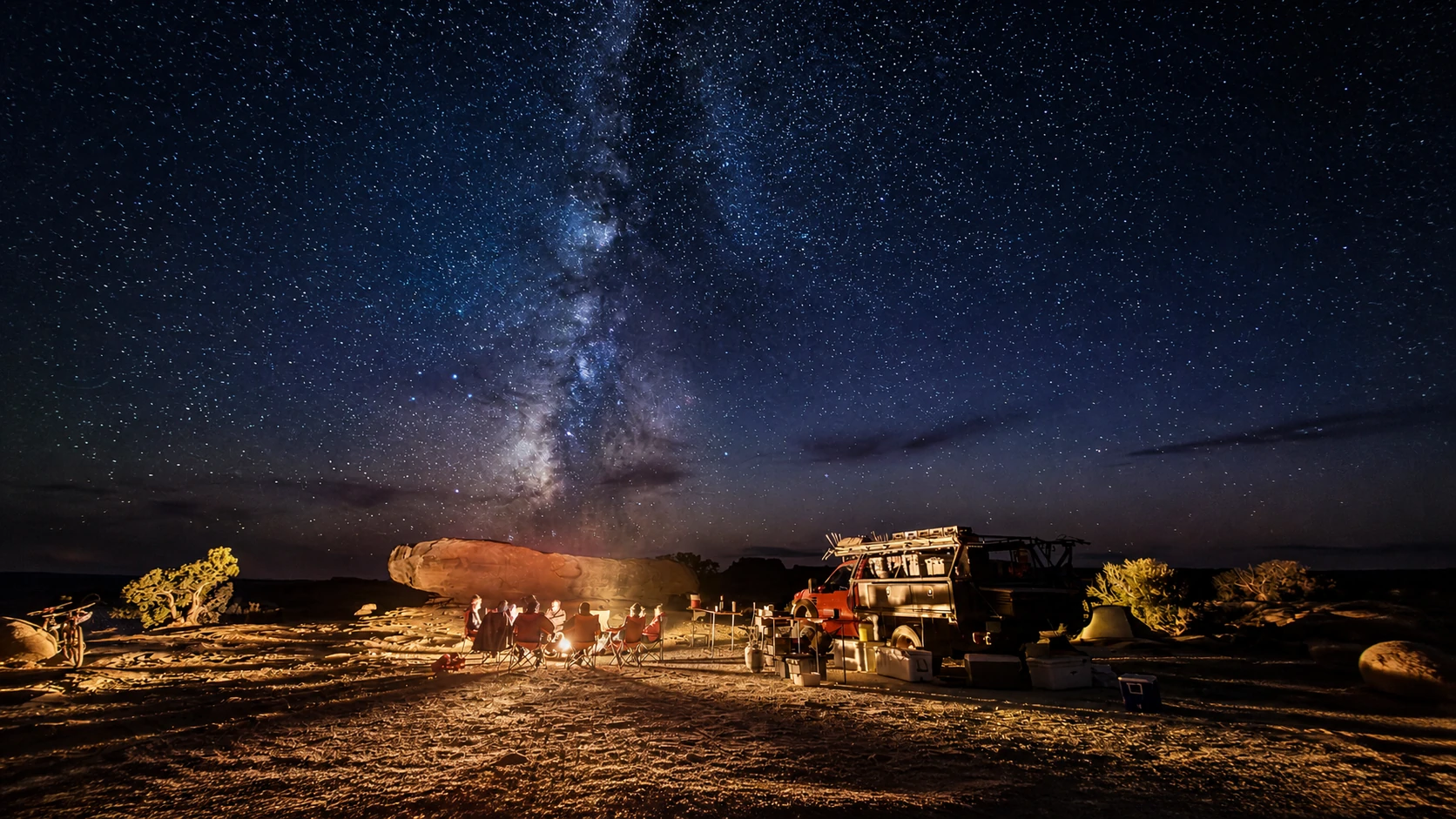
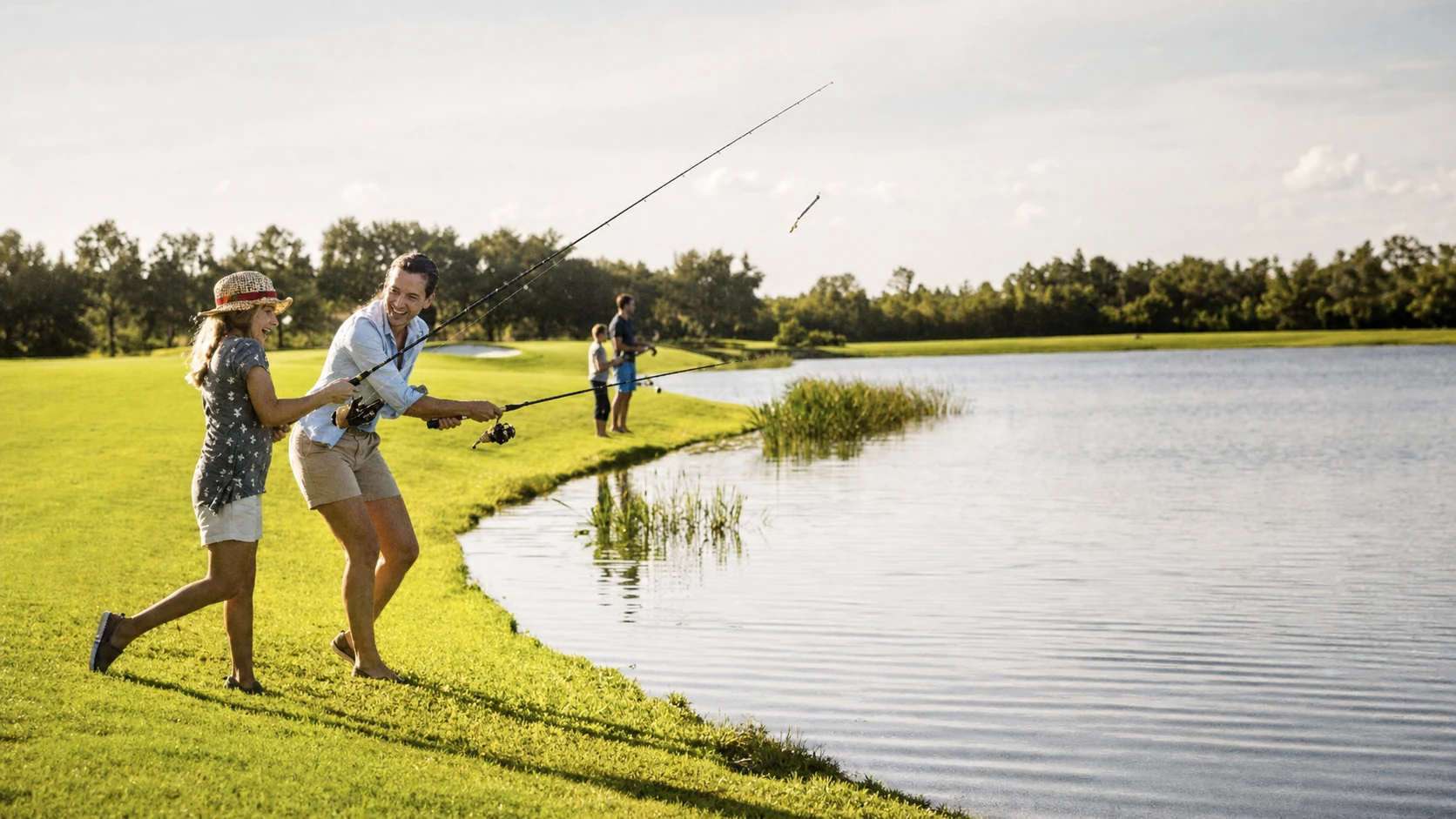
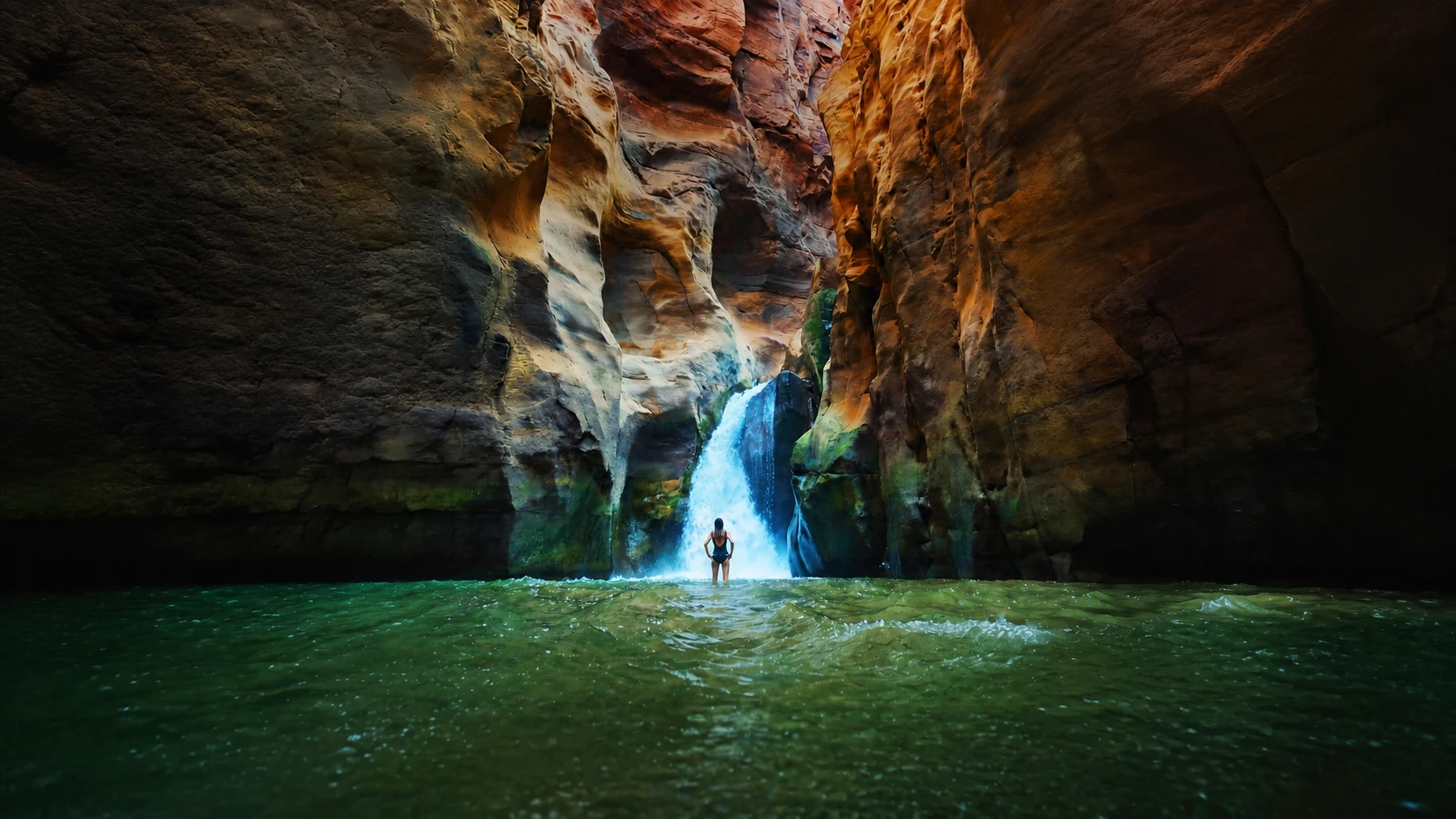
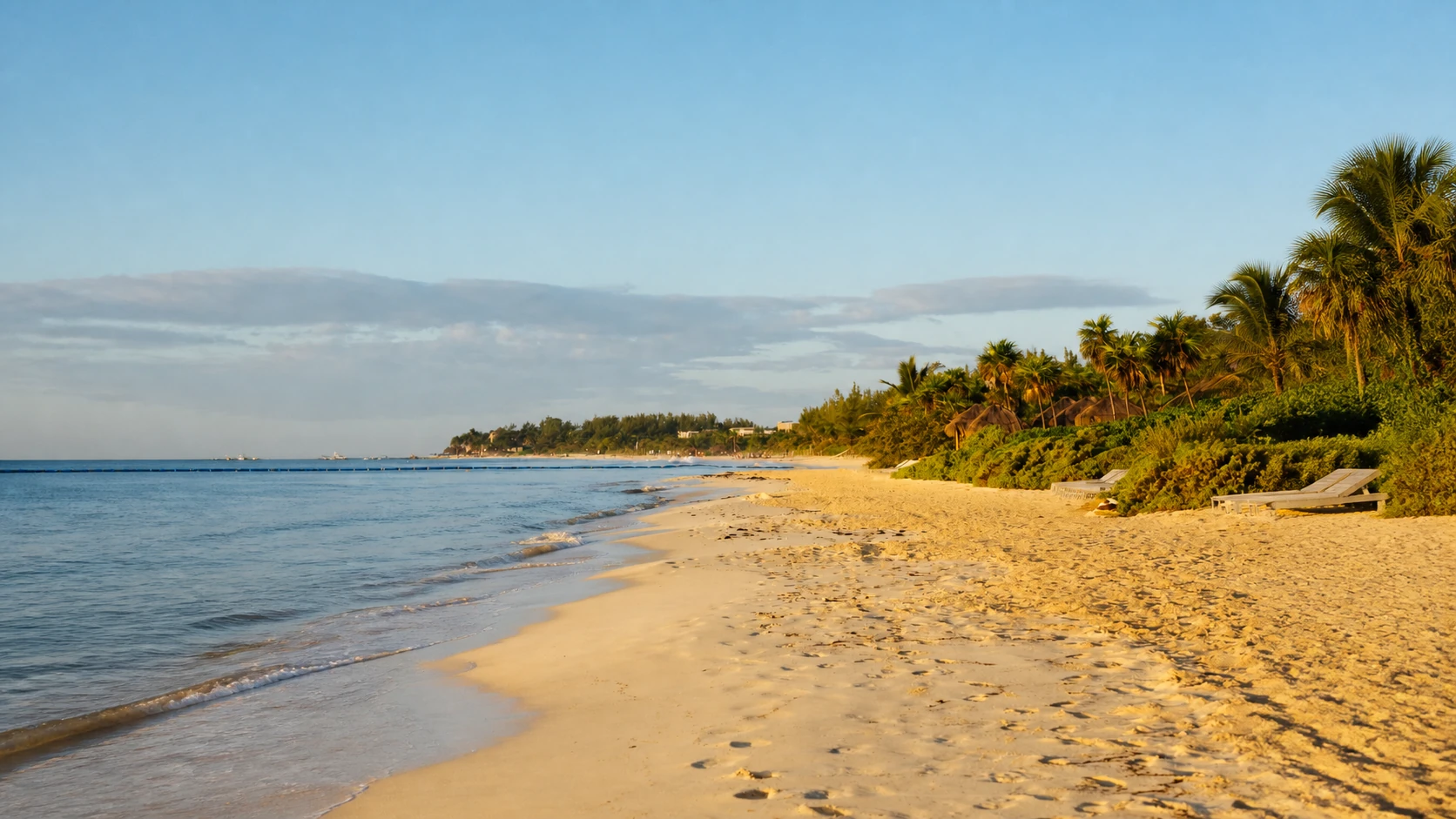
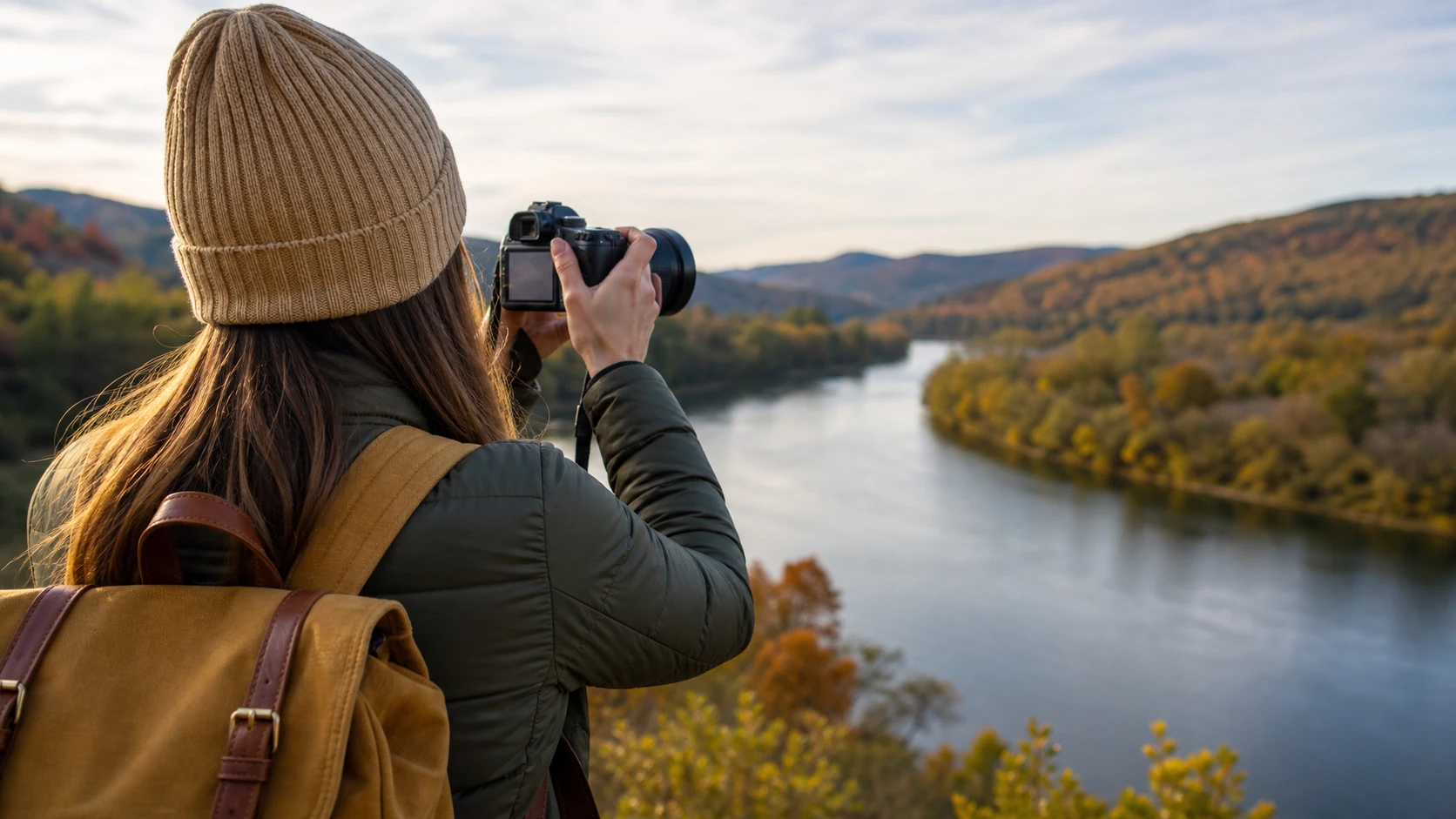
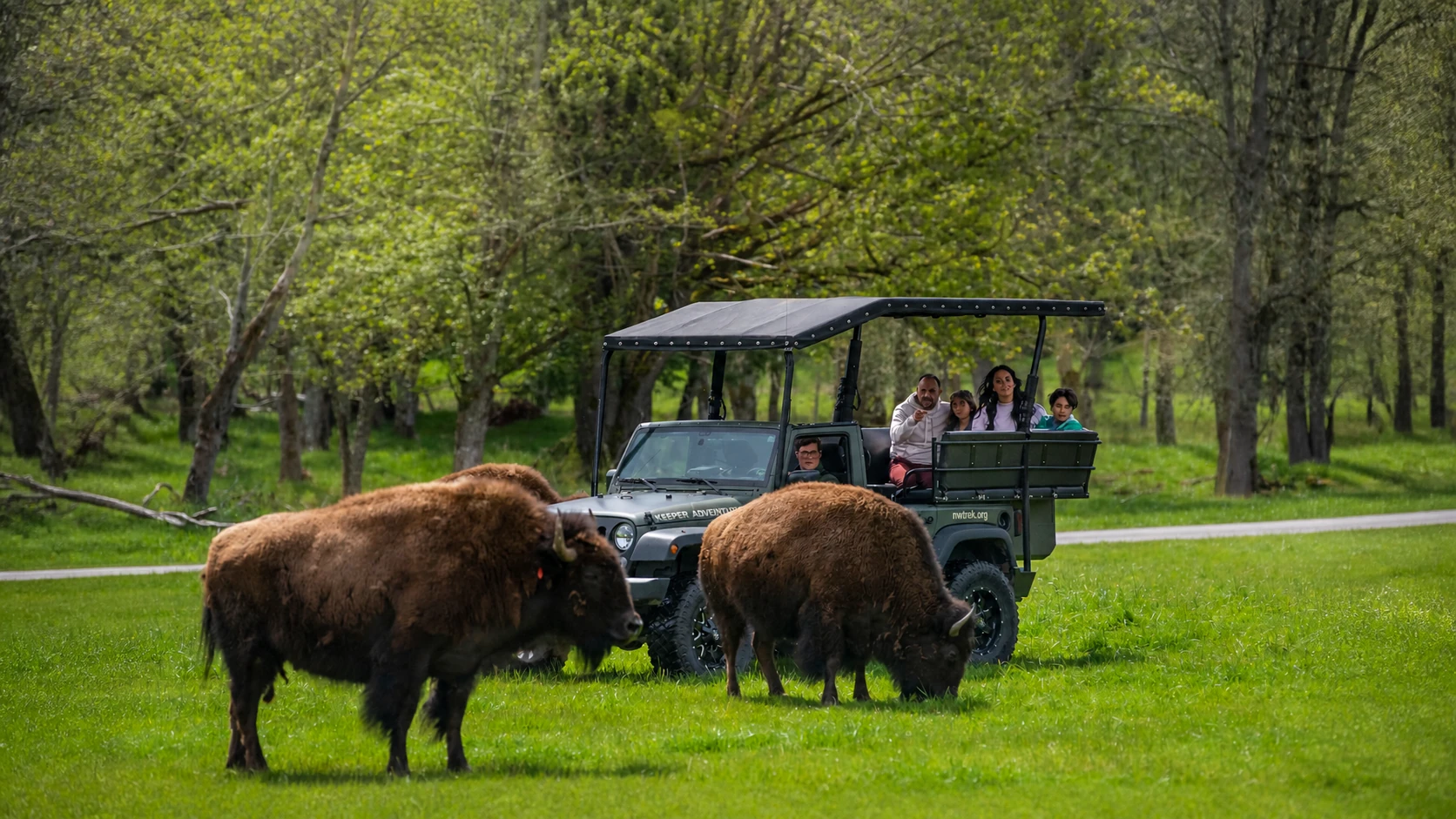
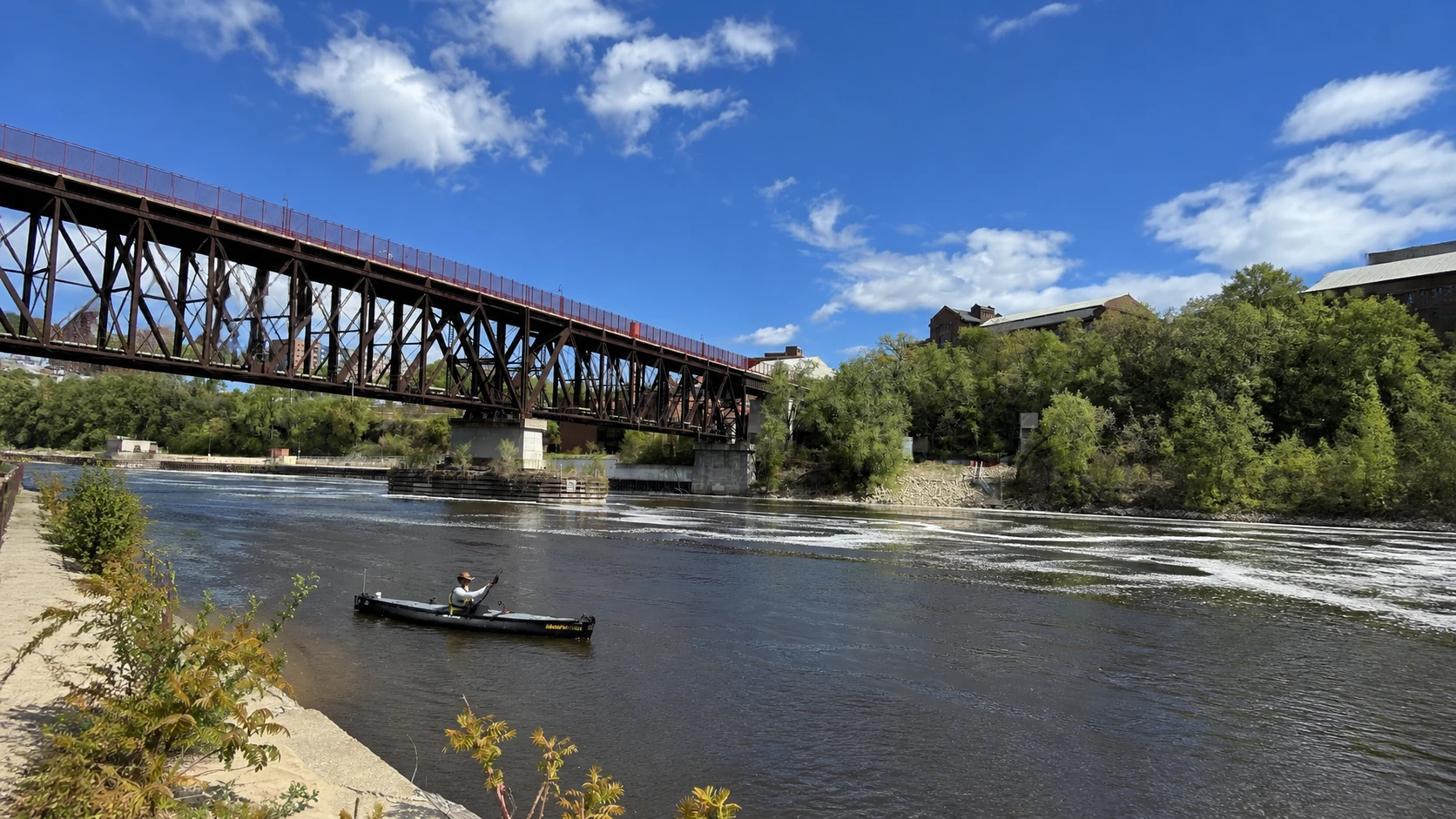
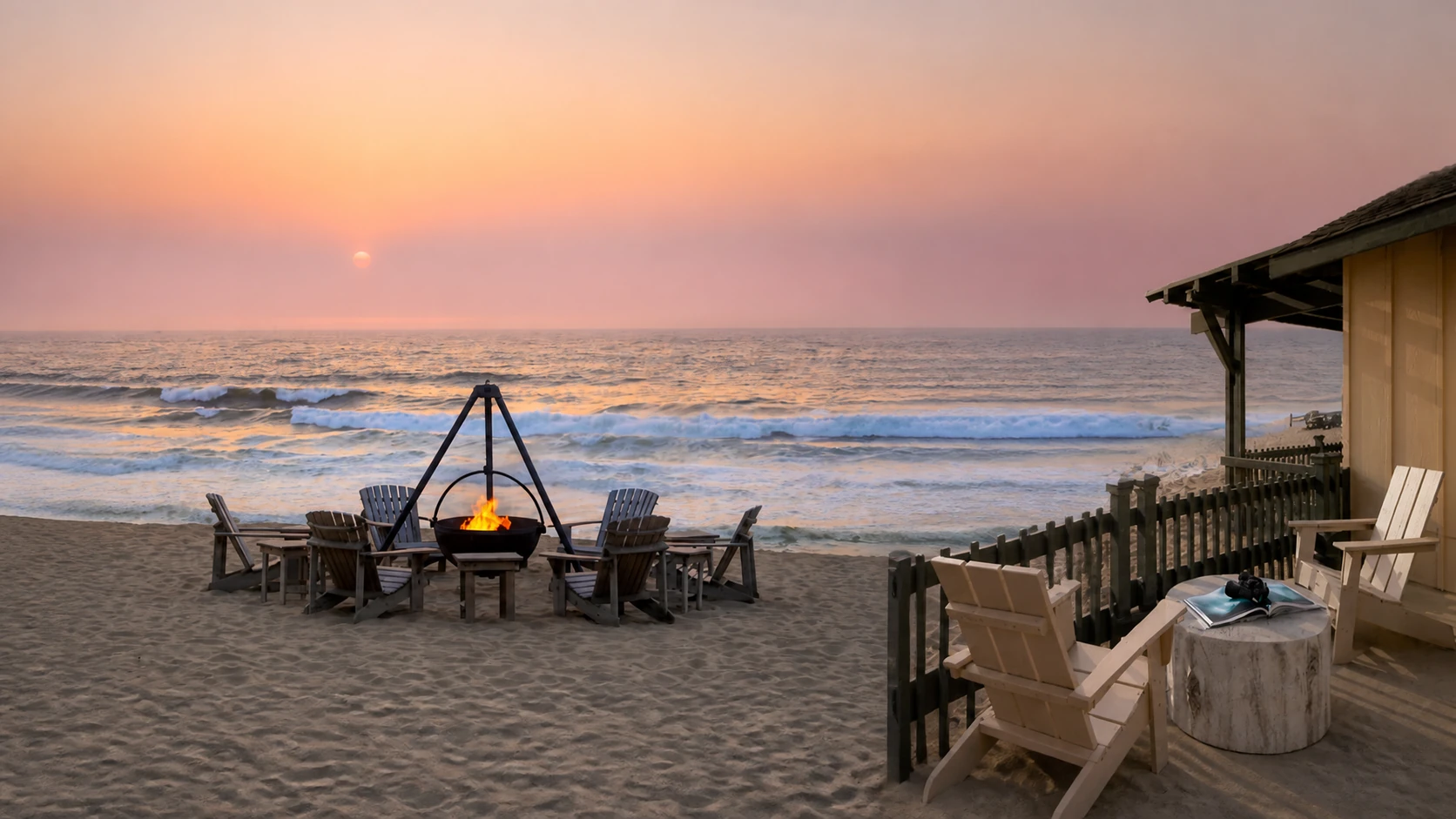
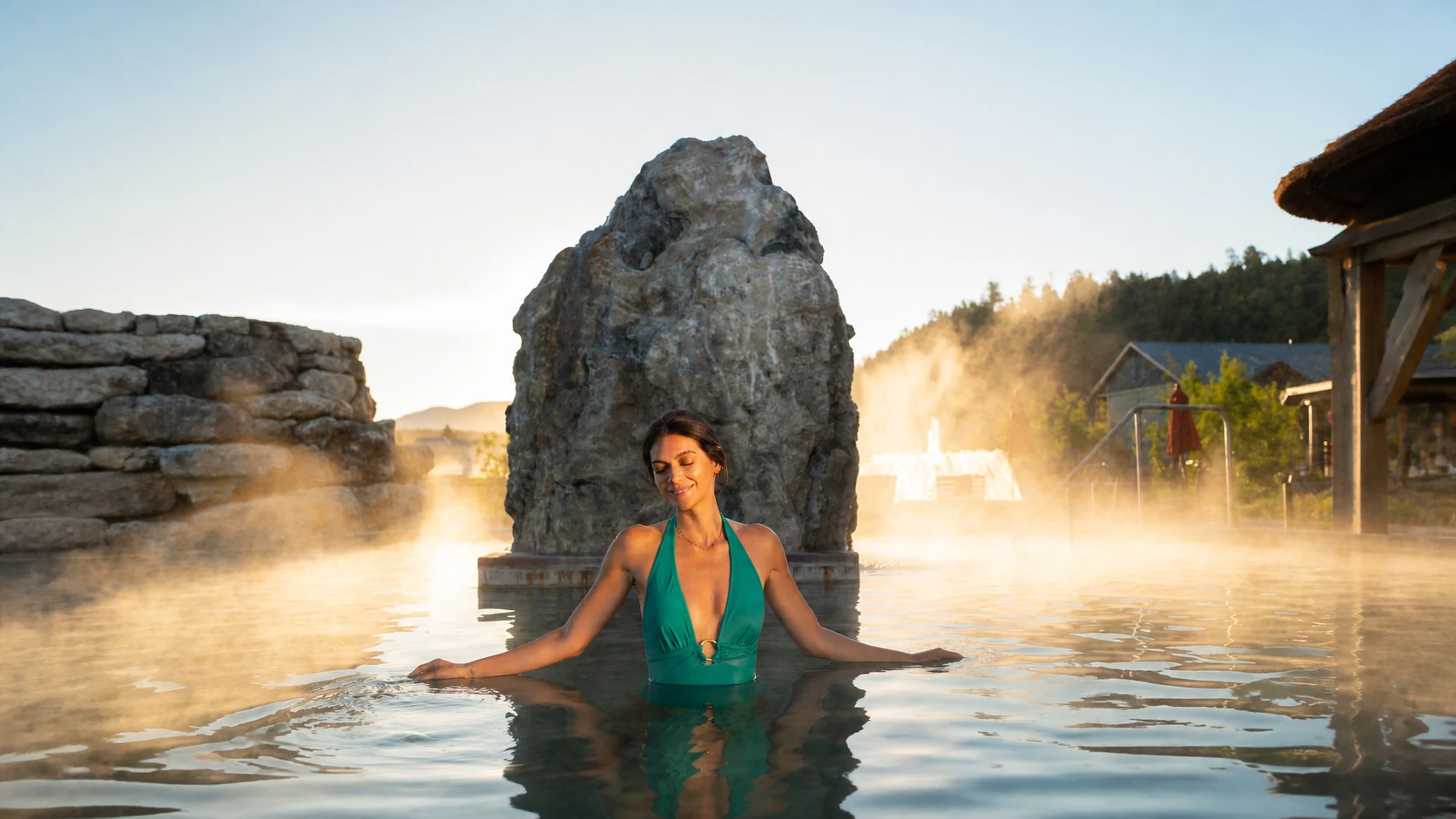
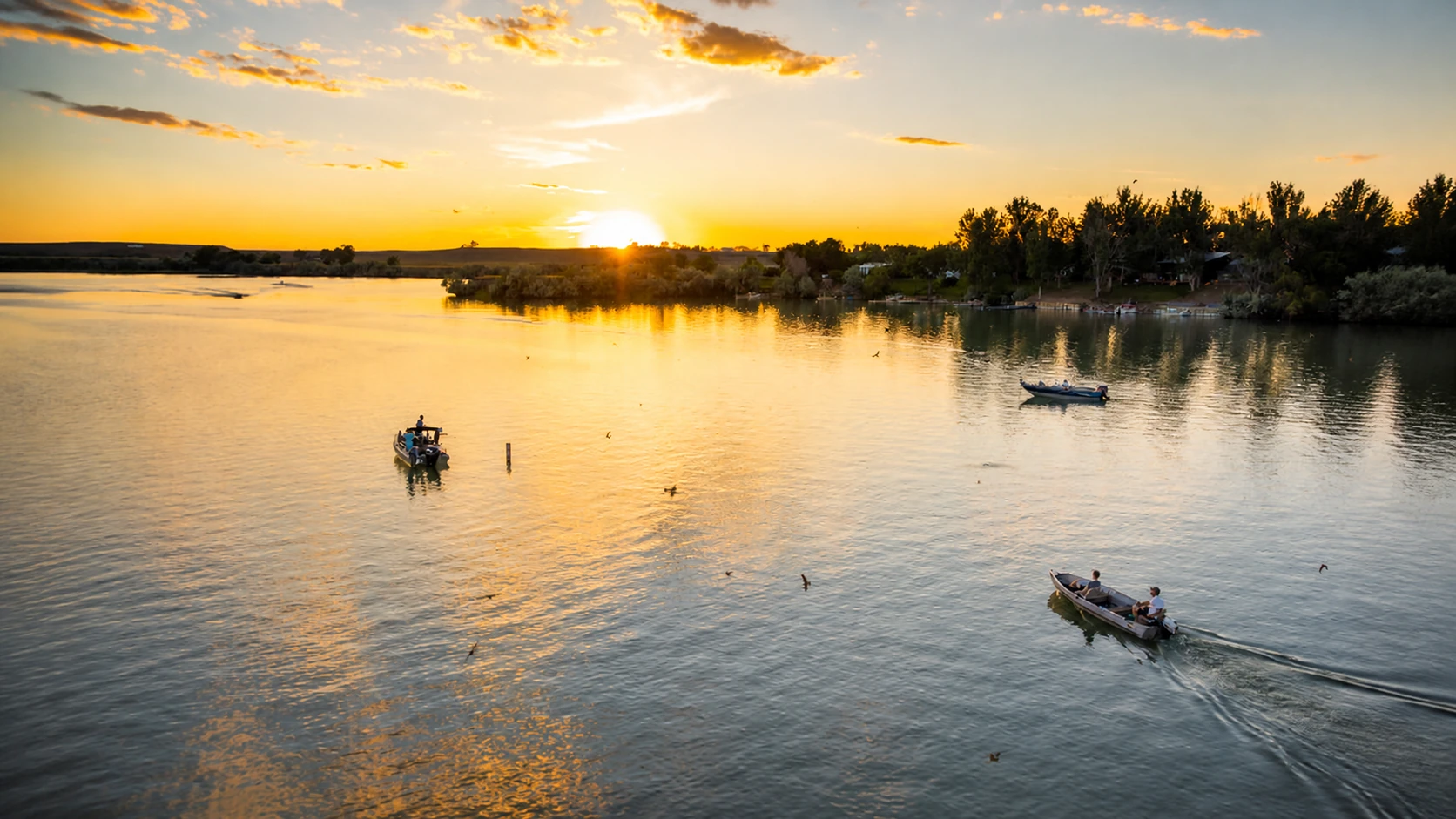
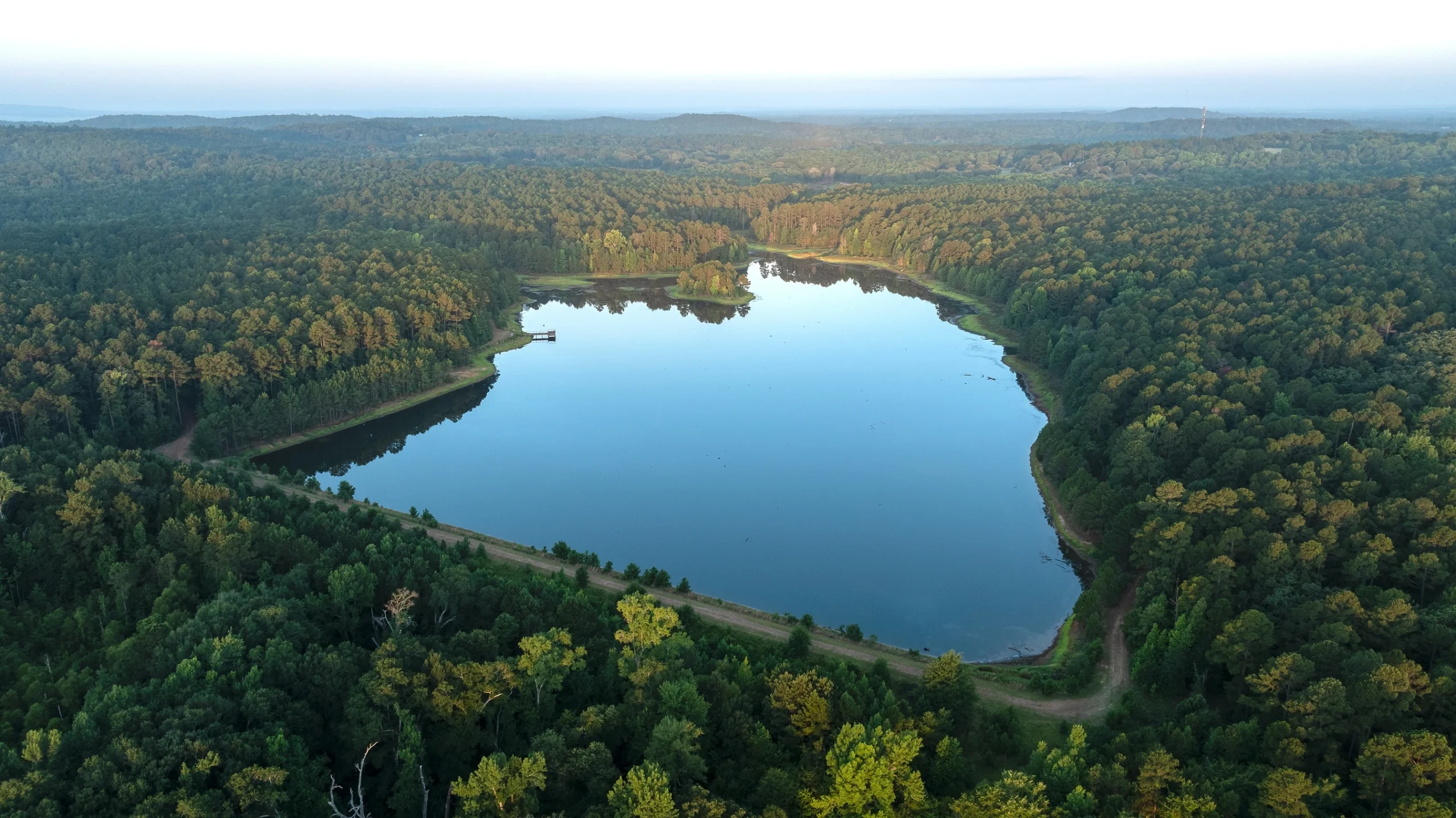
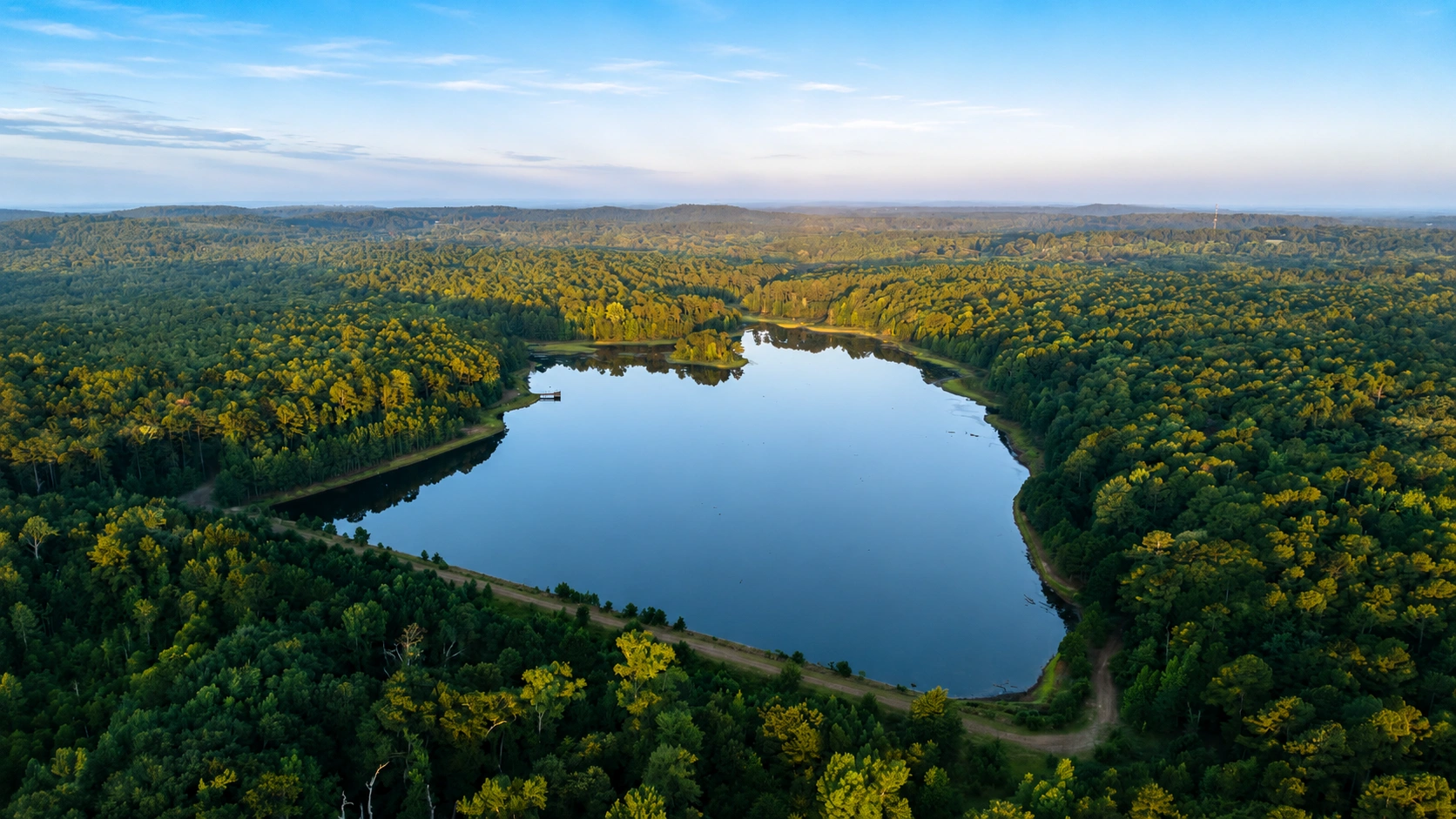
Wellness is the report’s clearest consumer theme. Seventy-seven per cent of campers said that simply being in nature was enough without structured programming or additional amenities, while 49% intentionally booked trips to improve their mental wellbeing and 50% prioritised experiences that helped them recharge. The report also identifies walking near water, wildlife viewing and night-sky viewing among the leading outdoor activities associated with wellness, reflecting a preference for low-structure experiences over a heavily programmed stay.
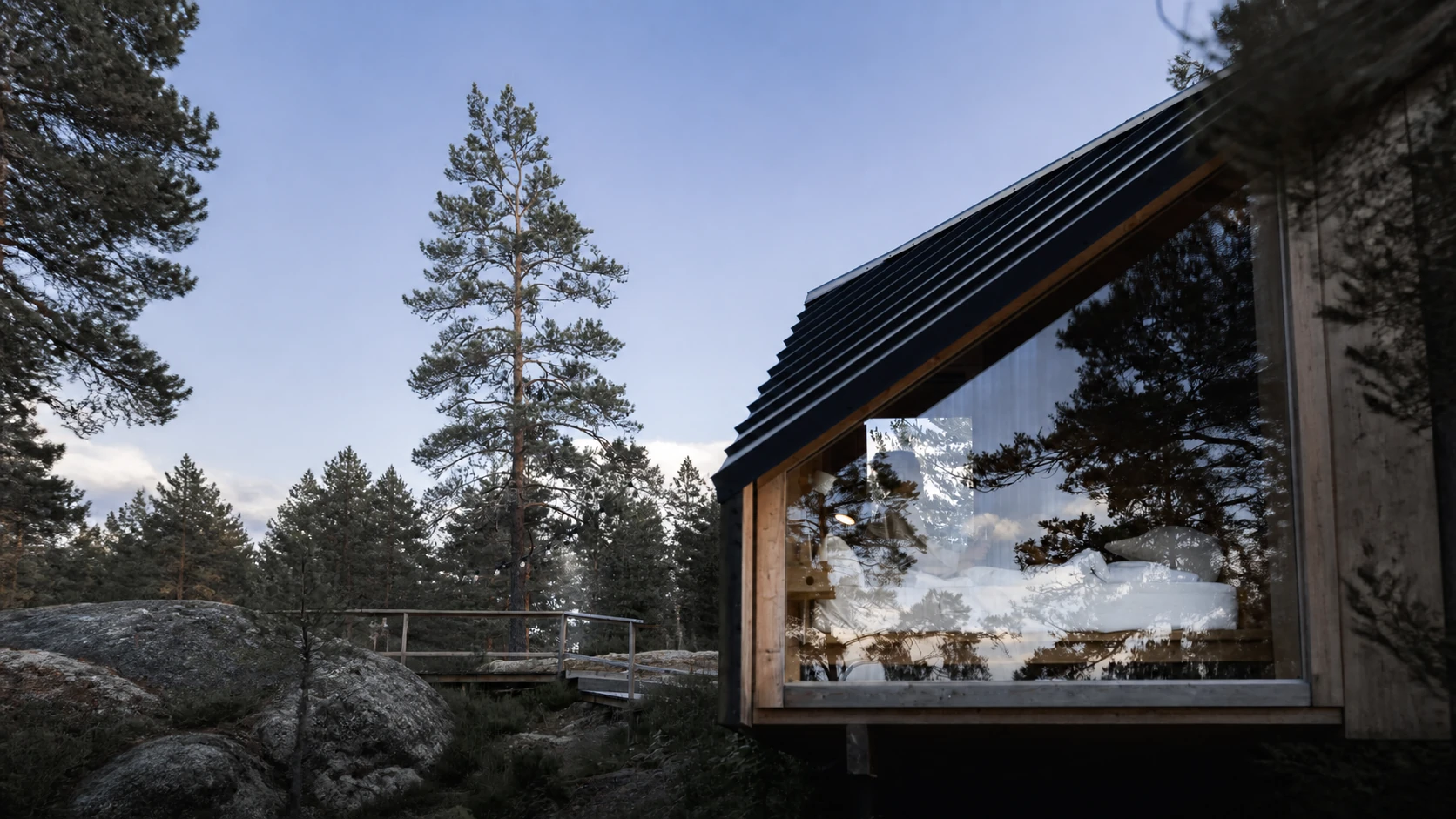
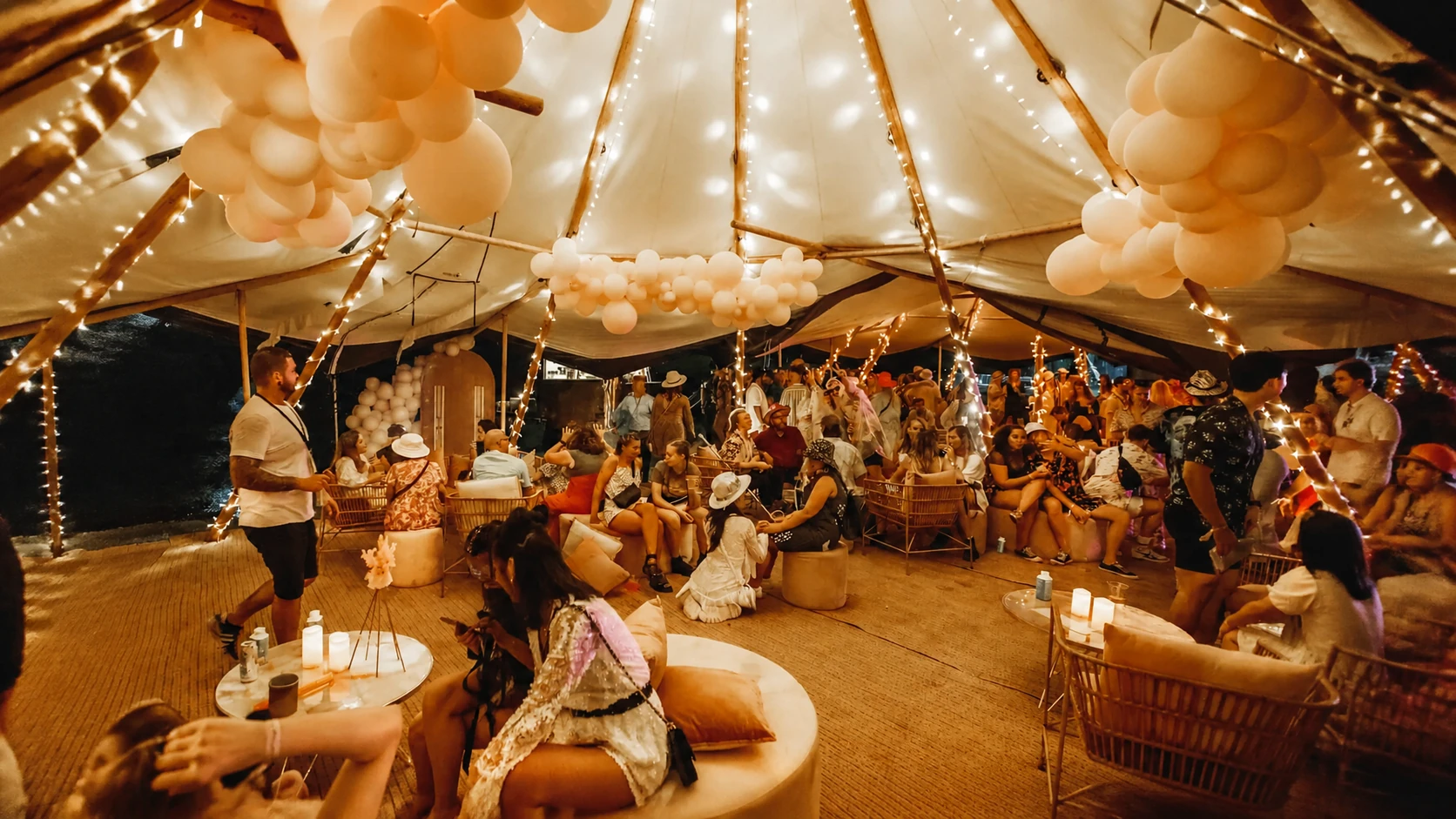
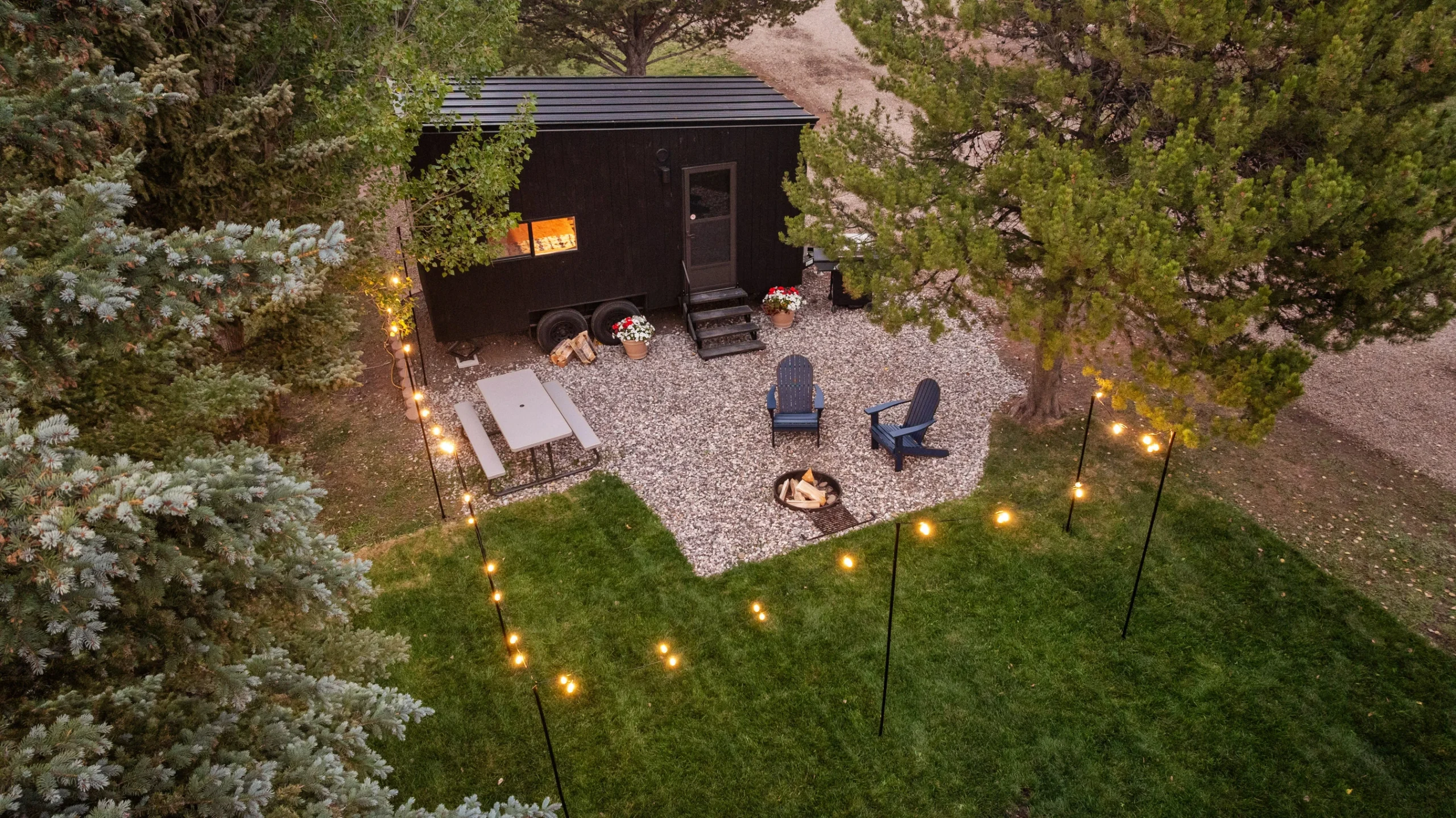
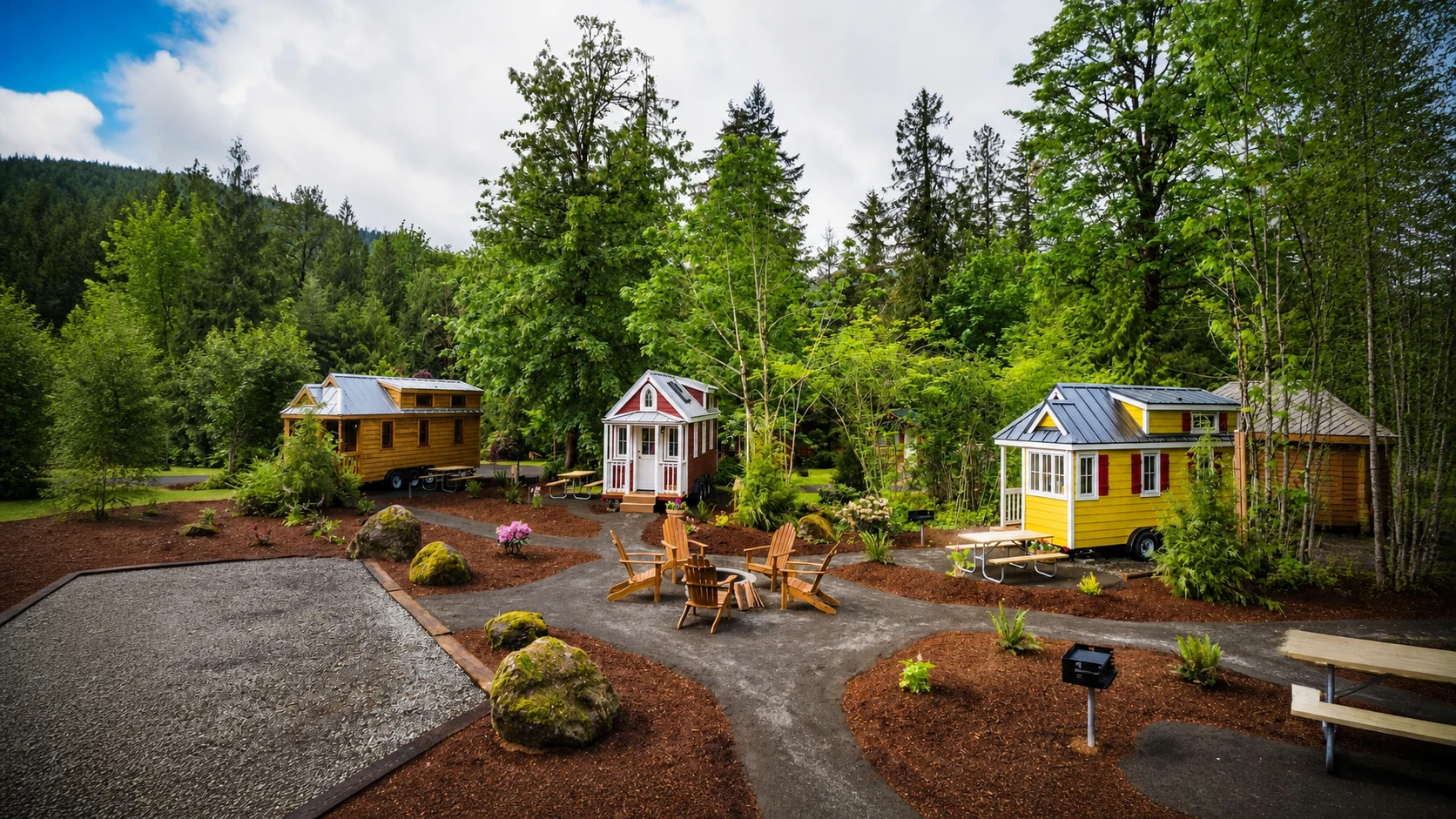
The research also describes campgrounds as modern “third places” where community can form outside home and work. Three-quarters of campers viewed them in those terms, while 43% of Gen Z campers said they remained in contact with other guests over the long term. Glamping accounted for 29% of camping experiences in 2025 and was selected by 31% of new campers, although KOA also reported retention challenges among younger generations linked to price sensitivity.
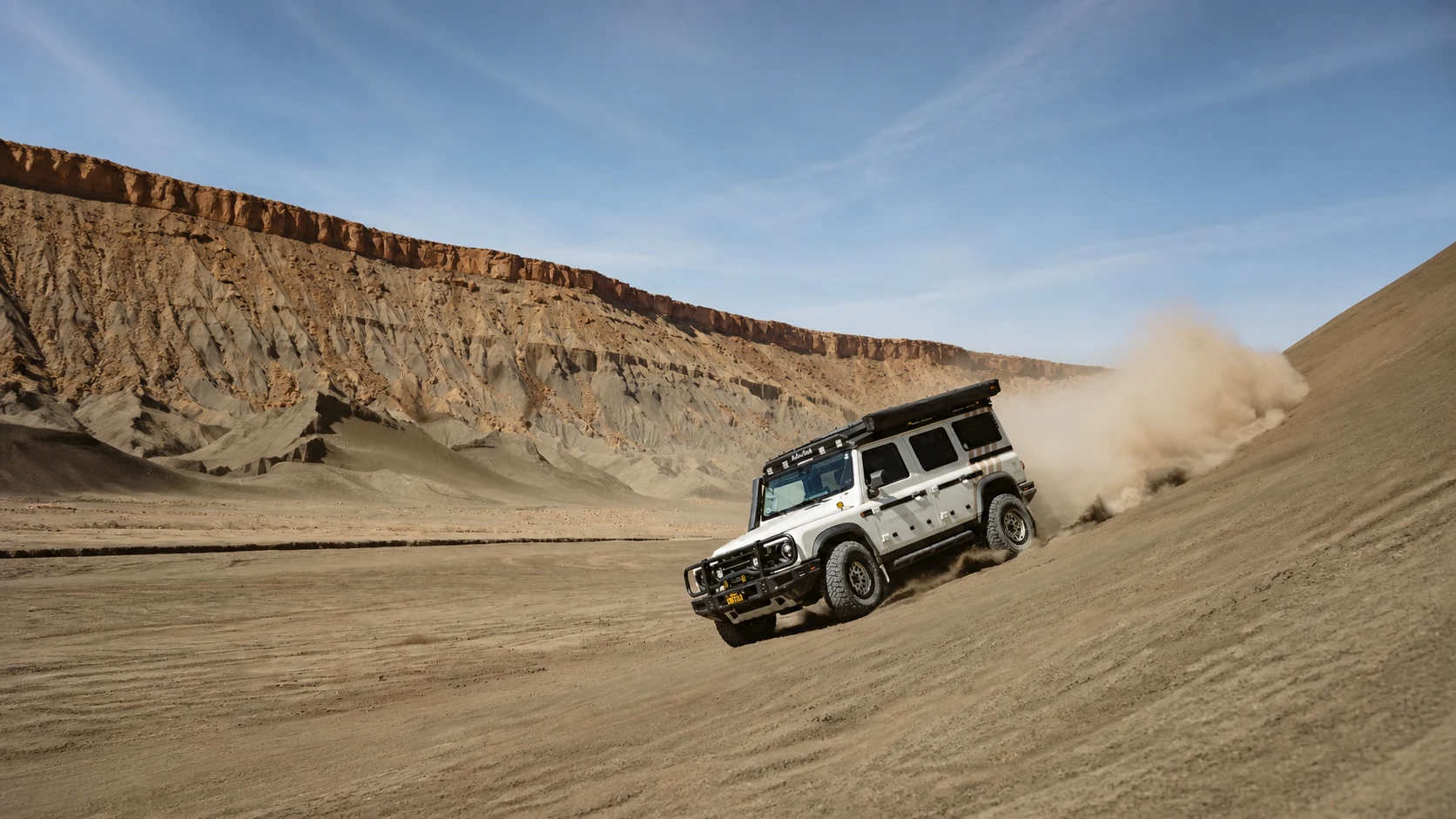
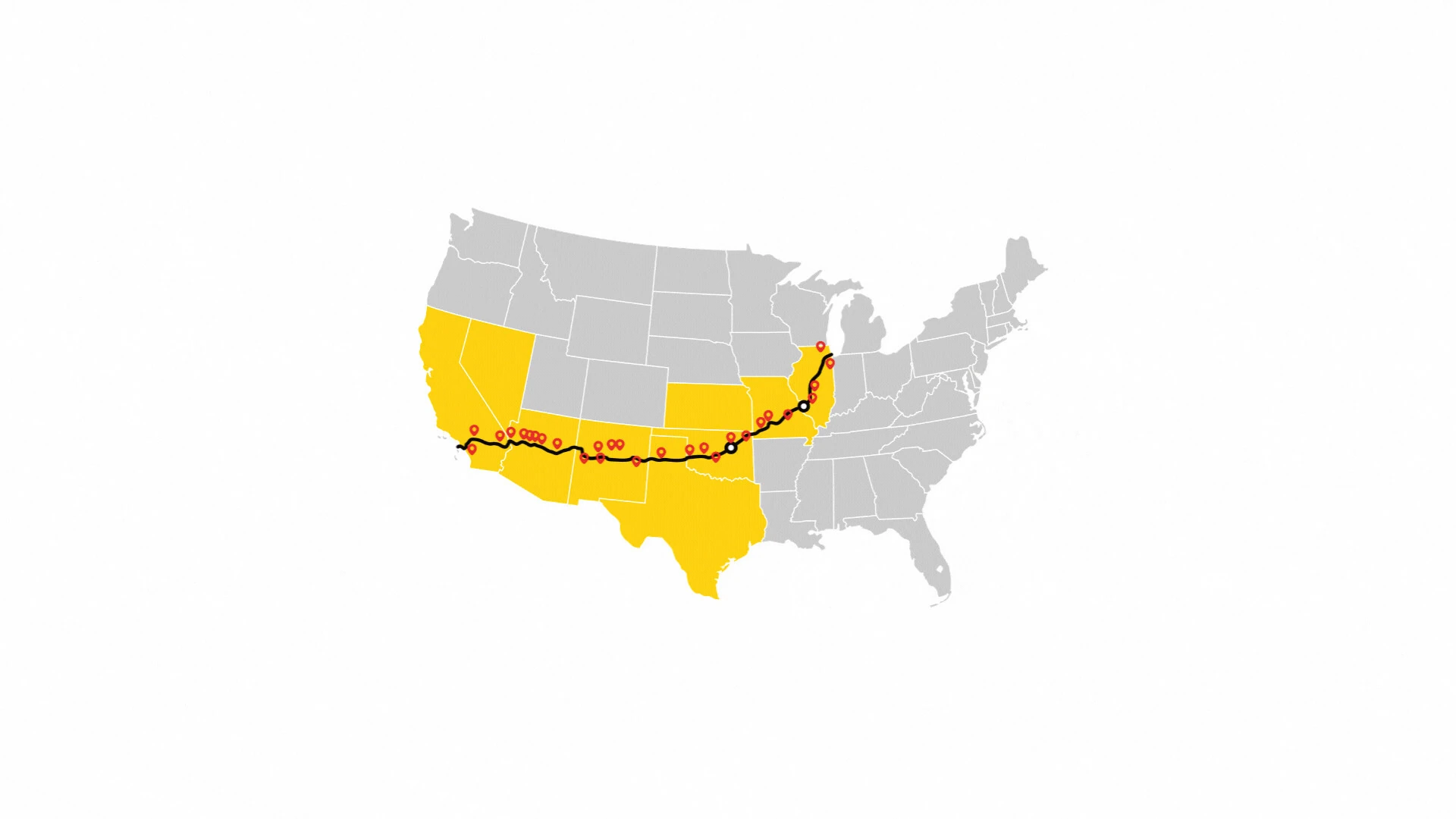
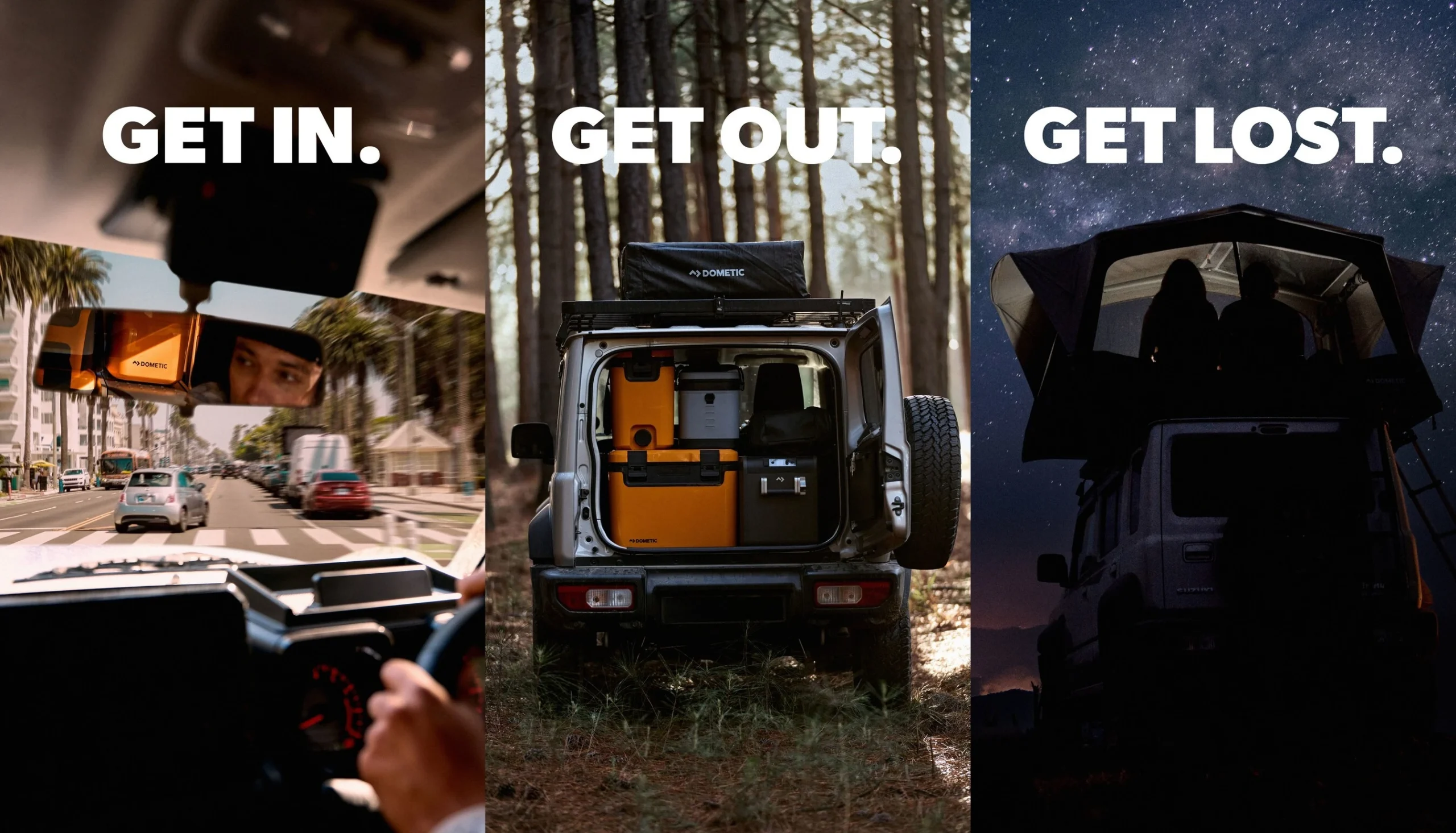
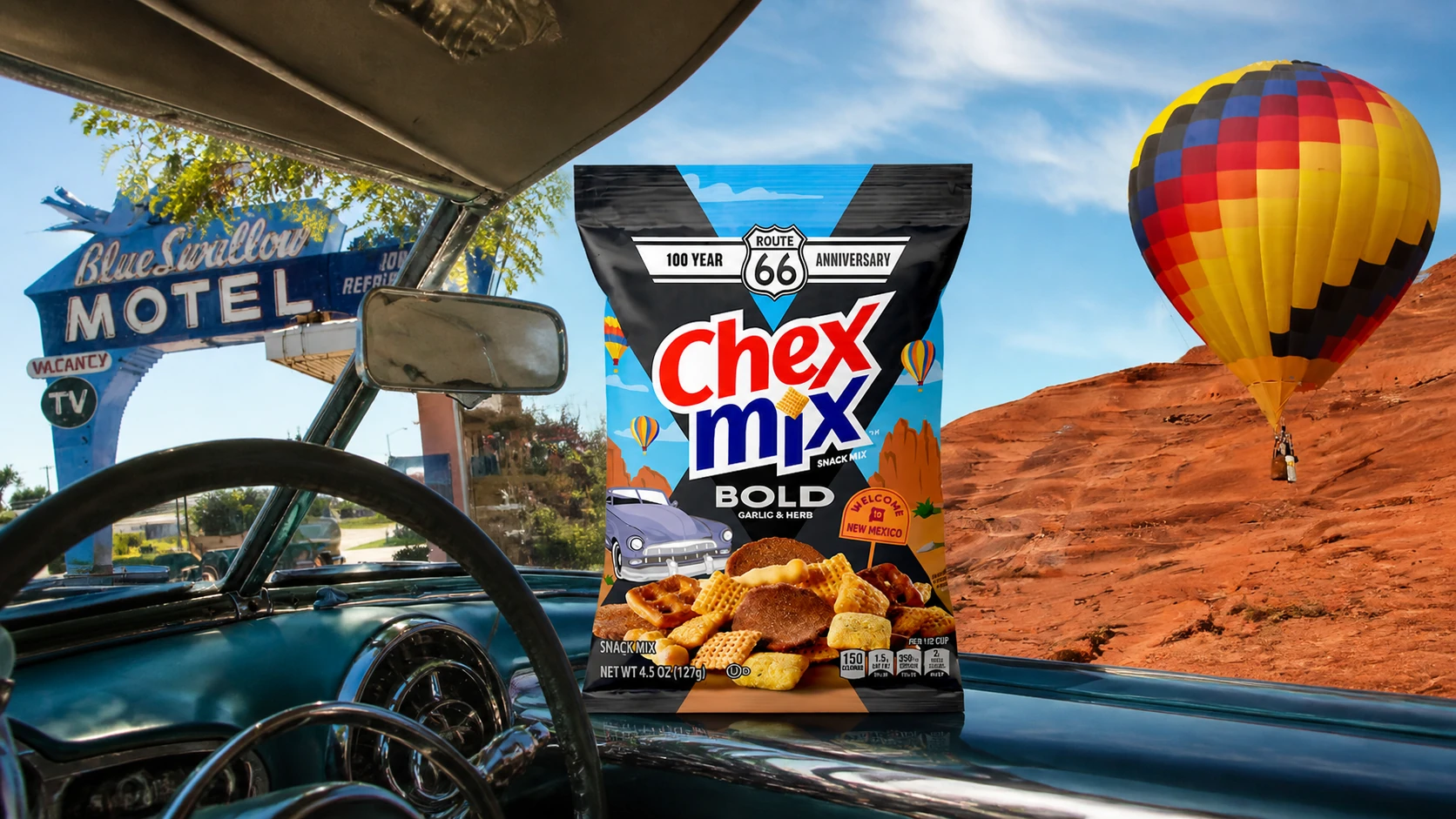
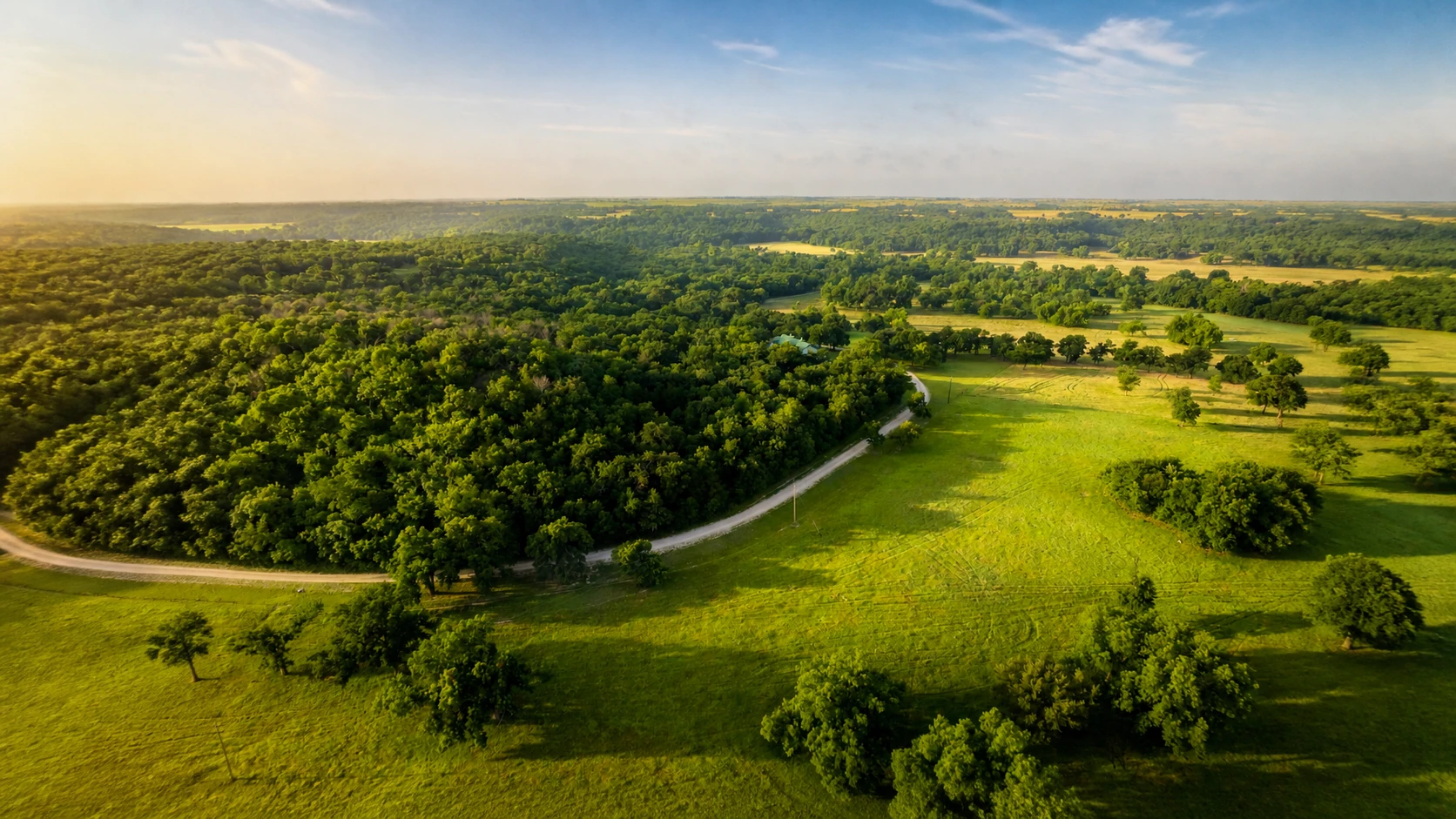
KOA’s report says the next phase of the market will be shaped by longer and more intentional journeys, with 31% of campers planning to spend more nights outdoors in 2026 than in 2025. Road trips, small-town exploration and heritage travel are identified as contributors to that outlook, alongside events such as the Route 66 Centennial and America 250 celebrations. For KOA, the findings broaden the business conversation from campground occupancy to the value of nature, affordability and connection within the wider travel economy.