The startup is pairing humanoid robots with remote human operators and AI, betting that a hybrid model can address warehouse labor needs while gradually building toward greater autonomy.
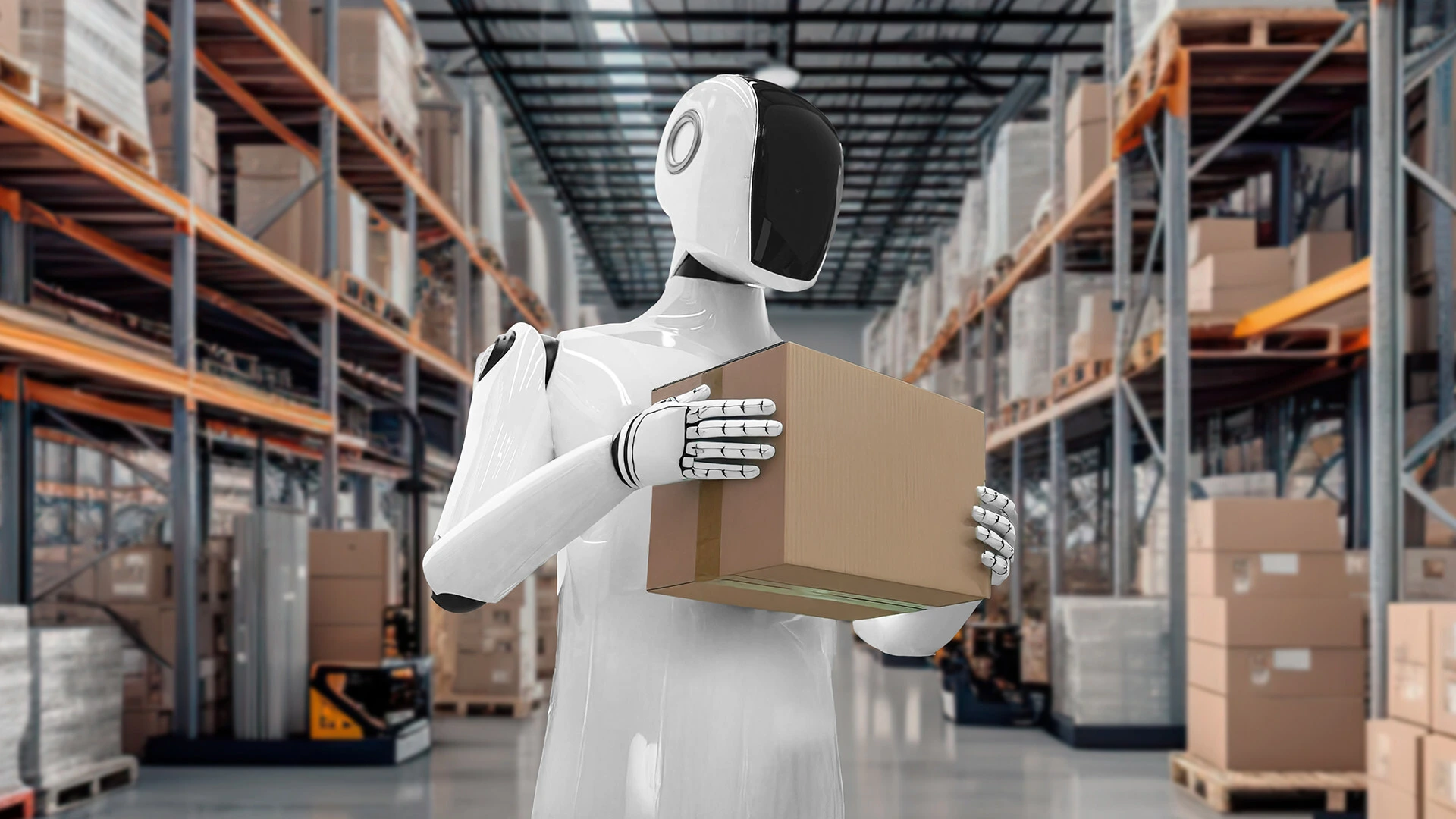
Avatar Robotics has raised $6.5 million in seed funding as it works to expand a model that combines humanoid robots, remote human operators and artificial intelligence for warehouse and manufacturing tasks. The San Francisco startup is targeting labor-intensive activities such as picking, packing, sorting, kitting and material movement, positioning its technology around a persistent challenge for industrial businesses: finding enough workers for repetitive and physically demanding roles.
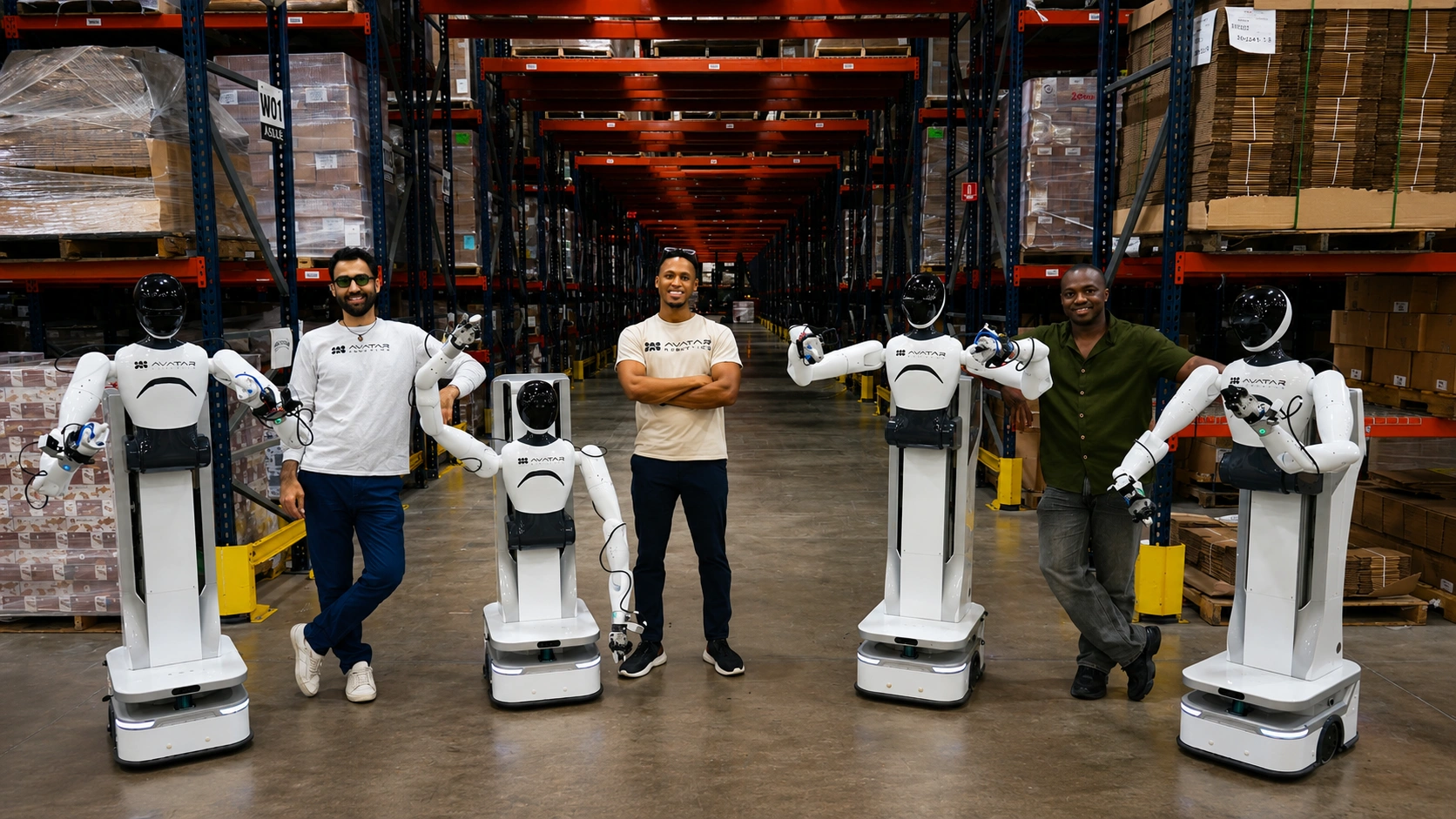
Rather than waiting for robots capable of handling complex industrial work entirely on their own, Avatar uses remote operators to control machines when human judgment is still needed. That human-in-the-loop approach is intended to make the robots useful in live environments immediately, while simultaneously producing operational data that can be used to improve the company’s autonomy software. The model offers a practical middle ground between conventional automation, which can require tightly structured workflows, and the longer-term goal of broadly capable autonomous machines.
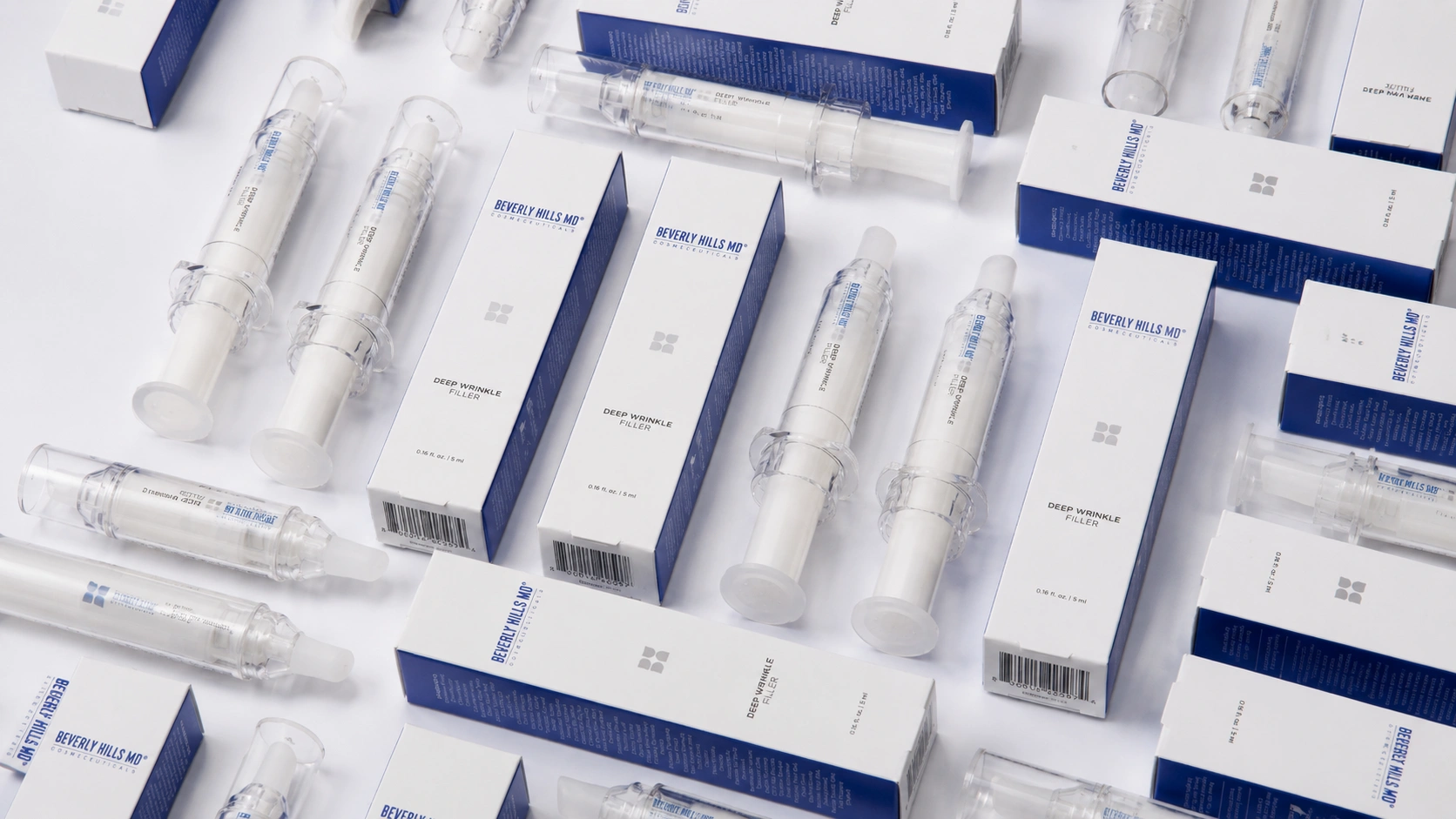
Avatar says its robots have packed, sorted and helped ship more than 900,000 products since the company launched in December 2025. They are already operating in customer environments, including for a global beauty retailer, while the company has begun expanding beyond a pilot with a multibillion-dollar warehouse operator for sorting and picking work. Those early deployments provide an important test of whether humanoid systems can move beyond demonstrations into repetitive commercial operations.
The funding also highlights a central challenge facing the emerging humanoid robotics sector: autonomy depends heavily on real-world experience and data. Avatar’s strategy turns remote operation into both a service and a training mechanism, with each completed task potentially contributing information that improves future robotic performance. The company ultimately envisions individual operators supervising fleets rather than controlling one robot at a time, though achieving that level of autonomy remains a longer-term objective.
The new capital will support additional deployments, larger robot fleets, autonomy software development and expansion of Avatar’s engineering and operations teams. More broadly, the company’s approach illustrates how industrial robotics may develop incrementally, with humans remaining part of the system while machines acquire the data and capabilities needed to perform increasingly complex physical work independently.