The new initiative reflects a broader movement toward products that connect personal expression with philanthropy, giving consumers another way to support causes through everyday purchases.
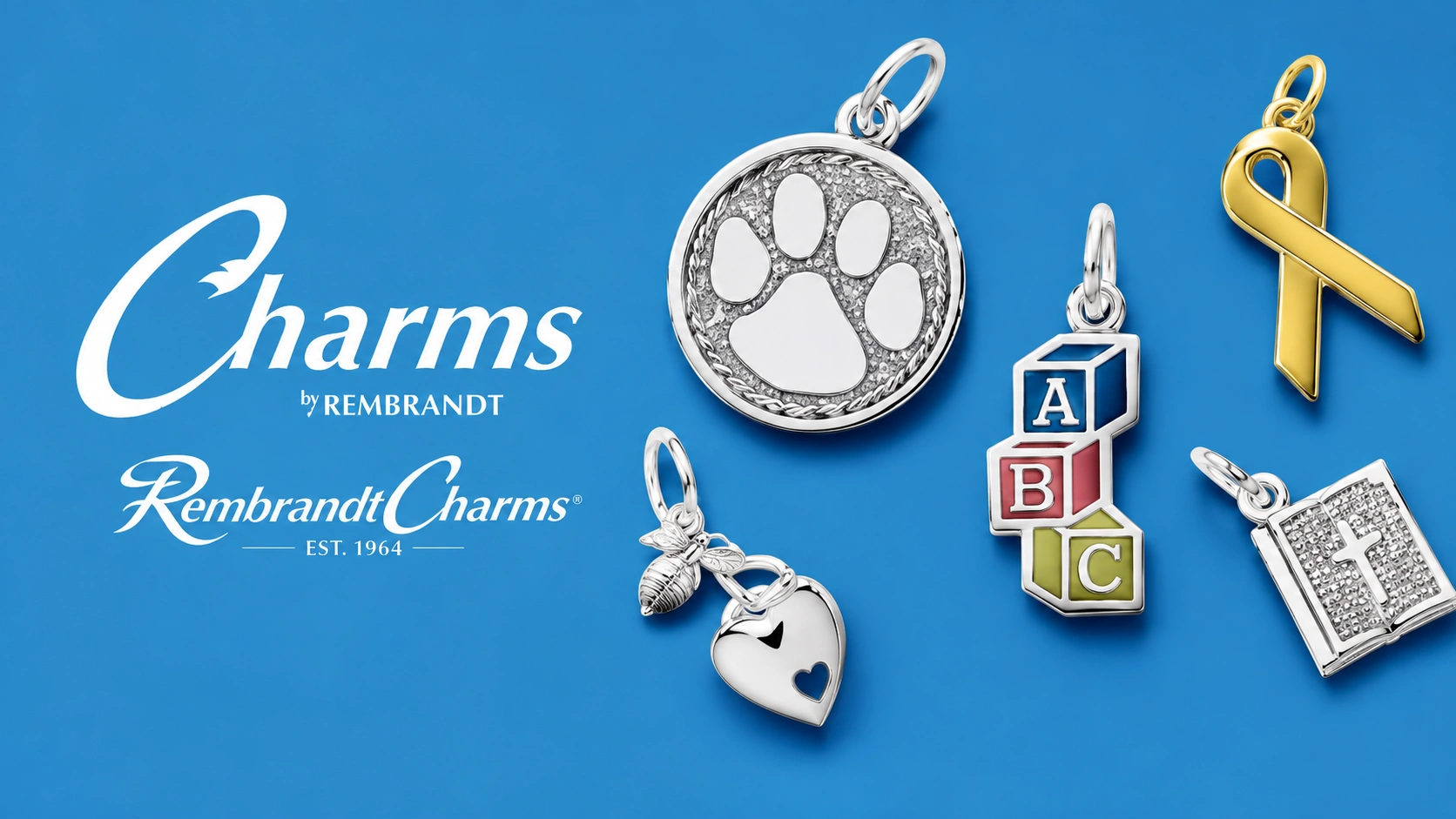
Rembrandt Charms is expanding its long-standing focus on commemorative jewelry with the launch of Charms That Give Back, a program that links select charm purchases to charitable donations. The family-owned jewelry company says a portion of proceeds from designated charms will support nonprofit organizations working across a broad range of causes, including cancer research, children’s health, military and first responder families, adaptive sports, autism advocacy, animal welfare, hunger relief, Alzheimer’s research, and disaster relief.
The initiative reflects a wider shift in consumer expectations, as many shoppers increasingly look for purchases that carry meaning beyond the products themselves. Cause-related partnerships have become a familiar strategy across retail sectors, allowing companies to connect their brands with social impact while giving customers an opportunity to contribute through routine buying decisions. In this case, Rembrandt Charms is building on the symbolic nature of charm jewelry, where individual pieces often represent personal milestones, memories, or values.
Founded in 1970, Rembrandt Charms has spent decades producing collectible silver and gold charms that commemorate life’s significant moments. The new program extends that tradition by encouraging customers to select designs that also reflect causes they care about, effectively adding a philanthropic dimension to keepsake jewelry. Rather than introducing a separate product line, the company is integrating charitable giving into an existing category that already emphasizes storytelling and personal identity.
Beyond consumer purchases, the program also opens the door for nonprofit organizations to collaborate directly with the company on customized fundraising efforts. By creating partnerships with charitable groups, Rembrandt Charms aims to help organizations raise awareness while offering supporters another avenue for contributing financially through specially designated products. This approach reflects an increasing interest in collaborations that combine fundraising with products that have lasting personal significance.
As businesses continue exploring ways to incorporate social impact into their operations, initiatives like Charms That Give Back illustrate how established brands are adapting familiar products to align with evolving consumer values. For Rembrandt Charms, the program represents an effort to connect craftsmanship, personal expression, and charitable giving, demonstrating how symbolic items can also serve as ongoing reminders of the causes their owners choose to support.