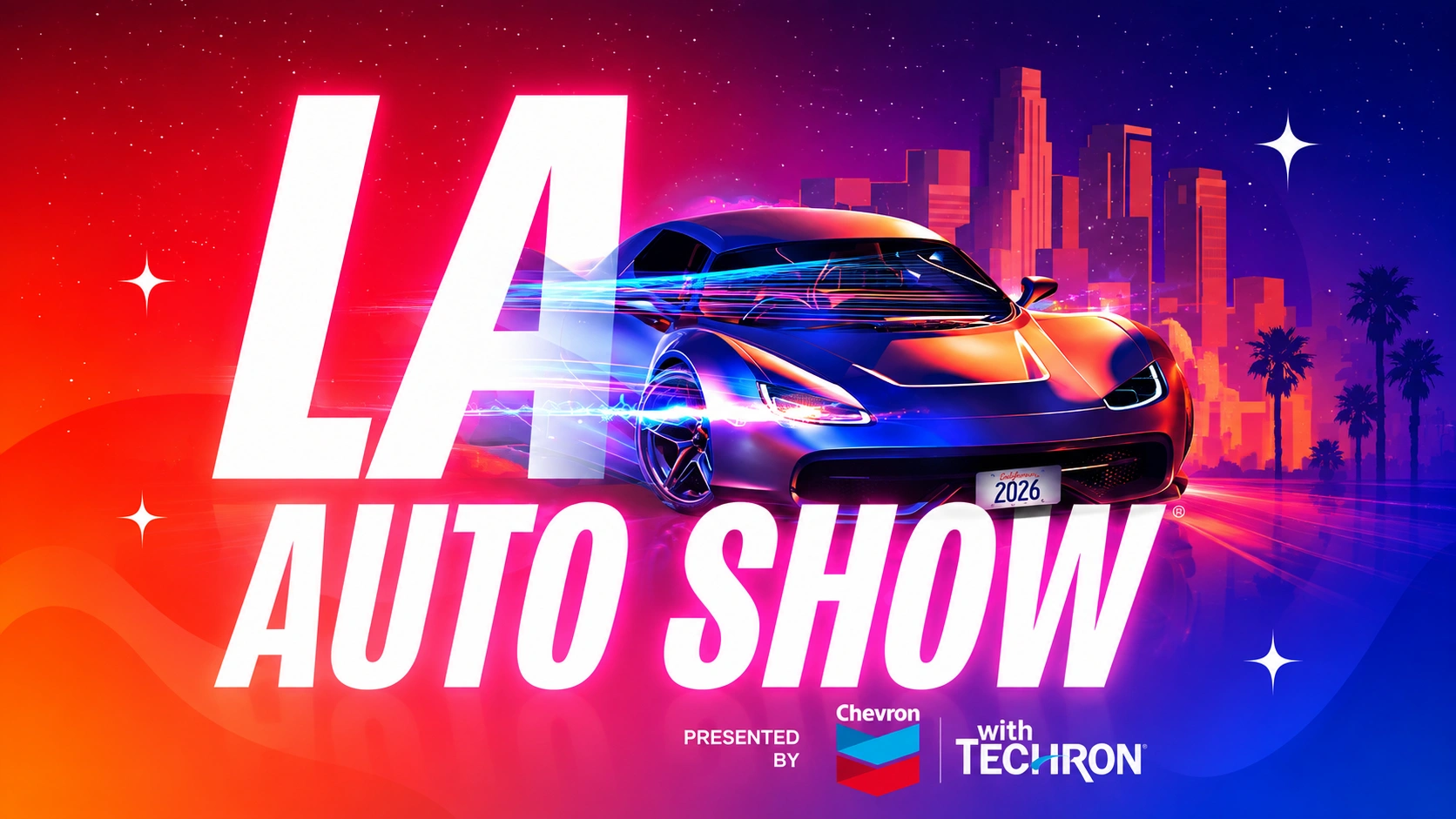
As tickets go on sale for the 2026 event, the Los Angeles Auto Show continues to position itself as a gathering place where consumers can compare hundreds of vehicles and experience new technology firsthand.
The Los Angeles Auto Show has opened ticket sales for its 2026 event, returning to the Los Angeles Convention Center from November 20 through 29. While the announcement focuses on admission options and attractions, it also reflects the enduring role of large-scale auto shows in an era when much of the vehicle buying journey begins online. With hundreds of new cars, trucks, SUVs, hybrids, and electric vehicles gathered in one location, the event offers consumers a chance to evaluate competing models in person before making purchasing decisions.
That opportunity carries particular significance in Southern California, one of the nation’s most influential automotive markets. According to data cited by the organizers, Los Angeles and Orange counties accounted for nearly 600,000 new vehicle registrations in 2025, making the region a major testing ground for manufacturers introducing new products. For automakers, showcasing vehicles in Los Angeles provides direct exposure to one of the country’s largest and most diverse groups of buyers, where consumer preferences often influence broader industry trends.
Beyond static displays, the event emphasizes experiences that have become increasingly important for automotive exhibitions. Visitors will be able to participate in street test drives, ride on indoor and outdoor demonstration tracks, and explore off-road courses featuring Jeep and Ford Bronco vehicles. Specialty exhibits dedicated to customs, lowriders, restored classics, muscle cars, and exotic vehicles also underscore the show’s longstanding connection to Southern California’s distinctive car culture, offering enthusiasts a perspective that extends beyond new vehicle launches.
The event also reflects how consumer expectations have evolved. Modern buyers often want to compare gasoline, hybrid, and electric models side by side while learning about emerging technologies before visiting a dealership. By placing competing brands in the same venue and allowing attendees to interact directly with vehicles, the show serves as both an educational resource and an entertainment destination for families, hobbyists, and prospective buyers alike.
As the automotive industry continues to navigate rapid technological change, public events such as the Los Angeles Auto Show remain valuable because they provide something digital research cannot fully replicate: direct, hands-on experience. Whether visitors arrive to shop for a new vehicle, explore the latest electric models, or simply appreciate automotive design, the exhibition continues to illustrate why in-person engagement remains an important part of the car-buying journey.