The AI cooking system’s IDEA finalist selection underscores how appliance makers are moving automation into everyday household decisions while keeping users informed and involved.
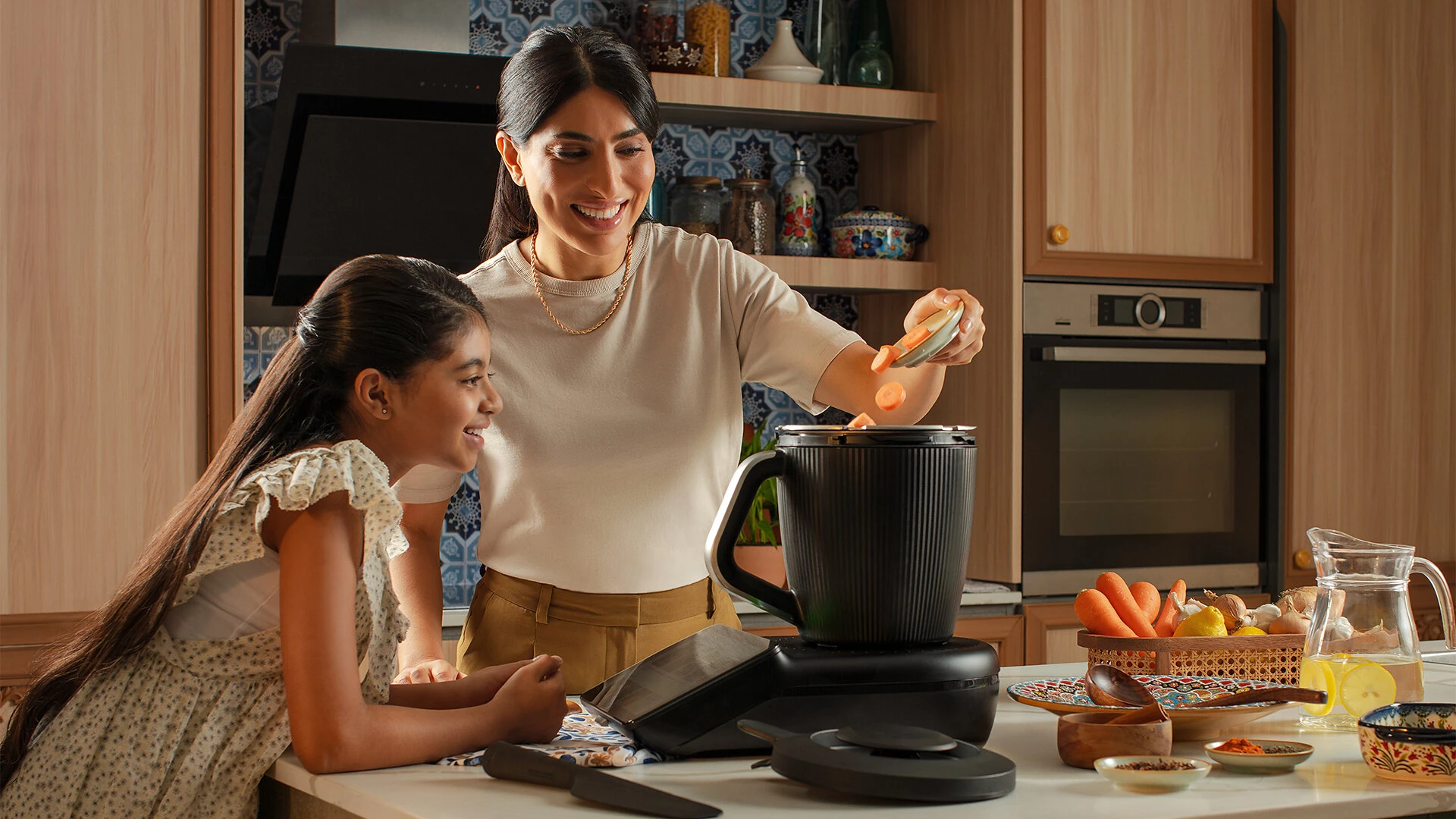
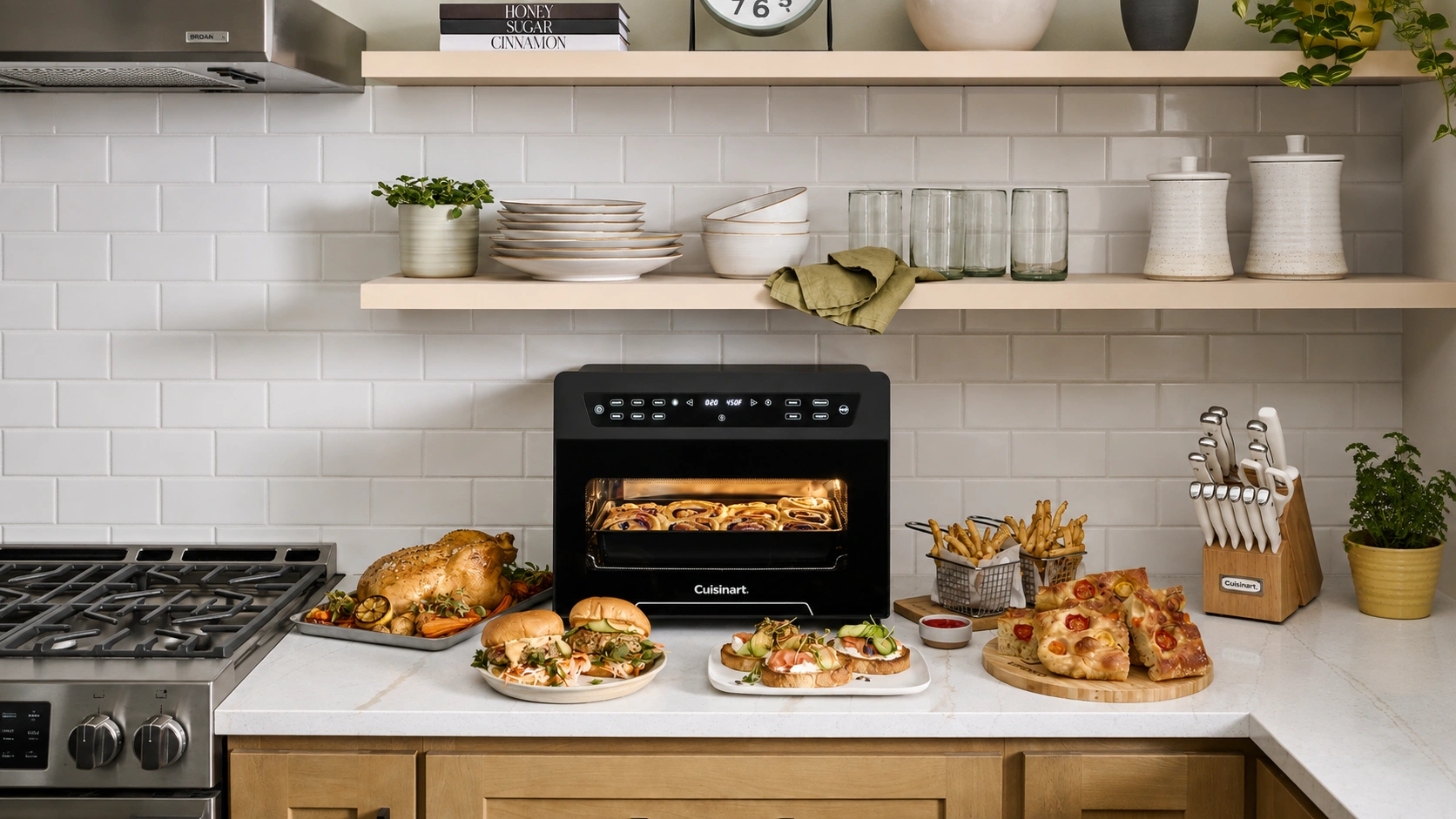
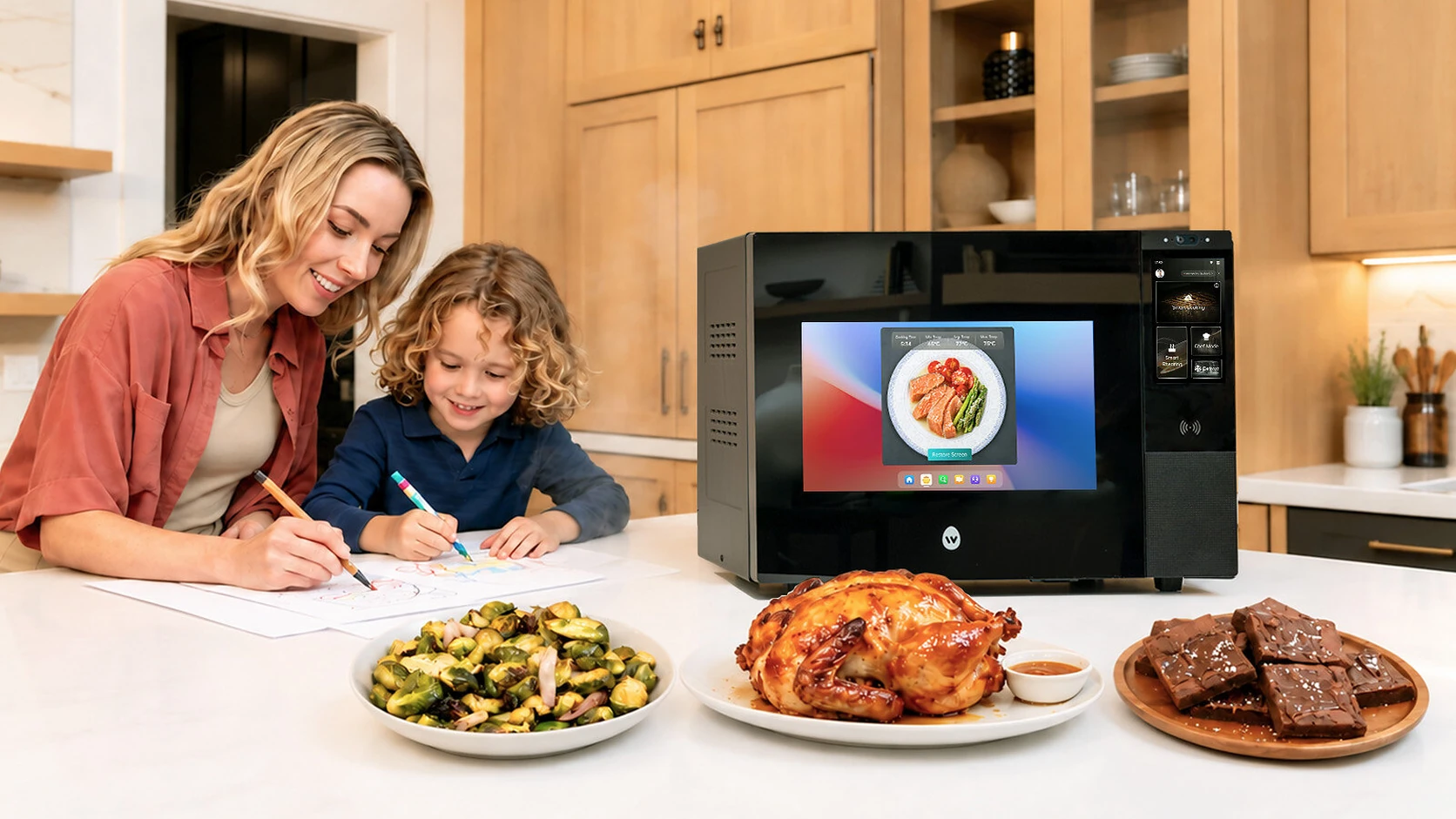
WAN AICHEF’s Ultra has been selected as a Professional Category Finalist in the 2026 International Design Excellence Awards, placing an AI cooking appliance within a major industrial design programme. The system is built around a “Load and Go” workflow in which users place food inside, choose what they want to make and confirm a programme. WAN AICHEF says the design addresses routine cooking decisions while keeping progress visible and control with the cook.
Ultra is designed to take on more of the monitoring that conventional cooking appliances leave to the user. For supported ingredients, its AI vision can identify food and recommend a programme, after which the system monitors conditions and adjusts power and timing as cooking progresses. The approach positions the appliance less as a programmable oven and more as an assisted cooking system for weeknight meals and ready-to-cook products.
The hardware combines a 12-megapixel AI camera, Heimann infrared thermal imaging and NVIDIA Jetson Orin Nano on-device computing. WAN AICHEF says testing of supported cooking tasks produced temperature-control precision of approximately plus or minus 3.2 degrees Fahrenheit under specified conditions, with results varying by food, cookware and programme. Dry-burn protection, cookware detection, door-open auto-stop and a child lock are also included, while the screen displays settings and progress during operation.
The system has been trained to recognise a growing range of foods and ready-to-cook products available from Costco, Whole Foods Market, Safeway and other US retailers, alongside meal-kit services such as HelloFresh. For supported items, users can follow on-screen recommendations rather than translate package instructions into appliance modes, temperatures and timing. WAN AICHEF also says feedback on texture and doneness can inform future recommendations for individual household preferences.
The IDEA recognition places the product’s value in the interaction between sensing, software, heat control and interface rather than in any single component. That framing reflects a broader design challenge for connected kitchen appliances: reducing repetitive judgement without making the cooking process opaque. With Ultra, WAN AICHEF is presenting automation as a visible, adjustable household aid, a restrained proposition that may matter as AI moves from novelty features into routine domestic tasks.