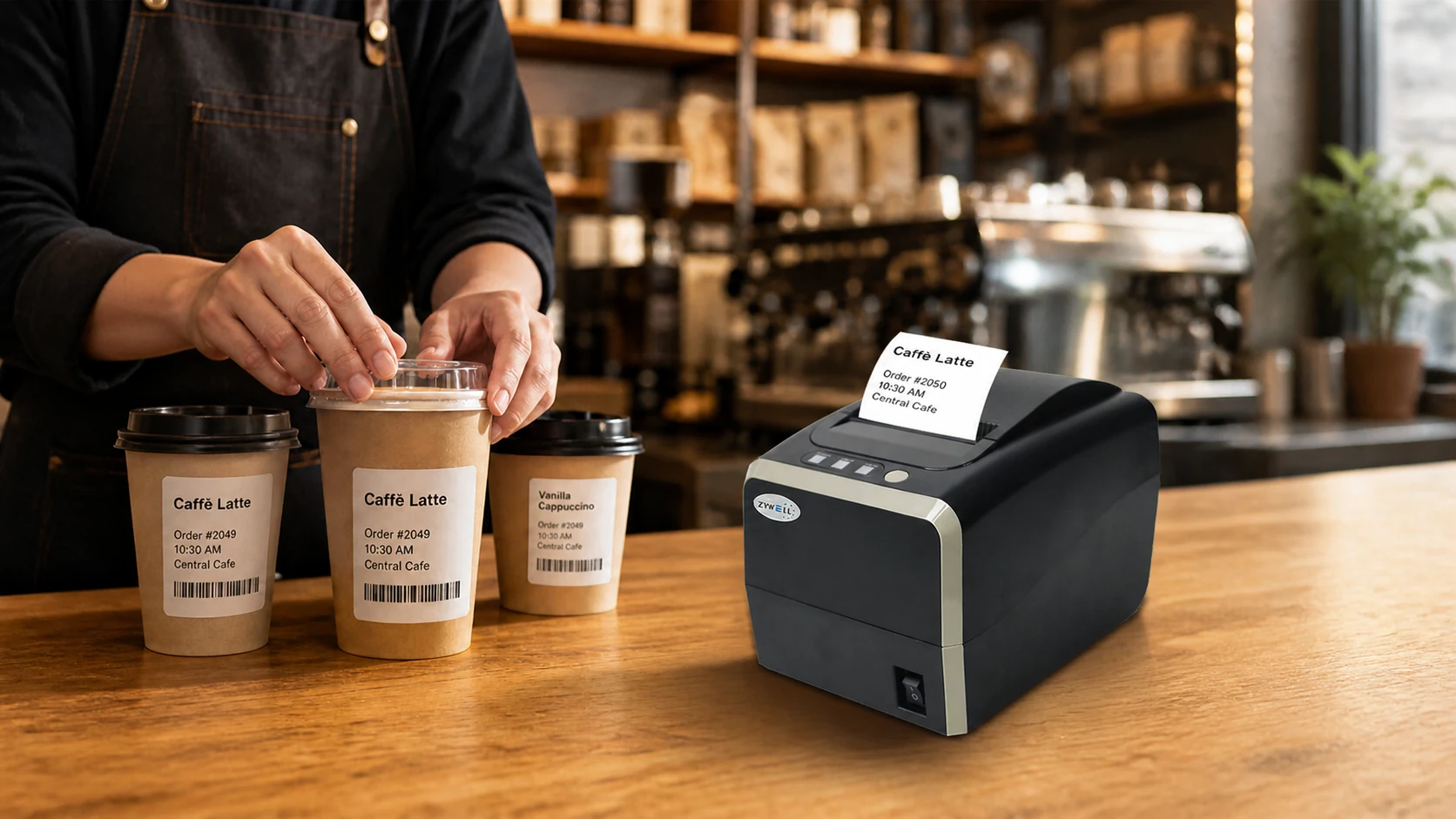
The company is applying linerless printing and automated verification to commercial workflows, showing how labels are becoming operational tools rather than isolated hardware.
Zhuhai ZYWELL Technology Co., Ltd., trading as ZYWELL, is applying thermal printing and automated labelling to two high-volume commercial settings: beverage service and cross-border e-commerce. Its work for an international coffee-chain brand uses linerless cup labels, while a separate system for an e-commerce platform links scanning, printing, application and verification. The projects place labelling inside day-to-day operating processes, where material use, manual handling and fulfilment accuracy can be measured together.
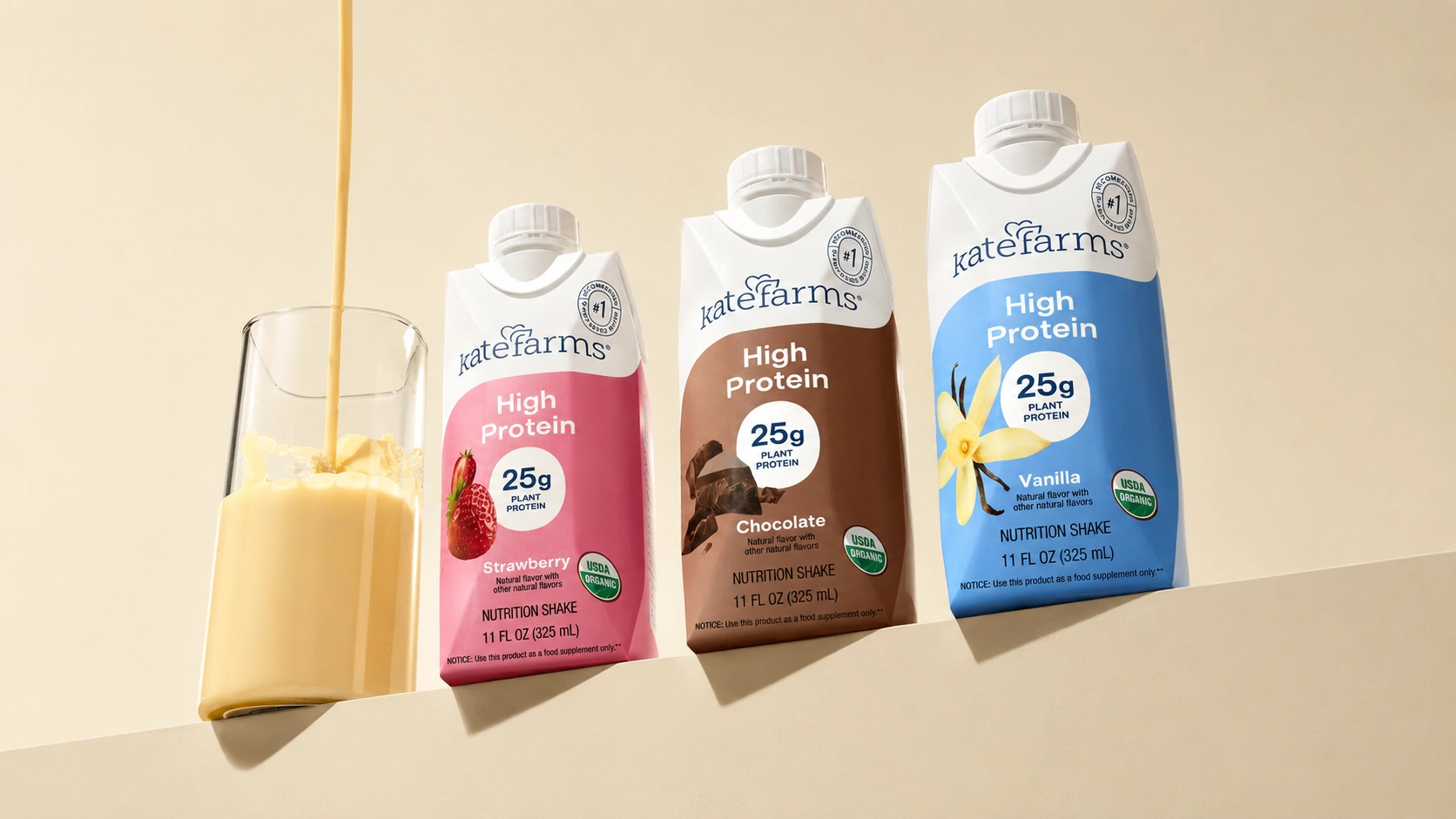
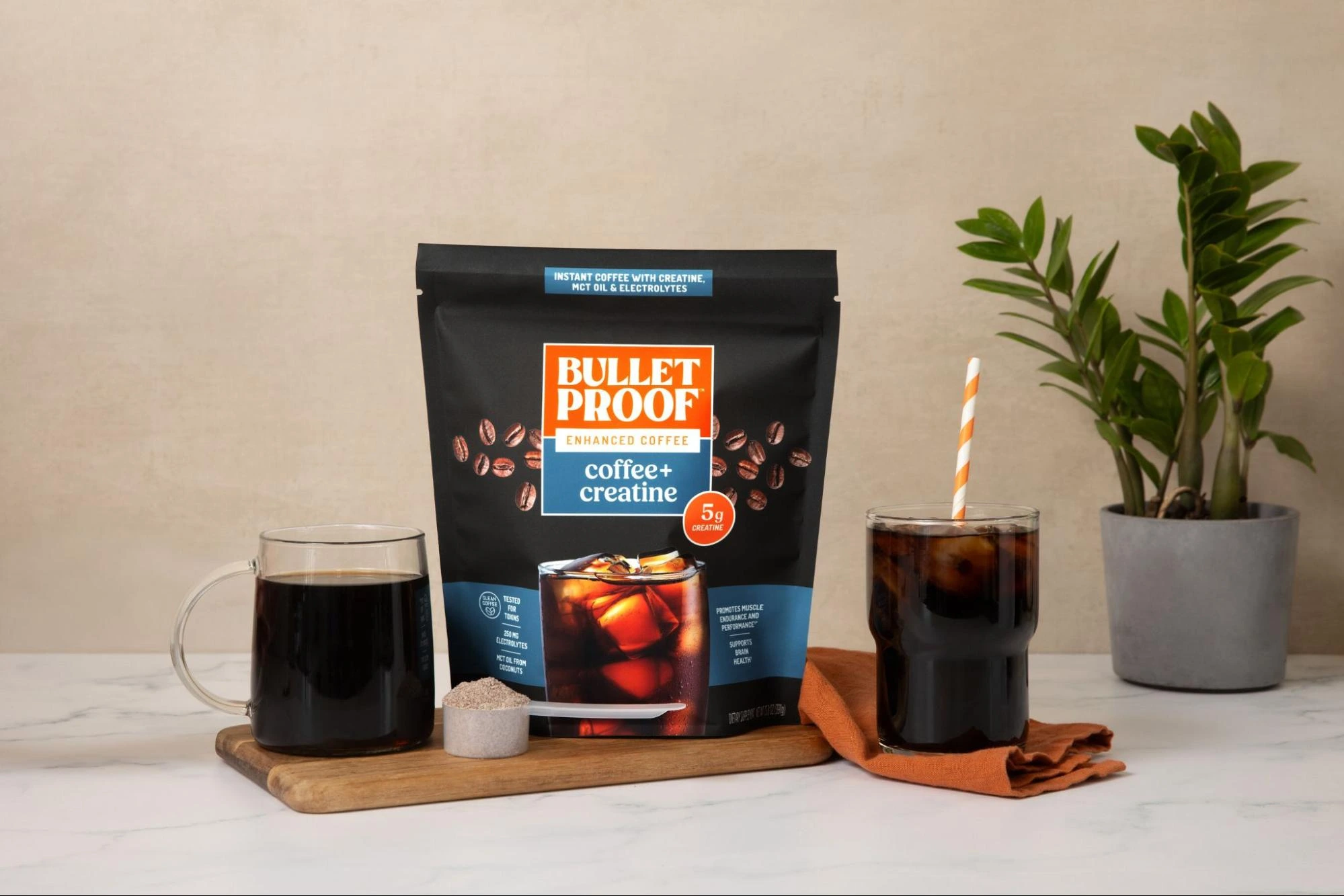
For European and American stores operated by a globally recognised coffee chain, ZYWELL built a beverage-cup sticker solution around its ZY-3311 linerless label printer. The system uses linerless stock, high-precision sensors and Wi-Fi and Ethernet connectivity, allowing order data to flow directly to the print head for customised cup labels. By removing the release liner and manual peeling step, the setup is designed to simplify matching cups with orders and support faster preparation during busy periods.
The ZY-3311 also reflects the engineering demands of linerless media, according to ZYWELL. Its granted CN118386688B patent addresses adhesive carryover, uneven feeding and cutter residue, which the company identifies as structural challenges in frequent commercial use. The business says the solution has been deployed across coffee stores in Europe and North America, with the combination of waste reduction and order-data synchronisation creating a model for food-and-beverage chain operations.
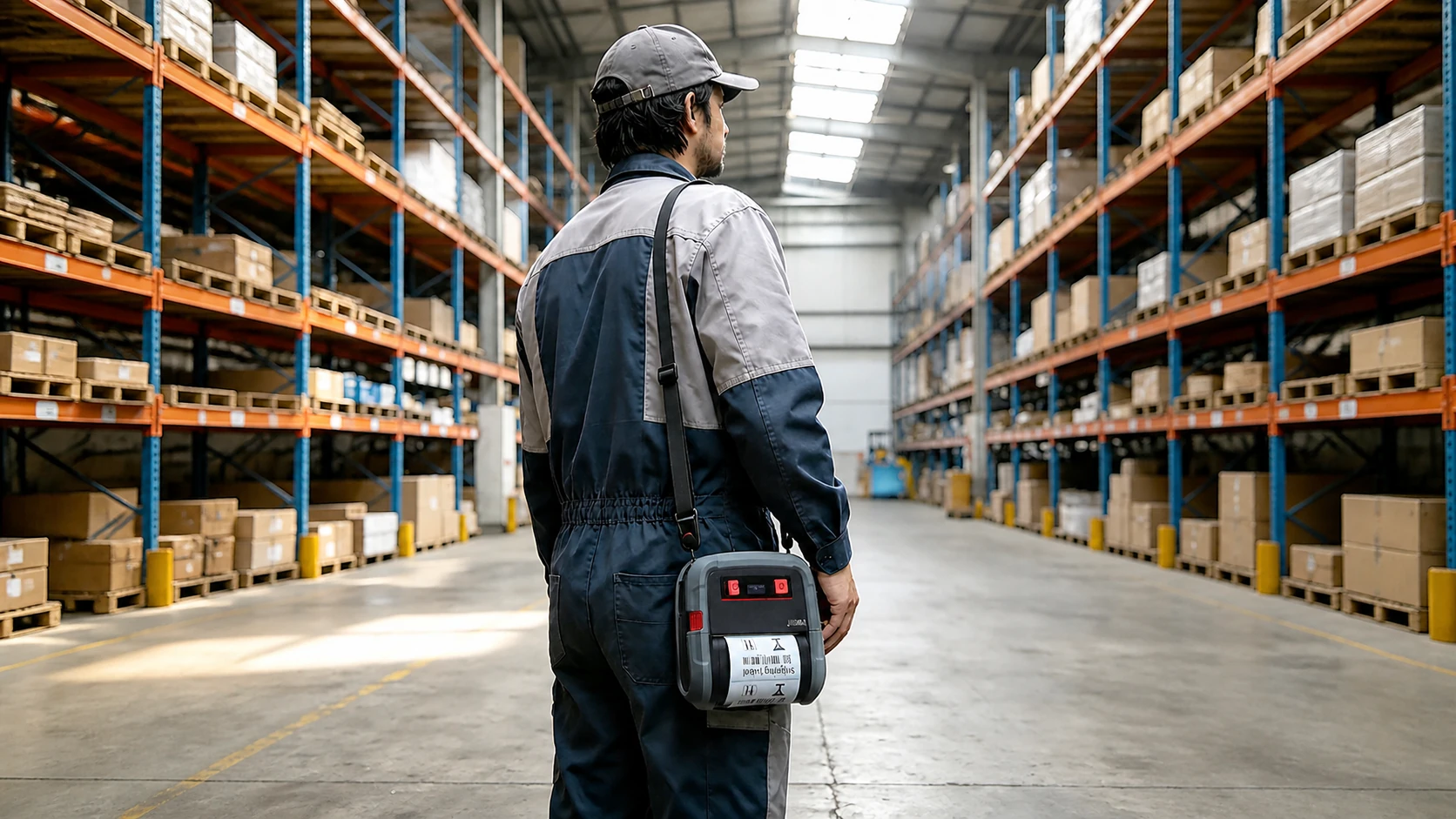
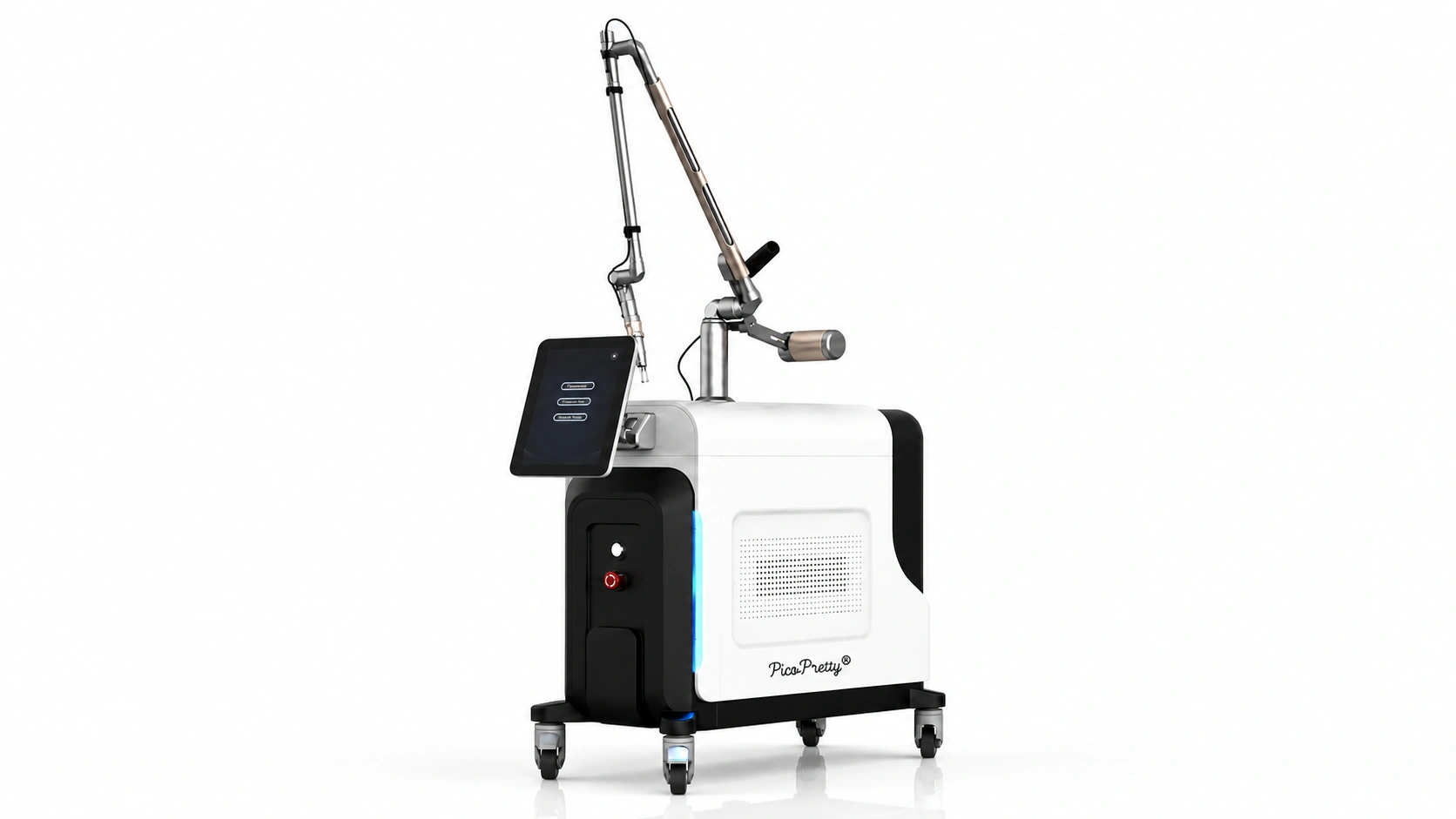
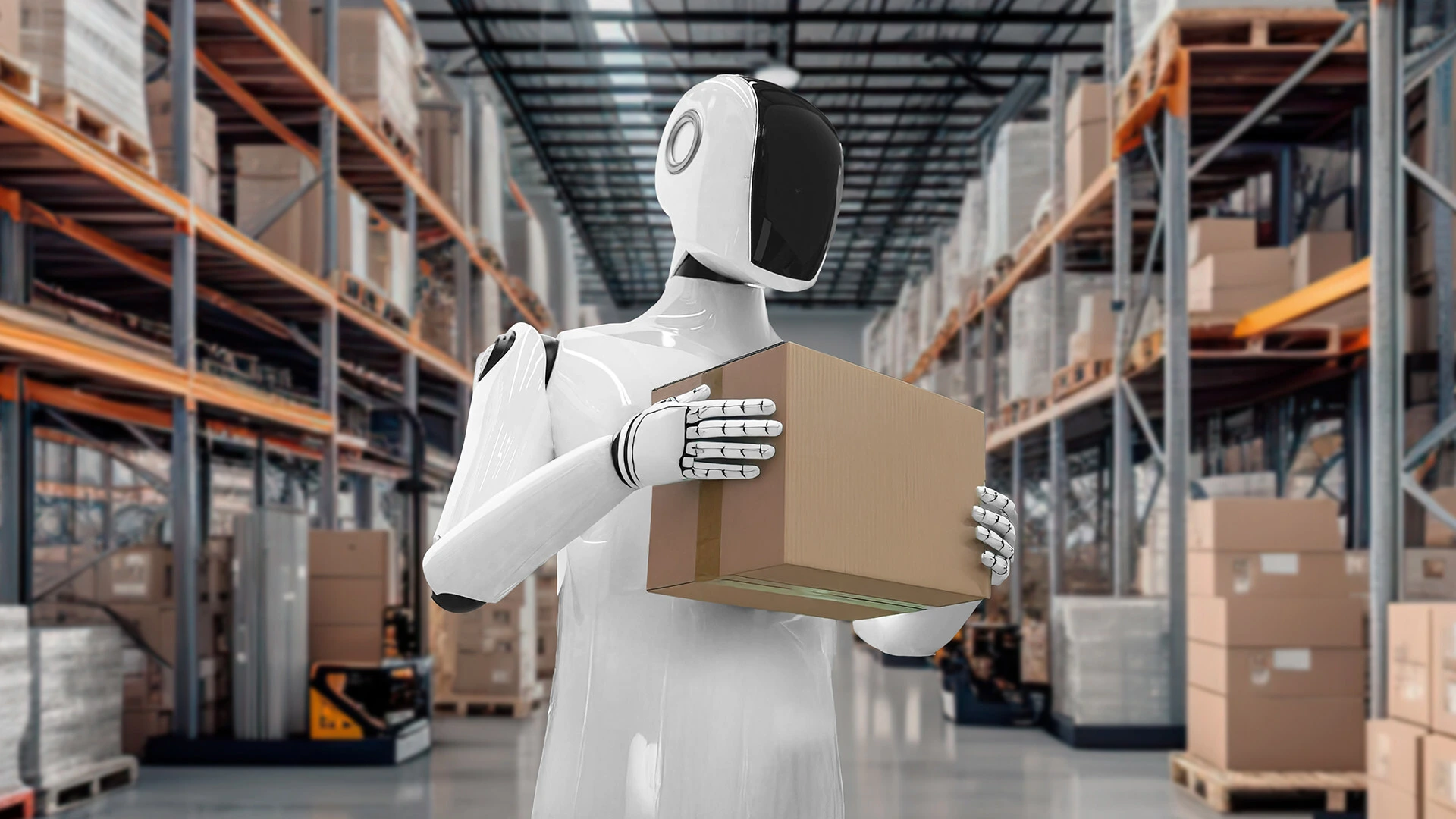
In logistics, ZYWELL developed an automatic print-and-apply machine for a major cross-border e-commerce platform and integrated it with the platform’s warehouse-management system. After a parcel is scanned, the system generates the corresponding shipping label, then prints, strips and applies it through a precision blow-application sequence. Barcode verification can stop a flagged parcel before it advances, bringing several control steps into one sorting-line labelling system and reducing reliance on manual intervention.
Together, the projects position labelling as a connection between business data and physical operations rather than merely an output function. ZYWELL says its objective is to help clients cut waste and streamline workflows, while its wider model combines printing, automation and system connectivity for retail, logistics and other high-frequency environments. The significance lies less in the label itself than in the operational decisions it can trigger, verify and complete.