The Indian tour operator is creating long-distance driving roles for women, linking traveller reassurance with a broader effort to widen access to tourism employment.
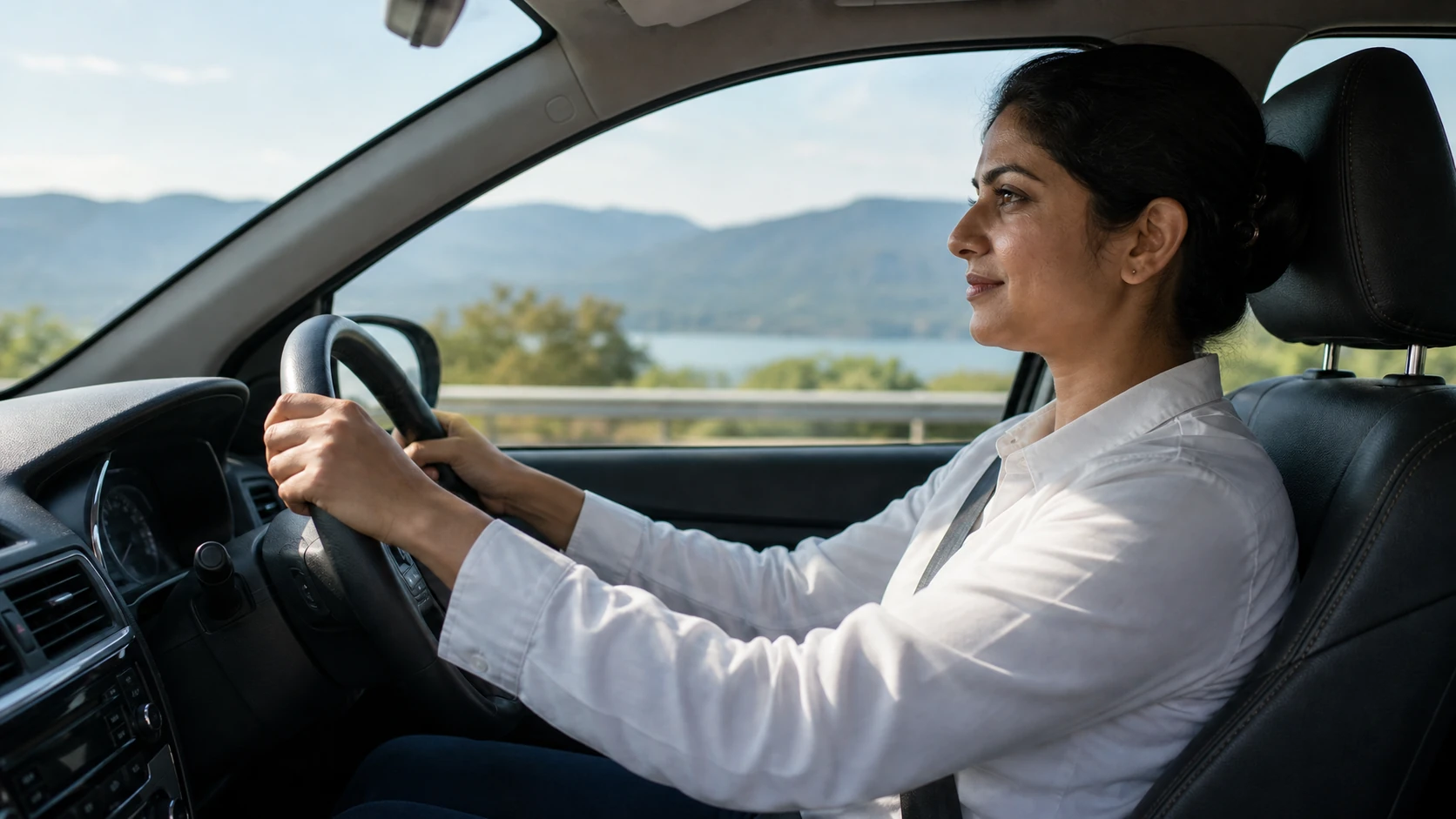
Cholan Tours is introducing professionally trained women chauffeurs for multi-day and long-distance tours across India, positioning a traditionally male-dominated role as part of a more inclusive travel service. The programme is intended to serve travellers while creating structured career opportunities for women in tourism. Cholan Tours describes the initiative as a first-of-its-kind concept in India’s tourism sector, extending the company’s focus beyond itinerary design to the people delivering journeys on the road.
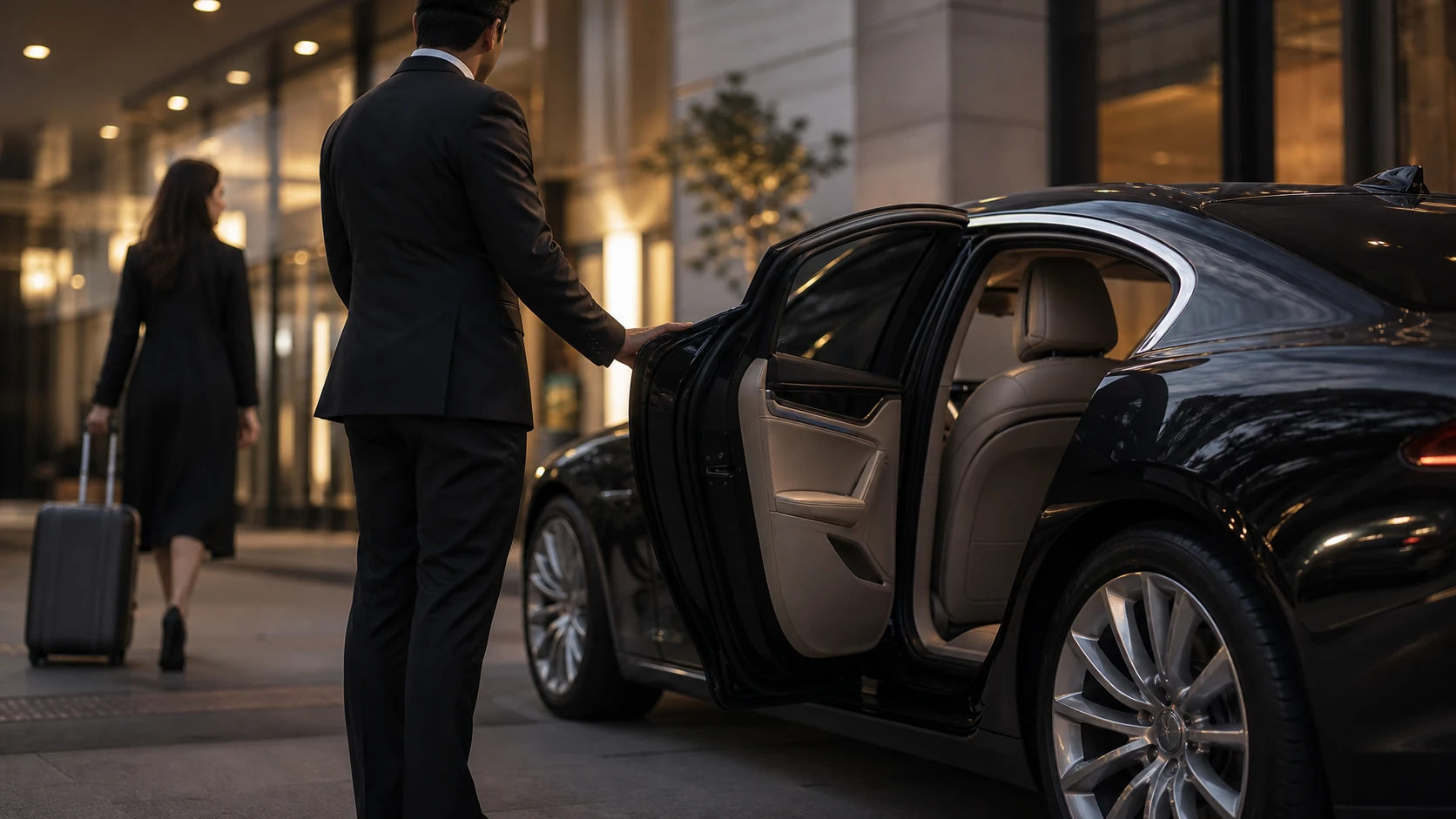
The service is aimed particularly at solo women, families and women-only groups, for whom the presence of trained women chauffeurs may provide additional comfort and confidence during extended travel. The company says its drivers will operate extended hours while maintaining its stated standards of professionalism, reliability and hospitality. The initiative also places long-route driving within a wider employment conversation, connecting tourism operations with financial independence and career development.
Cholan Tours says each chauffeur receives training in advanced driving skills, route and destination knowledge, safety procedures and hospitality etiquette. It has also established support arrangements, including safe accommodation during tours, to address driver wellbeing while assignments are under way. Those measures suggest that the programme is being built as an operating model rather than simply a staffing change, with training and practical safeguards forming part of the customer proposition.
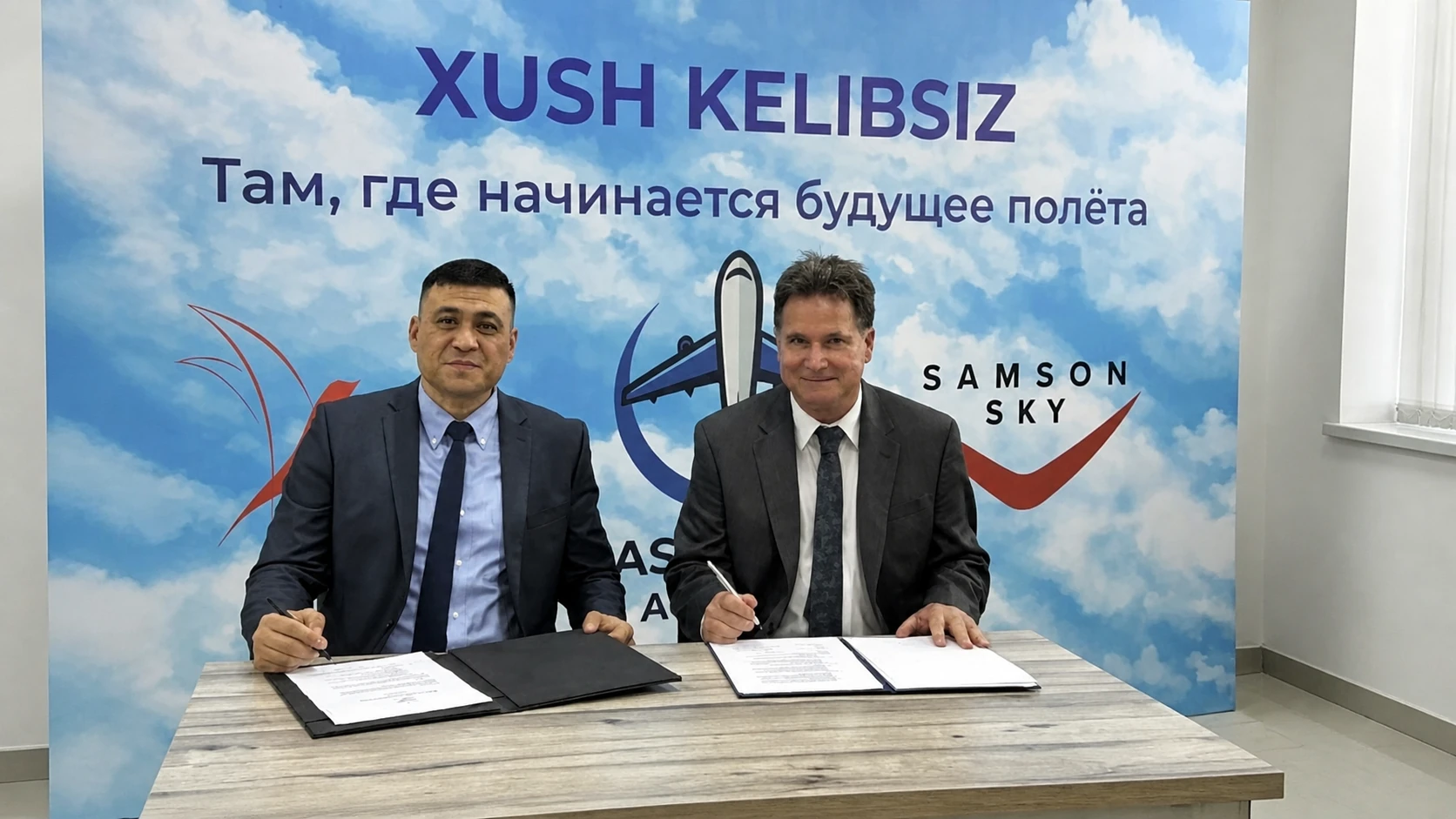
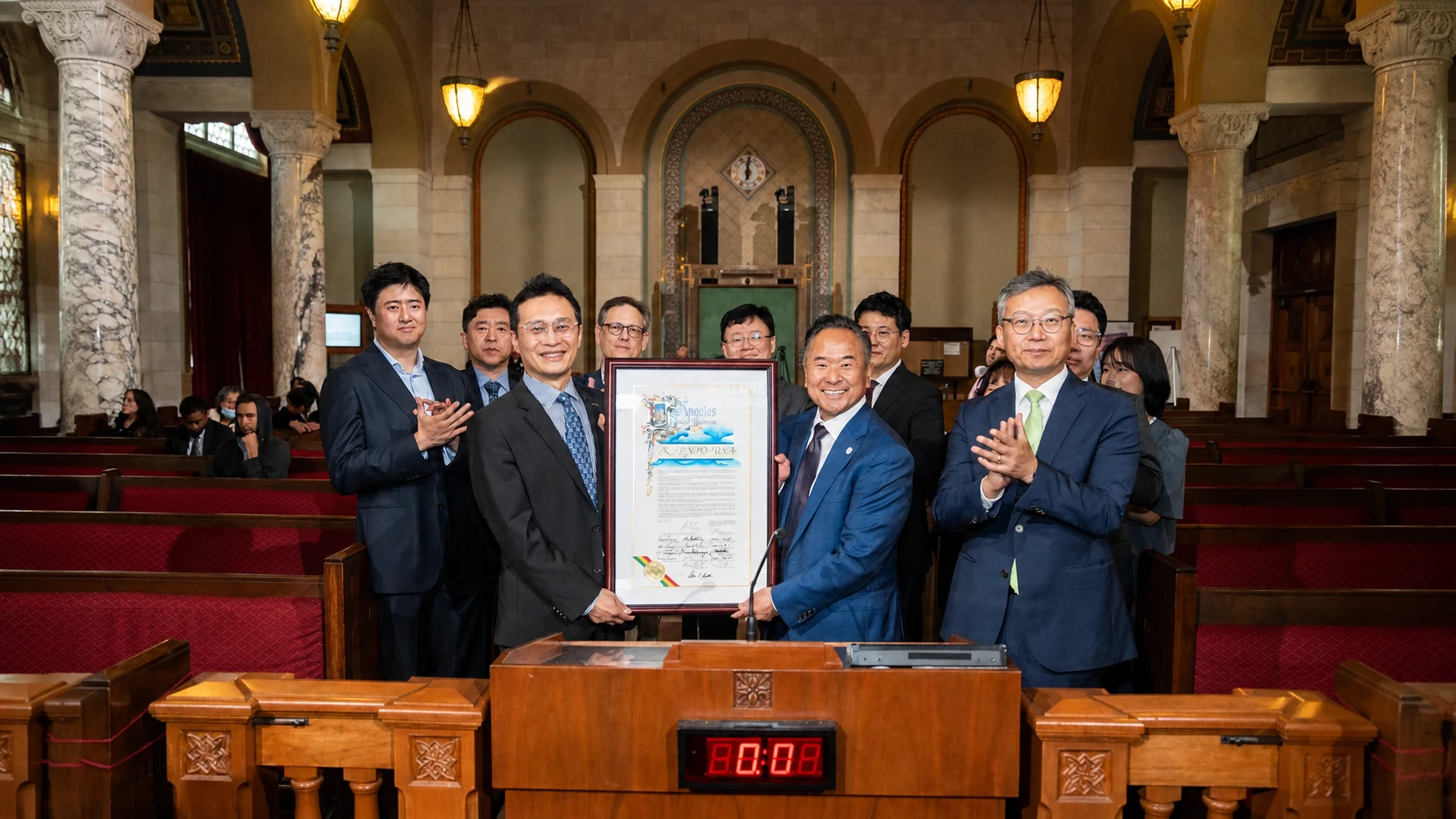
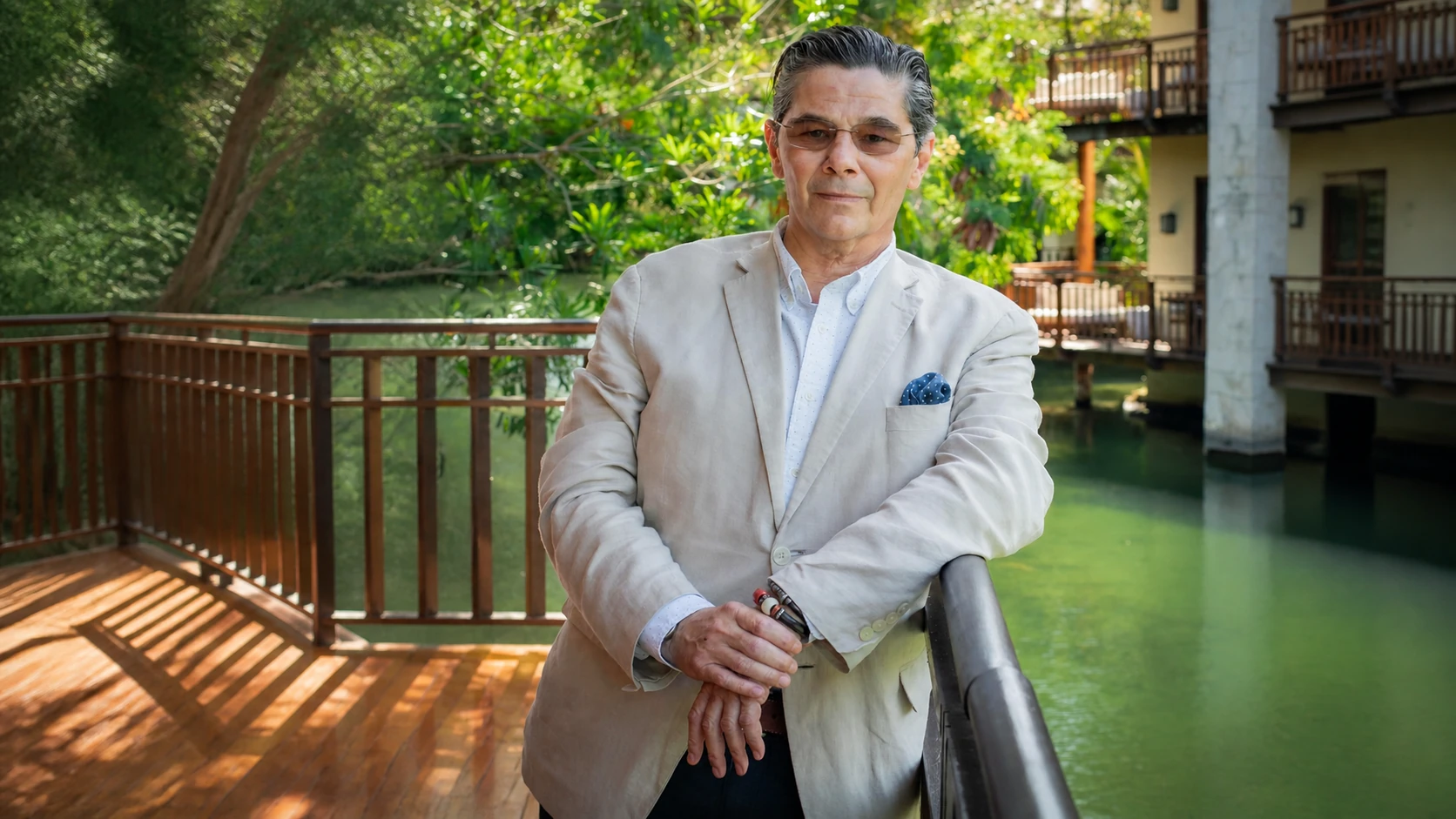
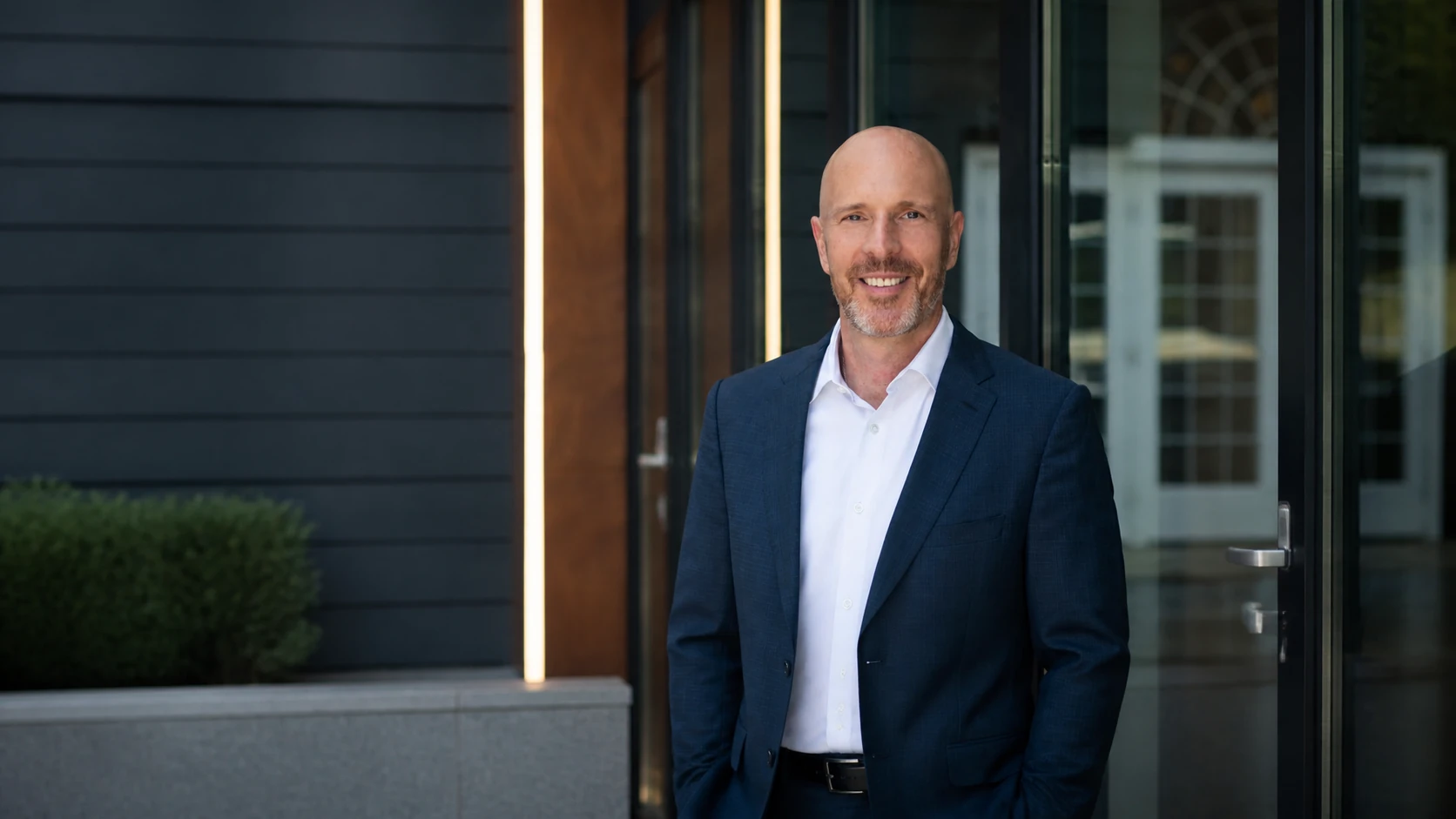
In Tamil Nadu, Cholan Tours has signed a memorandum of understanding with the state government to facilitate the appointment of 100 women drivers for tour operations. Managing Director and Founder Pandian Kumaravel frames the programme as both a new service and a social initiative, arguing that women chauffeurs can improve traveller confidence while opening meaningful employment opportunities. The state-level agreement gives the concept a defined implementation focus, although the company’s broader description covers tours across India.
For Cholan Tours, the development links service design with workforce inclusion without separating the two objectives. Travellers are being offered a chauffeur-led experience shaped around training, hospitality and safety, while women are being offered a route into a part of the tourism economy that has largely remained male-dominated. Its significance will depend on how consistently the model can be operated, but the programme gives the company a concrete way to test inclusion through everyday travel delivery.