The mobile platform combines live beach updates, peer recommendations and social discovery, reflecting a shift towards more immediate, community-led travel information.
Beachday, founded by 21-year-old entrepreneur Casey Robson, has introduced a mobile platform designed to help travellers discover beaches through real-time reviews, photos, community updates and on-the-ground conditions. Available on iOS and Android, the app brings travel planning and social content into one service, with information intended to show what a beach is like at the moment rather than relying solely on older images or static listings. The proposition places current, user-contributed information at the centre of a category traditionally shaped by destination guides and general travel platforms.
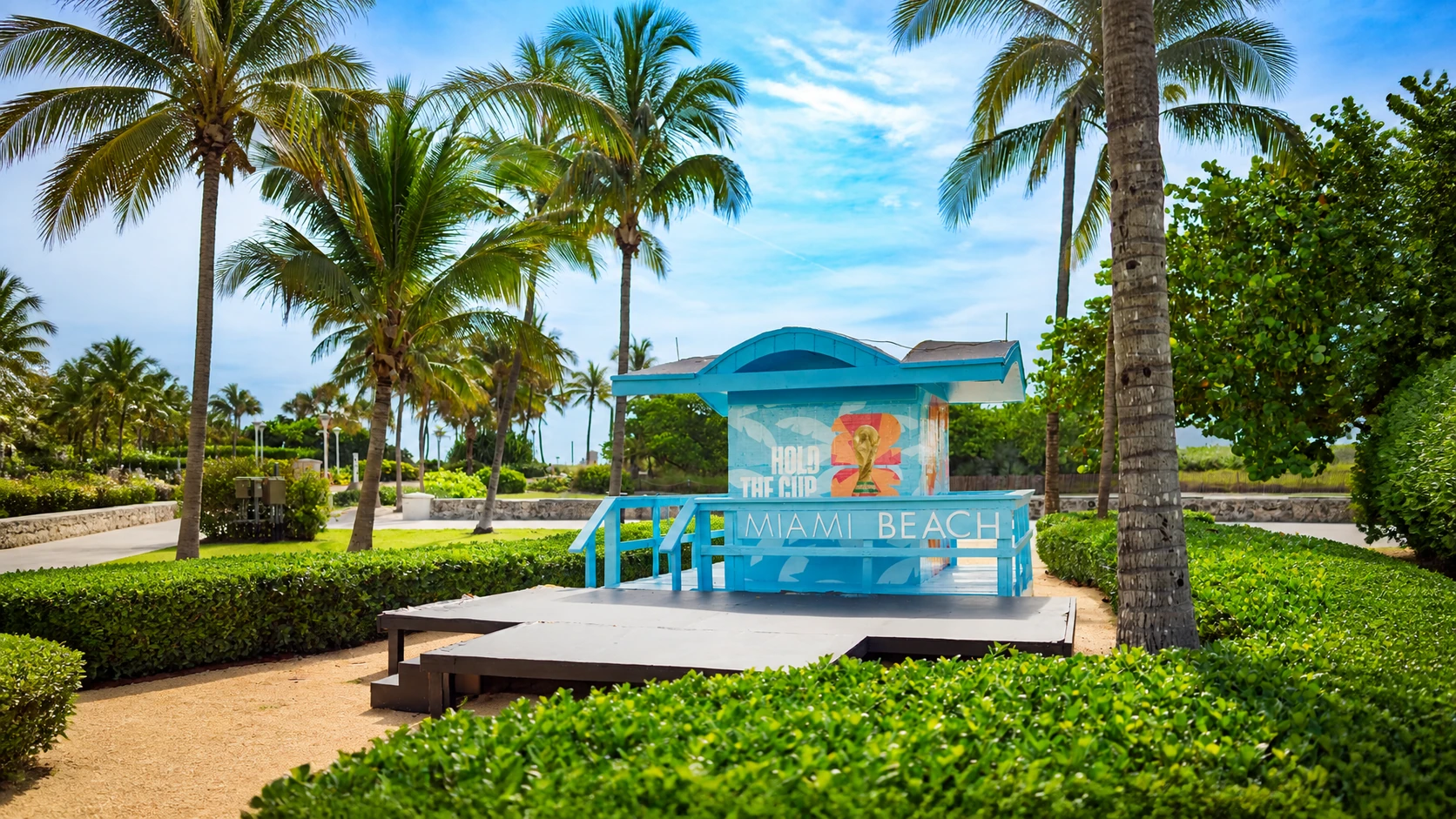
The platform is currently in public beta, with users contributing content daily. Its global beach map includes more than 220,000 pinned beaches, while the service combines travel utility with peer-to-peer content and social features. Users can browse photos and videos, explore coastlines, save favourite locations and review conditions including seaweed levels, crowd density, safety and other details shared by people at the beach.
Beachday also includes a Spotlight feed focused on beach outfits, looks and visual content. Users can earn Shells, the app’s in-platform currency, through reviews, engagement and participation in Spotlights. The company says Shells are intended to unlock merchandise, premium features and future creator-focused monetisation tools as the platform develops. The app is free to download through the App Store and Google Play, with access also available through Beachday’s website.
Robson’s description of the product centres on a practical frustration: arriving at a beach and finding that online images do not reflect current conditions. Beachday’s response is to make recent community contributions the main source of information, while adding social discovery to encourage users to share updates, beach looks and local knowledge. That combination gives the service a dual role, functioning both as a planning tool and as a visual community platform.
The model reflects an effort to make beach information more immediate, participatory and location-specific without separating it from the social behaviour already associated with travel discovery. Its usefulness will depend on the quantity and freshness of contributions across individual beaches, a requirement the company links to continued community participation. For Beachday, the public beta is therefore both a consumer-facing app and an early test of whether live local knowledge can become a durable layer of travel planning.