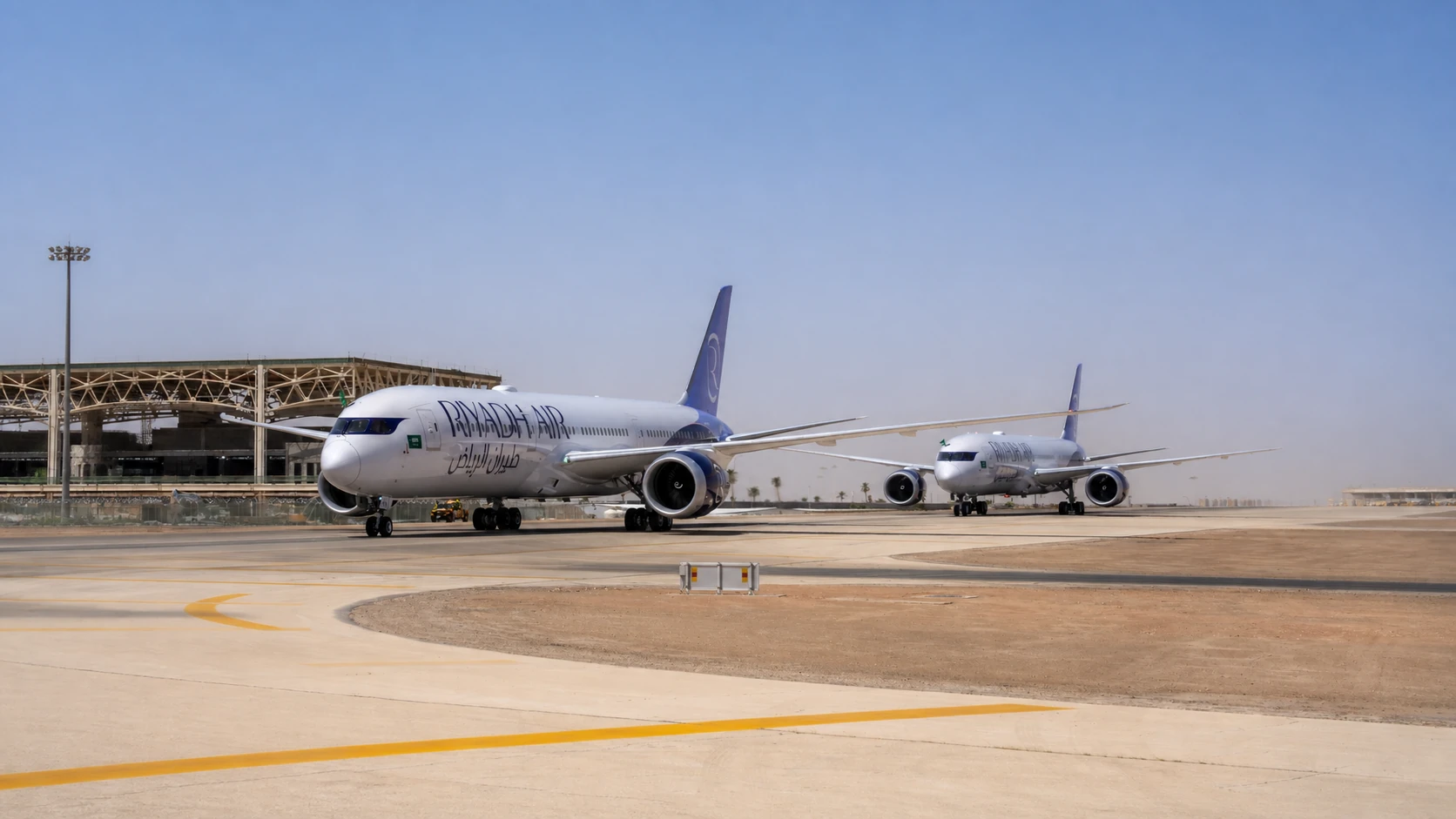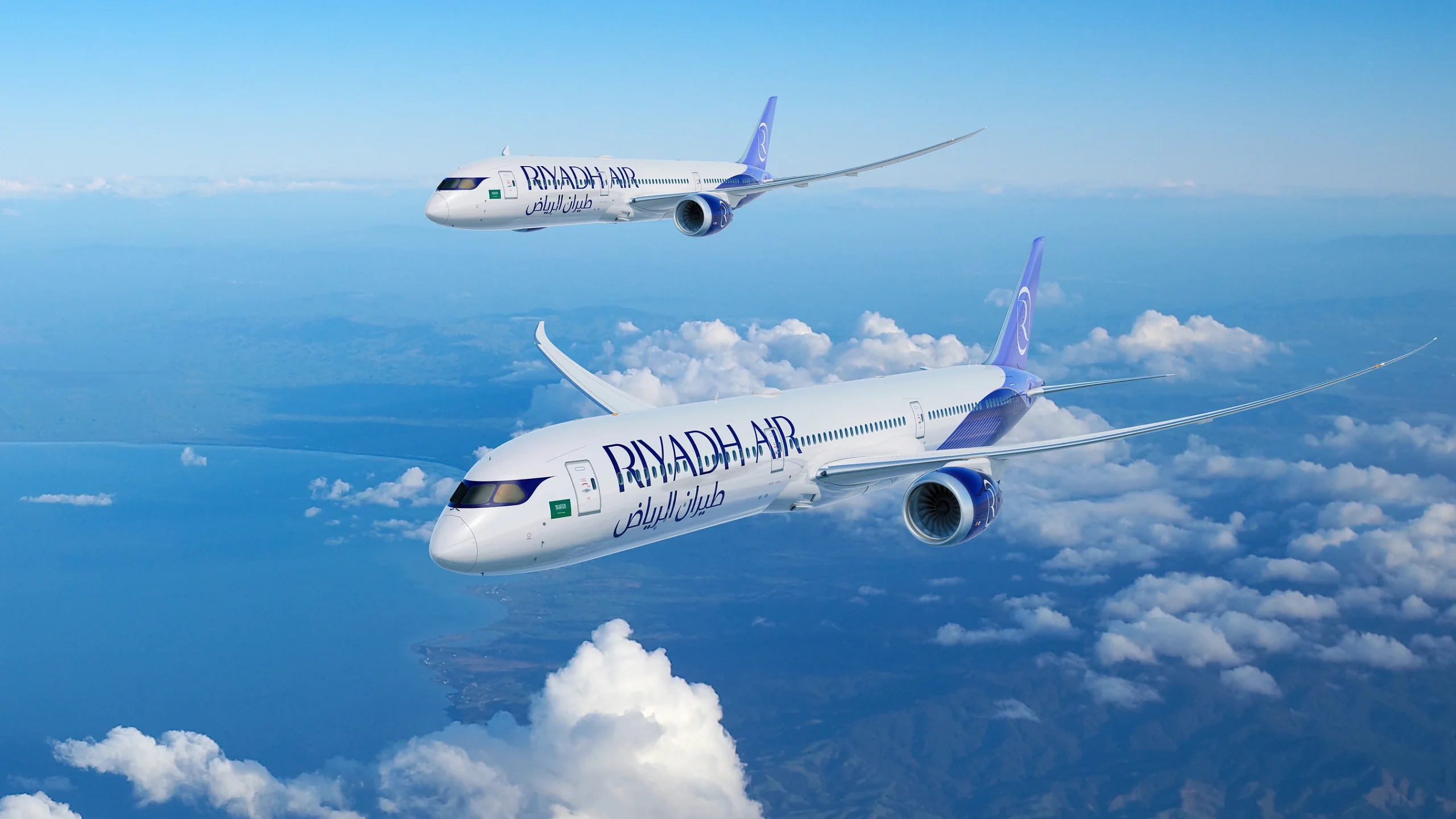

The three-year collaboration positions Riyadh Air as an AI-native airline, linking operational integration with more personalised employee and passenger experiences.
IBM and Riyadh Air have positioned the Saudi carrier as an AI-native airline, with artificial intelligence embedded across its operations rather than added to established legacy systems. The collaboration brings together IBM Consulting, IBM watsonx Orchestrate and a network of more than 60 partners across 59 workstreams. With initial flights underway and commercial service expected in early 2026, the project illustrates how a new airline can use its lack of legacy infrastructure as a basis for a unified digital operating model.
The programme covers both the internal systems used by employees and the touchpoints that shape the traveller journey. Riyadh Air is creating a digital workplace with a single, chat-first entry point for human-resources services, while generative and agentic AI capabilities are being built into workflows for staff and managers. The airline says the platform is intended to support its planned workforce expansion over the next 12 months.
For cabin and ground crews, AI-powered mobile applications are designed to connect employee and guest journeys. Riyadh Air is using IBM watsonx Orchestrate to build an agentic concierge for employees that can provide contextual suggestions and propose next actions, such as prompting staff to offer fast-track services to travellers running late. Customer-care teams will also use voice bots and agent-assist tools to provide support based on contextual data and anticipated traveller needs.
The operational layer extends beyond customer service. IBM Consulting has implemented an enterprise performance-management suite that brings financial, operational and commercial data together, automating planning, budgeting, forecasting and analysis. Riyadh Air says the integrated foundation is intended to provide real-time insight, support data-driven decisions, optimise route profitability and create opportunities for reinvestment in innovation.
The partnership reflects a broader shift in aviation technology from piecemeal upgrades towards designing systems around shared data and coordinated automation from the outset. Riyadh Air says its digital strategy, architecture and operating models are intended to support connectivity to more than 100 destinations and service for millions of travellers by 2030. For IBM, the project provides a large-scale example of its consulting and orchestration capabilities; for Riyadh Air, it establishes technology as part of the carrier’s operating foundation rather than a back-office layer.