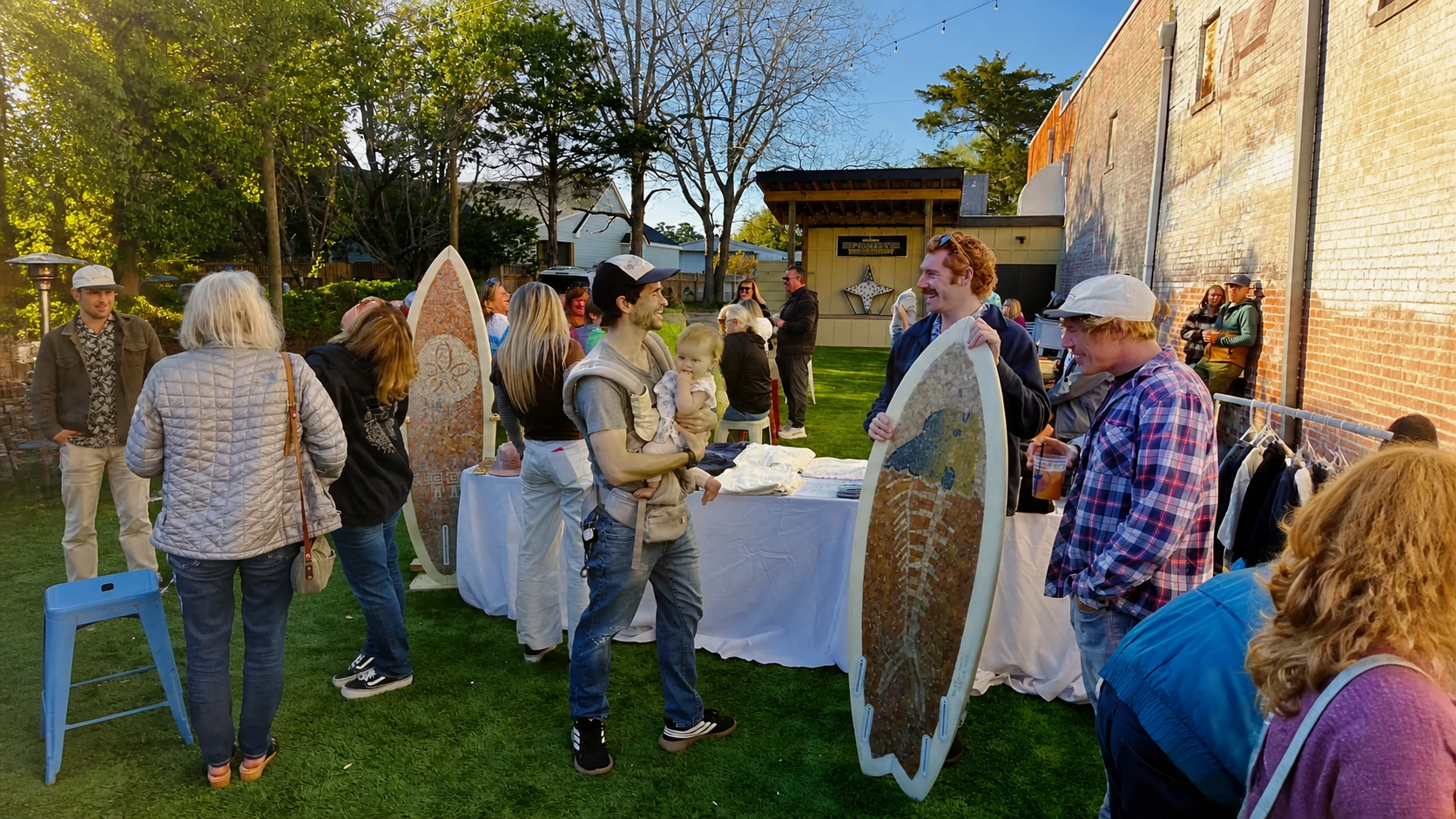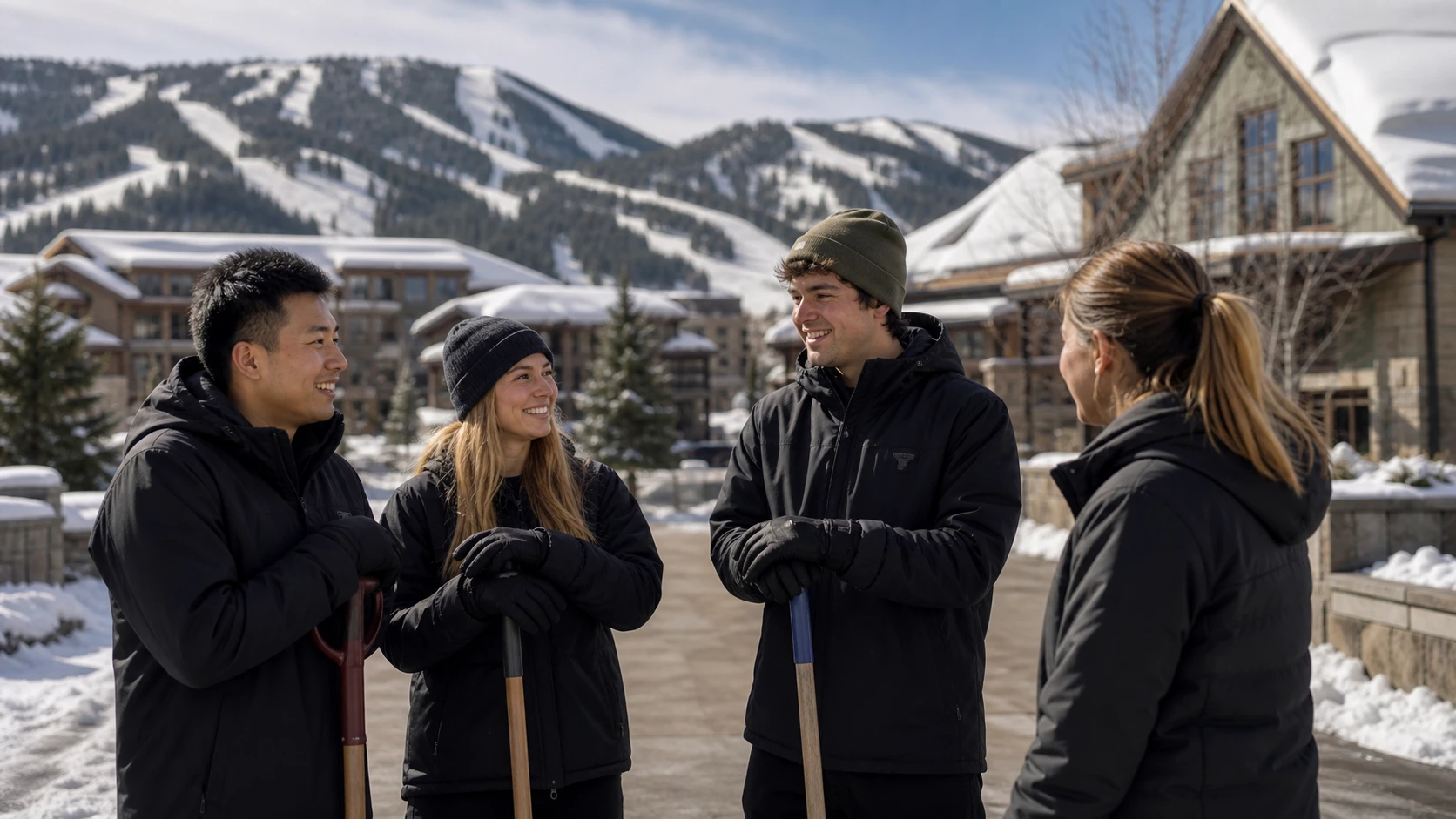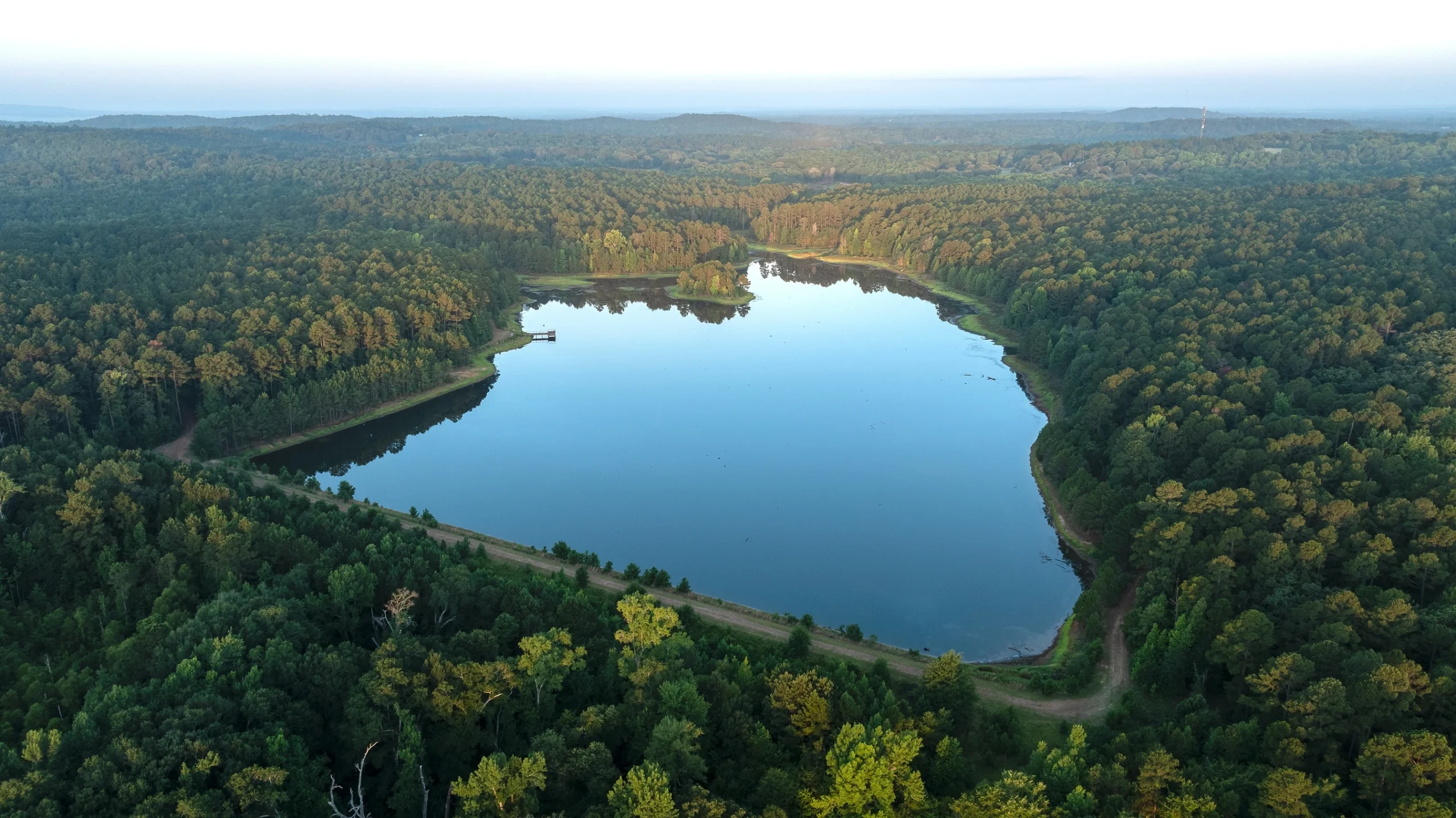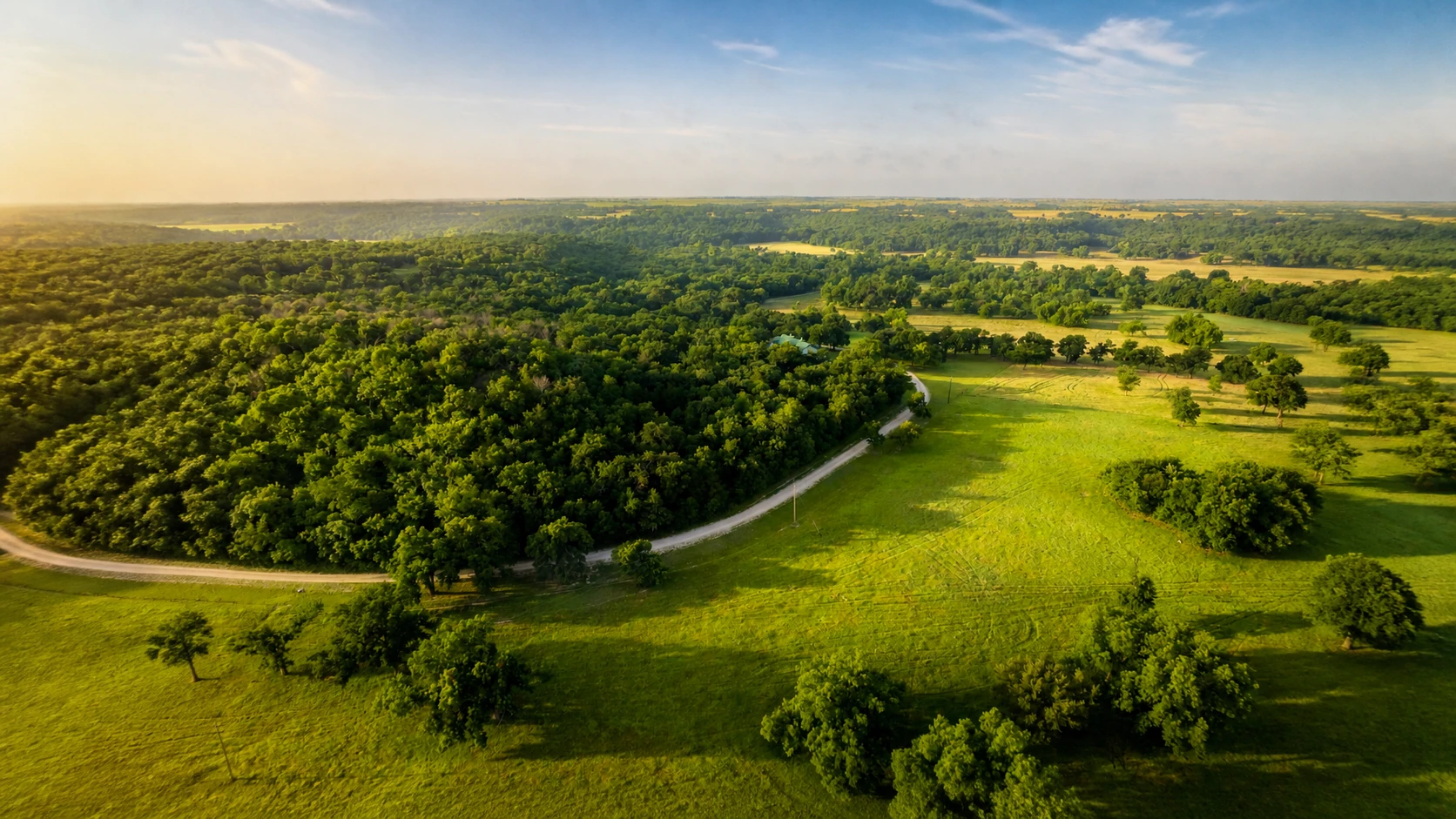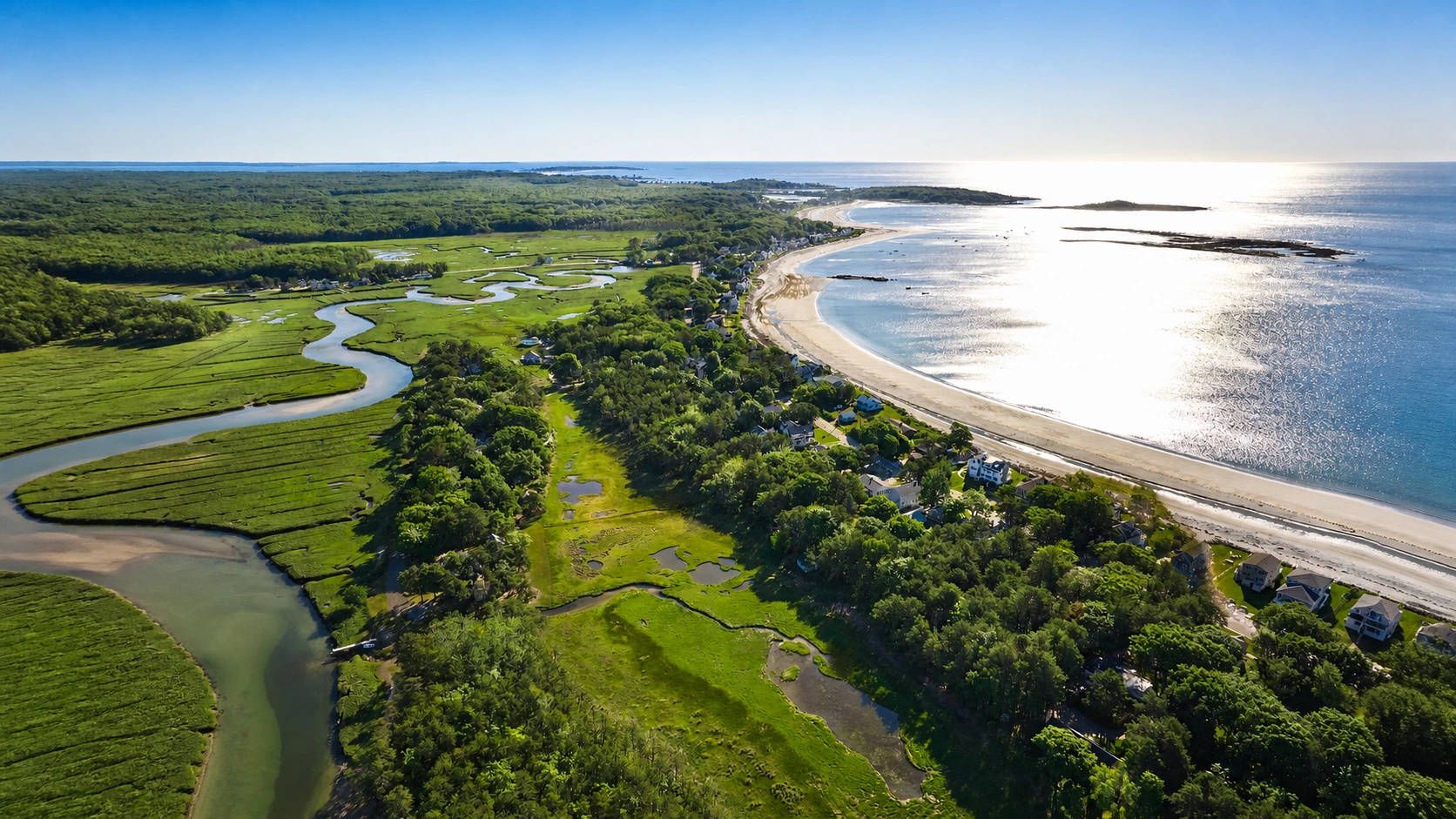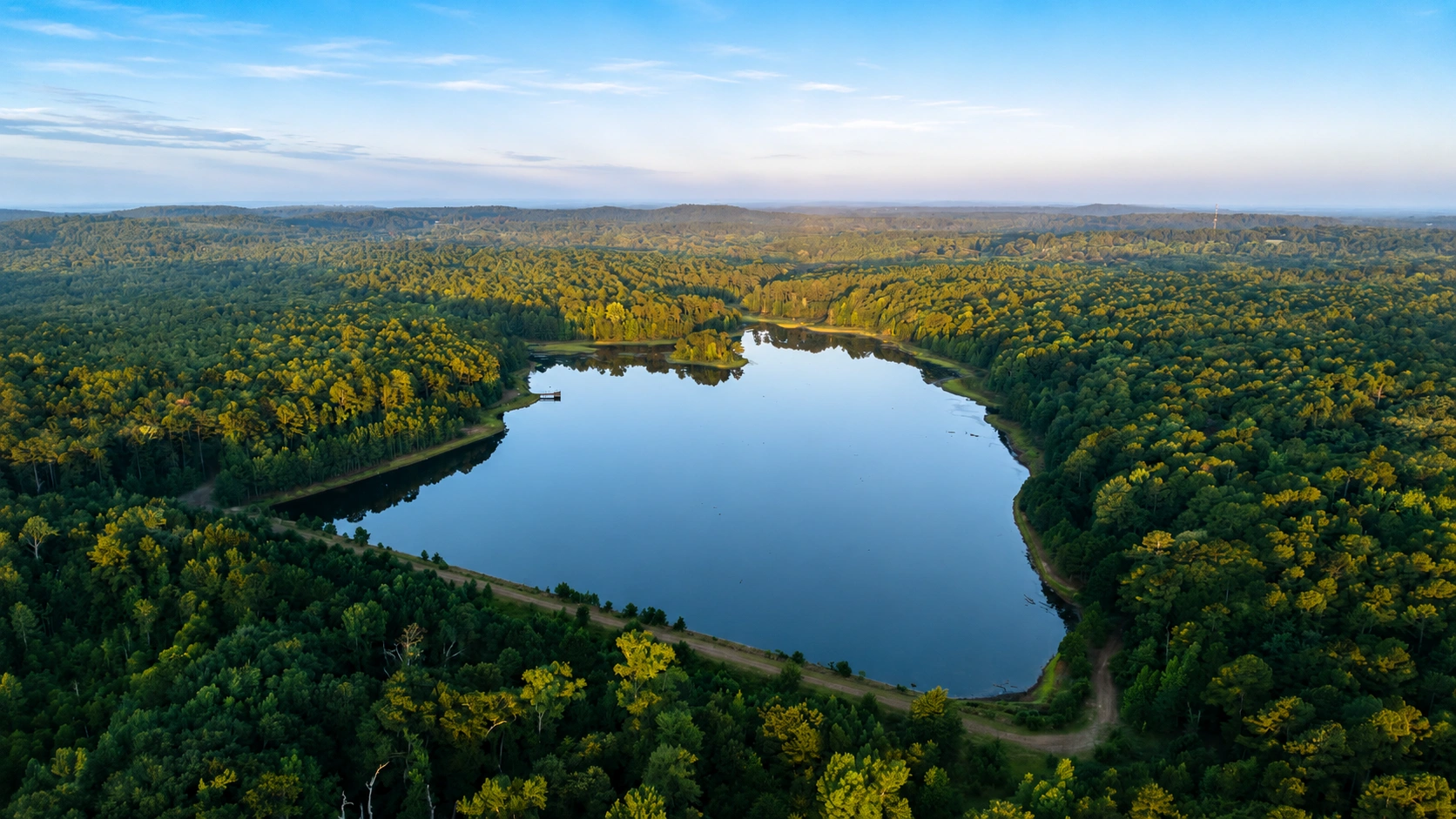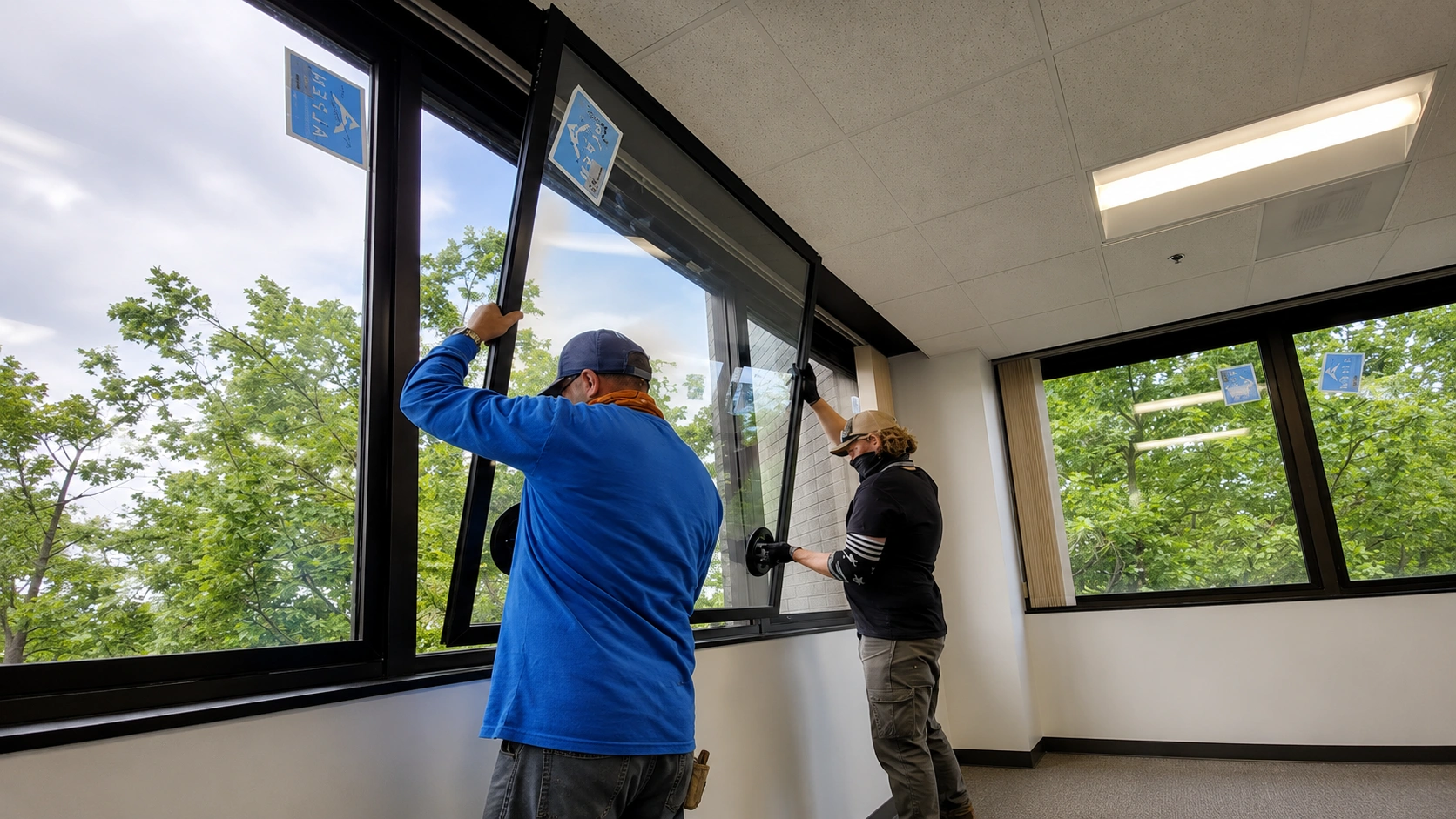
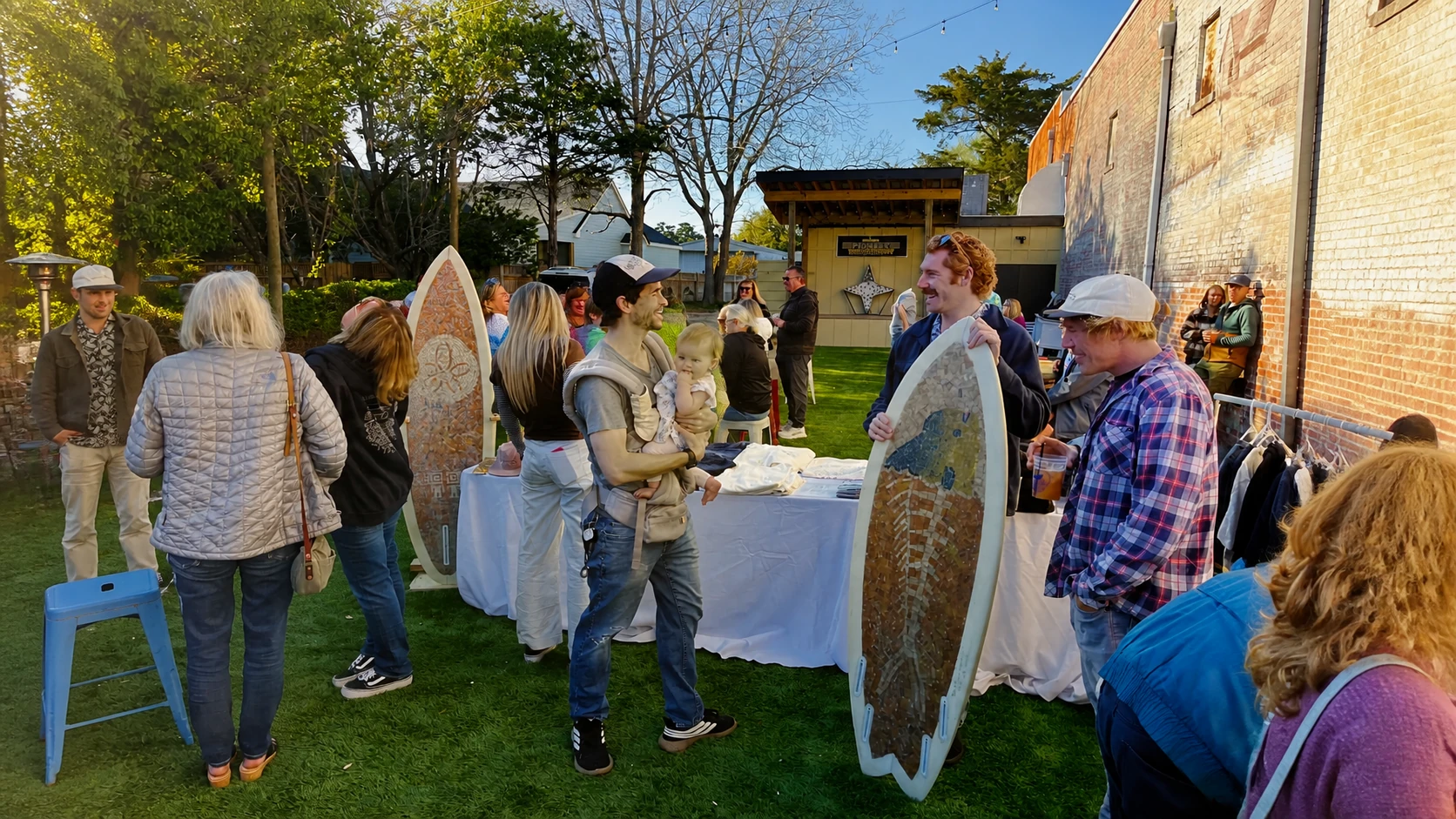
The Volunteer OBX portal gives visitors, residents and local organisations a shared platform for community service, extending the destination’s stewardship strategy.
The Outer Banks Visitors Bureau is putting volunteerism at the centre of its 2026 tourism strategy with Volunteer OBX, an online hub connecting visitors and residents with opportunities at local non-profits and community events. The platform is designed to make participation easier to find and organise across Dare County, North Carolina. For the Bureau, the initiative frames tourism as an activity that can contribute directly to the communities and places it serves.
Volunteer OBX is intended to serve both sides of the local volunteering system. Non-profits and government entities will receive free tools to schedule, manage and communicate with volunteers, while users can search for opportunities according to their interests and availability. That structure positions the portal as more than a directory, linking destination promotion with the practical administration of community activity.
The portal extends work already carried out through the Bureau’s voluntourism programme. During 2025, the Outer Banks Visitors Bureau added a Voluntourism on the OBX video series, produced a guide for the group travel market, established the first Outer Banks Volunteer Week in October and began a soft launch of Volunteer OBX. The programme presents volunteering as one way for visitors to engage with the Outer Banks beyond conventional leisure activities.
The initiative also sits within the Outer Banks Long-Range Tourism Management Plan, a 10-year roadmap focused on balancing resident quality of life with visitor quality of place. The plan links tourism with protection of the natural environment and preservation of Dare County’s history and culture. Alongside the portal, the Dare County Tourism Board finalised $1.79 million in Tourism Impact Grants for 12 local non-profits and governmental entities, supporting projects such as multi-use paths, beach access, environmental sustainability and cultural attractions.
Taken together, the portal and related programmes show how a destination authority is broadening the definition of tourism impact from visitor spending to participation in local priorities. The approach does not remove the pressures associated with tourism, but it gives the Bureau a formal channel for directing visitor and resident interest towards community organisations and events. Volunteer OBX therefore makes stewardship an operational feature of the Outer Banks visitor proposition rather than solely a long-range policy goal.