The B220-HT has secured ECAC G1 Standard certification, giving European airports a compliance pathway before stricter explosive-detection rules take effect.
Leidos’ B220-HT explosive trace detection system has achieved G1 Standard certification from the European Civil Aviation Conference ahead of a new requirement for equipment used at passenger-screening checkpoints across the European Union. The certification addresses stricter detection requirements due to apply from late 2026 and places the system within a regulatory transition affecting airport security operators. With more than 750 B220-HT units already in use at European airports, the development is relevant to both existing installations and future compliance planning.
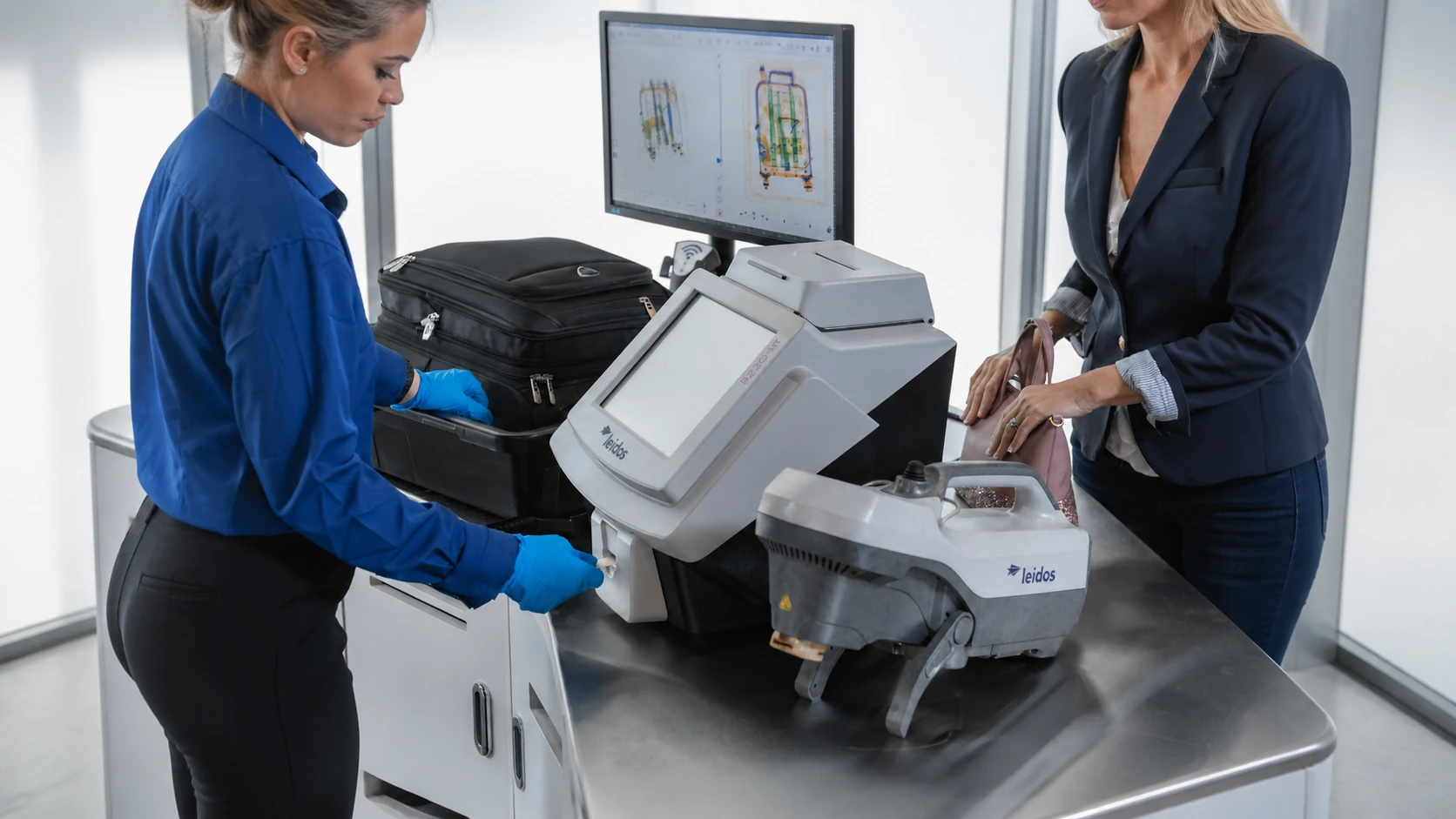
The change concerns explosive trace detection, a layer of airport screening that analyses trace samples collected from objects or skin. Leidos describes the B220-HT as a desktop system designed to detect a broad range of explosives and narcotics simultaneously, using technology intended to support rapid processing in high-throughput airport environments. The company’s wider trace-detection portfolio also includes the QS-B220, which is certified by the U.S. Transportation Security Administration and deployed across U.S. airports.
Under the European Civil Aviation Conference’s mandate, all explosive trace detection systems used at EU airport passenger-screening checkpoints must meet the G1 Standard beginning in late 2026. Leidos said the certification enables it to support continued compliance among customers operating the existing B220-HT fleet without disruption. The company also plans to work with customers on software changes required ahead of the regulatory deadline, according to Michael Van Gelder, a senior vice president and business area leader in Leidos’ Commercial & International sector.
The certification illustrates how airport-security technology is being shaped not only by detection performance but also by formal equipment standards and upgrade requirements. For operators, the presence of an installed system that can be brought into compliance may reduce the need to replace hardware across established checkpoints, although the precise implementation path will depend on the software changes and each airport’s operating environment. Leidos’ stated approach centres on adapting an existing European deployment rather than presenting the certification as a new airport rollout.
The B220-HT’s position in European airports now gives Leidos a defined role as operators prepare for the G1 Standard. Its certification does not remove the operational work required before late 2026, but it establishes the system’s stated compatibility with the coming requirement and gives current customers a basis for planning. The wider implication is restrained but practical: in regulated security markets, maintaining installed technology can be as important as introducing new equipment.