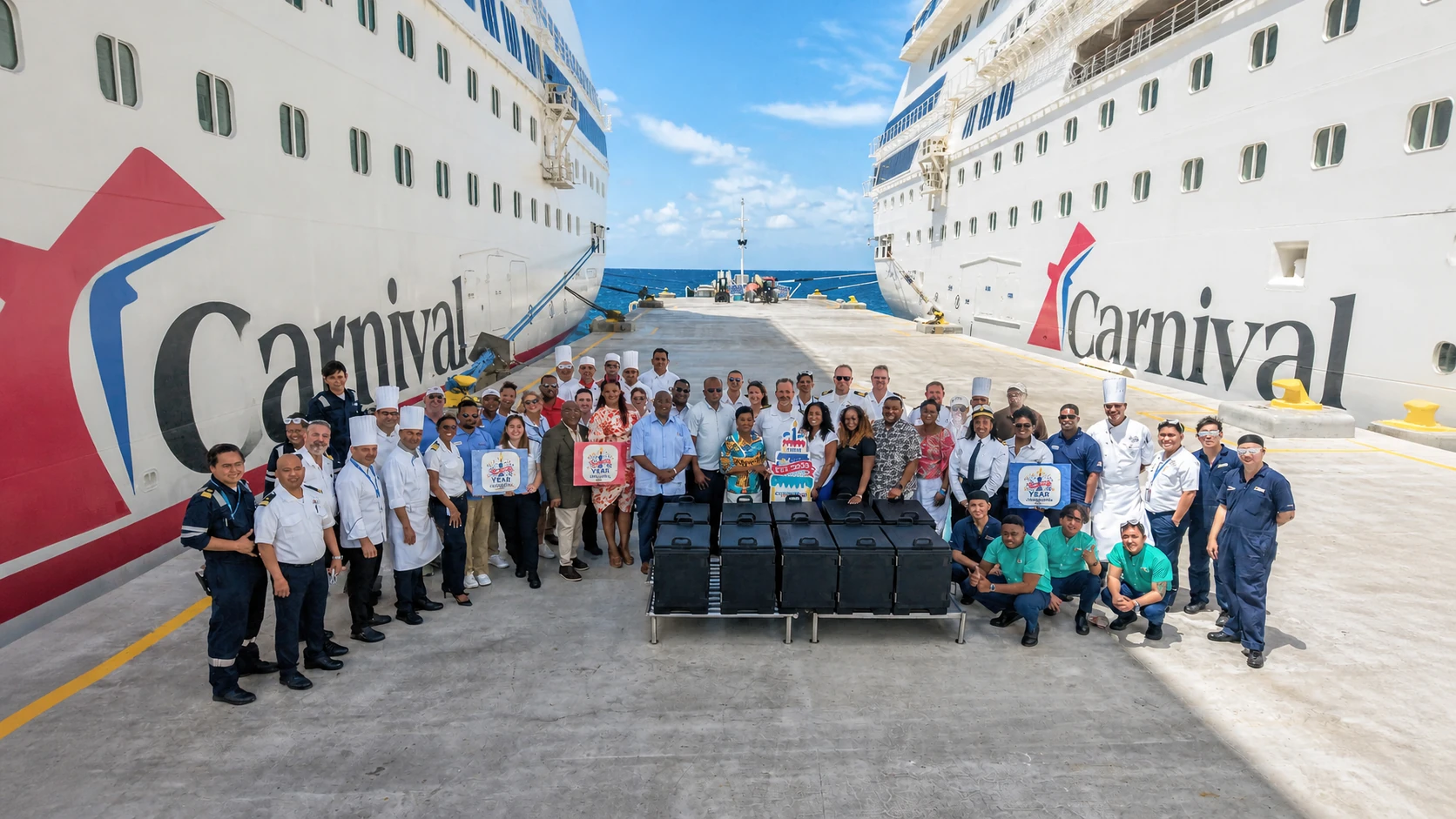
Carnival Corporation has expanded its surplus-meal donation programme to The Bahamas, linking food-waste reduction with community partnerships around its growing regional presence.
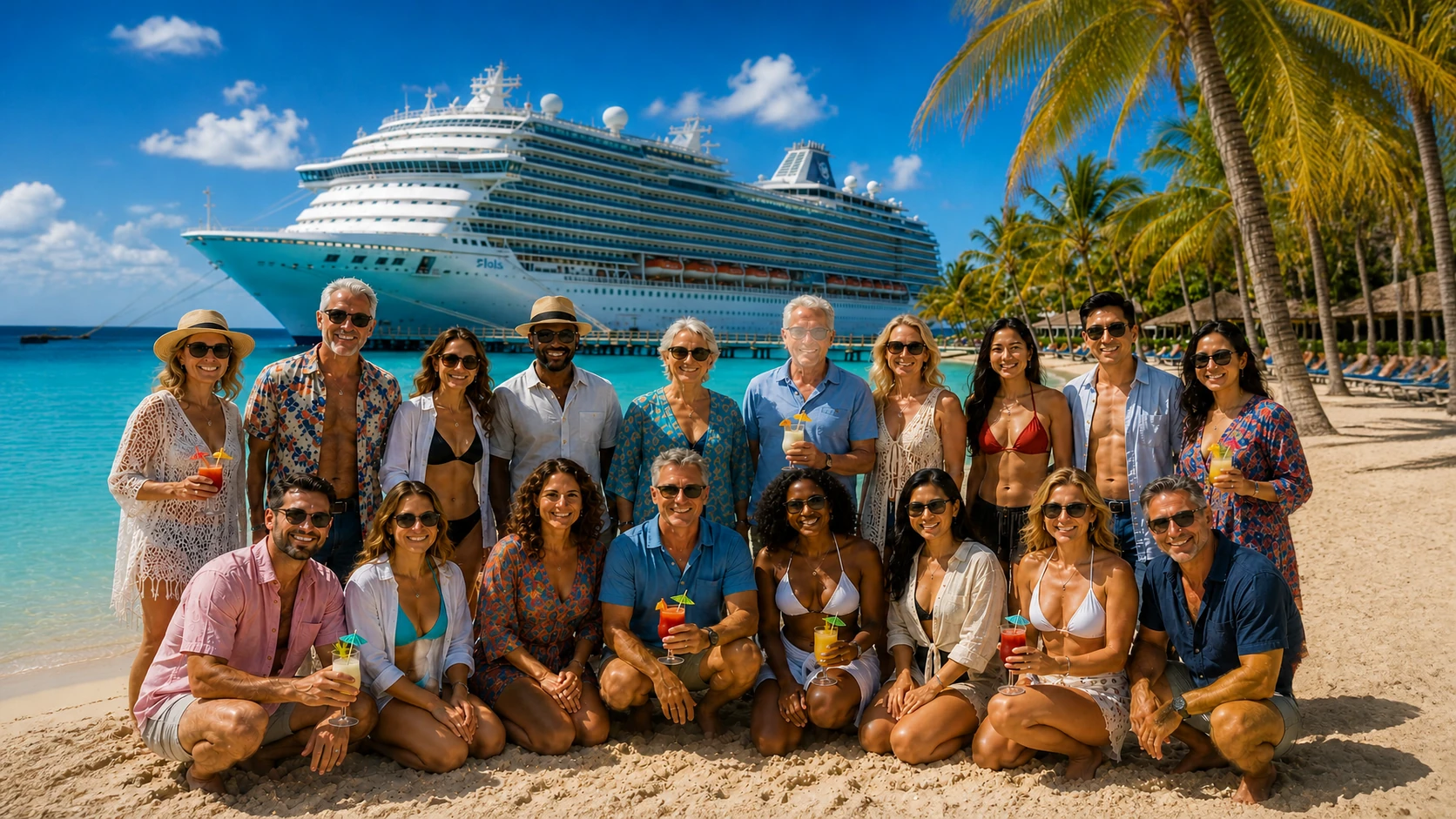
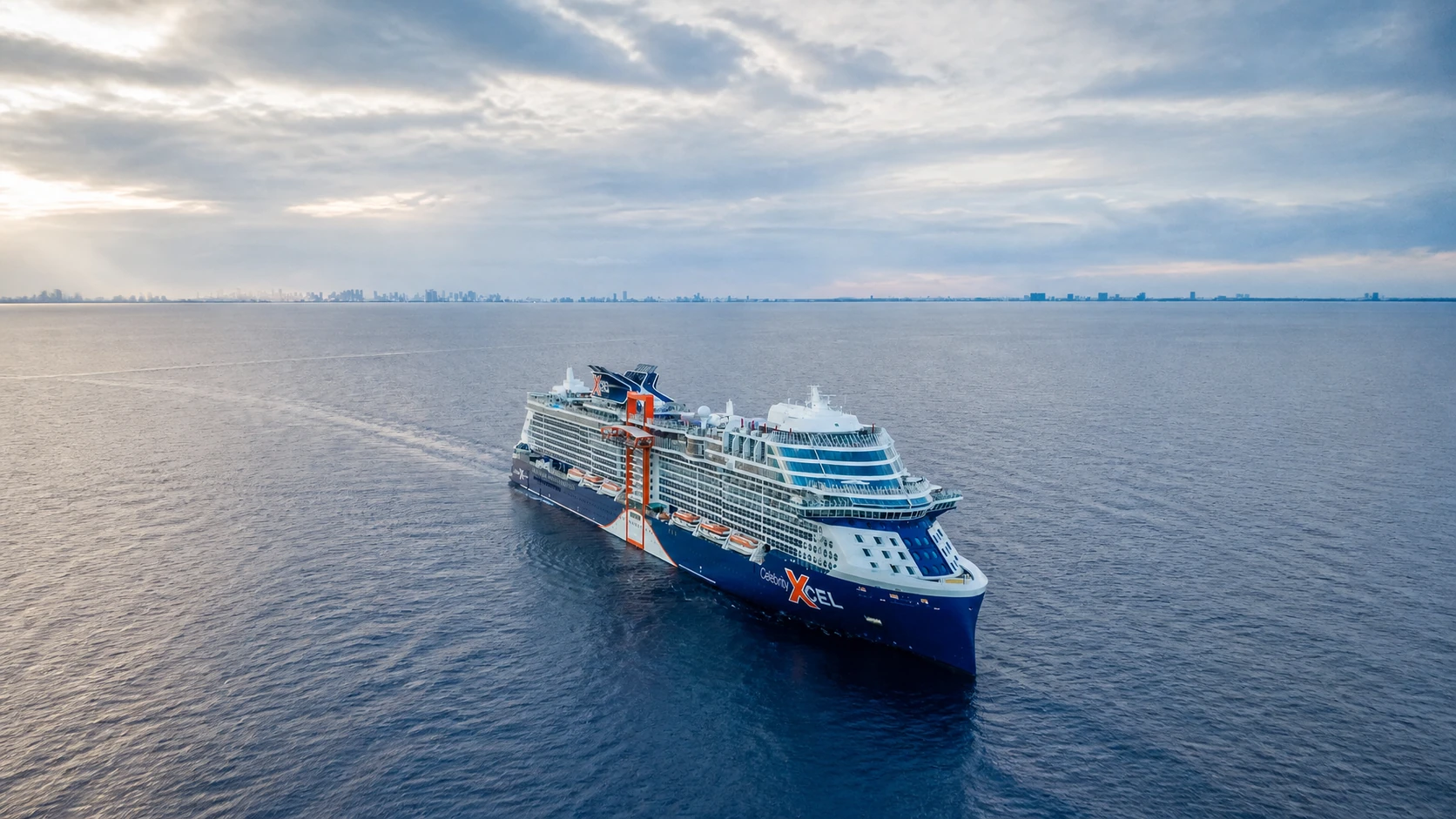
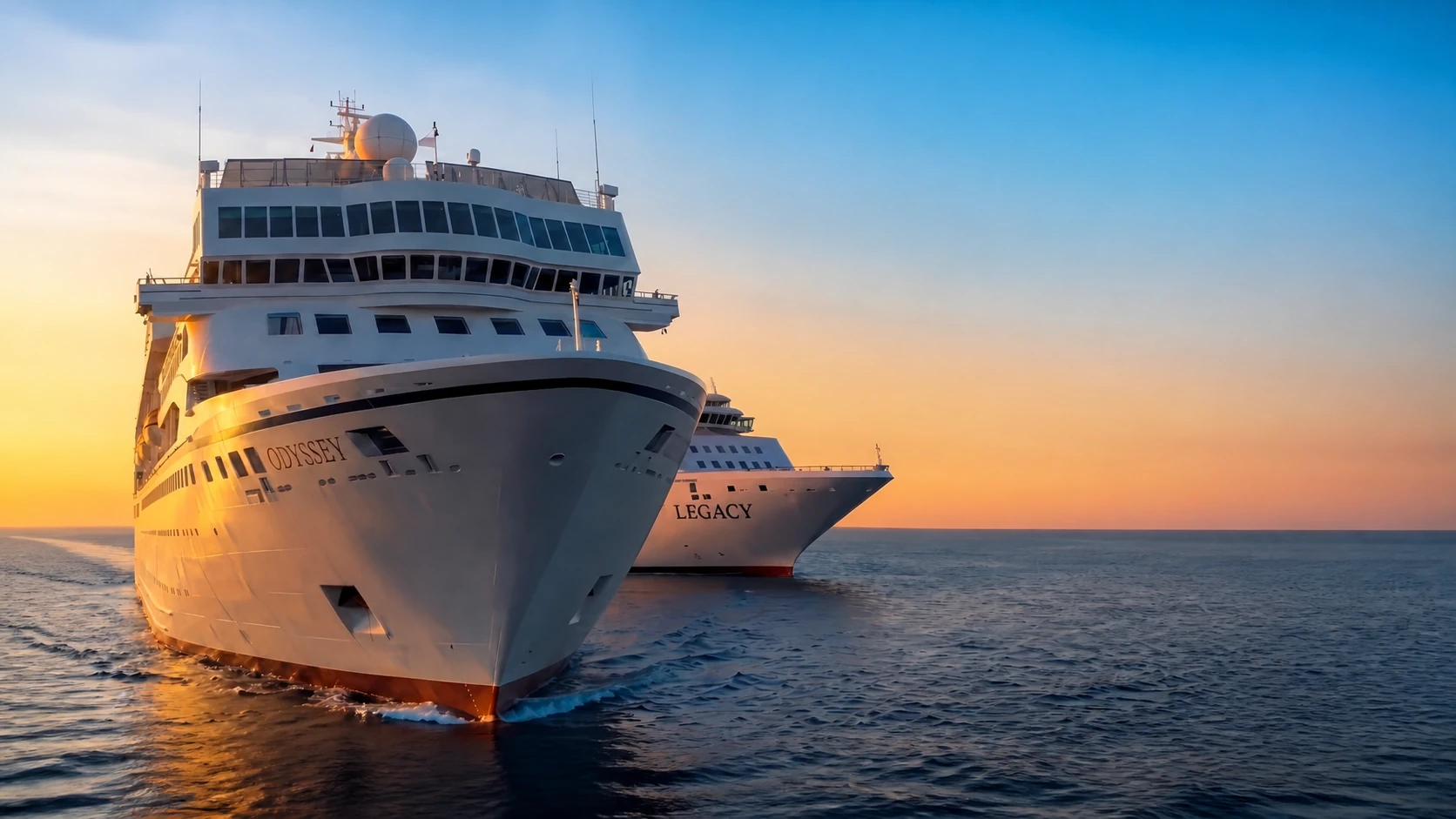
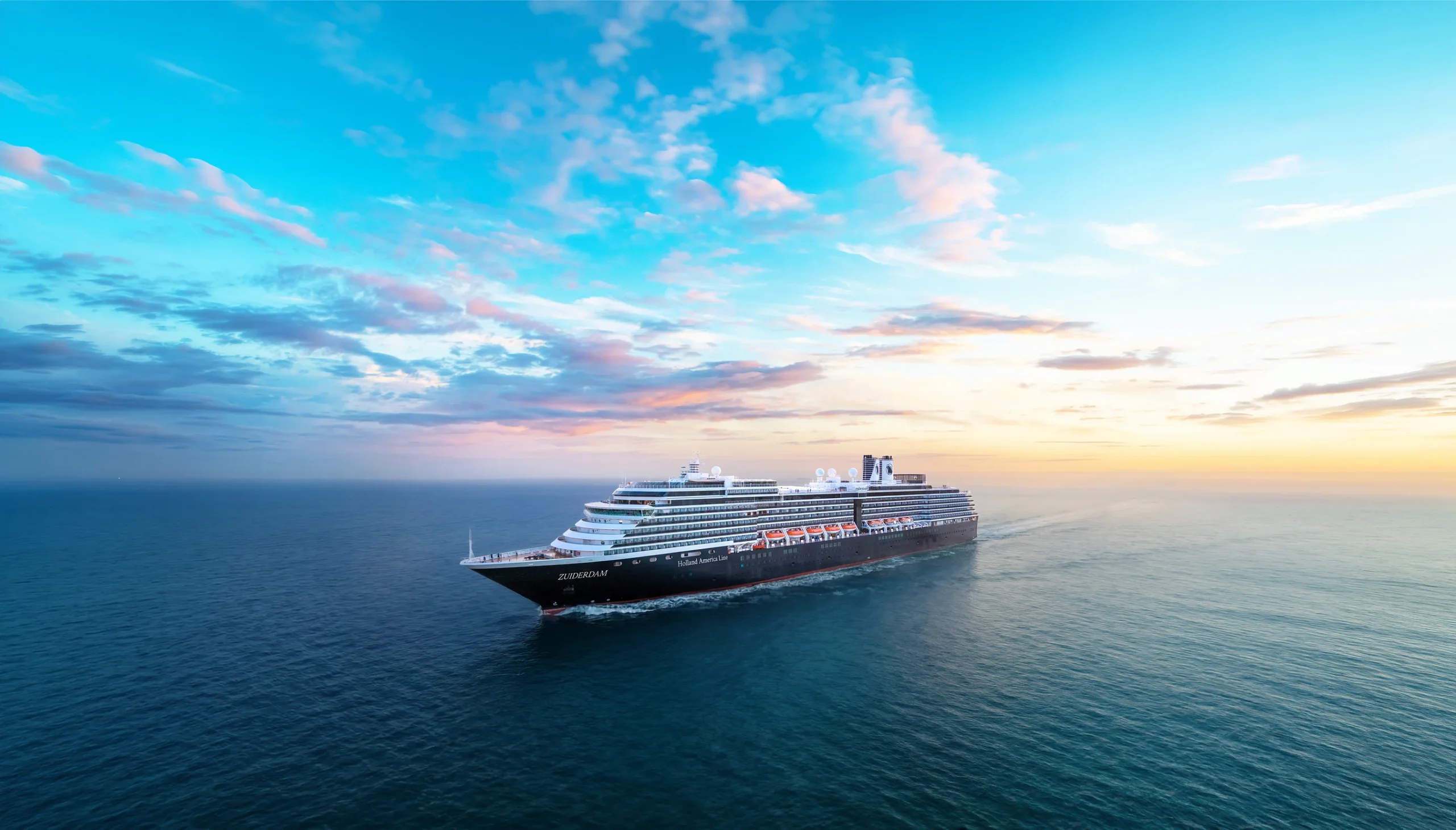
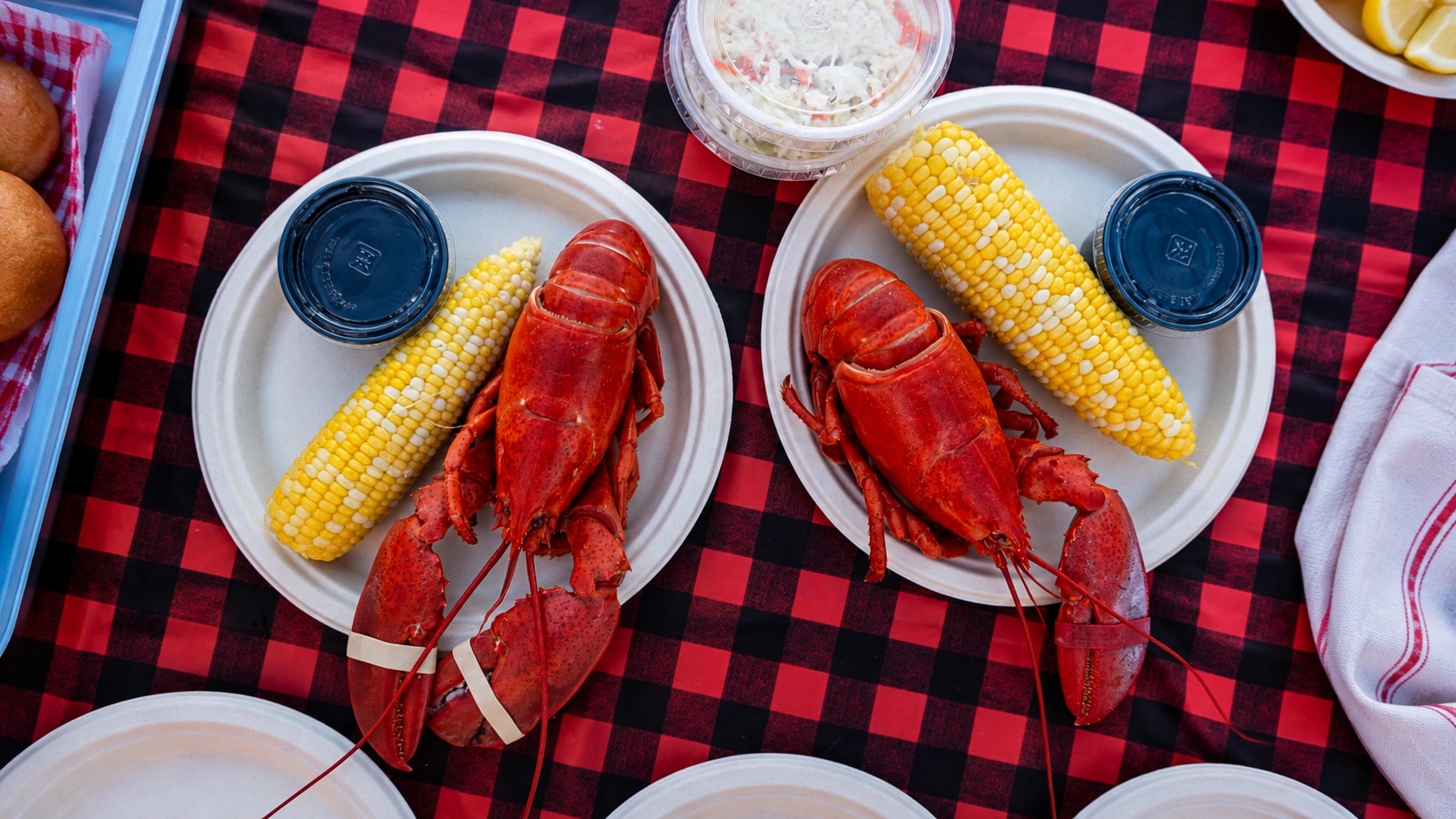
Carnival Corporation has launched its surplus-meal donation programme in The Bahamas, with the first distribution involving more than 318 pounds of prepared, unserved meals from Carnival Freedom and Carnival Conquest. The meals were redirected to the Grand Bahama Children’s Home and the Urban Renewal Authority for distribution within the local community. Announced on July 20, 2026, the expansion coincided with the first anniversary of Celebration Key on Grand Bahama Island and extends the company’s food-rescue model into another destination market.
The initiative forms part of Carnival’s Less Left Over food-waste reduction strategy, which the company says is intended to redirect surplus food through partnerships that create community impact. According to the release, donated meals are collected, rapidly chilled, stored and transferred ashore under established food-safety procedures and local regulatory requirements. That process places operational controls alongside the social purpose of the programme, allowing food prepared on ships but not served to be distributed on land.
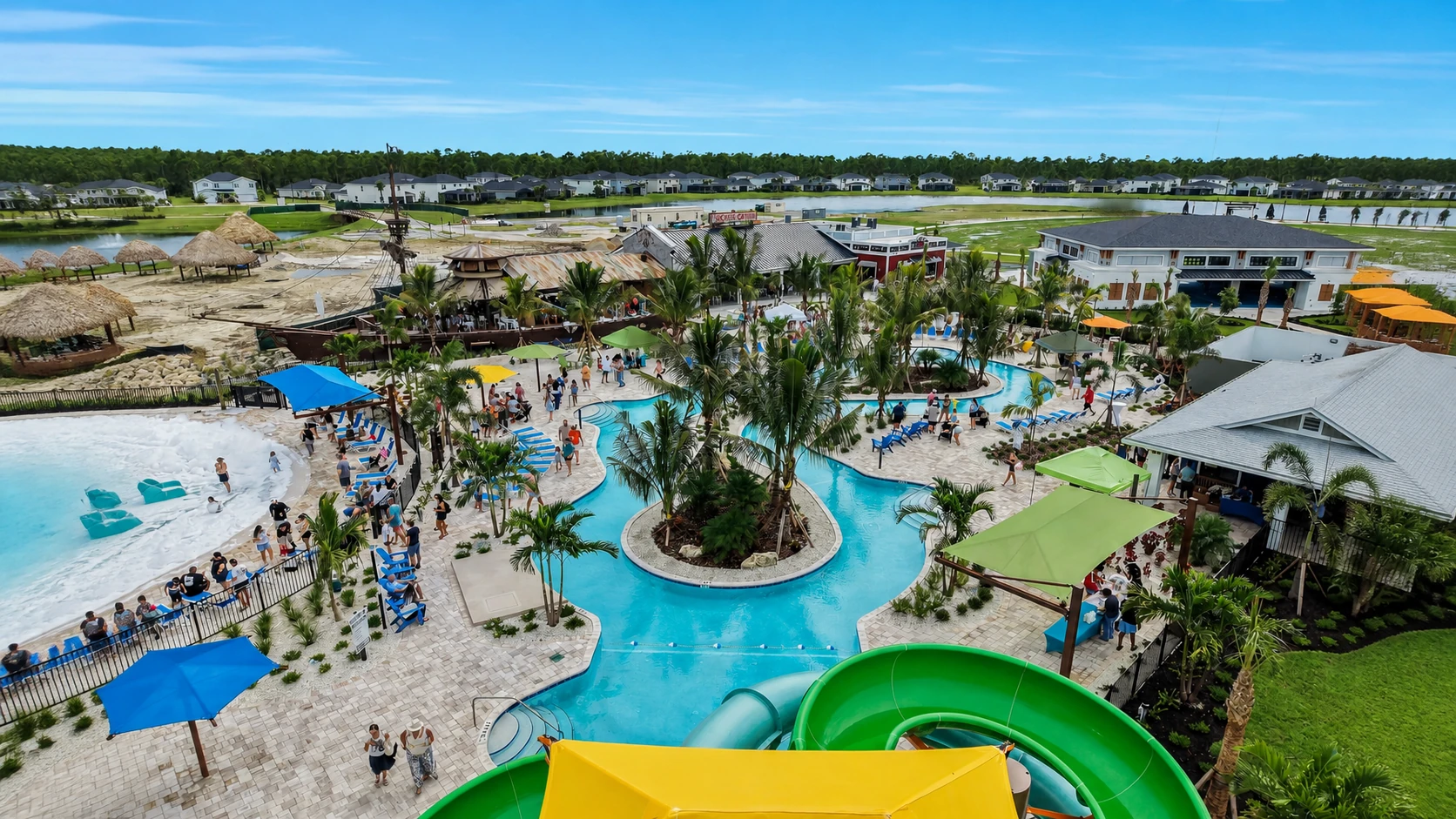
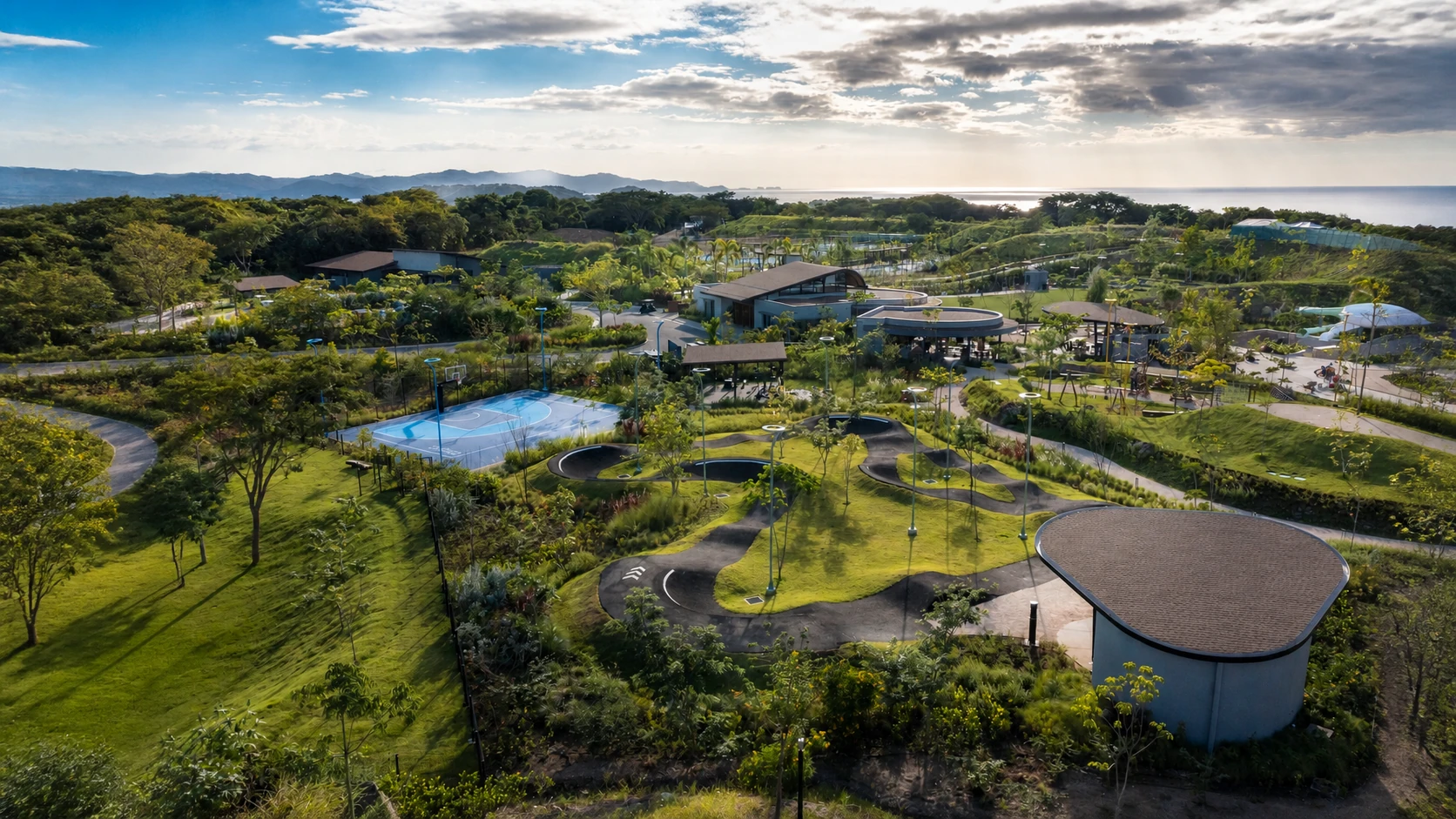
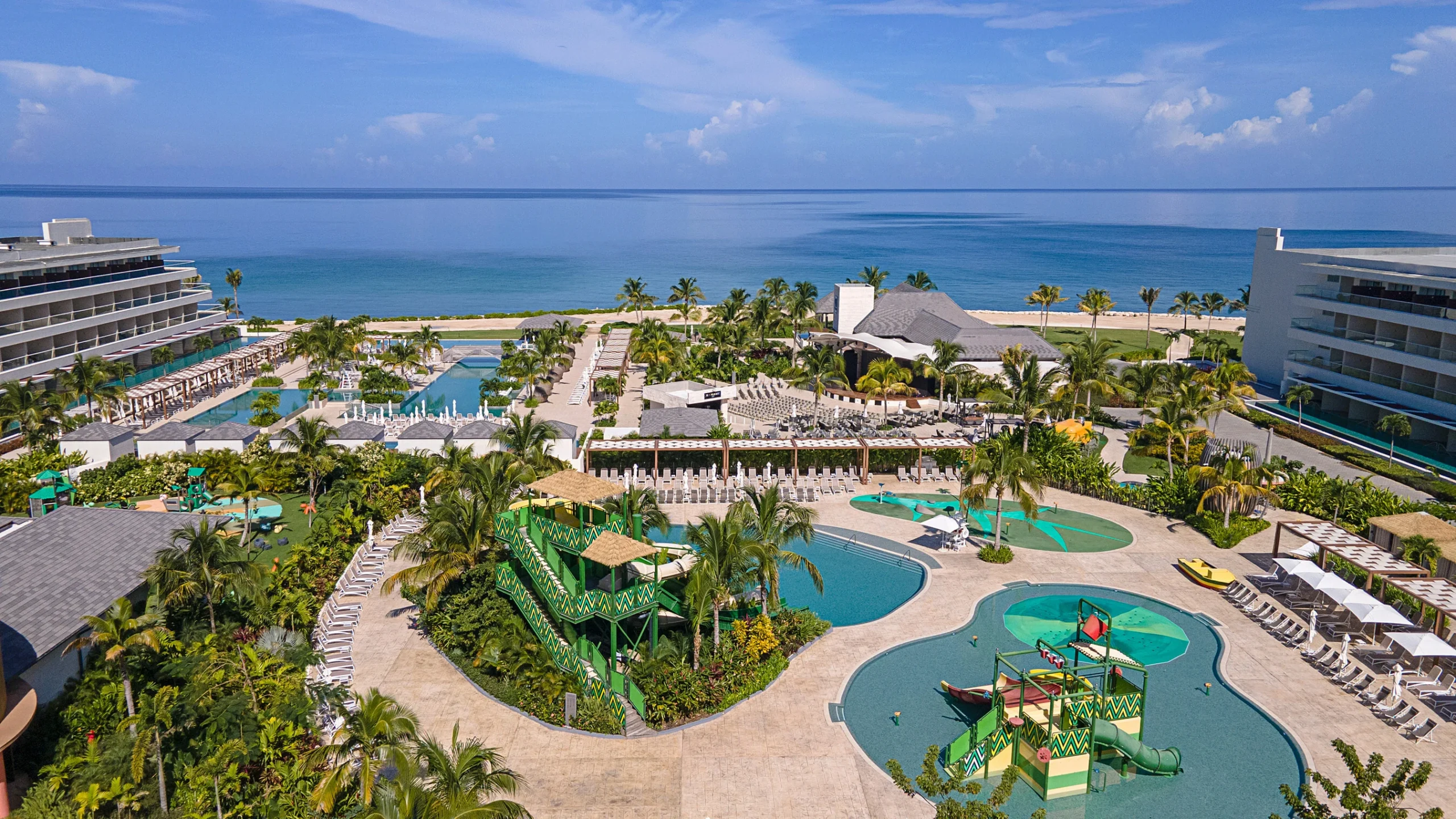
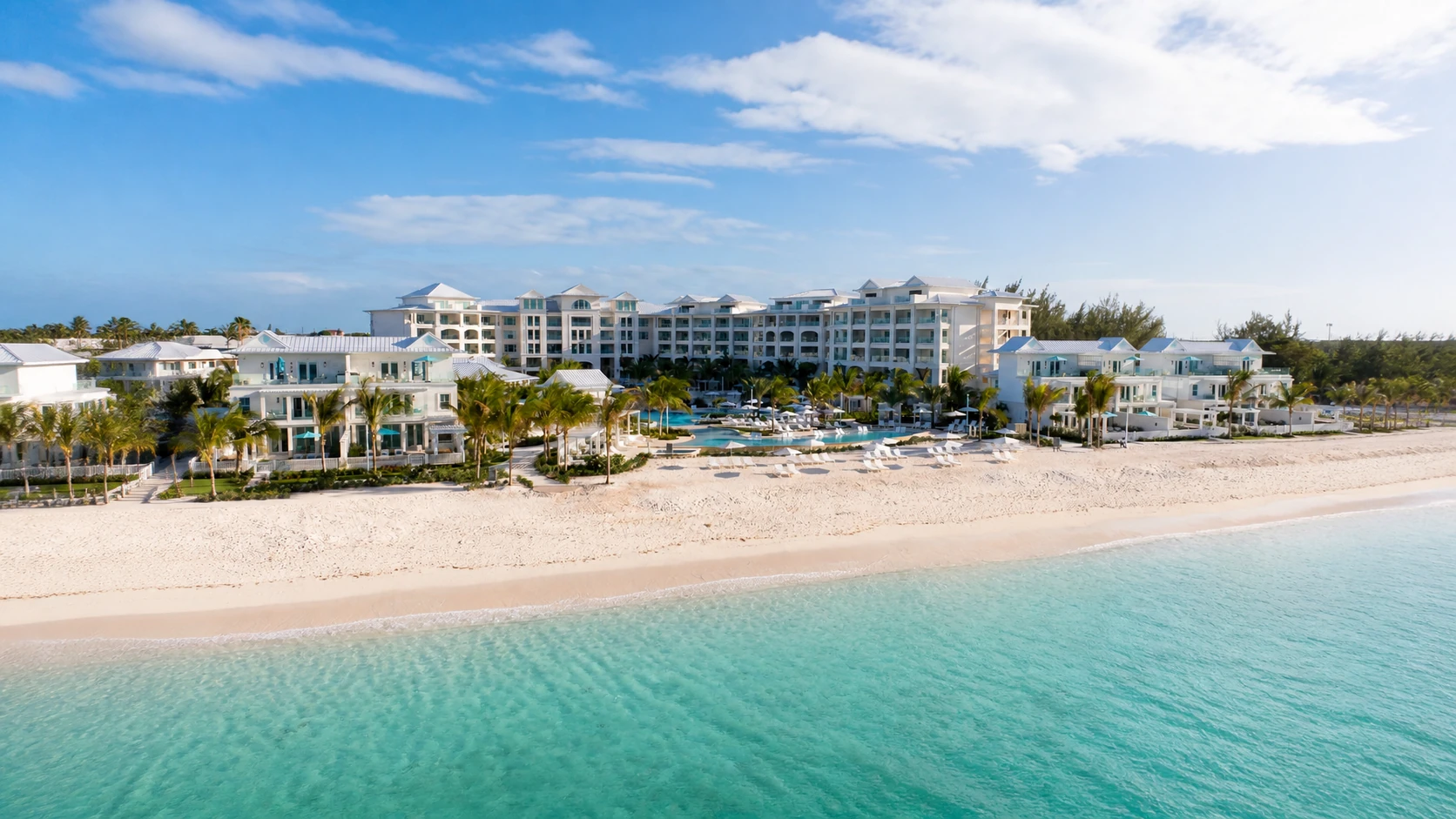
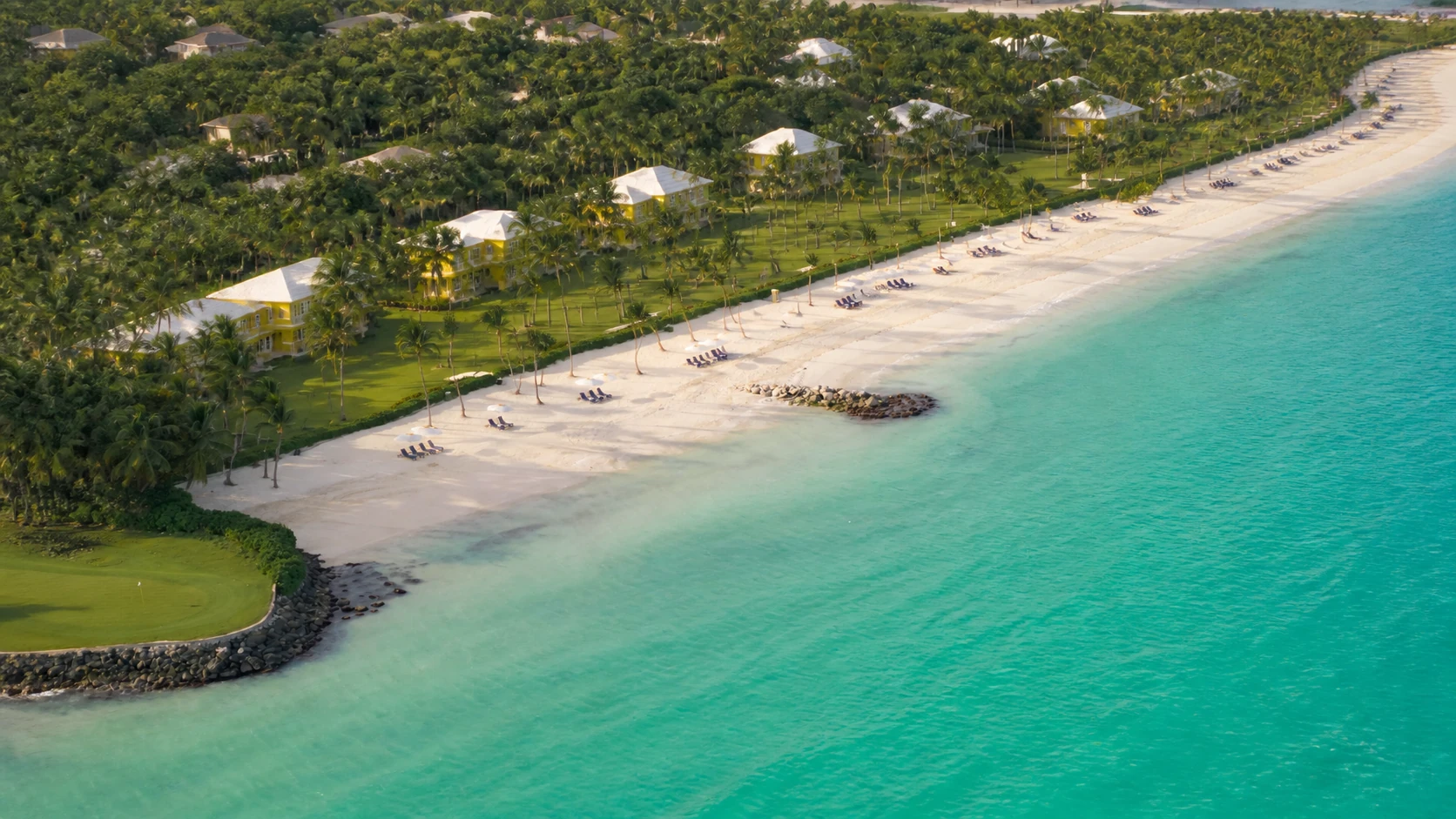
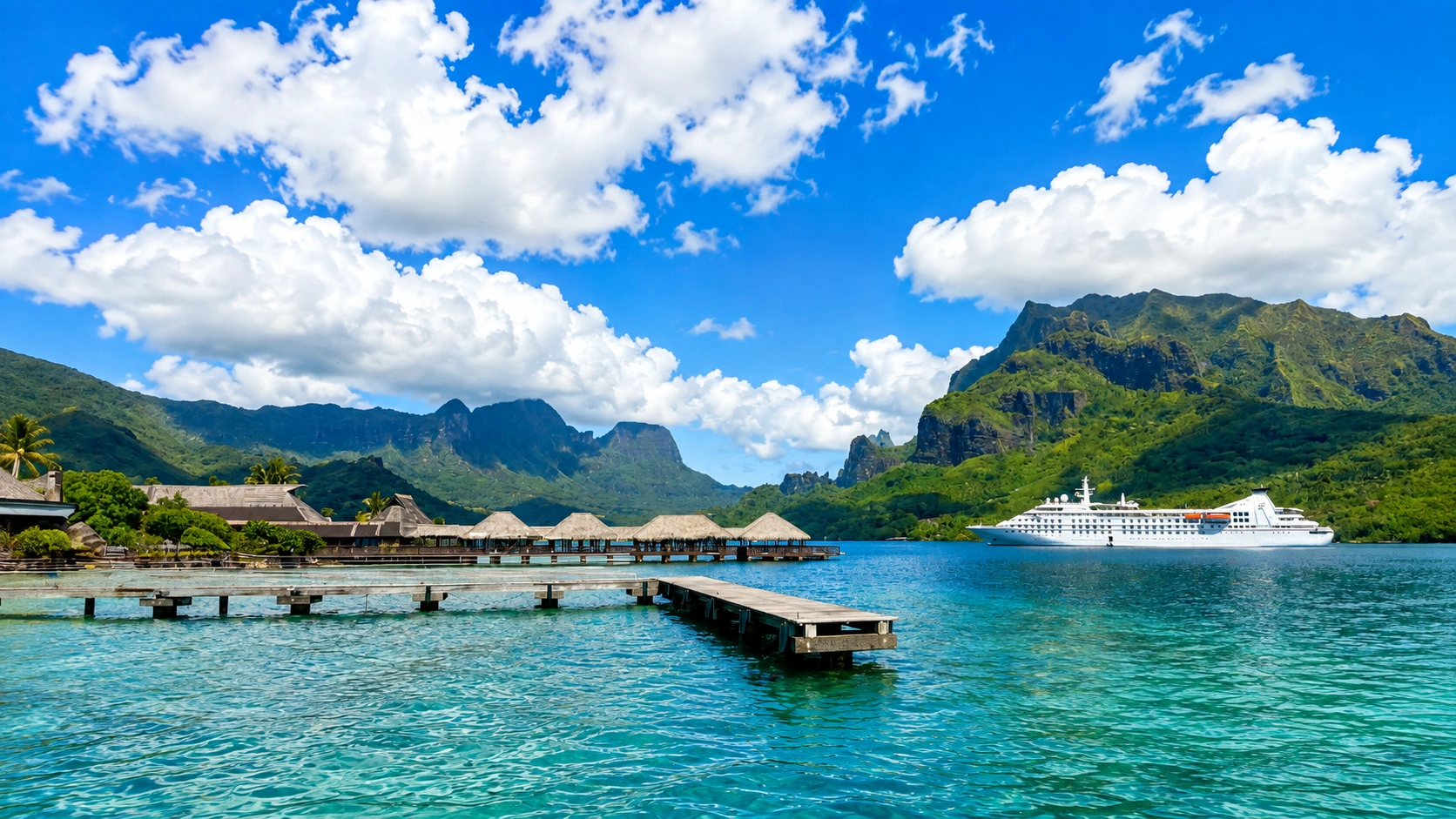
Carnival said the Bahamas launch establishes a framework for future donations from ships and adds to its network of local partners. The company’s broader activity in the country includes Celebration Key on Grand Bahama and RelaxAway, Half Moon Cay, both described as part of Carnival Cruise Line’s Paradise Collection. Since late 2025, Carnival has also completed more than 20 ship donations across Nassau, Grand Bahama and Eleuthera, redirecting furniture, clothing, bicycles and other household goods to families, schools, community centres and charitable organisations.
The meal programme has operated since 2017 and, according to Carnival, now reaches 20 ports around the world. As of the end of 2025, it had provided more than 320,000 meal portions globally, while recent launches in Roatán, Honduras, and the Dominican Republic preceded the Bahamas expansion. The company frames the model as addressing environmental and social concerns together: reducing the amount of food discarded while providing meals through partnerships in port communities.
For Carnival, the announcement places food redistribution within a wider pattern of destination engagement rather than treating it as a standalone charitable activity. The company’s comments emphasise cooperation with government leaders and community organisations, while the initial Bahamas delivery demonstrates how onboard surplus can be connected to established recipients ashore. The programme’s next significance will depend on how consistently that framework can support further donations across the country, but the July 20 launch gives Carnival a defined operational base for expanding the effort.