Finatical Software argues that finance teams need structured, auditable data foundations before AI can reliably support analysis, forecasting and consequential business decisions.
Finatical Software is making the case that the next major shift in finance technology will depend less on increasingly capable AI models and more on the information those systems receive. The company calls this foundation a “Structured Financial Data Layer,” describing an environment in which financial data, calculations, reporting logic and business rules are organized into consistent and reviewable structures before AI is used for analysis.
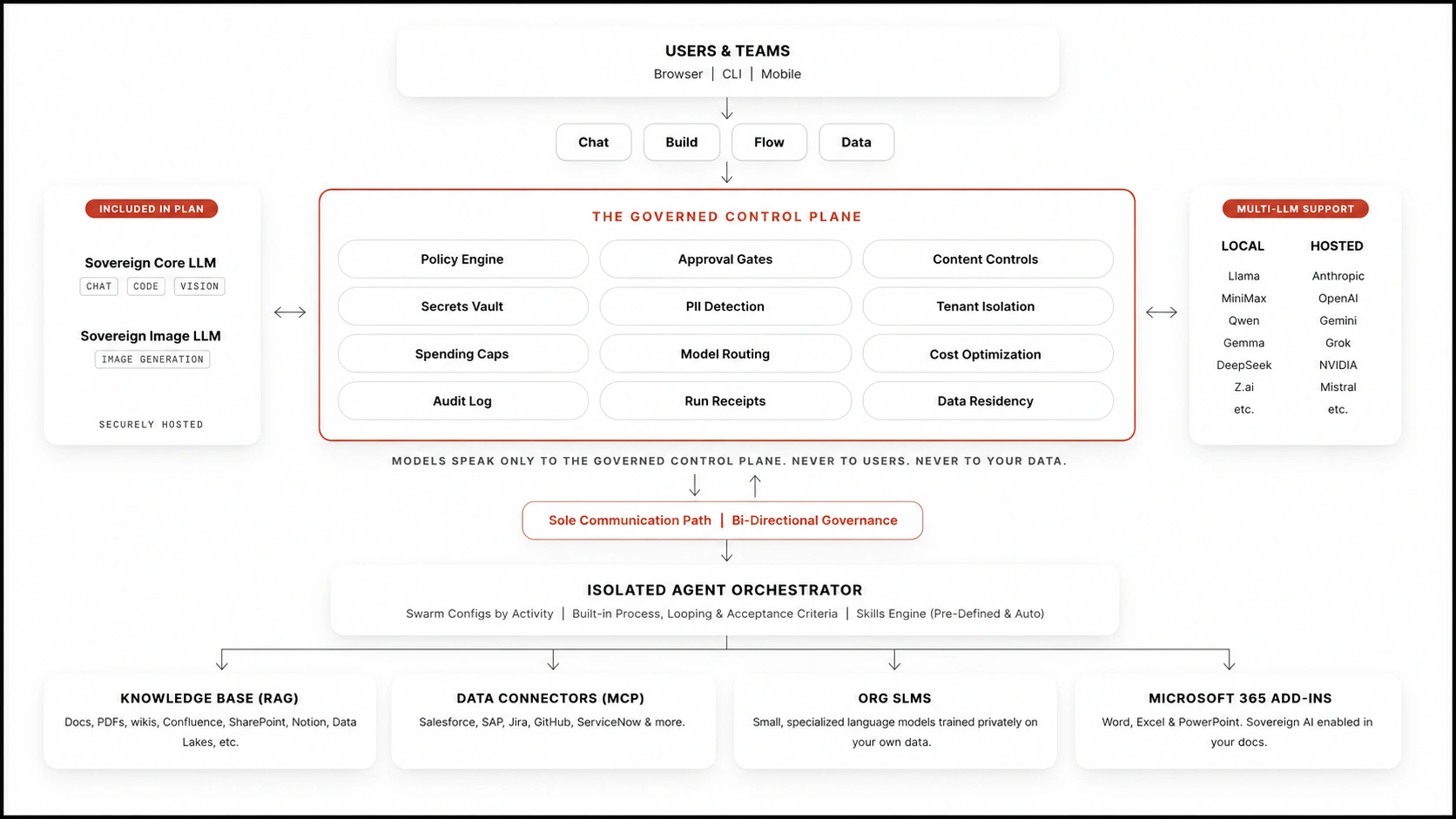
The argument addresses a practical limitation in the rush to introduce AI into financial workflows. Models can analyze information quickly and generate recommendations, but inconsistent source data or poorly documented calculations can make those outputs difficult to validate. In finance, where decisions often depend on reconciled numbers and clearly understood assumptions, faster analysis offers limited value if professionals cannot trace a conclusion back to the information and logic that produced it.
Finatical frames the development as the next stage in a longer evolution of finance software. Reporting dominated earlier systems, followed by real-time dashboards, automated key performance indicators and more accessible analytics. As AI becomes another layer of decision support, the company argues that organizations will need financial information structured so it can be reused consistently across reporting, forecasting and automated analysis rather than assembled separately for each task.
That approach also points to a more restrained role for AI in financial decision-making. Rather than replacing professional judgment, structured workflows could allow AI to identify patterns and accelerate analysis while leaving finance teams responsible for reviewing assumptions, validating outputs and making consequential decisions. Transparency becomes particularly important when automated recommendations influence budgets, forecasts or other financial planning activities.
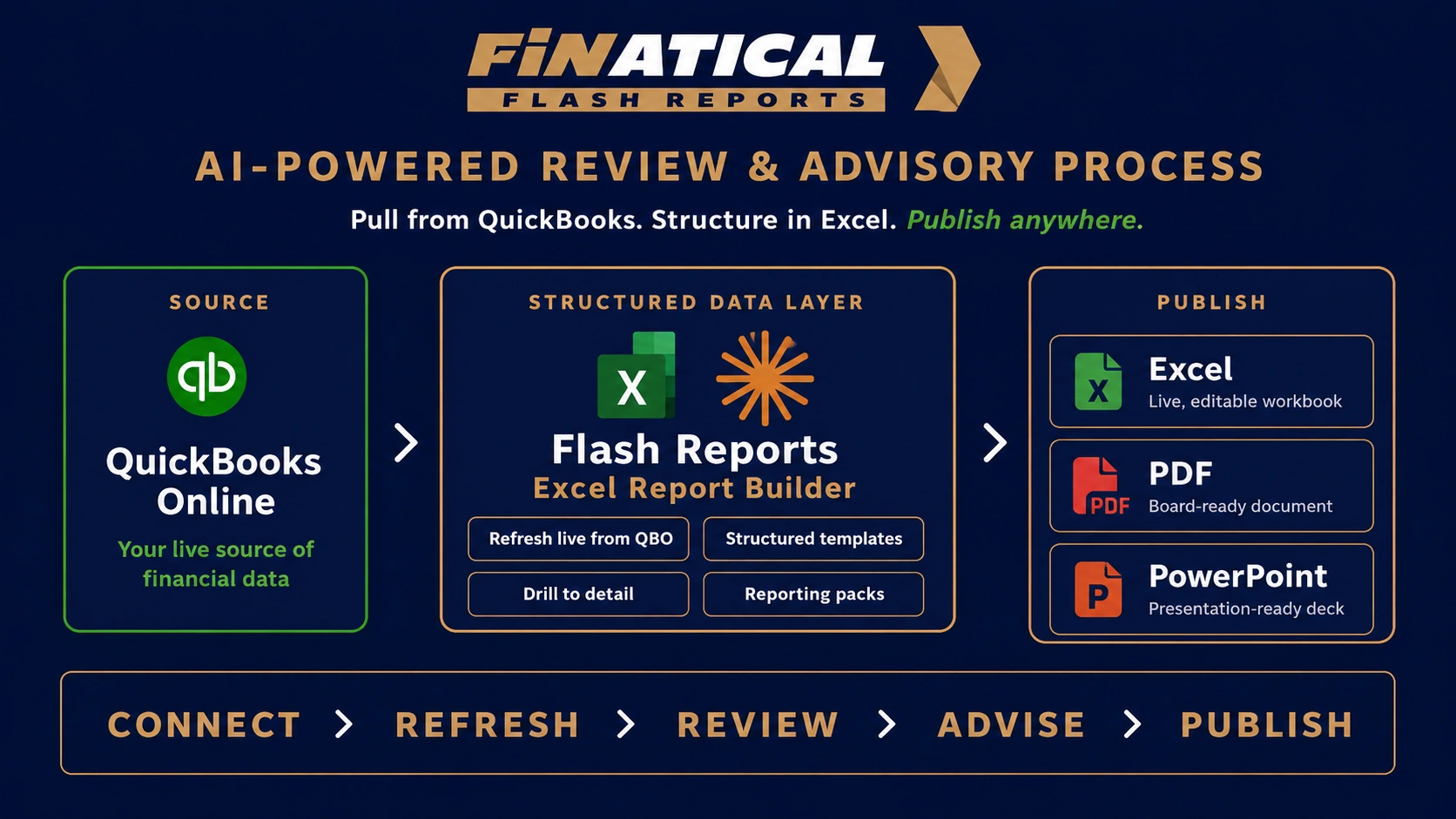
Finatical is applying the concept through Flash Reports, its platform connecting live QuickBooks Online data with Microsoft Excel. The system is designed to preserve financial models and reporting logic in refreshable Excel workflows while providing a consistent underlying data source. Whether “Structured Financial Data Layer” becomes a broadly adopted category remains uncertain, but the underlying issue is increasingly relevant: organizations experimenting with AI in finance must contend not only with what models can do, but with whether the financial information feeding them is accurate, organized and sufficiently transparent to trust.