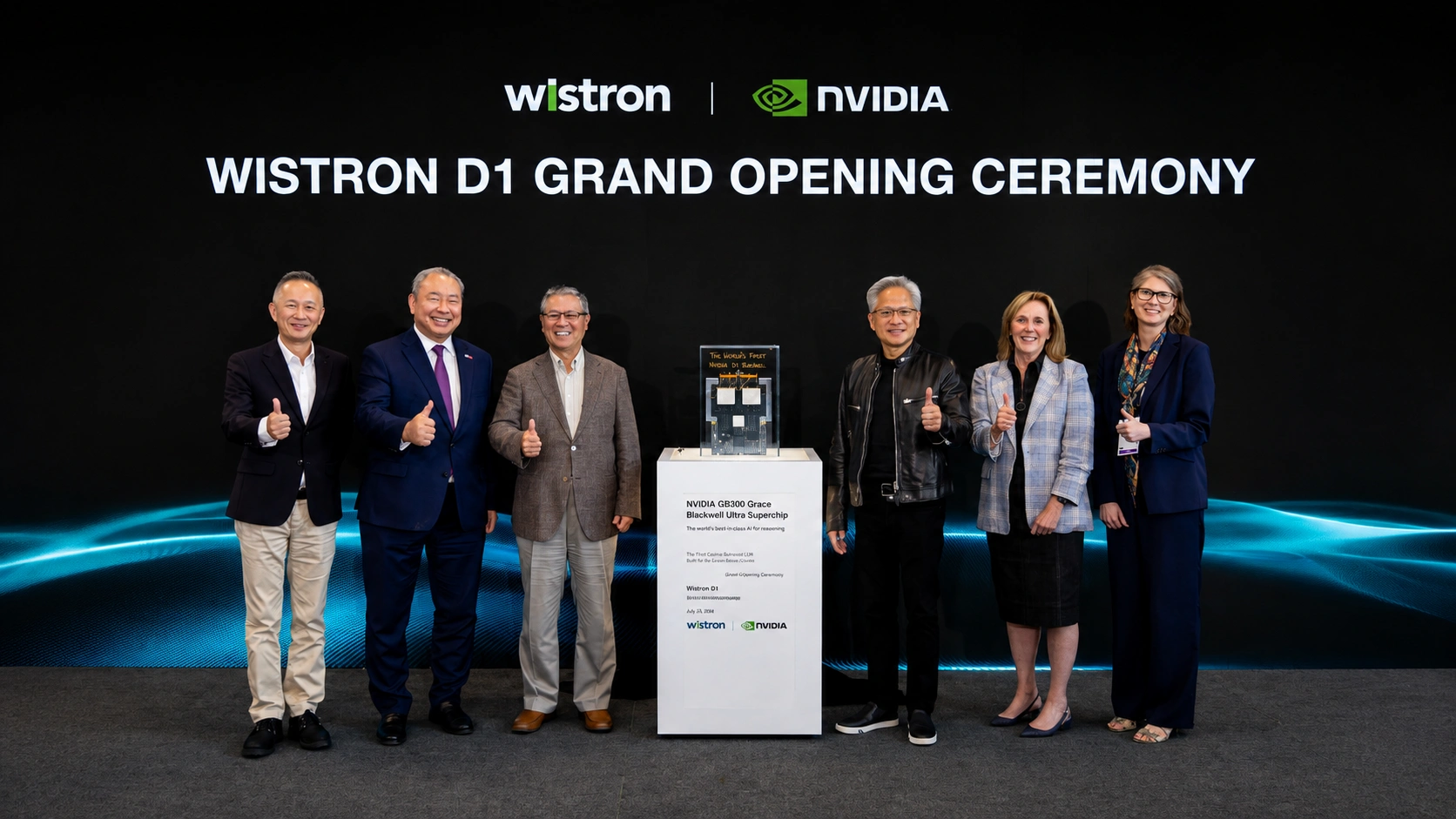
The $700 million Fort Worth facility will produce advanced NVIDIA systems, highlighting how the AI infrastructure boom is reshaping manufacturing strategy and supply chains.
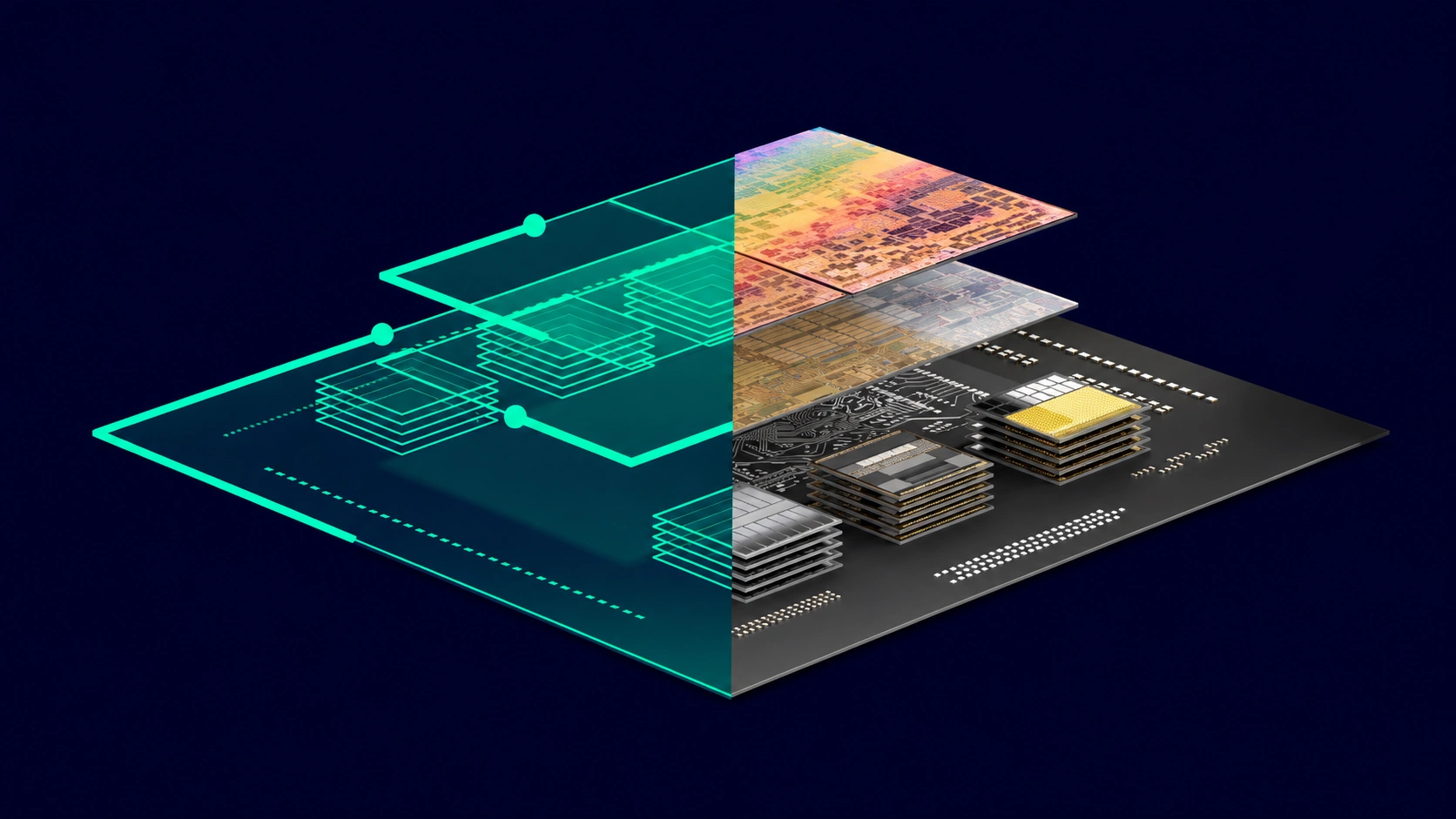
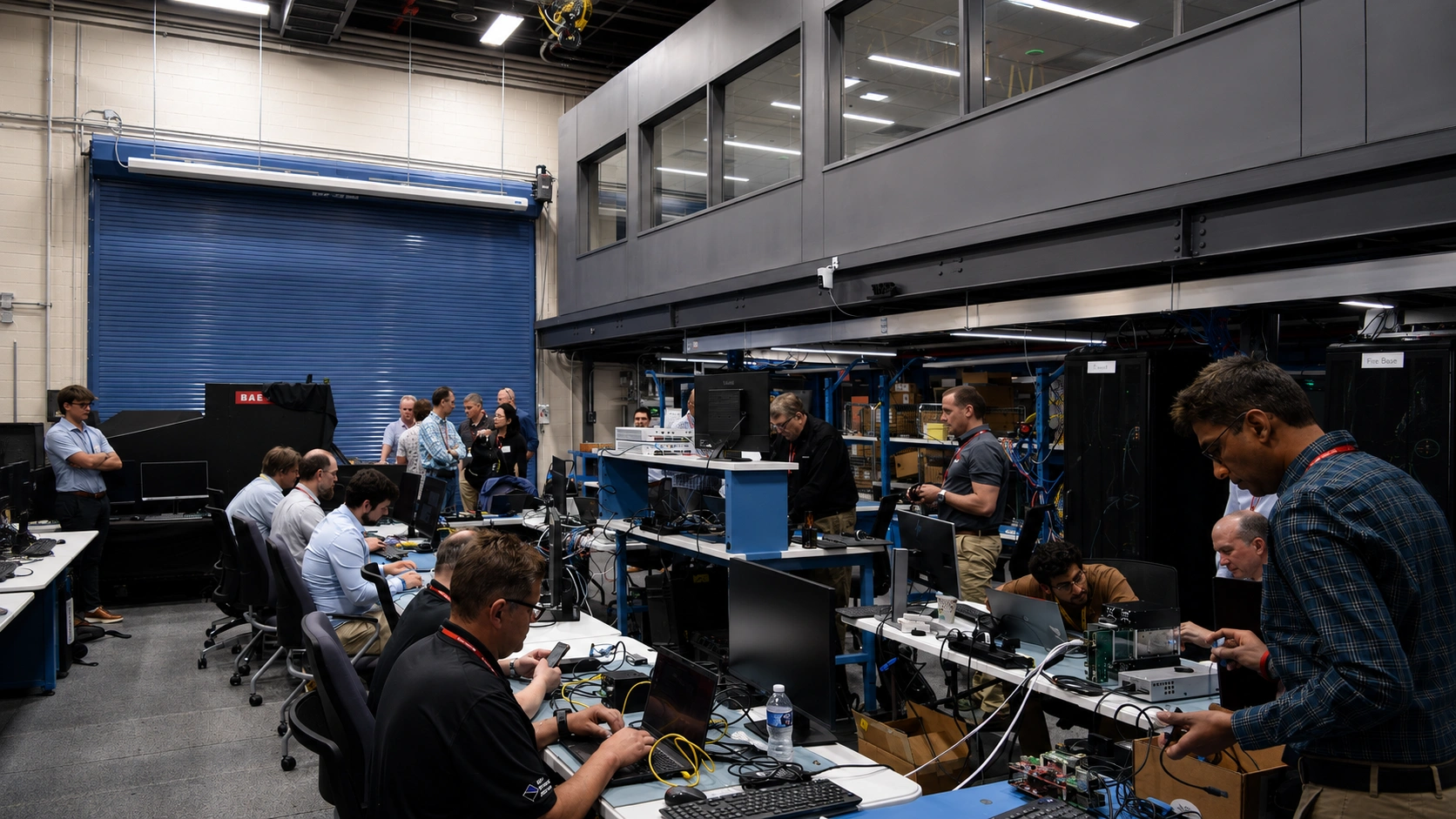
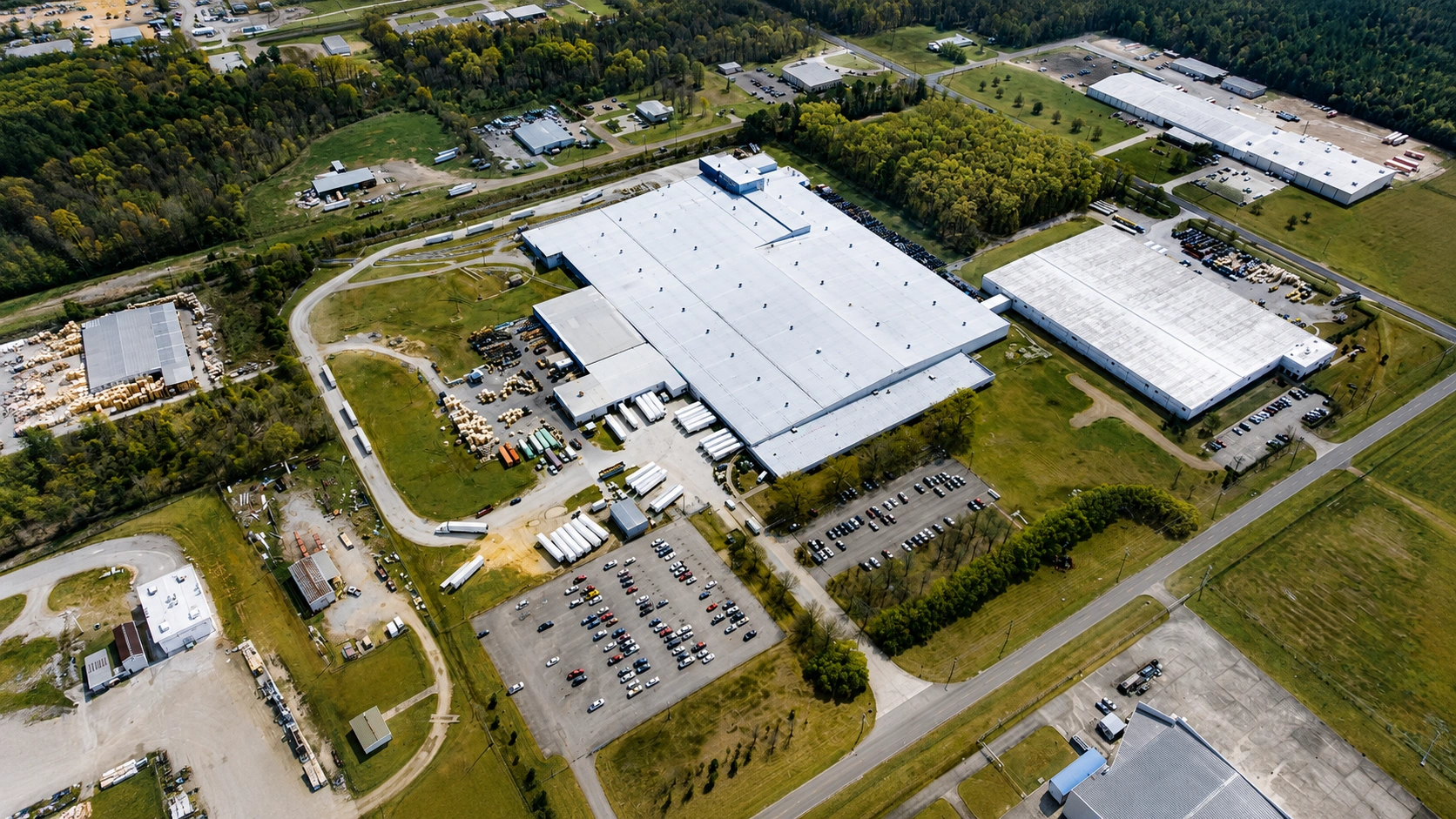
Wistron Corporation has opened its first U.S. manufacturing facility, a $700 million smart factory in Fort Worth, Texas, dedicated to advanced AI infrastructure. The roughly 324,000-square-foot site has already produced the first NVIDIA GB300 Grace Blackwell Ultra Superchip manufactured at scale in the United States, placing the facility within a growing effort to build more AI computing hardware domestically.
The opening matters because the rapid expansion of artificial intelligence depends on far more than advances in chips and software. Scaling AI also requires factories capable of assembling and testing increasingly complex computing systems in large volumes, making manufacturing capacity, delivery times and supply chain resilience important constraints on the industry’s growth. Wistron says the Texas operation will eventually produce NVIDIA’s next-generation Vera Rubin Superchip alongside the GB300.
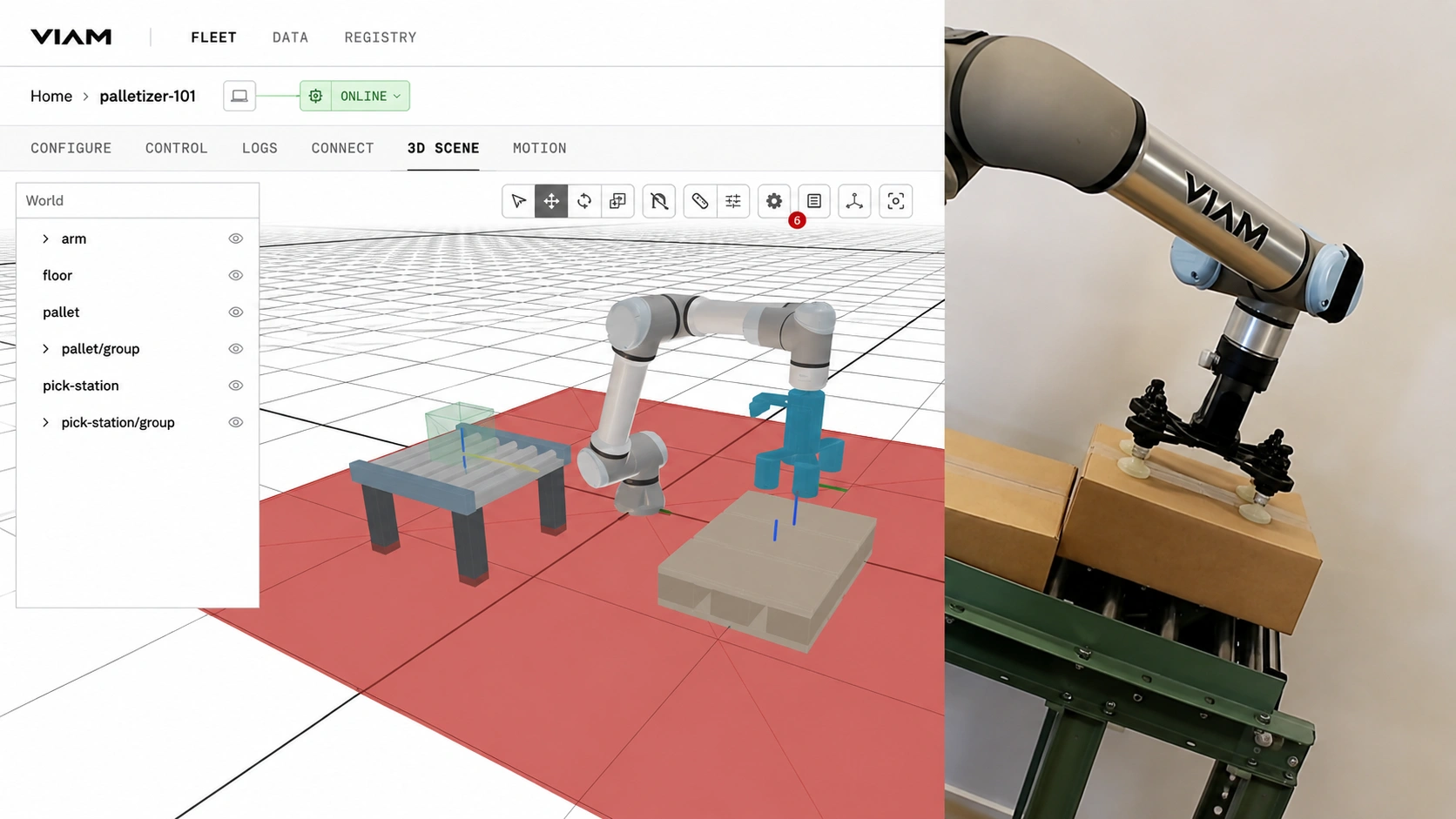
The factory itself reflects the technologies it is being built to manufacture. Wistron is using NVIDIA accelerated computing alongside digital twin and AI technologies, including Omniverse, Metropolis, Nemotron and Cosmos, to support factory design, production workflows and operational planning. The approach illustrates a broader convergence between AI infrastructure and industrial automation, as manufacturers increasingly apply computational tools to the physical processes behind producing advanced computing equipment.
Locating production in Texas also brings manufacturing closer to U.S. customers and expands domestic capacity for assembling and testing NVIDIA AI systems. Wistron is extending AI server production beyond its established operations in Taiwan, while positioning Fort Worth as a central hub connecting manufacturing with after-sales services and its wider global production network. The company argues that this proximity can shorten delivery and support cycles while reducing some of the vulnerabilities associated with geographically concentrated supply chains.
The investment ultimately underscores how competition around AI is spreading deeper into the industrial base. Powerful processors may receive much of the attention, but their economic impact depends on an extensive network of manufacturers capable of turning designs into deployable infrastructure. Wistron’s Fort Worth facility is one example of that production layer moving closer to the markets where AI computing capacity is being built, making manufacturing geography an increasingly visible part of the AI race.