The company’s first East Coast Mobility Summit will examine how AI, infrastructure and transportation policy could reshape the daily journey connecting millions of students to school.
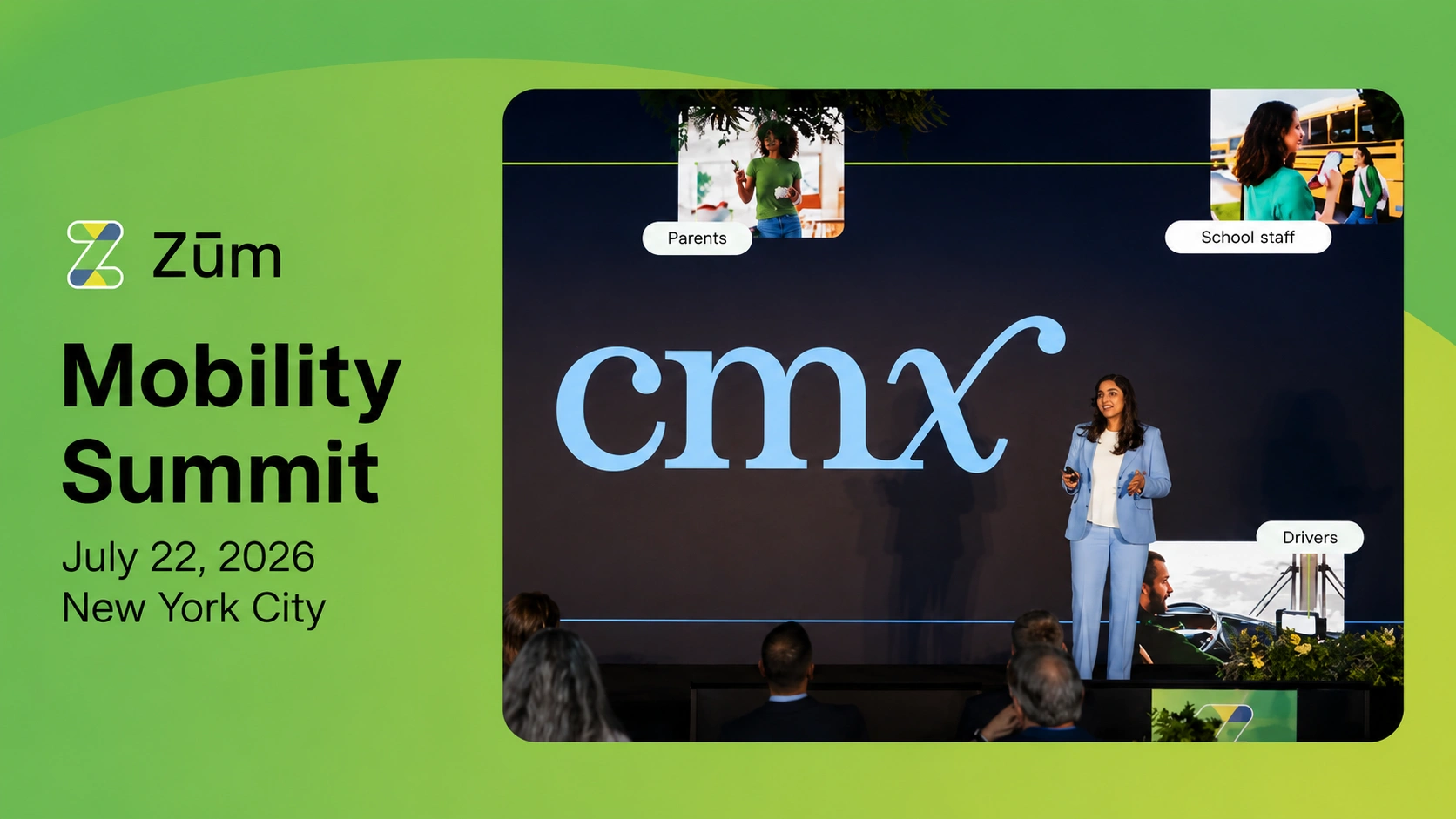
Zum is bringing education leaders, transportation officials, policymakers and industry experts together in New York City for its first East Coast Mobility Summit, focused on the changing role of technology in student transportation. The gathering reflects a broader argument that getting students to school reliably should be viewed not simply as a logistical service, but as part of the infrastructure that determines access to education.
The scale of that infrastructure is substantial: roughly 26 million students ride school buses each day in the United States, according to the announcement. Yet transportation systems can remain fragmented, creating challenges around punctuality, safety, communication and routing. The summit will explore whether AI and more integrated operating systems can address some of those problems while giving schools and families greater visibility into daily transportation.
Zum arrives at the event amid a significant expansion of its own operations. The company says its technology has served more than 6,500 schools across 18 states and completed 68.5 million student rides in 2025, while Zum-operated districts averaged 98% on-time performance during the 2025–2026 school year. In Kansas City Public Schools, the company reports an 89% increase in ridership alongside a decline in transportation-related absences from 25% to 5.6%, offering one example of the connection between mobility and classroom access.
The New York program will bring together representatives from districts including San Francisco, Kansas City, Oakland and Branford to discuss their experiences with transportation modernization. Former New York City Comptroller Brad Lander will participate in a discussion about public policy and school transportation reform, while Generate Capital CEO David Crane will address infrastructure, AI, electrification and financing. Those topics underscore how modernizing school transportation extends beyond route-planning software into questions about vehicles, public investment and long-term infrastructure.
For school districts, the central issue is whether technology can produce consistently better transportation outcomes rather than simply digitize existing processes. Zum’s summit places that question within a larger educational context: when unreliable transportation contributes to missed instructional time or limits access to school, improvements in routing and operations potentially carry consequences beyond the commute itself.