The new developer program combines self-paced courses with hands-on events, reflecting an effort to make building physical AI systems more familiar to traditional software engineers.
Viam has launched Viam Education, a free training initiative designed to help software developers move into robotics without requiring prior experience in the field. Built around online courses, live events, hackathons and office hours, the program reflects a broader challenge in robotics: making the transition from conventional software development to systems that interact with the physical world less technically intimidating.
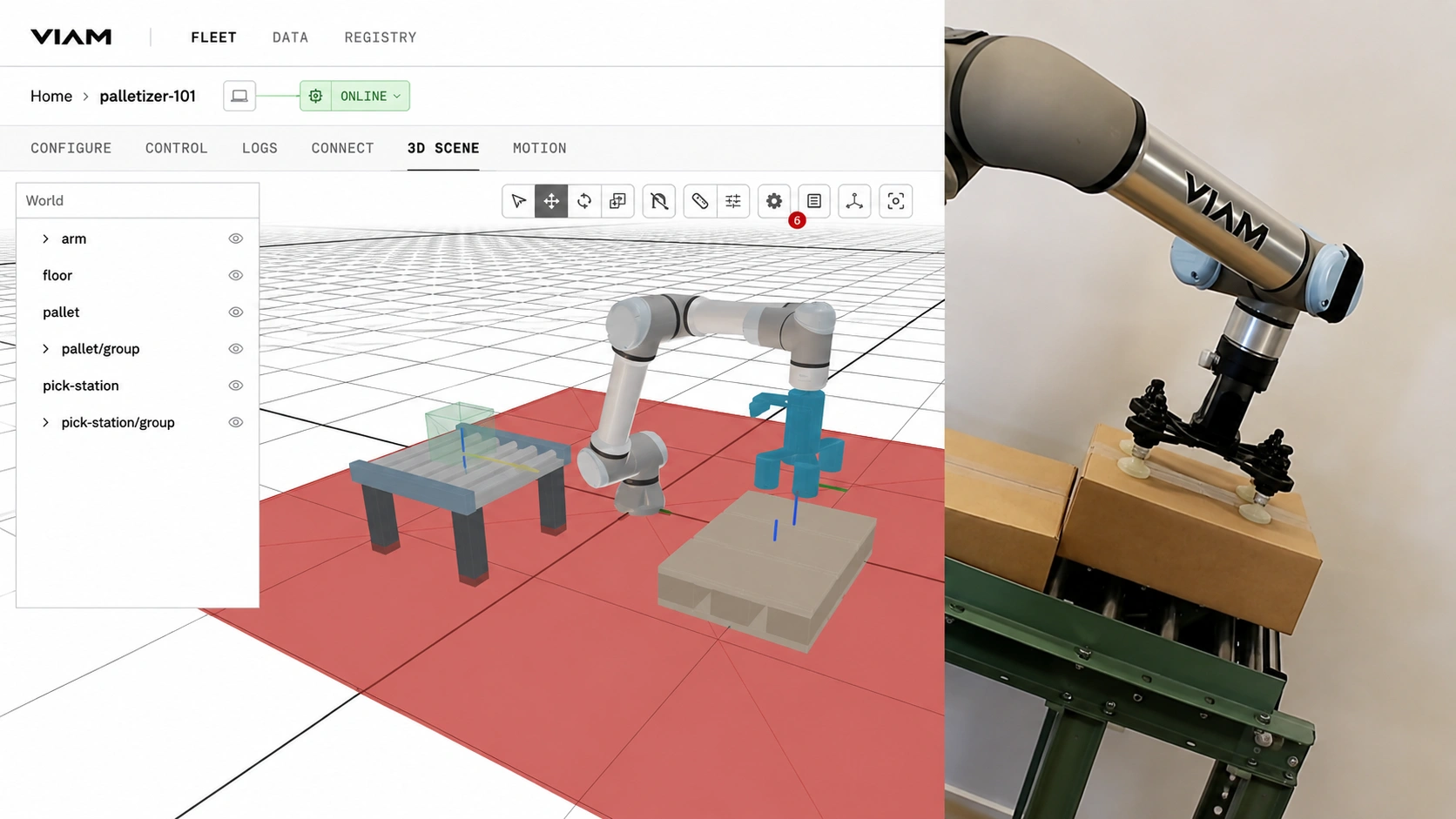
The first course, Viam 101, offers a 90-minute introduction to building robotics and physical AI applications. Participants learn three concepts for representing a physical space in software before programming a simulated robotic arm to navigate obstacles and complete a task. More than 800 developers had registered ahead of the program’s launch, according to Viam, suggesting interest in robotics education beyond engineers already specializing in hardware.
That wider audience is central to Viam’s approach. Its platform exposes capabilities such as motion planning, computer vision, hardware control and data capture through APIs that developers can use with Python, Go, TypeScript, JavaScript or C++. Importantly, Viam says the same application code can operate in simulation and on physical hardware, potentially reducing some of the additional engineering work involved when moving a robotics project from experimentation into the real world.
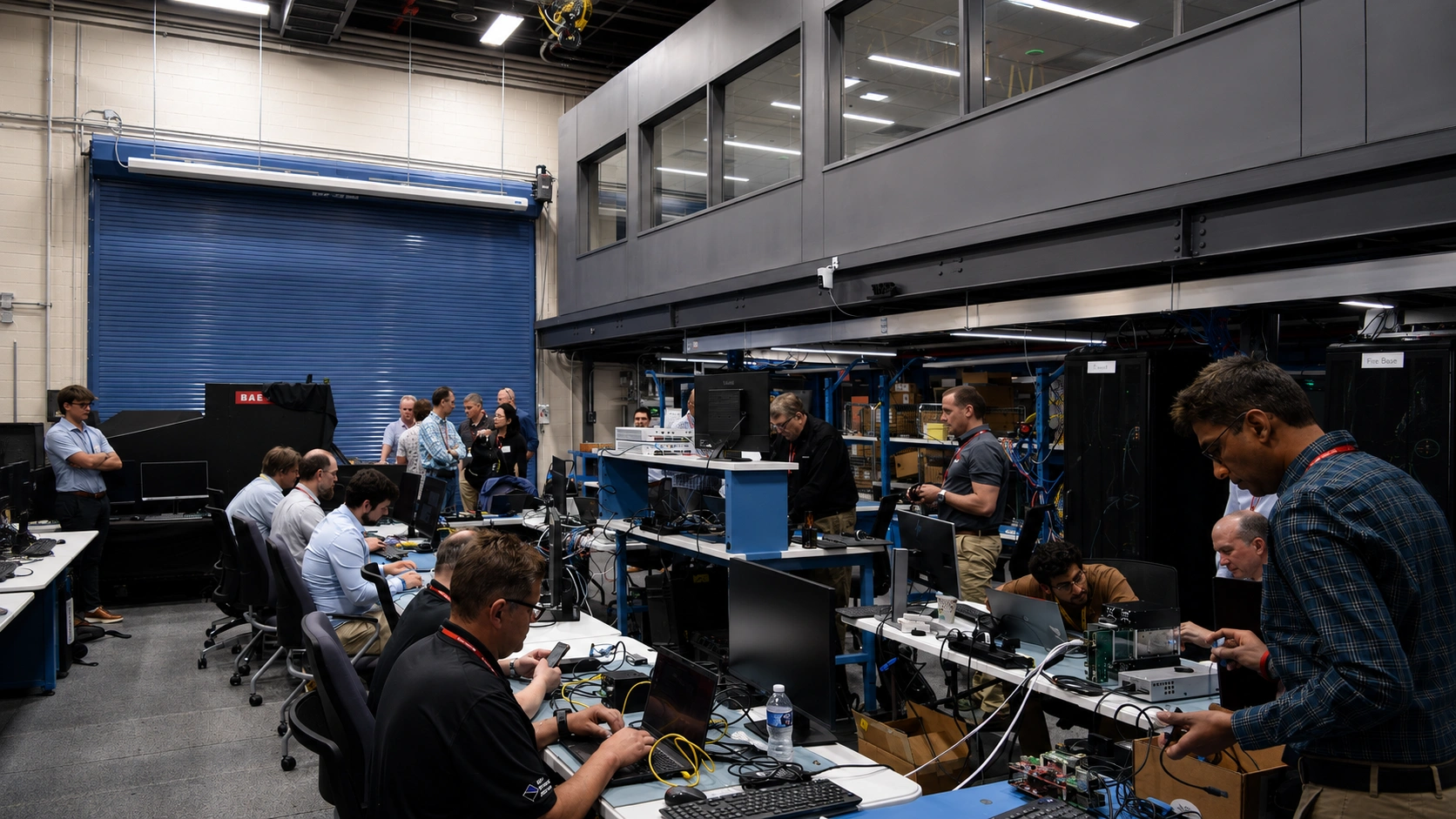
Viam Education will expand beyond its introductory course with material covering software engineering for robotics, motion planning, computer vision and migration from the Robot Operating System, or ROS. The company is pairing those online resources with hackathons and other in-person opportunities where developers can experiment with hardware and interact with Viam engineers and partners, creating a practical complement to self-directed instruction.
The initiative arrives as interest in robotics and physical AI increasingly overlaps with the broader software development community. While easier programming interfaces cannot eliminate the mechanical, safety and environmental complexities of deploying machines in physical settings, they can reduce the amount of specialized infrastructure knowledge required to begin experimenting. Viam Education represents an attempt to make that starting point more familiar, treating robotics less as an isolated engineering discipline and more as another environment in which software developers can build, test and eventually deploy applications.