A browser-based tool turns a 30-second recording into metrics for strain, fatigue and other vocal characteristics, bringing consumer-style tracking to an often overlooked part of daily health.
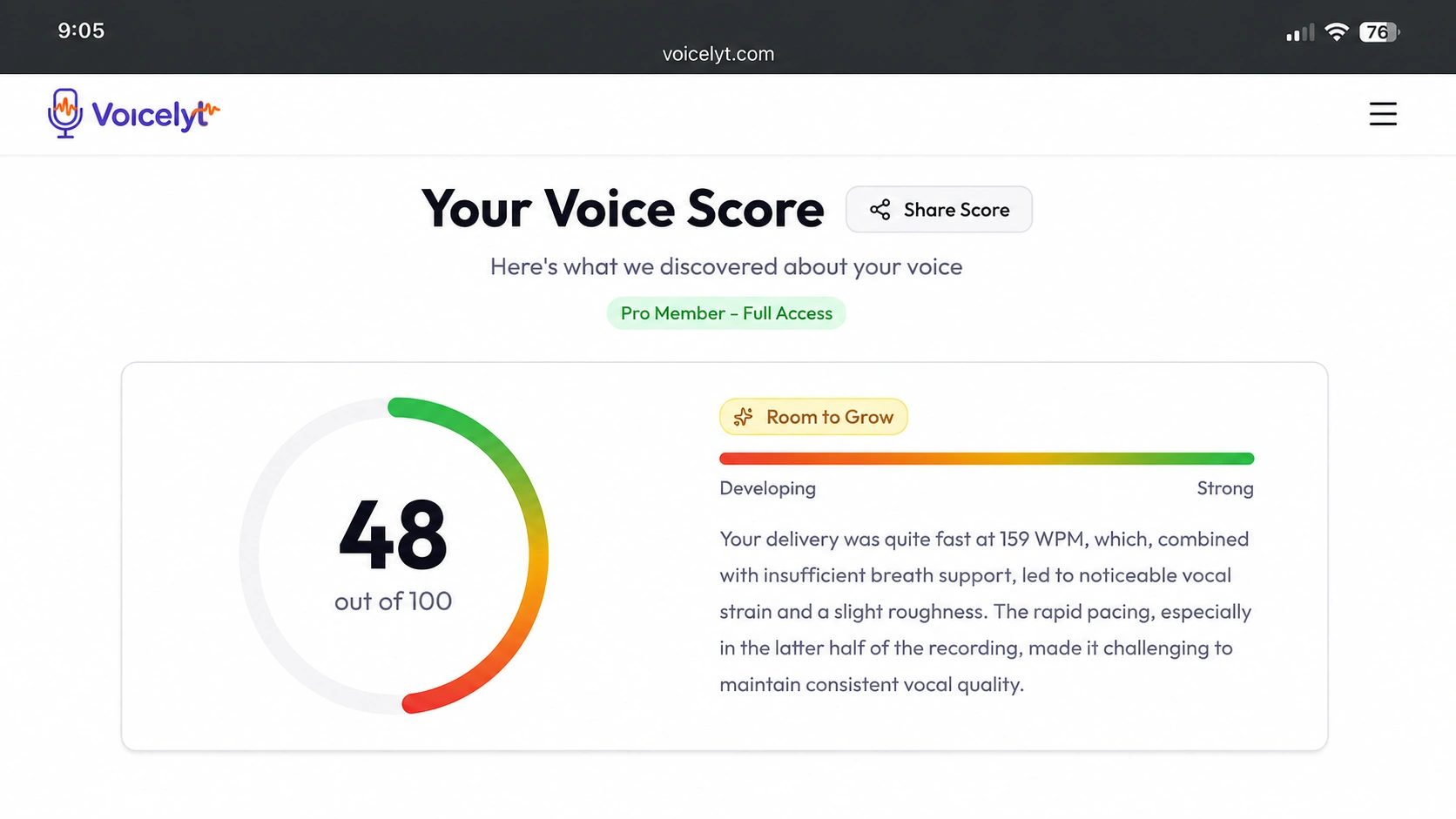
Voicelyt has launched a free browser-based tool that analyzes a 30-second voice recording and generates what it calls a “Voice Score,” offering users a quick snapshot of several vocal characteristics. The platform evaluates roughness, strain, stability, vocal fatigue and breath support without requiring an account, app download or specialized equipment, positioning voice analysis as something people can access as casually as other forms of personal tracking.
The idea arrives as digital communication has made speaking a more persistent part of many professional routines, from video meetings and presentations to podcasts and recorded content. Voicelyt argues that people who depend heavily on their voices have relatively few convenient ways to observe changes over time, particularly before discomfort or noticeable problems prompt them to seek professional attention.
Its approach borrows from the broader consumer health and fitness market, where everyday measurements can encourage people to notice patterns rather than rely solely on how they feel at a particular moment. The free version provides an immediate score and snapshot report, while a $9.99 monthly tier adds deeper analysis and longitudinal tracking, allowing users to compare results across different days or circumstances.
That accessibility also makes the distinction between monitoring and medical assessment important. The company contrasts its instant browser analysis with evaluations conducted by speech-language pathologists or ear, nose and throat specialists, but the press release does not provide clinical validation data or establish the Voice Score as a diagnostic measure. Instead, early users have reportedly applied it to observe changes after speaking-intensive days, during recovery from illness or at different times of day, while voice coaches, podcasters and public speakers have also shown interest.
The larger question is whether voice data can become another useful category of routine self-monitoring alongside sleep, movement and other increasingly quantified behaviors. Voicelyt’s low-friction format makes experimentation easy, but the usefulness of its scores will ultimately depend on how reliably those measurements correspond to meaningful changes in a person’s voice. For now, the tool illustrates how consumer analytics are moving into areas of everyday wellbeing that have traditionally received far less attention.