The 20-piece collaboration translates the Brazilian creator’s personal style into a mix of tailoring, lingerie-inspired silhouettes and expressive accessories for a wider audience.
H&M has teamed with Brazilian content creator Livia Nunes Marques on a 20-piece collection that translates her personal approach to dressing into ready-to-wear clothing and accessories. Available through the retailer’s website, the collaboration brings together structured tailoring, lingerie-inspired pieces and deliberately contrasting textures, offering another example of how fashion brands are looking to individual creators as sources of design identity rather than simply promotional reach.
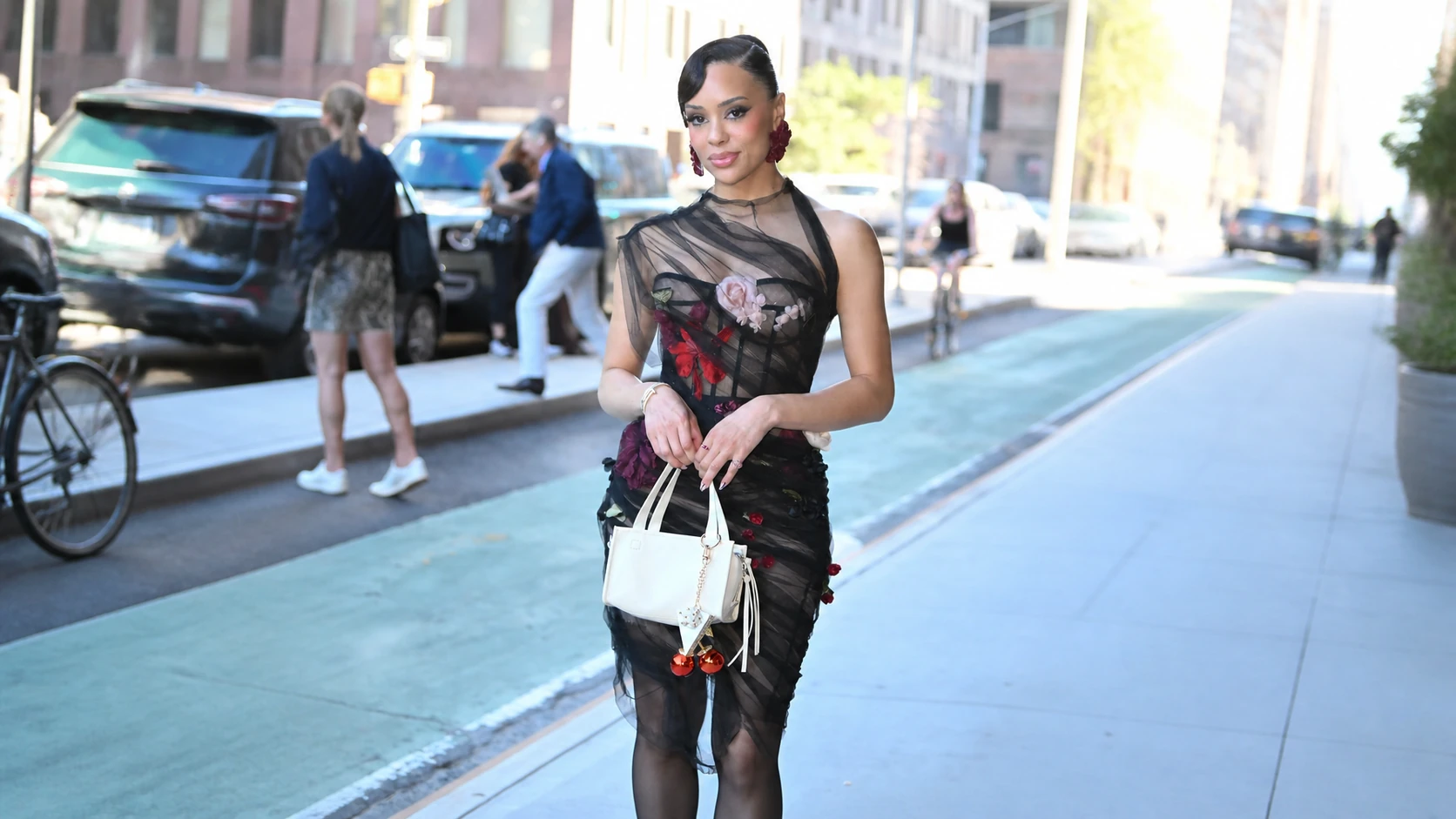
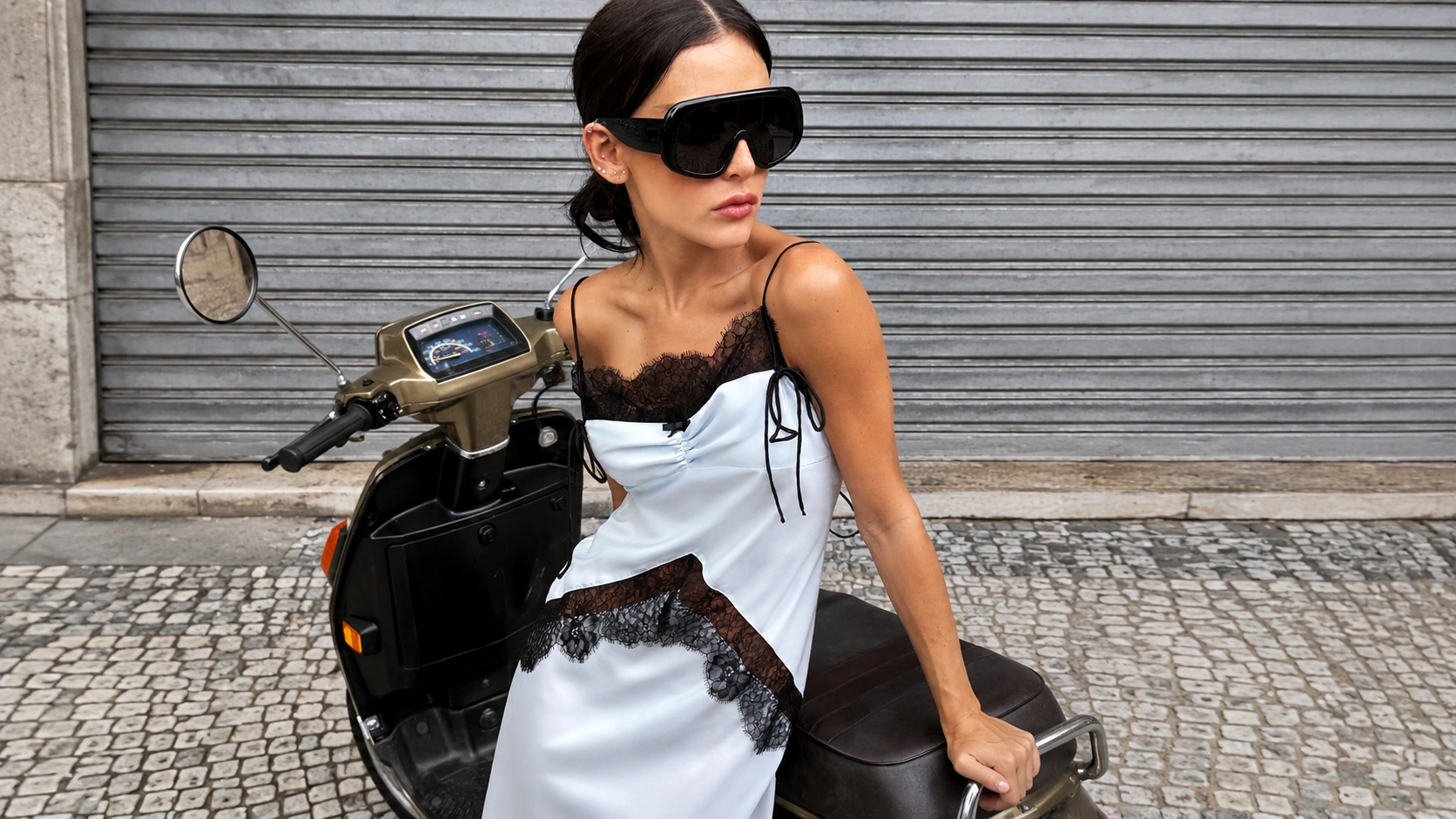
The collection is organized around contrasts between softness and structure. A black cut-out maxi dress and flowing brown halter-neck dress sit alongside lace-trimmed slips, bloomers, a romper and camisole, while a tuxedo shirt, tailored skirt and capri pants introduce sharper silhouettes. Guipure lace appears in a coordinating maxi skirt and top, extending the collection’s interest in traditionally delicate materials presented within a contemporary wardrobe.
Material and color choices reinforce that tension. Chiffon, satin and lace provide movement and a more romantic quality, while cotton and tailored pieces offer greater structure. The palette remains largely restrained through white, beige, grey, black and blush, with powder blue adding a lighter accent and zebra print providing the collection’s strongest graphic element.
Accessories play a similarly prominent role, including an oversized zebra-print bag, pearl-like black jewelry, statement sunglasses and a Guipure lace scarf. Rather than treating those pieces as secondary additions, the collection uses them to amplify the visual contrasts running through the clothing. The result reflects a styling approach built less around a single aesthetic than around combining elements that might traditionally be considered opposites.
For H&M, the partnership also reflects the changing role of digital fashion personalities in the broader retail landscape. Creators such as Nunes Marques increasingly operate not only as intermediaries between brands and audiences but as collaborators whose recognizable tastes can become the foundation of a commercial collection. In this case, the significance lies in how a highly personal style language is translated for mass retail, illustrating the growing influence of individual online aesthetics on the way mainstream fashion collections are conceived and presented.