A new multi-year partnership between Orbis International and AirAsia highlights how transportation networks and healthcare expertise can work together to strengthen eye care systems across Asia-Pacific.
Orbis International and AirAsia have announced a five-year strategic partnership aimed at improving access to quality eye care across the Asia-Pacific region. Under the agreement, AirAsia will provide annual airfare support to help Orbis teams collaborate with hospitals, ministries of health, training institutions, and medical professionals while also using its regional reach to raise awareness of avoidable vision loss and the importance of investing in sustainable eye health systems.
The initiative comes as many countries across Asia-Pacific face increasing pressure on healthcare services. Population growth, aging communities, higher rates of chronic diseases, and shortages of trained specialists are contributing to rising demand for eye care. Rather than focusing solely on delivering treatment, the partnership emphasizes strengthening local capacity by supporting training, technology, and long-term collaboration with healthcare providers already serving their communities.
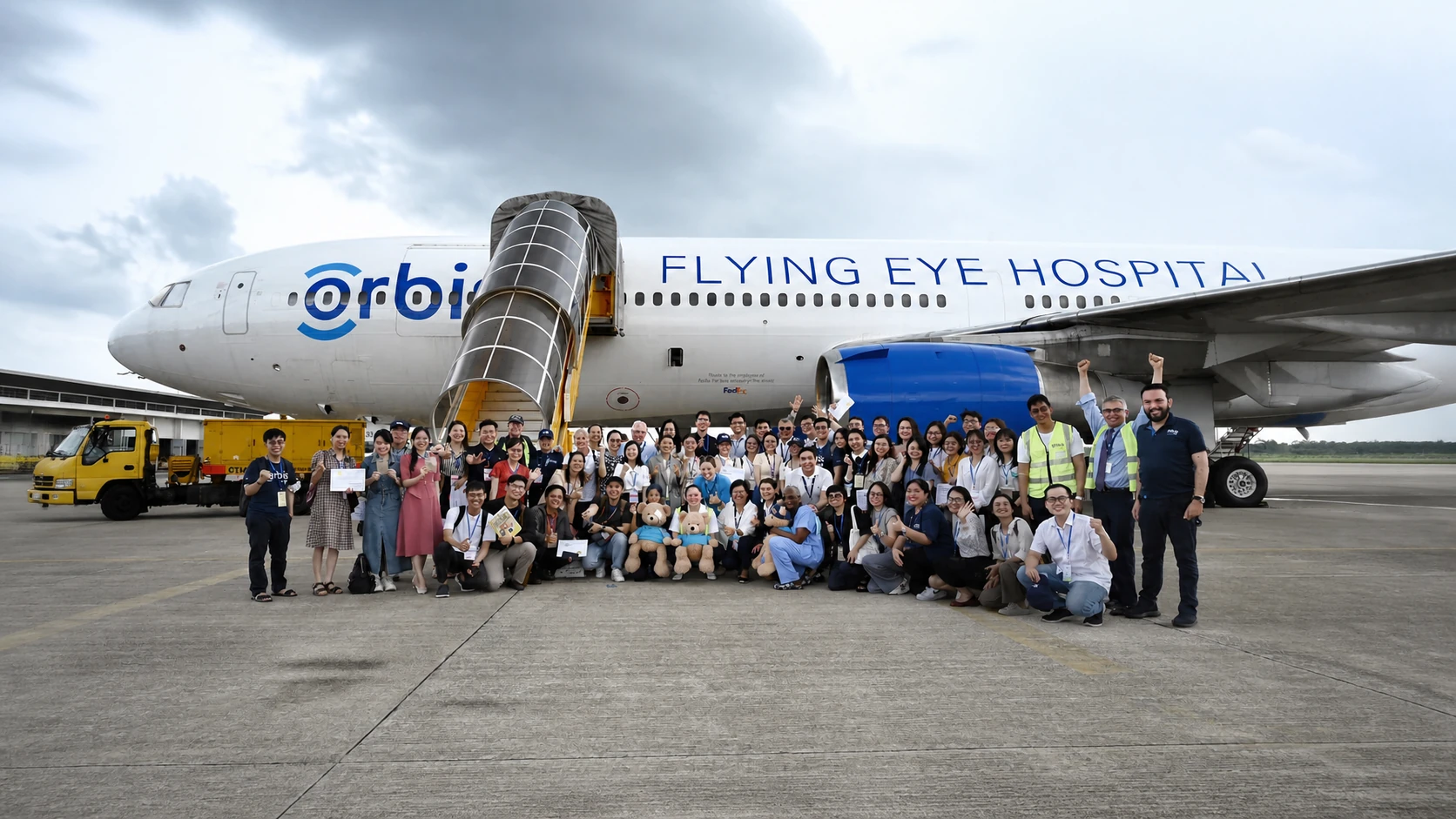
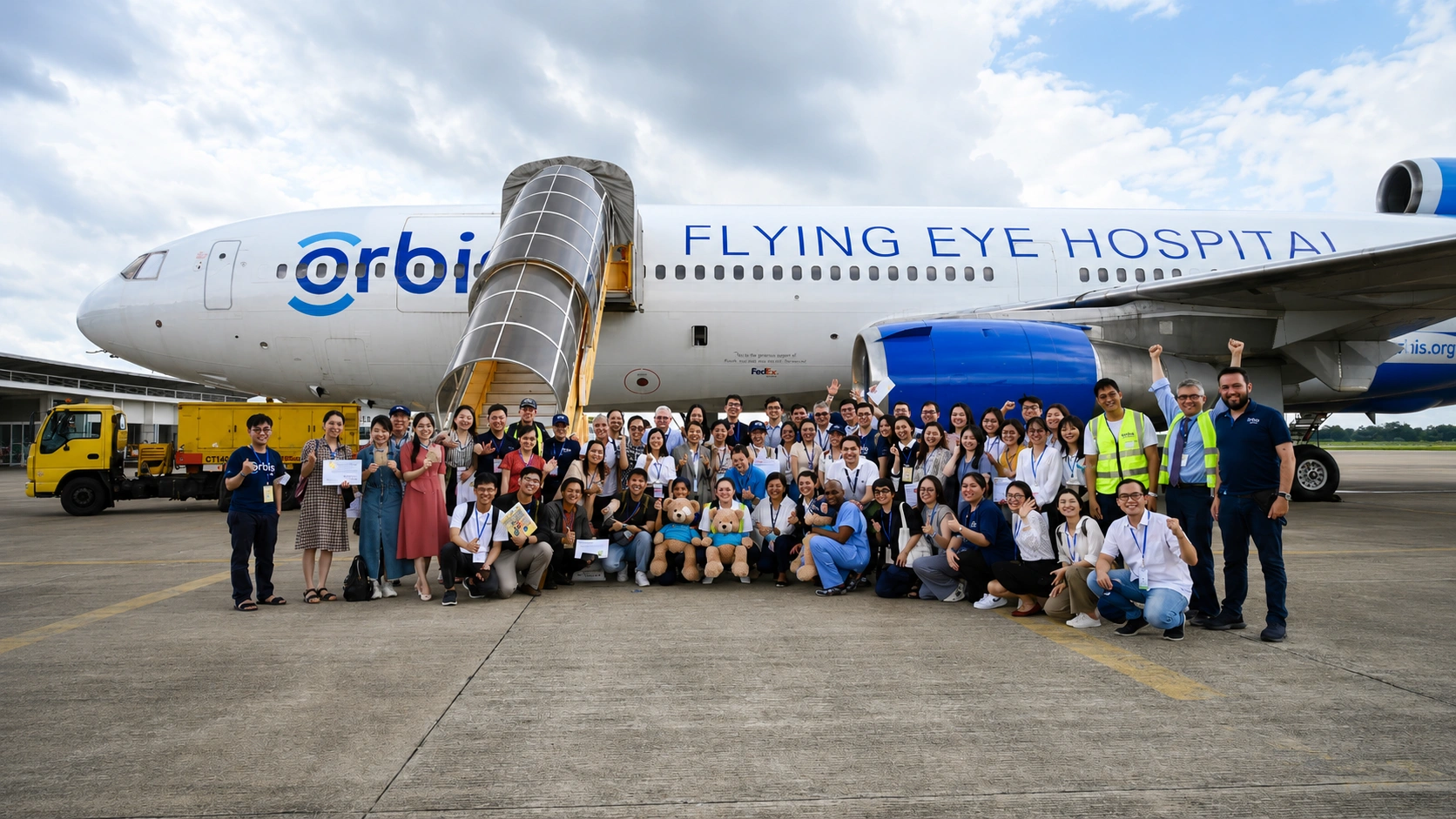
That approach builds on Orbis International’s longstanding model of combining medical expertise with education. The nonprofit is widely recognized for its Flying Eye Hospital, a fully accredited ophthalmic teaching hospital aboard an aircraft, which has spent decades training eye care professionals around the world. Alongside the aircraft, Orbis has expanded its work through digital tools such as its Cybersight telemedicine and e-learning platform, allowing medical professionals to access specialist training and clinical guidance without leaving their home countries.
AirAsia’s role reflects how commercial organizations are increasingly contributing resources beyond financial donations. By providing airfare support valued at $100,000 annually, the airline will help make it easier for medical teams to travel throughout the region and strengthen local partnerships. The collaboration also leverages AirAsia’s extensive network across Southeast Asia, creating opportunities to increase public awareness of preventable vision loss while supporting healthcare initiatives that continue long after individual projects conclude.
The announcement illustrates a broader shift in global health partnerships toward building resilient systems rather than delivering short-term interventions alone. By combining transportation infrastructure with medical training, technology, and local expertise, Orbis International and AirAsia are seeking to address the practical challenges that limit access to eye care. While the impact of the partnership will unfold over several years, its focus on workforce development and sustainable healthcare capacity reflects an increasingly collaborative approach to improving public health across the region.