Midi Health is expanding its prescription skincare offerings with treatments designed around hormone-related skin changes, reflecting a growing clinical focus on women’s health beyond traditional menopause care.
Midi Health is broadening its women’s healthcare platform with an expanded line of prescription skincare products developed specifically for the hormonal changes that commonly begin in a woman’s 30s and become more pronounced through menopause. The telehealth company, which focuses on menopause and midlife care, says the new offerings are intended to address skin concerns linked to shifting hormone levels rather than treating them solely as cosmetic issues. The expansion reflects a broader recognition that hormonal transitions affect multiple aspects of health, including the skin.
Hormonal changes during midlife are associated with reduced collagen production, slower skin cell renewal, dryness, thinning skin, pigmentation changes, and adult acne. While many skincare products target the visible signs of aging, Midi’s approach centers on the biological processes behind those changes. By integrating prescription skincare into its existing telehealth services, the company aims to connect dermatological care with the hormone management already provided through its clinicians.
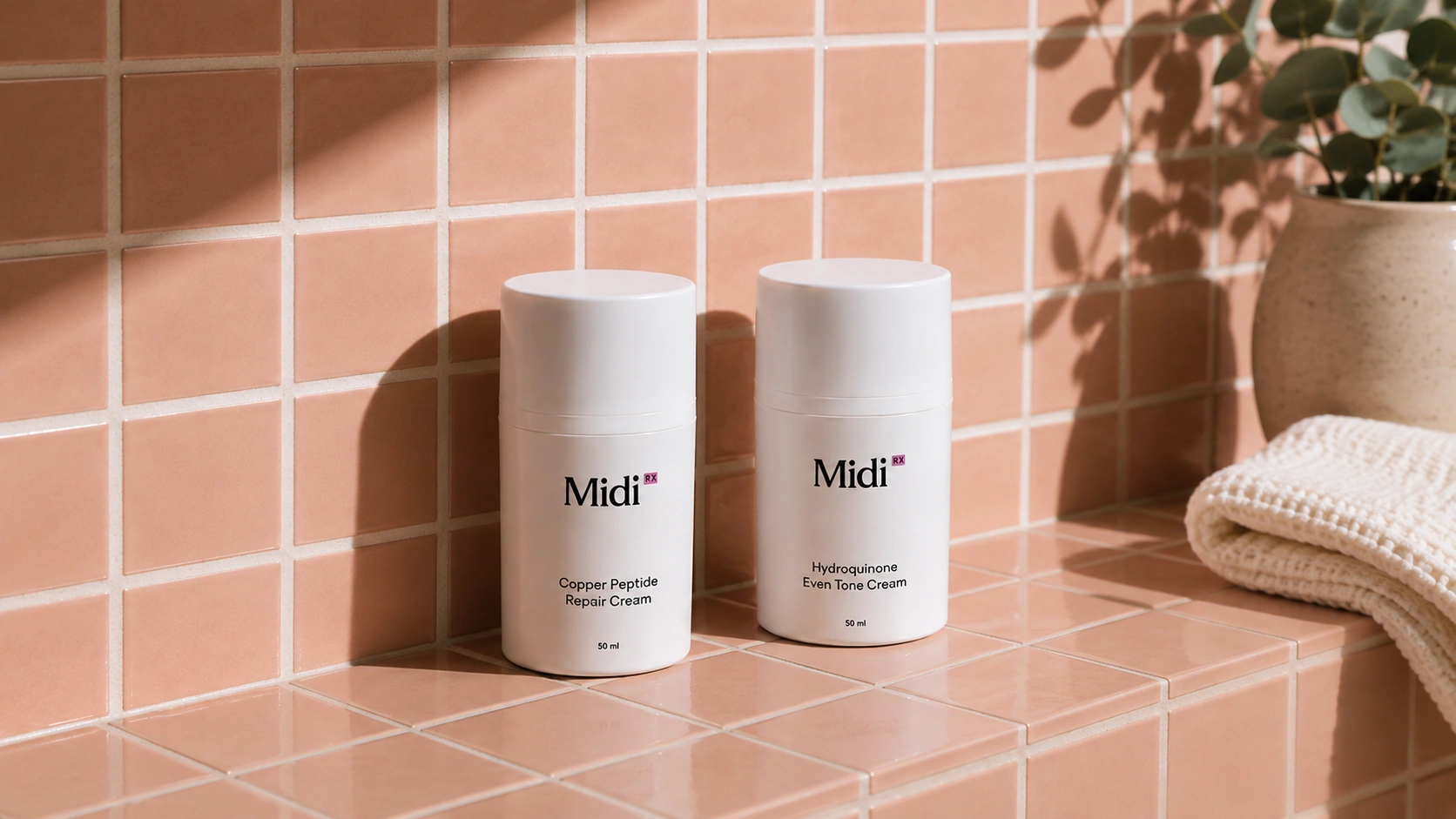
The expanded lineup includes a new Copper Peptide Repair Cream alongside prescription products such as Estriol+ Face Cream, Estriol+ Eye Cream, Hydroquinone Even Tone Cream, and Tretinoin Active Renewal Cream. Rather than presenting these as standalone products, Midi has grouped them into treatment combinations tailored to common midlife concerns, including hydration, skin renewal, barrier repair, and hyperpigmentation. The company says these combinations are designed to reflect patterns clinicians frequently observe in patients experiencing hormone-related skin changes.
The announcement also highlights a growing shift in how menopause-related care is being discussed within healthcare. Historically, skin changes during menopause have often been addressed through over-the-counter beauty products, while underlying hormonal influences received less attention. Midi argues that integrating skincare into a broader medical care model allows clinicians to address both systemic hormonal changes and their visible effects, creating a more comprehensive treatment approach.
As telehealth providers continue expanding into specialized areas of care, offerings like Midi’s suggest women’s health platforms are moving beyond symptom-specific treatment toward more integrated services. Whether addressing sleep, hormonal therapy, or skincare, the trend reflects a broader effort to recognize midlife health as a complex set of interconnected changes rather than a series of isolated conditions.