Proteotype is launching a multi-country clinical study to expand evidence for its blood-based cancer detection technology while evaluating whether at-home blood collection could support future laboratory testing.
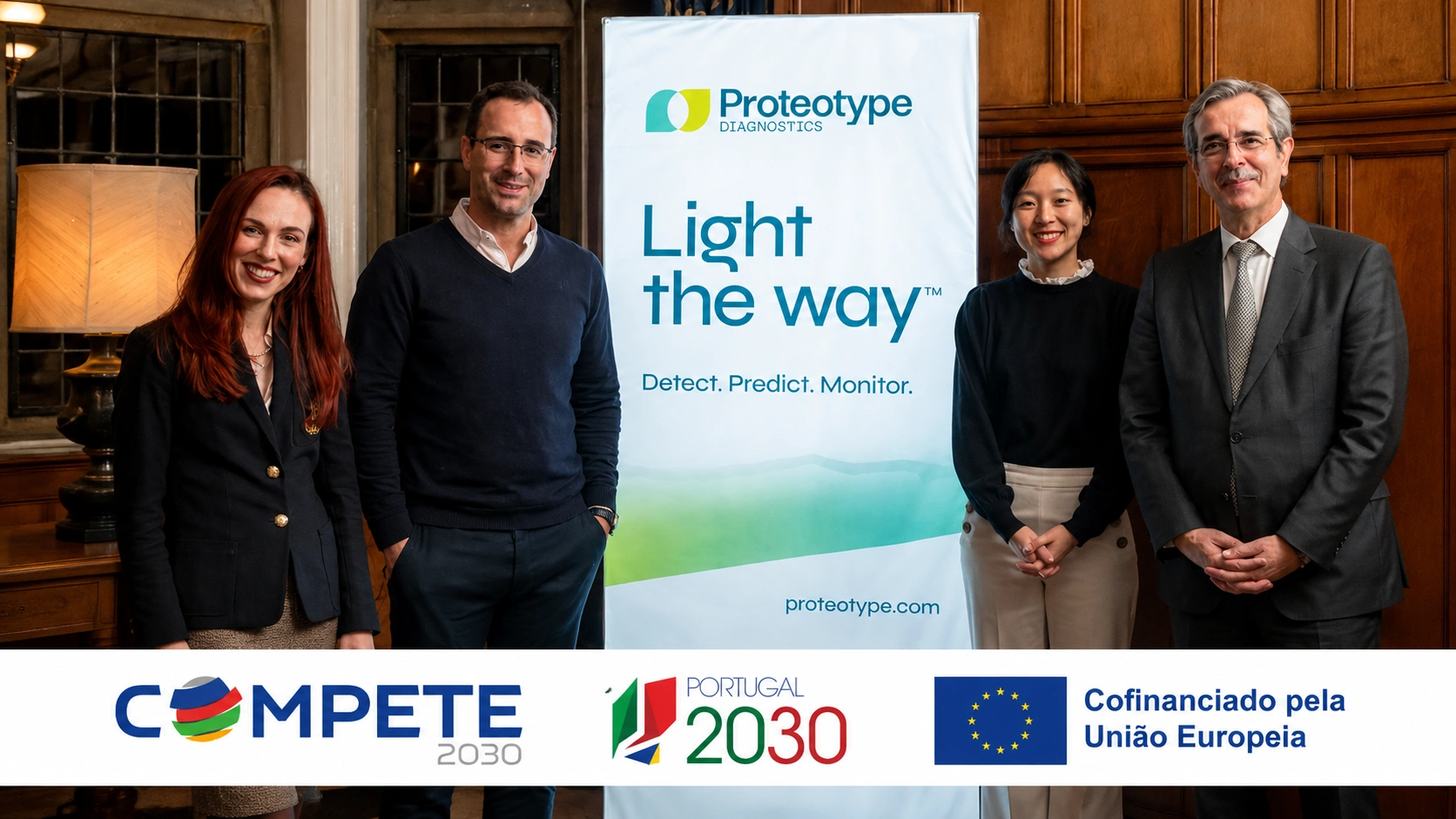
Proteotype has announced the launch of INNOVATOR, a €3.023 million European clinical study designed to further evaluate its blood-based multi-cancer detection test, Enlighten®, while exploring more accessible methods of blood collection. Supported in part through Portugal 2030 and European Union funding, the project represents another step in the growing effort to develop earlier, less invasive approaches to cancer detection. The study also reflects increasing interest in making diagnostic testing more convenient without compromising the quality of clinical evidence.
Early detection remains one of the most significant challenges in cancer care, with outcomes often improving when disease is identified before symptoms become advanced. Researchers and healthcare providers have therefore devoted considerable attention to blood-based diagnostics, sometimes referred to as liquid biopsy or multi-cancer early detection technologies, as potential tools to complement existing screening programs. Although these approaches continue to undergo extensive validation, they are widely viewed as an area of active research that could broaden access to earlier investigation if proven reliable across different patient populations.
According to Proteotype, the INNOVATOR study will recruit approximately 2,000 participants across Portugal, Spain, and Germany, including individuals with and without cancer, while expanding evaluation of Enlighten® from 10 to 12 cancer types. The study will collect both traditional venous blood samples and capillary blood obtained using a CE-marked collection device to determine whether the two sampling methods produce comparable laboratory results. Proteotype says the paired-sample design is intended to assess whether future laboratory-based testing could be supported by blood collected at home, potentially reducing barriers to participation. Together with the company’s ongoing UK-based MODERNISED study, the combined research program is expected to generate data from roughly 3,350 participants across four European countries.
The announcement reflects a broader shift toward making diagnostic technologies not only more accurate but also more practical for everyday healthcare. Advances in home sample collection, remote monitoring, and decentralized clinical testing are increasingly being explored as ways to improve patient participation while reducing demands on healthcare systems. These developments are especially relevant in preventive medicine, where accessibility can influence whether individuals undergo testing in the first place.
Proteotype’s latest study highlights the continued evolution of blood-based cancer detection from laboratory research toward broader clinical validation. While further evidence will be needed before widespread adoption, evaluating both test performance and more convenient collection methods may help determine how future cancer screening technologies could fit into routine healthcare across diverse populations.