The Dyrt’s annual list ranks ten highly reviewed U.S. campgrounds, highlighting dispersed camping and the continued appeal of public-land destinations for outdoor travellers.
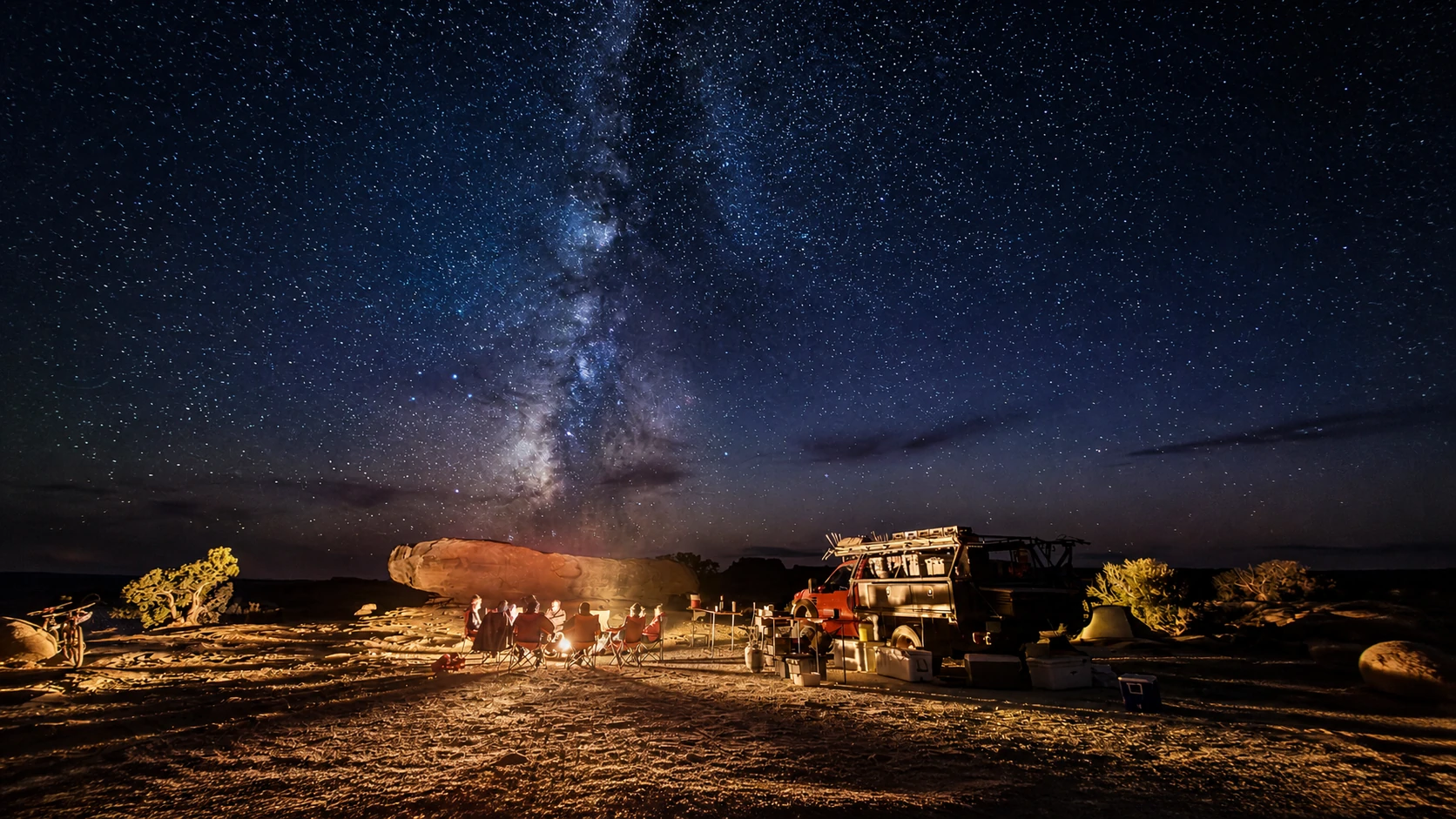
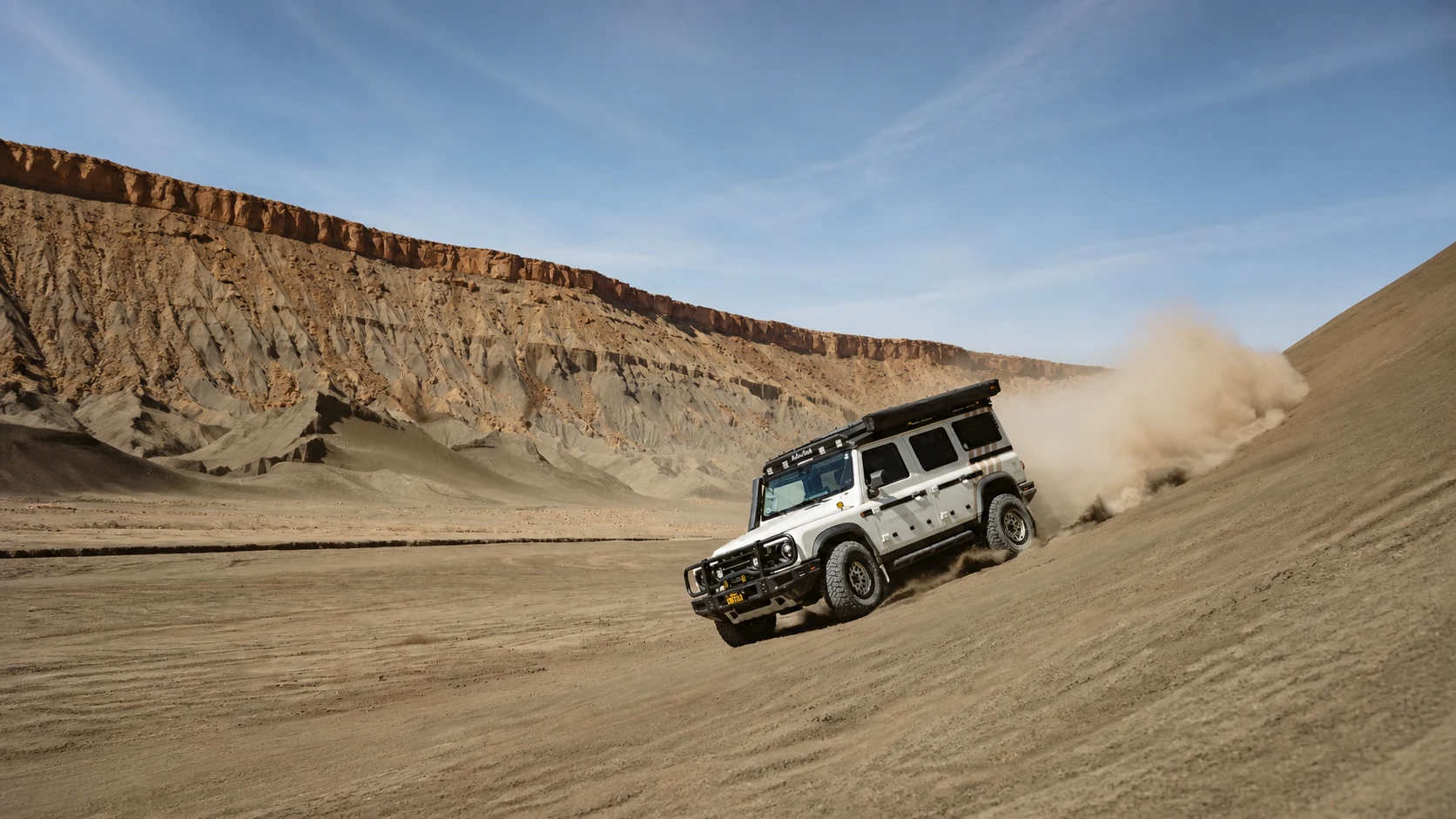
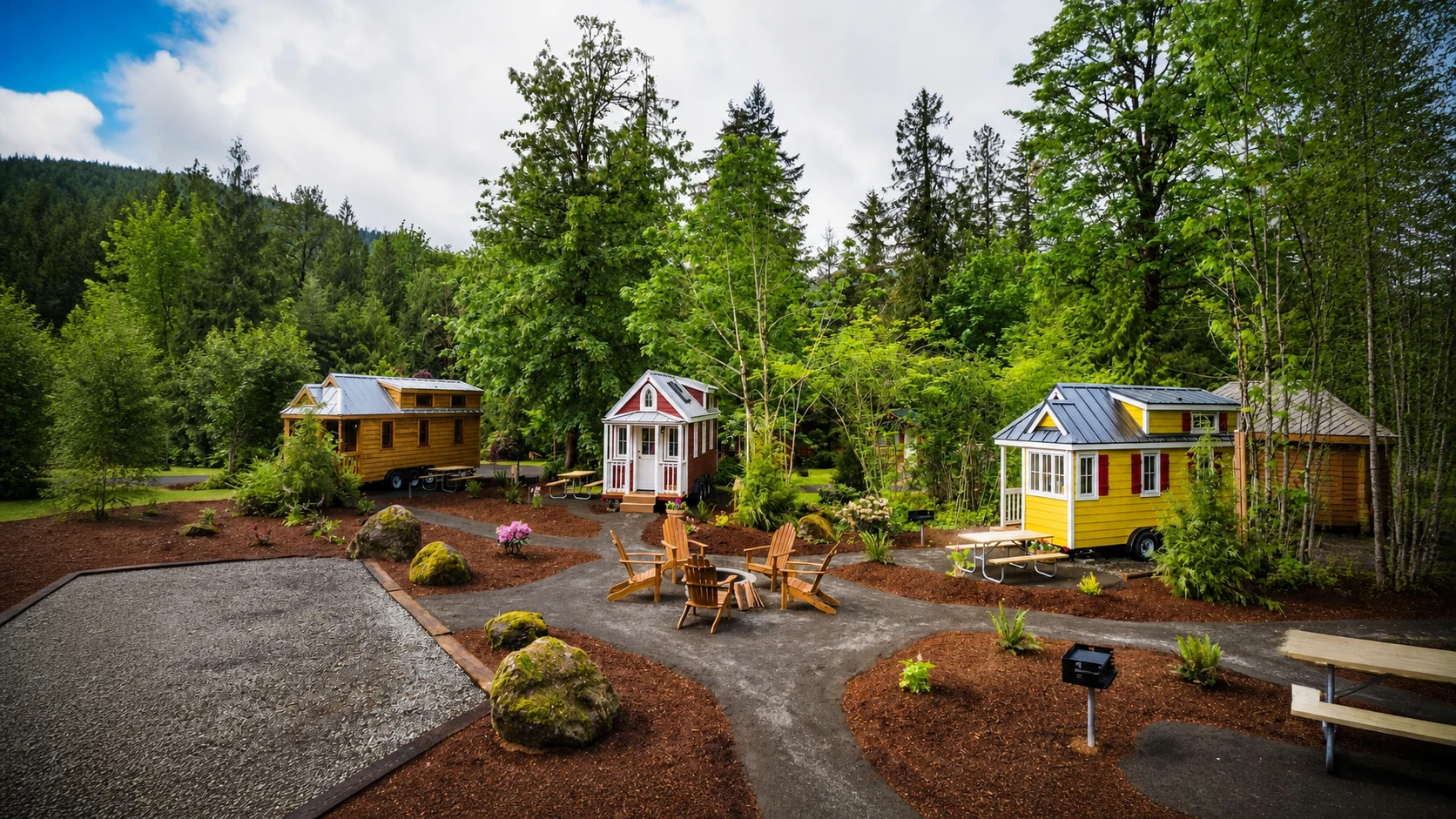
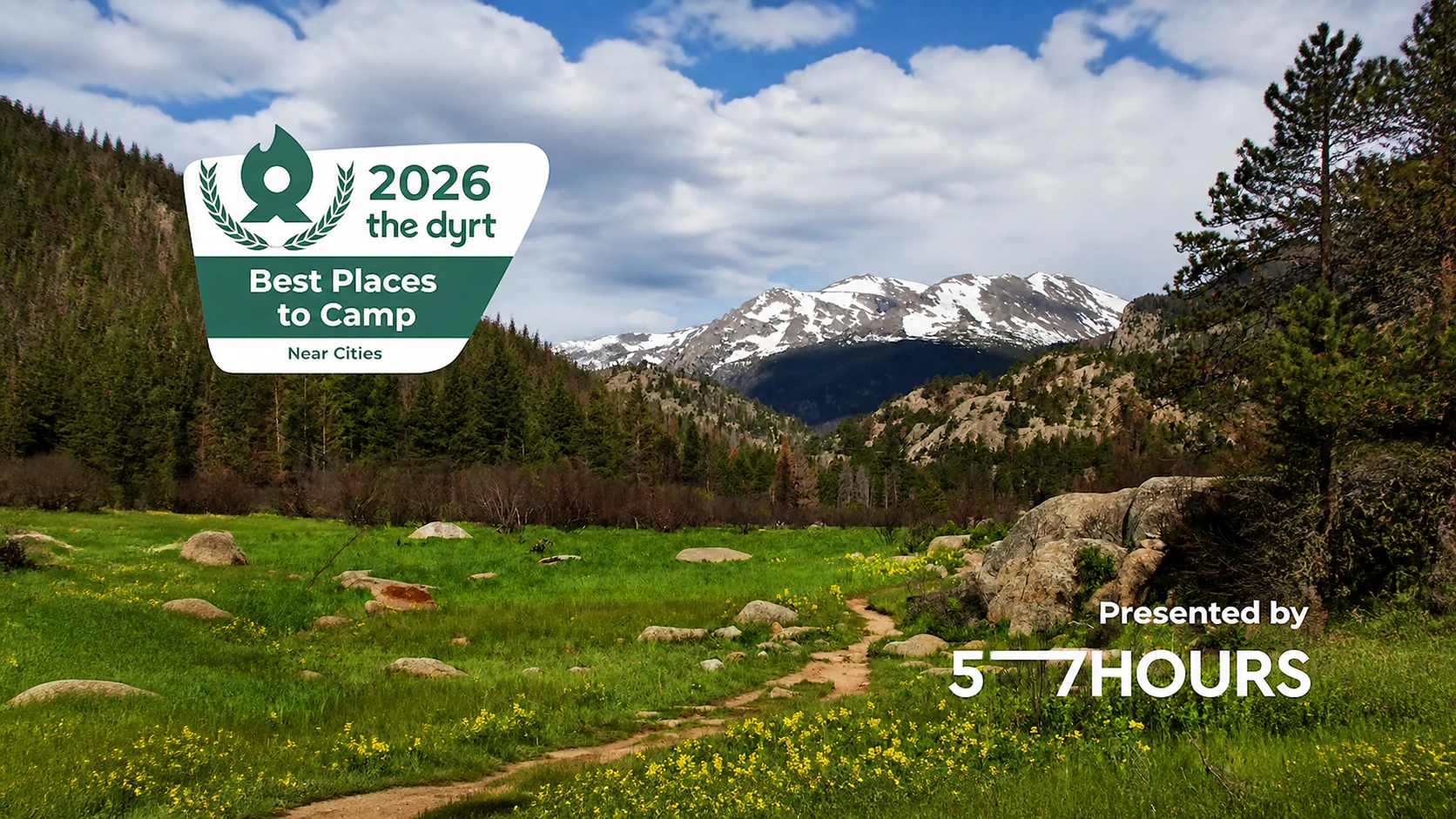
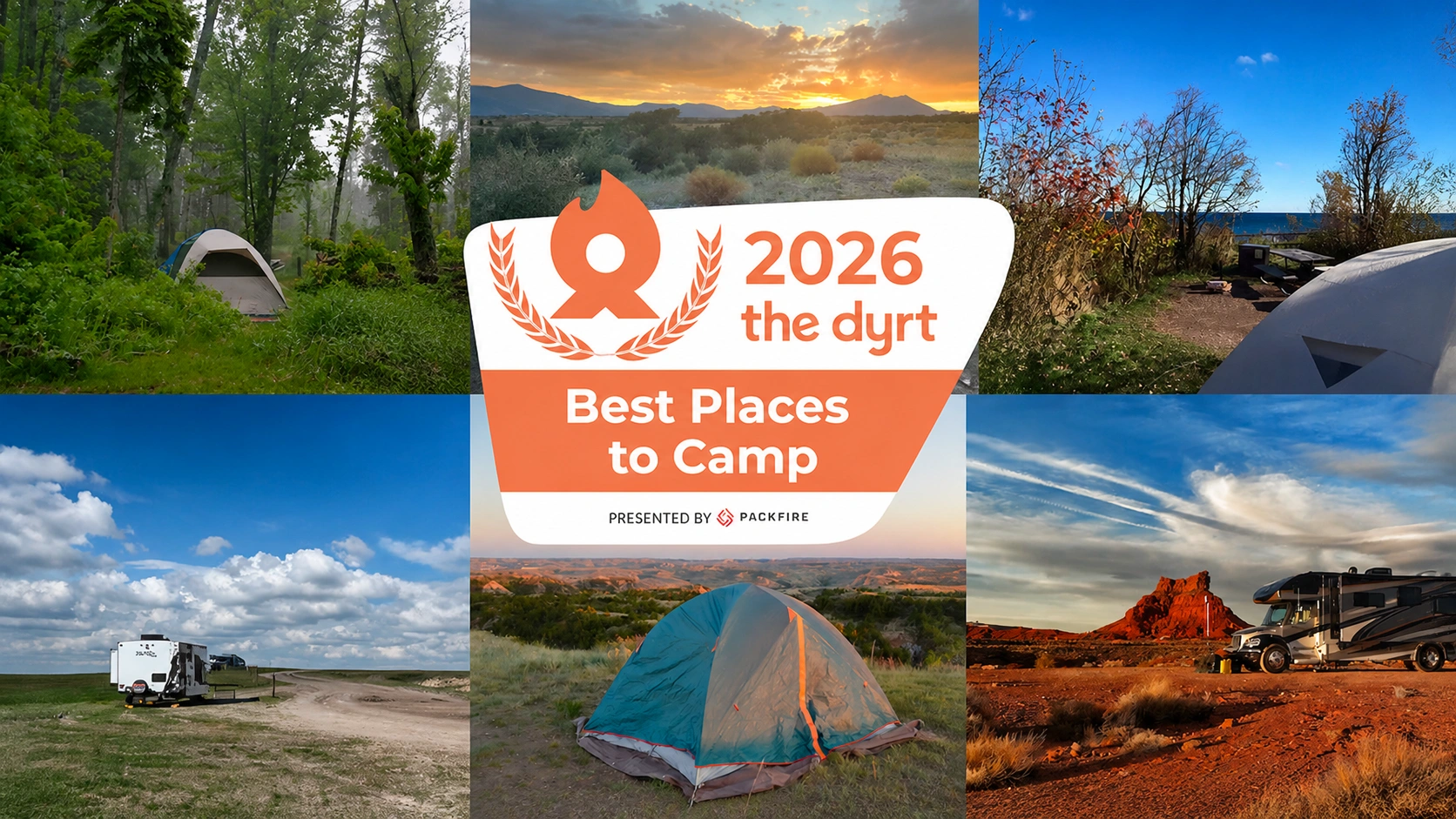
The Dyrt has announced its 2026 Best Places to Camp: Top 10 in the U.S., an annual ranking based on reviews and ratings from its camping community. Presented by Packfire, the list places three dispersed camping areas at the top, while five of the ten recognised campgrounds are free and located on public land. The result gives the awards a clear emphasis on low-cost access and less formal camping settings.
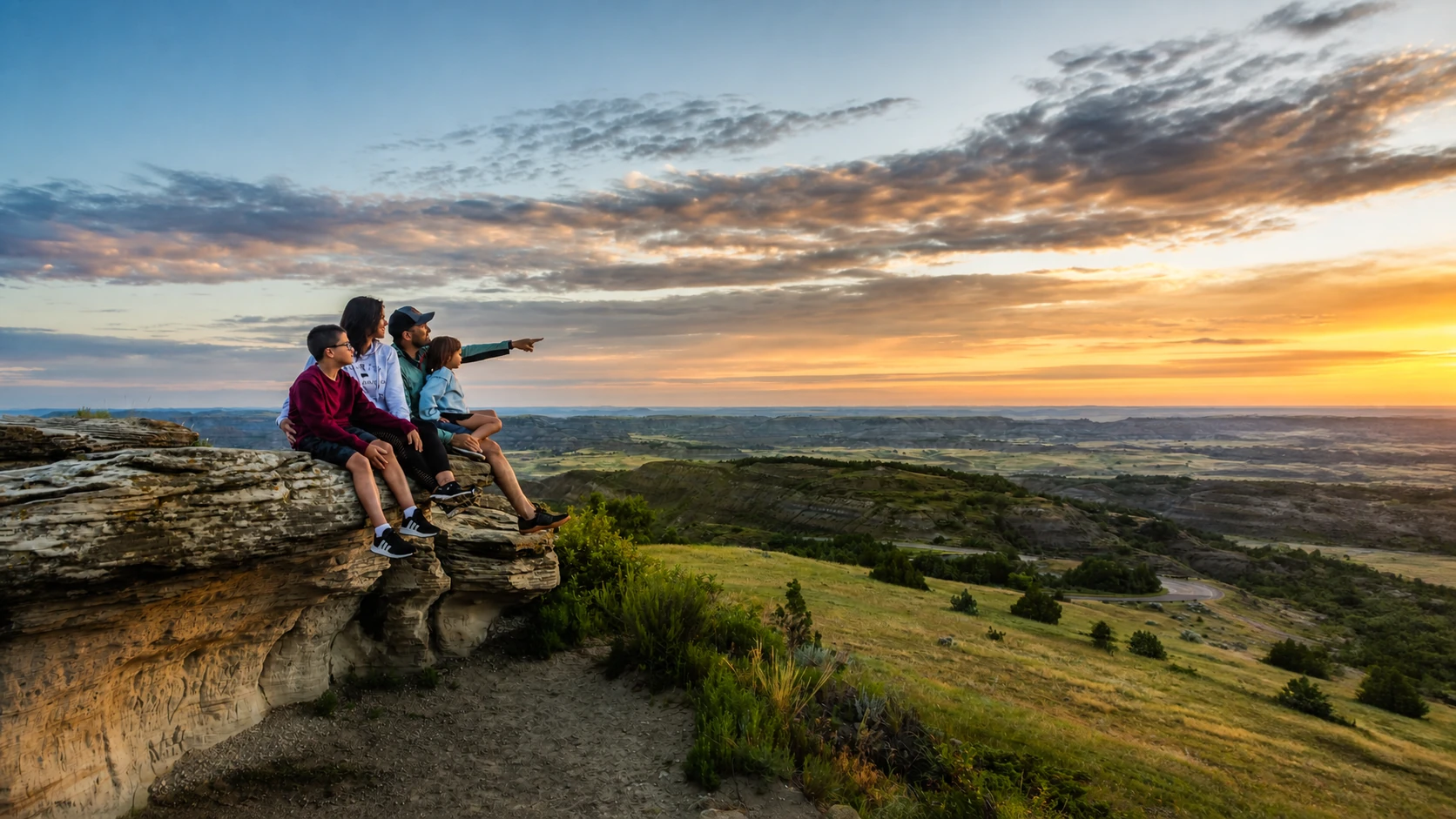
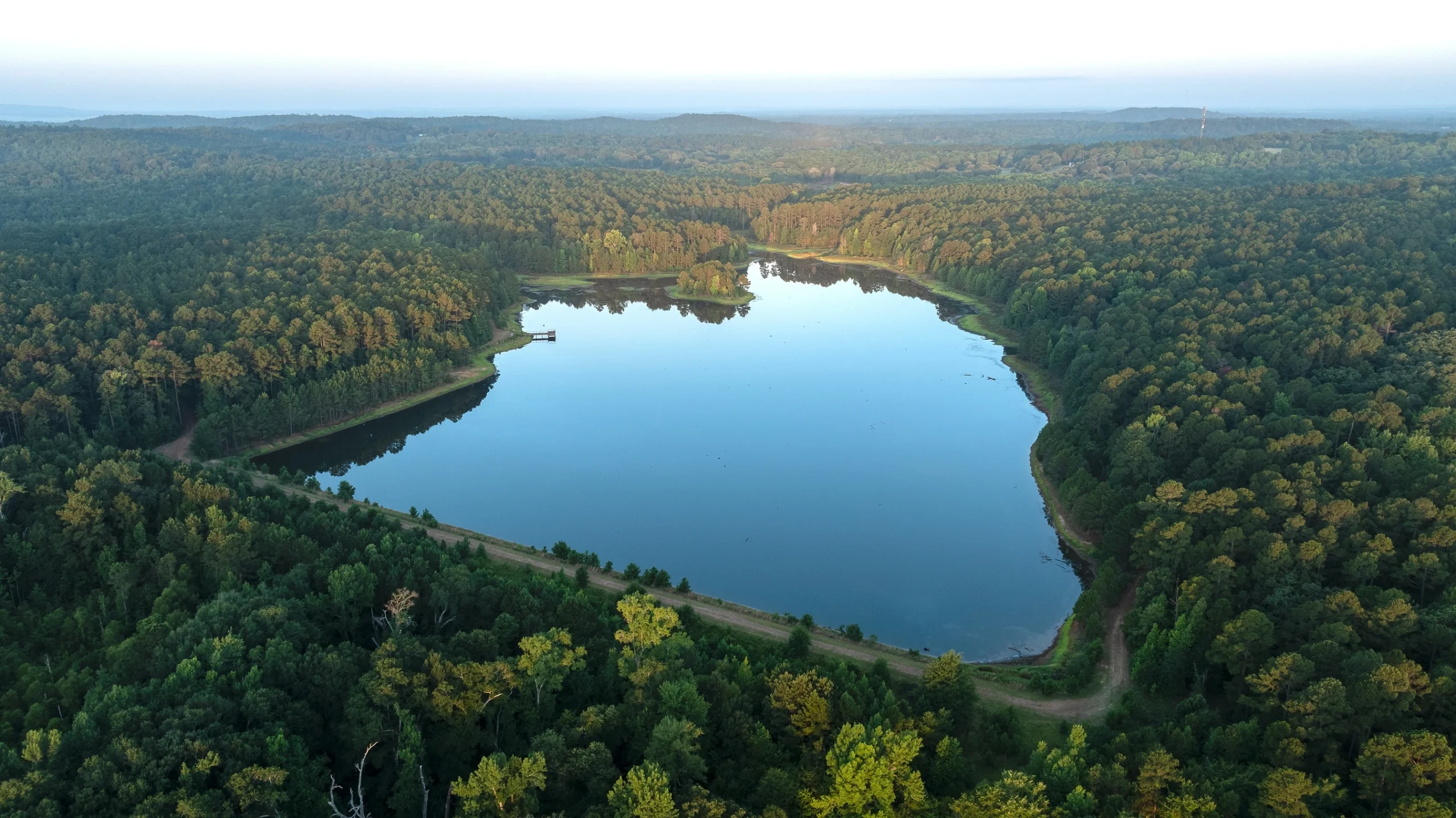
Valley of the Gods in Utah takes the top position, followed by Scoria Pit in North Dakota and The Wall in South Dakota. The remaining locations span a range of public and developed camping environments, including Jedediah Smith Redwoods State Park Campground in California, Elkamp Eastcreek in Washington and Mouth of Two Hearted River State Forest Campground in Michigan. The list also includes sites in Arizona, Colorado, Minnesota and Ohio.
The ranking arrives alongside findings cited from The Dyrt’s 2026 Camping Report Presented by Toyota Trucks. The report says 59.8% of campers camped for free at least once in the previous year, and that 79.1% of those campers went dispersed camping. The release also states that the United States has more than 600 million acres of public land where people can camp for free, framing the listed destinations within a broader supply of publicly accessible outdoor space.
The Dyrt’s paid PRO service is also connected to the announcement through its Free Camping Collection, described as a curated listing of more than 20,000 vehicle-accessible free camping locations across the country. That positioning links the awards to a practical discovery tool, rather than treating the ranking solely as an editorial exercise. For campers, the combination of community ratings and location data offers a way to compare established campgrounds with dispersed alternatives.
Packfire’s sponsorship adds a brand partnership to an awards format centred on outdoor travel and camping access. The Dyrt said the ten locations were selected because they were highly rated and positively reviewed by its community, preserving a user-generated basis for the recognition. With free and dispersed sites occupying much of the top of the list, the 2026 awards leave the company’s community data at the centre of how it presents camping destinations.