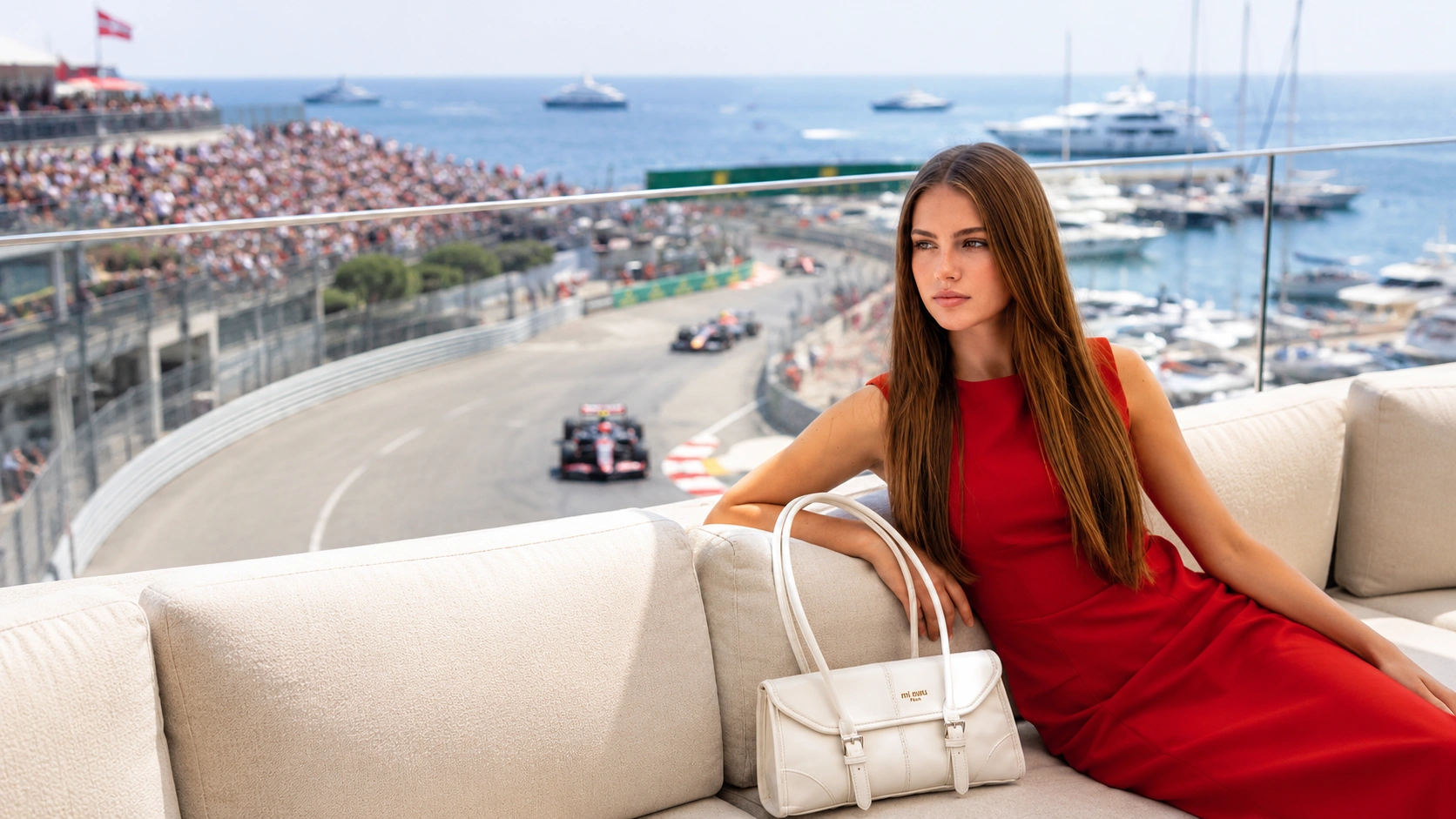
Ricardé Paris is positioning its handcrafted leather goods around exclusivity and understated design, reflecting broader shifts in the luxury market away from overt branding and seasonal trends.
Ricardé Paris is placing renewed emphasis on handcrafted leather goods and bespoke footwear as it seeks to appeal to consumers drawn to understated luxury rather than highly visible branding. The French fashion house says its collections, inspired by mid-century Parisian design, are finding an audience among affluent buyers who value craftsmanship, limited production, and timeless aesthetics. The announcement reflects an ongoing evolution within the luxury sector, where discretion and longevity have become increasingly influential purchasing considerations.
Over the past several years, the concept of “quiet luxury” has gained prominence as consumers with significant purchasing power have shown growing interest in products that communicate quality through materials and construction rather than prominent logos. Rather than following rapidly changing fashion cycles, many luxury brands have responded by highlighting artisanal techniques, heritage design, and carefully sourced materials. This shift has encouraged both established houses and emerging labels to frame exclusivity around craftsmanship instead of visibility.
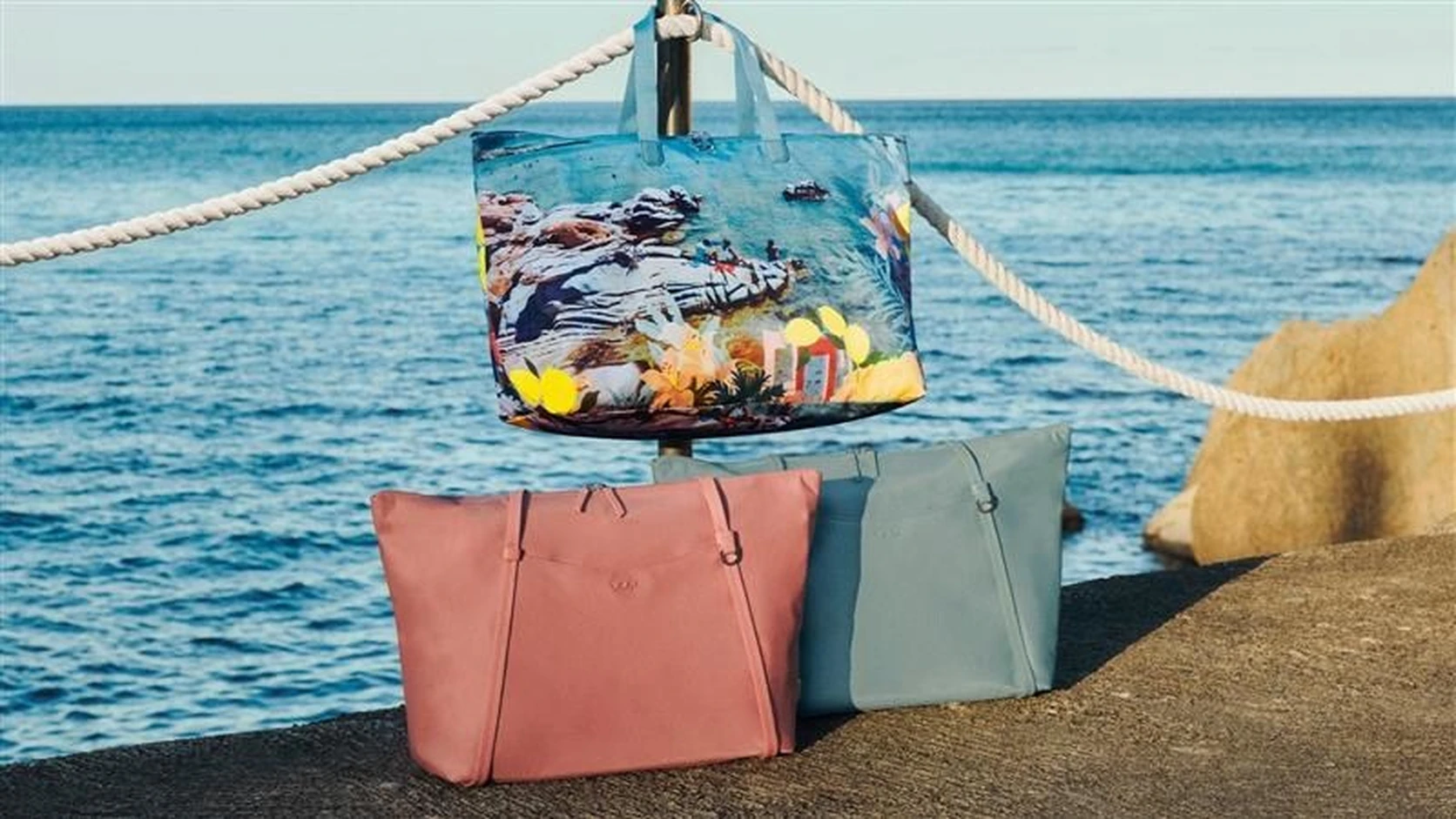
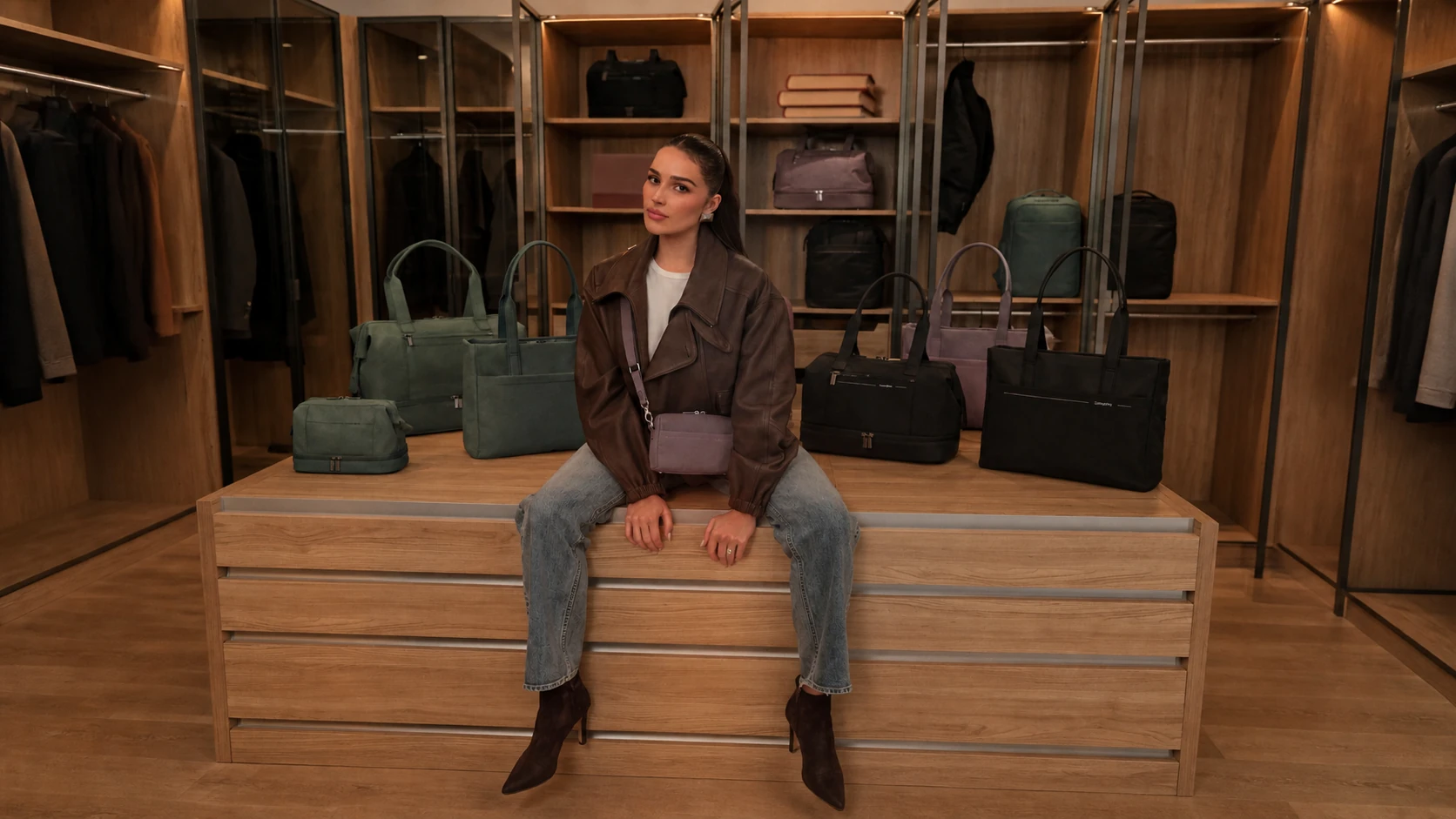
According to Ricardé Paris, its collections include handcrafted leather bags and bespoke footwear produced using traditional French leatherworking techniques. The company says its products are made from a selection of premium vegan leather, full-grain calfskin, and exotic hides, with hand stitching intended to reinforce durability and reflect established artisanal methods. Alongside private salon appointments for bespoke orders, the brand also offers its core collection through an online boutique, illustrating how luxury houses are increasingly balancing personalised service with wider digital accessibility. The company also points to growing attention on social media platforms, where videos highlighting craftsmanship and product design have introduced the brand to younger luxury consumers.
The combination of heritage craftsmanship and digital visibility illustrates an important change within the luxury industry. Brands that once relied primarily on exclusivity through physical boutiques are increasingly using online platforms to tell stories about design, production, and artistry without necessarily abandoning their premium positioning. Visual content centred on the making of products has become an effective way to communicate value in a market where authenticity and provenance carry increasing importance.
Ricardé Paris’ latest announcement highlights how luxury fashion continues to adapt to changing consumer expectations while maintaining a focus on traditional craftsmanship. As interest in quieter forms of luxury grows, brands are increasingly seeking to distinguish themselves through enduring design, meticulous production, and selective distribution rather than constant novelty. The approach suggests that, for many consumers, lasting quality has become as significant as status in defining modern luxury.