
The Virginia programme will develop instrument-flight procedures and access points intended to integrate Ultra Short aircraft into everyday airspace with conventional aviation.
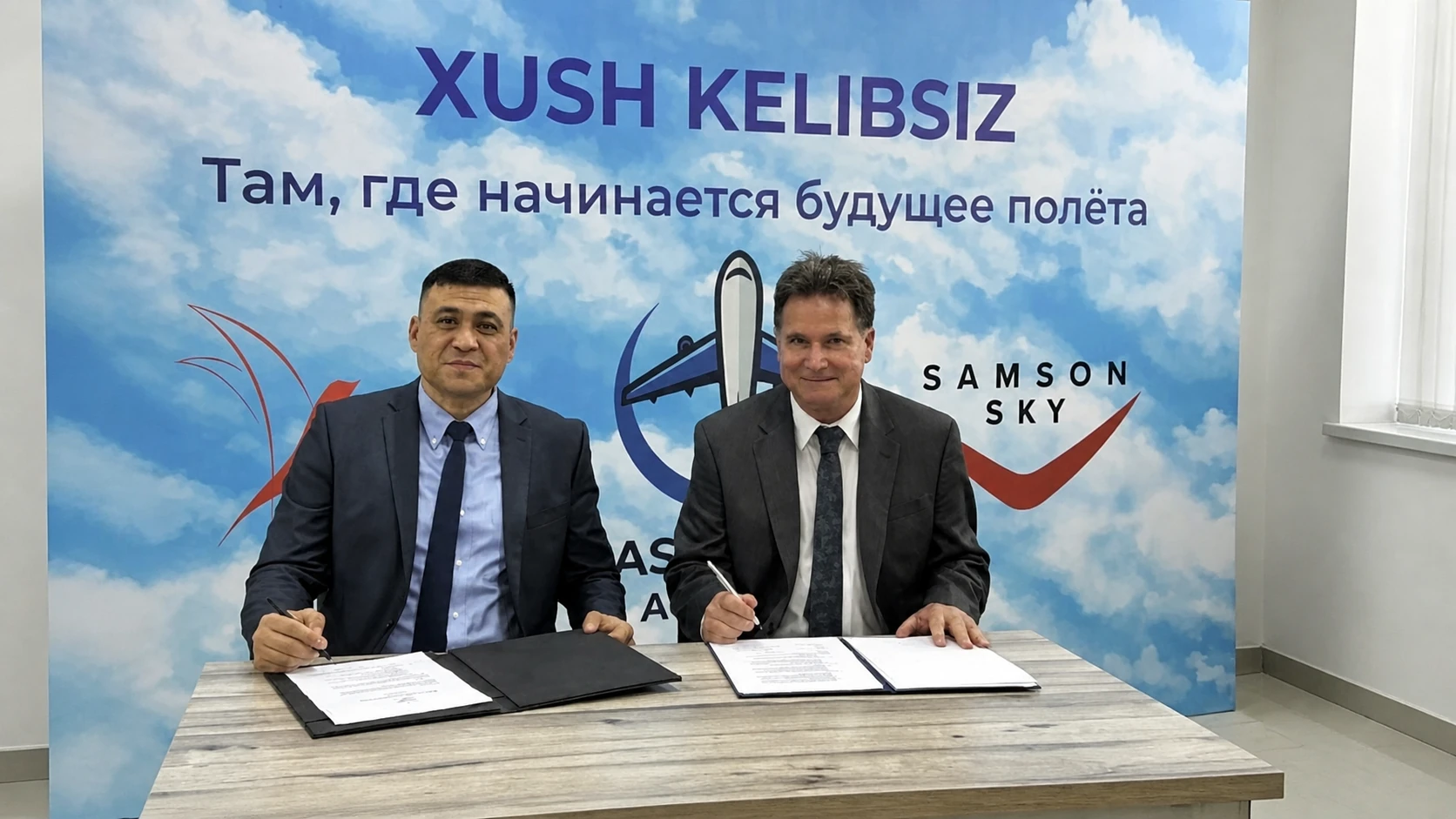
Electra has joined Virginia’s Advanced Air Mobility Smart Airspace Program as a technical lead, working on a low-cost instrument flight rules network for Ultra Short and other advanced air mobility aircraft. The partnership will design, implement and test routes, procedures and FAA-certified access points suited to aircraft operating from compact sites. NAVOS Air is also serving as a technical lead, while Virginia Tech’s Mid-Atlantic Aviation Partnership leads the programme. The work addresses a practical barrier to operating these aircraft reliably in poor weather and alongside conventional aviation.
Most commercial aviation operates under instrument flight rules, which support predictable operations when pilots cannot rely solely on external visual references. Existing arrival and departure procedures, however, were not designed for advanced air mobility aircraft or the smaller access points they may use. The Virginia programme plans to separate this traffic from conventional flights, employ GPS-based navigation and enable more direct routing. Its organisers intend the resulting framework to be affordable and replicable elsewhere in the United States.
Electra’s engineers and pilots will help develop and test procedures covering demanding phases of poor-weather flight, including the transition from cloud cover to a landing site. The network will initially connect four Virginia locations: an off-airport site at the Virginia Tech Transportation Institute in Blacksburg; Roanoke–Blacksburg Regional Airport; Allen C. Perkinson Airport in Blackstone; and Shannon Airport in northern Virginia. These nodes span off-airport, large-airport, mixed civilian and military, and rural operating environments. The programme will also examine how Ultra Short access points can be implemented successfully.
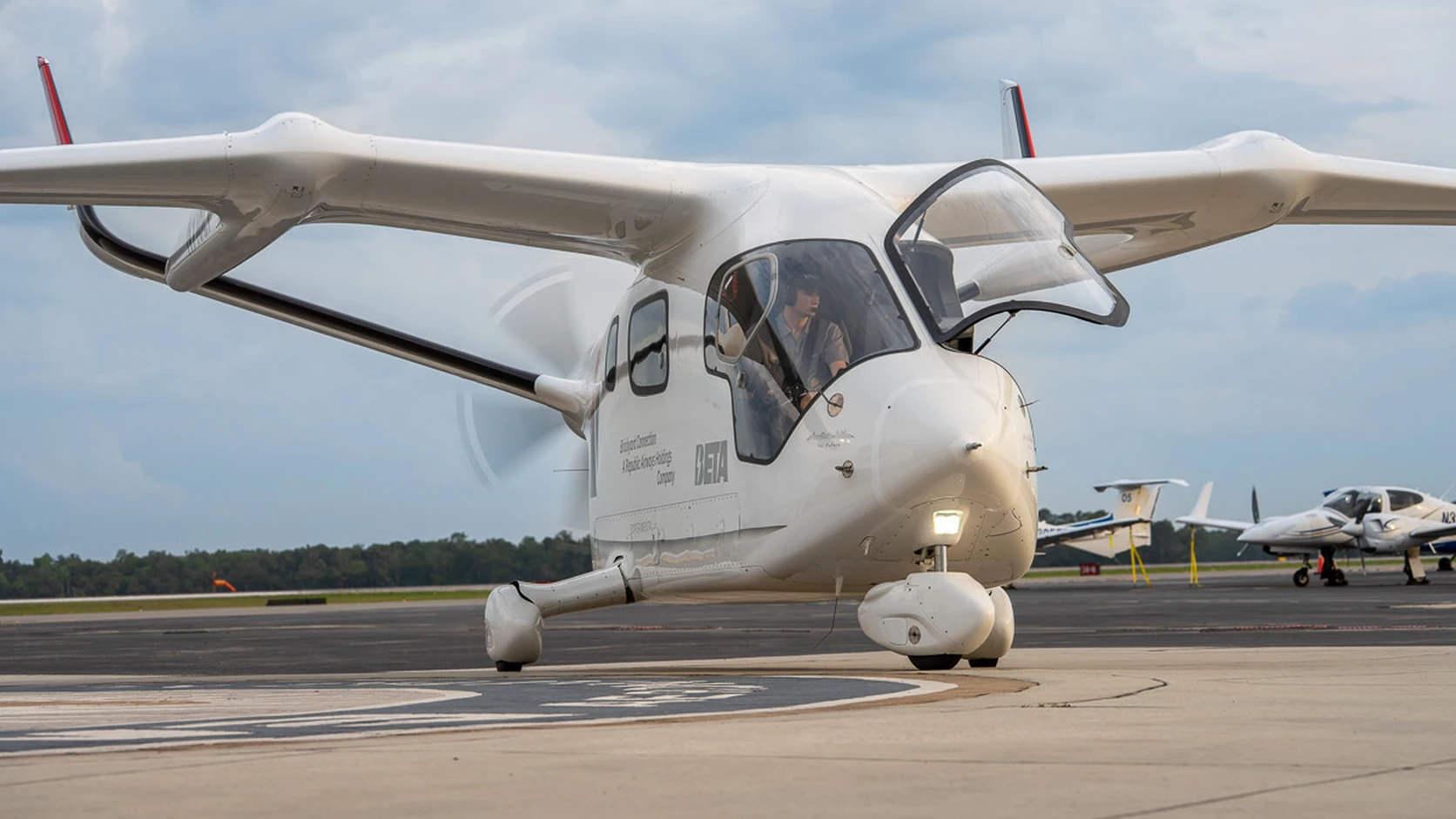
The effort aligns with Electra’s Direct Aviation model, which centres on the nine-passenger EL9 Ultra Short aircraft and its ability to take off and land in as little as 150 feet. Electra says that performance could make fields, parking areas and underused runways available as access points, placing flights closer to passengers’ origins and destinations. The Virginia work therefore extends beyond aircraft development into the physical, procedural and digital systems required for regular operations. It also tests whether a common operating model can accommodate varied locations without relying solely on conventional airport infrastructure.
The wider economic case is substantial but remains projected. An analysis cited by the Commonwealth Center for Advanced Logistics Systems estimates that advanced air mobility could generate $16 billion in new Virginia business activity, produce $2.8 billion in local, state and federal tax revenue, and create more than 17,000 full-time jobs through 2045. For Electra, participation offers a way to shape operating procedures around the capabilities of Ultra Short aircraft while testing them across contrasting sites. The programme’s significance will rest on whether its technical work produces a repeatable framework for integrating advanced aircraft into established airspace.