National Geographic-Lindblad Expeditions-backed work has returned 158 giant tortoises to Floreana Island, highlighting tourism’s potential role in long-term ecological restoration.
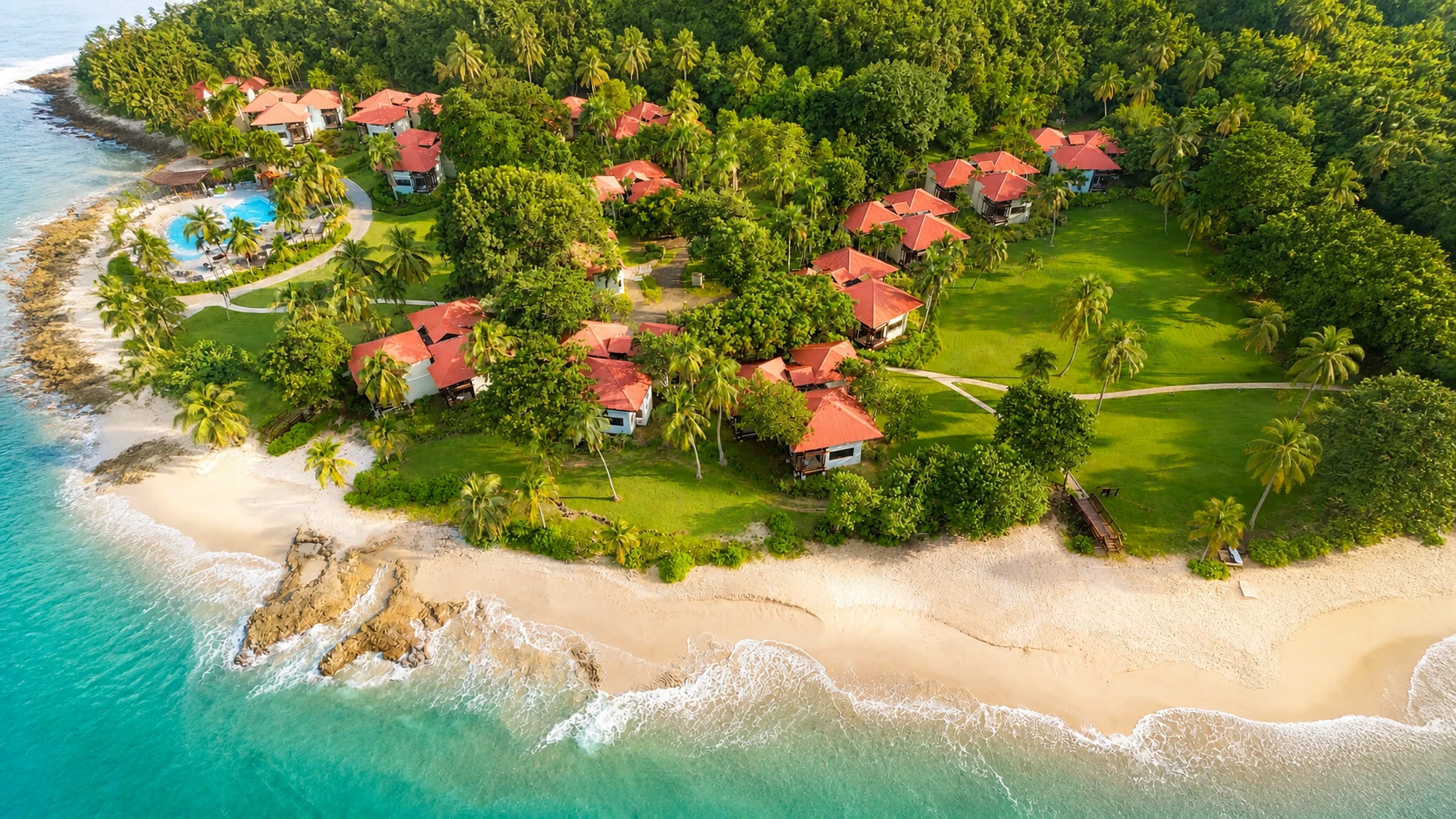
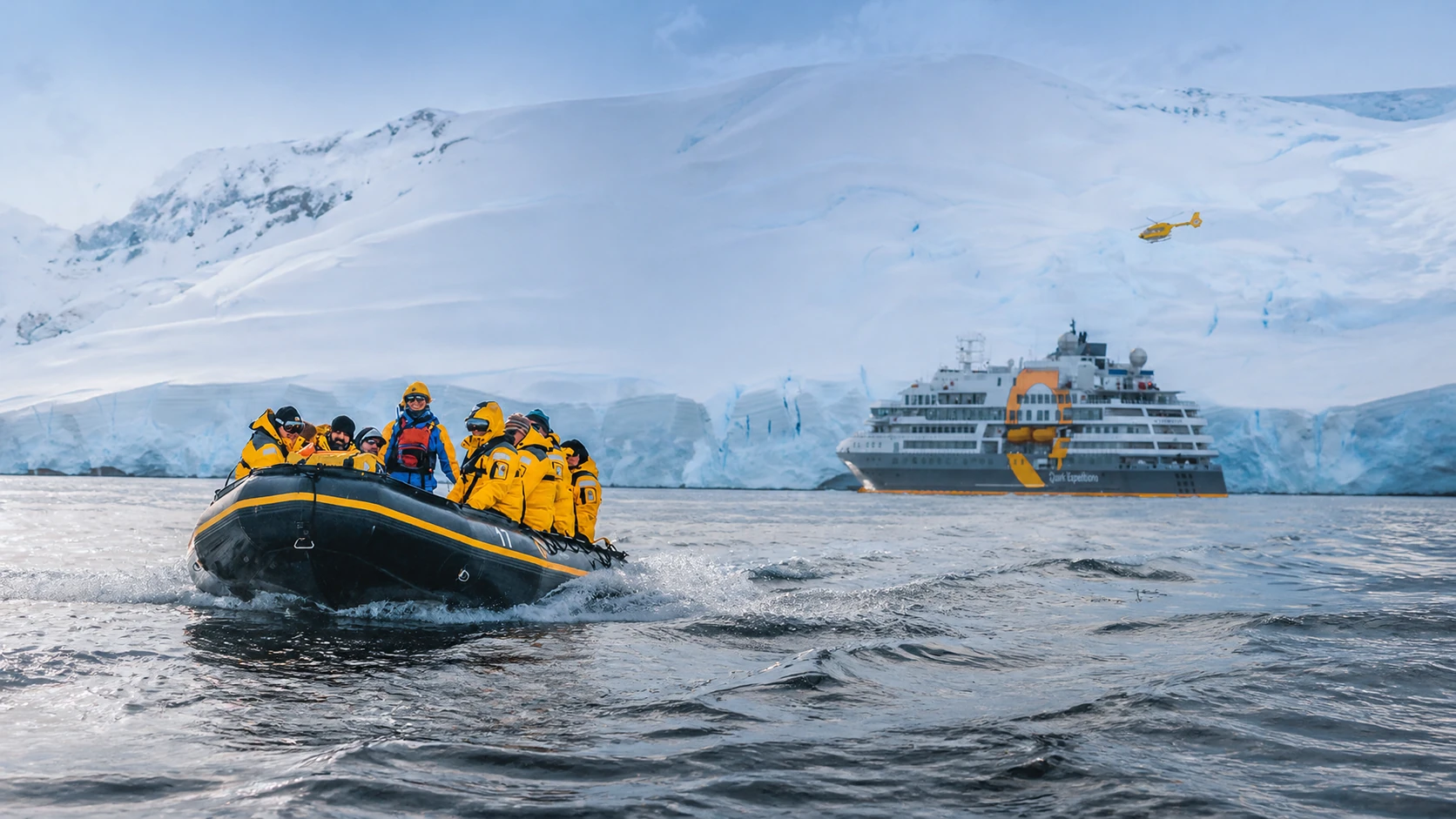
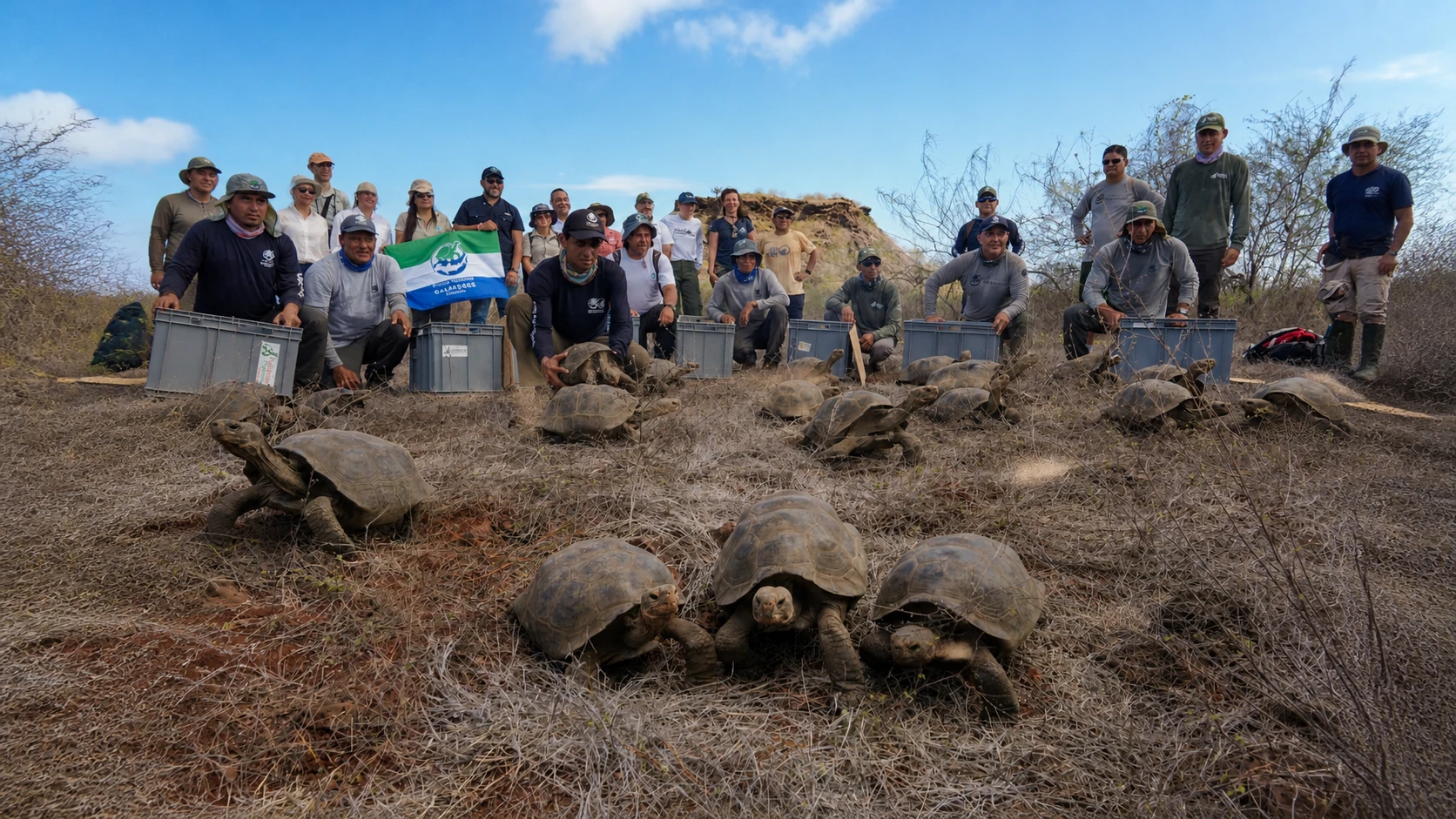
National Geographic-Lindblad Expeditions has helped support the return of 158 giant tortoises to Floreana Island in the Galápagos, more than a century after the species became locally extinct there. The milestone forms part of the Floreana Ecological Restoration Project, a long-term effort led by the Galápagos National Park Directorate and the Galápagos Biosecurity and Quarantine Agency. It also illustrates how expedition travel can connect visitor funding with conservation work in the destinations its itineraries reach.
The project’s tortoise return is intended to restore an important ecological function on the inhabited island. The animals spread seeds of native plants as they move through the landscape, while their burrowing creates habitats used by other wildlife. The wider restoration programme has combined invasive-species eradication, habitat work, community engagement and long-term monitoring after years of efforts to rebuild Floreana’s ecosystem.
Support from the Lindblad Expeditions-National Geographic Fund has continued since 2015, with more than $1 million directed to the project. That funding has supported Jocotoco Foundation and Island Conservation, two of the project’s co-executors, in work covering invasive-species eradication, habitat restoration, community participation and monitoring. The programme is co-executed with the Charles Darwin Foundation and Island Conservation, while Galápagos Conservancy is leading the tortoise return with the involvement of other institutional partners.
The return is part of a staged plan extending through 2030, with species introductions guided by habitat studies, adaptive management and community participation. Ian Miller, chief science officer at National Geographic Society, described the milestone as evidence of coordinated work by scientists, conservation organisations, local communities and government agencies. Lindblad Expeditions’ conservation, education and sustainability vice-president Amy Berquist similarly connected the project’s progress with travel rooted in education, respect and collaboration.
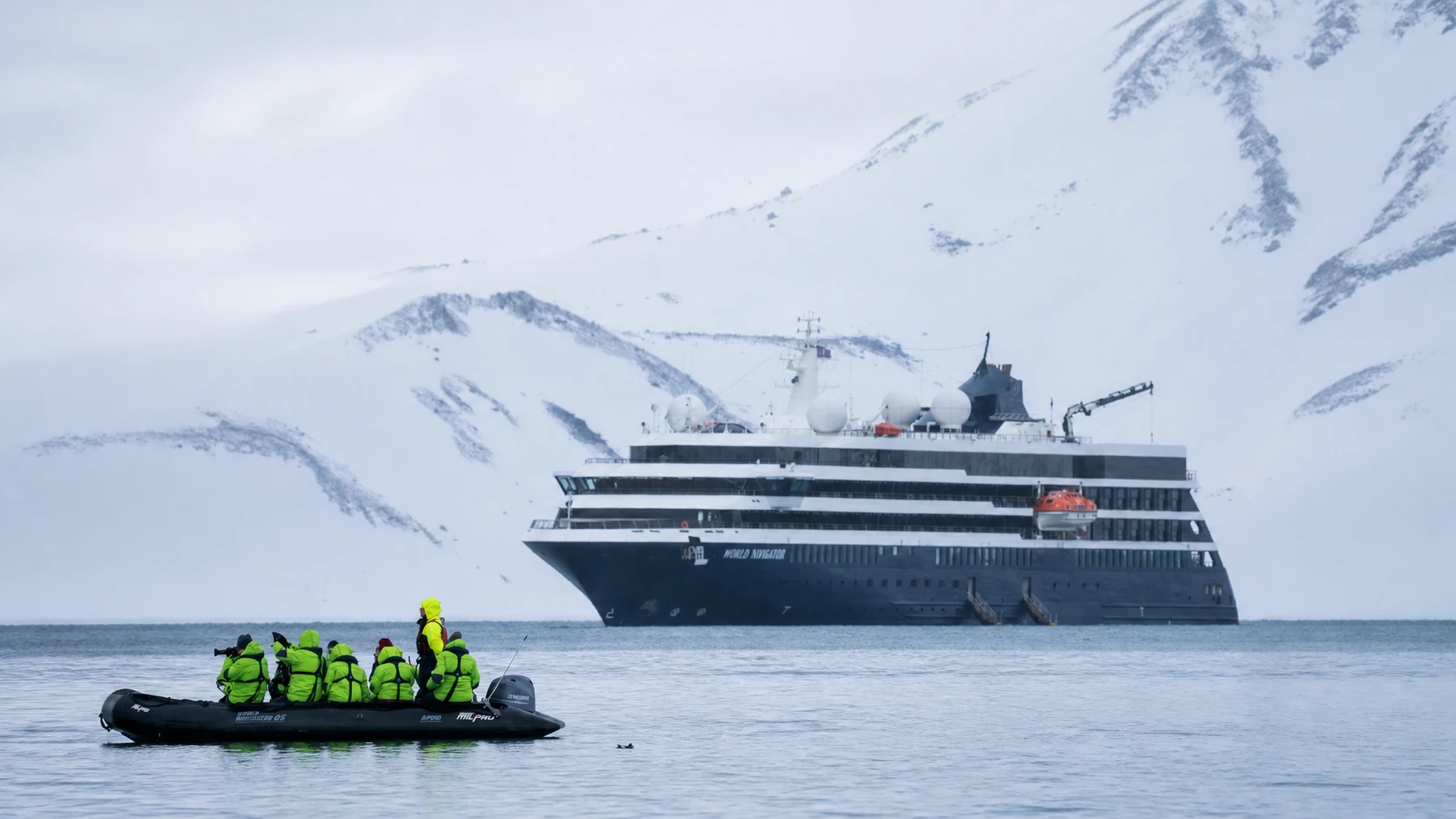
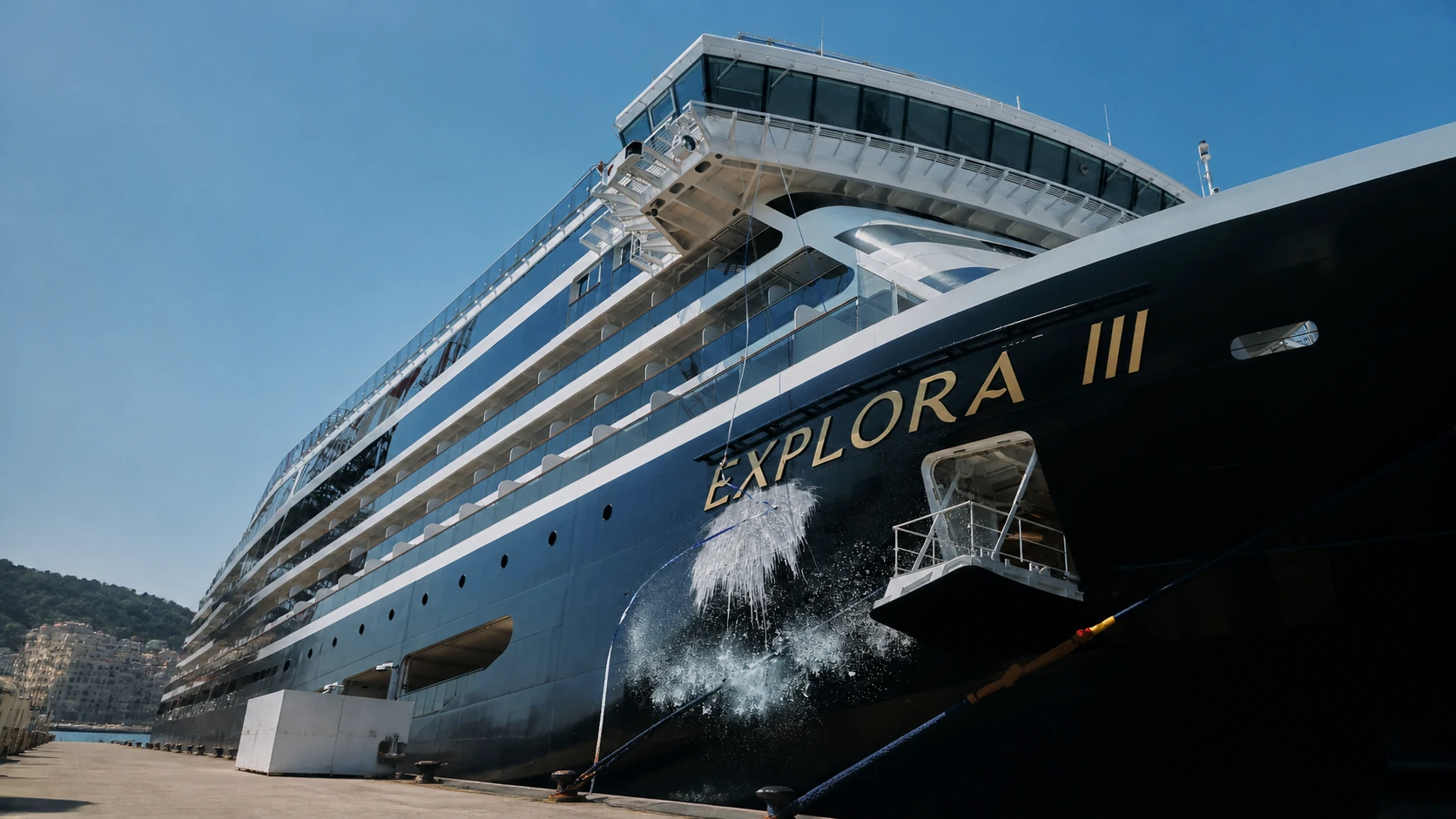
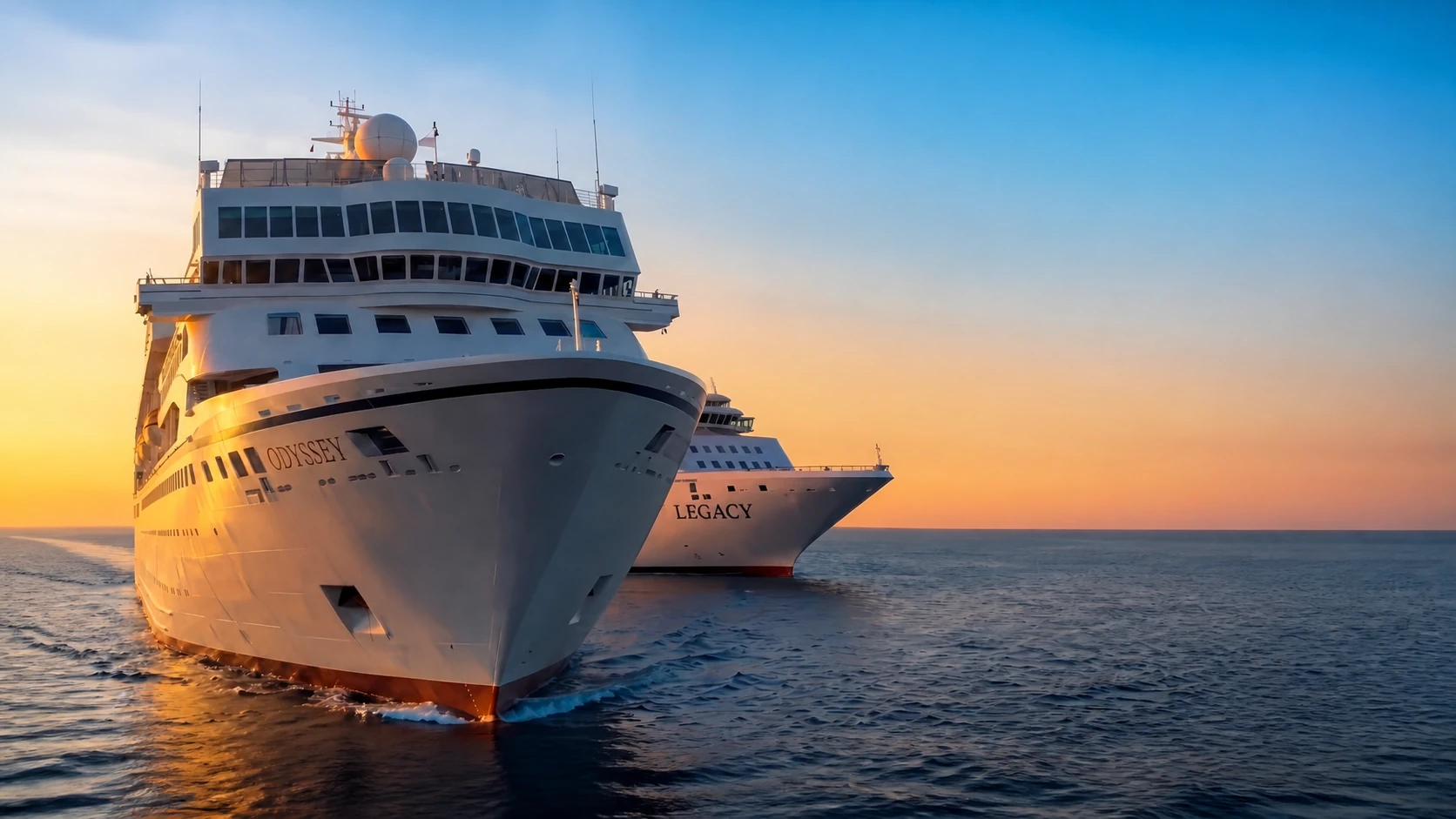
For National Geographic-Lindblad Expeditions, the Floreana project gives practical shape to the conservation role attached to its co-branded expedition model. The company says the fund supports ocean protection, marine and coastal habitat restoration and environmental stewardship in regions visited by its fleet and beyond. The tortoise return does not complete the island’s restoration, but it provides a visible milestone within a programme whose next phases will depend on continued scientific oversight, local involvement and sustained support.