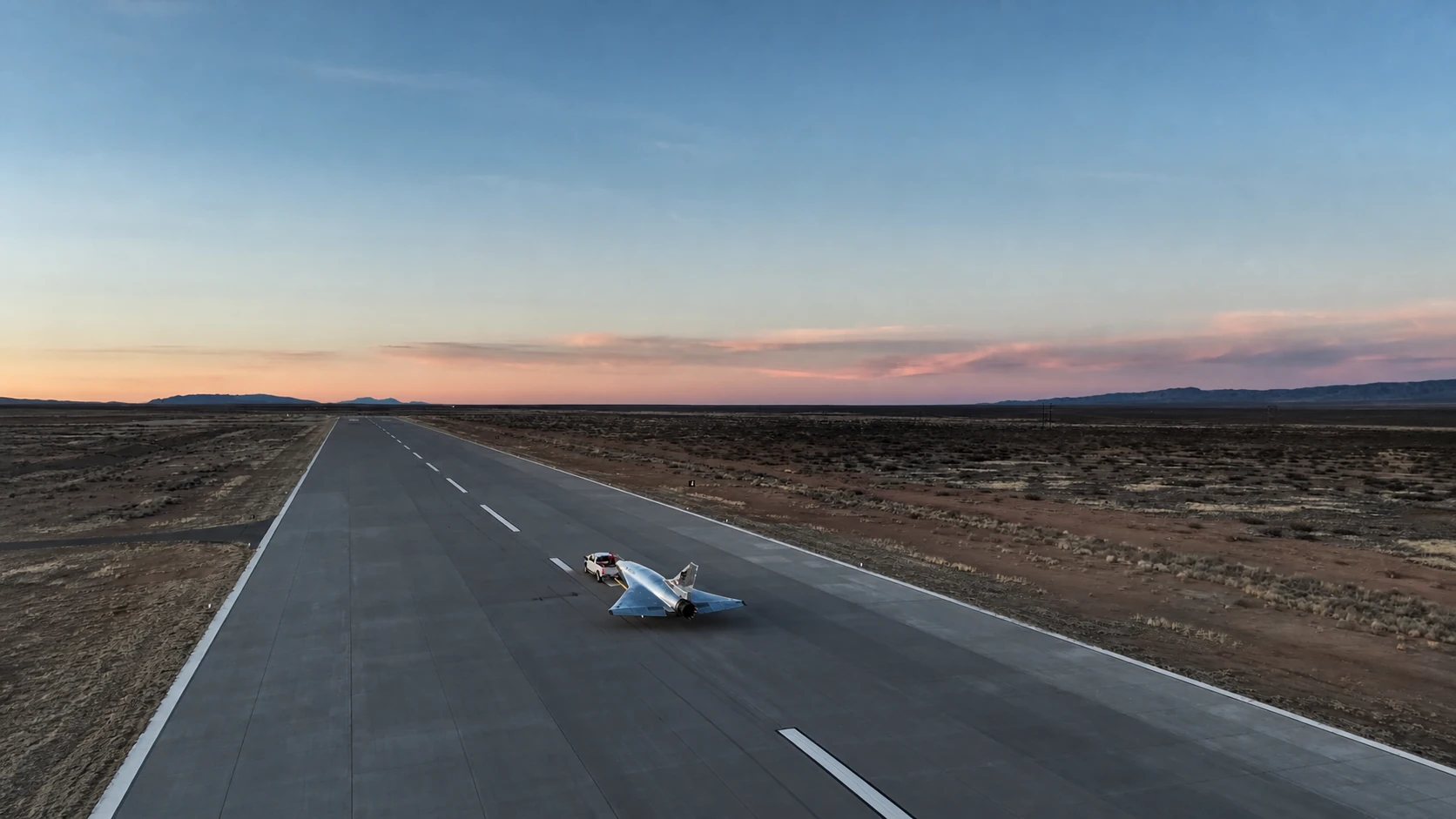
An agreement with AIR Tashkent combines prospective vehicle sales with pilot and mechanic training, linking a hybrid-electric road-and-aircraft concept to Uzbekistan’s aviation infrastructure.
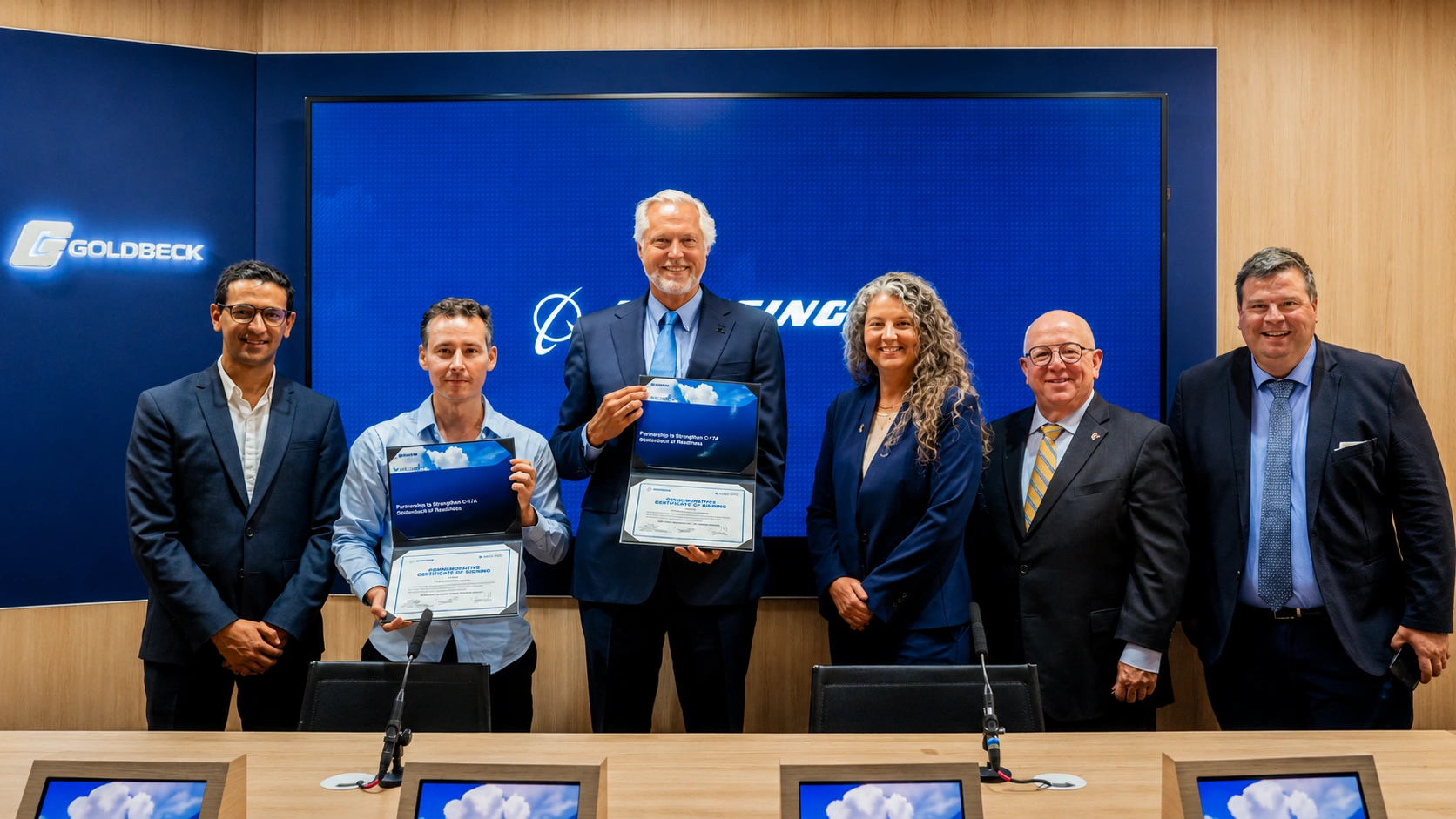
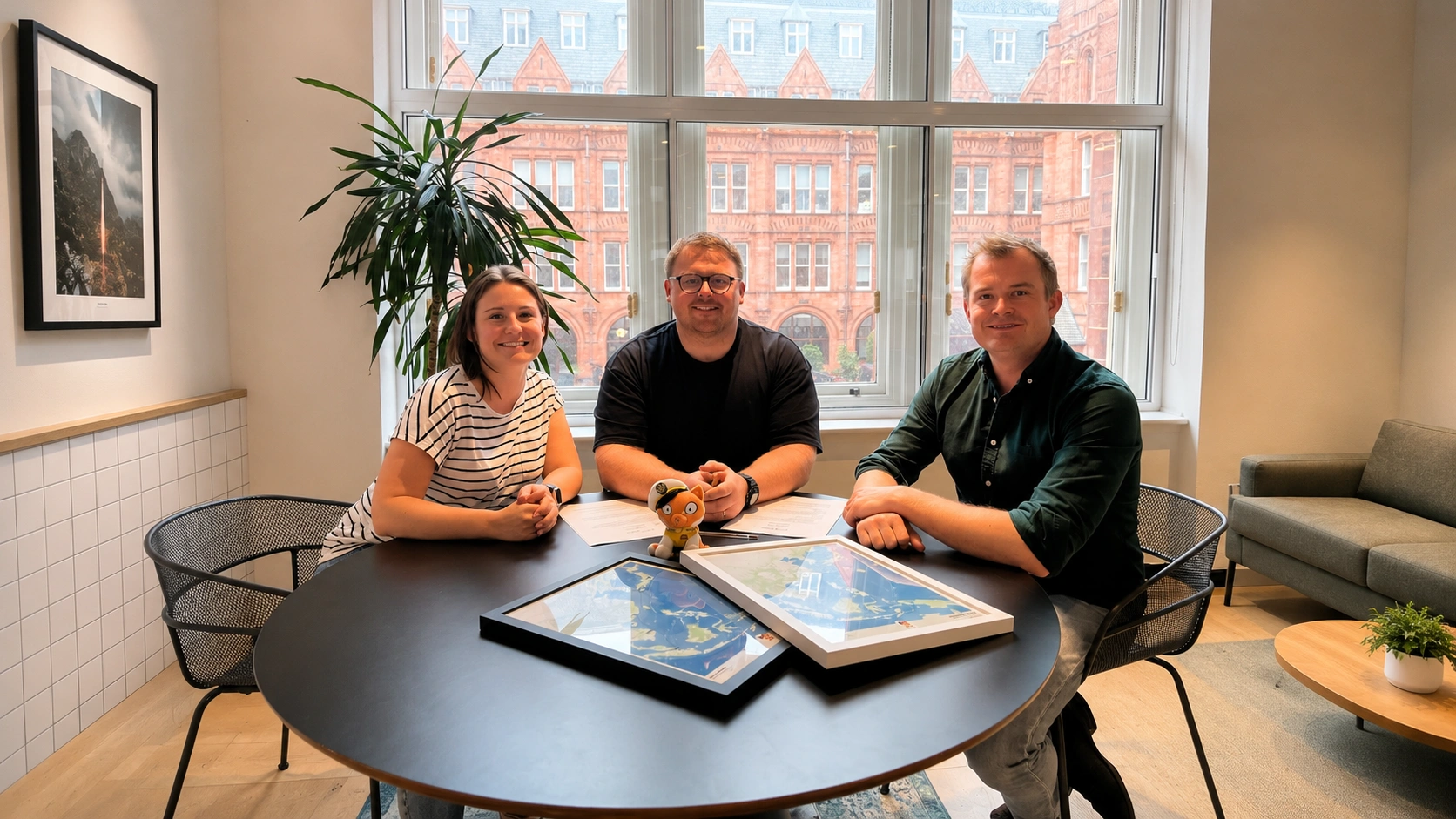
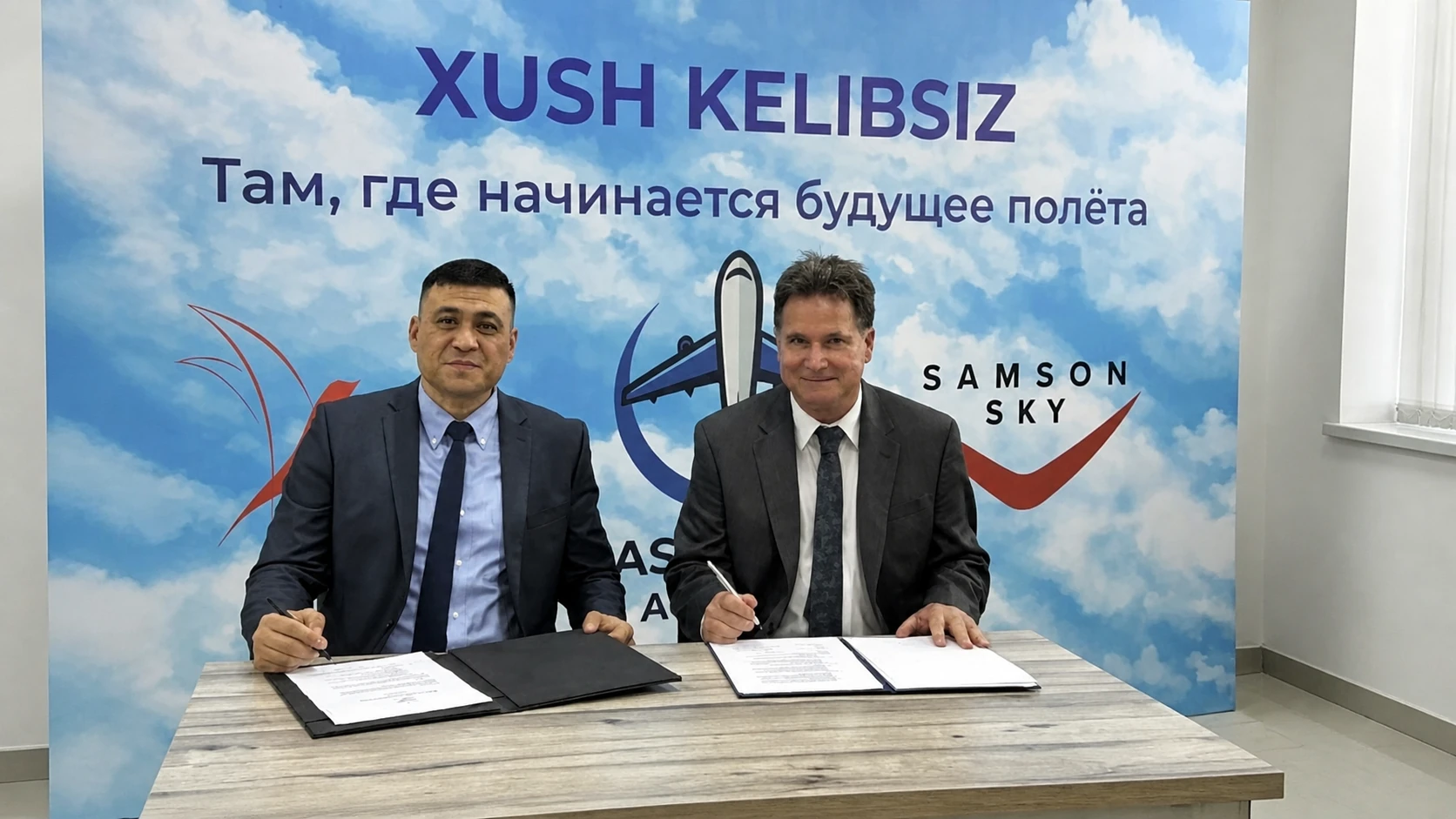
Samson Sky has completed a memorandum of understanding with AIR Tashkent to bring its Switchblade Flying Car to Uzbekistan, creating a proposed route into the Central Asian country for a vehicle designed to operate on highways and in the air. The arrangement includes plans to facilitate the sale of 300 or more Switchblades, with a stated value exceeding $60 million. It also connects the vehicle with the opening of AIR Tashkent’s Easy to Fly Academy, where aviation professionals will be trained.
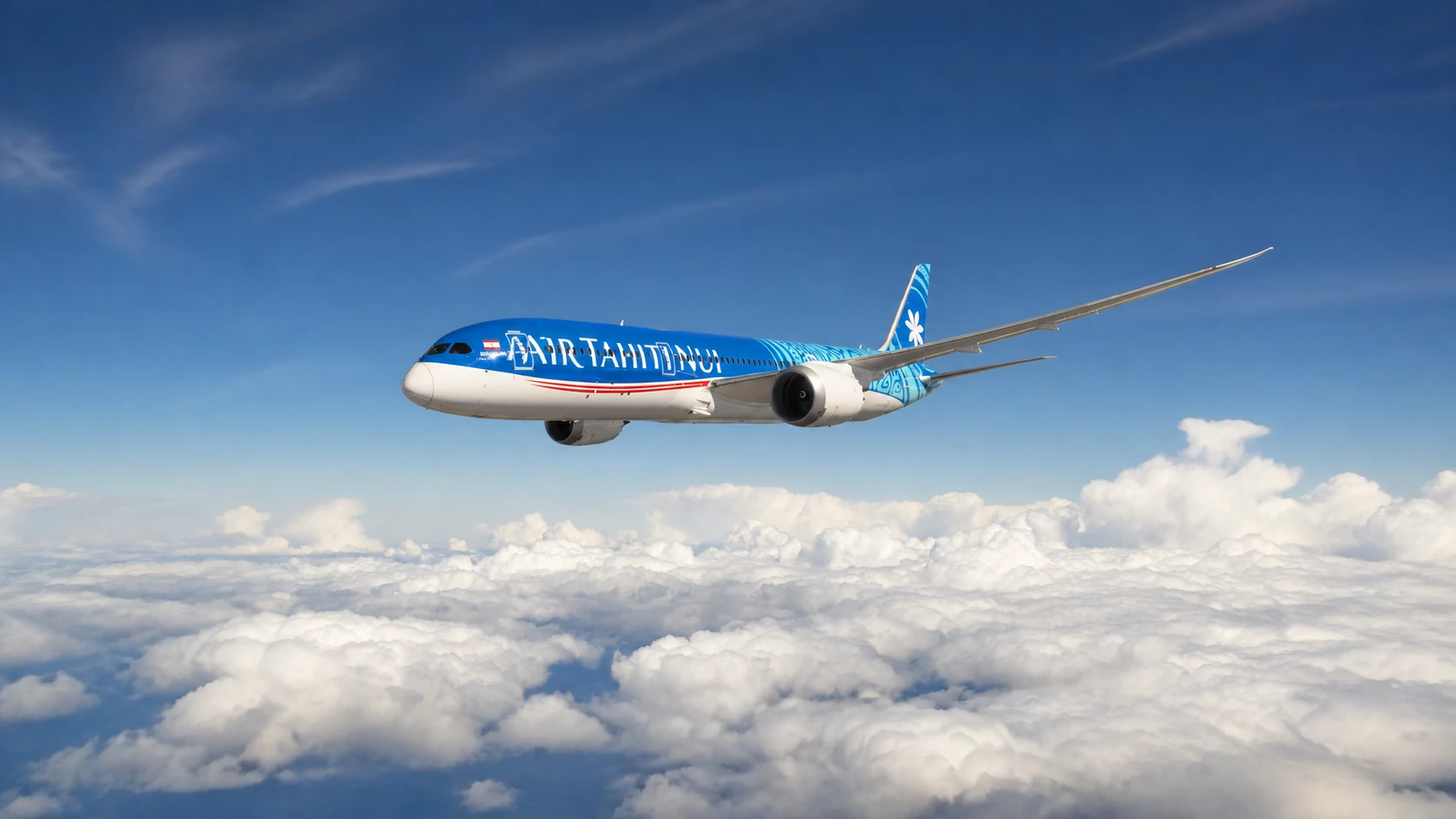
The agreement places the Switchblade within a broader effort to develop private aviation in Uzbekistan. AIR Tashkent is described as the country’s first private company providing individual aviation services, with activities spanning passenger flights, aircraft maintenance and specialist aviation services. Against that setting, the vehicle is being positioned not simply as a consumer automobile but as a product requiring aviation training, maintenance capability and regulatory qualification.
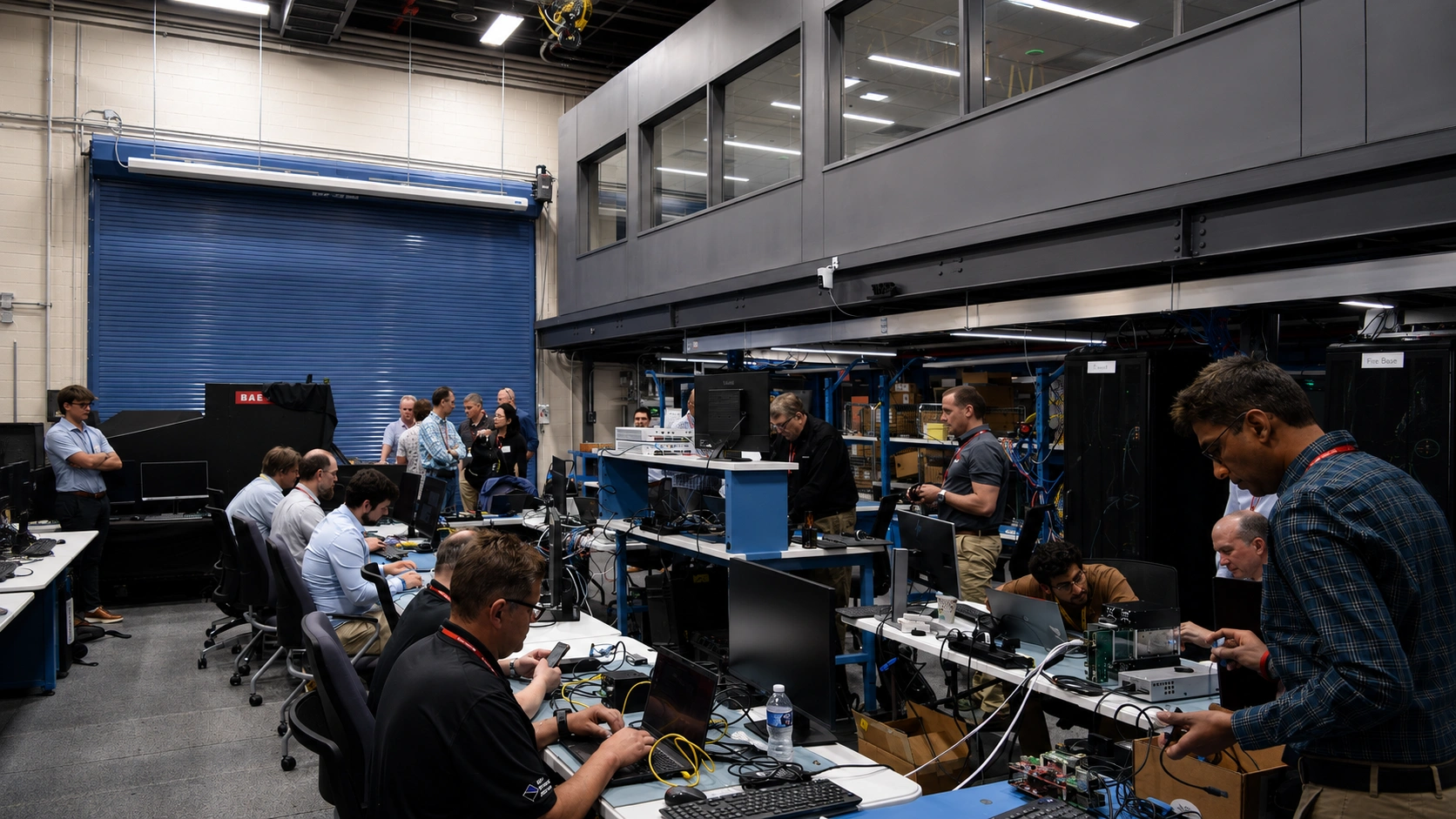
AIR Tashkent intends to make a bulk purchase of part of the planned 300 vehicles for pilot training for personal or commercial use. Samson Sky is to provide assistance through its flight simulators, as well as training for mechanics who will support the Switchblade’s sale and operation. The companies will also work with the Uzbekistan government to qualify the vehicle for road and flight use in the country, while Samson Sky says the Switchblade has already flown in the United States and is being introduced into production there.
The product’s proposition depends on combining familiar road access with aircraft performance. Samson Sky describes the Switchblade as a hybrid-electric vehicle that can be driven from a garage to a nearby airport, where it transforms into flying mode in three minutes. The company’s stated specifications include acceleration from zero to 60 miles per hour in five seconds, a top ground speed of 125 miles per hour, a 160-mile-per-hour cruise speed and a claimed flying range of up to 500 miles on a single tank of premium automotive fuel.
For Samson Sky, the Uzbekistan arrangement illustrates the operational demands attached to taking a roadable aircraft beyond its home market: sales must be accompanied by training, servicing and approval for two modes of transport. AIR Tashkent’s proposed role gives the Switchblade a local aviation counterpart while leaving the scale and timing of any eventual purchases subject to the agreement’s stated plans. The development therefore offers a measured example of how emerging mobility products may enter new markets through aviation partnerships rather than through conventional automotive distribution alone.