
A new survey from The Dyrt points to older campers as a growing force in outdoor travel, with retirement linked to more frequent trips and stronger RV demand.
The Dyrt has found that four out of five campers aged 65 and over either camp more after retiring or plan to increase their camping once they leave work. The finding comes from the company’s 2026 Camping Report Presented by Toyota Trucks, which draws on surveys of The Dyrt Community, a representative sample of U.S. residents and camping property managers across all 50 states. It places retirement at the centre of a measurable shift in how a large group of older Americans may use their leisure time.
The report estimates that 82.4 million Americans went camping in 2025, including 16.4% aged 55 and over and 6.2% aged at least 65. Those proportions translate to an estimated 13.5 million campers aged 55 and above and 5.1 million aged 65 and over. On that basis, The Dyrt calculates that at least 4 million campers increase their camping frequency during retirement.
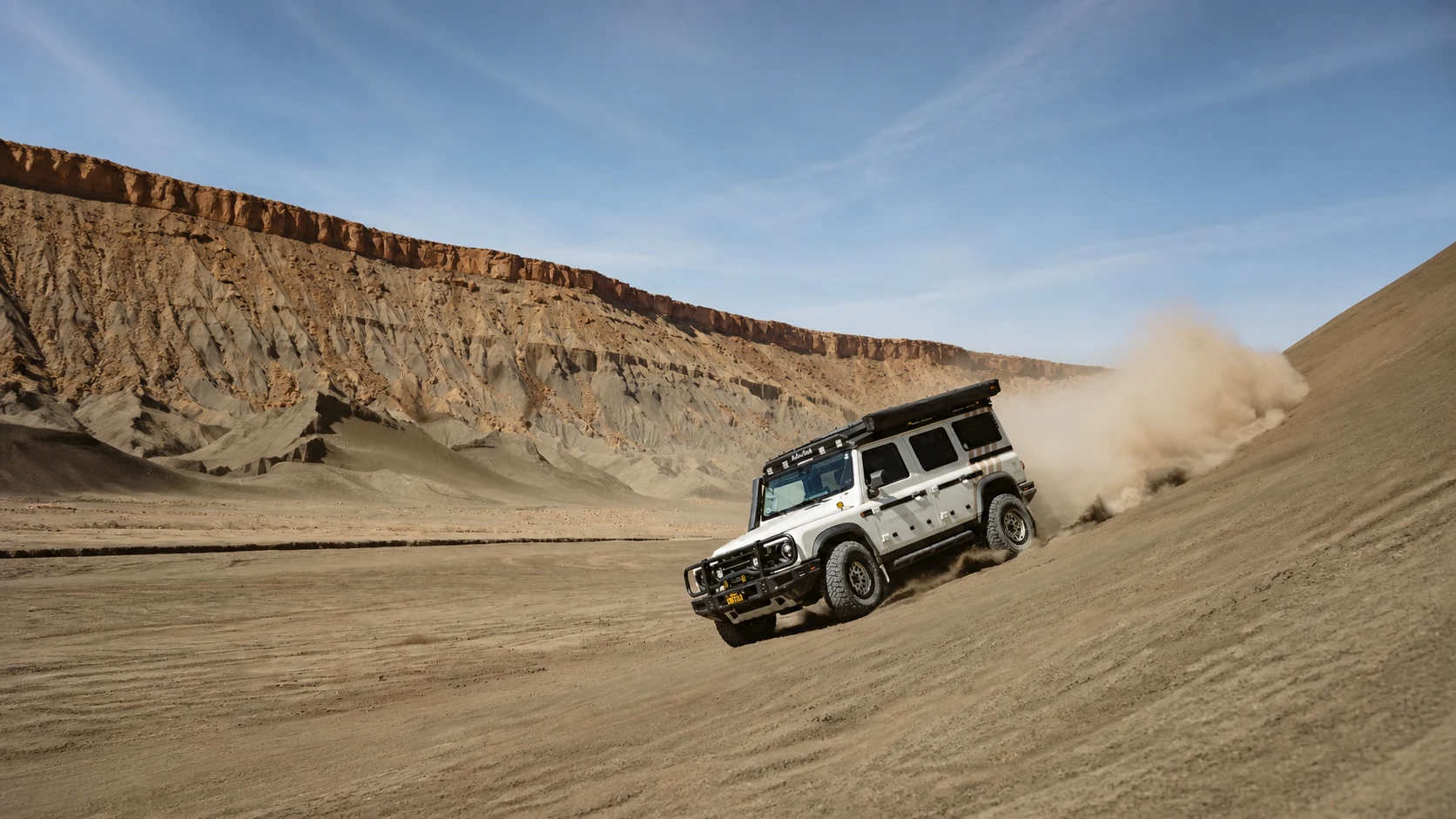
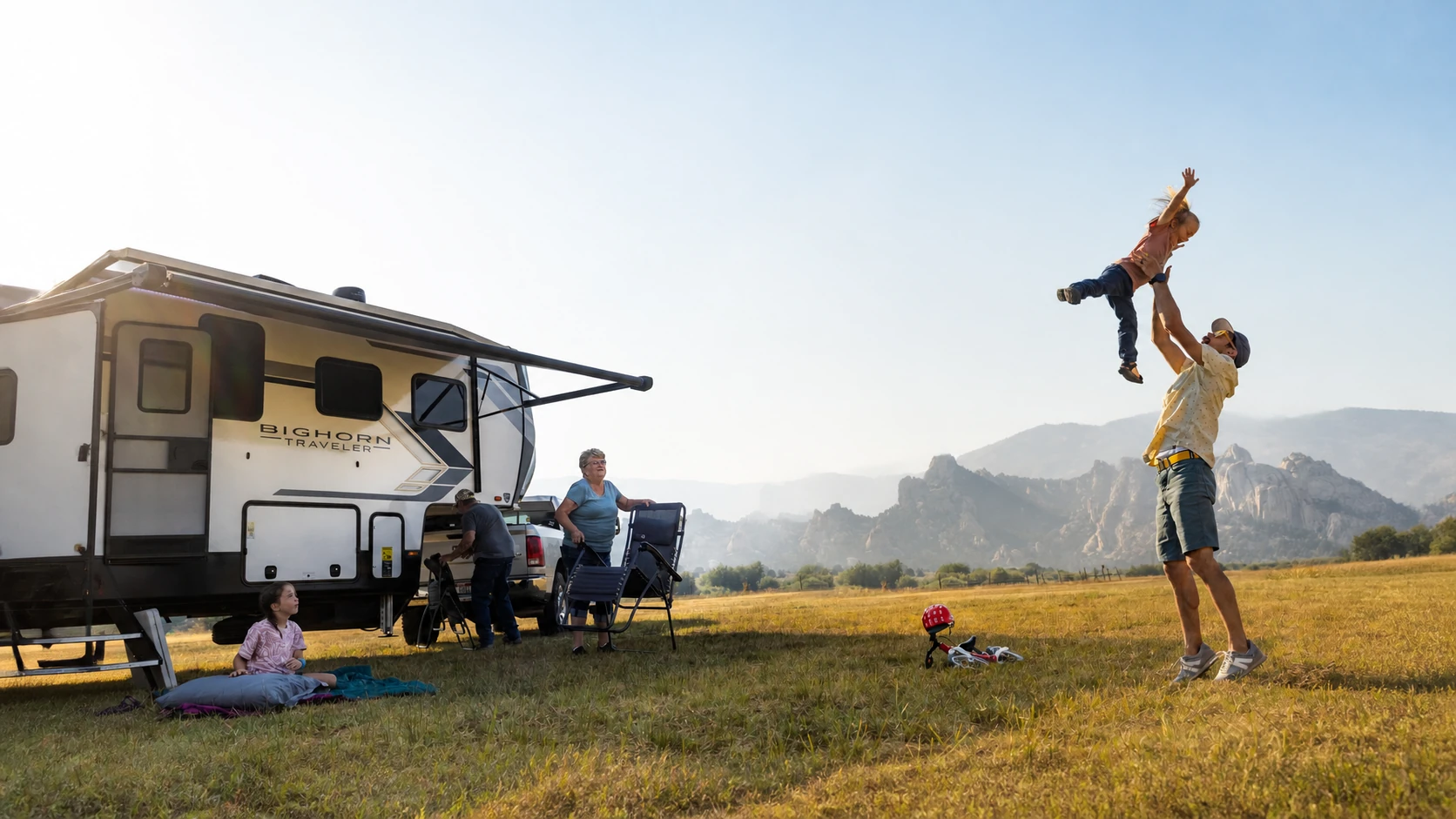
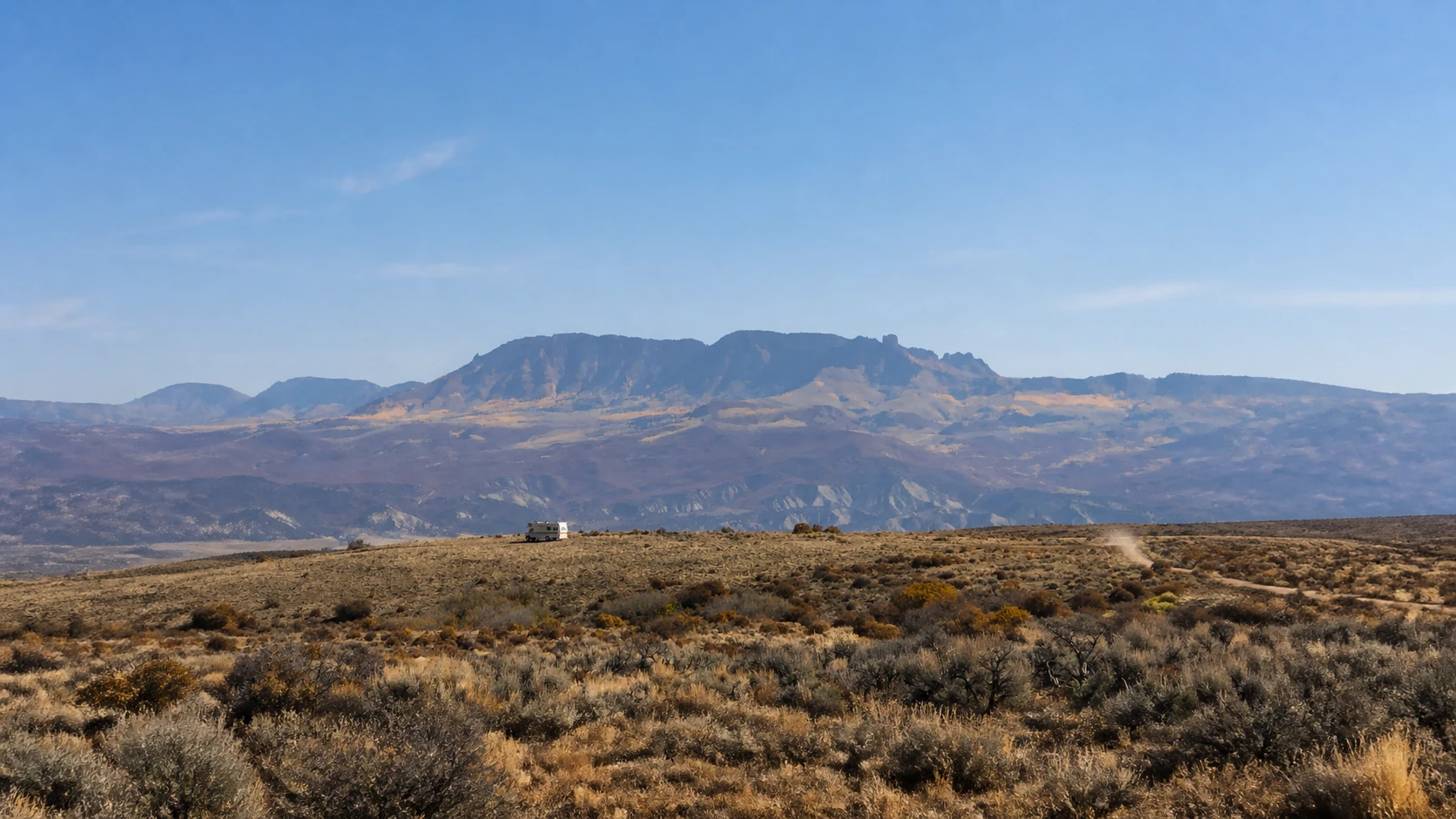
The accommodation choices associated with older campers also differ by age. Only 21% of campers aged 34 and under stayed in an RV or trailer during 2025, compared with 55% of those aged 55 to 64 and 64% of those aged 65 and over. Across all age groups, 52.2% of campers took at least one RV or trailer trip during the year, while private camping properties continued adding capacity for established formats, including RV and tent sites.
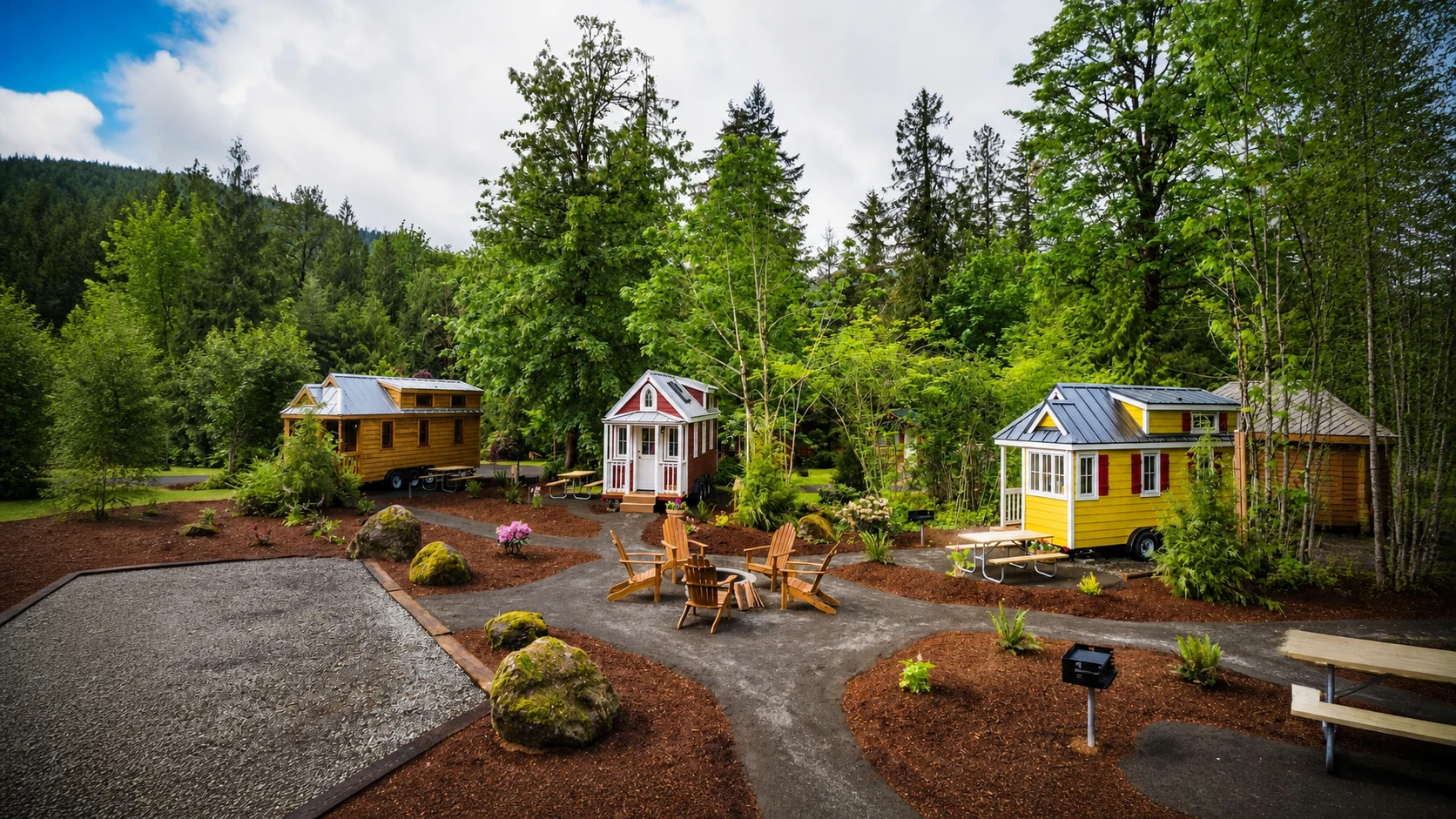
The findings suggest that retirement is not simply creating more opportunities to camp; it is also associated with a different style of participation. Older campers are more likely to use vehicles or trailers, while glamping participation moves in the opposite direction, falling with age despite an overall 8% increase between 2024 and 2025. Among campers aged 65 and over, 3% visited a glampsite during 2025.
For The Dyrt, the results reinforce the importance of understanding camping by life stage rather than treating the market as a single audience. Its report also identifies booking and cancellation behaviour as areas of change, noting that campers aged 55 to 64 are most likely to leave a reserved site early and those aged 65 and over are most likely to cancel well in advance. The broader implication is restrained but clear: retirement is becoming an important planning horizon for the camping economy.The Dyrt has found that four out of five campers aged 65 and over either camp more after retiring or plan to increase their camping once they leave work. The finding comes from the company’s 2026 Camping Report Presented by Toyota Trucks, which draws on surveys of The Dyrt Community, a representative sample of U.S. residents and camping property managers across all 50 states. It places retirement at the centre of a measurable shift in how a large group of older Americans may use their leisure time.
The report estimates that 82.4 million Americans went camping in 2025, including 16.4% aged 55 and over and 6.2% aged at least 65. Those proportions translate to an estimated 13.5 million campers aged 55 and above and 5.1 million aged 65 and over. On that basis, The Dyrt calculates that at least 4 million campers increase their camping frequency during retirement.
The accommodation choices associated with older campers also differ by age. Only 21% of campers aged 34 and under stayed in an RV or trailer during 2025, compared with 55% of those aged 55 to 64 and 64% of those aged 65 and over. Across all age groups, 52.2% of campers took at least one RV or trailer trip during the year, while private camping properties continued adding capacity for established formats, including RV and tent sites.
The findings suggest that retirement is not simply creating more opportunities to camp; it is also associated with a different style of participation. Older campers are more likely to use vehicles or trailers, while glamping participation moves in the opposite direction, falling with age despite an overall 8% increase between 2024 and 2025. Among campers aged 65 and over, 3% visited a glampsite during 2025.
For The Dyrt, the results reinforce the importance of understanding camping by life stage rather than treating the market as a single audience. Its report also identifies booking and cancellation behaviour as areas of change, noting that campers aged 55 to 64 are most likely to leave a reserved site early and those aged 65 and over are most likely to cancel well in advance. The broader implication is restrained but clear: retirement is becoming an important planning horizon for the camping economy.