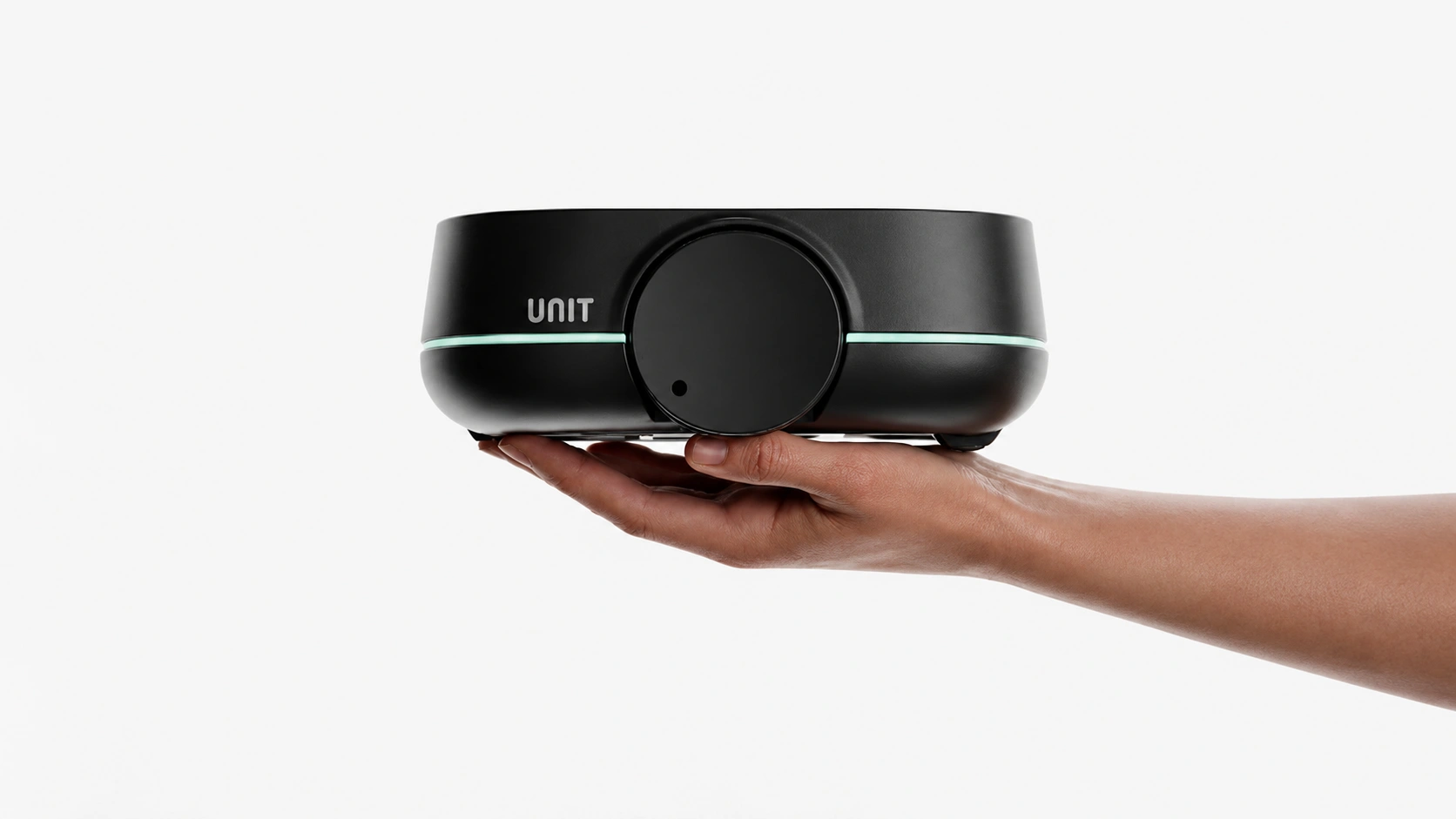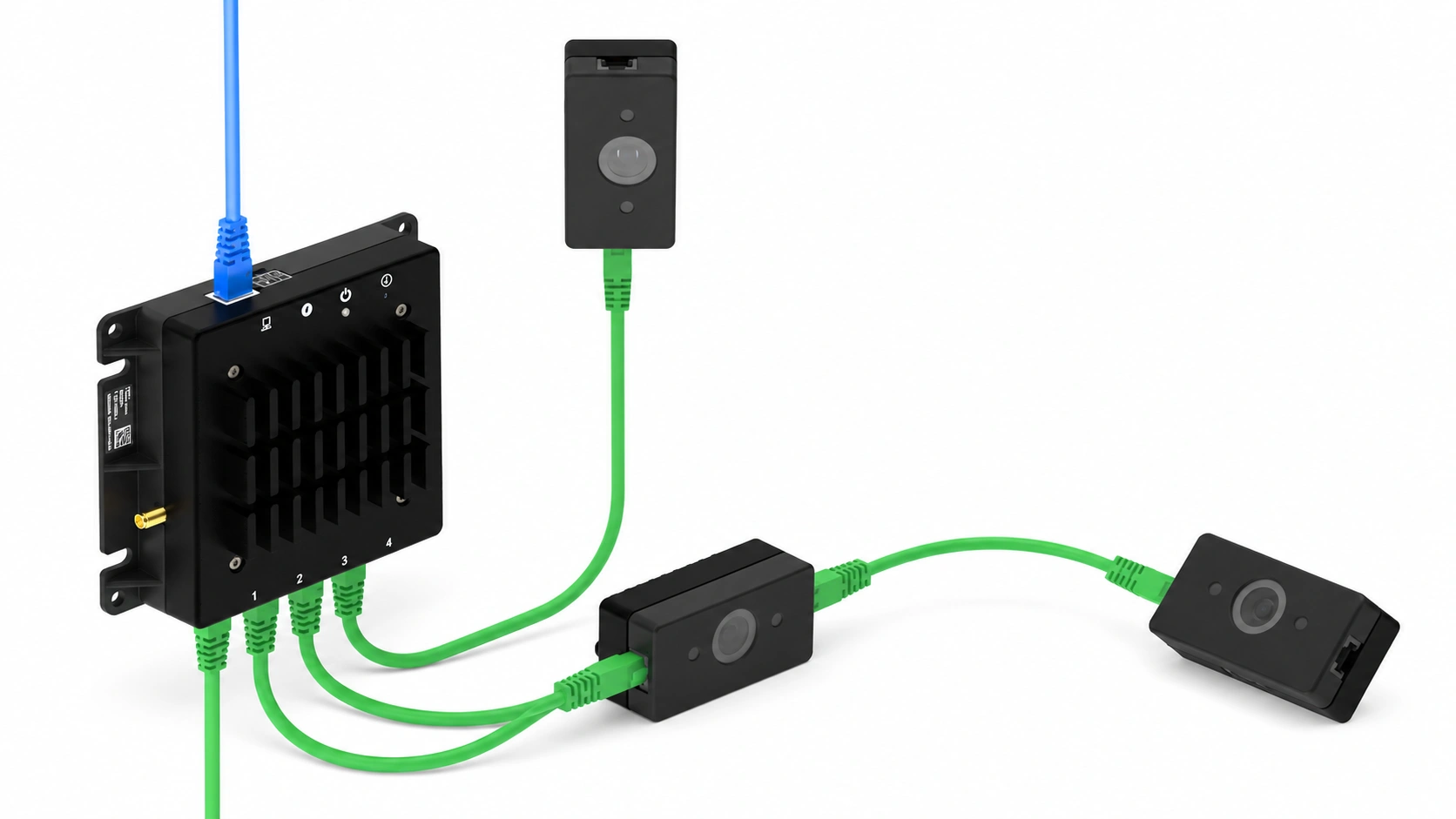
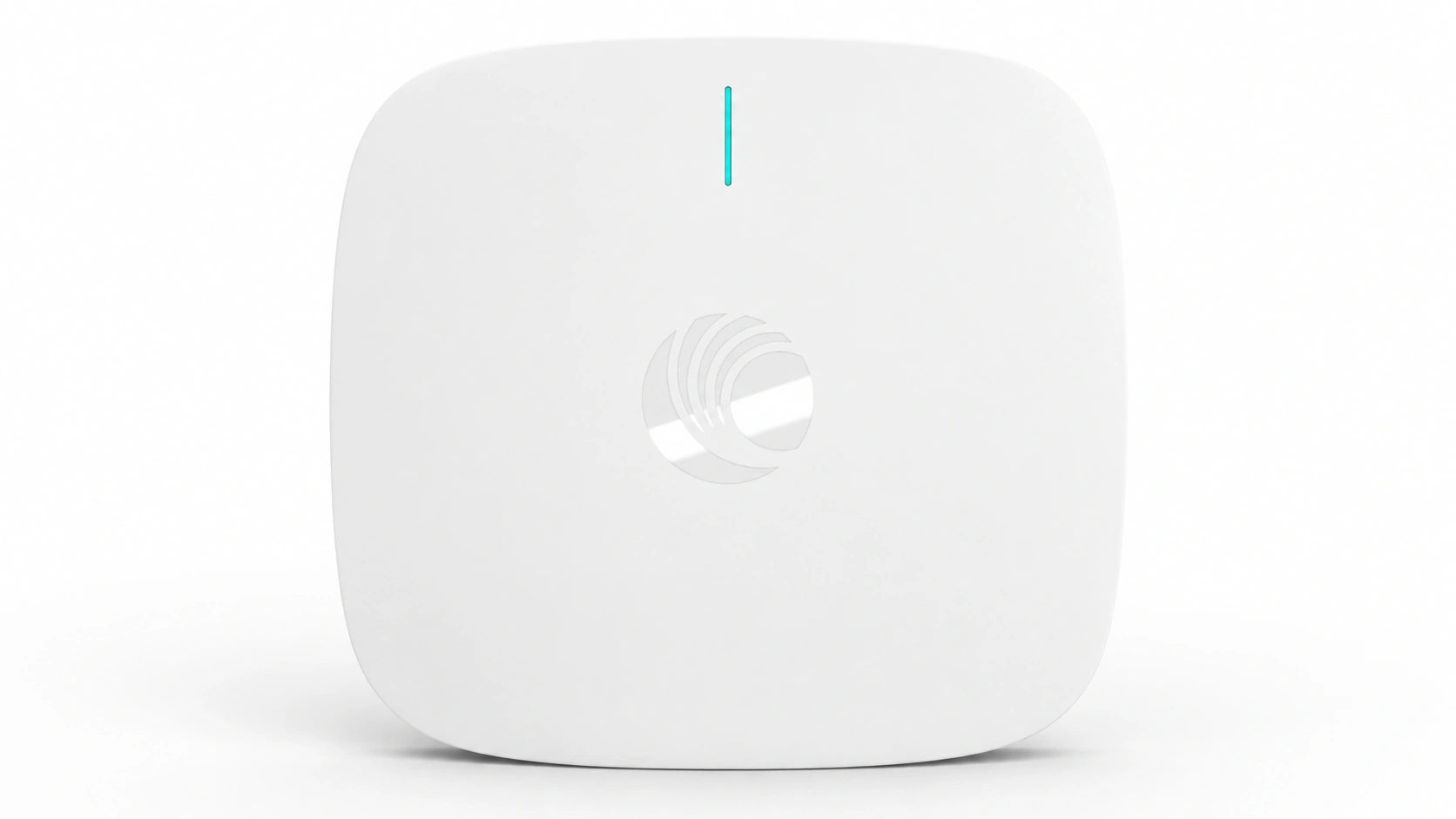
The X7-56X combines focused antennas, software-defined radios and AI-assisted network management as enterprises contend with rising device counts and increasingly congested wireless spaces.
Cambium Networks has introduced the X7-56X, a Wi-Fi 7 access point designed specifically for environments where large numbers of devices compete for connectivity in relatively concentrated spaces. Rather than emphasizing Wi-Fi 7 purely as a speed upgrade, the company is focusing on how wireless coverage can be more precisely controlled in exhibition halls, auditoriums, warehouses, educational campuses and other high-density settings.
The access point uses integrated 60-degree by 60-degree directional antennas, concentrating wireless coverage within a defined area instead of distributing it broadly like a conventional omnidirectional system. That approach is intended to reduce interference between nearby access points, an increasingly important consideration as venues accommodate more connected devices. Cambium says each X7-56X can support up to 1,280 clients and provide aggregate wireless capacity of up to 17.9 Gbps across three Wi-Fi spectrum bands.
The hardware combines a tri-radio, tri-band Wi-Fi 7 architecture with software-definable radios that can be configured around 5 GHz and 6 GHz requirements. It also includes support for Bluetooth Low Energy, Zigbee, Matter and Thread, extending the access point beyond conventional Wi-Fi connectivity as enterprise environments incorporate more sensors and other connected devices.
Management is handled through Cambium’s cnMaestro cloud platform, which brings the access point into the company’s broader ONE Network architecture alongside switching, security, SD-WAN, wireless backhaul and fiber infrastructure. AI-based assurance tools are intended to assist with network optimization and troubleshooting, while integrated controllers and antennas could reduce the amount of separate equipment required for certain installations.
The X7-56X illustrates how the Wi-Fi 7 transition is becoming as much about network design as headline throughput. In dense environments, adding capacity without carefully managing where wireless signals travel can simply create additional interference and operational complexity. Cambium’s directional approach attempts to address that problem by treating coverage more like a focused resource, reflecting a broader challenge for enterprise networking as connected-device counts continue to rise.