Westgate Las Vegas is expanding its Elvis-themed productions inside the historic International Theater, reflecting how live entertainment venues are increasingly preserving cultural history through immersive events.
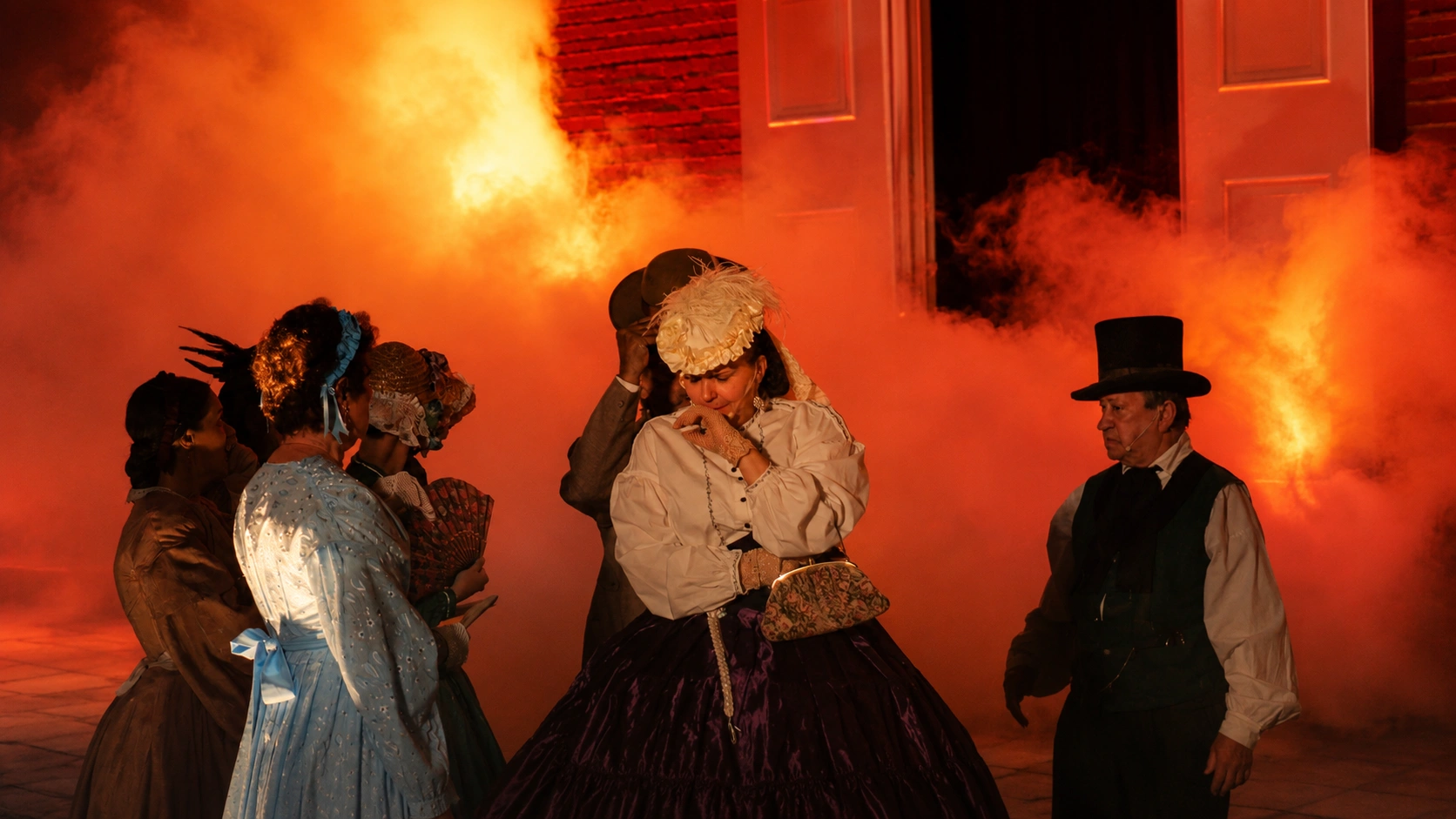
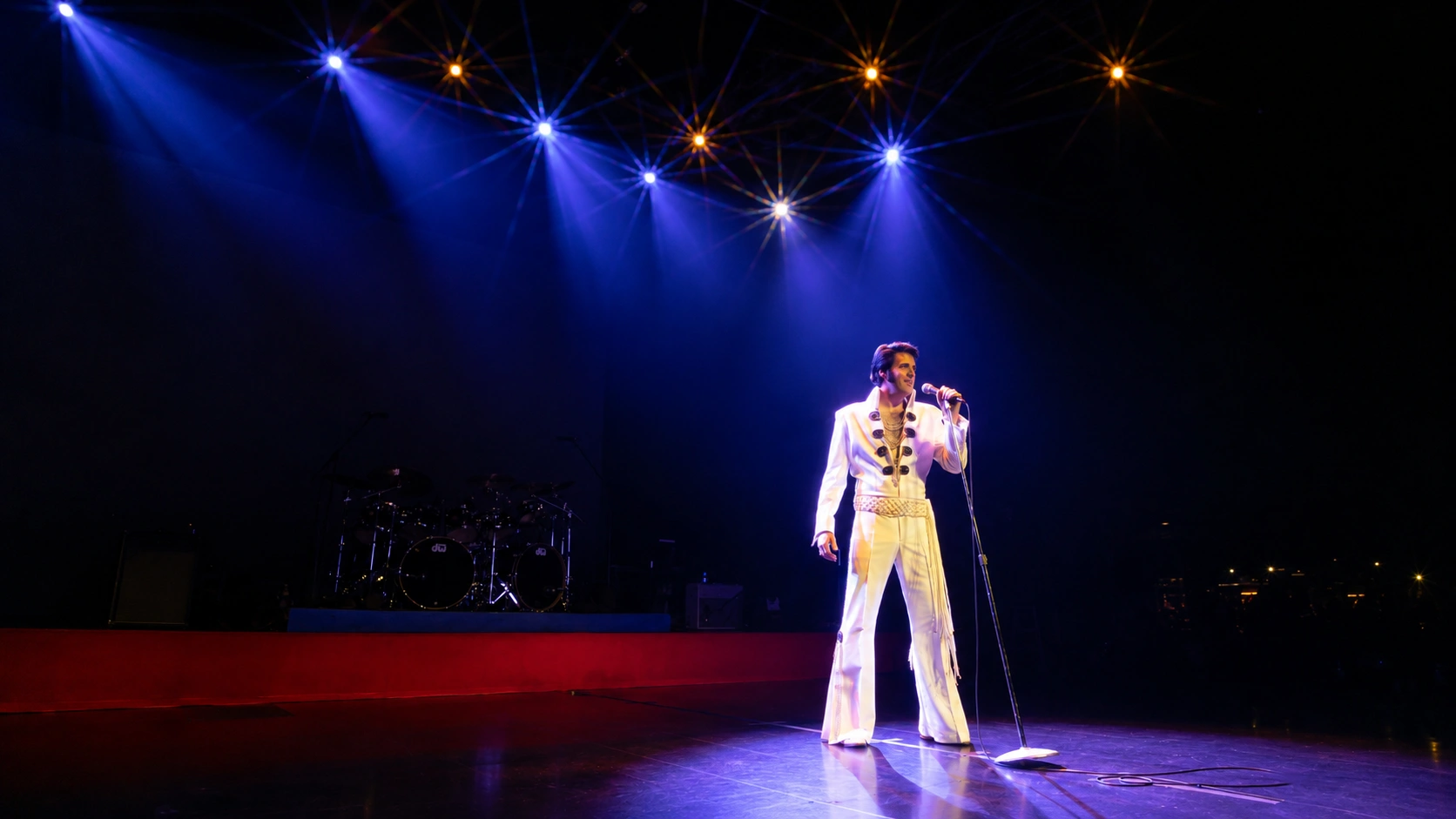
Westgate Las Vegas Resort & Casino is expanding its celebration of Elvis Presley with two immersive productions staged inside the International Theater, the venue where the singer’s landmark Las Vegas residency began in 1969. Returning this summer is 1969 LIVE! The King Returns, while a new production, 1970 LIVE! That’s the Way It Was, will debut later in the year. Rather than introducing entirely new entertainment concepts, the resort is building on a defining chapter of its own history, using the original performance space to reconnect audiences with one of popular music’s most influential live acts.
Elvis Presley’s residency at the former International Hotel transformed Las Vegas entertainment by helping establish the city as a destination for extended performances by internationally recognised artists. His appearances demonstrated that residencies could become major cultural events rather than short-term engagements, a model that has since been adopted by generations of performers. Today, many of the city’s headline shows owe part of their legacy to that shift, making the preservation of these venues an important part of Las Vegas’ broader entertainment identity.
Westgate’s productions seek to recreate key moments from Elvis’ career rather than simply present tribute concerts. The performances are complemented by themed experiences throughout the resort, including historical presentations, guided theatre tours, live entertainment, and activities inspired by the era. The autumn production also draws inspiration from the 1970 documentary That’s the Way It Was, bringing audiences back to the same theatre where much of the original concert footage was filmed, adding a sense of historical continuity to the experience.
The expansion reflects a wider trend across the hospitality and entertainment industries, where hotels increasingly use their own histories to create distinctive visitor experiences. Rather than relying solely on nostalgia, these productions position entertainment heritage as an attraction in its own right, offering guests opportunities to engage with locations that played a significant role in shaping popular culture. Historic venues are becoming destinations not only because of who once performed there, but because of how those stories continue to be interpreted for contemporary audiences.
Westgate Las Vegas’ latest initiative illustrates how preserving entertainment history can extend beyond museums and archives. By presenting live performances within the original setting, the resort connects historical significance with modern audiences, demonstrating that iconic venues can continue to evolve while remaining closely tied to the cultural moments that first defined them.