A new collaboration with Ginori 1735 reflects how hospitality brands are increasingly using fashion, art, and design partnerships to redefine the meaning of experiential travel
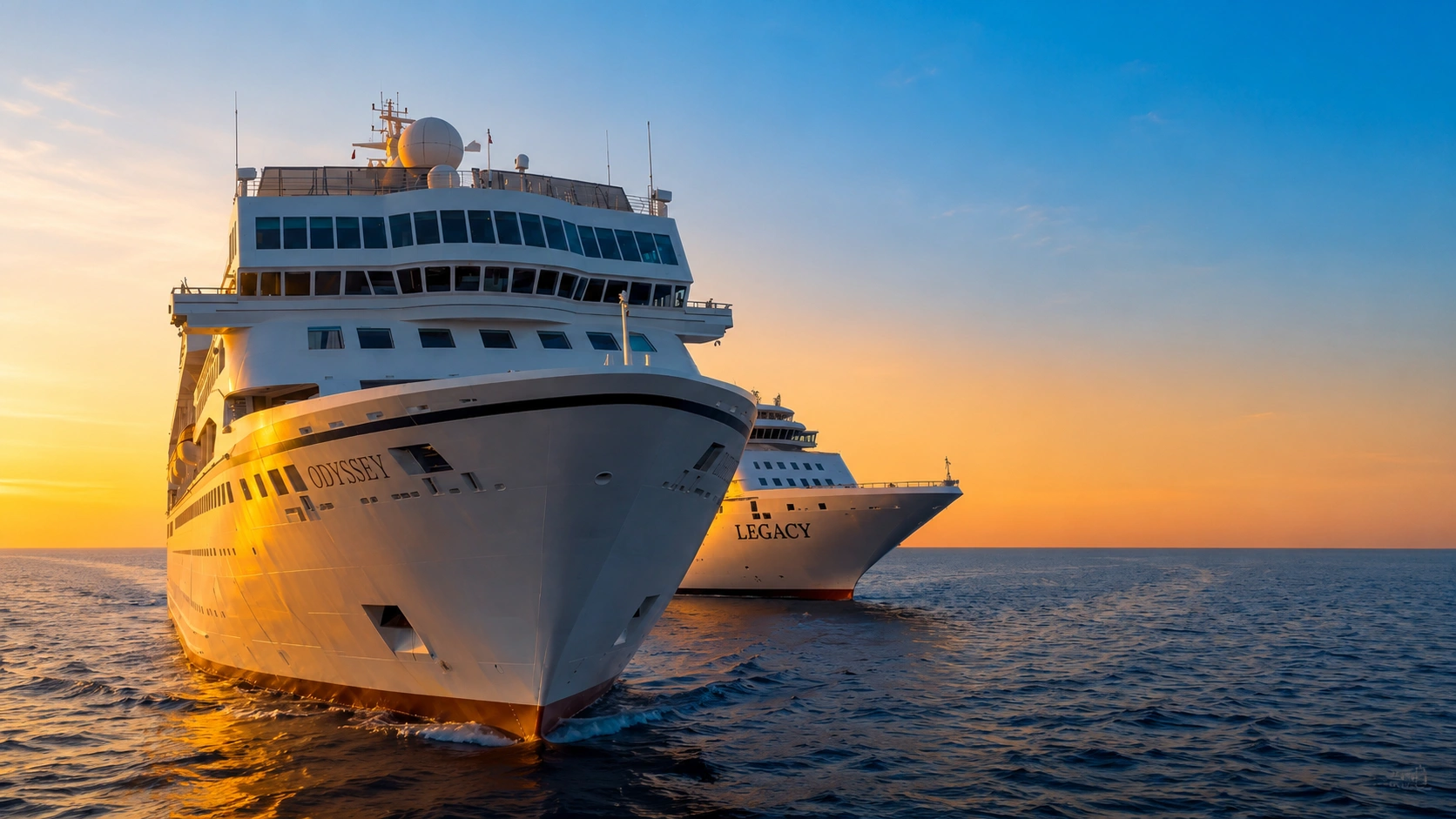
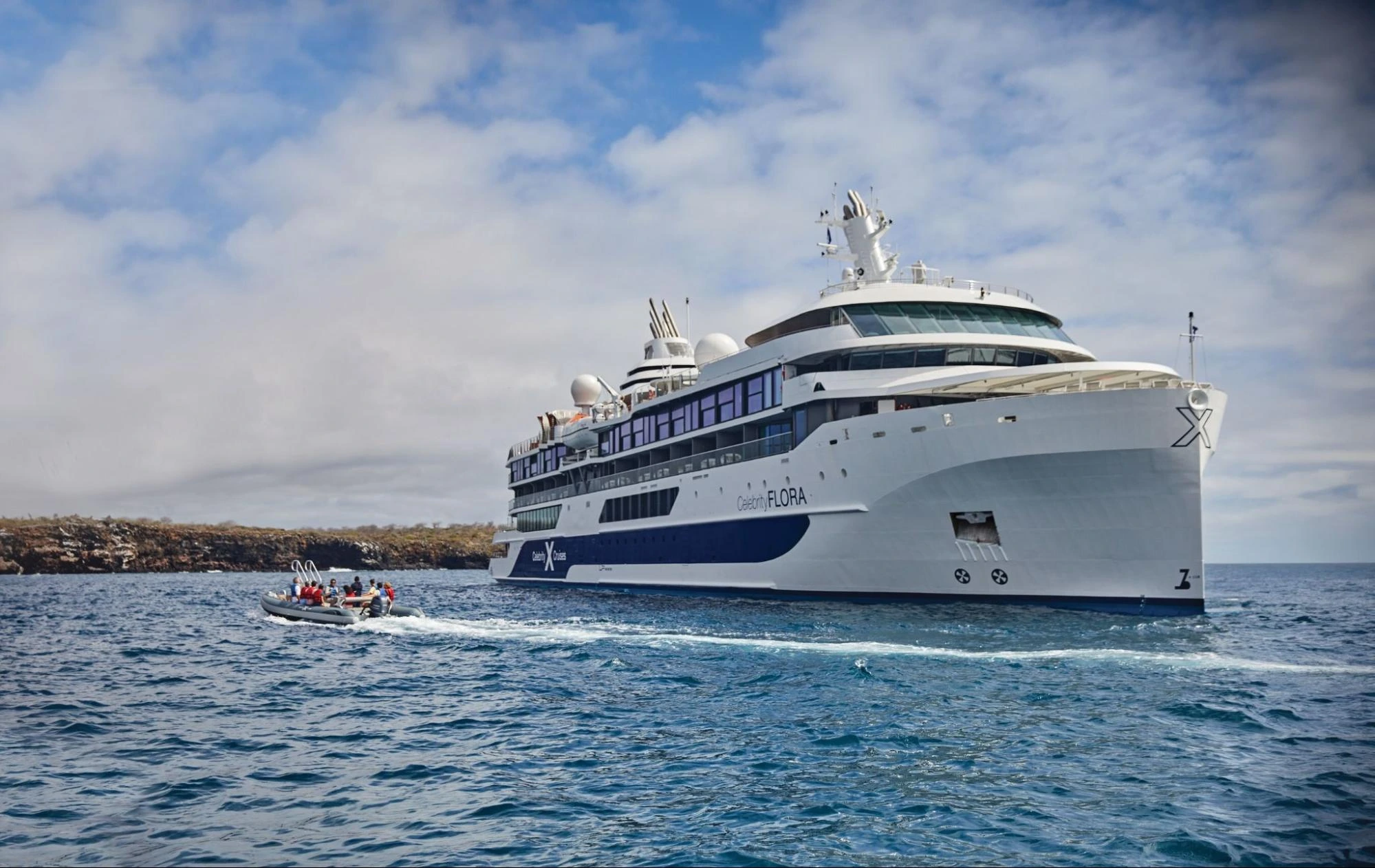
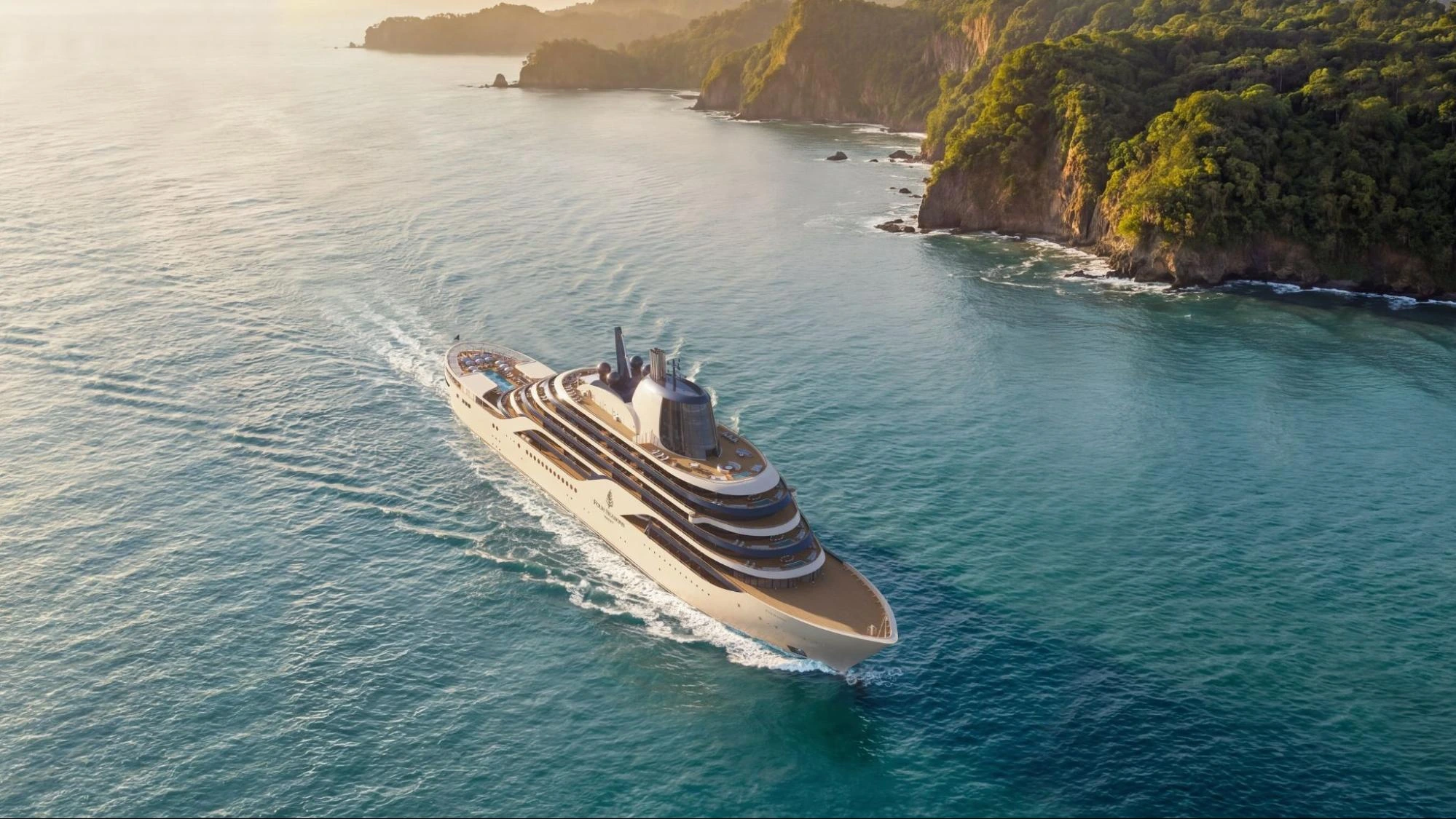
The Ritz-Carlton Yacht Collection is expanding its approach to luxury hospitality through a new collaboration with Italian porcelain house Ginori 1735, introducing the first-ever “Ginori Terrace” concept aboard the yacht Evrima. The partnership transforms several outdoor spaces on the vessel into immersive design environments inspired by Ginori’s Il Viaggio di Nettuno collection, blending hospitality, art, and lifestyle branding into a single curated travel experience. More than a decorative refresh, the project reflects how luxury travel companies increasingly position design itself as a central feature of the journey.
The collaboration arrives as high-end hospitality brands compete less on traditional notions of luxury and more on emotional atmosphere and aesthetic identity. In recent years, luxury hotels, airlines, and cruise operators have increasingly partnered with fashion houses, artists, and heritage design brands to create experiences that feel culturally distinct and visually memorable. For travelers accustomed to personalized itineraries and premium amenities, exclusivity now often comes from immersion and storytelling rather than sheer extravagance.
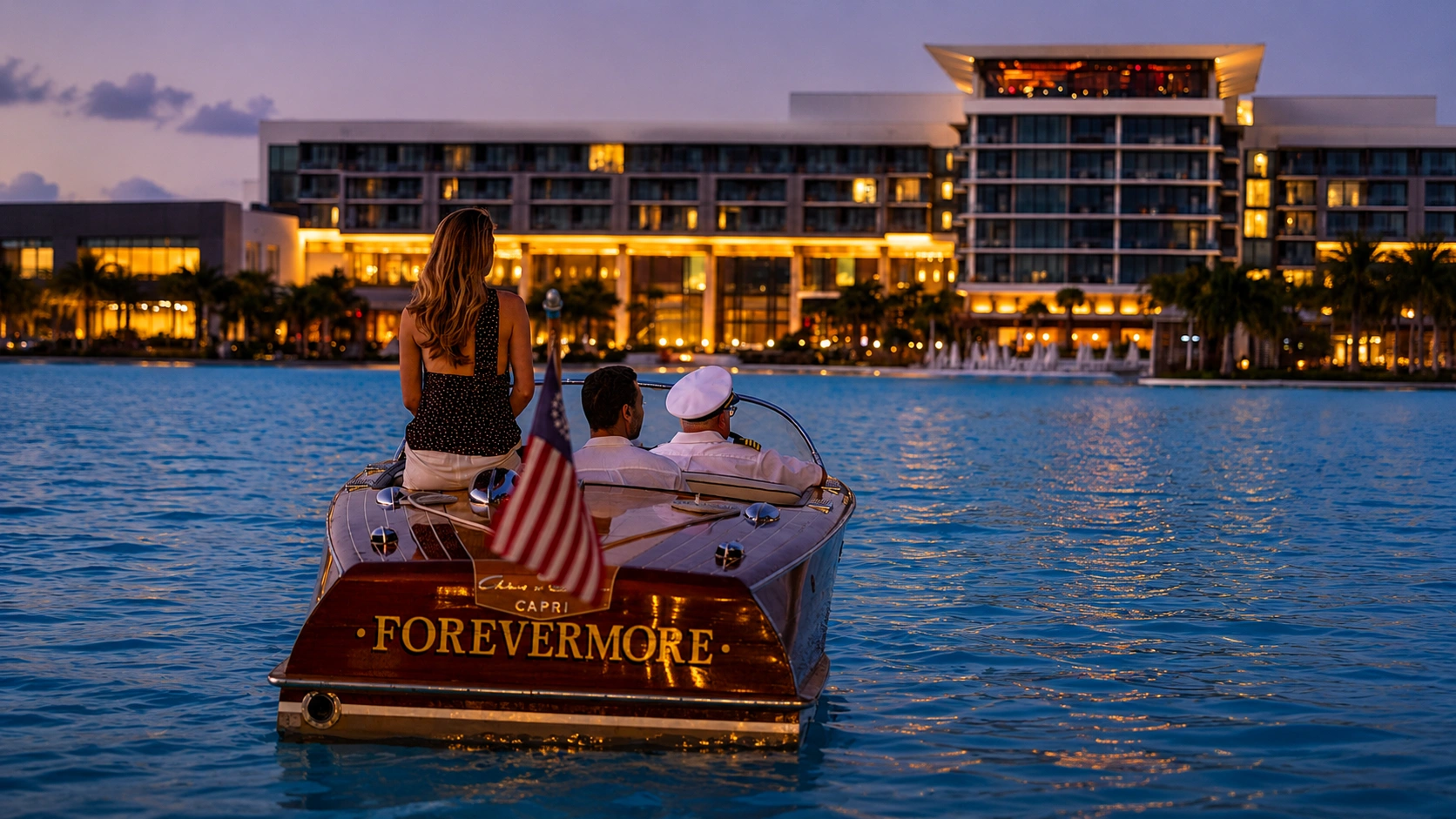
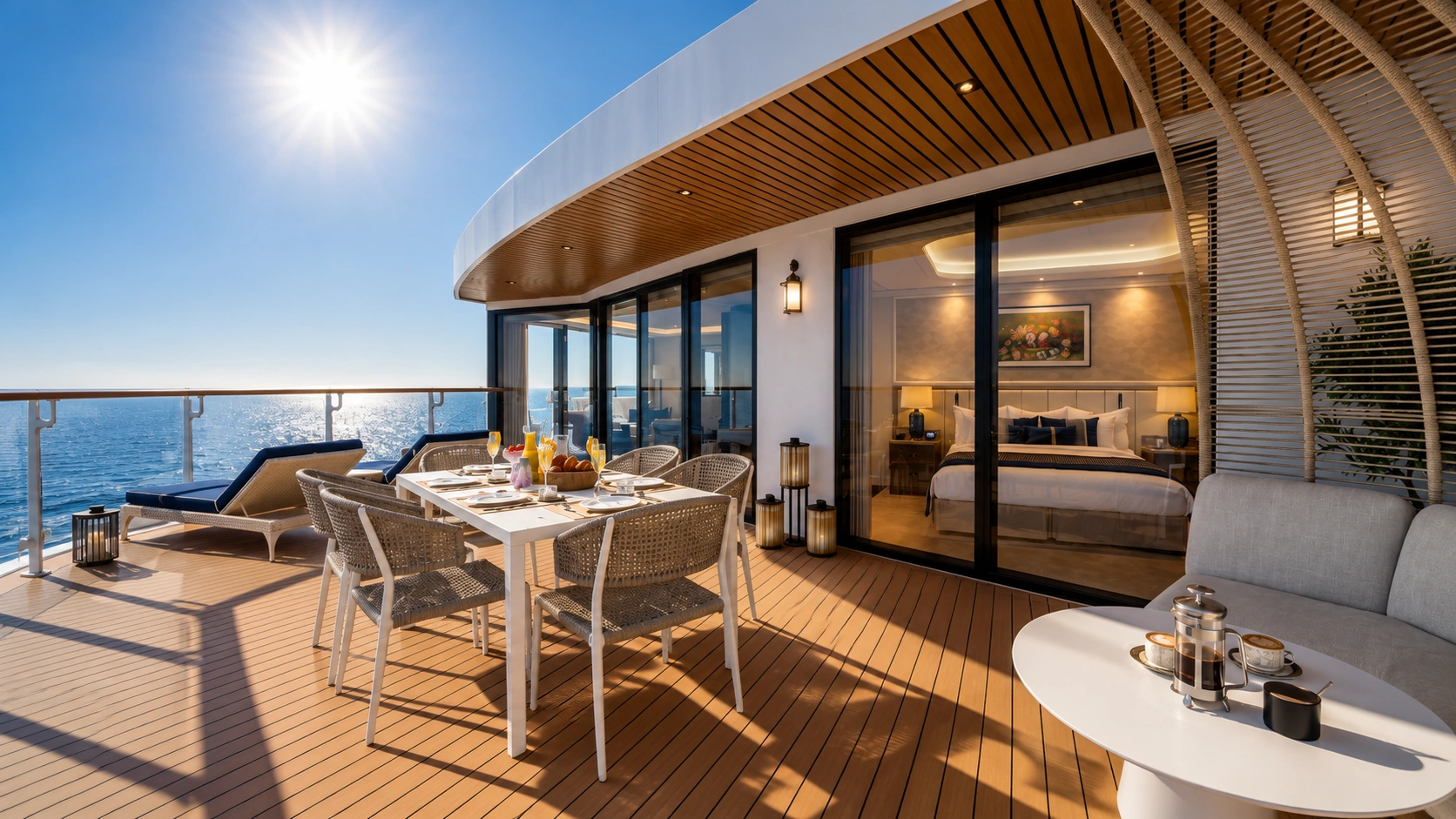
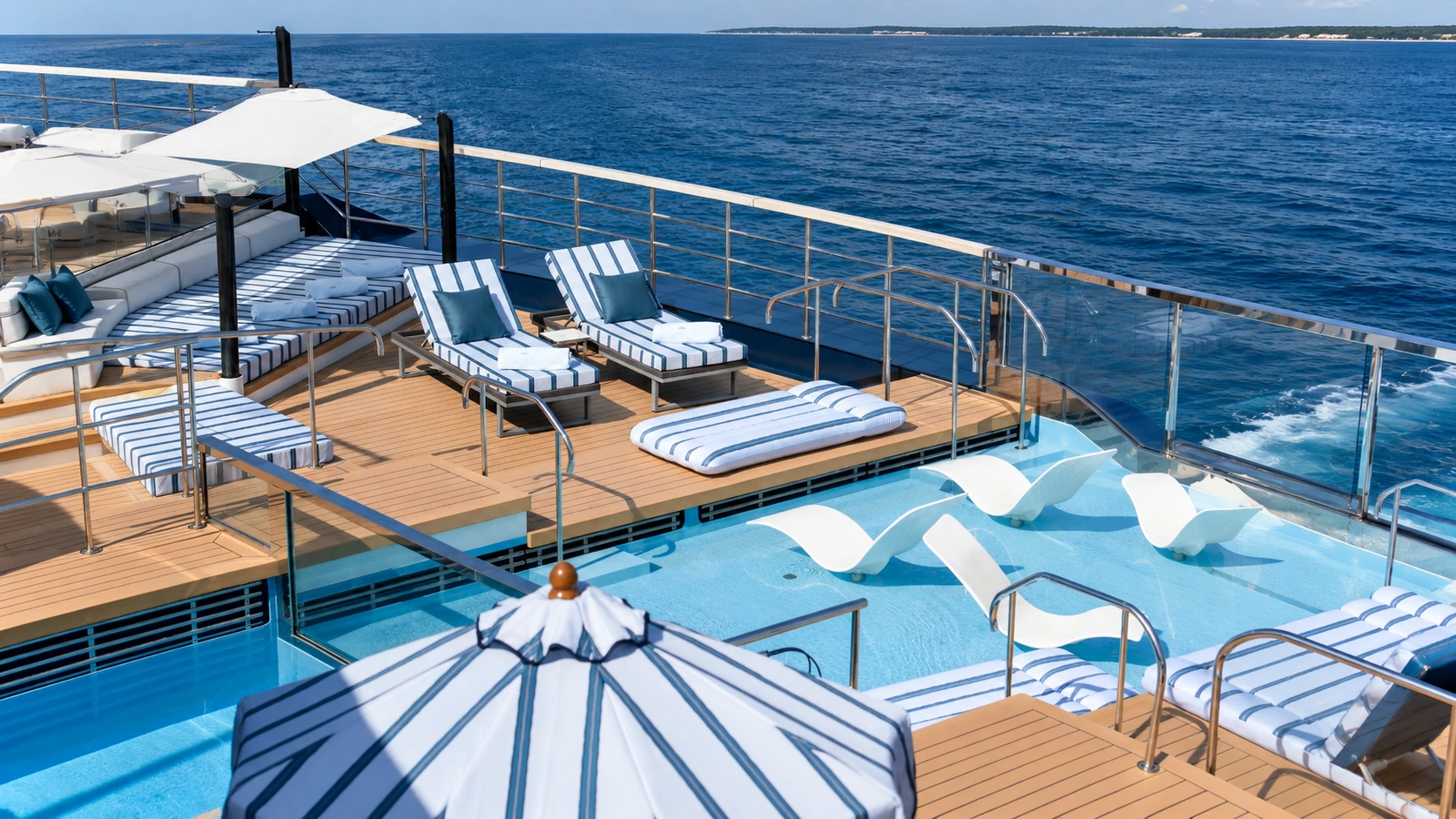
Aboard Evrima, the collaboration extends across dining venues, poolside lounges, and marina spaces, each designed around different Mediterranean-inspired color palettes and custom textiles. Ginori’s porcelain pieces, featuring mythological sea imagery and marine motifs, become part of a larger visual narrative centered on travel, discovery, and leisure. The emphasis on coordinated environments reflects a broader hospitality trend in which every visual detail — from tableware to upholstery — contributes to a unified brand experience.
The partnership also illustrates how cruise and yacht operators continue repositioning themselves within the broader luxury travel ecosystem. Historically, cruises were marketed primarily around destinations and onboard entertainment. Today, companies increasingly frame voyages as lifestyle experiences comparable to boutique resorts or private clubs, where design, culinary programming, and cultural partnerships carry as much importance as the itinerary itself.
At the same time, the collaboration speaks to the growing influence of collectible luxury within hospitality. Select Ginori pieces from the onboard collection will also be available for purchase, blurring the line between travel experience and retail strategy. In that sense, the project is not simply about decorating a yacht; it reflects how luxury brands increasingly seek to create environments where travel, commerce, and identity become intertwined parts of the same carefully constructed experience.