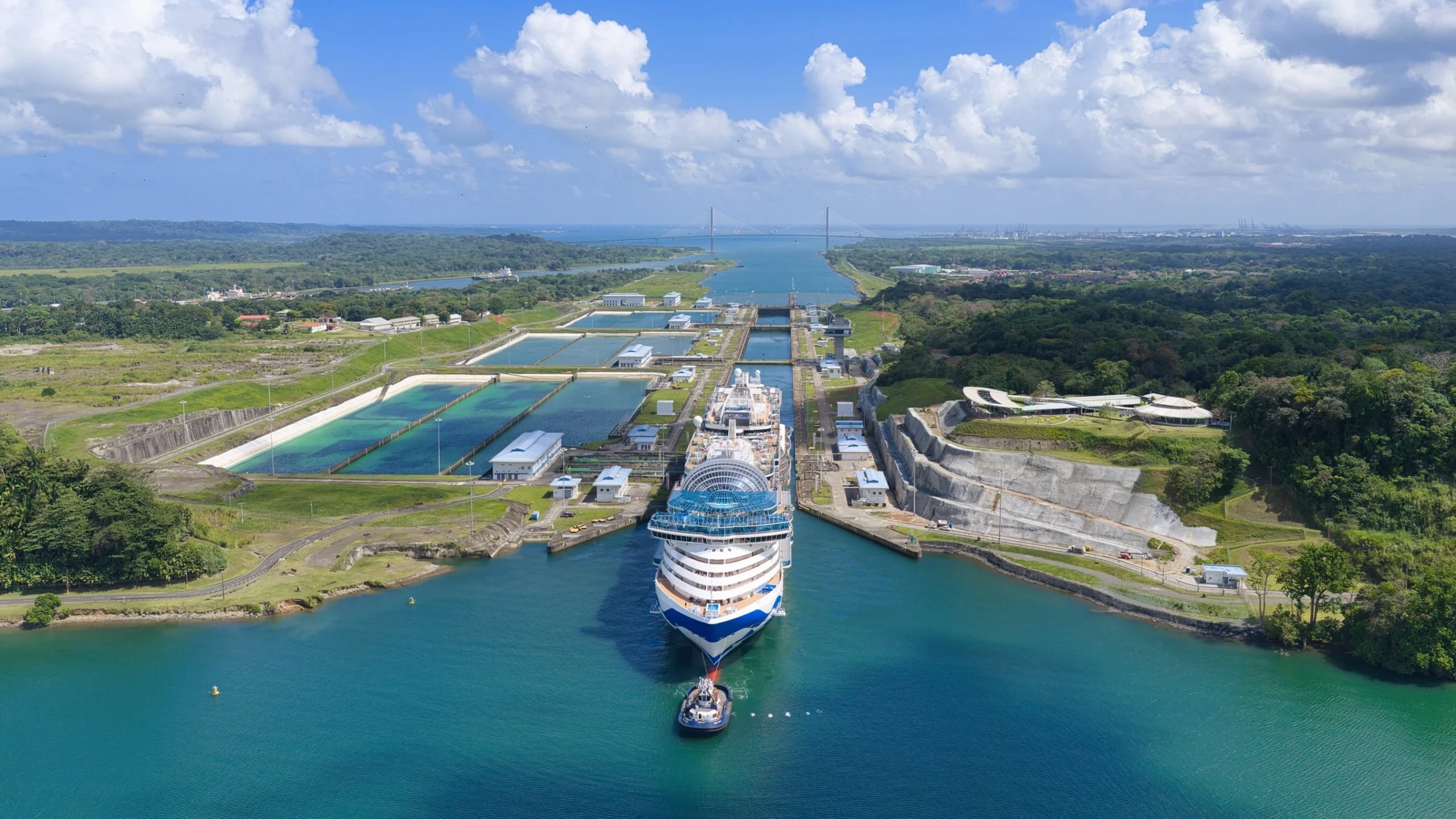
As cruise lines introduce larger, more advanced ships, historic passages like the Panama Canal remain central to how the industry balances innovation with destination-driven travel experiences
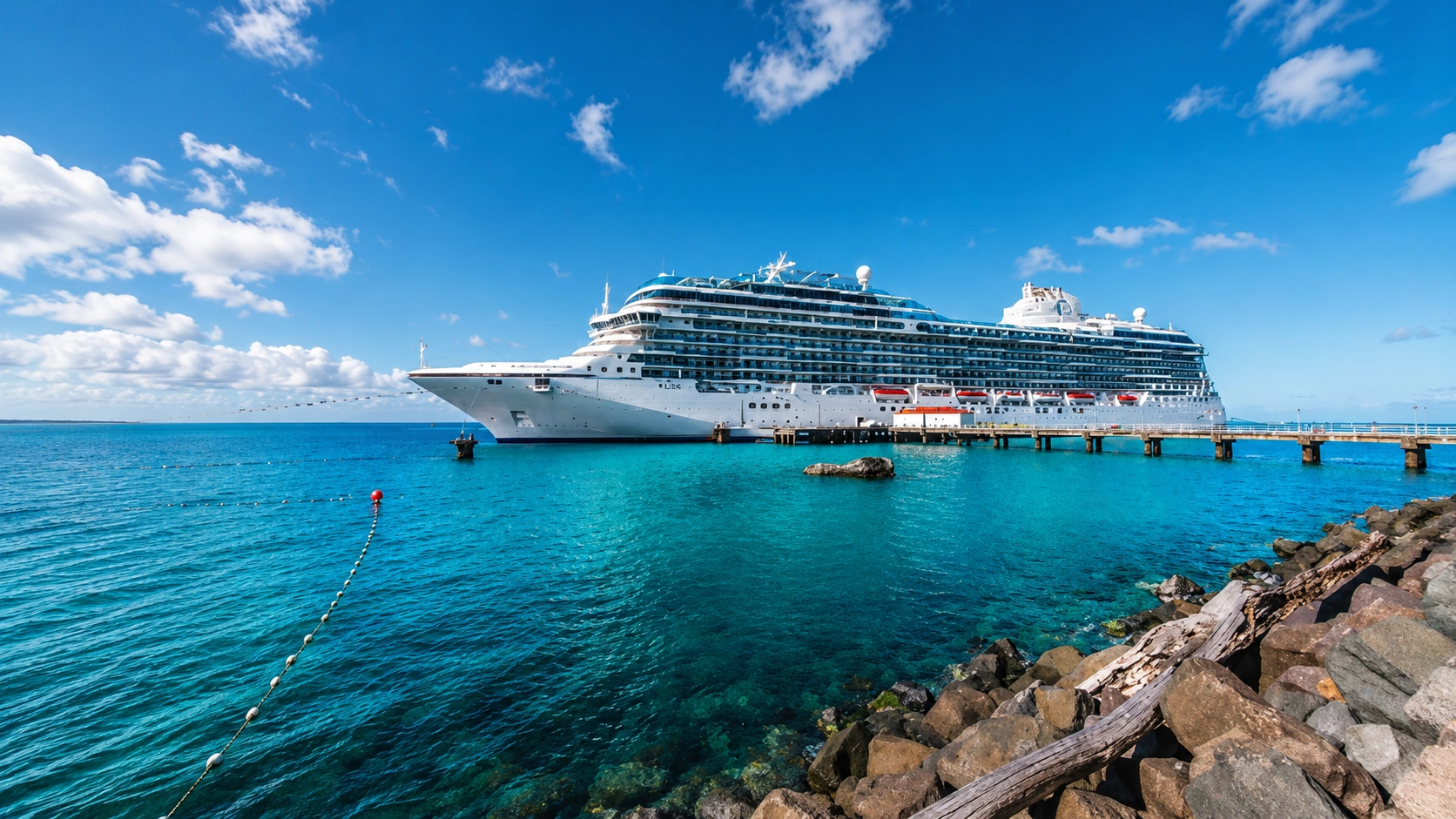
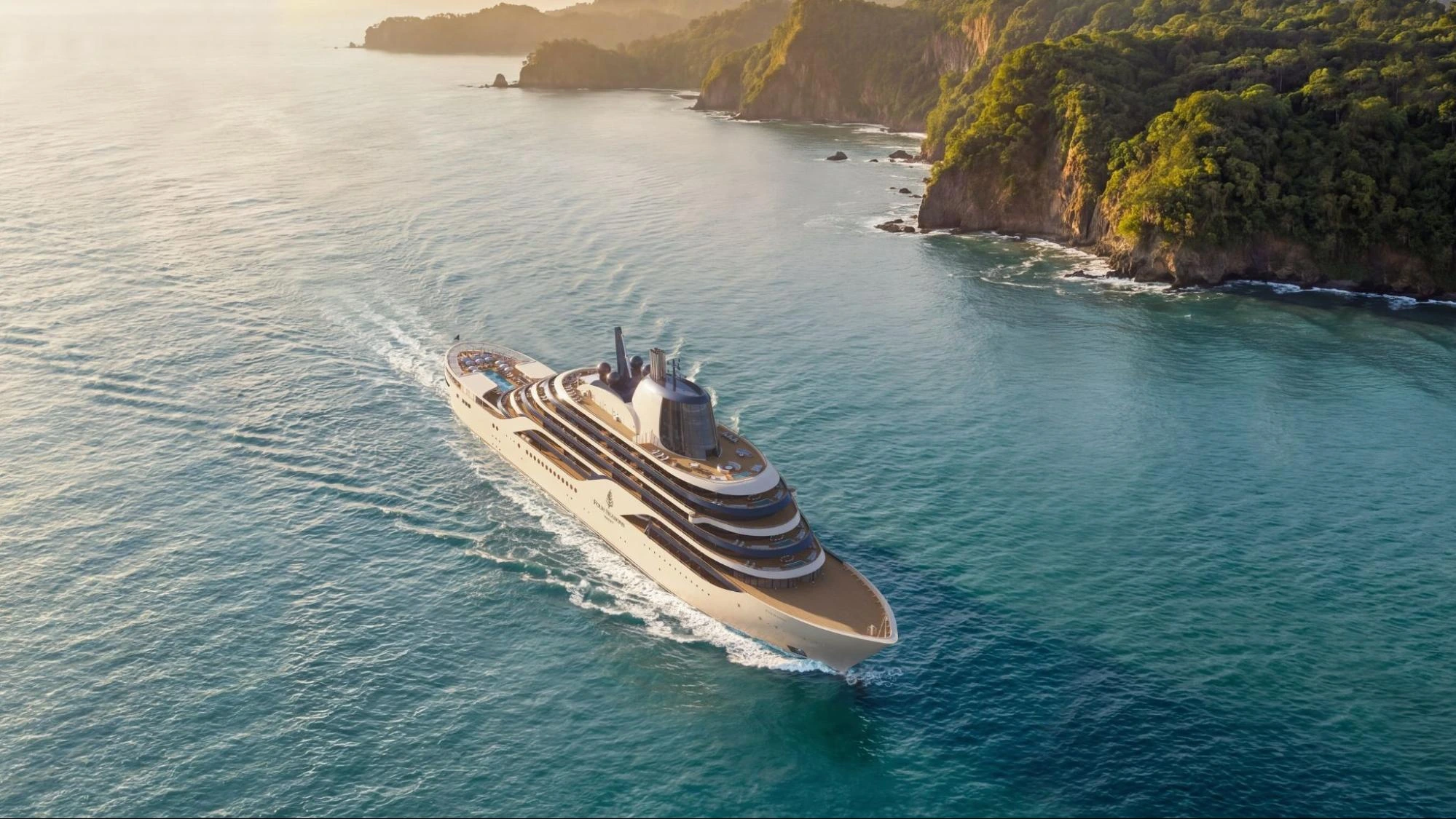
Princess Cruises marked a milestone as its newest ship, Star Princess, completed its first transit of the Panama Canal, an event that underscores the enduring relevance of one of the world’s most iconic maritime routes. For Princess Cruises, the crossing is not only a ceremonial moment in a ship’s inaugural season but also a reminder of the company’s long-standing role in popularizing canal voyages.
The Panama Canal has long occupied a unique place in cruise itineraries, offering both a technical spectacle and a geographic shortcut between oceans. For passengers, the journey provides a close-up view of a century-old engineering system still central to global trade, while also serving as a curated travel experience that blends history, scenery, and education. The inclusion of onboard programming and expert commentary during the transit reflects how cruise lines increasingly frame such passages as immersive experiences rather than simple points of transit.
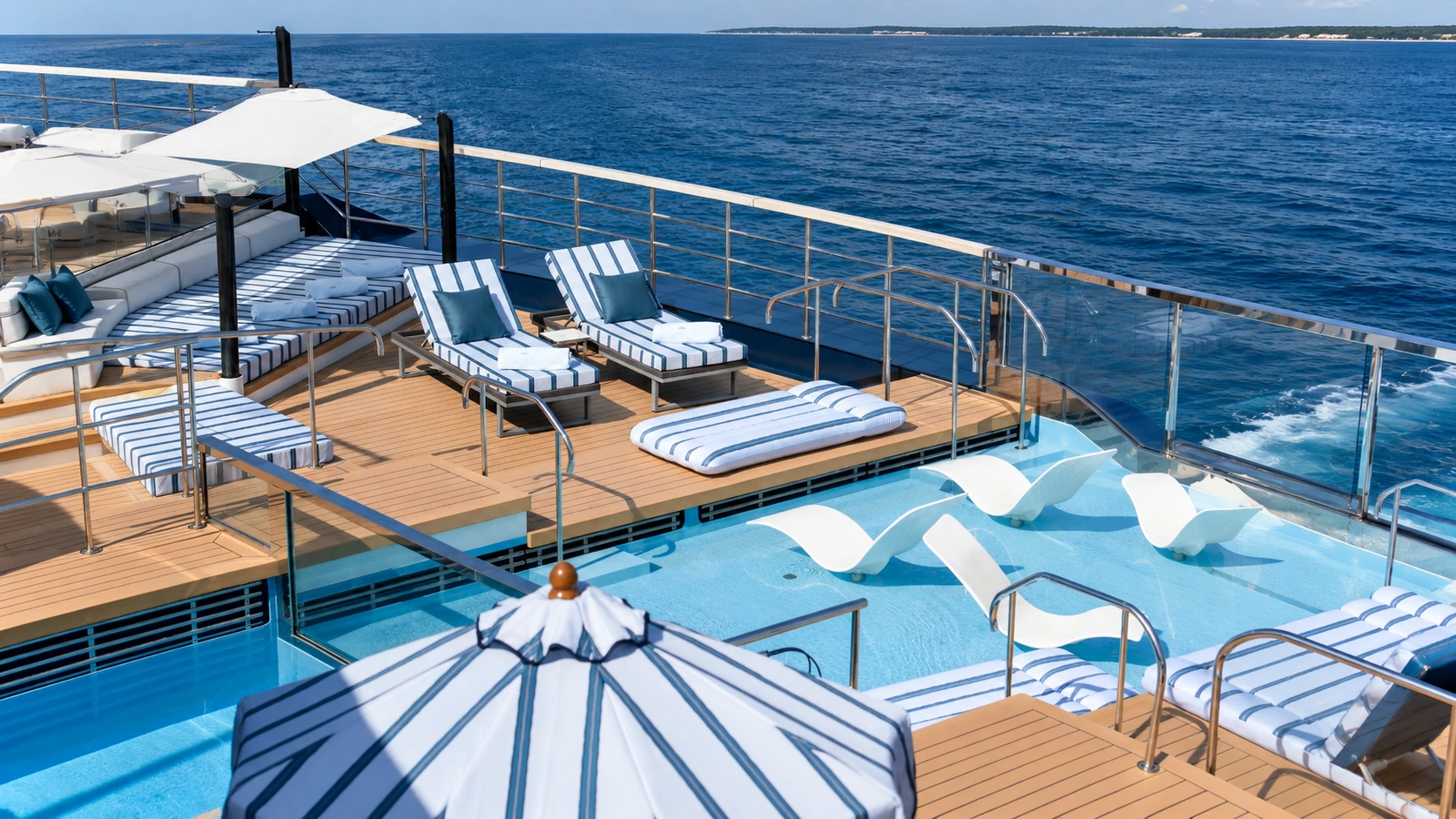
At the same time, the arrival of a large, modern vessel like Star Princess signals how the industry continues to evolve. With capacity for thousands of passengers and a design focused on amenities and entertainment, newer ships represent a shift toward scale and onboard experience. Yet their deployment on routes like the Panama Canal suggests that innovation in ship design does not replace traditional destinations but instead reframes how they are experienced.
Princess Cruises has a particularly deep connection to the canal, having pioneered regular transits decades ago. That historical continuity allows the brand to position itself within a lineage of travel that predates many of today’s cruise innovations. As more cruise companies expand their fleets and itineraries, maintaining that connection to established routes can serve as a differentiator in a crowded market.
The broader significance of the transit lies in how it illustrates the balance cruise operators are trying to strike. While ships grow larger and more technologically advanced, travelers continue to seek journeys that feel meaningful and distinctive. Iconic routes like the Panama Canal provide that anchor, offering a sense of place and history that complements the evolving experience onboard.
As the cruise industry looks ahead, the continued prominence of these routes suggests that future growth will depend not just on new ships, but on how effectively companies connect modern travel expectations with timeless destinations.