
A new global campaign signals how luxury hospitality is redefining wellness beyond spas and gyms, blending movement, recovery, and local experiences into the broader travel journey
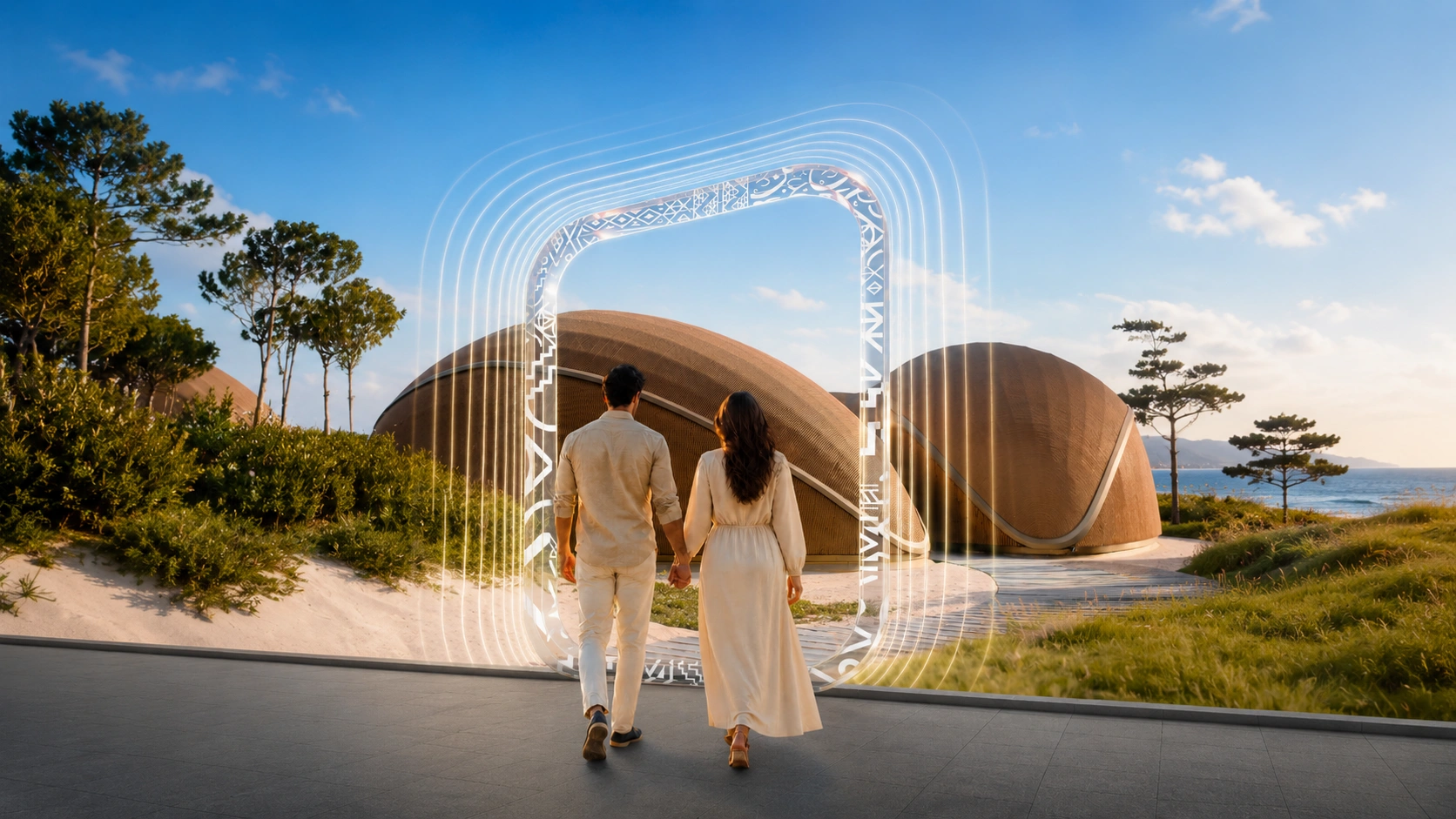
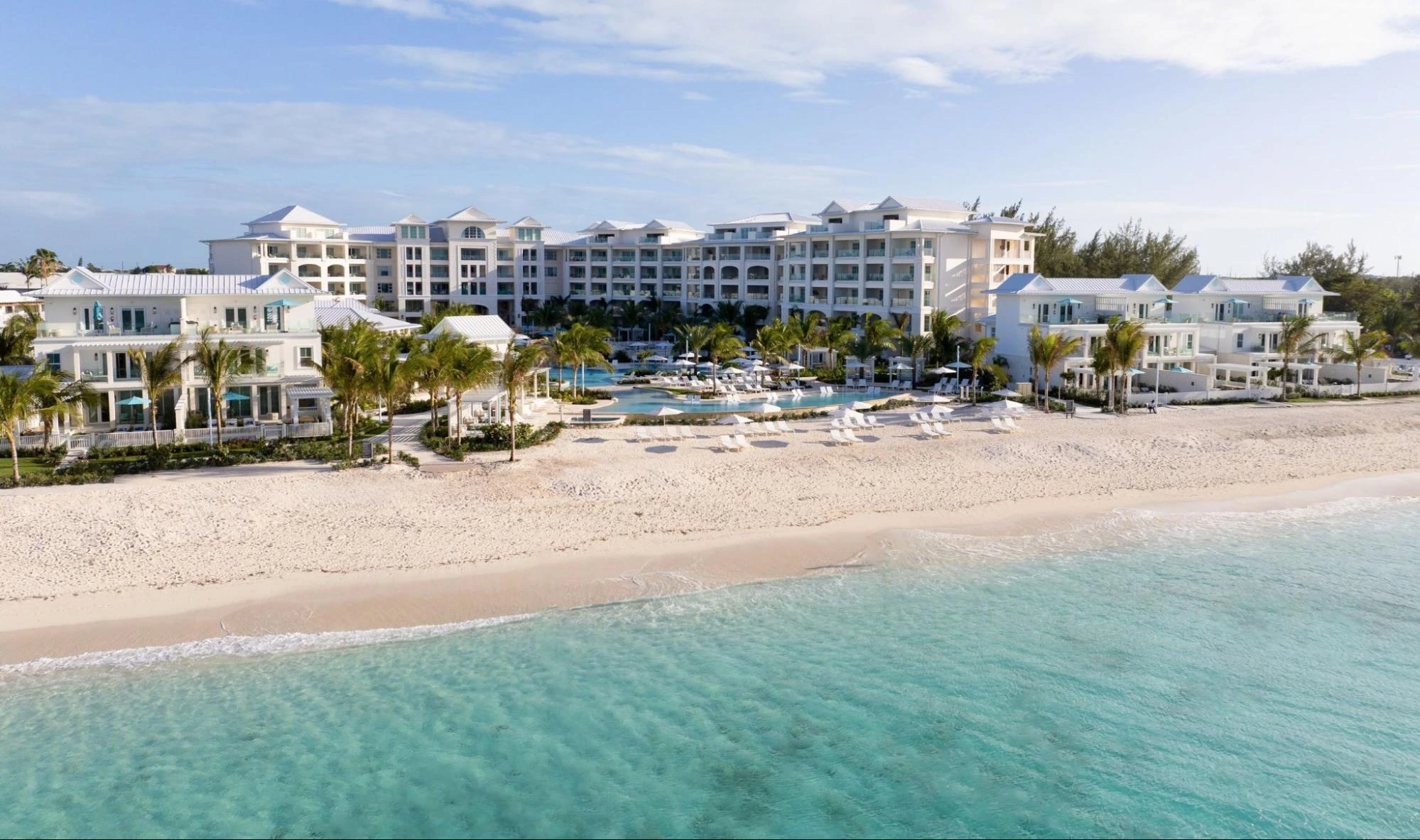
Fairmont Hotels & Resorts is repositioning how wellness is experienced during travel with the launch of its “Wellness Without Walls” campaign, featuring footballer Kylian Mbappé as its first wellness ambassador. For Fairmont, the initiative reflects a broader shift in hospitality, where well-being is no longer confined to designated spaces but integrated throughout the guest experience.
The campaign emphasizes flexibility and accessibility, suggesting that wellness should adapt to individual routines rather than impose structured programs. This approach aligns with changing traveler expectations, particularly among guests who view health and performance as ongoing priorities rather than occasional indulgences. By framing wellness as something that can be maintained during travel, the brand is responding to a growing demand for continuity rather than disruption.
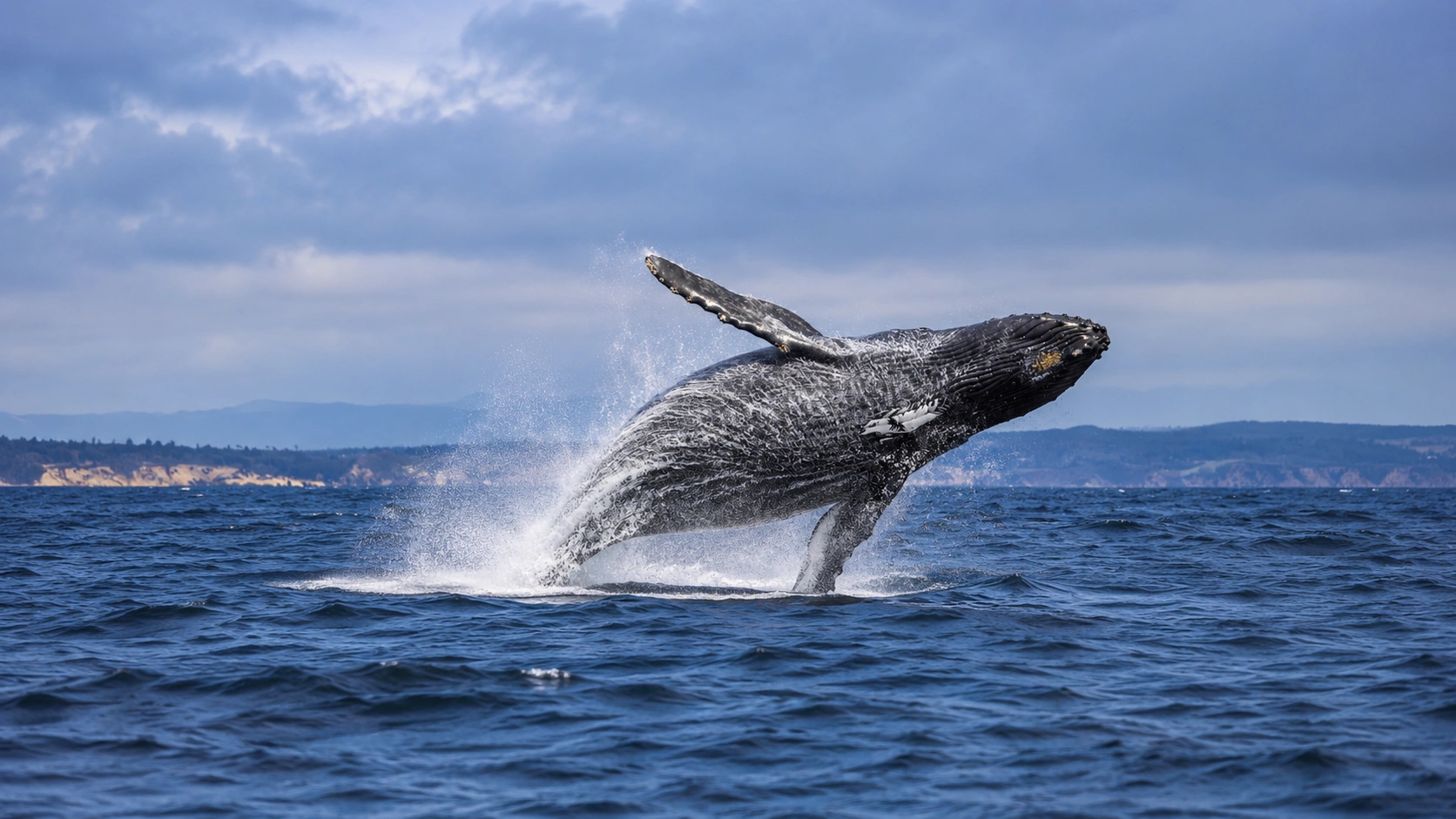
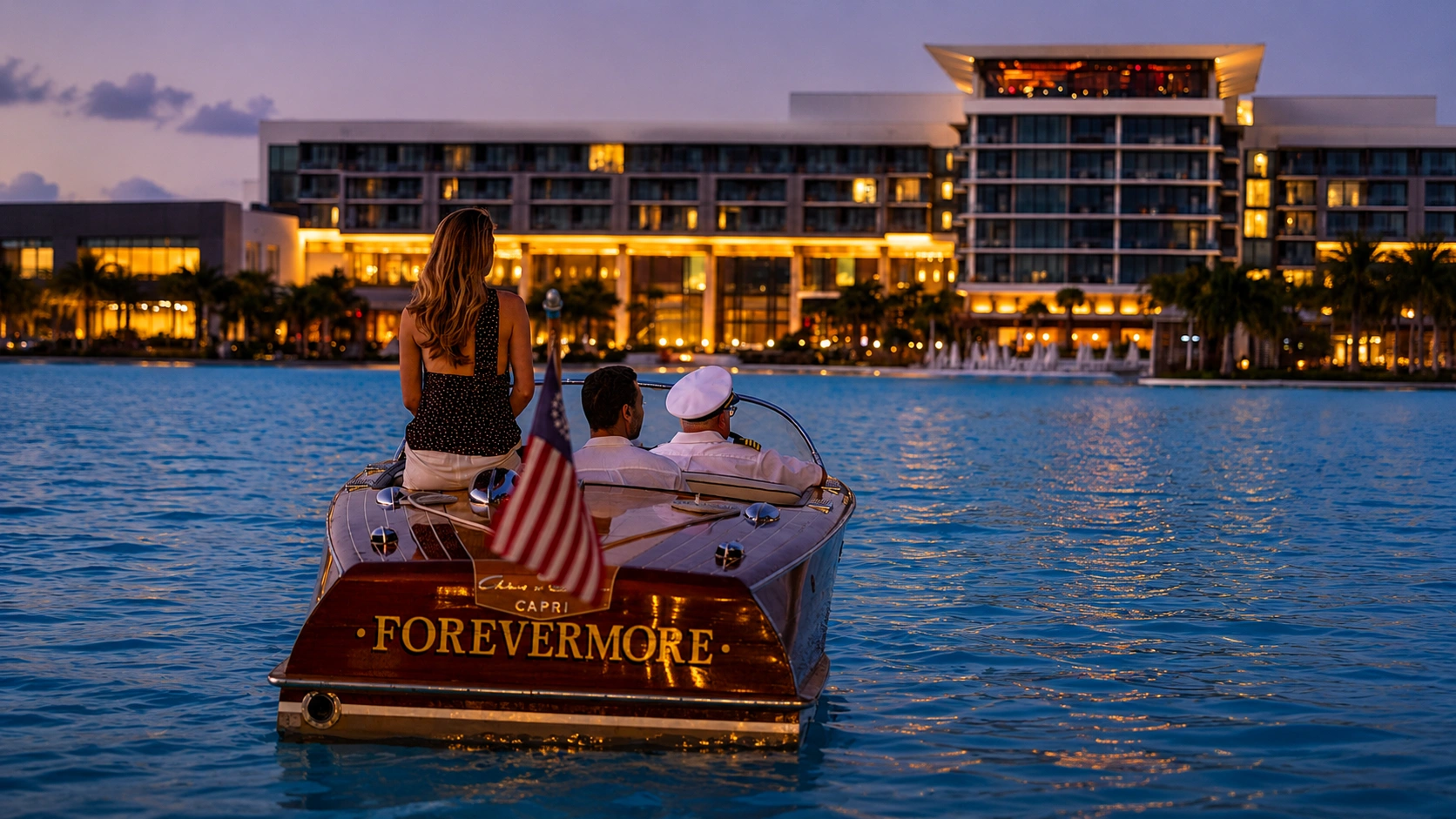
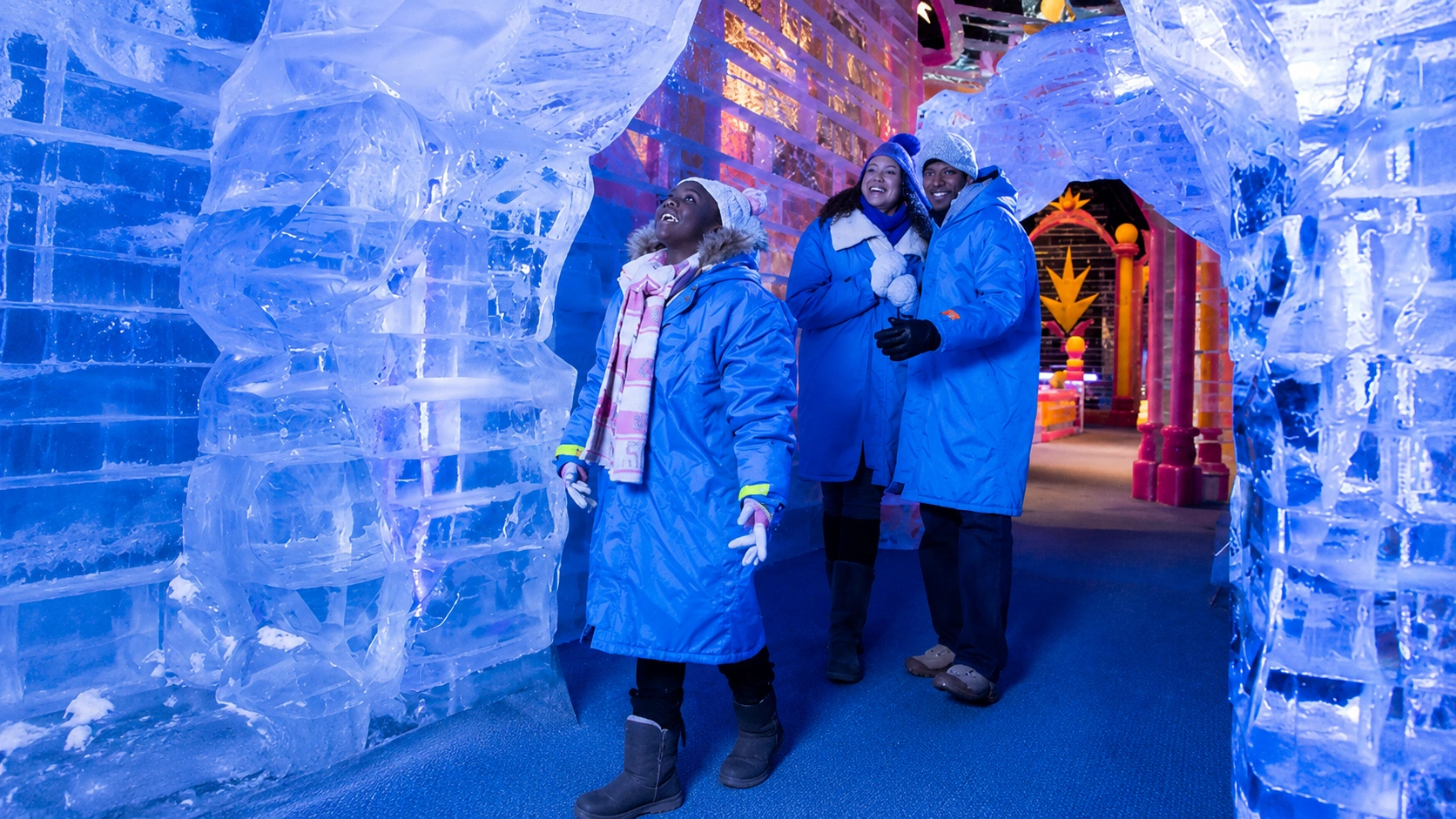
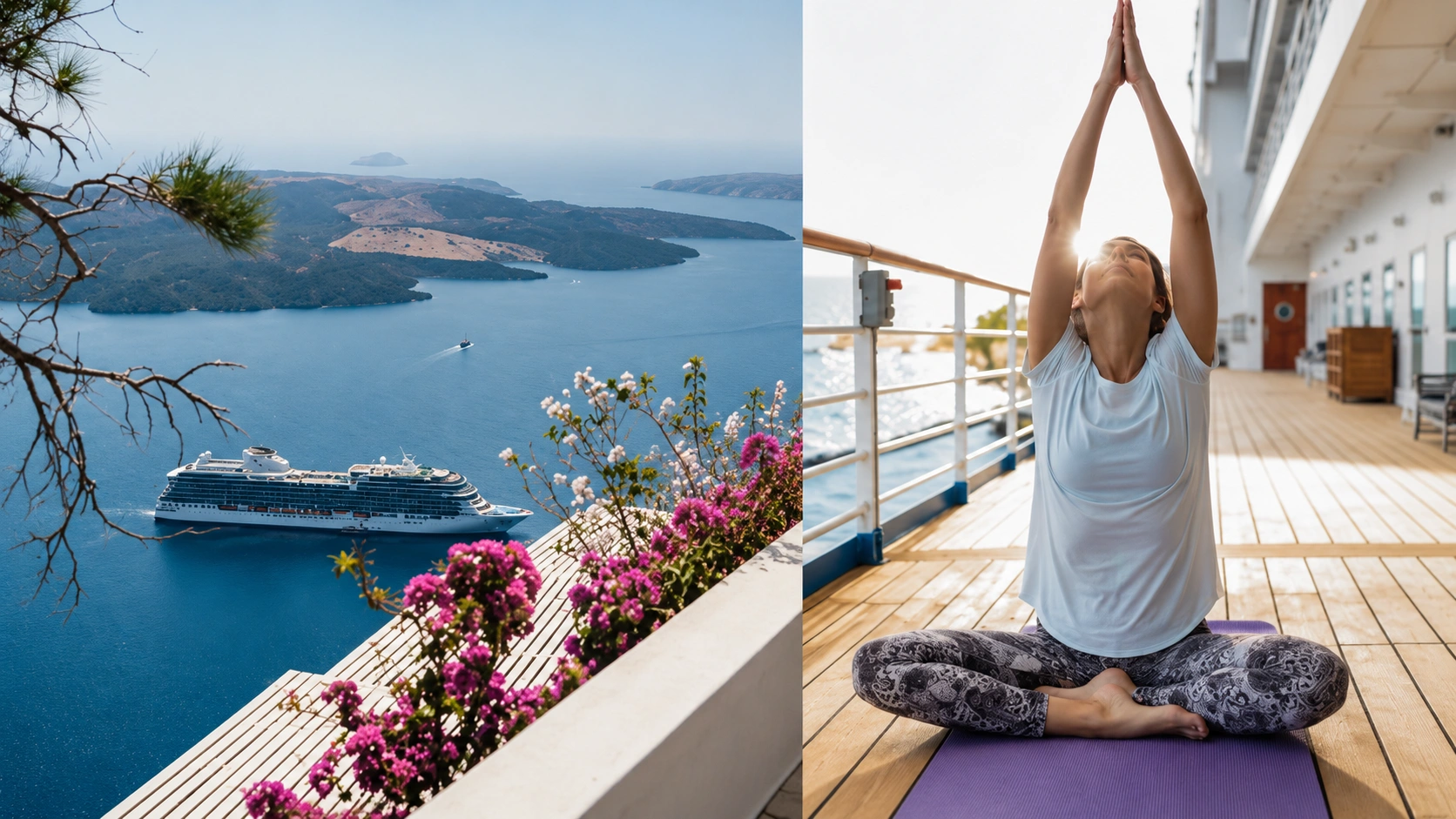
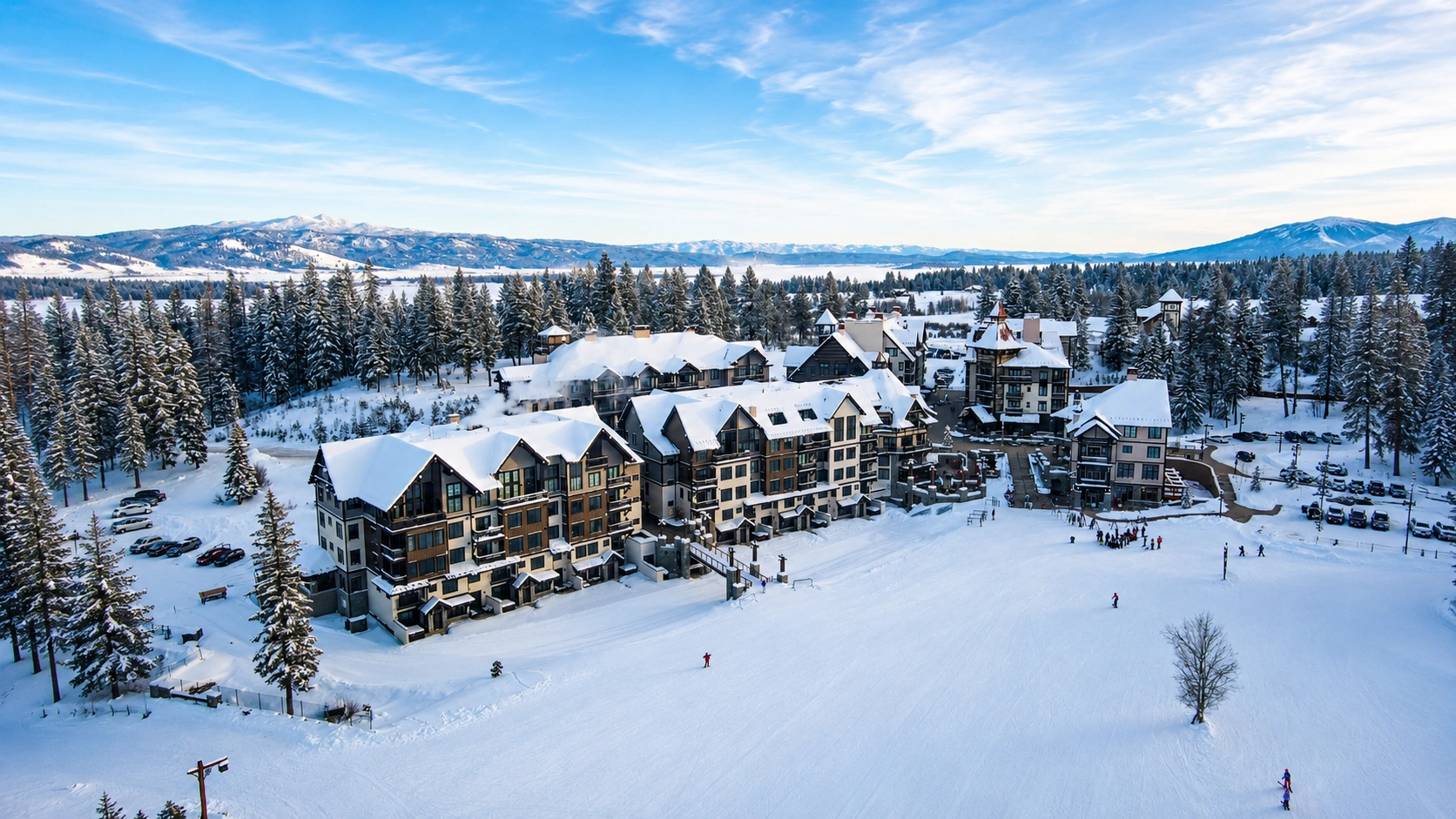
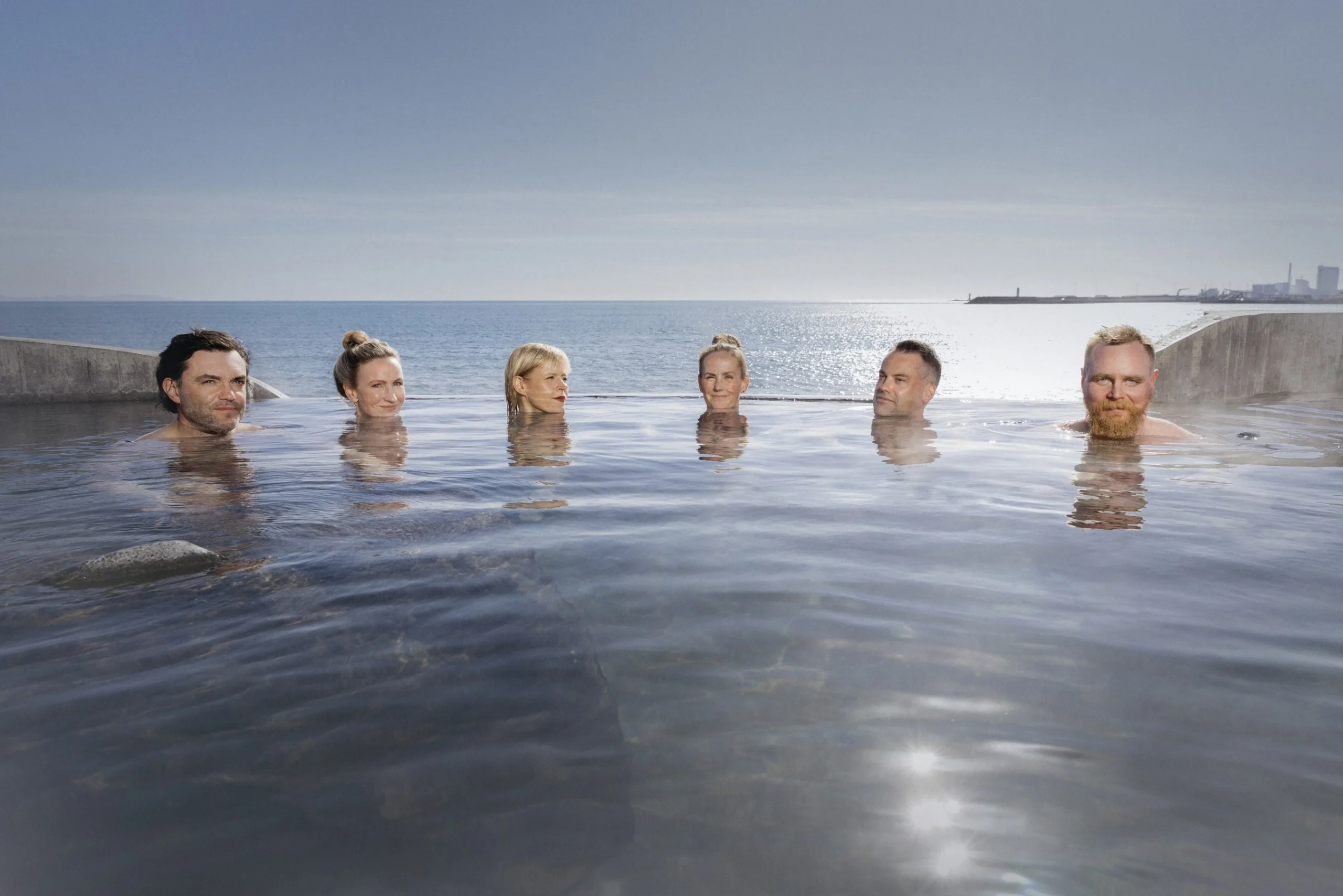
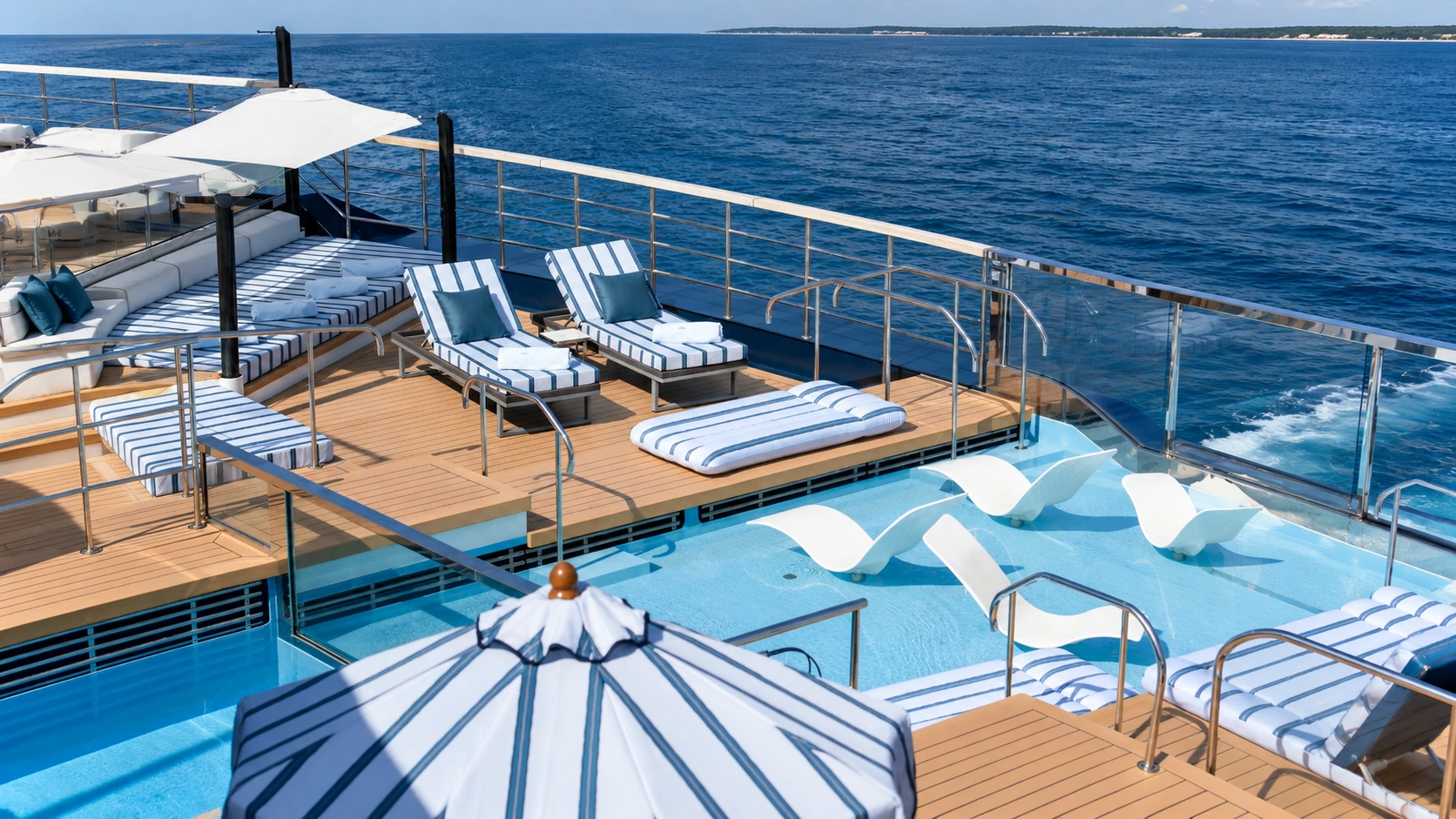
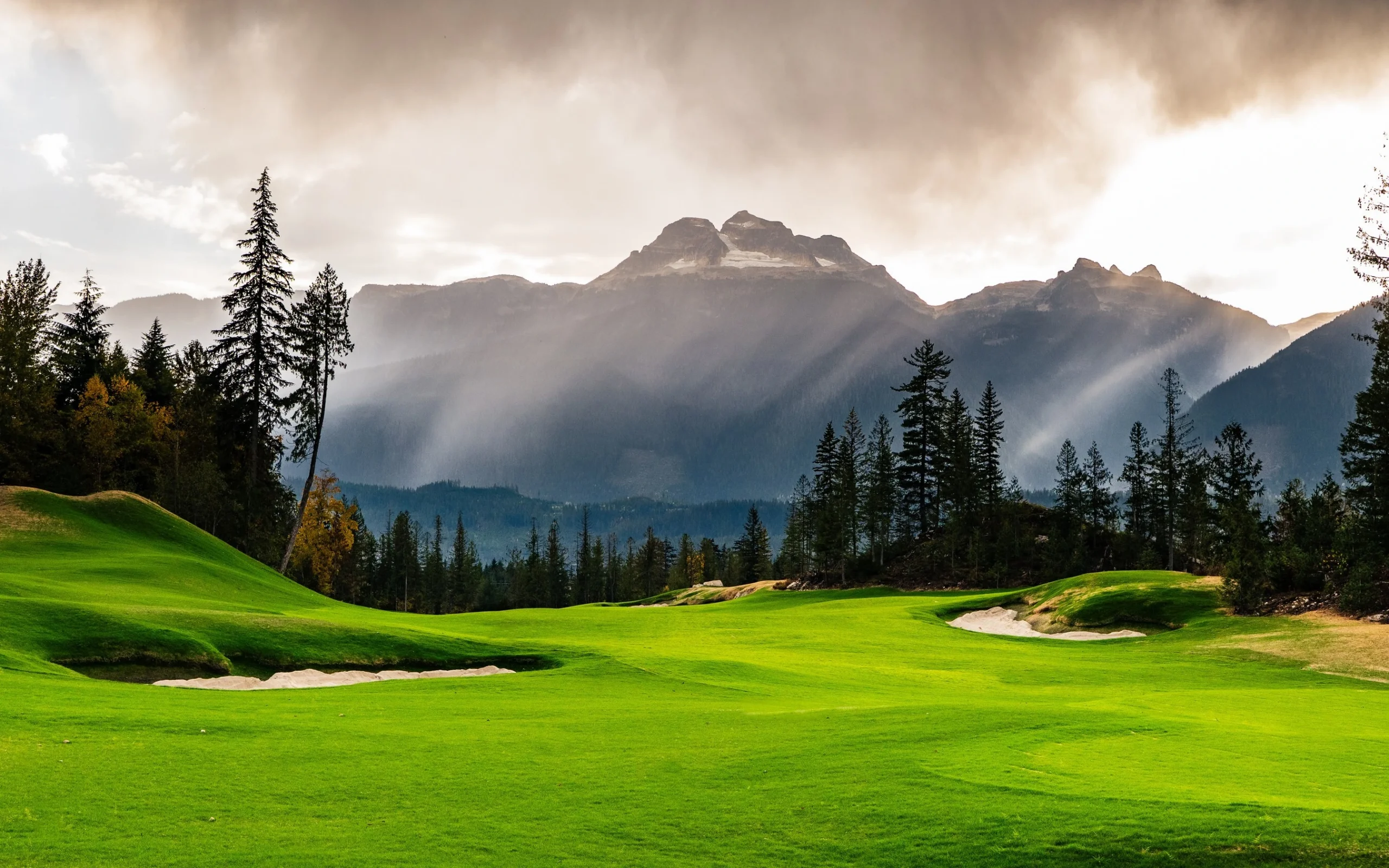
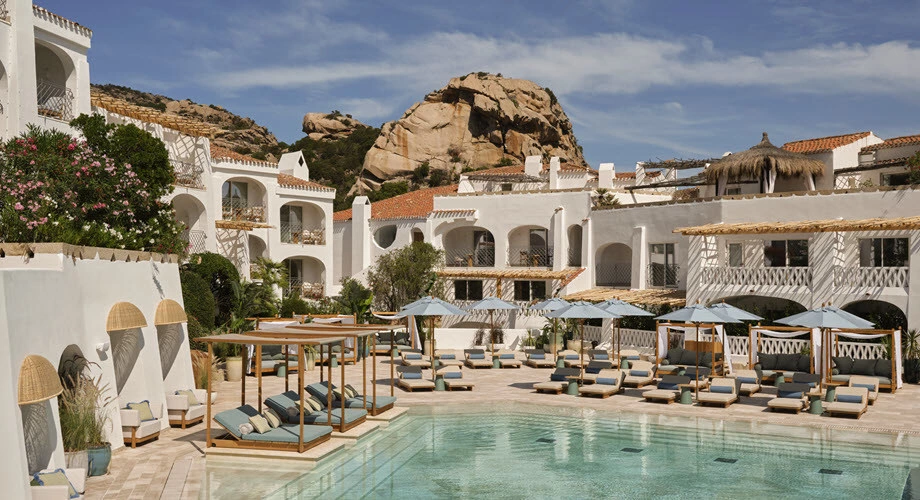
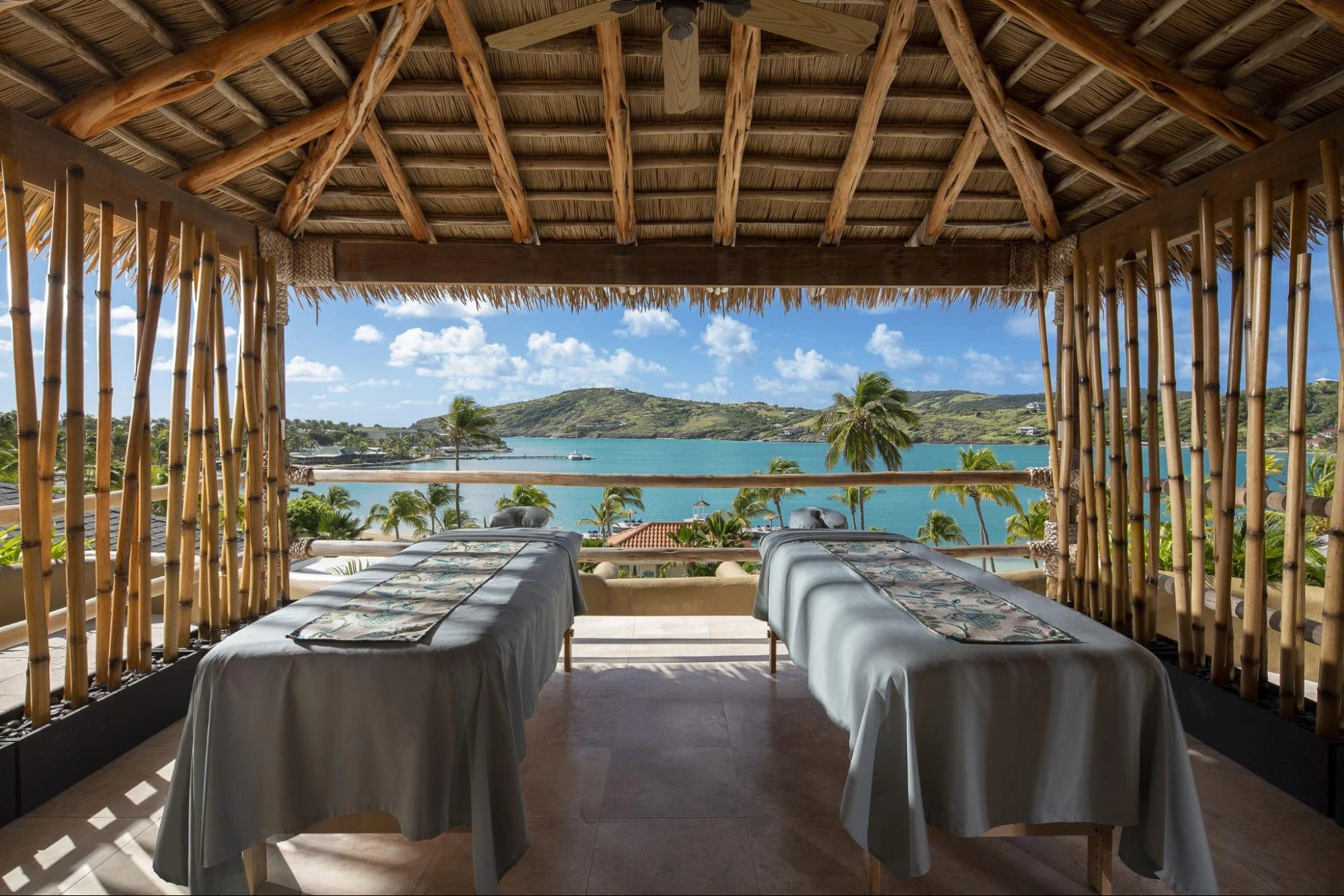
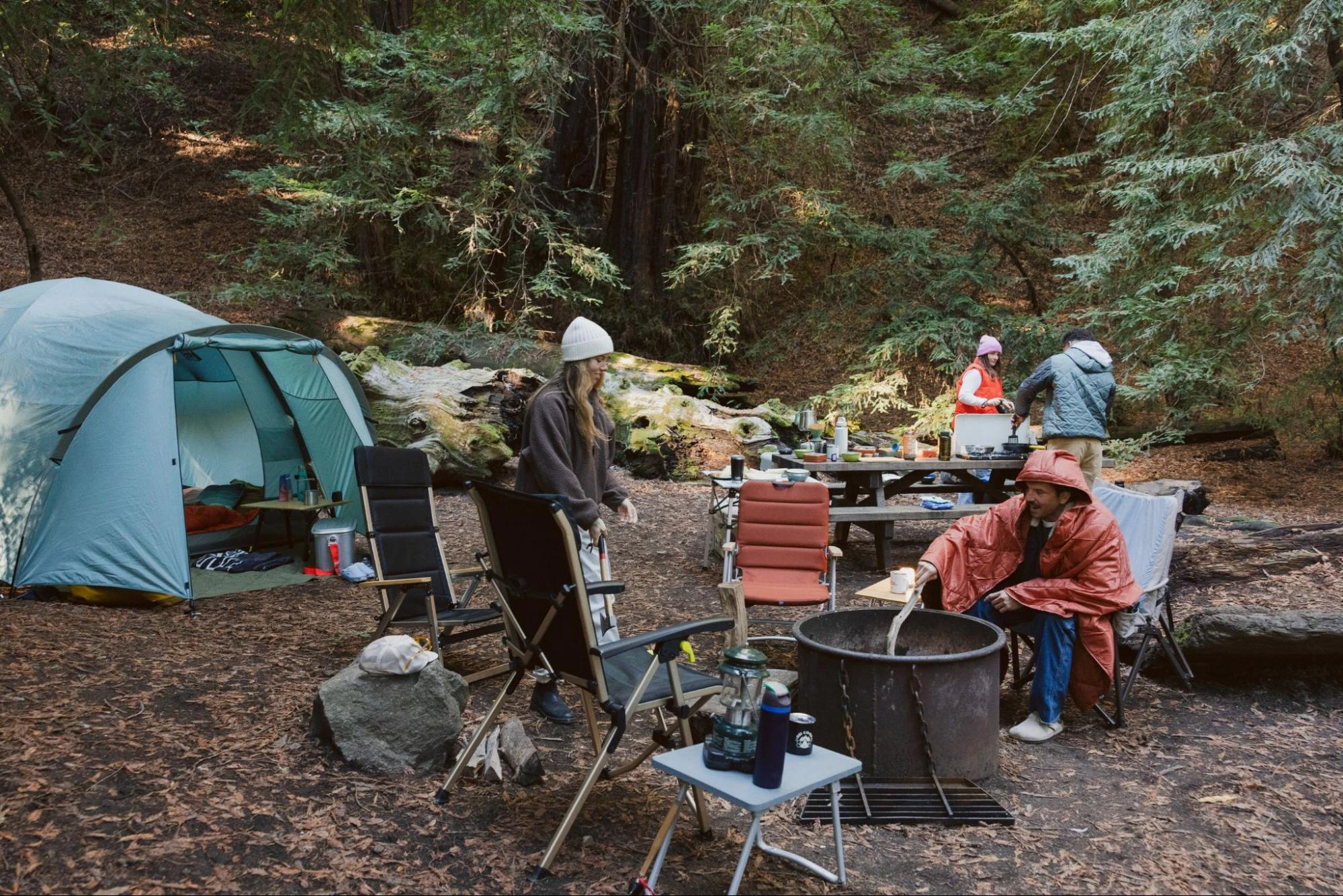
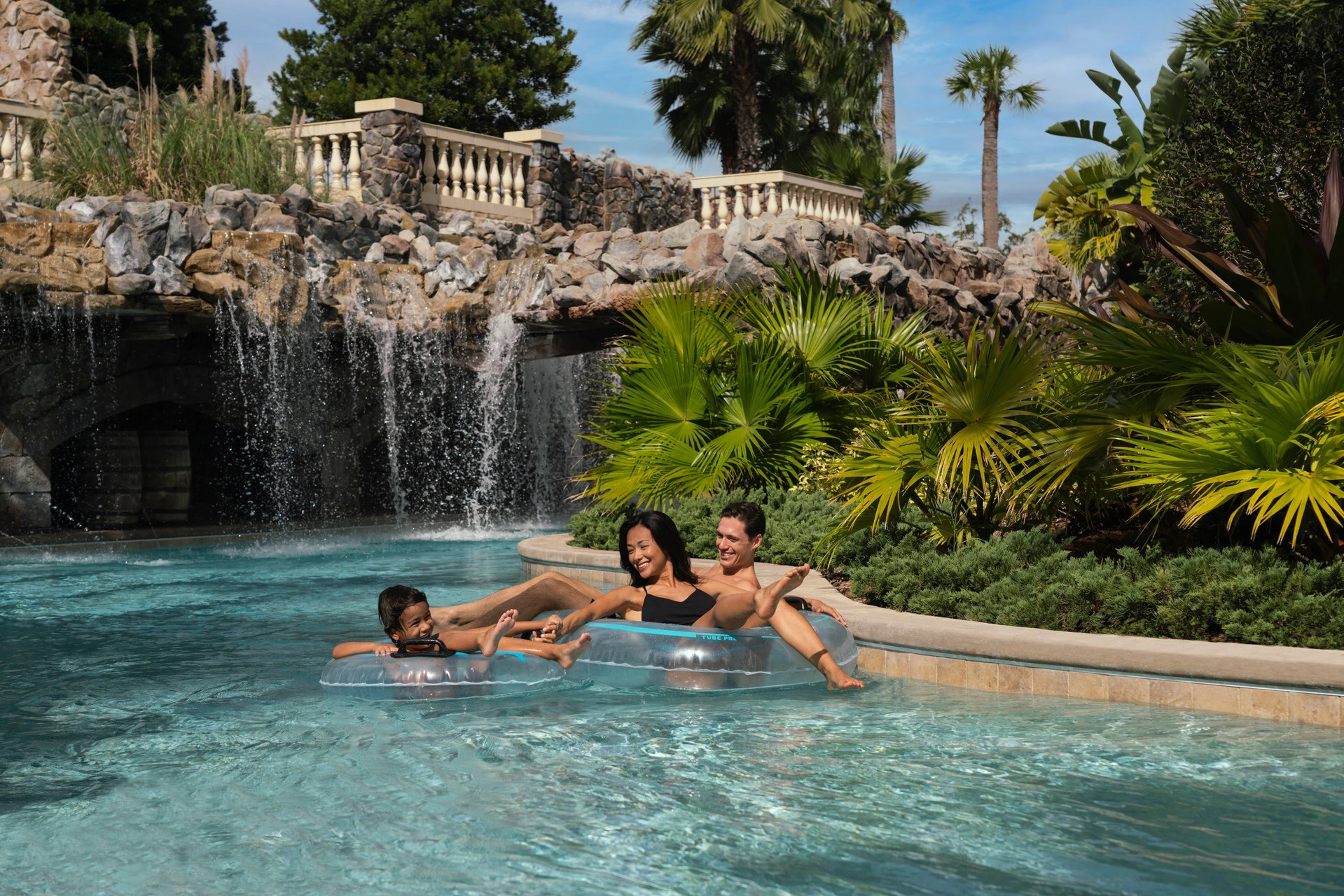
In practice, this philosophy translates into a diverse range of offerings across Fairmont properties, from outdoor activities and nature-based experiences to more traditional recovery-focused amenities. The inclusion of elements such as cold immersion, forest therapy, and water-based activities reflects an effort to connect well-being with local environments, rather than isolating it within standardized hotel facilities. This localization suggests a move toward experiences that feel more authentic to each destination.
The involvement of a high-profile athlete underscores another dimension of the strategy. By associating wellness with performance, recovery, and discipline, the campaign broadens its appeal beyond leisure travelers to those who prioritize productivity and physical balance. At the same time, the messaging avoids positioning wellness as exclusive or intensive, instead presenting it as adaptable to different lifestyles and preferences.
This evolution mirrors wider trends in the luxury travel sector, where differentiation increasingly comes from how brands interpret and deliver experiences rather than the amenities themselves. As guests seek more personalized and meaningful stays, hospitality companies are rethinking how their environments support both physical and mental well-being.
Fairmont’s campaign highlights how wellness is becoming less about dedicated spaces and more about integrated design. As the boundaries between travel, lifestyle, and health continue to blur, the ability to embed well-being seamlessly into the overall experience may become a defining factor in how hospitality brands compete.