Nobu Hospitality’s latest projects reflect growing investor confidence in emerging coastal destinations that blend branded living, tourism, and lifestyle-driven development
Nobu Hospitality is extending its global footprint with two new projects in Azerbaijan and Montenegro, signaling how luxury hospitality brands are increasingly looking beyond traditional tourism capitals for future growth. Announced in partnership with Sea Breeze Resort, the developments will bring Nobu-branded hotels, restaurants, and residences to the Caspian coast in Baku and the Adriatic coastline of Montenegro, further expanding the company’s strategy of combining hospitality, dining, and branded real estate into integrated lifestyle destinations.
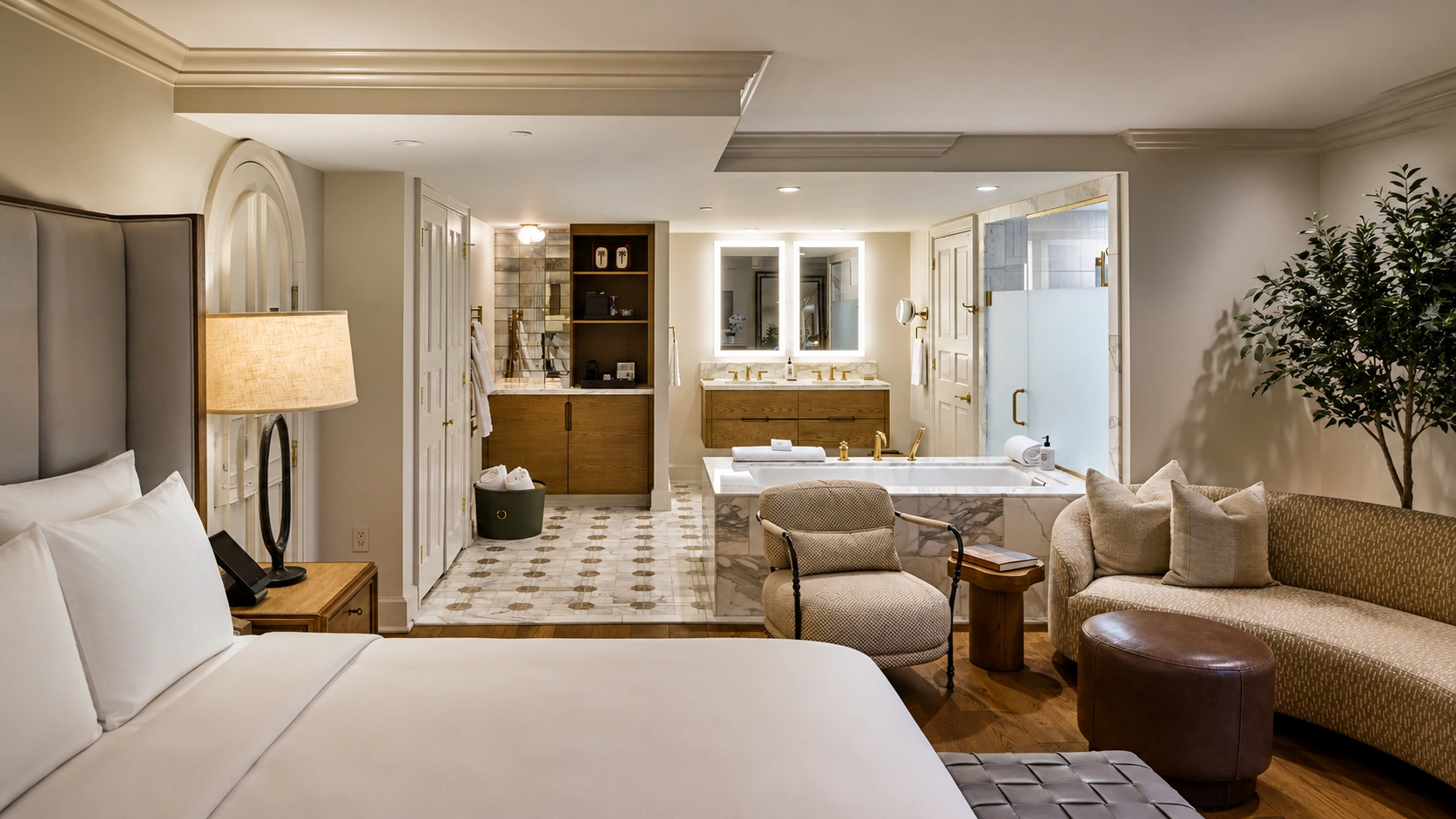
The projects reflect a broader shift in the luxury travel market, where emerging resort regions are competing for affluent international visitors through large-scale mixed-use developments rather than standalone hotels. In both locations, Nobu plans to build 80-room hotels alongside 100 branded residences and private villas, pairing high-end accommodations with the company’s recognizable restaurant concept and wellness-oriented amenities. The approach mirrors a growing industry emphasis on creating places where travelers can not only visit, but also invest, live, and return seasonally.
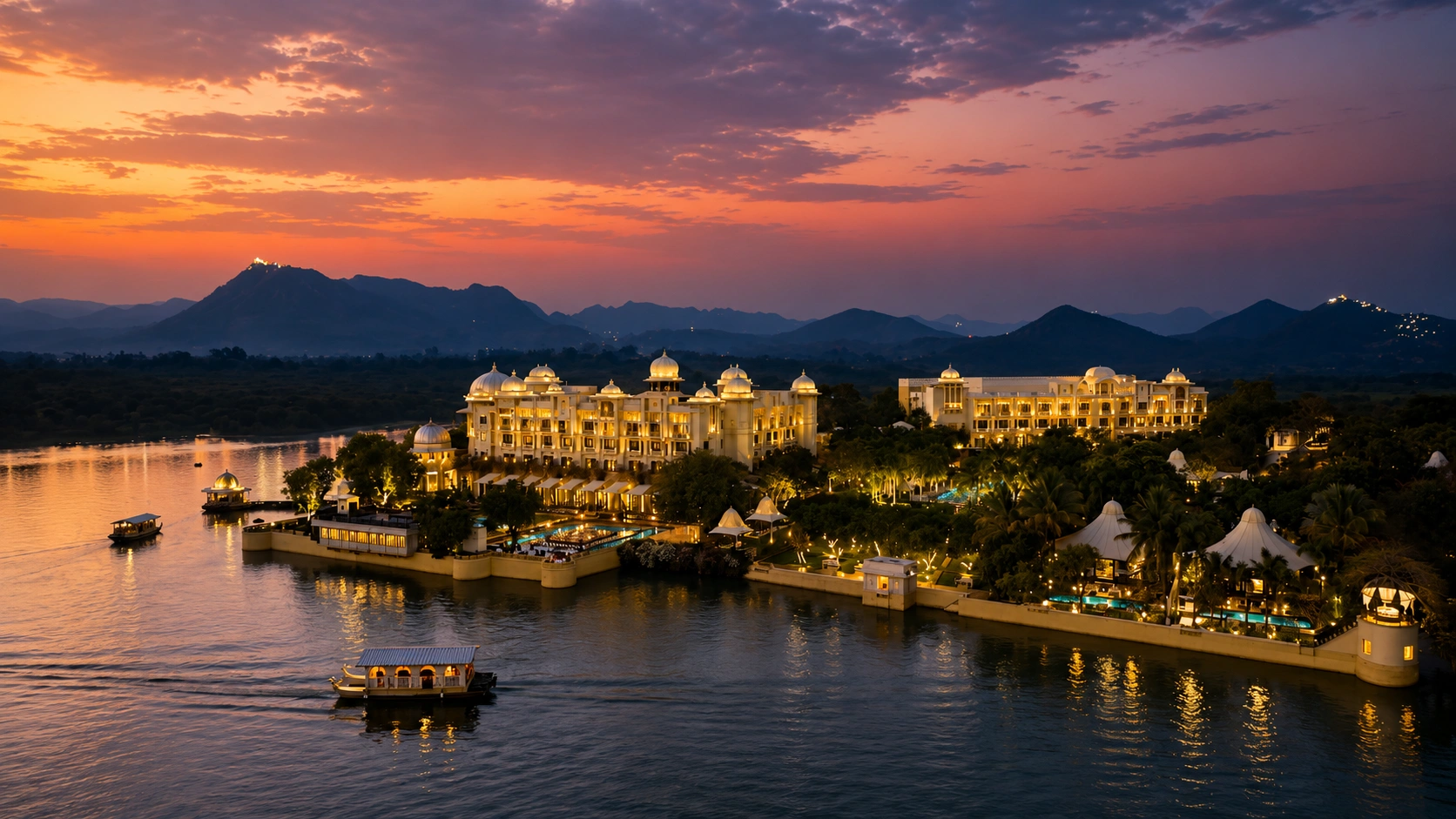
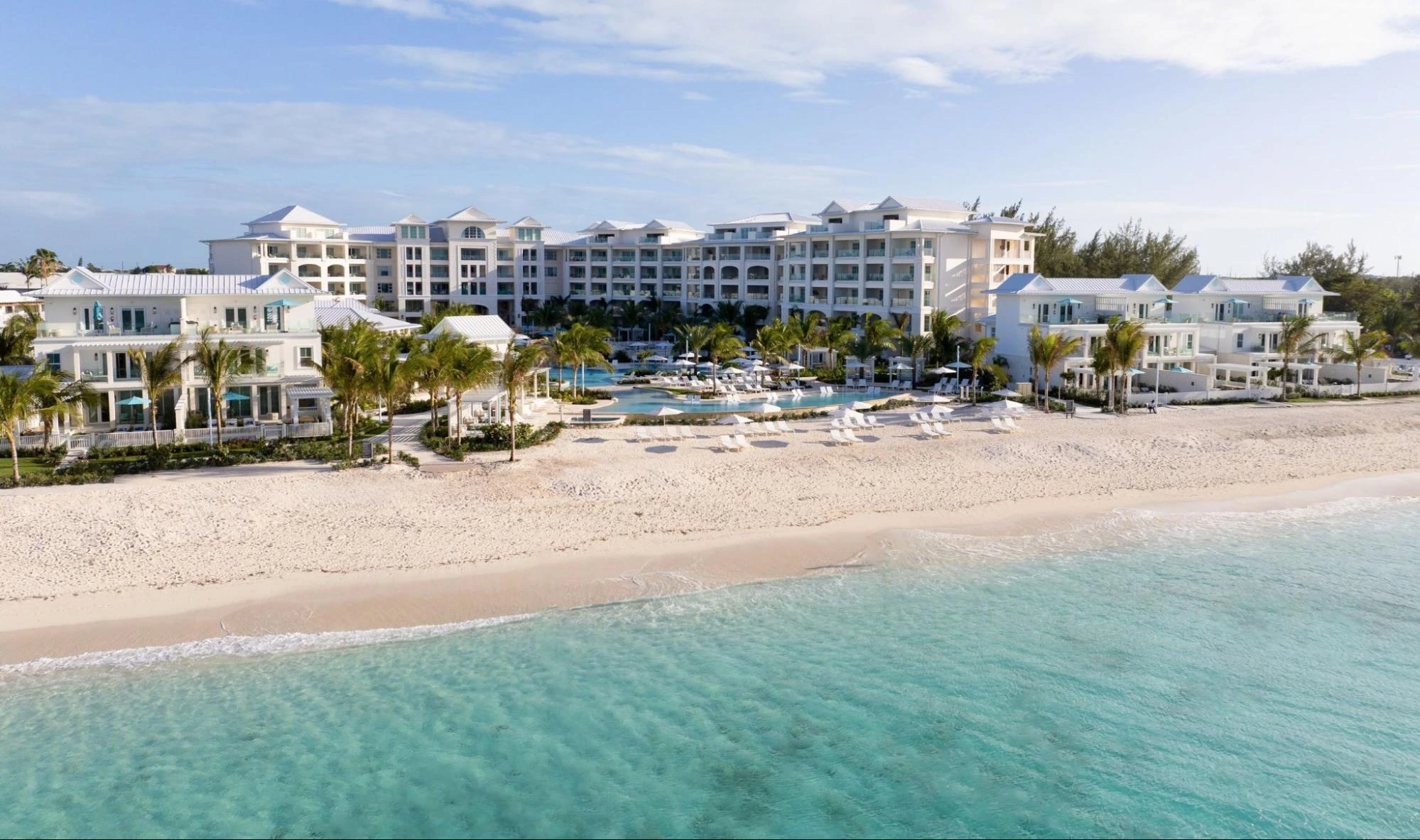
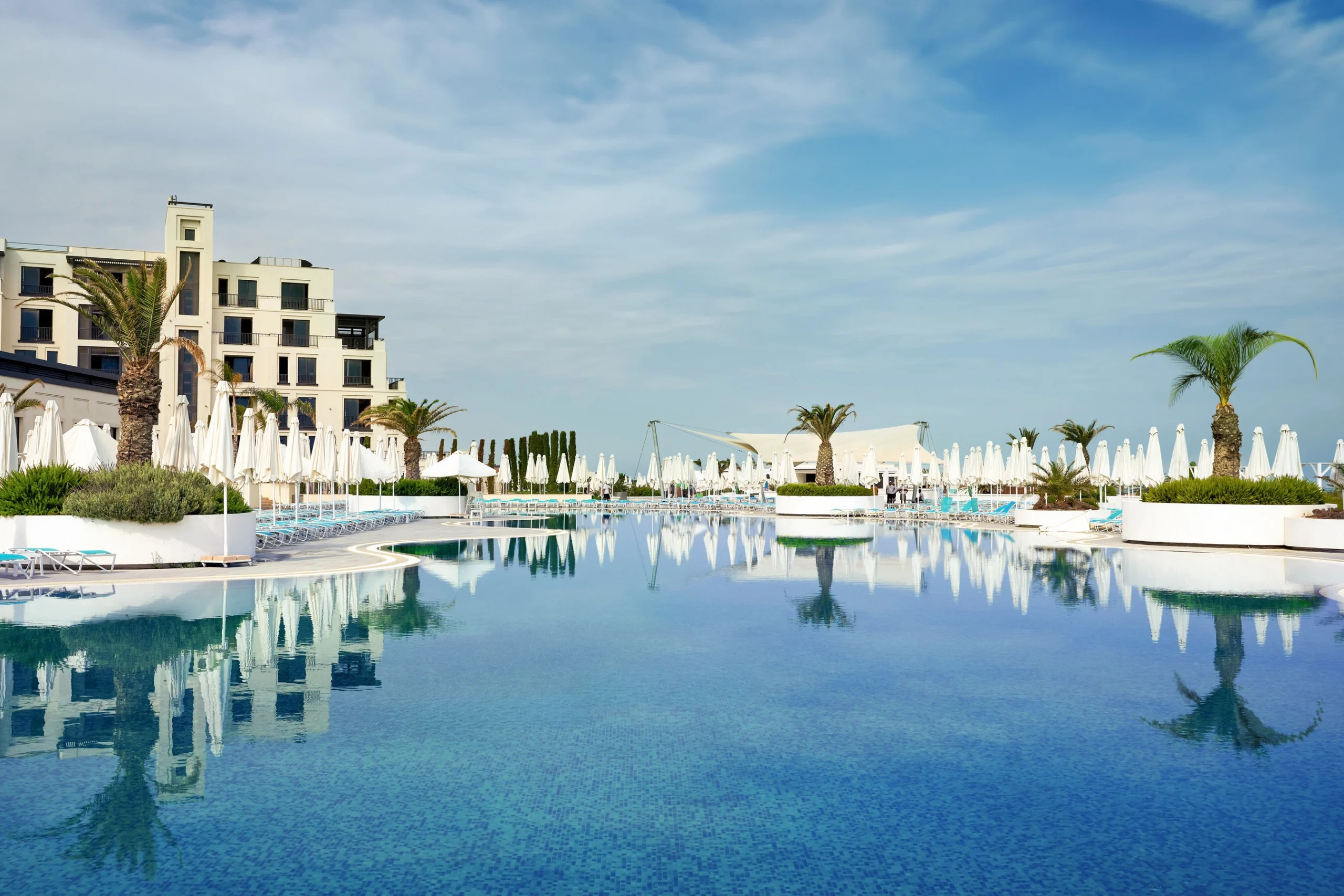
For Azerbaijan in particular, the partnership represents a notable moment in the country’s tourism ambitions. While Baku has spent years developing its profile through architecture, sporting events, and waterfront expansion, the arrival of a globally recognized hospitality brand suggests increasing confidence in the region’s ability to attract international luxury tourism. Positioned along the Caspian Sea within the Sea Breeze Resort development, the project aims to combine beachfront leisure with a globally familiar hospitality identity.
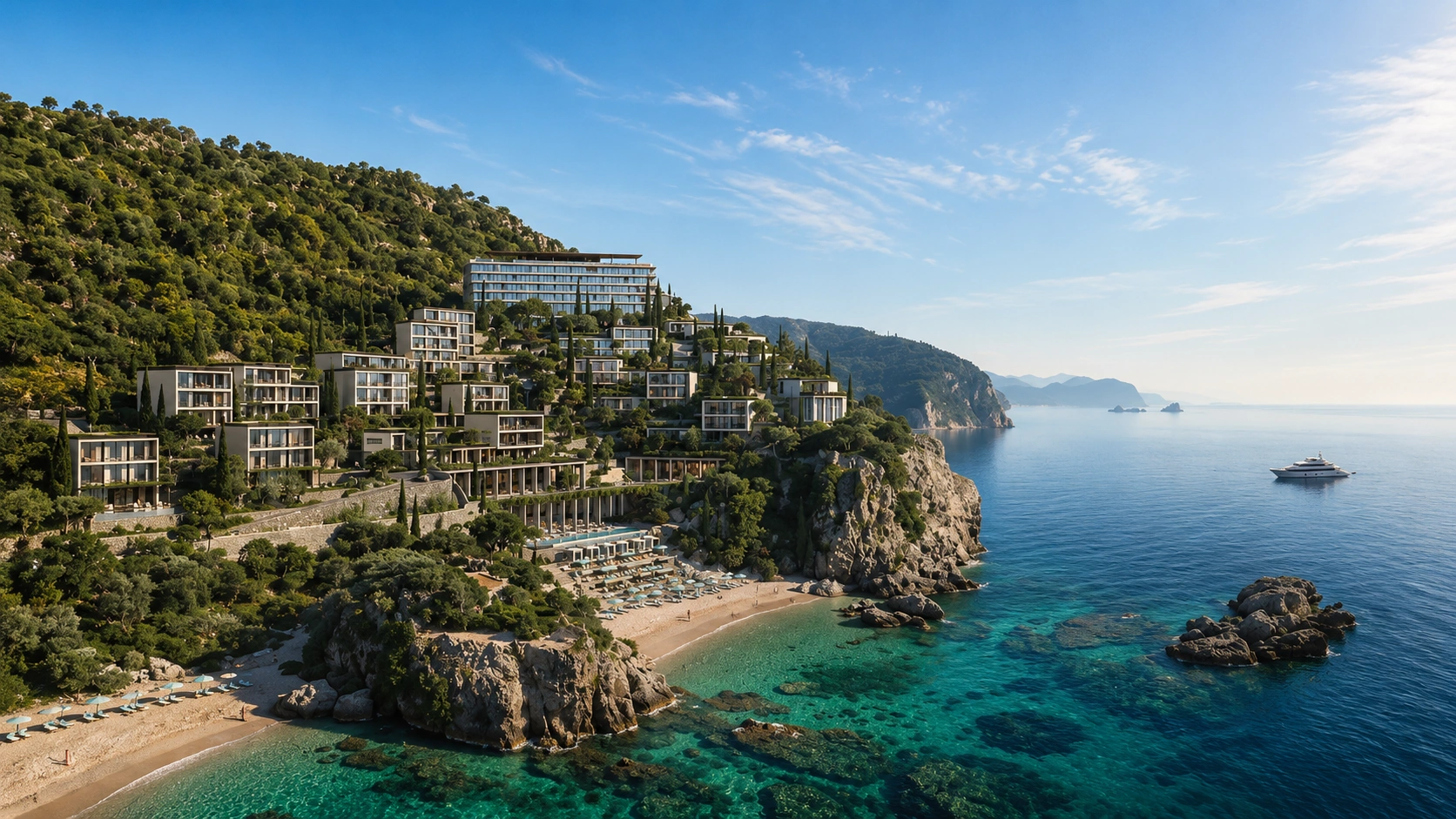
Montenegro, meanwhile, has increasingly emerged as one of Europe’s quieter luxury growth markets, attracting investment tied to yachting, wellness tourism, and coastal residential development. Nobu’s return to the country reinforces how the Adriatic region continues evolving from a niche destination into a broader network of upscale lifestyle communities catering to international buyers and travelers seeking alternatives to more saturated Mediterranean markets.
The expansion also highlights how hospitality brands are becoming cultural and real-estate brands as much as hotel operators. Nobu’s identity — shaped as much by its restaurants and celebrity associations as by its accommodations — gives developments a built-in global recognition factor that developers increasingly see as valuable. As luxury travelers continue prioritizing curated experiences, wellness, and destination-driven living, projects like those in Baku and Montenegro suggest the future of hospitality may depend as much on lifestyle ecosystems as on the hotel room itself.